

Collection
Carl Larsson
Explore curated art prints selected for distinctive homes and considered interiors.
Suggested filters
-
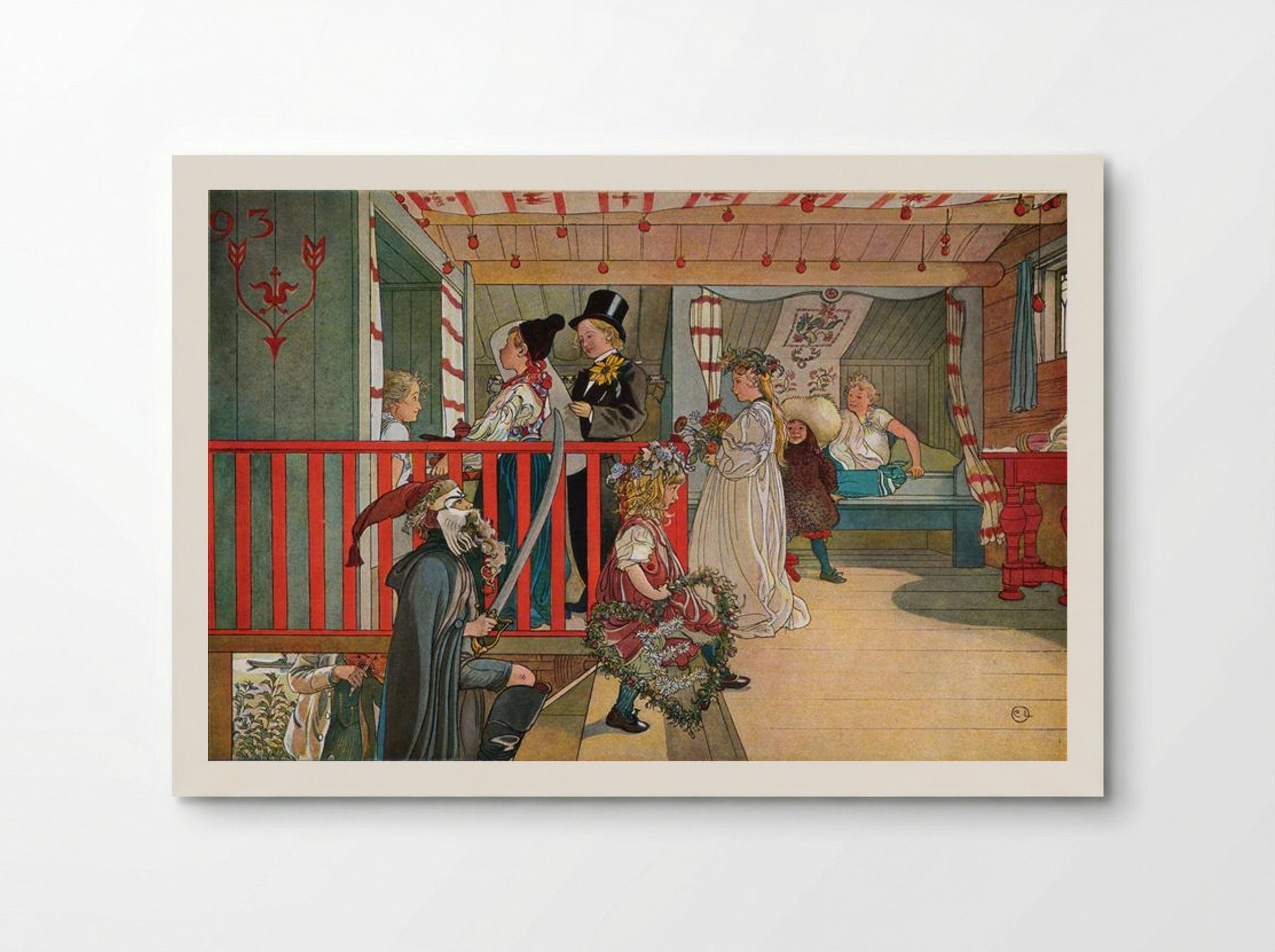 A Day of Celebration - Carl Larsson
Print
Regular price From £28.00 GBPSale price From £28.00 GBP Regular price -
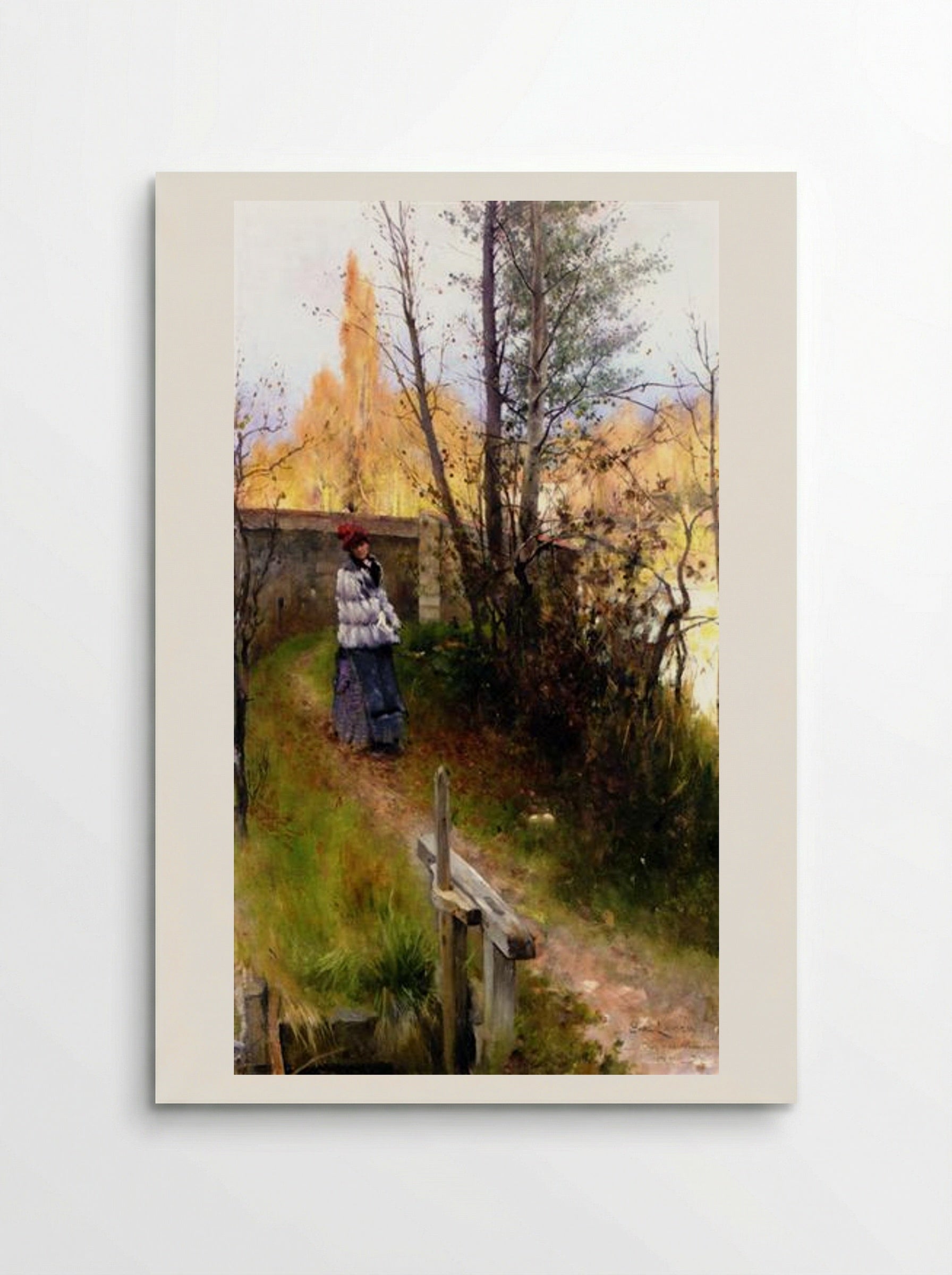 Karin in Autumn - Carl Larsson
Print
Regular price From £28.00 GBPSale price From £28.00 GBP Regular price -
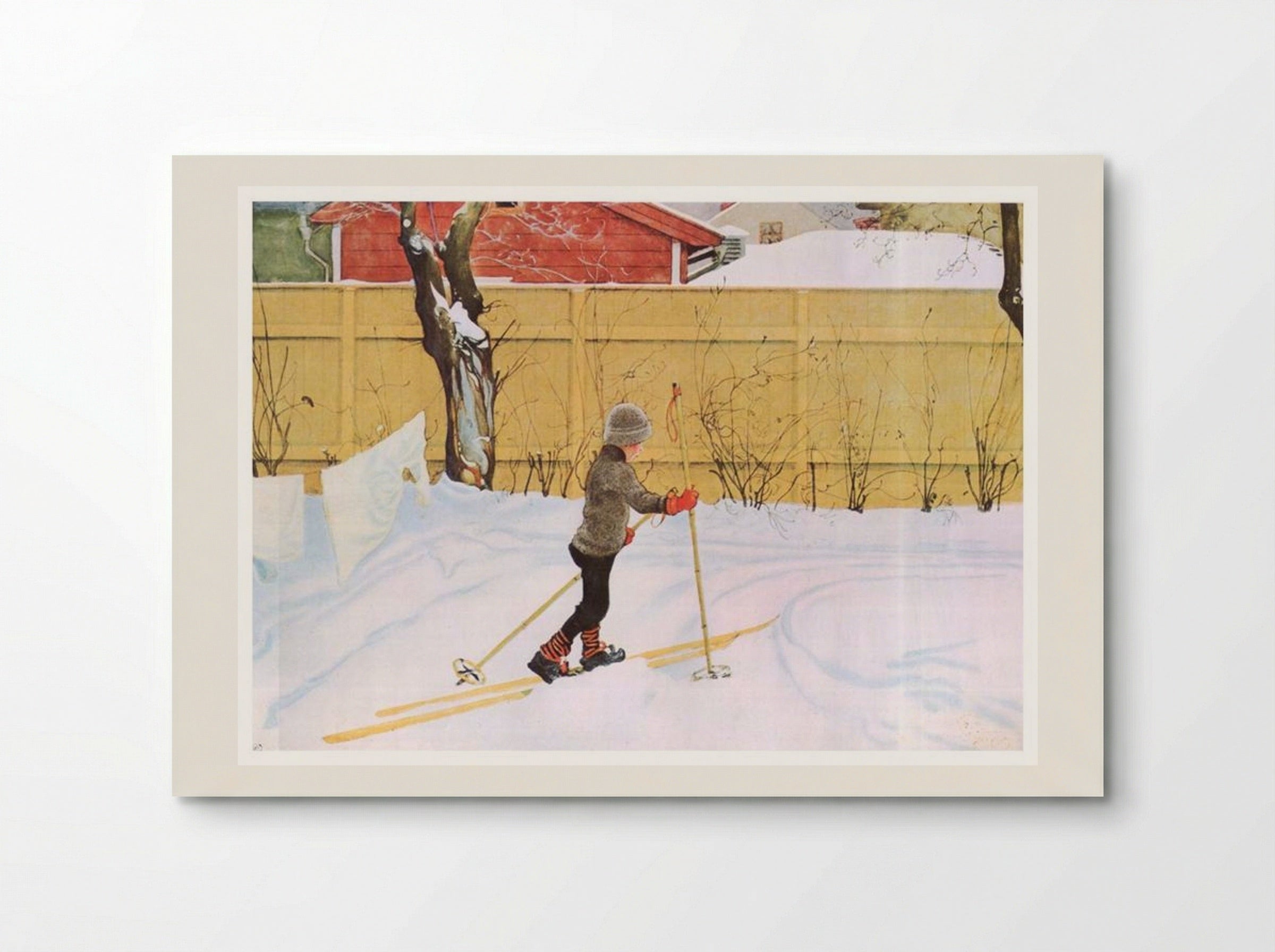 The Skier - Carl Larsson
Print
Regular price From £28.00 GBPSale price From £28.00 GBP Regular price -
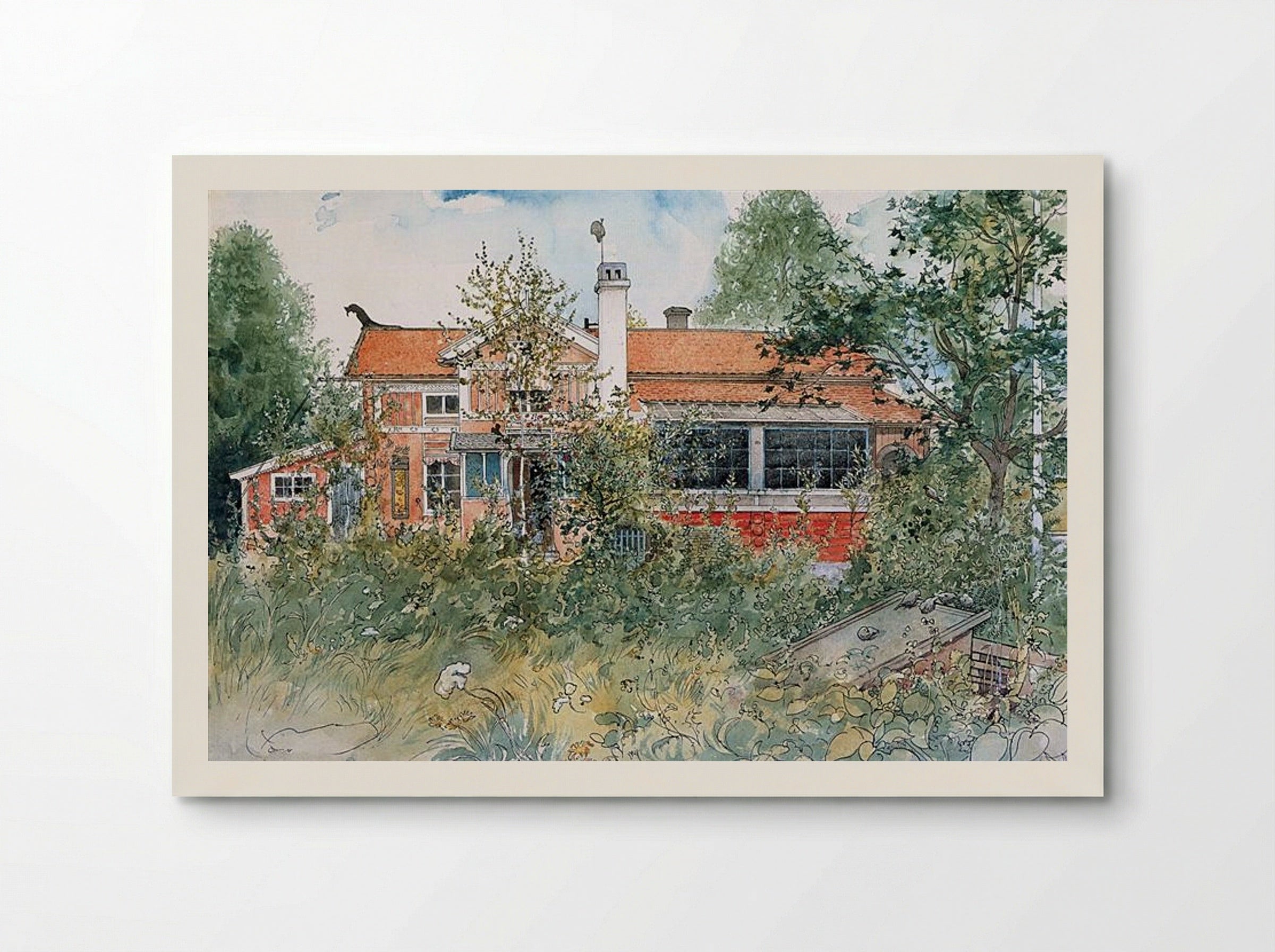 The Cottage - Carl Larsson
Print
Regular price From £28.00 GBPSale price From £28.00 GBP Regular price -
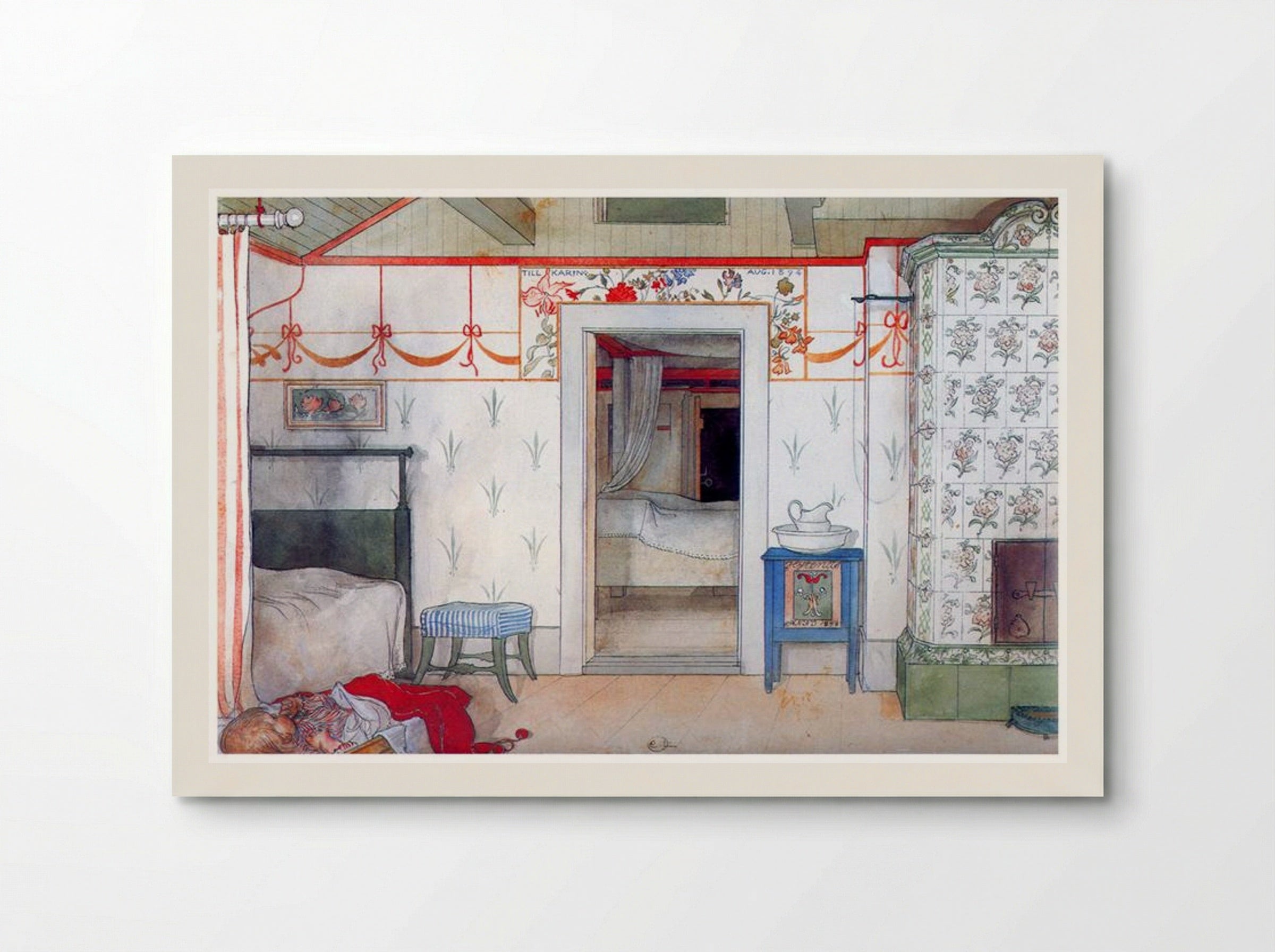 Brita's Forty Winks - Carl Larsson
Print
Regular price From £28.00 GBPSale price From £28.00 GBP Regular price -
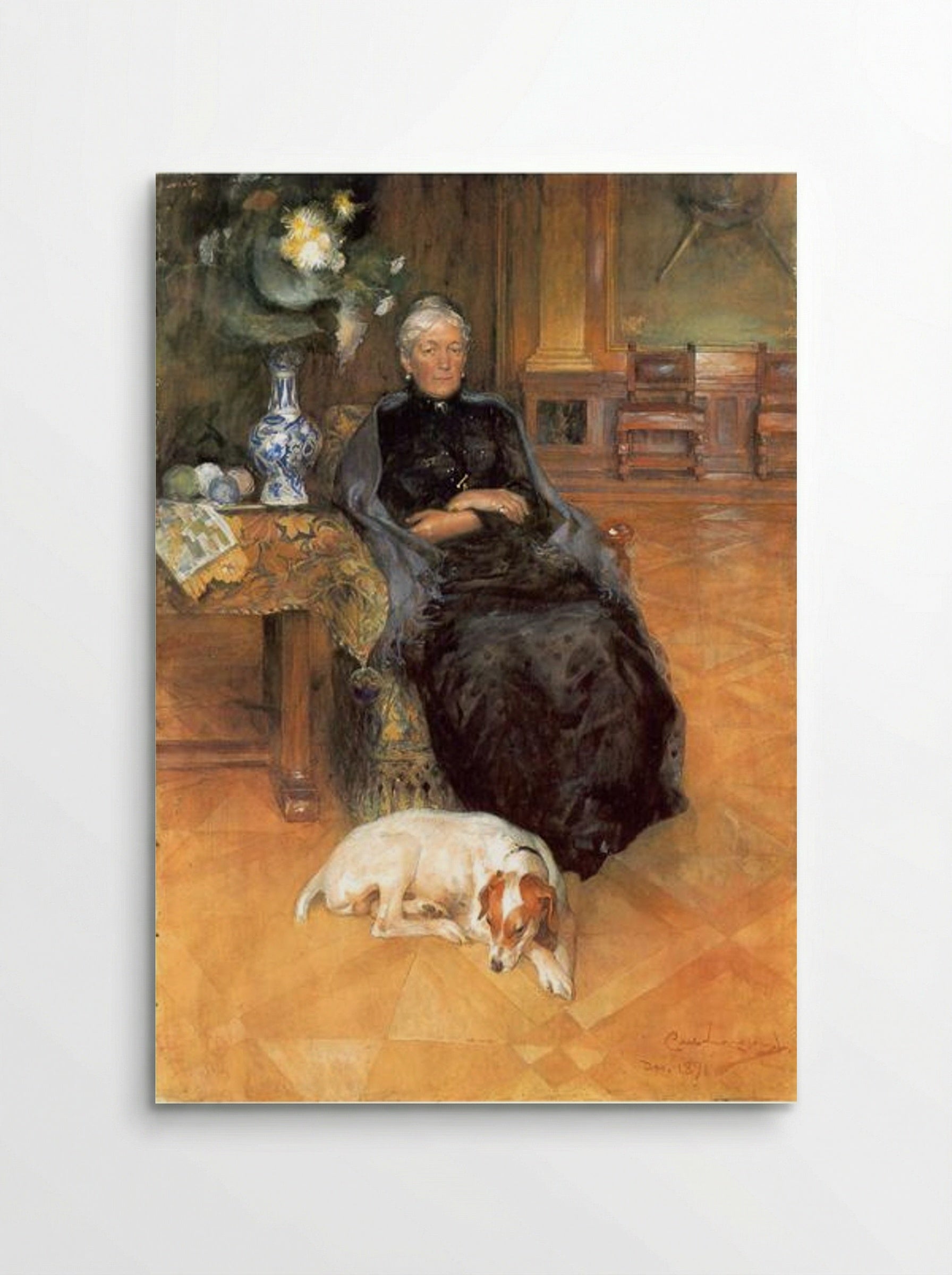 Portrait of Gothilda Fürstenberg - Carl Larsson
Print
Regular price From £28.00 GBPSale price From £28.00 GBP Regular price -
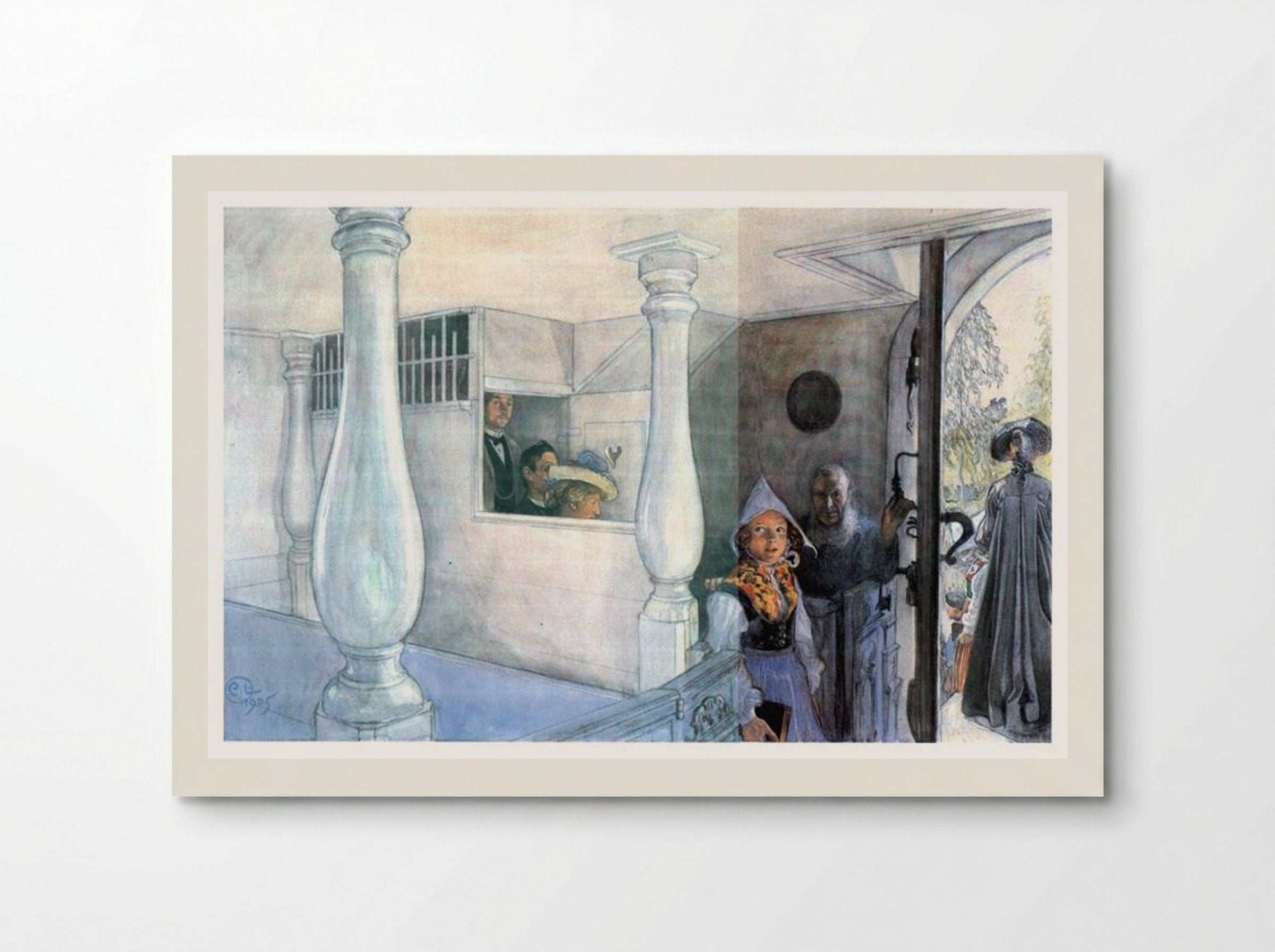 In Sundborn Church - Carl Larsson
Print
Regular price From £28.00 GBPSale price From £28.00 GBP Regular price -
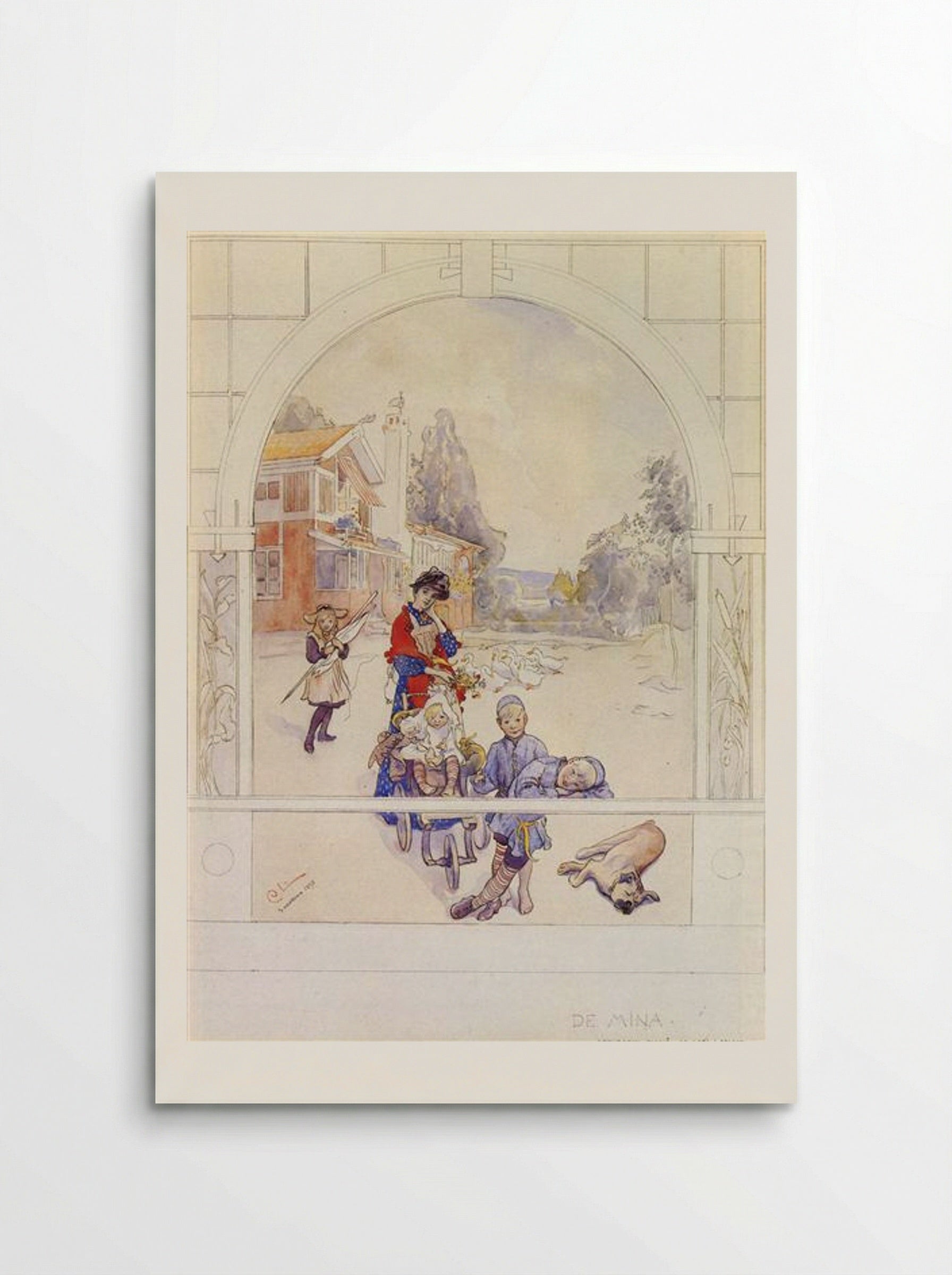 My Loved Ones - Carl Larsson
Print
Regular price From £28.00 GBPSale price From £28.00 GBP Regular price -
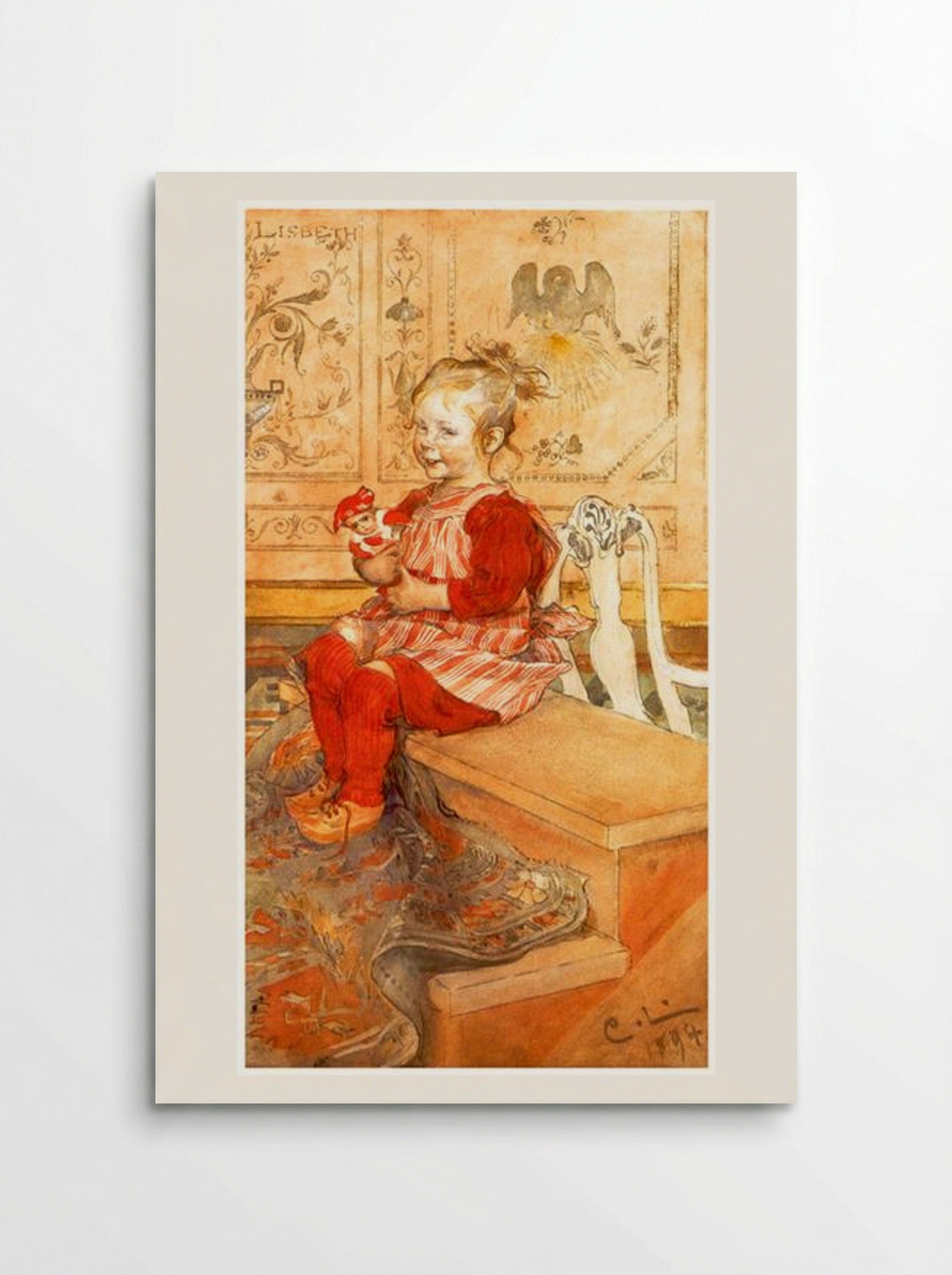
-
 Mammas and the Small Girls - Carl Larsson
Print
Regular price From £28.00 GBPSale price From £28.00 GBP Regular price -
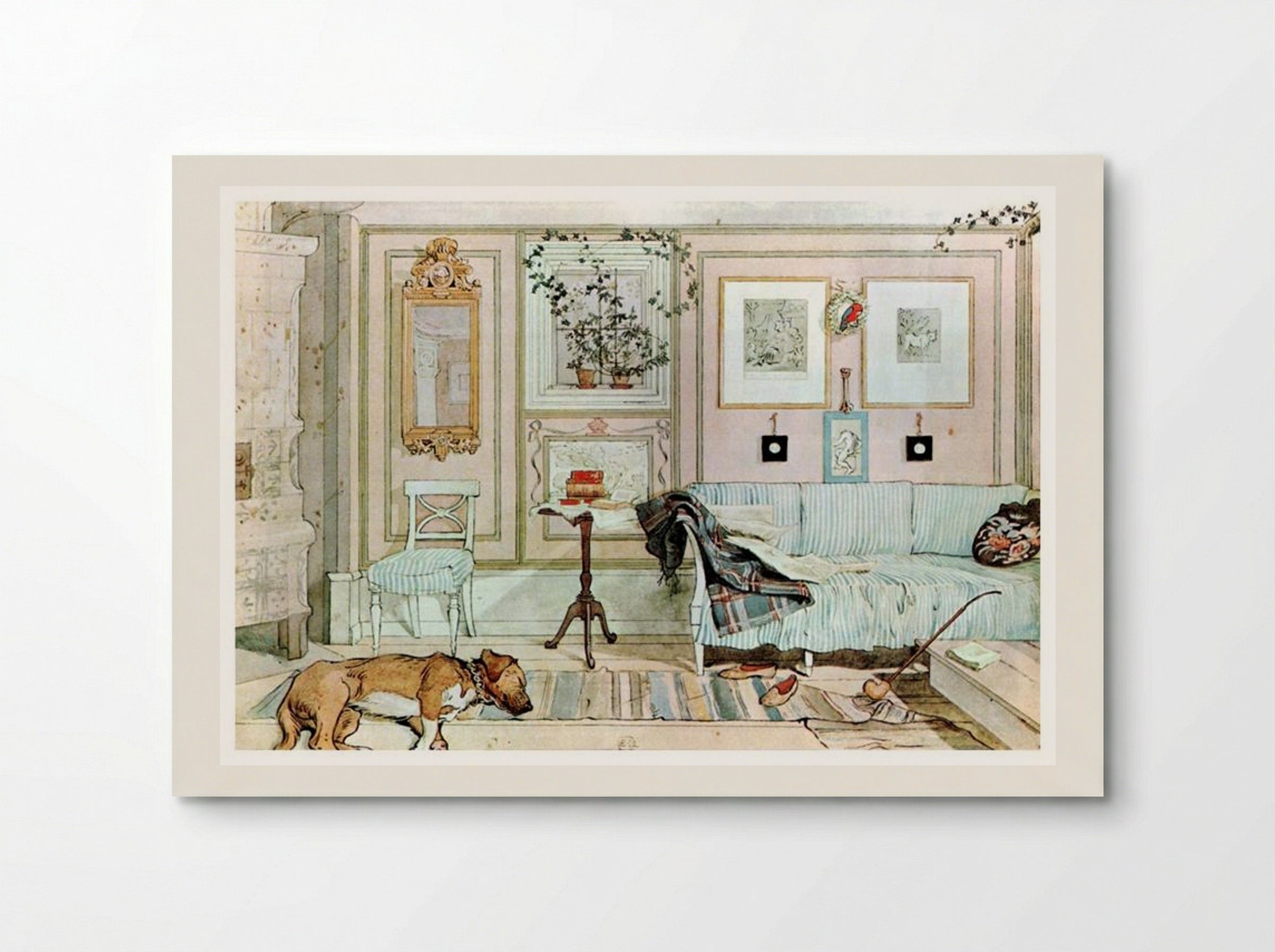 Lazy Nook - Carl Larsson
Print
Regular price From £28.00 GBPSale price From £28.00 GBP Regular price -
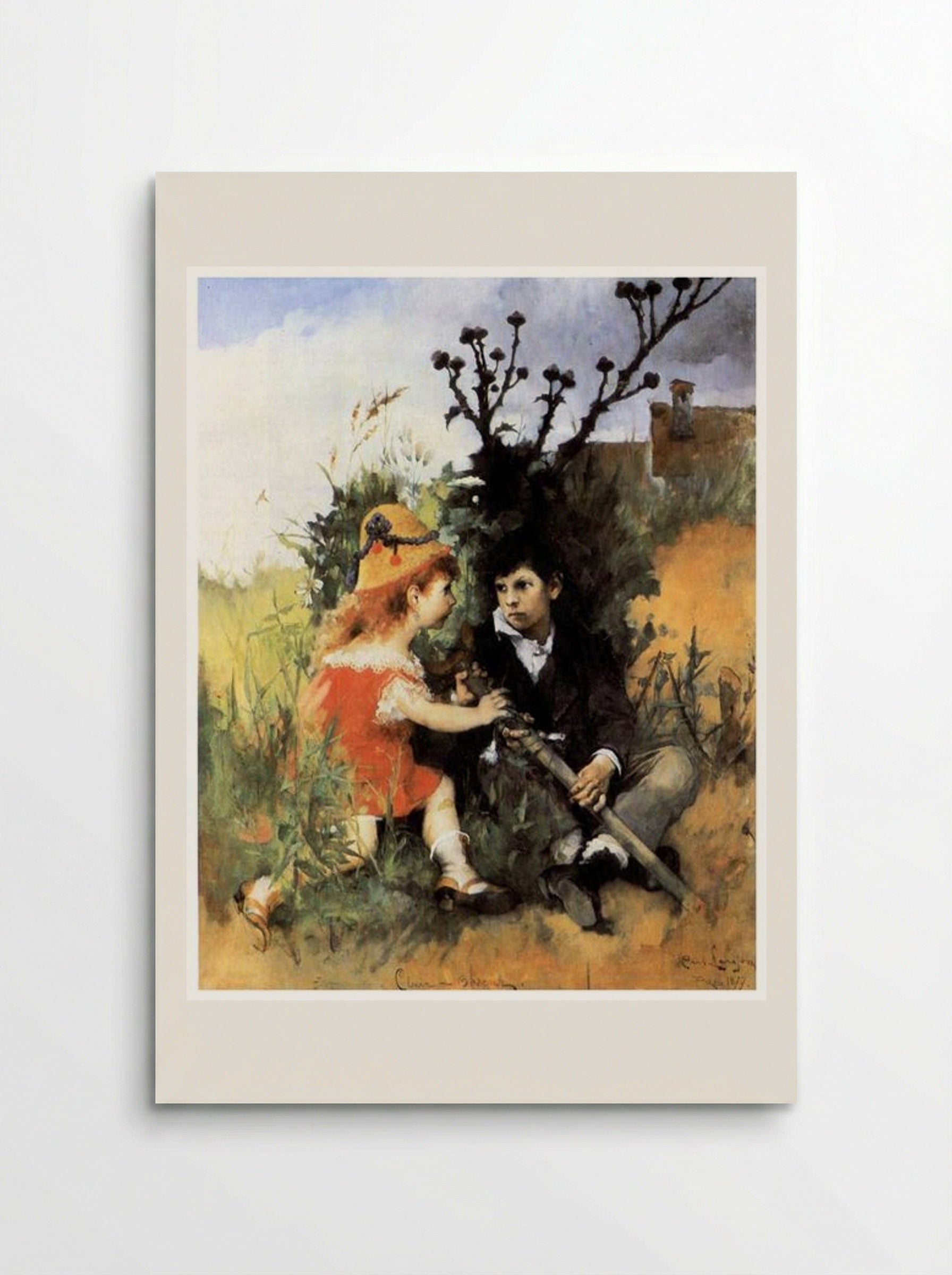 Clair Obscur - Carl Larsson
Print
Regular price From £28.00 GBPSale price From £28.00 GBP Regular price -
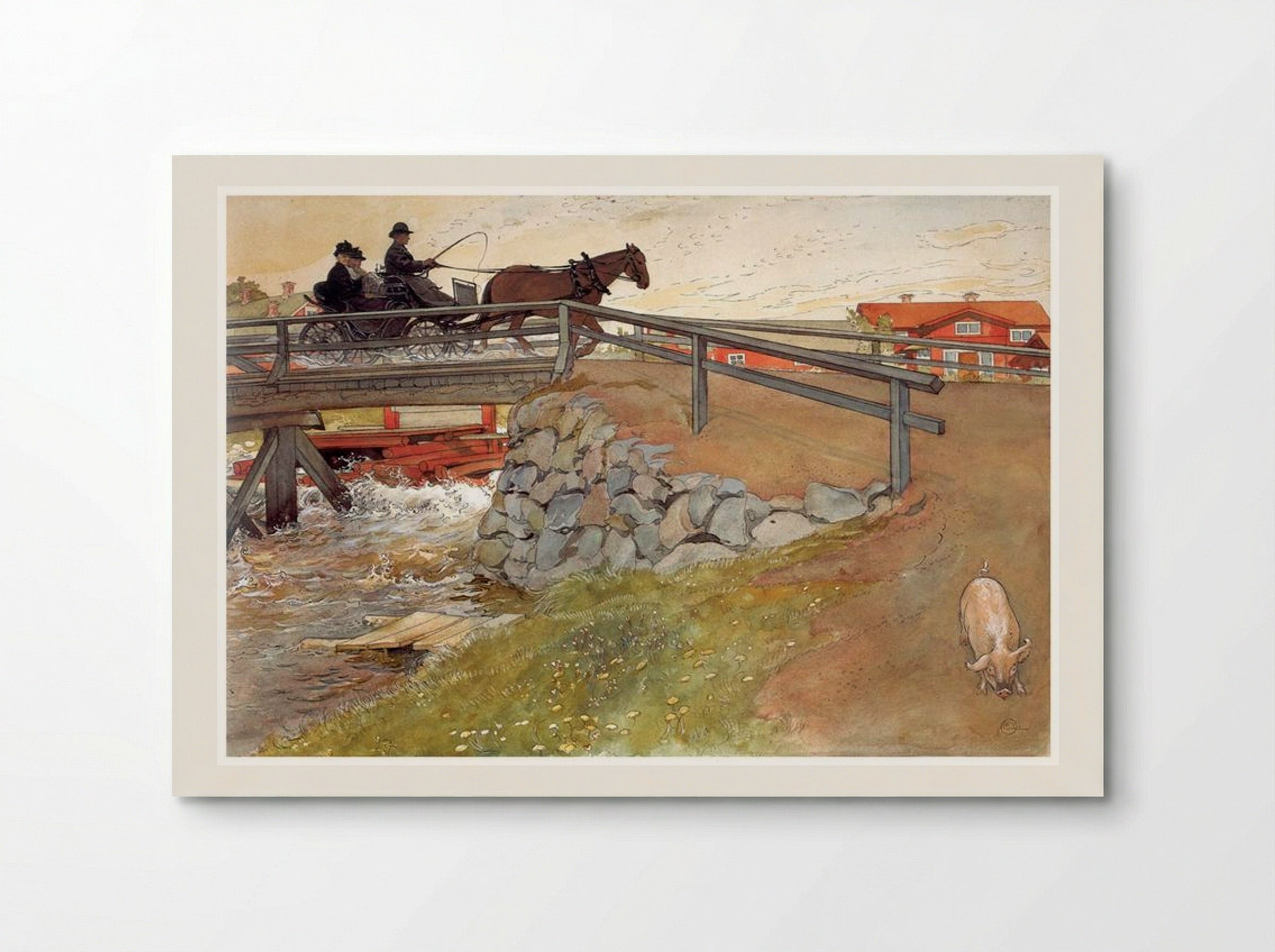 The Bridge - Carl Larsson
Print
Regular price From £28.00 GBPSale price From £28.00 GBP Regular price -
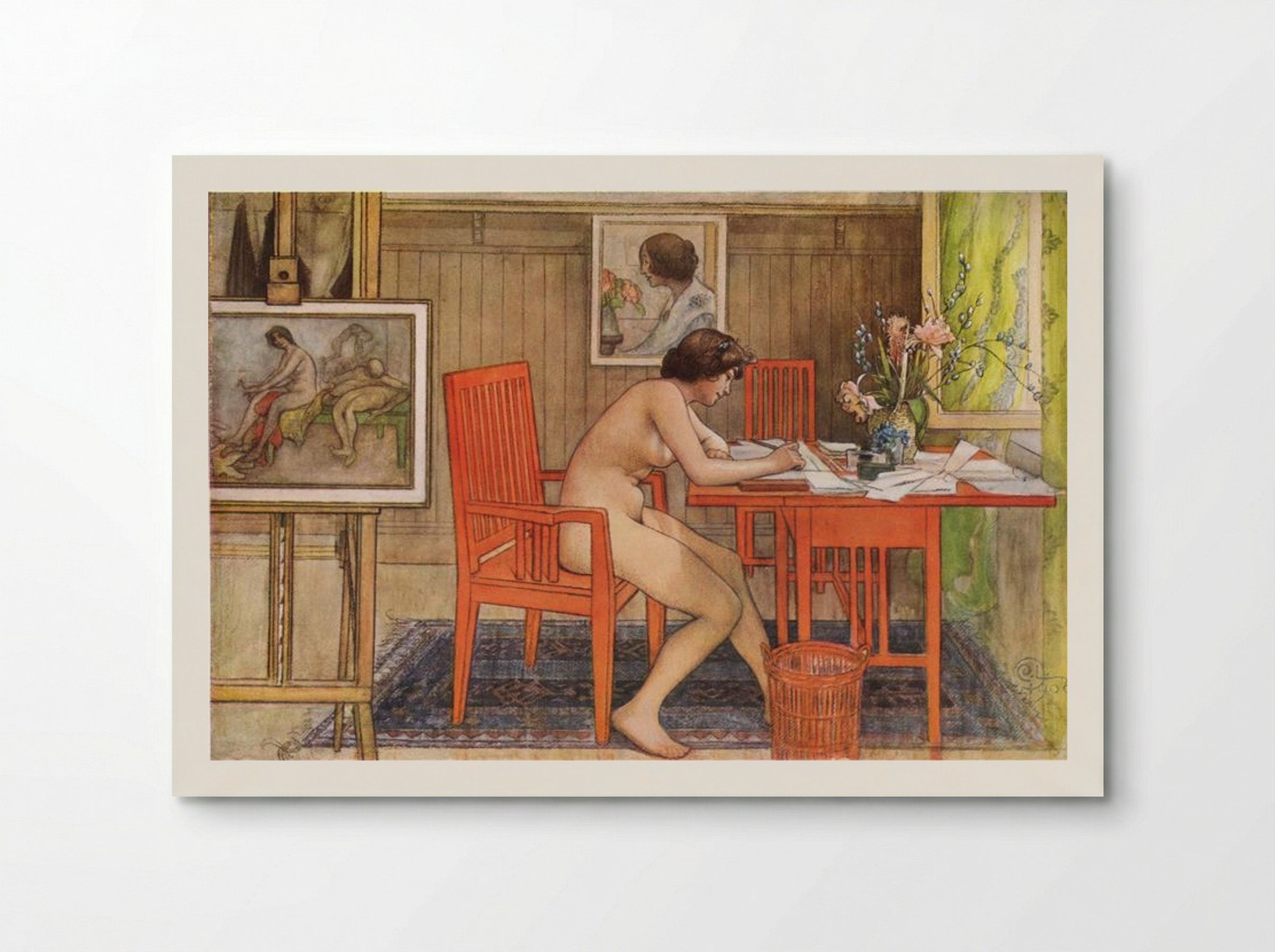 Model Writing Postcards - Carl Larsson
Print
Regular price From £28.00 GBPSale price From £28.00 GBP Regular price -
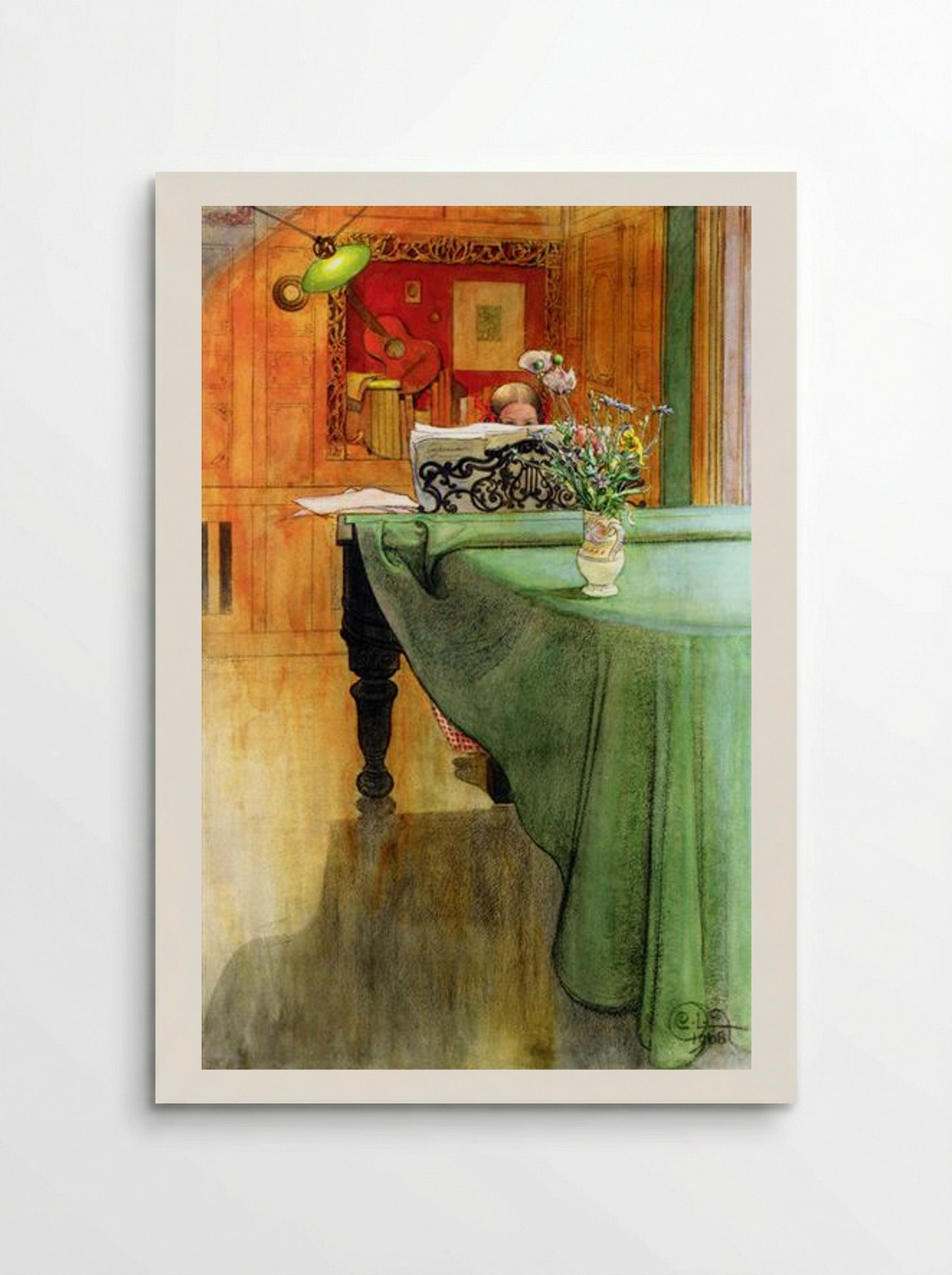 Brita at the Piano - Carl Larsson
Print
Regular price From £28.00 GBPSale price From £28.00 GBP Regular price -
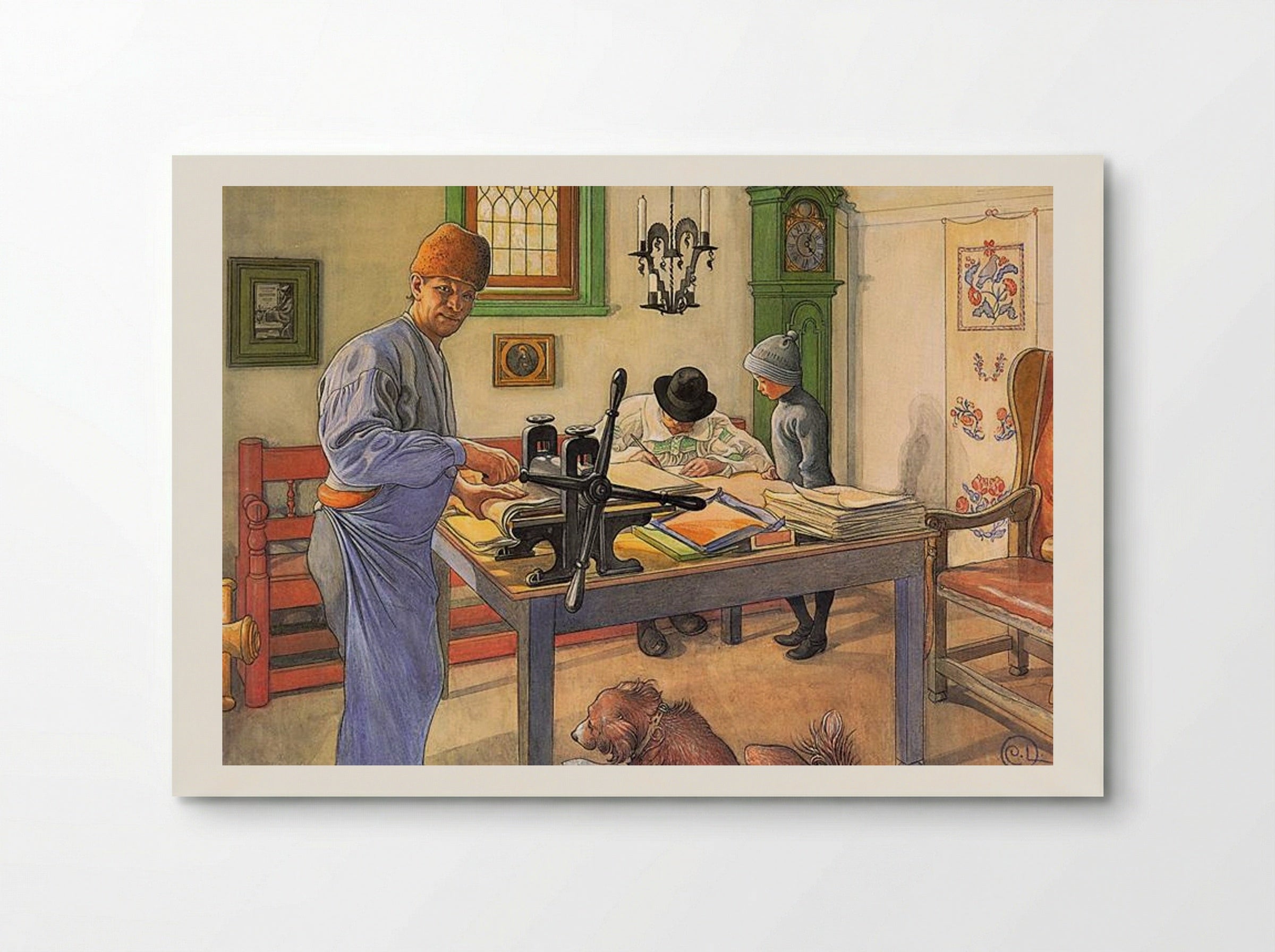 My Acid Workshop (Where I do my Etching) - Carl Larsson
Print
Regular price From £28.00 GBPSale price From £28.00 GBP Regular price -
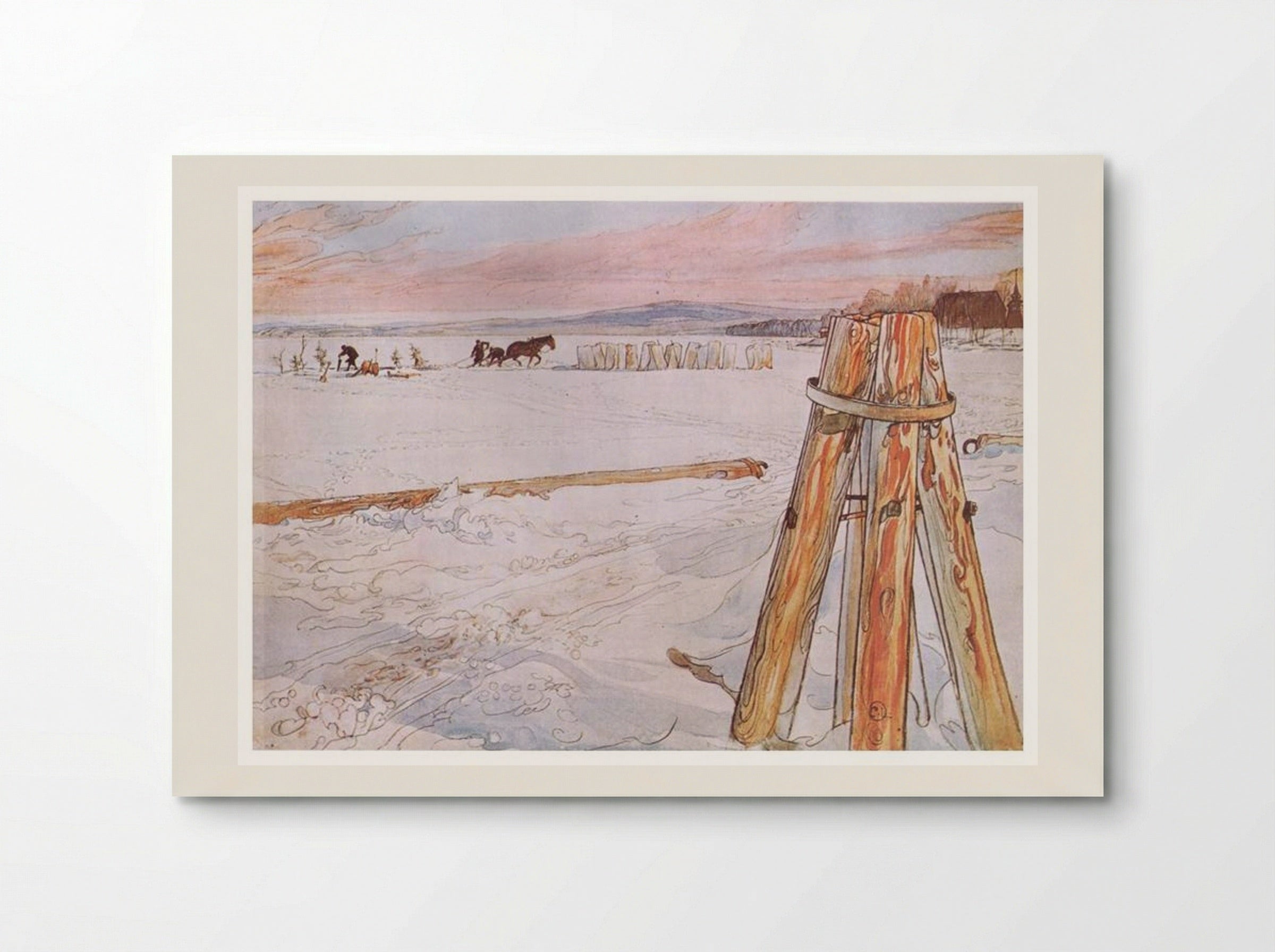 Harvesting Ice - Carl Larsson
Print
Regular price From £28.00 GBPSale price From £28.00 GBP Regular price -
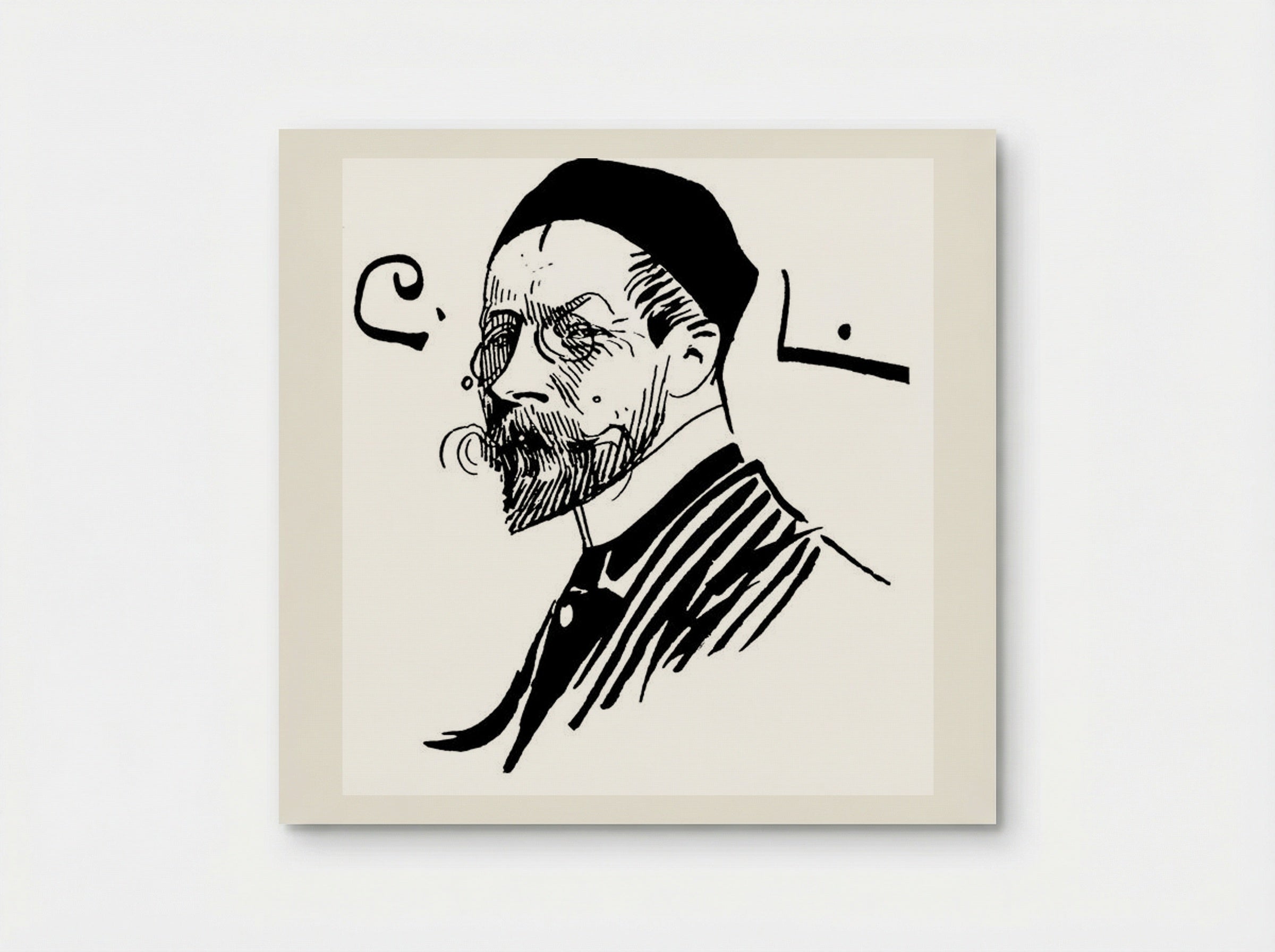 Self-portrait - Carl Larsson
Print
Regular price From £37.00 GBPSale price From £37.00 GBP Regular price -
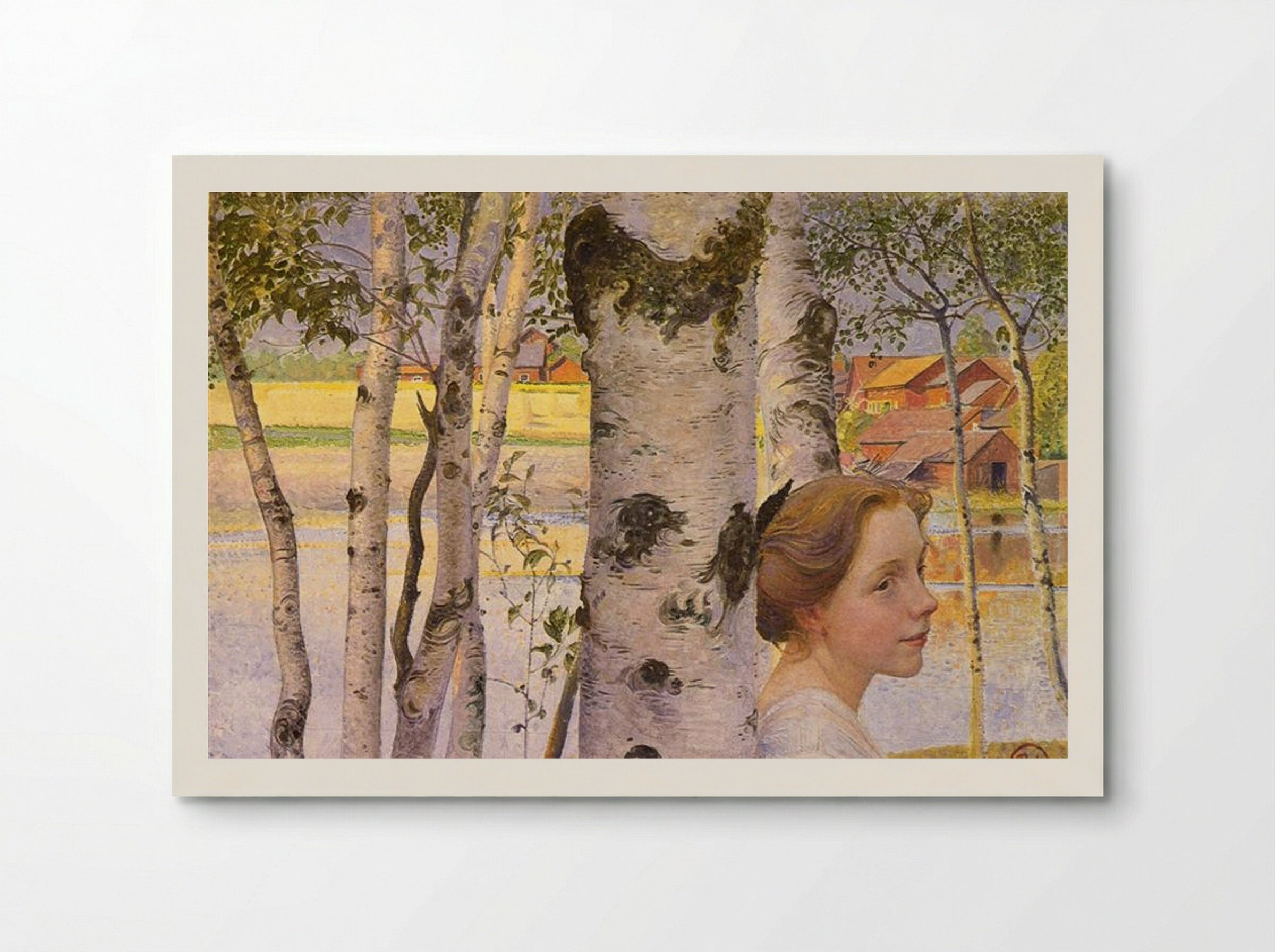 Lisbeth at the birch grove - Carl Larsson
Print
Regular price From £28.00 GBPSale price From £28.00 GBP Regular price -
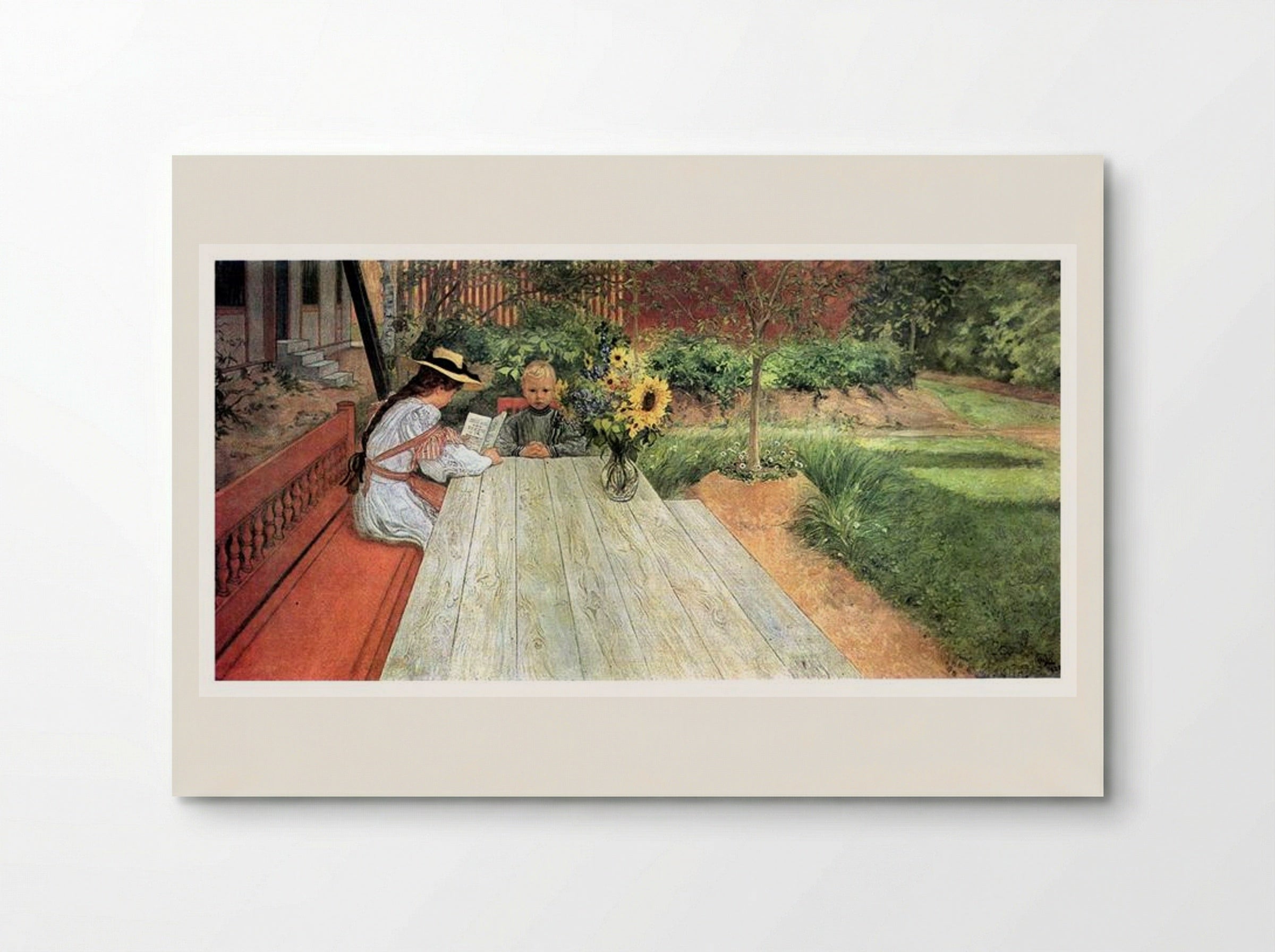 The First Lesson - Carl Larsson
Print
Regular price From £28.00 GBPSale price From £28.00 GBP Regular price -
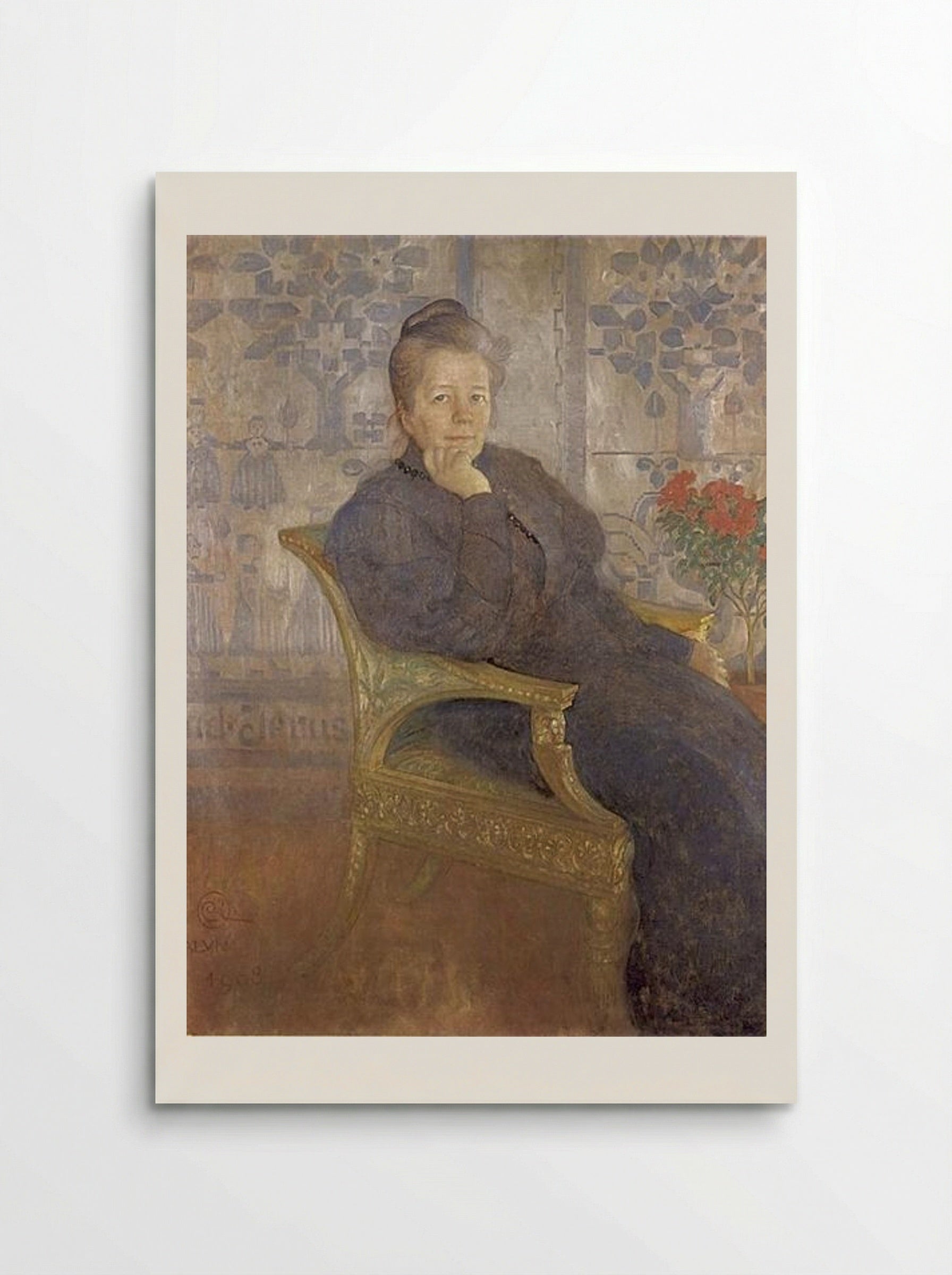 Selma Lagerlöf - Carl Larsson
Print
Regular price From £28.00 GBPSale price From £28.00 GBP Regular price -
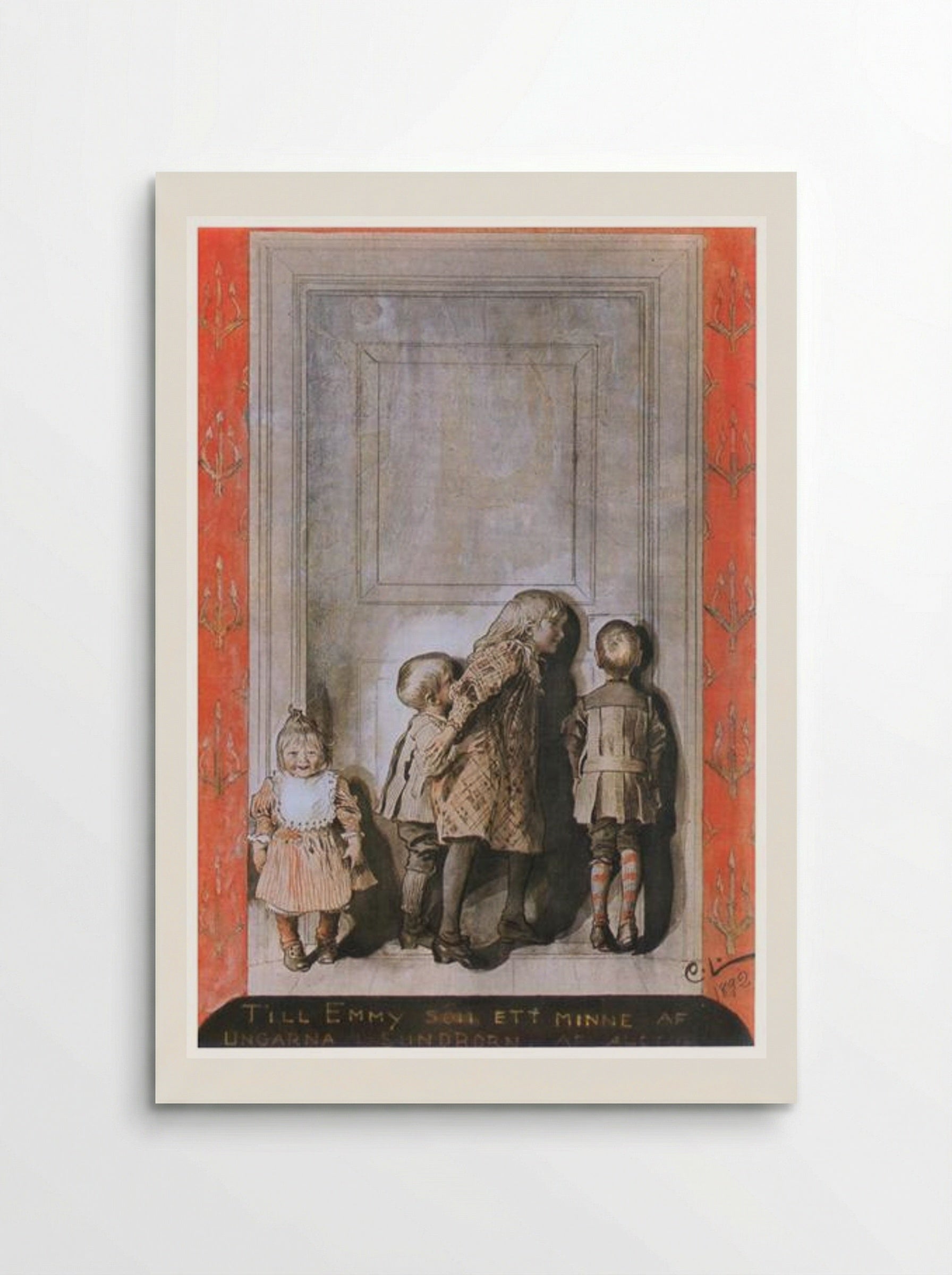 The Day Before Christmas - Carl Larsson
Print
Regular price From £28.00 GBPSale price From £28.00 GBP Regular price -
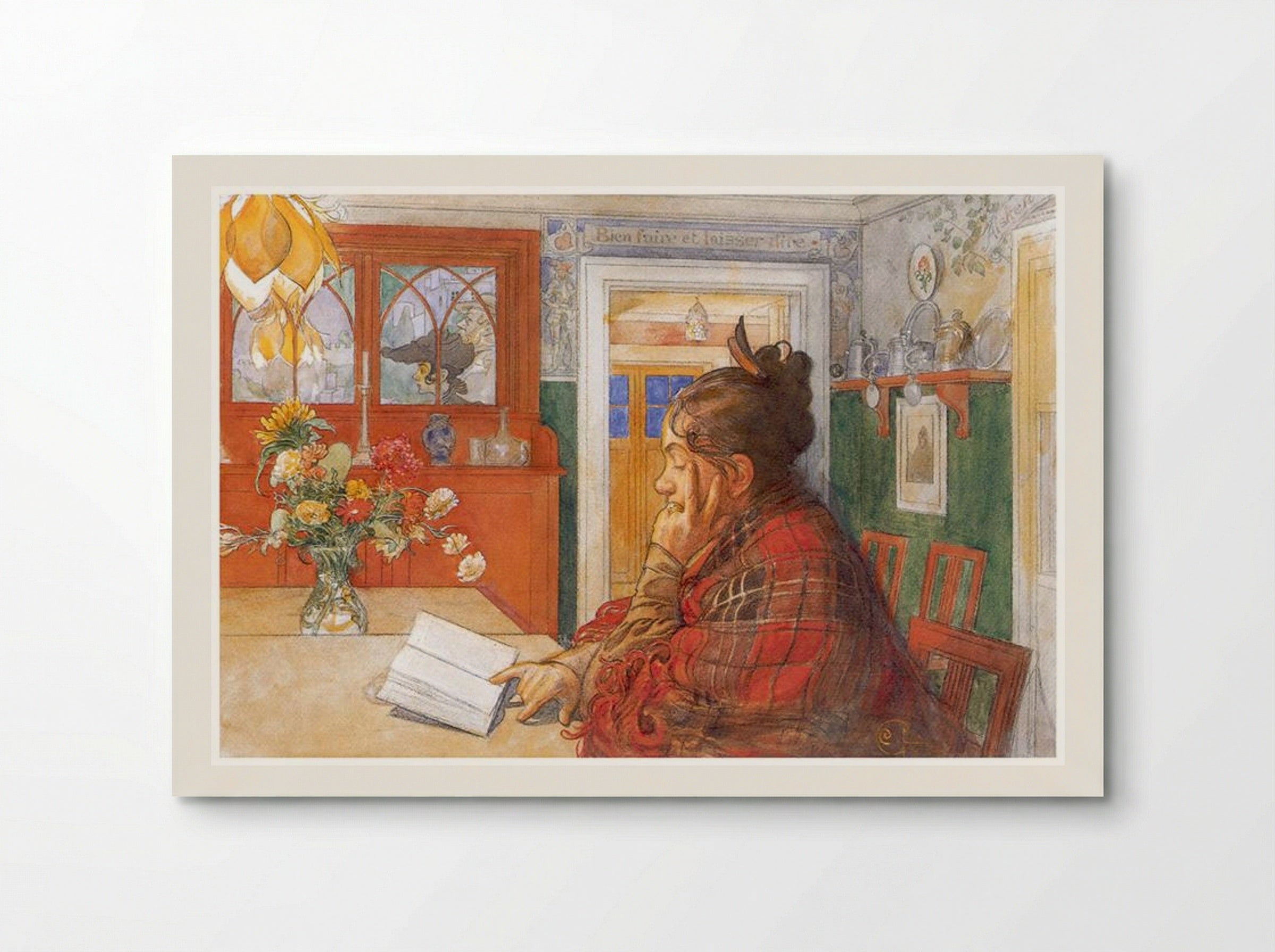 Karin Reading - Carl Larsson
Print
Regular price From £28.00 GBPSale price From £28.00 GBP Regular price -
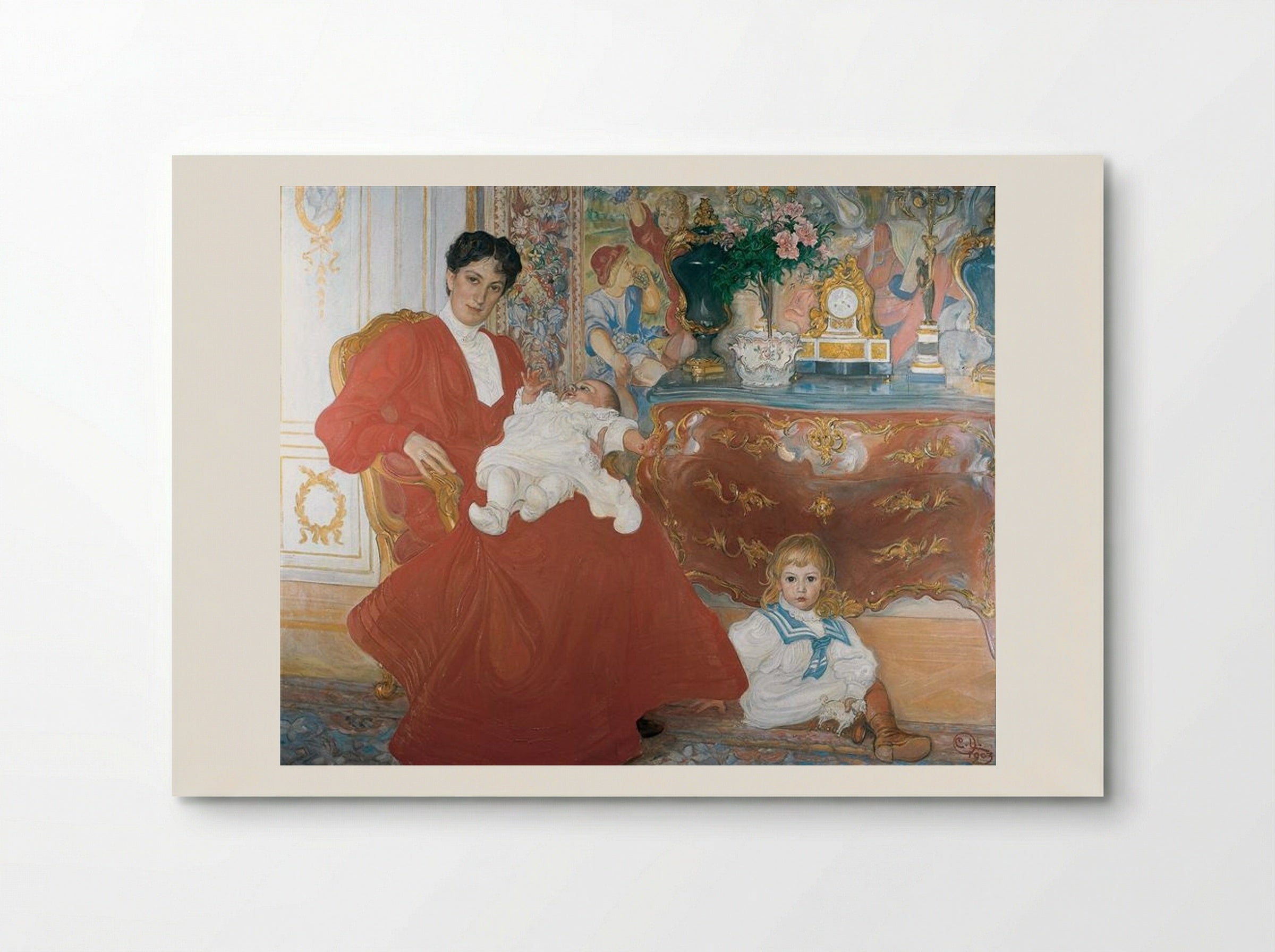 Mrs Dora Lamm and Her Two Eldest Sons - Carl Larsson
Print
Regular price From £28.00 GBPSale price From £28.00 GBP Regular price


Artist Biography
Carl Larsson
Larsson's father told him he cursed the day he was born. The family lived in extreme poverty in Gamla Stan, the old town of Stockholm. His father was a casual labourer who drank. The boy was admitted to the Royal Swedish Academy of Arts at thirteen, on the recommendation of a teacher who saw something in him that the household did not.
He struggled for years, working as an illustrator and retoucher of photographs while trying to establish himself as a painter. In 1882, at an artists' colony in Grez-sur-Loing outside Paris, he met the artist Karin Bergoo. They married, and everything changed. The watercolours he began painting in Grez were lighter, more fluid and more personal than anything he had produced before.
In 1888 Karin's father gave them a small house called Lilla Hyttnas in Sundborn, a village in Dalarna. The house became their joint project: Carl painted it, Karin designed the interiors, the furniture, the textiles, the colour schemes. The result was one of the most influential domestic interiors in Scandinavian design, a prototype for what would eventually become Swedish modernism. He painted the house and the family inside it (they had eight children) in watercolours that were published as a book, Ett Hem (A Home), in 1899. It sold across Europe.
The paintings of Sundborn are warm, bright and apparently effortless, which made people assume his life was too. It was not. He suffered depression in his later years and had a stroke in 1919. His most ambitious painting, Midvinterblot, a monumental canvas of a Viking midwinter sacrifice, was rejected by the National Museum. He admitted in his memoirs that the pictures of his family and home had become the most lasting part of his work. He was right.
He struggled for years, working as an illustrator and retoucher of photographs while trying to establish himself as a painter. In 1882, at an artists' colony in Grez-sur-Loing outside Paris, he met the artist Karin Bergoo. They married, and everything changed. The watercolours he began painting in Grez were lighter, more fluid and more personal than anything he had produced before.
In 1888 Karin's father gave them a small house called Lilla Hyttnas in Sundborn, a village in Dalarna. The house became their joint project: Carl painted it, Karin designed the interiors, the furniture, the textiles, the colour schemes. The result was one of the most influential domestic interiors in Scandinavian design, a prototype for what would eventually become Swedish modernism. He painted the house and the family inside it (they had eight children) in watercolours that were published as a book, Ett Hem (A Home), in 1899. It sold across Europe.
The paintings of Sundborn are warm, bright and apparently effortless, which made people assume his life was too. It was not. He suffered depression in his later years and had a stroke in 1919. His most ambitious painting, Midvinterblot, a monumental canvas of a Viking midwinter sacrifice, was rejected by the National Museum. He admitted in his memoirs that the pictures of his family and home had become the most lasting part of his work. He was right.


Why Choose Us ?