

Collection
Artemisia Gentileschi
Explore curated art prints selected for distinctive homes and considered interiors.
-
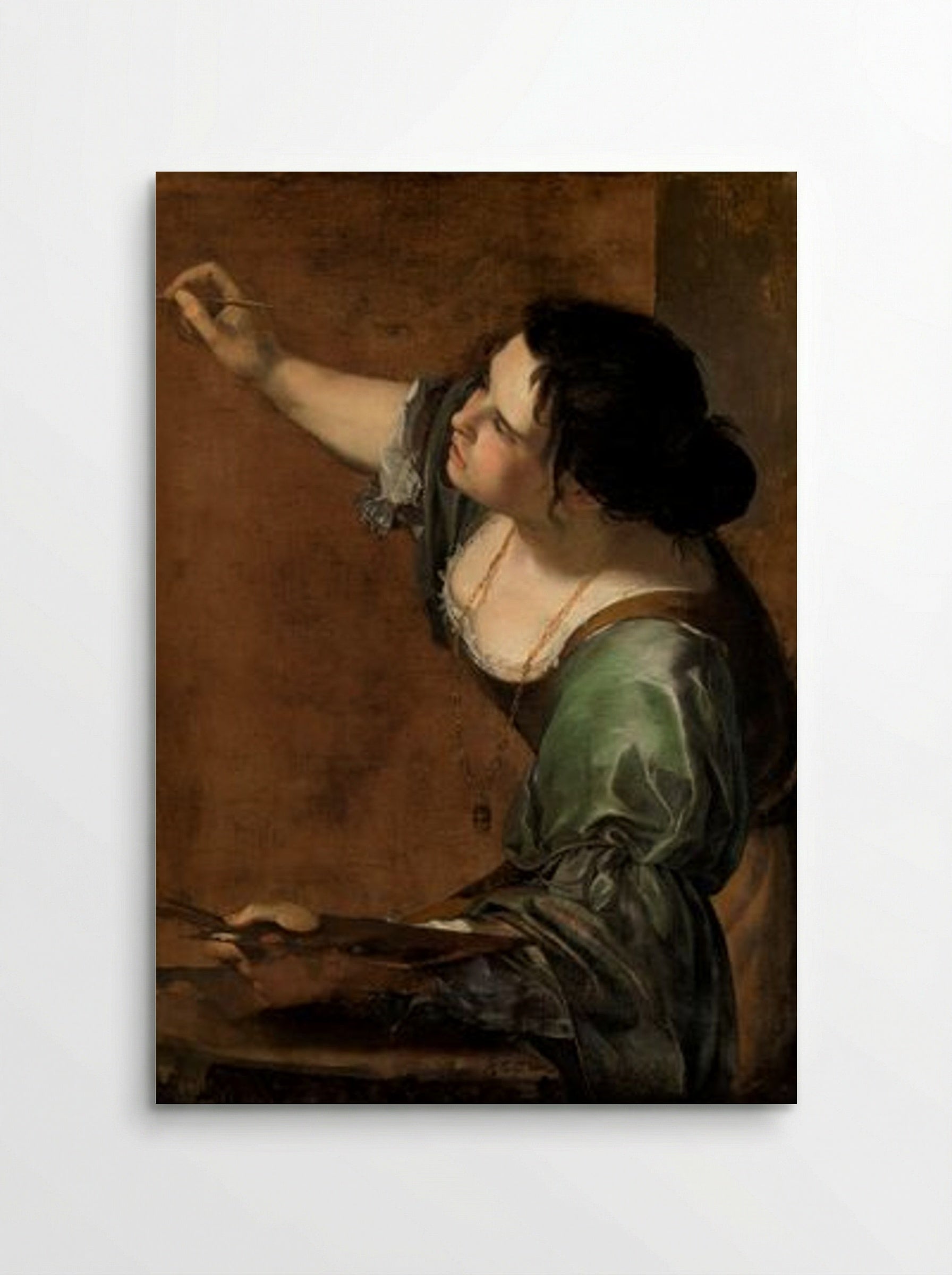
 Self-Portrait as the Allegory of Painting - Artemisia Gentileschi
Print · Framed · Canvas
Regular price From £28.00 GBPSale price From £28.00 GBP Regular price -

 Lucretia - Artemisia Gentileschi
Print · Framed
Regular price From £28.00 GBPSale price From £28.00 GBP Regular price -

 An Allegory of Peace and the Arts under the English Crown - Artemisia Gentileschi
Print · Framed
Regular price From £37.00 GBPSale price From £37.00 GBP Regular price -

 Clio, the Muse of History - Artemisia Gentileschi
Print · Framed
Regular price From £28.00 GBPSale price From £28.00 GBP Regular price -

 Sleeping Venus - Artemisia Gentileschi
Print · Framed
Regular price From £28.00 GBPSale price From £28.00 GBP Regular price -

 Minerva - Artemisia Gentileschi
Print · Framed
Regular price From £28.00 GBPSale price From £28.00 GBP Regular price -
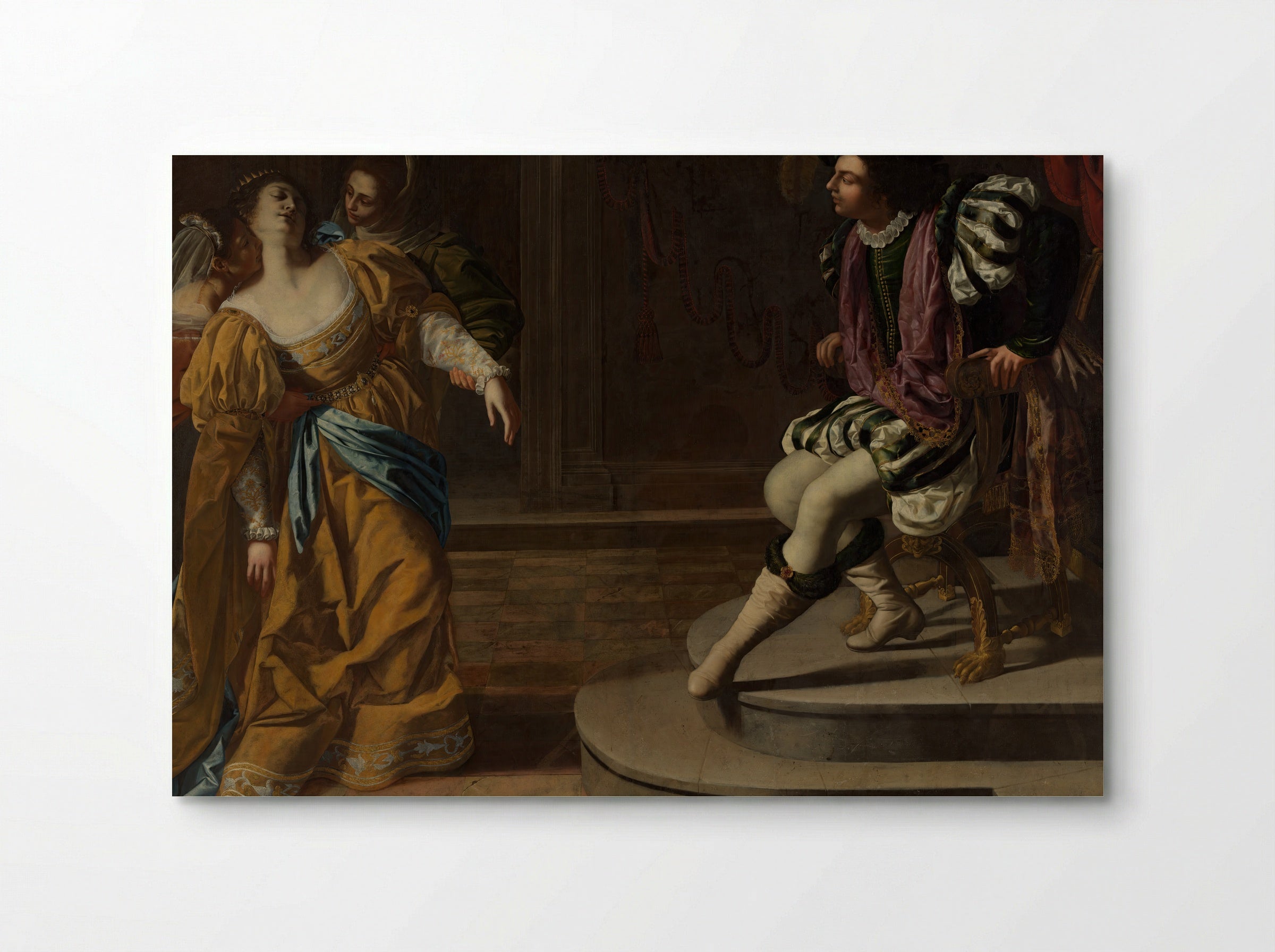
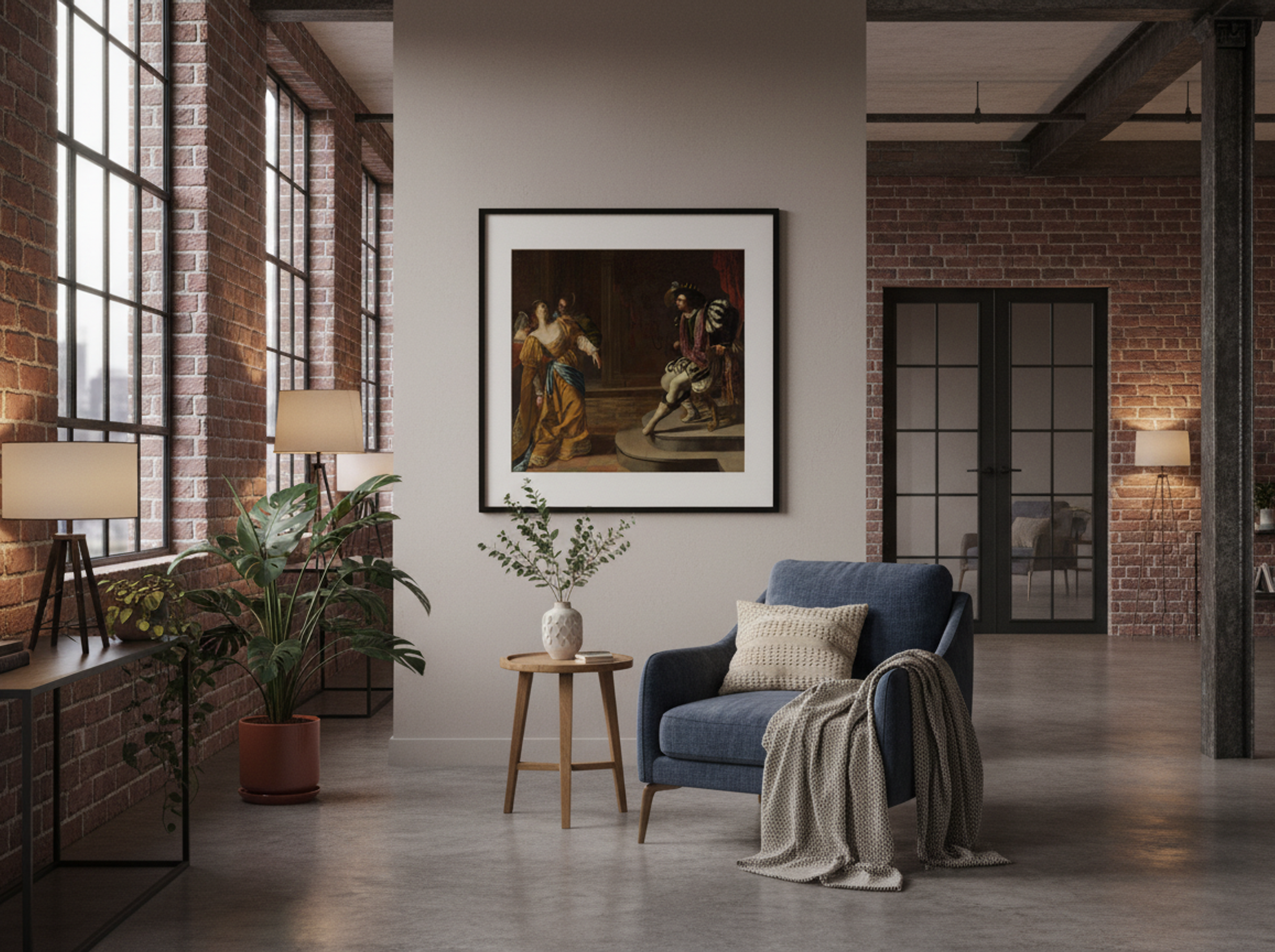 Esther before Ahasuerus - Artemisia Gentileschi
Print · Framed · Canvas
Regular price From £28.00 GBPSale price From £28.00 GBP Regular price -

 Esther before Ahasuerus - Artemisia Gentileschi
Print · Framed · Canvas
Regular price From £30.00 GBPSale price From £30.00 GBP Regular price -

 Self-portrait as a Female Martyr - Artemisia Gentileschi
Print · Framed · Canvas
Regular price From £28.00 GBPSale price From £28.00 GBP Regular price -
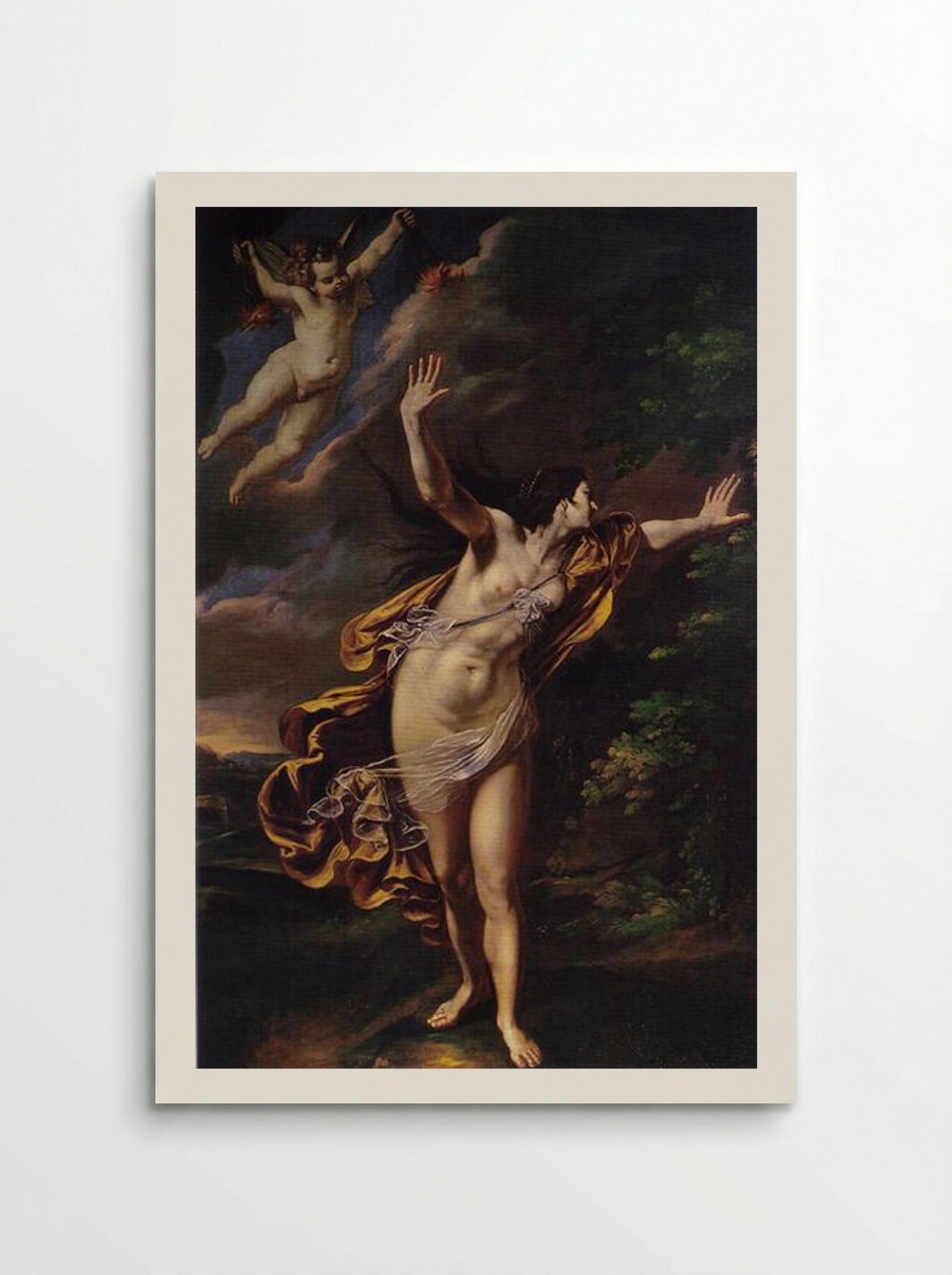 Aurora - Artemisia Gentileschi
Print
Regular price From £28.00 GBPSale price From £28.00 GBP Regular price -
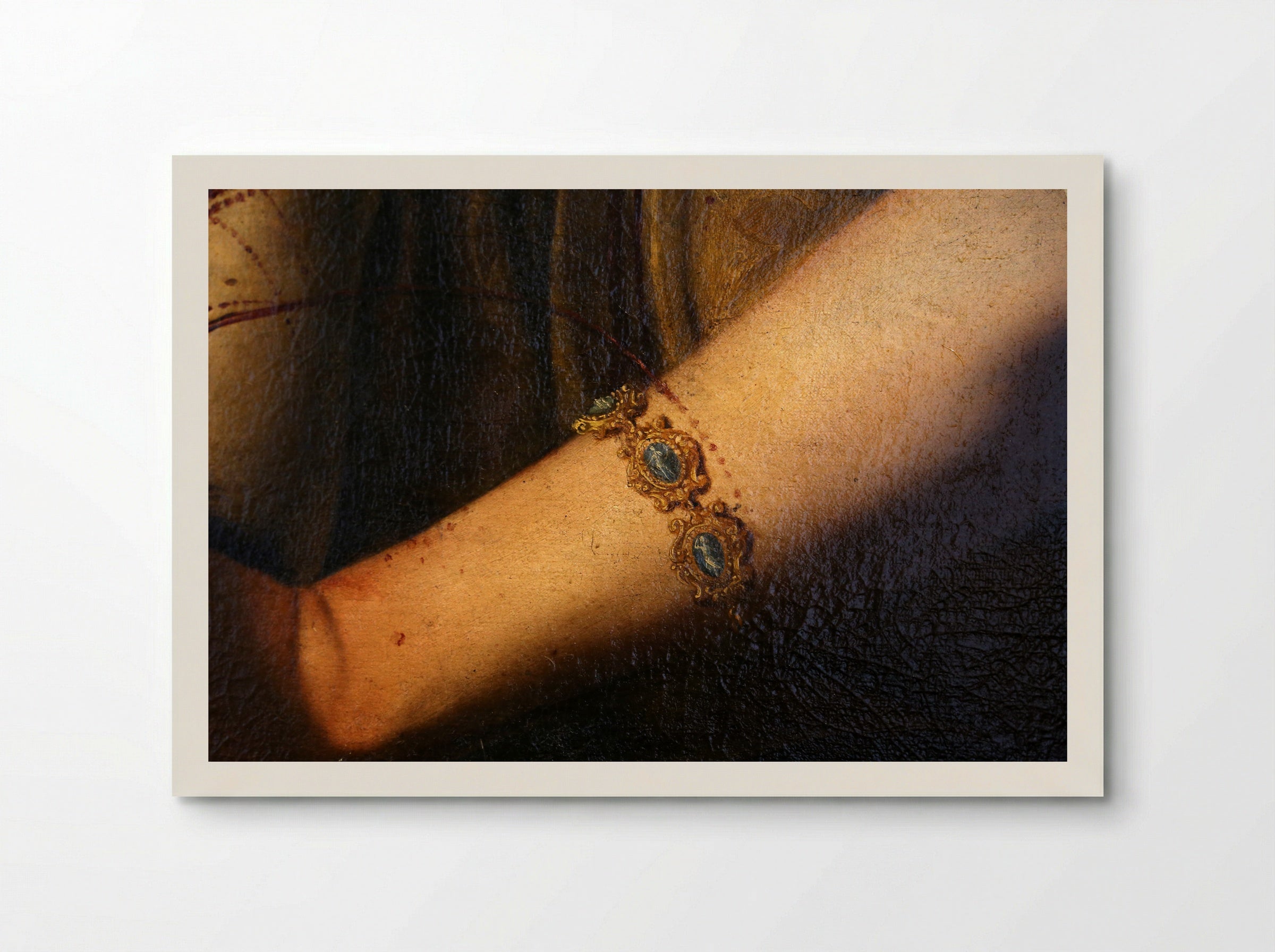 Judith Beheading Holofernes - Artemisia Gentileschi
Print
Regular price From £28.00 GBPSale price From £28.00 GBP Regular price -
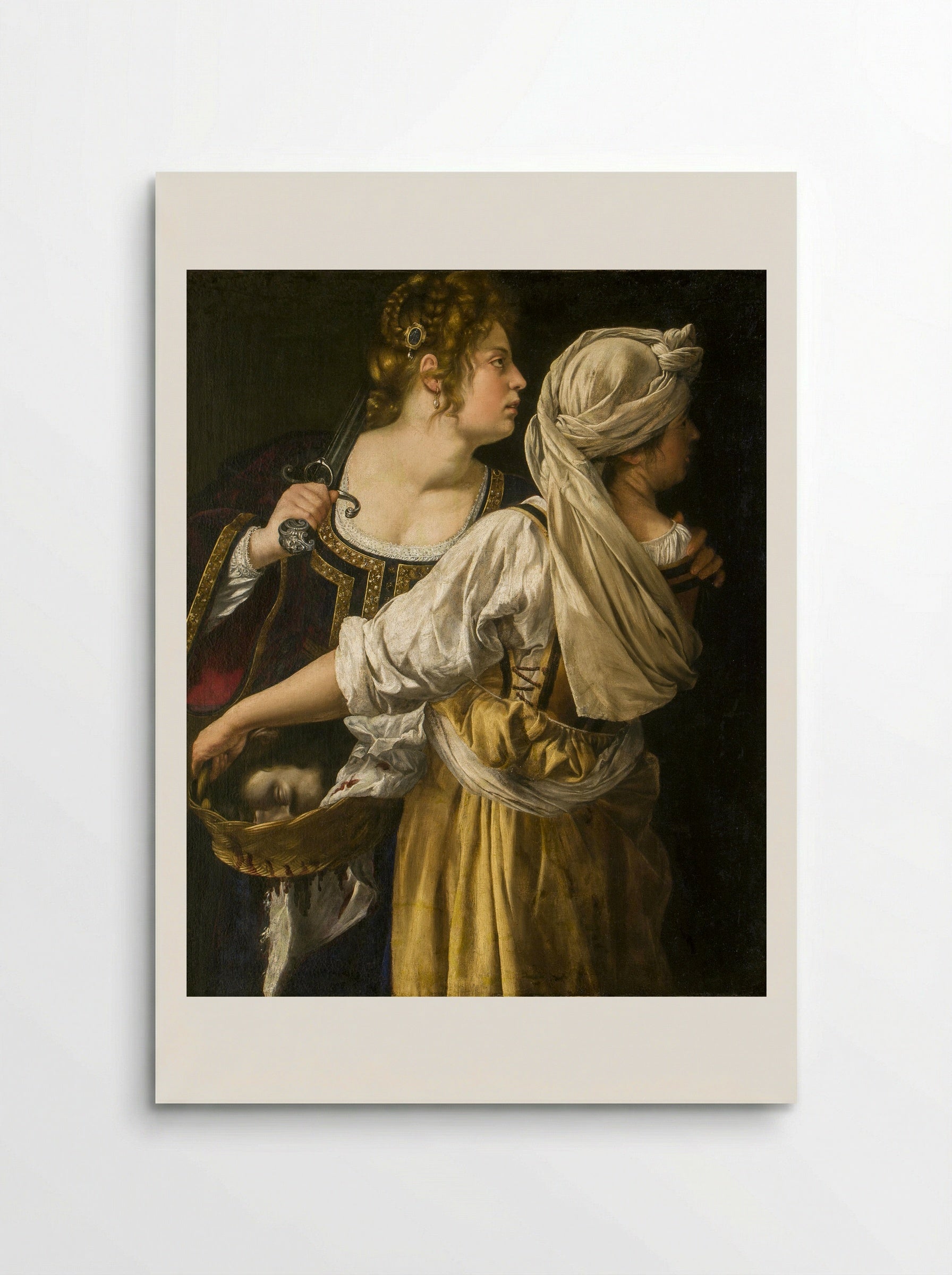 Judith and her Maidservant - Artemisia Gentileschi
Print
Regular price From £28.00 GBPSale price From £28.00 GBP Regular price -
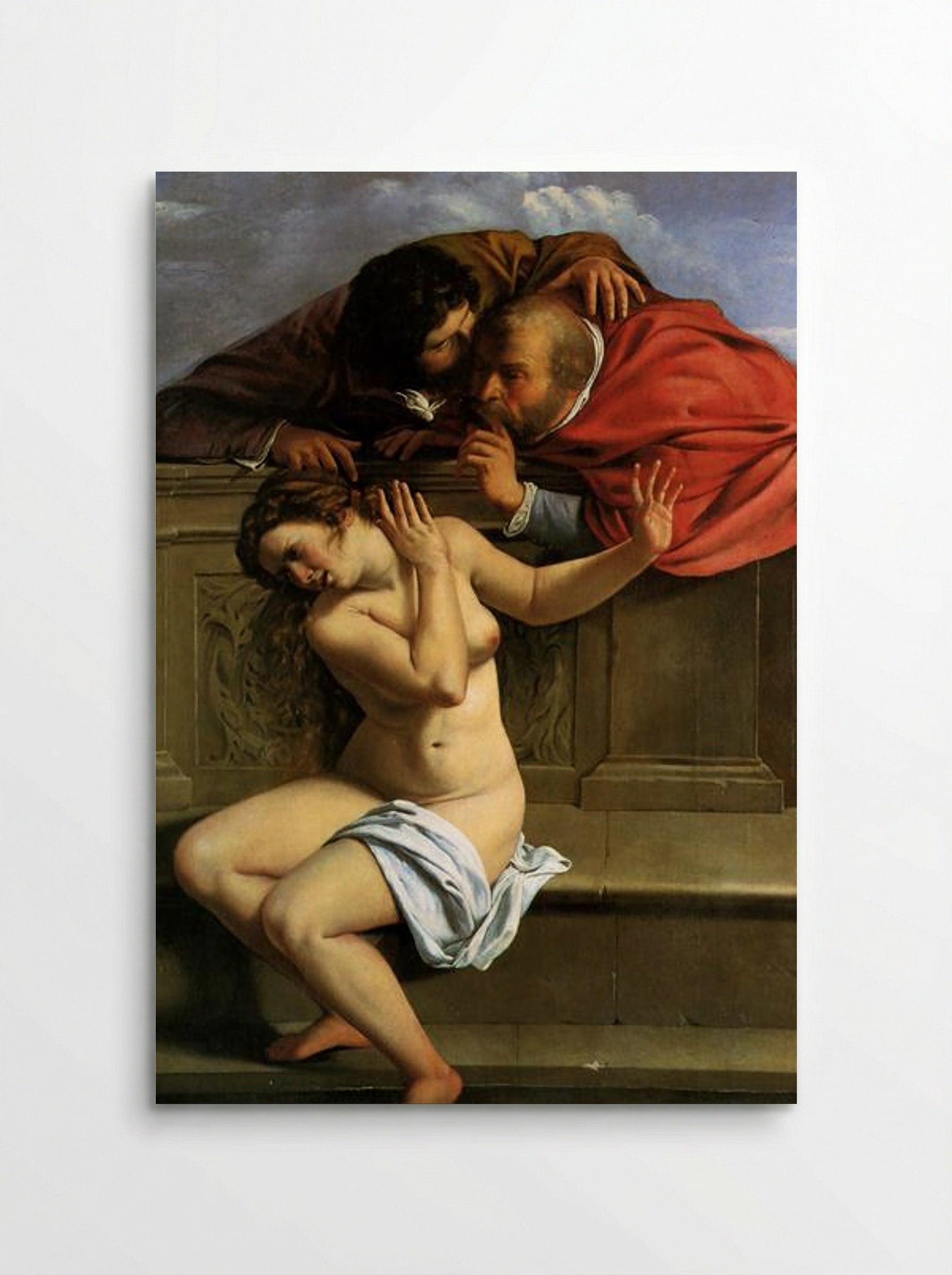
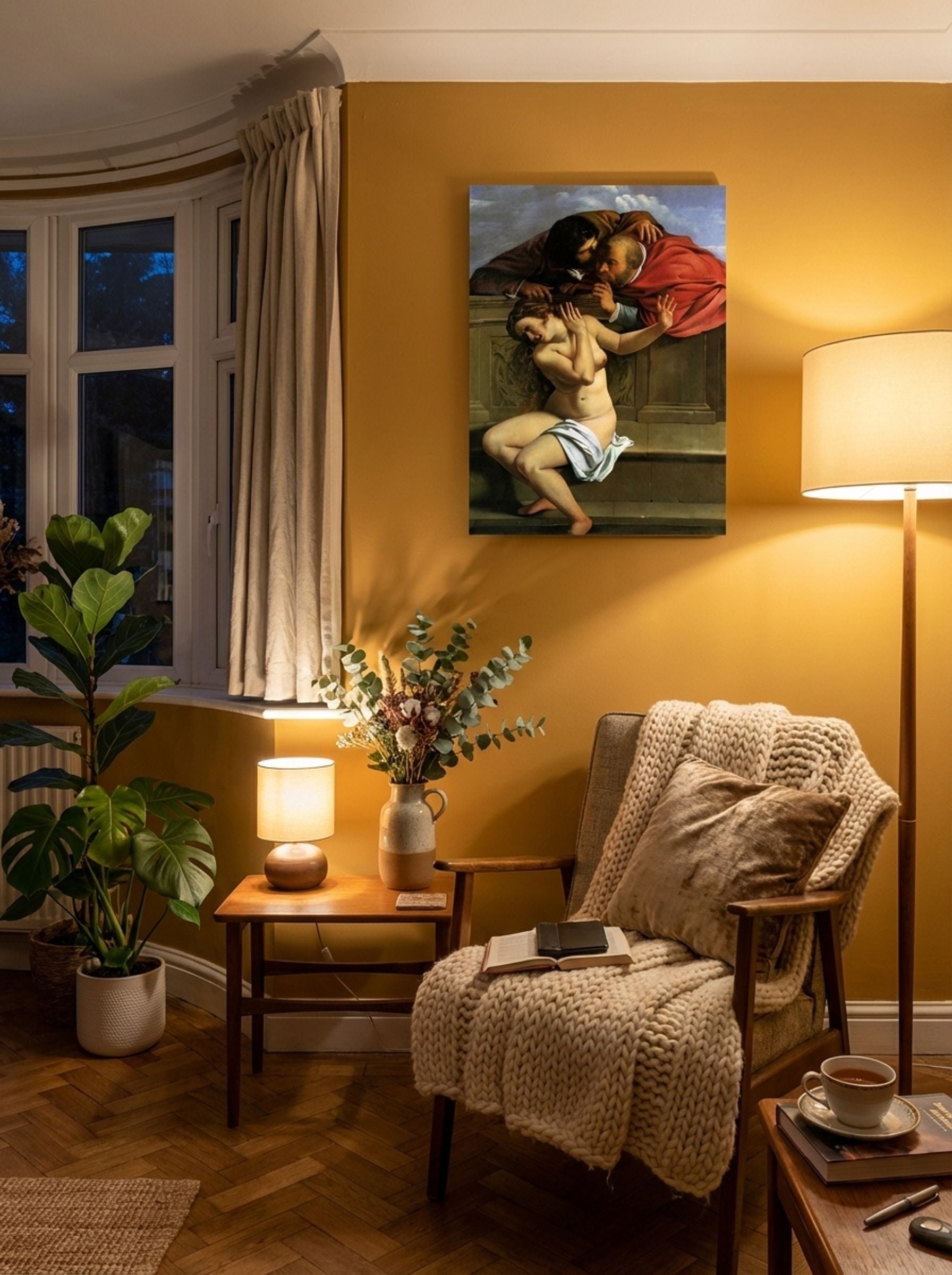 Susanna and the Elders - Artemisia Gentileschi
Print · Framed
Regular price From £28.00 GBPSale price From £28.00 GBP Regular price


Why Choose Us ?