

Fine Art Poster
From £28
A giclée print on 200gsm matte fine art paper, using a twelve-colour process for accurate, fade-resistant colour. Supplied unframed, delivered flat or rolled.



Archival giclée
Frames arrive ready to hang
Secure checkout
Made to order
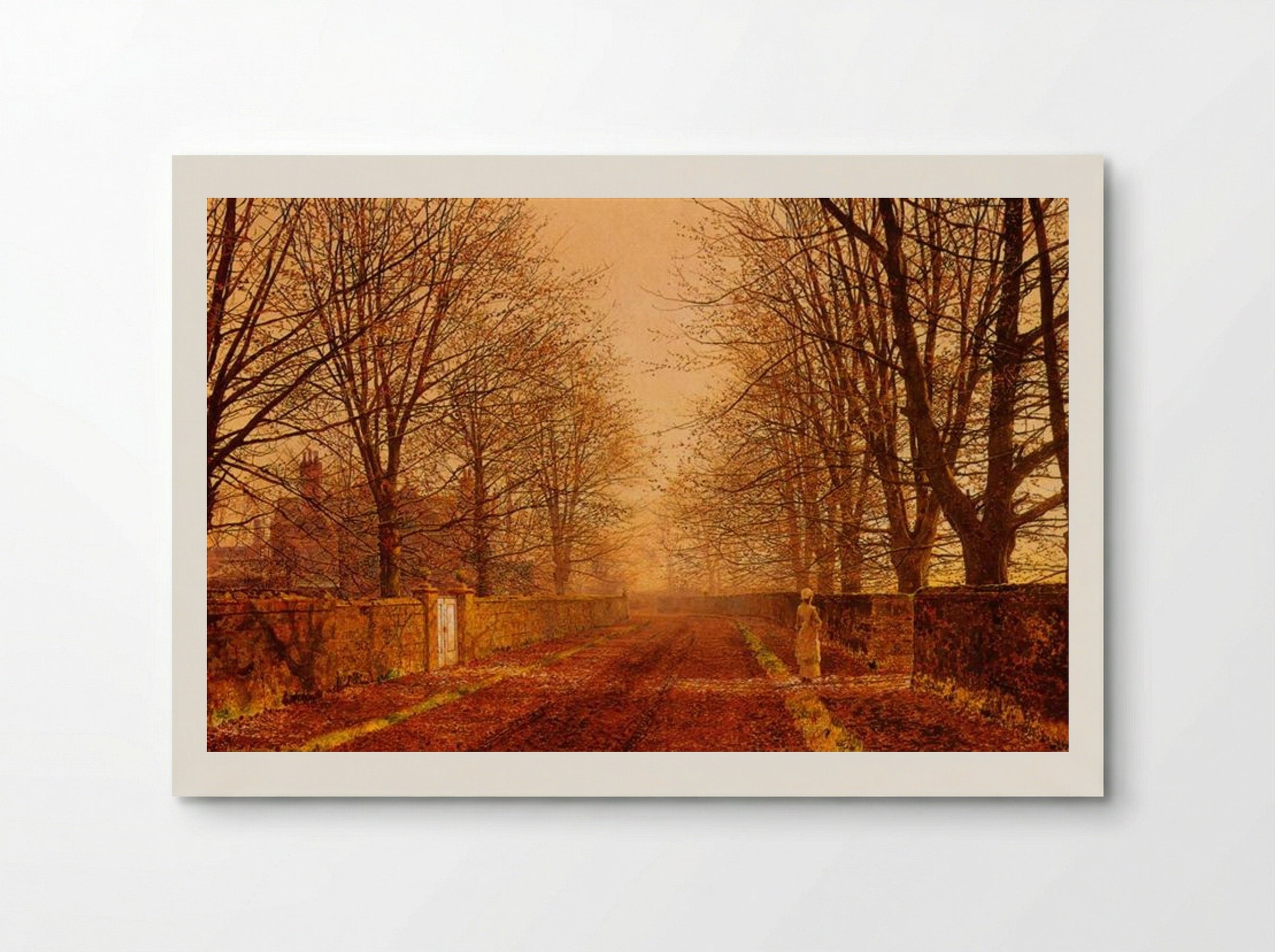
A path lined with bare trees is bathed in a warm, golden light in this landscape by John Atkinson Grimshaw. A solitary figure walks along the path, adding a touch of human presence to the tranquil scene.
John Atkinson Grimshaw, a British artist active during the Victorian period, is best known for his nocturnal urban scenes and landscapes. He often depicted moonlit streets and misty harbours, creating atmospheric and evocative images. Grimshaw's work shows the influence of the Pre-Raphaelites, particularly in his attention to detail and use of colour. He achieved considerable success during his lifetime, exhibiting at the Royal Academy and other major venues. His paintings remain popular today for their romantic and mysterious qualities. 'Golden Light' presents a path lined with bare trees, their branches reaching towards a sky suffused with a warm, golden glow. A figure in a light-coloured dress walks along the path, adding a human element to the scene. The path is bordered by low stone walls, and a building can be seen in the distance through the trees. The overall effect is one of serenity and quiet contemplation, capturing the beauty of a late autumn or early winter day.
Because every print is made to order, we don't offer change-of-mind returns, refunds or exchanges. If your order arrives faulty, damaged or incorrect, we'll replace it free of charge — just contact us within 48 hours of delivery. See our refunds page for full details.
We ship worldwide, printing at the production hub nearest to your delivery address. Delivery times and costs vary by destination — you'll see the options available to you at checkout.
Each print is produced to order using 12-colour giclée printing on FSC-certified archival paper. Designed in Britain and printed at your nearest production hub to reduce waste and speed up delivery.

Artist Biography
Our Features
Designed for Lasting Impact
Every Solis piece is made to order with archival, gallery-quality materials built to last.
To keep your artwork looking its best:
Museum-grade giclée on FSC-certified archival matte paper, with framed and canvas options.
Made to order
Every piece is printed to order. These are the five finishes, and what makes each one different.
From £28
A giclée print on 200gsm matte fine art paper, using a twelve-colour process for accurate, fade-resistant colour. Supplied unframed, delivered flat or rolled.

From £45
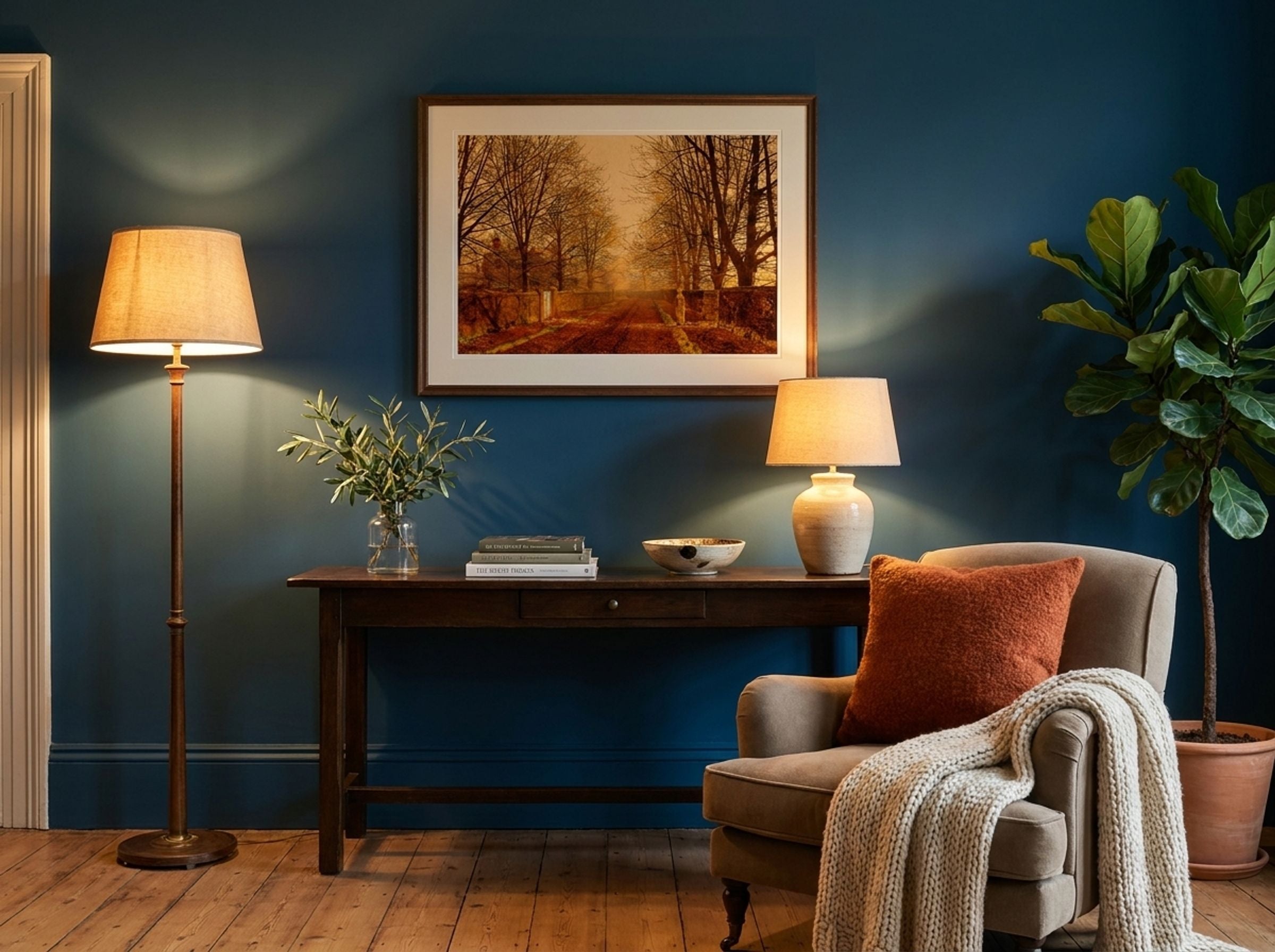
The same fine art print in a solid wood frame with UV-protective acrylic glaze and rigid backing. Five frame colours. Arrives ready to hang.
Why Choose Us ?
Damage-free delivery guarantee
Fast Shipping
Museum-Quality Materials
Artist Biography
John Atkinson Grimshaw
You May Also Like
Cookies show us which prints people love, so we hang the right art. Help us fill it?
Essential cookies only if you prefer · Privacy Policy