


Yōzō Hamaguchi
Yōzō Hamaguchi was born into a family of soy sauce brewers in Wakayama. He moved to Paris in 1930 to study sculpture before switching to copperplate engraving. During his time in France, he rediscovered the mezzotint, a difficult printmaking technique that had mostly fallen out of use. He developed a way to produce mezzotints in colour using four separate plates. This process required him to spend hundreds of hours rocking the metal surfaces to create the necessary textures.

Biography
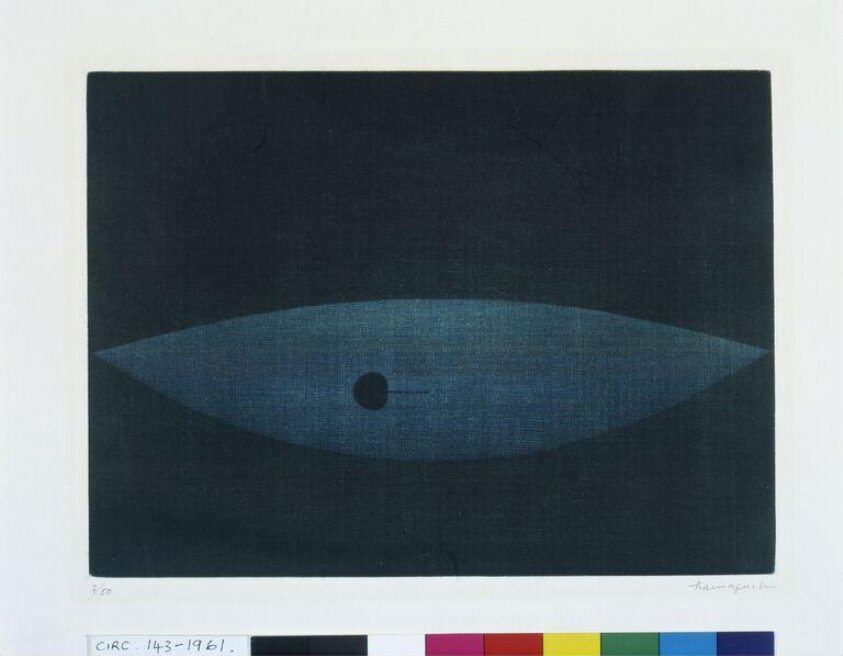
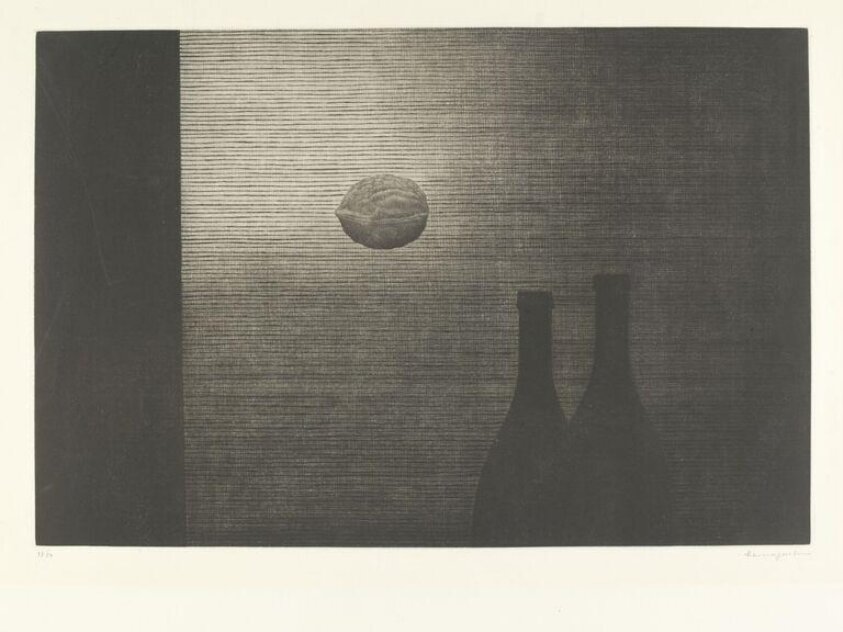
His style is defined by small objects placed in vast, dark spaces. He often depicted cherries or a single walnut. By using the mezzotint method, he achieved soft edges and subtle shifts in tone. The objects seem to emerge from a deep, velvety blackness. This technique creates a quiet atmosphere where the focus remains entirely on the subject. His work avoids unnecessary detail and relies on the physical properties of ink and paper.
Collectors today appreciate the stillness found in his prints. The minimalist compositions suit modern rooms that value clean lines and calm subjects. His work provides a sense of order and focus. "Nineteen Cherries and One" is a clear example of how he turned a simple fruit into a study of light and balance. These prints offer an understated style for those who prefer subtle art.
Notable Works
Tap to view larger.
Next stop
Browse the movements →
Every movement in the collection, from the Renaissance to Pop art.
Frequently Asked Questions
When was Yōzō Hamaguchi born?
Yōzō Hamaguchi was born in 1909 and died in 2000.What is Yōzō Hamaguchi known for?
Yōzō Hamaguchi is known for yōzō Hamaguchi was a Japanese master of the colour mezzotint who created quiet, minimalist prints of small objects against dark backgrounds.


