

Skip to content Loading

Buy any 3 full-price artworks and save 15%

Fables choisies (volumes 3 and 4) by William Wynne Ryland
View From a Bridge by William Wynne Ryland
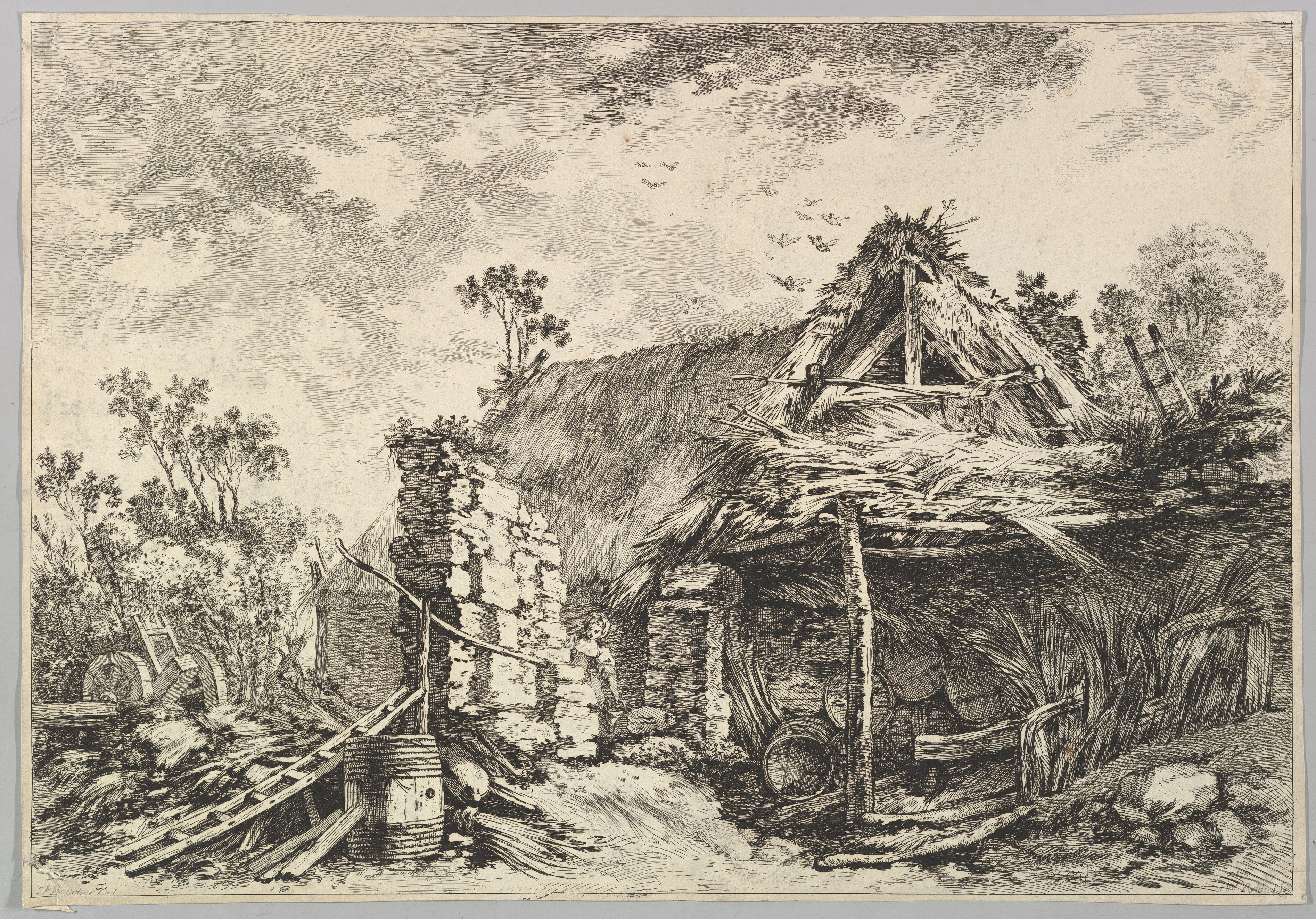
Woman Carrying a Bucket by William Wynne Ryland
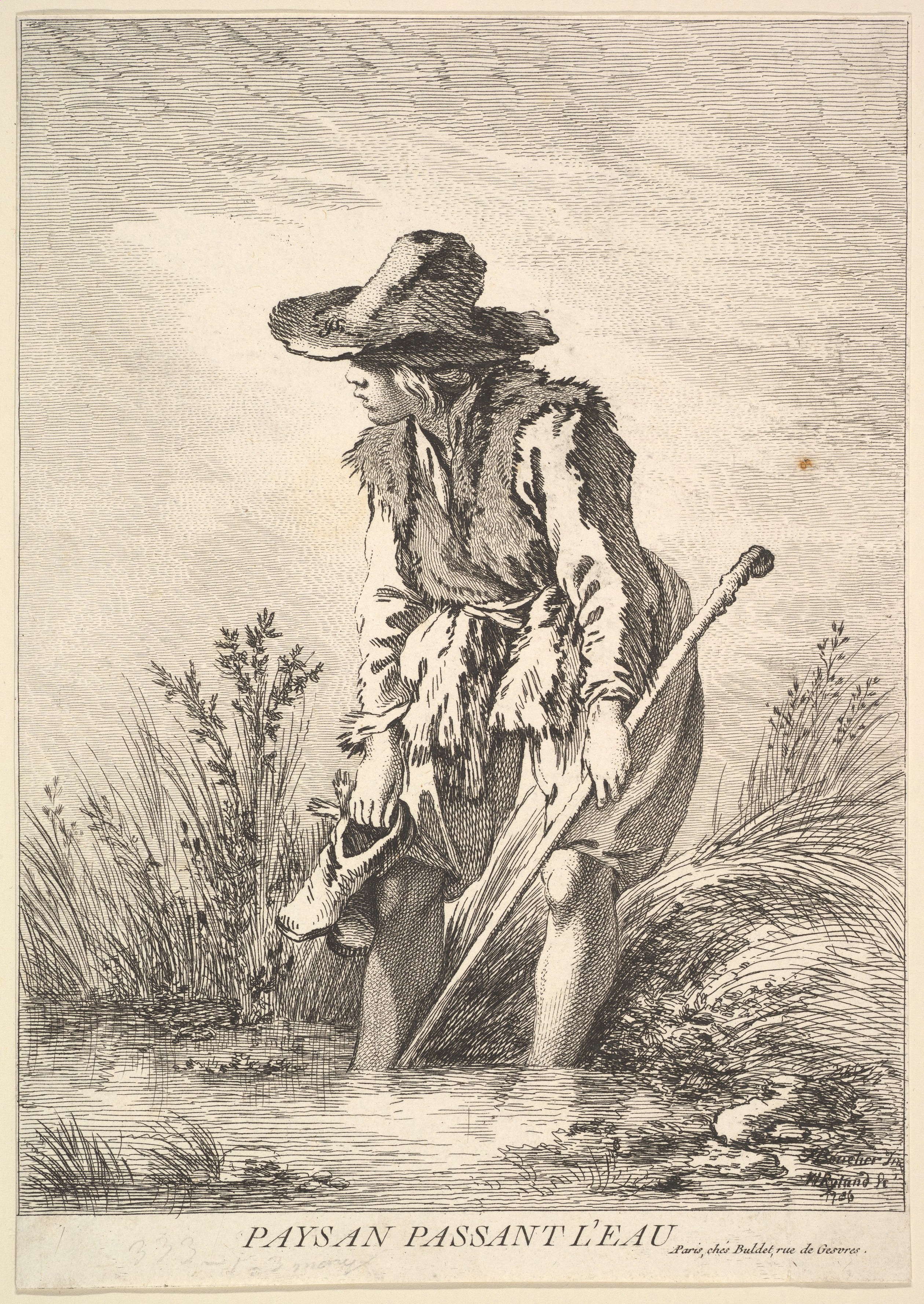
Peasant Crossing Water by William Wynne Ryland
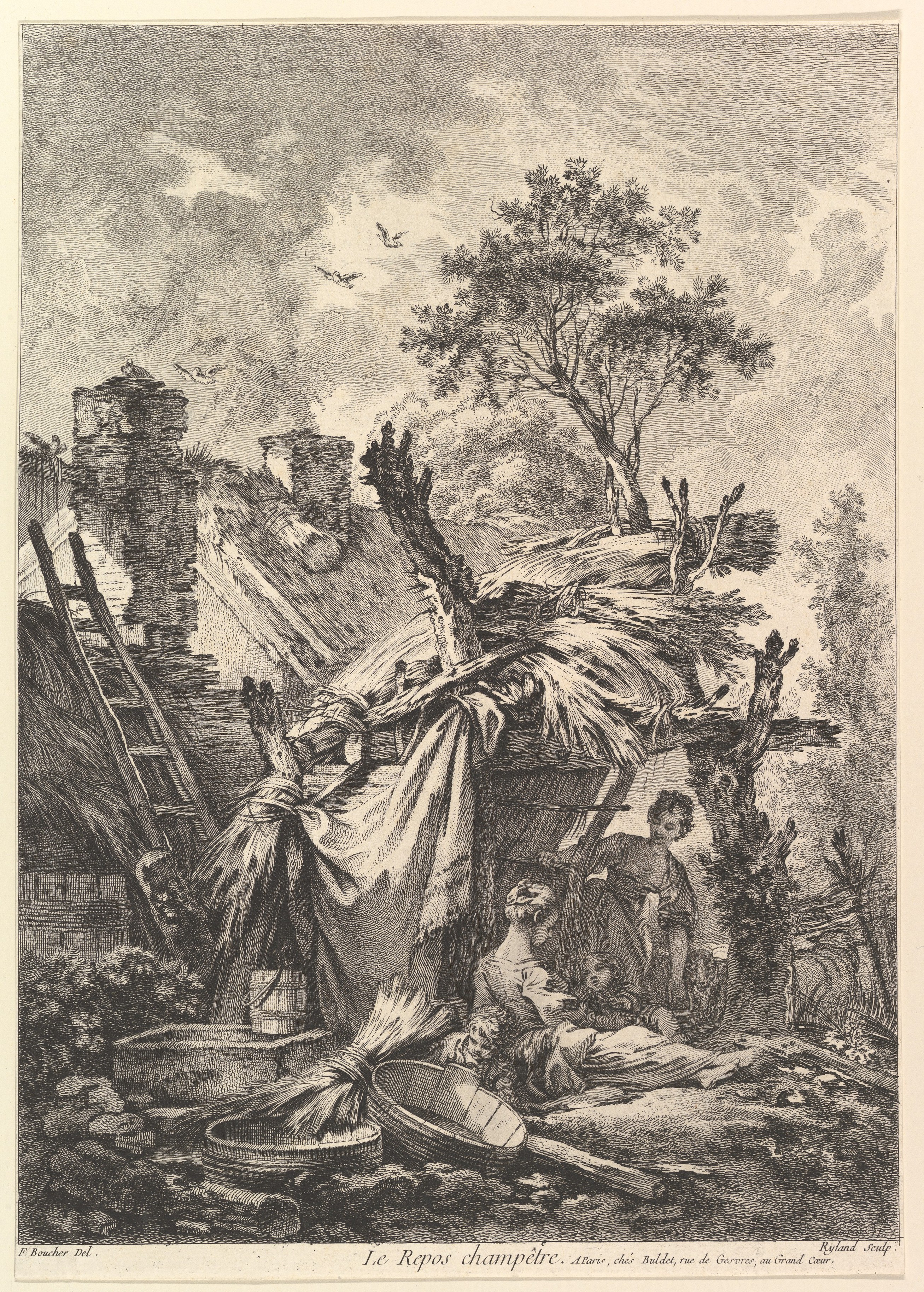
Rest in the Country by William Wynne Ryland
Ophelia: "There's fennel for you, and columbines" (Shakespeare, Hamlet, Act 4, Scene 5) by William Wynne Ryland
Bathsheba, from A Collection of Prints in Imitation of Drawings by William Wynne Ryland
Fables choisies (volumes 1 and 2) by William Wynne Ryland
1732–1783

William Wynne Ryland

William Wynne Ryland was the first English engraver to face the gallows for forgery. Despite his position as engraver to King George III, he struggled with significant debt. He was eventually convicted of forging bills of exchange worth several thousand pounds. This criminal end contrasts with his professional success in the royal court where he received an annual salary of two hundred pounds. Ryland was the first to use the stipple method for royal portraits.

Portrait of William Wynne Ryland

Biography

Ryland introduced the stipple engraving technique to England after studying in France. This method uses small dots to create tonal variations rather than continuous lines. His work often imitated the texture of chalk drawings. In pieces like Antiochus and Stratonice or The Rural Peace, he achieved a soft, grainy effect. He often printed these works in red or sepia inks to mimic sanguine drawings.

The stipple technique provides a muted aesthetic that fits modern interiors. His portraits, such as those of the Duke of Marlborough or Lord Digby, offer a formal historical presence without the harshness of traditional line engraving. Collectors value these prints for their tonal softness and their connection to eighteenth-century printing innovations.

Next stop

Browse the movements →

Every movement in the collection, from the Renaissance to Pop art.

Frequently Asked Questions

  • When was William Wynne Ryland born?
    William Wynne Ryland was born in 1732 and died in 1783.
  • What is William Wynne Ryland known for?
    William Wynne Ryland is known for william Wynne Ryland was an eighteenth-century engraver to King George III who introduced the stipple technique to England before his conviction for forgery.

Keep exploring

Your cart
Rated 4.6 on Judge.me
Your cart is empty
Have an account? Log in to check out faster.
Continue shopping Continue shopping
Cart total £0.00 GBP
Product image Product information Quantity Product total