

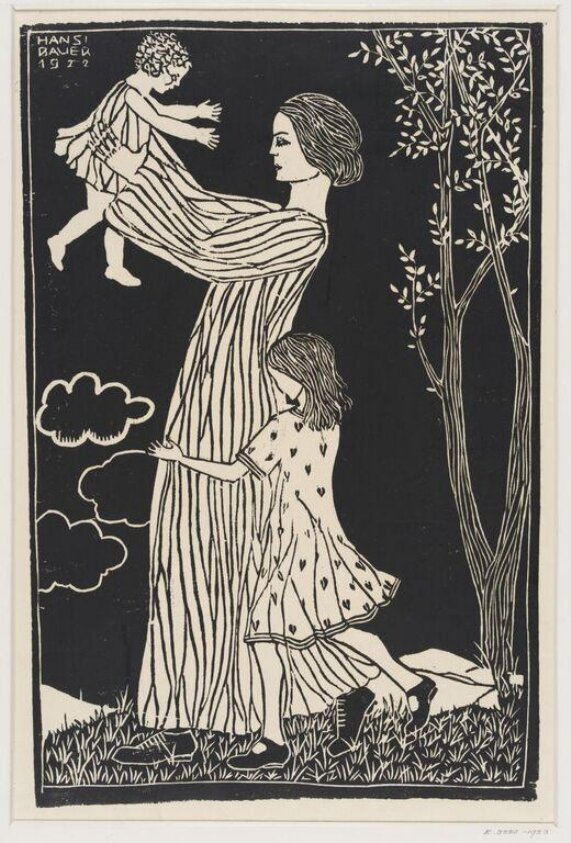


Willem Cornelis Bauer
Willem Cornelis Bauer was an architect before he gained recognition for his etchings and watercolours. He designed several villas in the Walden colony in Bussum. This was a utopian socialist community founded by the writer Frederik van Eeden. His architectural training provided him with a technical understanding of structure that he later applied to his artistic depictions of buildings. Unlike many of his contemporaries, he viewed a space through the eyes of a builder.

Biography
Bauer focused on specific details within grand spaces. His watercolours of the Notre-Dame interior or the clocks in the Musée des Arts Décoratifs avoid common tourist perspectives. He used a muted palette and precise lines to capture the stillness of these environments. His work was part of the Dutch Tachtigers movement. This group prioritised personal emotion and direct observation over the rigid rules of academic tradition. He often chose to depict the quiet corners of monuments rather than their famous facades.
Collectors today value Bauer for his technical accuracy and his ability to make large public spaces feel private. His drawings provide a sense of order. These prints suit contemporary homes that require a balance of historical detail and clean composition. His work offers a quiet view of European history. He is a notable choice for those who collect architectural art.
Notable Works
Tap to view larger.
Next stop
Browse the movements →
Every movement in the collection, from the Renaissance to Pop art.
Frequently Asked Questions
When was Willem Cornelis Bauer born?
Willem Cornelis Bauer was born in 1862 and died in 1904.What is Willem Cornelis Bauer known for?
Willem Cornelis Bauer is known for willem Cornelis Bauer was a Dutch architect and artist whose precise watercolours and etchings capture the quiet, structural beauty of historic European interiors.

