



Sir Godfrey Kneller
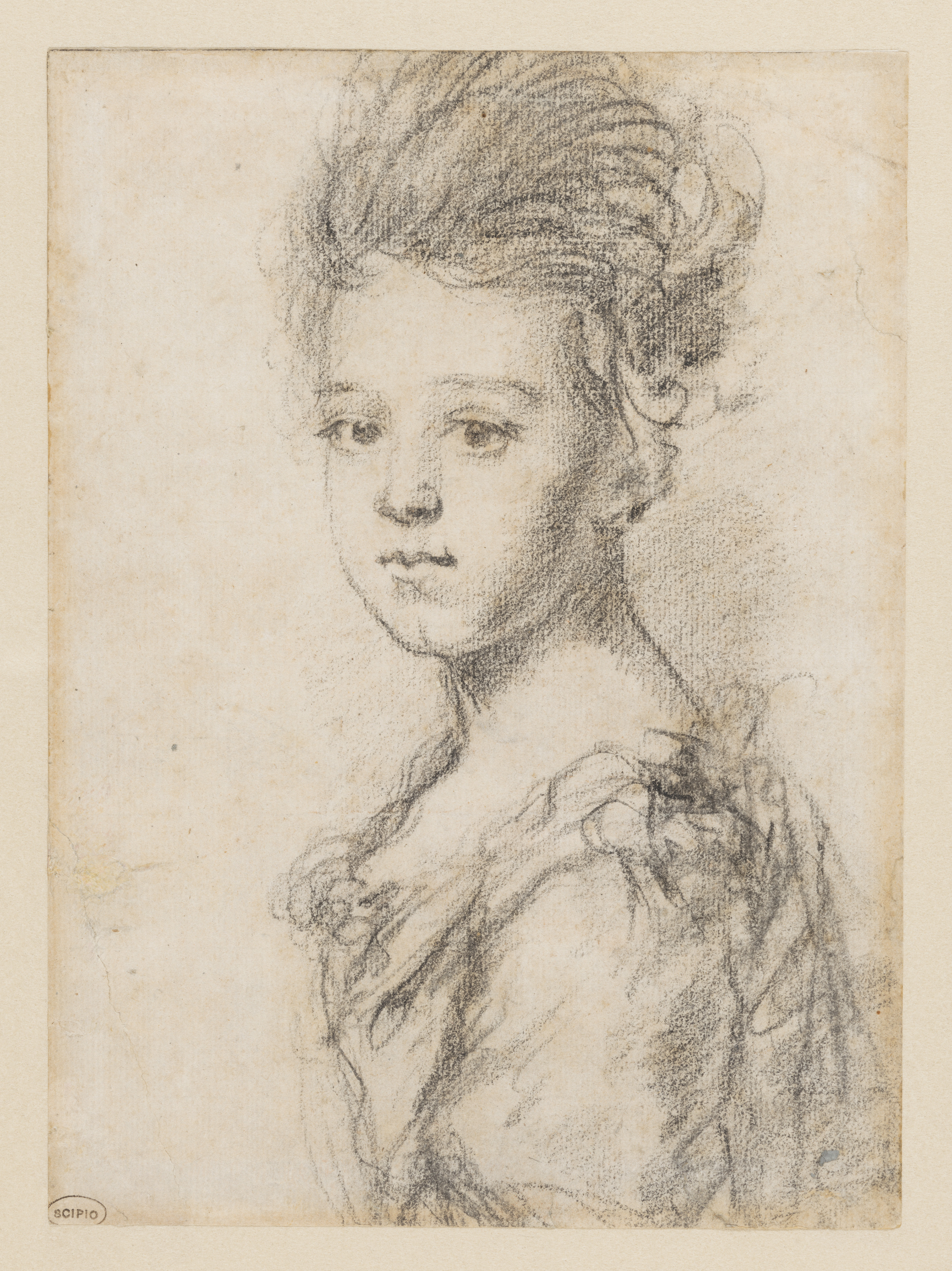
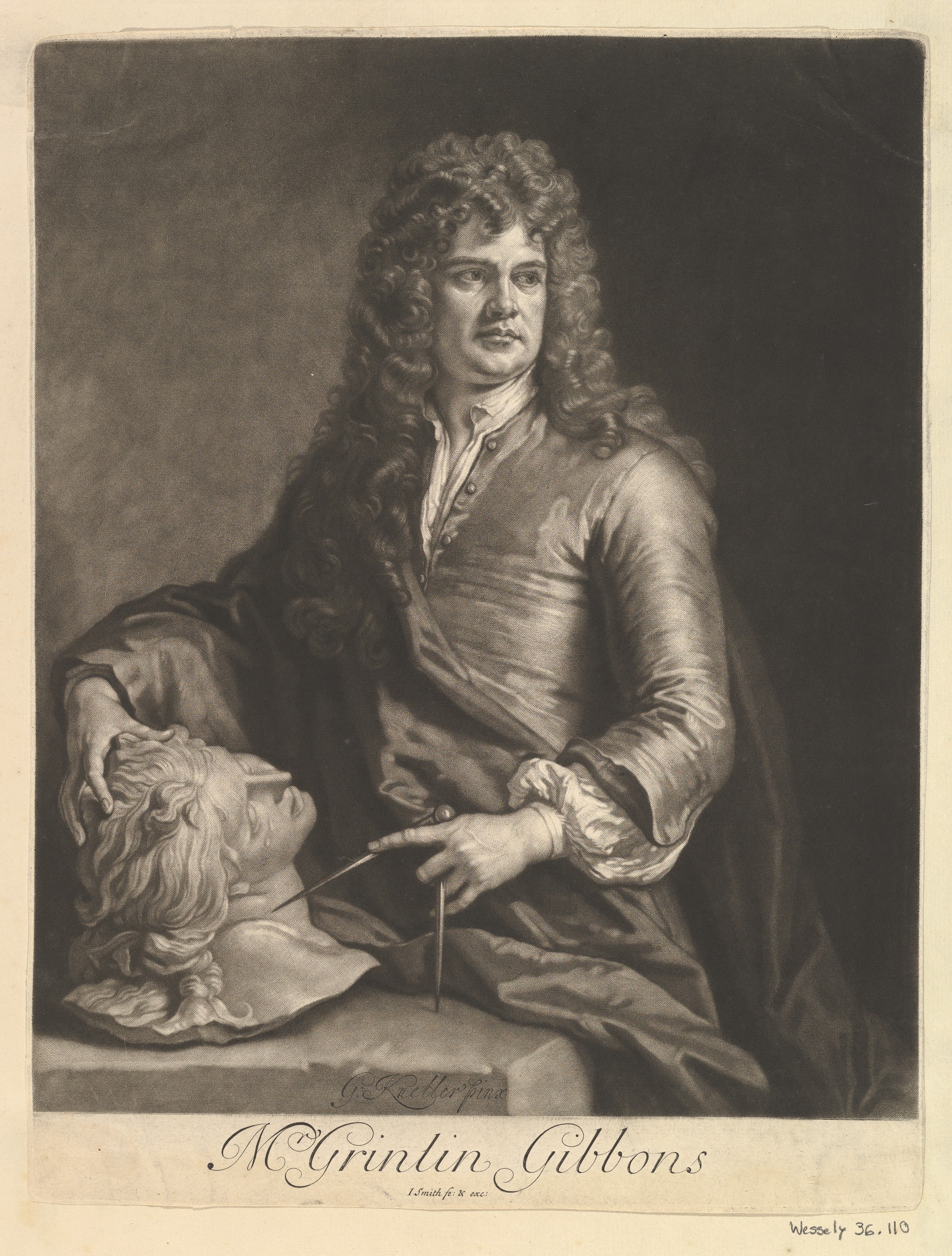
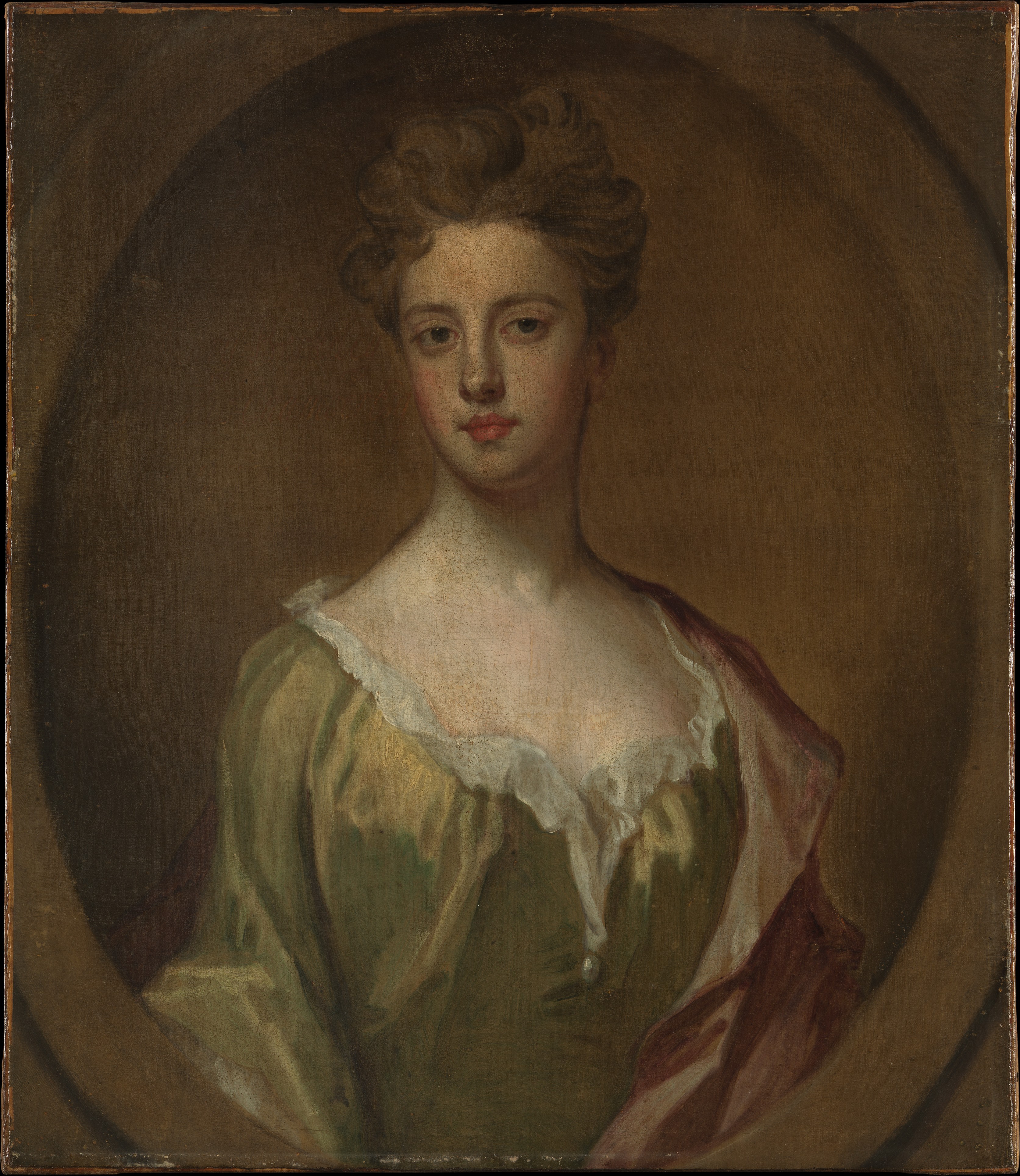
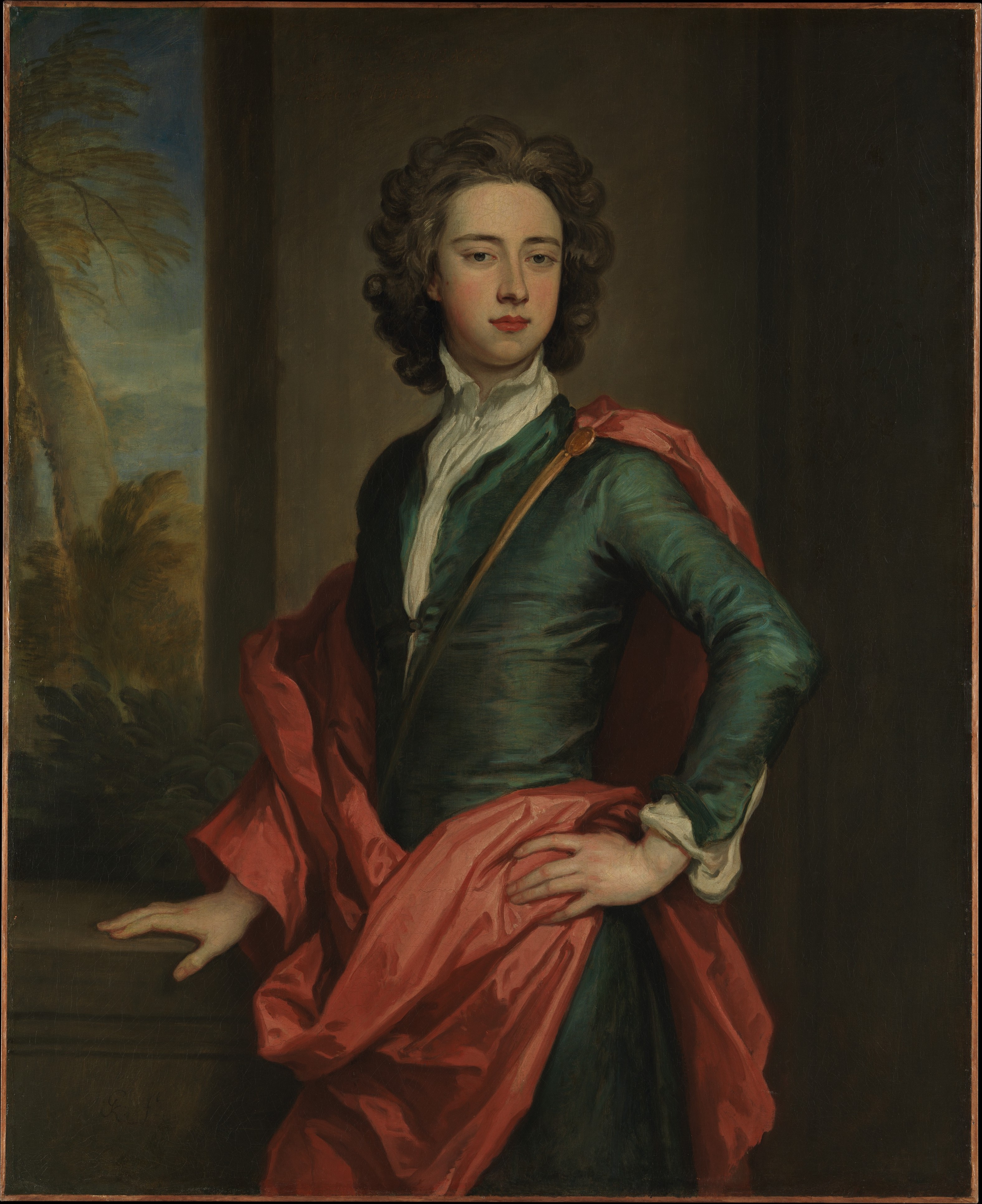
Sir Godfrey Kneller arrived in London in 1676 after studying under Ferdinand Bol in Amsterdam. He eventually held the position of Principal Painter to the Crown under every monarch from Charles II to George I. While his predecessors often spent months on a single canvas, Kneller developed a highly efficient studio system. He frequently painted only the face and hands from life. His assistants completed the drapery and backgrounds to maintain a high volume of output.
Biography
His technique favoured speed and directness over the softer styles of earlier Baroque painters. Kneller used a restricted palette of colours. He often left visible brushstrokes that suggest the texture of fabric or skin without excessive detail. His most famous contribution to portraiture is the Kit-Cat format. These canvases measure thirty-six by twenty-eight inches. This specific size allowed him to depict the head and one hand of the subject while fitting into smaller rooms.
Collectors today appreciate the formal structure of these portraits. The standardised dimensions of his work make his prints suitable for creating symmetrical displays in a home. His portraits of Whig politicians and intellectuals offer a window into the Enlightenment. The lack of heavy ornamentation ensures the focus remains on the sitter. These works bring a sense of historical authority to a study or dining room.
Notable Works
Tap to view larger.
Next stop
Browse the movements →
Every movement in the collection, from the Renaissance to Pop art.
Sir Godfrey Kneller prints
Hand-finished archival prints from Sir Godfrey Kneller's body of work.


Take Sir Godfrey Kneller home.
See all Sir Godfrey Kneller prints →Frequently Asked Questions
What is Sir Godfrey Kneller known for?
Sir Godfrey Kneller is known for sir Godfrey Kneller was the leading portraitist of the English Baroque, known for his direct style and the creation of the specific Kit-Cat portrait format.