



Samuel Bourne
Samuel Bourne began his career as a bank clerk in Nottingham before his obsession with the camera led him to India in 1863. He did not travel light. On his first expedition to the Himalayas, he was accompanied by thirty porters. These men carried his heavy glass plates and chemicals. A portable darkroom tent was also necessary. He eventually reached an altitude of 18,600 feet at the Manirung Pass.
Biography
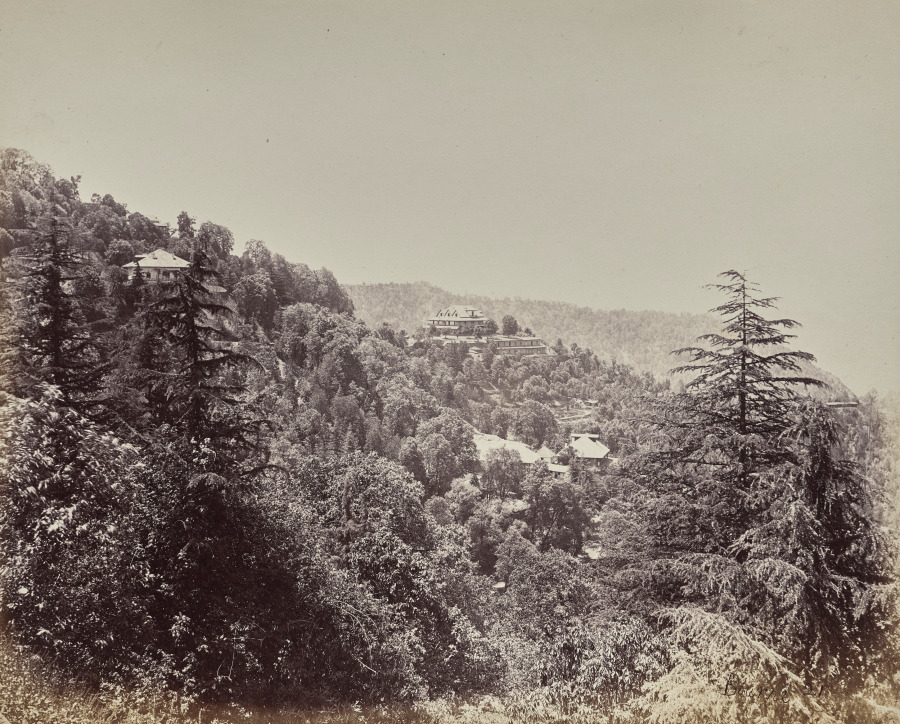
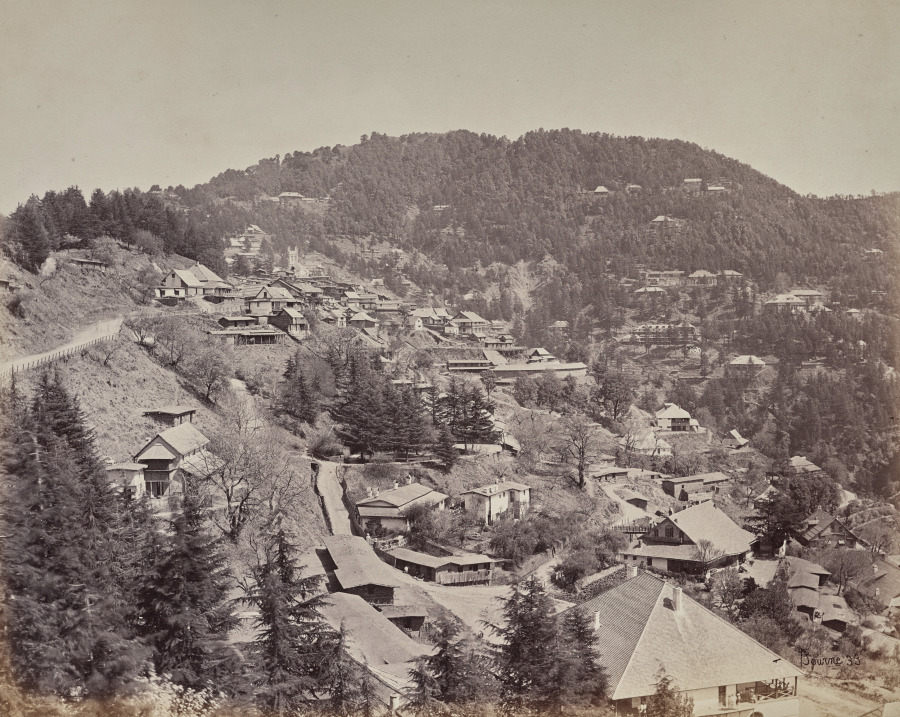
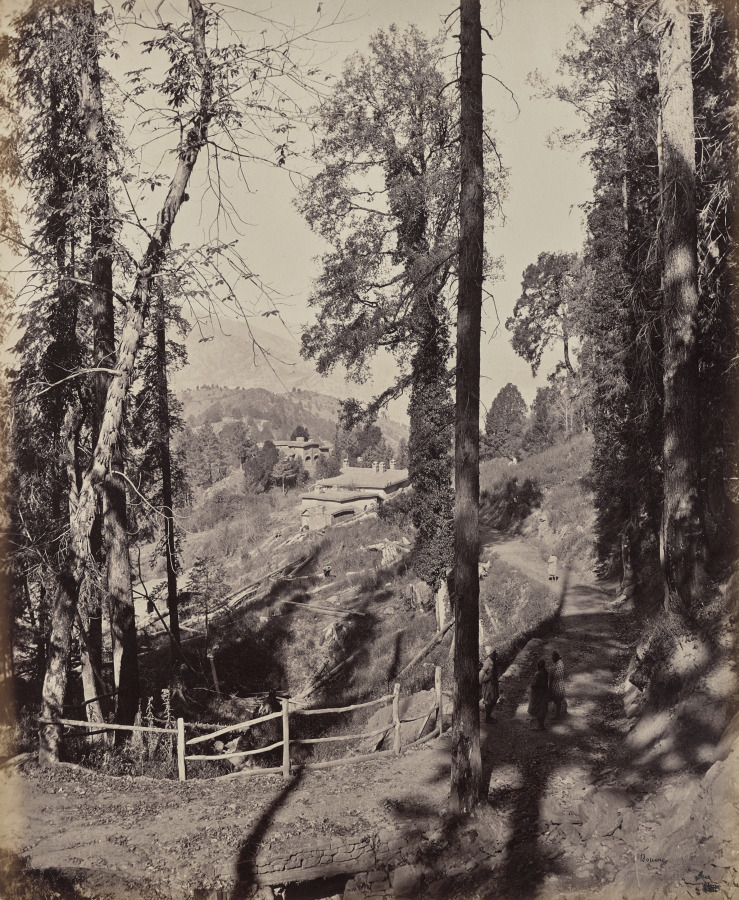
Bourne used the wet-collodion process. This method required him to coat and develop his plates immediately on site. This was a difficult task in the thin air and freezing temperatures of high mountain passes. Because the chemicals were sensitive to blue light, the skies in his prints often appear as solid white. This effect creates a stark contrast against the dark peaks. He captured the terrain with technical precision.
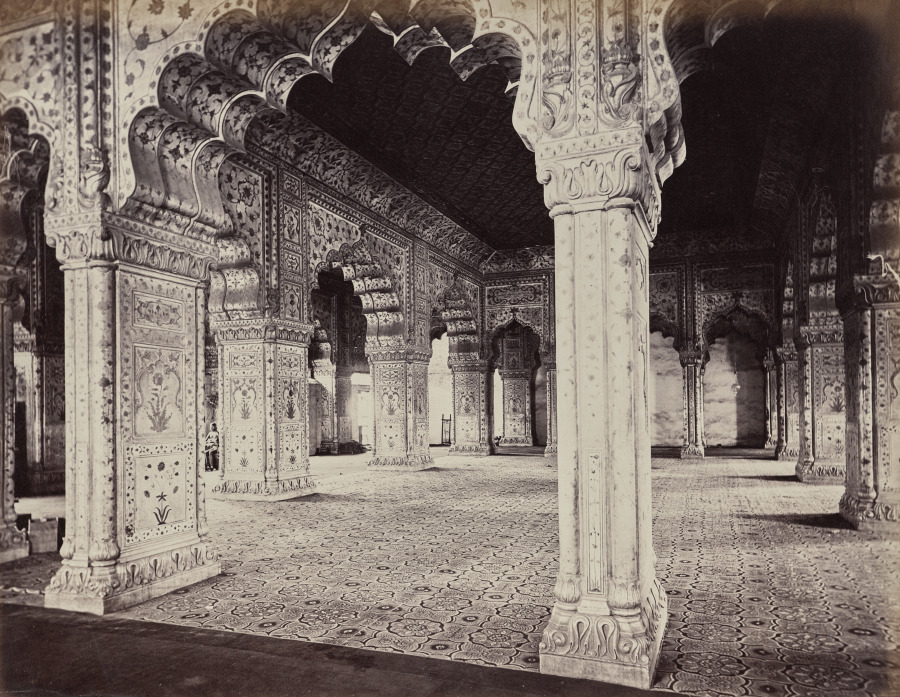
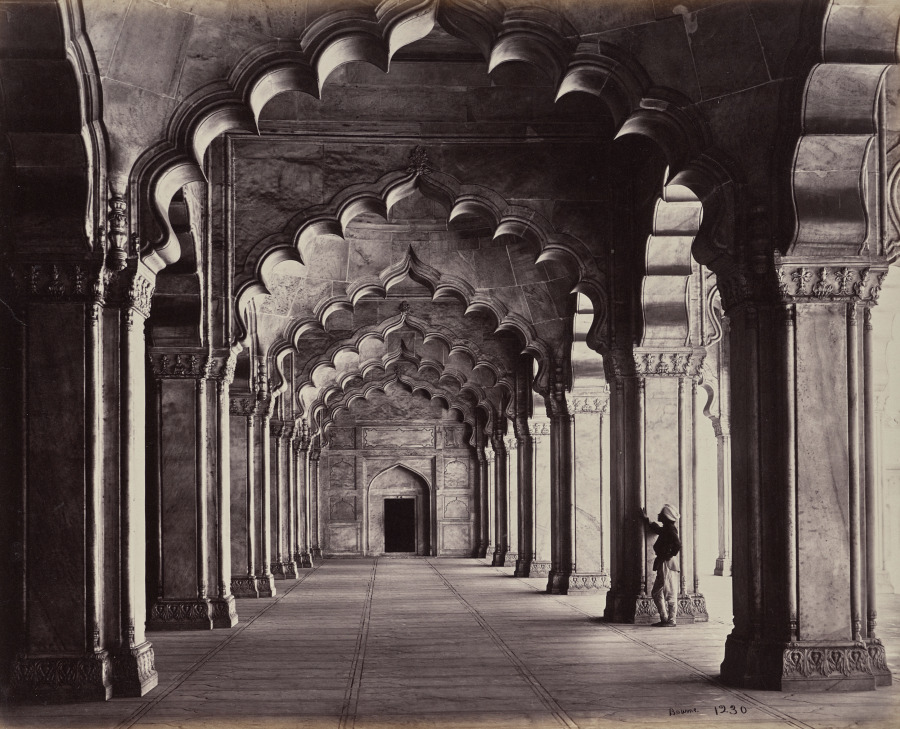
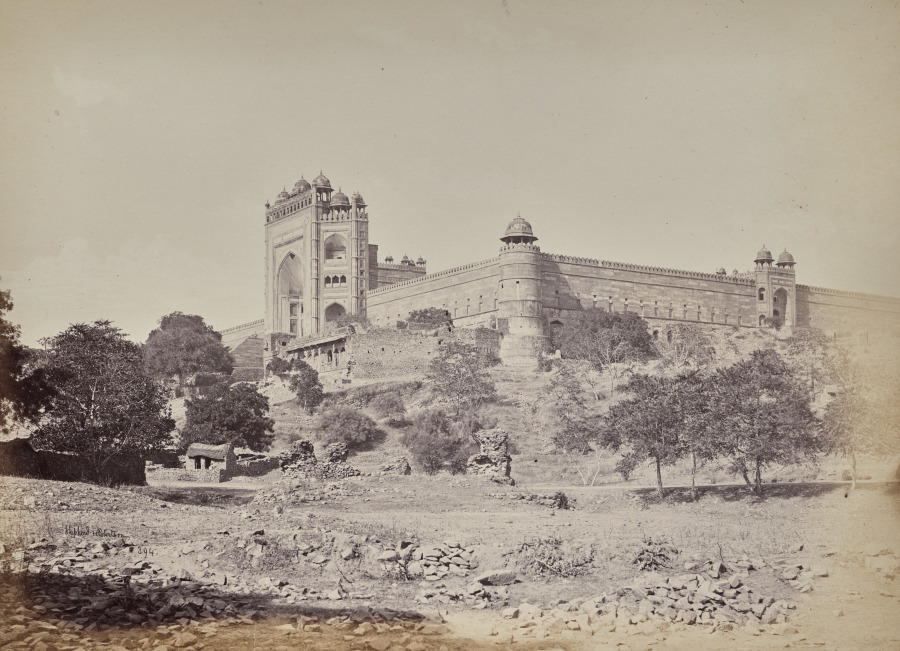
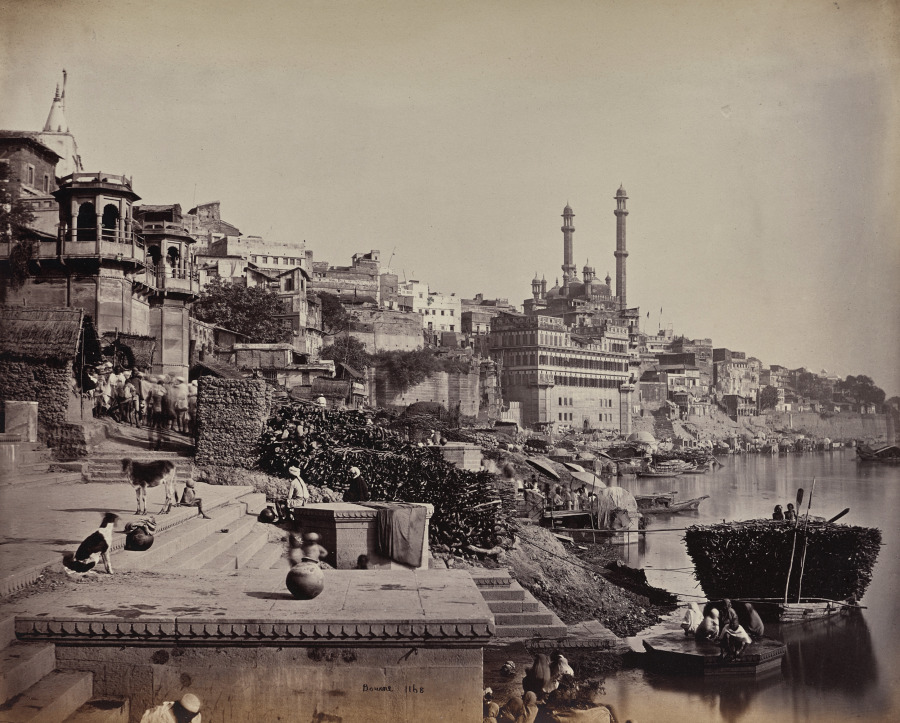
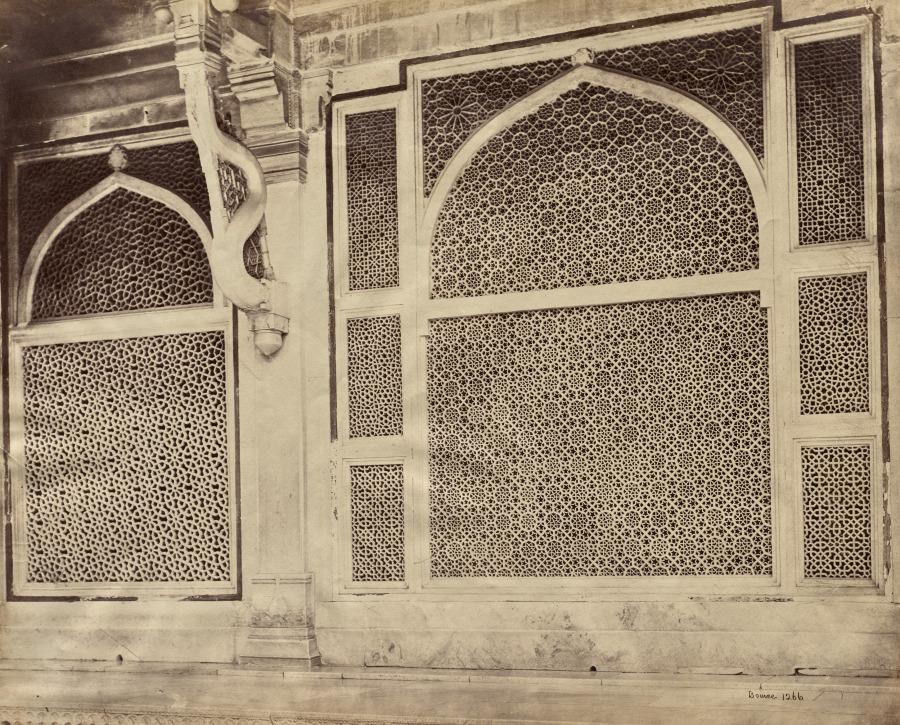
Modern collectors value Bourne for the architectural clarity of his prints. These prints offer a window into a specific era of travel without the romanticised filters common in nineteenth-century art. The monochrome tones and sharp details of his mountain scenes provide a structured aesthetic for contemporary interiors. These prints represent a period when photography required immense physical endurance and chemical expertise.
Notable Works
Tap to view larger.
Frequently Asked Questions
What is Samuel Bourne known for?
Samuel Bourne is known for samuel Bourne was a nineteenth-century photographer known for his technically precise images of the Himalayas and India, produced under extreme conditions using the wet-collodion process.

