



Samuel and Nathaniel Buck
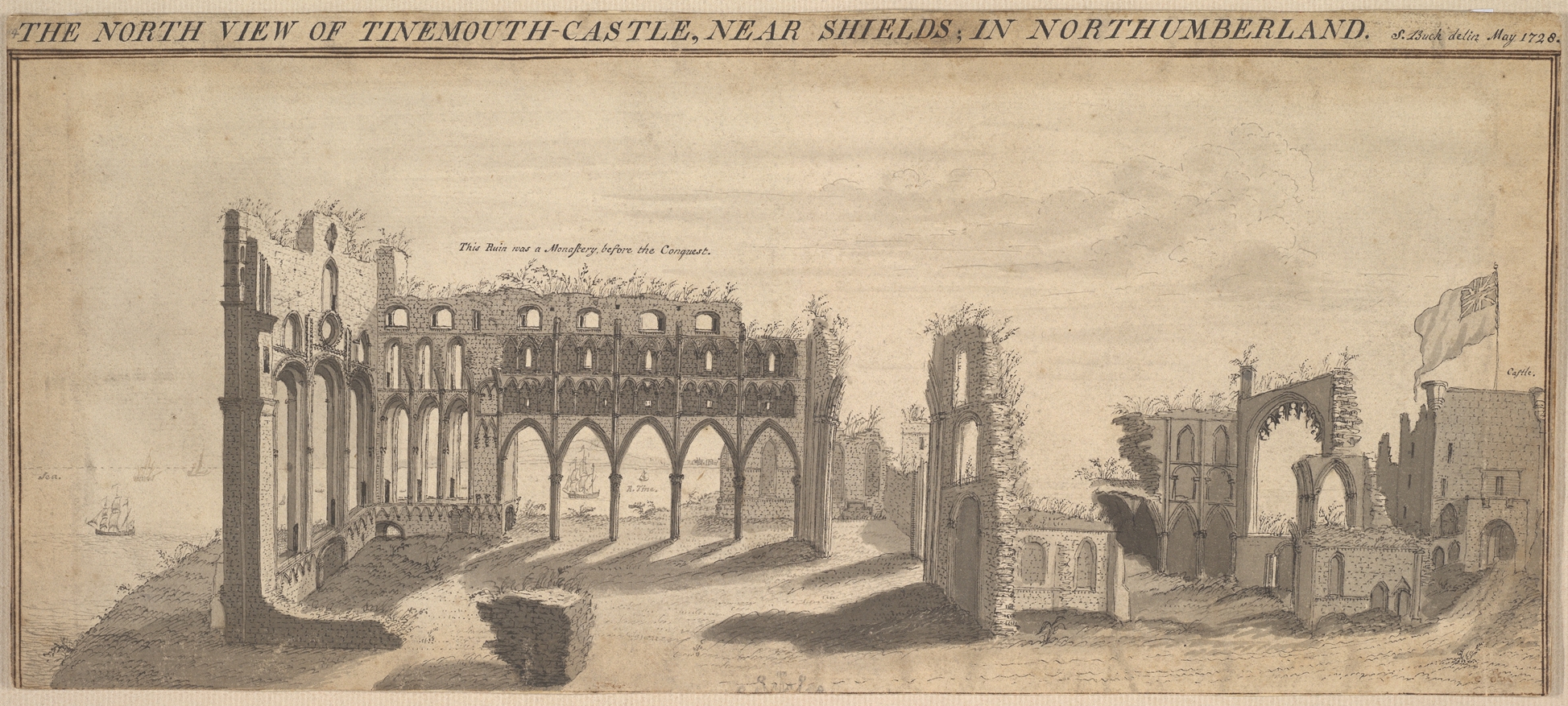
Samuel and Nathaniel Buck spent over twenty years travelling across England and Wales on horseback. Each summer, they visited counties to sketch castles and abbeys. They funded these expeditions through a subscription model. Local gentry paid in advance to see their own estates or nearby landmarks included in the final engravings. This business model allowed the brothers to produce hundreds of plates for their series, known as Buck's Antiquities.
Biography
The brothers focused on topographical accuracy. Their work often features a long, narrow format for city prospects. These panoramas provide a factual record of eighteenth-century urban development. They used copperplate engraving to create clear lines. Many prints include a numbered key at the bottom. This key identifies specific churches and bridges. Their style avoids romanticised distortion. Instead, it offers a literal view of the built environment.
Modern collectors value these prints for their architectural detail. The monochrome aesthetic fits well in contemporary interiors. These works offer a connection to specific British locations. They show how cities like London and Bristol looked before the industrial revolution. The prints act as a visual census of historical architecture. They suit those who appreciate British history and precise drafting.
Notable Works
Tap to view larger.
Next stop
Browse the movements →
Every movement in the collection, from the Renaissance to Pop art.
Frequently Asked Questions
What is Samuel and Nathaniel Buck known for?
Samuel and Nathaniel Buck is known for samuel and Nathaniel Buck were eighteenth-century engravers who created detailed topographical prints and panoramas of British cities, castles, and abbeys.

