



Robert John Thornton
Robert John Thornton was a London physician who spent his entire inheritance on a single publishing project. He commissioned the finest artists and engravers of the day to produce the Temple of Flora. This financial gamble failed to find enough subscribers during the Napoleonic Wars. To avoid total bankruptcy, he obtained an Act of Parliament to hold a Royal Botanical Lottery. He offered the original paintings and copper plates as prizes to the public.
Biography
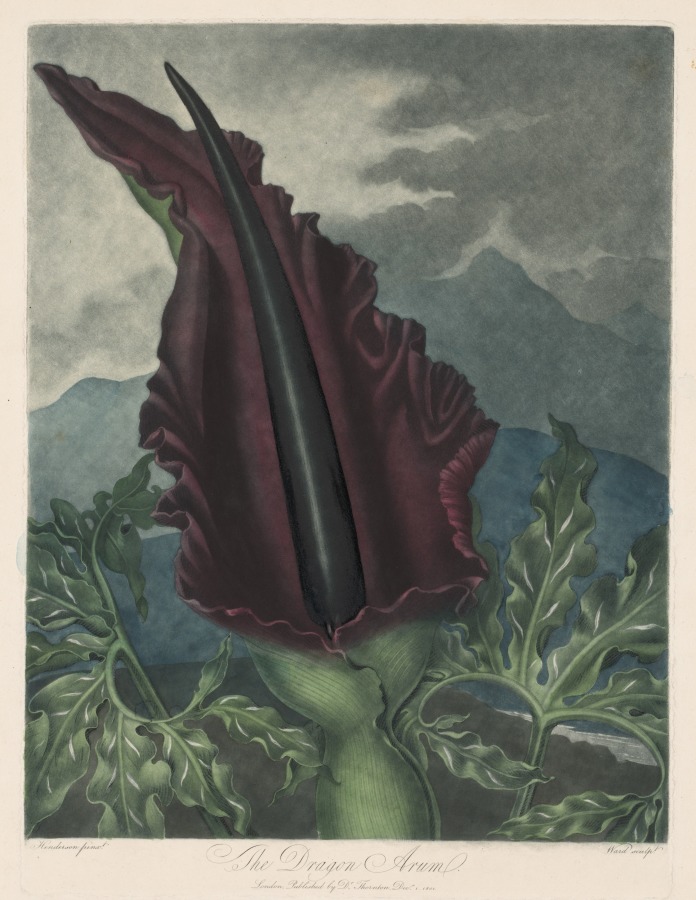
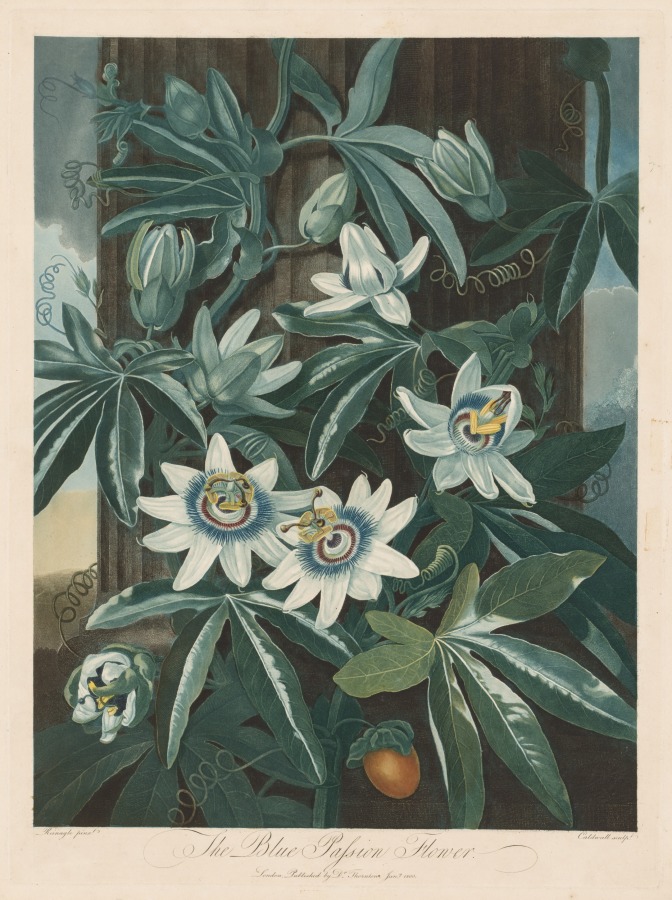
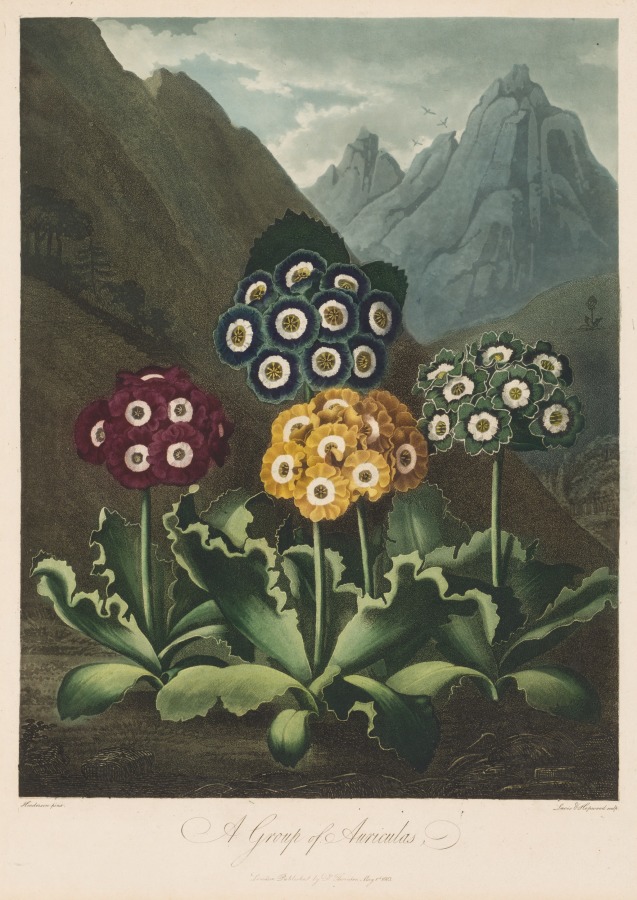
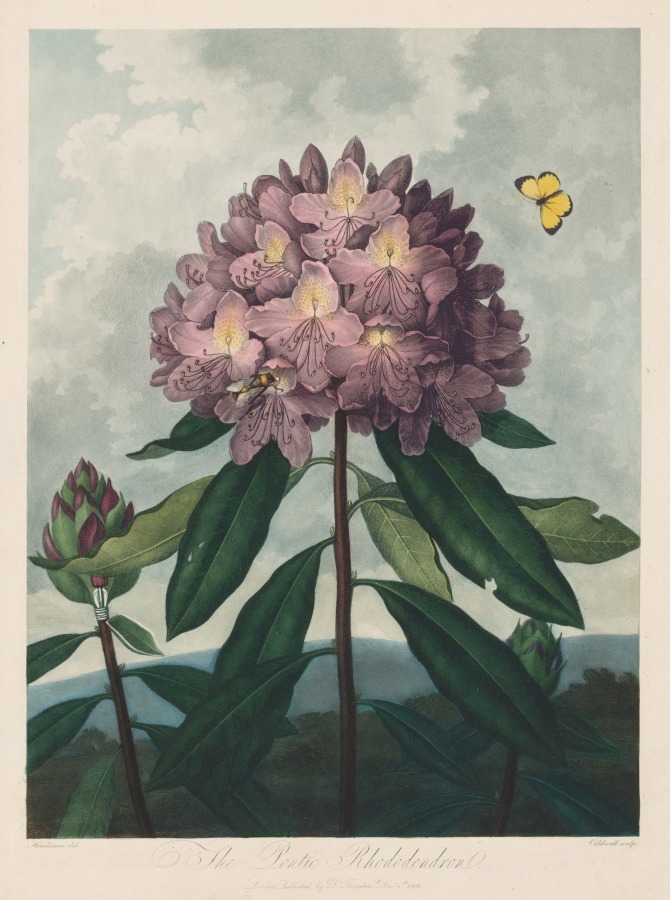
Thornton changed how botanical subjects were depicted by placing them in dramatic environments. Most botanical illustrators of the eighteenth century used plain backgrounds to focus on anatomy. Thornton chose to place his specimens in theatrical settings. He paired a Superb Lily with a dark sky and a Blue Passion Flower with a South American backdrop. His team used aquatint and mezzotint techniques to achieve deep tones and saturated colour.
These prints appeal to modern collectors because they function as bold decorative pieces. The large format and moody atmospheres suit contemporary interior design styles. They represent a specific moment when science met the Romantic movement. Each plate is a direct study of a species that prioritises visual impact over dry categorisation.
Notable Works
Tap to view larger.
Next stop
Browse the movements →
Every movement in the collection, from the Renaissance to Pop art.
Robert John Thornton prints
Hand-finished archival prints from Robert John Thornton's body of work.
 The Blue Egyptian Waterlily - Robert John Thornton
From £28.00
The Blue Egyptian Waterlily - Robert John Thornton
From £28.00
 The White Lily with Variegated Leaves - Robert John Thornton
From £28.00
The White Lily with Variegated Leaves - Robert John Thornton
From £28.00
 The Narrow-leaved Kalmia - Robert John Thornton
From £28.00
The Narrow-leaved Kalmia - Robert John Thornton
From £28.00
 The Persian Cyclamen - Robert John Thornton
From £28.00
The Persian Cyclamen - Robert John Thornton
From £28.00
 The Blue Passion Flower - Robert John Thornton
From £28.00
The Blue Passion Flower - Robert John Thornton
From £28.00
 The Nodding Renealmia - Robert John Thornton
From £28.00
The Nodding Renealmia - Robert John Thornton
From £28.00
Take Robert John Thornton home.
See all Robert John Thornton prints →Frequently Asked Questions
What is Robert John Thornton known for?
Robert John Thornton is known for robert John Thornton was a physician whose dramatic botanical prints from the Temple of Flora combined scientific study with the moody aesthetics of the Romantic era.