



Pierre Lombart
Pierre Lombart is remembered for a curious act of political pragmatism. During his time in London, he produced an equestrian engraving where the head of the sitter changed as governments fell. He originally depicted Charles I, then burnished out the face to substitute Oliver Cromwell, before eventually reverting to the King. This flexibility allowed him to survive the volatile English Civil War era while maintaining his status as a leading engraver.

Biography
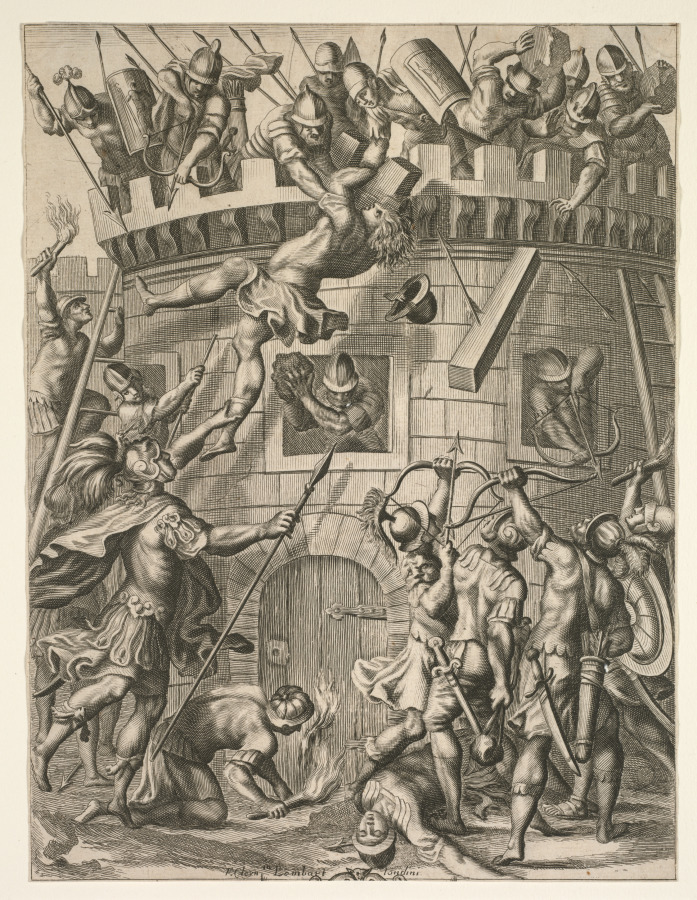
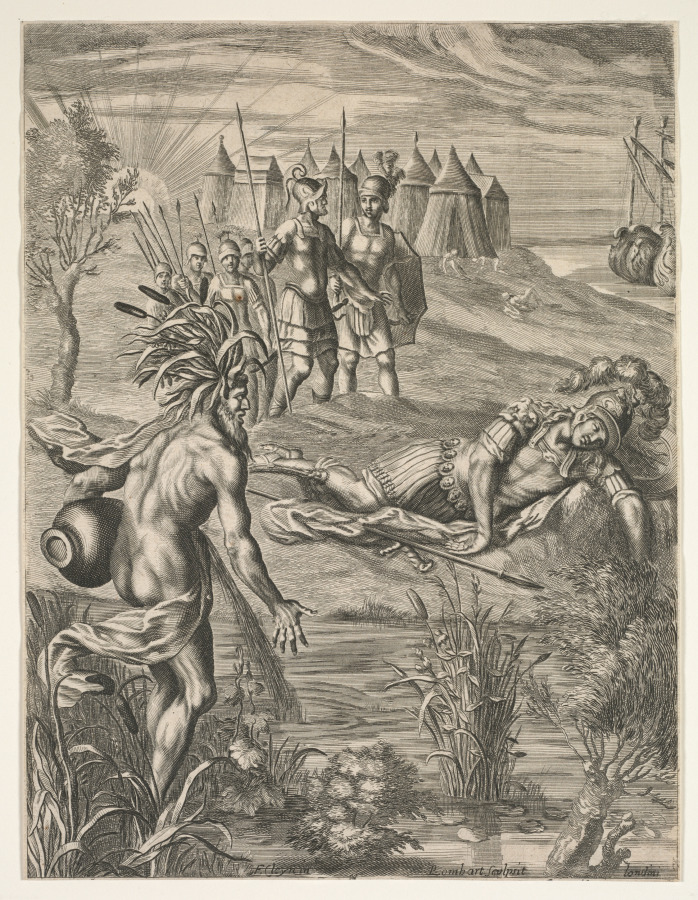
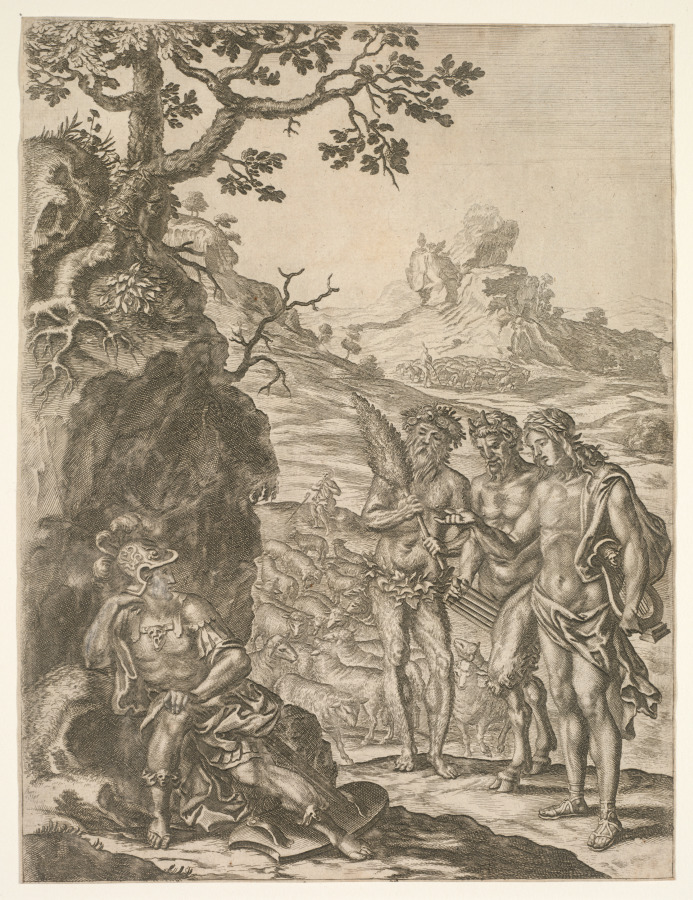
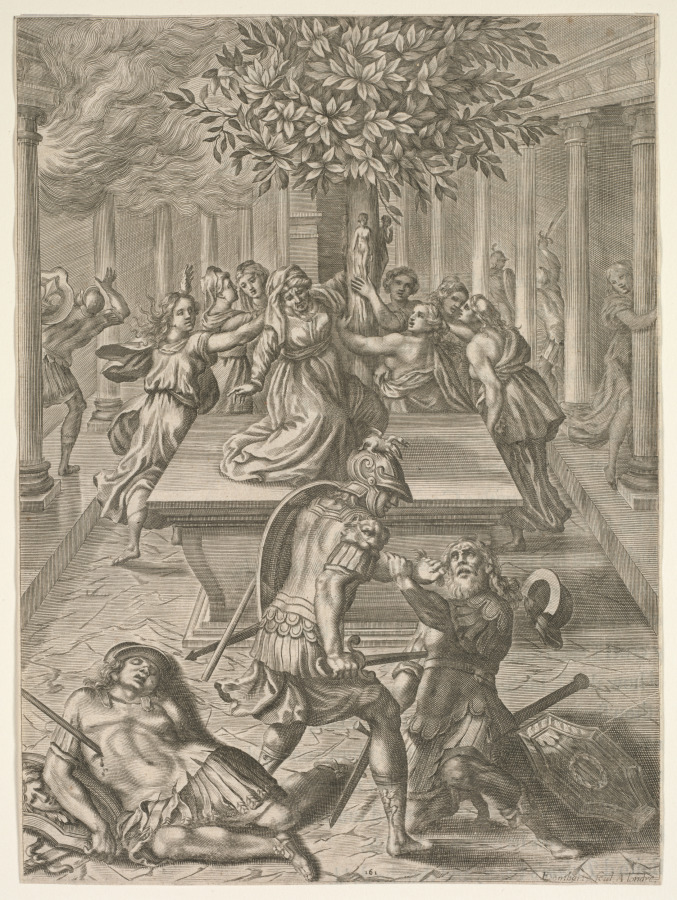
His work is defined by the technical precision of the French school of engraving. Lombart translated the paintings of Anthony van Dyck into monochrome prints with clarity. In portraits like those of Antoine, Duc de Gramont or the Earl of Pembroke, he used controlled hatching to define texture. His illustrations for the Aeneid demonstrate his ability to manage narrative scenes within a classical framework.
Modern collectors value Lombart for the formal structure he brings to a space. His prints offer a sense of historical weight without the clutter of later styles. The clear linework and compositions of pieces like the Supper at Emmaus suit contemporary interiors that favour clean lines. These works offer a direct example of the seventeenth-century Baroque movement through a disciplined medium.
Notable Works
Tap to view larger.
Next stop
Browse the movements →
Every movement in the collection, from the Renaissance to Pop art.
Frequently Asked Questions
When was Pierre Lombart born?
Pierre Lombart was born in 1613 and died in 1681.What is Pierre Lombart known for?
Pierre Lombart is known for pierre Lombart was a French Baroque engraver known for his precise portraits of the English aristocracy and his adaptable political plates during the seventeenth century.


