

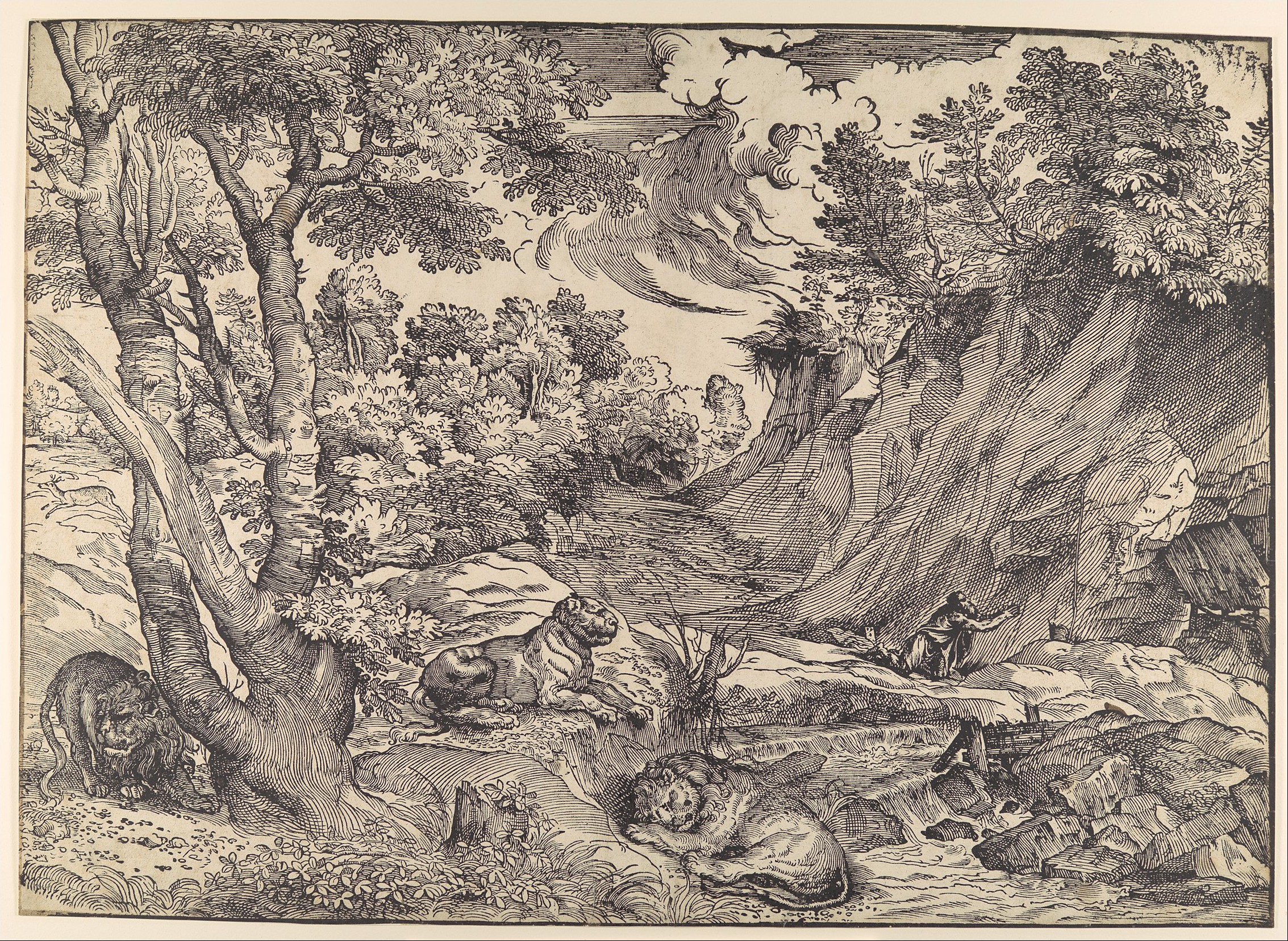


Nicolò Boldrini
Nicolò Boldrini was an artist. Solis Prints sells his works, including Boy with a Bull, Caricature of the Laocoön, Child with Bull, Hercules and the Nemean Lion, and Samson Taken by the Philistines.
Notable Works
Tap to view larger.
Next stop
Browse the movements →
Every movement in the collection, from the Renaissance to Pop art.
Nicolò Boldrini prints
Hand-finished archival prints from Nicolò Boldrini's body of work.
 Boy with a Bull - Nicolò Boldrini
From £37.00
Boy with a Bull - Nicolò Boldrini
From £37.00
 The Mystic Marriage of Saint Catherine - Nicolò Boldrini
From £28.00
The Mystic Marriage of Saint Catherine - Nicolò Boldrini
From £28.00
 Young Peasant on Horseback - Nicolò Boldrini
From £28.00
Young Peasant on Horseback - Nicolò Boldrini
From £28.00
 Child with Bull - Nicolò Boldrini
From £28.00
Child with Bull - Nicolò Boldrini
From £28.00
 Hercules and the Nemean Lion - Nicolò Boldrini
From £28.00
Hercules and the Nemean Lion - Nicolò Boldrini
From £28.00
 Six Saints - Nicolò Boldrini
From £28.00
Six Saints - Nicolò Boldrini
From £28.00
Take Nicolò Boldrini home.
See all Nicolò Boldrini prints →Frequently Asked Questions
What is Nicolò Boldrini known for?
Nicolò Boldrini is known for nicolò Boldrini was an artist whose works include Boy with a Bull and Hercules and the Nemean Lion.