

Michael Vandergucht
Michael Vandergucht moved from Antwerp to London during the late seventeenth century. He settled in Bloomsbury and established a workshop that became a training ground for the next generation of British engravers. His most famous pupil was George Vertue, who documented the lives of many English artists. Vandergucht arrived in England at a time when the demand for high-quality book illustrations was increasing rapidly.
Biography
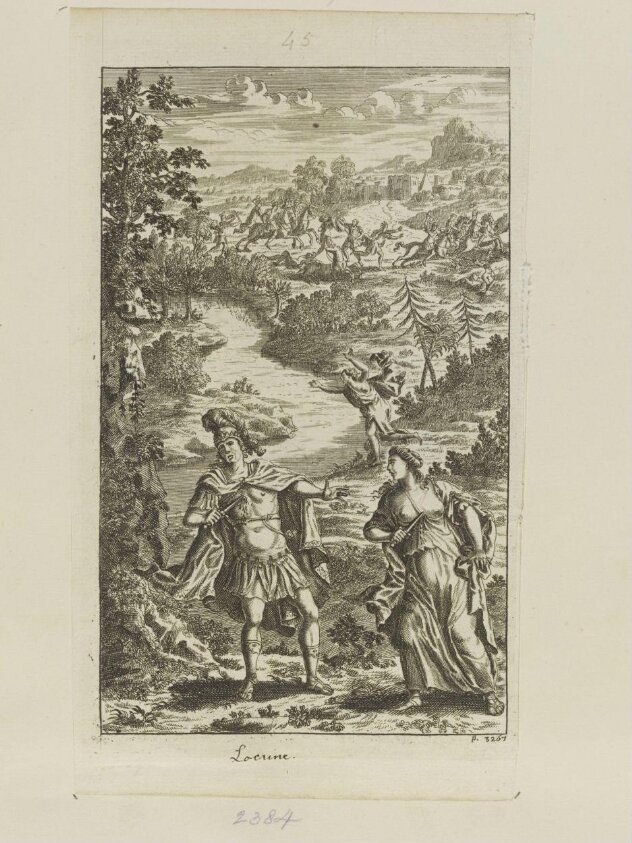
His artistic approach relied on the technical precision of copperplate engraving. He translated the works of contemporary painters into monochrome prints with great accuracy. His portrait of William Congreve is a representative example of his skill in capturing likeness and texture through line alone. These works often incorporate formal borders and classical motifs. The clarity of his hatching creates a sense of depth without the need for colour.
Modern collectors find these prints appealing because of their academic aesthetic and historical weight. The engravings offer a window into the intellectual circles of the Augustan Age. Their structured compositions and clean monochrome tones complement modern minimalist or traditional decor. They provide a sophisticated way to display history and literature on a wall.
Notable Works
Tap to view larger.
Next stop
Browse the movements →
Every movement in the collection, from the Renaissance to Pop art.
Frequently Asked Questions
When was Michael Vandergucht born?
Michael Vandergucht was born in 1660 and died in 1725.What is Michael Vandergucht known for?
Michael Vandergucht is known for michael Vandergucht was a Flemish engraver in London who defined the visual style of early eighteenth-century book illustration through his precise portraits and architectural plates.

