

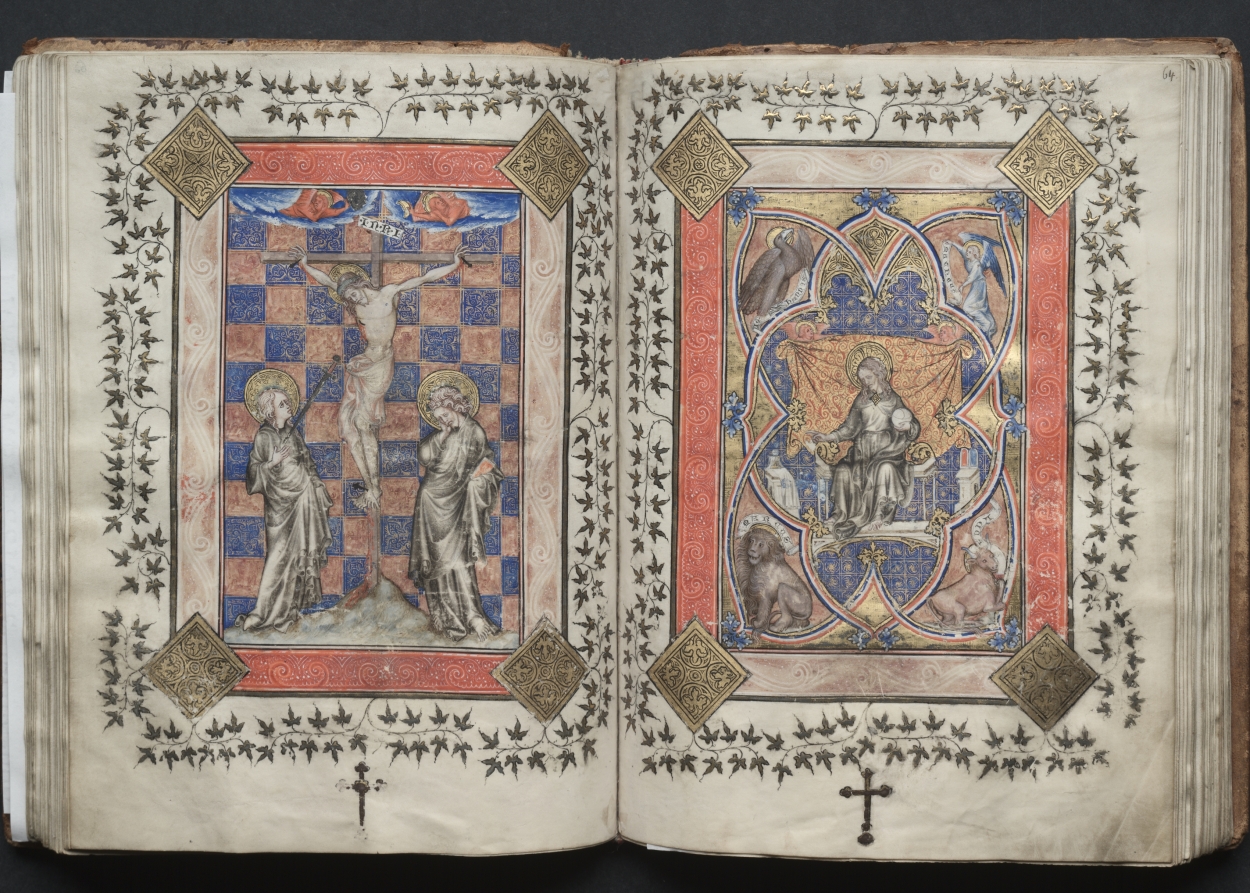
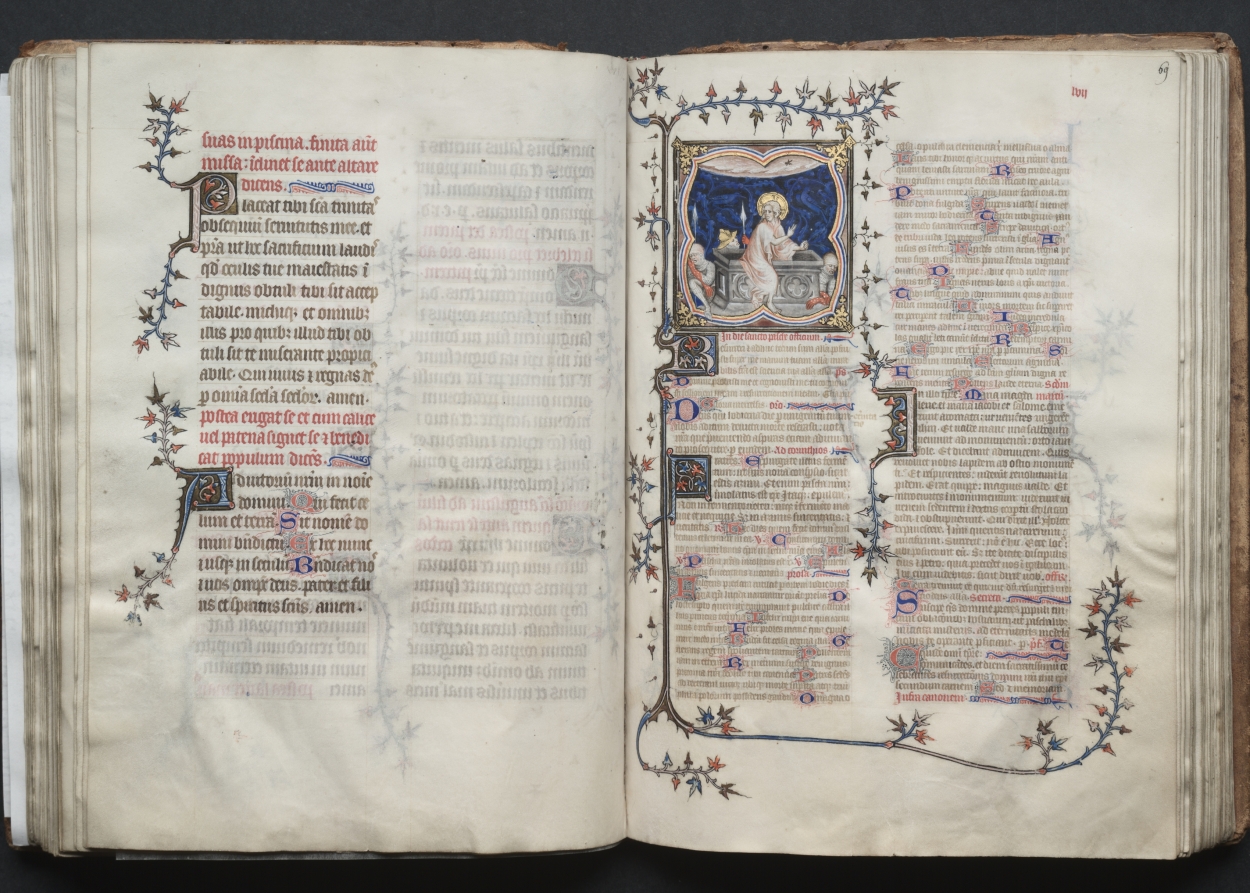
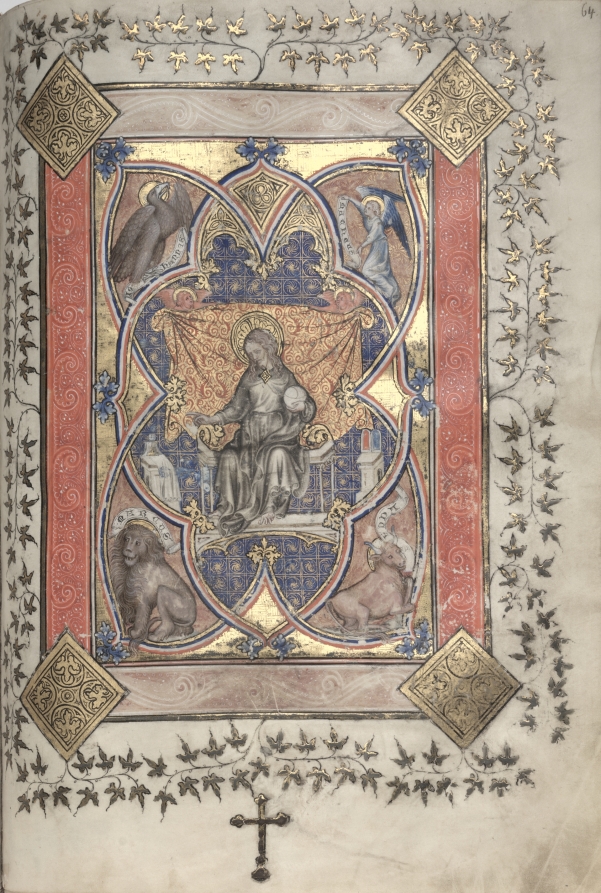
Master of the Boqueteaux
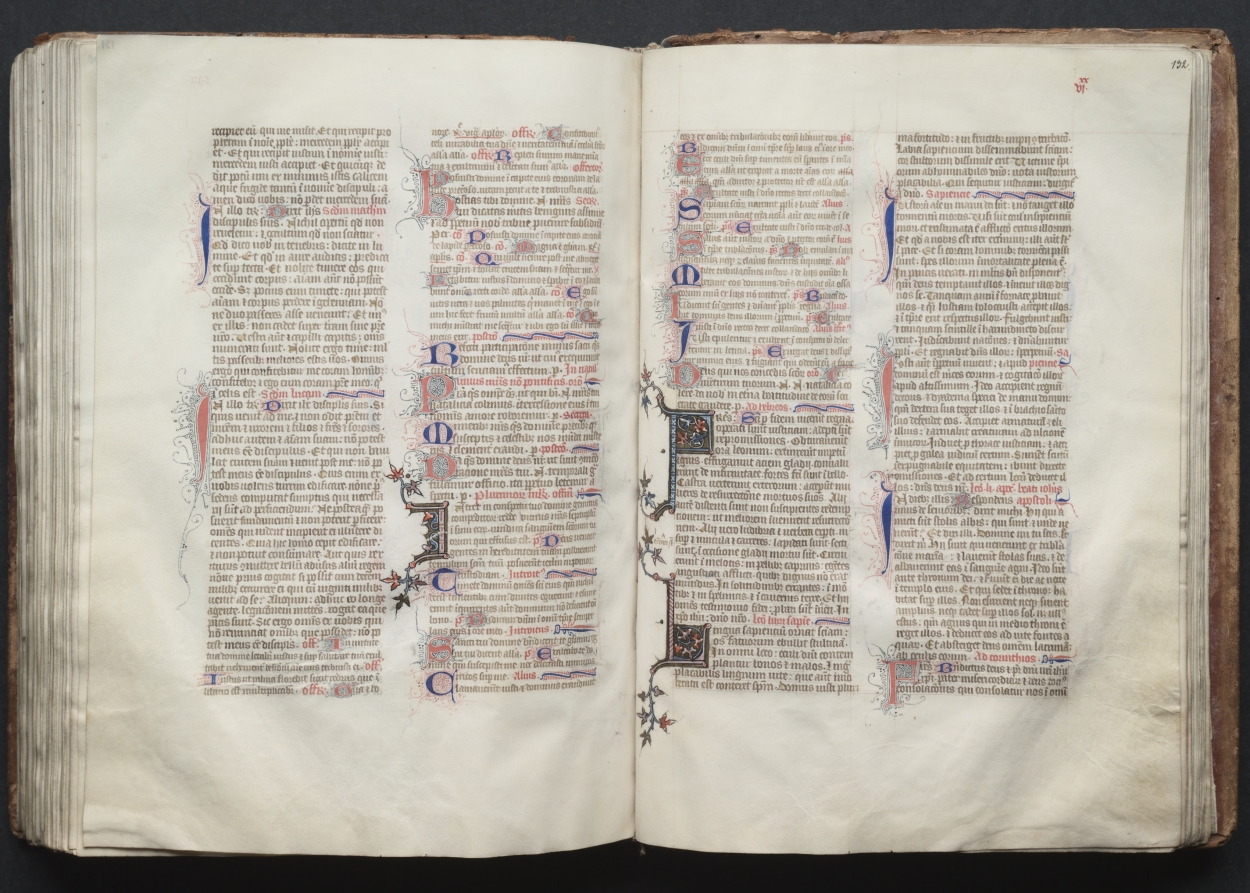
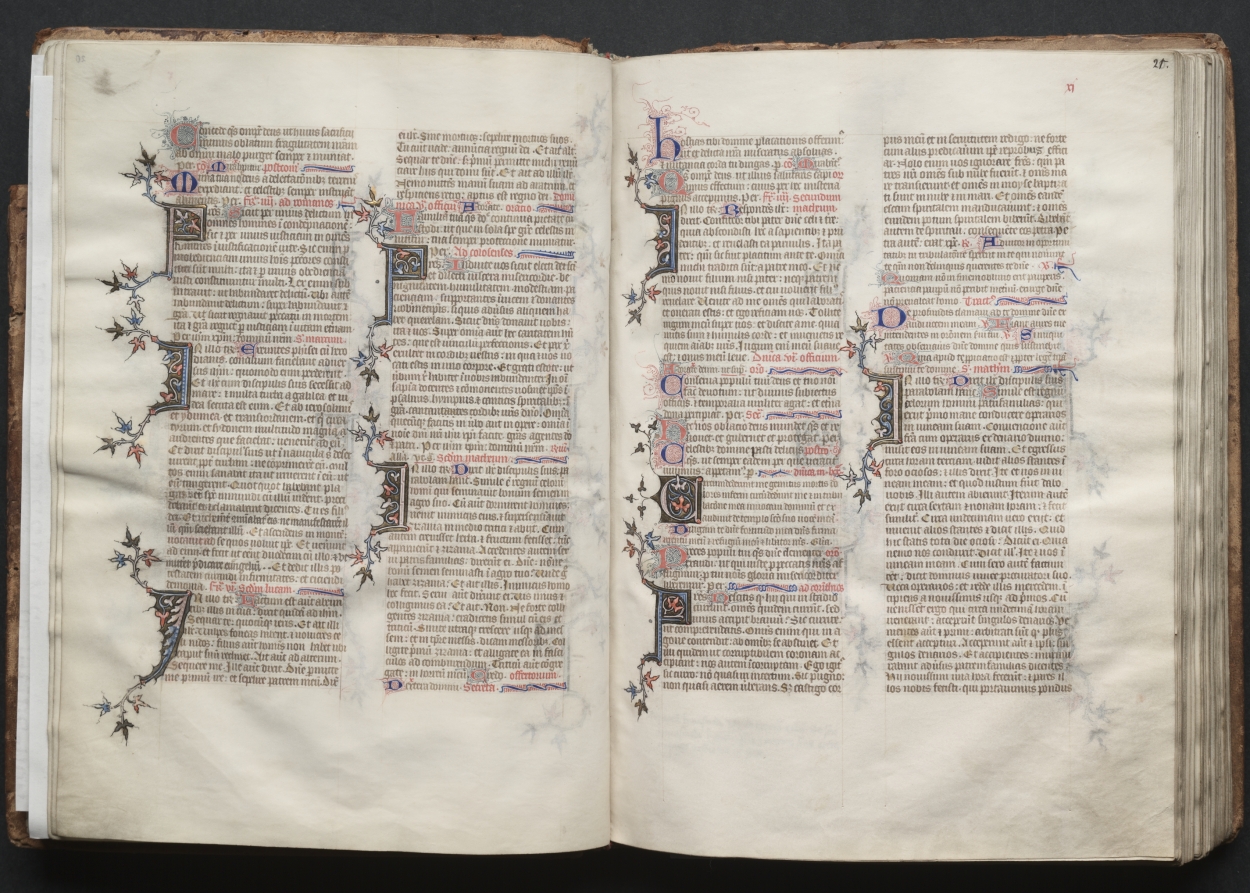
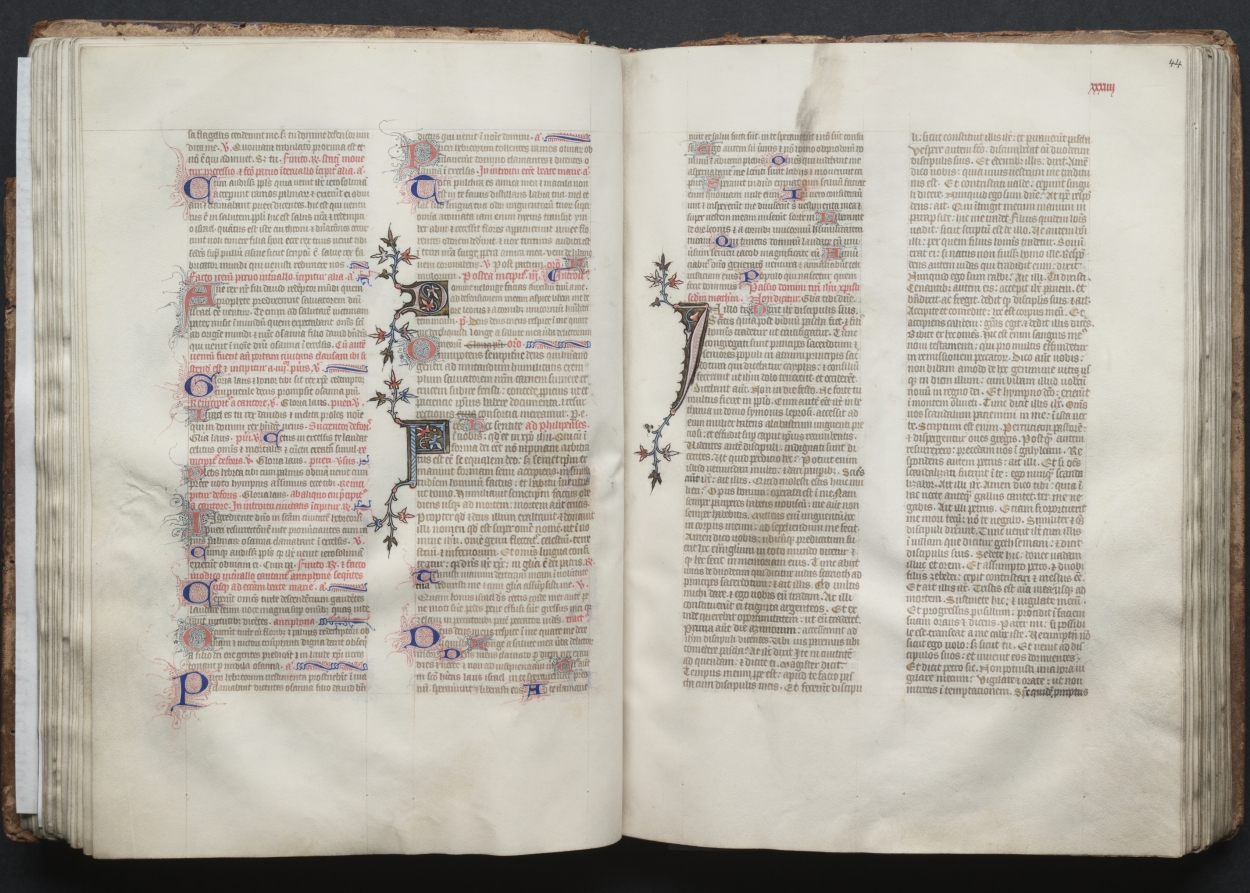
One manuscript associated with the Master of the Boqueteaux contains a note stating it was completed in 1407, the same year the bridges in Paris collapsed during a severe winter. This artist, often called the Boucicaut Master, worked for the Marshal of France, Jean II Le Meingre. His identity remains a mystery, though historians once linked him to the Bruges illuminator Jacques Coene. He placed the Marshal into his religious scenes, even giving the features of the nobleman to St. George in a dragon-slaying miniature.
Biography
The Master of the Boqueteaux moved beyond the flat surfaces of the International Gothic style by introducing aerial perspective. He used a device known as the diaphragm arch to frame scenes, which suggests that the space continues beyond the edges of the page. His backgrounds include small, realistic details such as swans swimming in ponds or men fishing. Unlike his contemporaries who followed Italianate ideals, he focused on the observation of nature. He used light to soften distant forms and created interiors where windows reveal a sky that seems to extend to infinity.
Modern collectors find appeal in the balance between courtly ceremony and domestic realism found in these miniatures. The artist used a palette of pastel tones and vermilion to illustrate the Boucicaut Hours. His work provides a window into fifteenth-century life through depictions of burial scenes or royal audiences. These prints offer a sense of spatial depth that was rare for the period. The combination of formal elegance and direct observation makes these works suitable for contemporary interiors that value historical precision.
Notable Works
Tap to view larger.
Next stop
Browse the movements →
Every movement in the collection, from the Renaissance to Pop art.
Frequently Asked Questions
What is Master of the Boqueteaux known for?
Master of the Boqueteaux is known for the Master of the Boqueteaux was a fifteenth-century illuminator who introduced aerial perspective and realistic nature into the International Gothic style through his work on the Boucicaut Hours.