


Kurt Schwitters and El Lissitzky
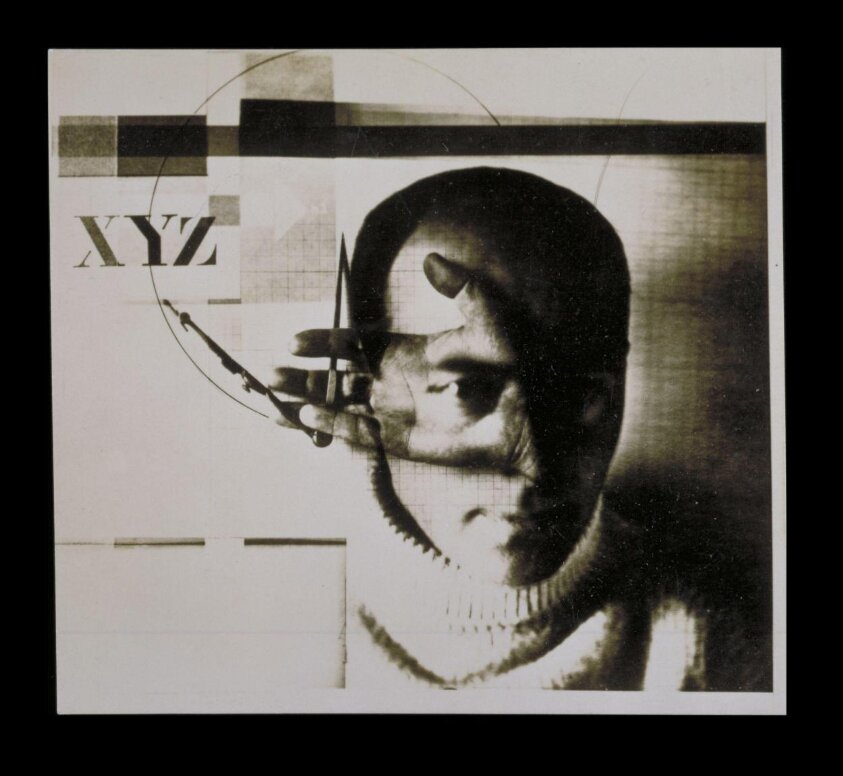
Kurt Schwitters and El Lissitzky formed an unlikely partnership in 1920s Berlin. Schwitters, a tall figure, acted as a social catalyst for the diminutive Lissitzky. He introduced him to Sophie Küppers, who later became Lissitzky's wife and a supporter of his work. While contemporaries found Lissitzky too quiet for the chaotic Dadaist circle, he remained a fixture in their group through his friendship with Schwitters.
Biography
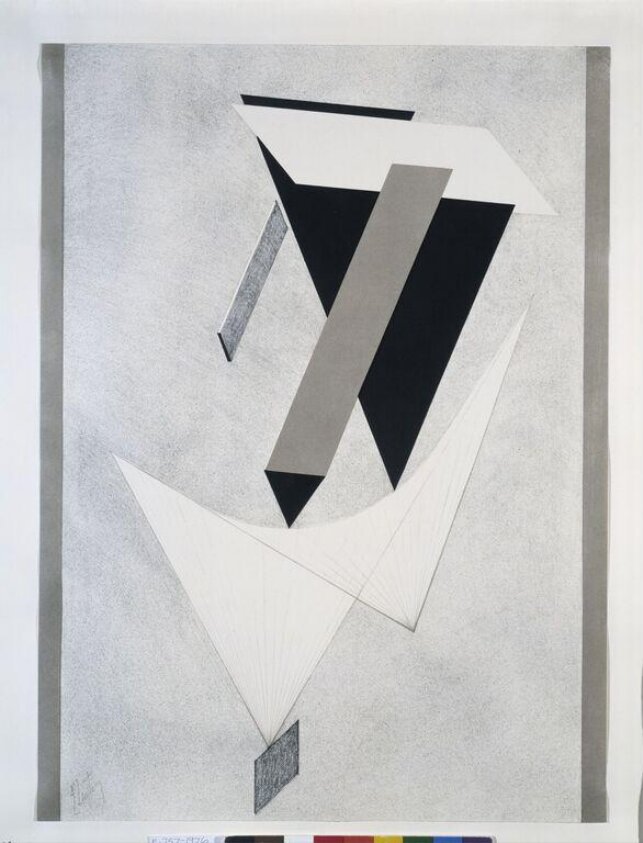
Their collaboration bridged the gap between the assembly of Merz and the logic of Constructivism. Lissitzky developed his Proun series as a station between painting and architecture. He used these works to move beyond traditional canvas boundaries. Schwitters focused on the scrap materials of urban life. Both artists treated art as an object with a specific function. They saw the destructive phase of Dada as a requirement for building a new visual language.
Modern collectors value these works for their structural clarity and experimental use of space. The prints offer a balance of technical precision and historical weight. They suit contemporary interiors that favour clean lines and intellectual depth. These compositions remain relevant because they prioritise form and spatial relationships over decorative trends.
Notable Works
Tap to view larger.
Next stop
Browse the movements →
Every movement in the collection, from the Renaissance to Pop art.
Frequently Asked Questions
What is Kurt Schwitters and El Lissitzky known for?
Kurt Schwitters and El Lissitzky is known for kurt Schwitters and El Lissitzky combined Dadaist collage with Constructivist geometry to redefine modern art through their collaborative work and shared theories on spatial design.