

Katsukawa Shunshō
- Katsukawa school
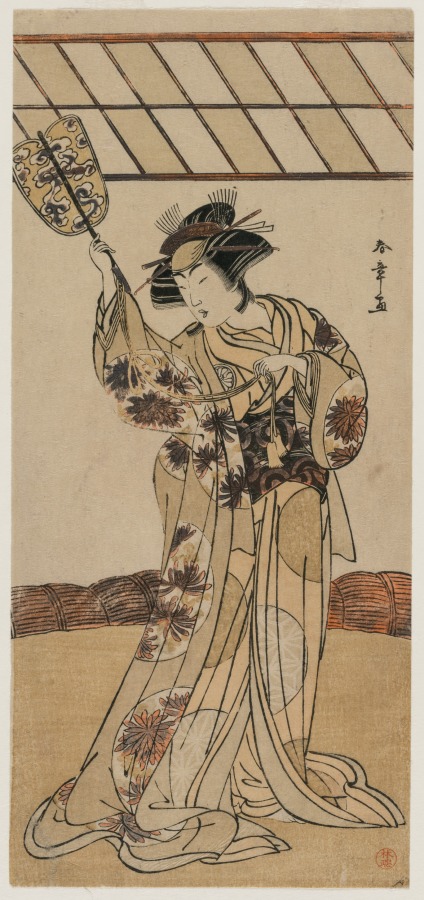
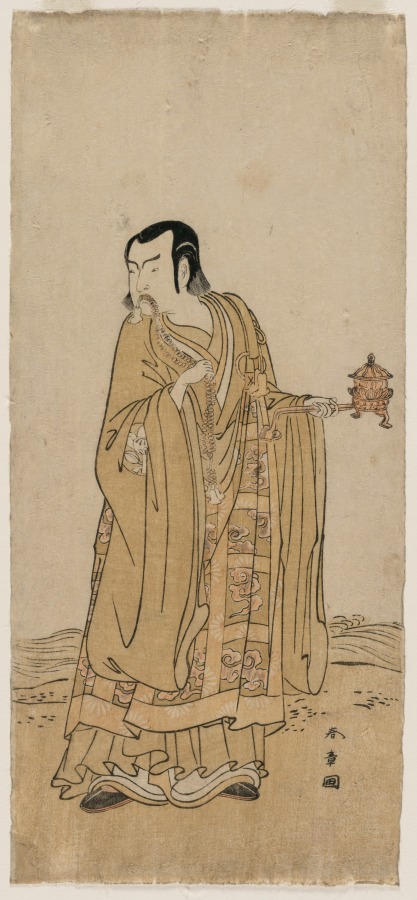
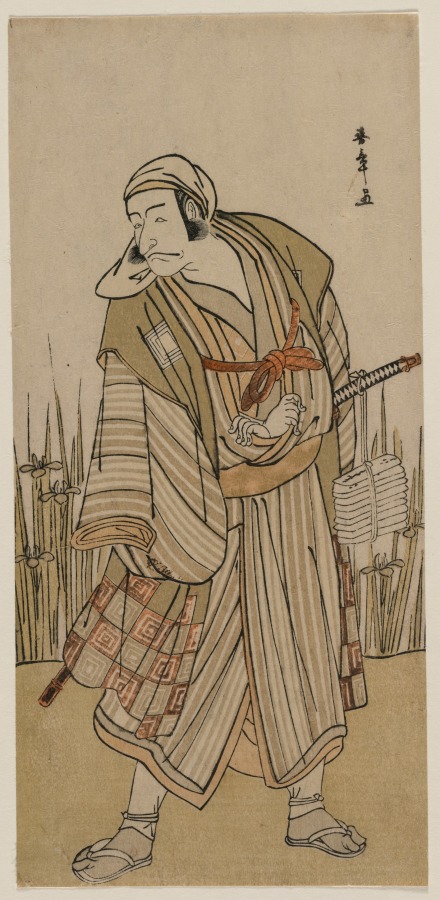
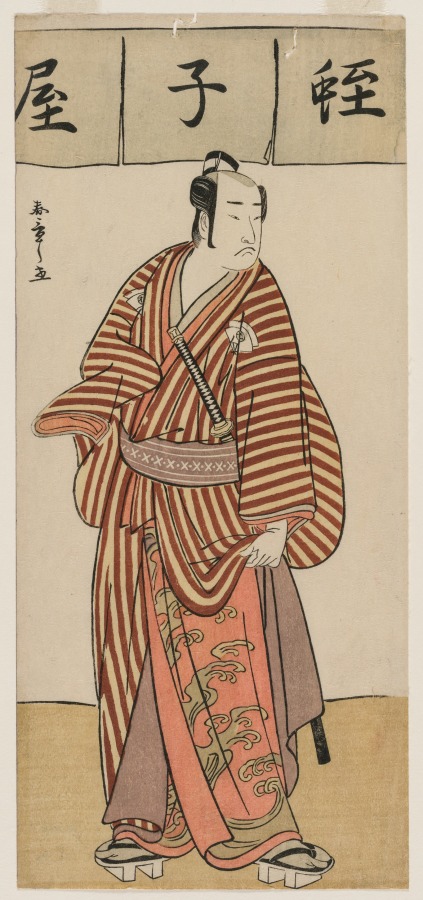
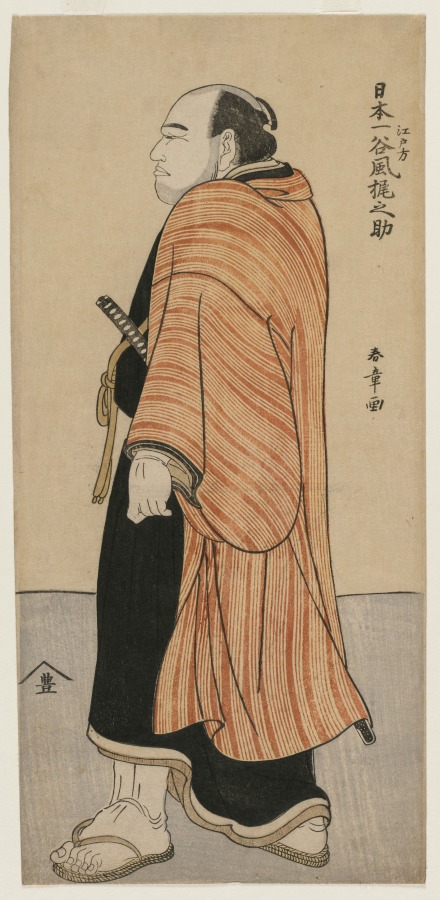
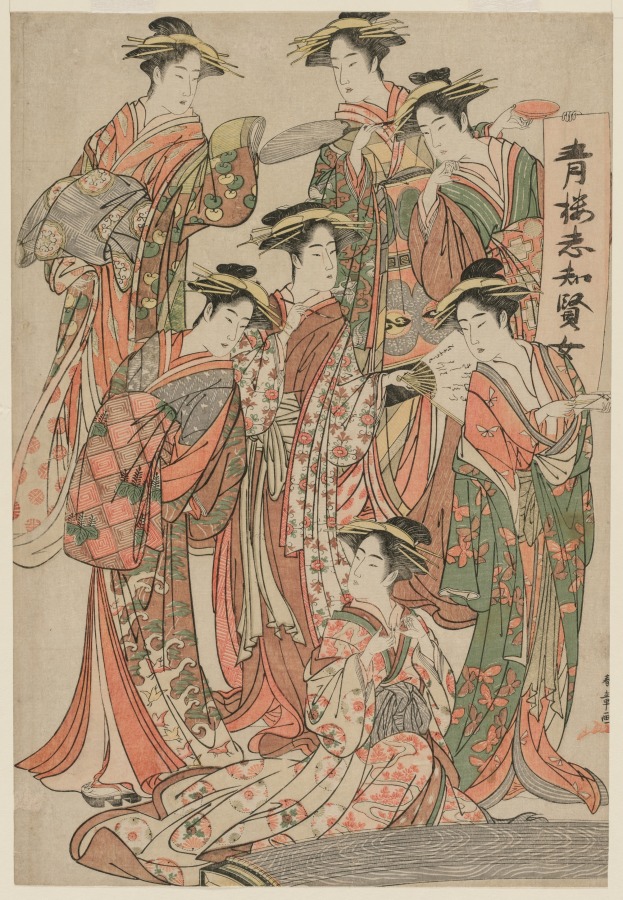
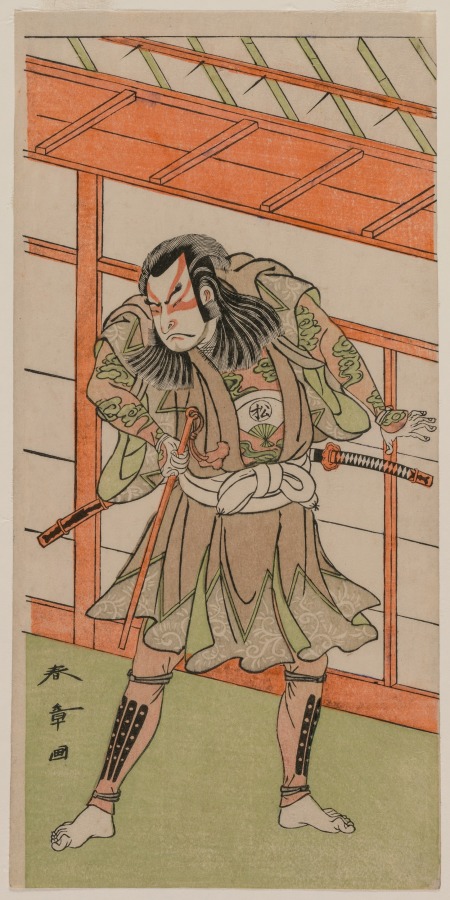
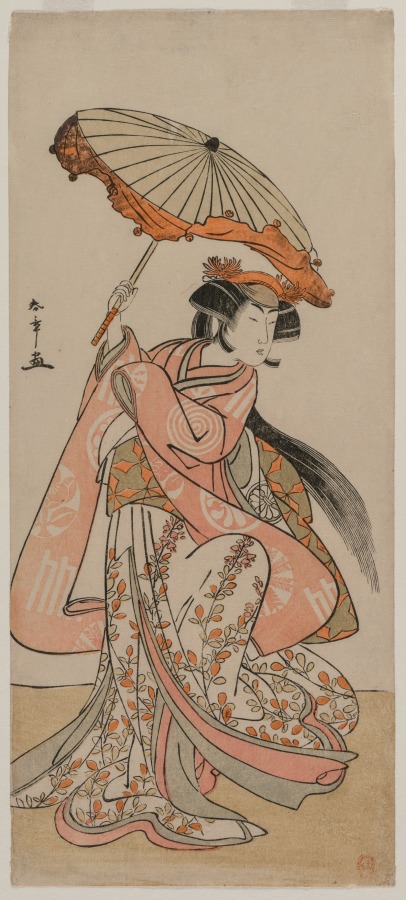
Katsukawa Shunshō was a Japanese artist who founded the Katsukawa school. He worked during the eighteenth century and taught a number of pupils, including Shunchō, Shunzan, Shunkō, Shun'ei, and Shunrō.
Biography
In the 1780s, he turned his artistic attention to painting bijin. Solis Prints offers a variety of his works, including Act Four from the series Treasury of Loyal Retainers, Actor Ichikawa Danjūrō 5th as Moriya no Daijin disguised as Rokujūrokubu, Actor Ichikawa Danjūrō 5th as Taira no Masakado, Actor Ichikawa Danjūrō V with a Rosary Beneath a Willow, and Actor Ichimura Uzaemon IX as a Devil.
Notable Works
Tap to view larger.
Next stop
Browse the movements →
Every movement in the collection, from the Renaissance to Pop art.
Katsukawa Shunshō prints
Hand-finished archival prints from Katsukawa Shunshō's body of work.
 Chi: Musashi Plain - Katsukawa Shunsho
From £28.00
Chi: Musashi Plain - Katsukawa Shunsho
From £28.00
 The Actor Onoe Matsusuke I in an Unidentified Role - Katsukawa Shunsho
From £28.00
The Actor Onoe Matsusuke I in an Unidentified Role - Katsukawa Shunsho
From £28.00
 Courtesans of the Kadotsutaya - Katsukawa Shunsho
From £28.00
Courtesans of the Kadotsutaya - Katsukawa Shunsho
From £28.00
 The Actor Ichikawa Danjuro V as Ashikaga Takauji - Katsukawa Shunsho
From £28.00
The Actor Ichikawa Danjuro V as Ashikaga Takauji - Katsukawa Shunsho
From £28.00
 The Actor Ichimura Uzaemon IX as Aza-maru - Katsukawa Shunsho
From £28.00
The Actor Ichimura Uzaemon IX as Aza-maru - Katsukawa Shunsho
From £28.00
 Actor Onoe Matsusuke I as Asahina - Katsukawa Shunshō
From £28.00
Actor Onoe Matsusuke I as Asahina - Katsukawa Shunshō
From £28.00
Related Artists


Take Katsukawa Shunshō home.
See all Katsukawa Shunshō prints →Frequently Asked Questions
When was Katsukawa Shunshō born?
Katsukawa Shunshō was born in 1726 and died in 1793.What art movement was Katsukawa Shunshō part of?
Katsukawa Shunshō was associated with Katsukawa school.What is Katsukawa Shunshō known for?
Katsukawa Shunshō is known for katsukawa Shunshō was a Japanese artist who founded the Katsukawa school and taught several pupils during the eighteenth century.