

1837–1880 · French
Jules Jacquemart
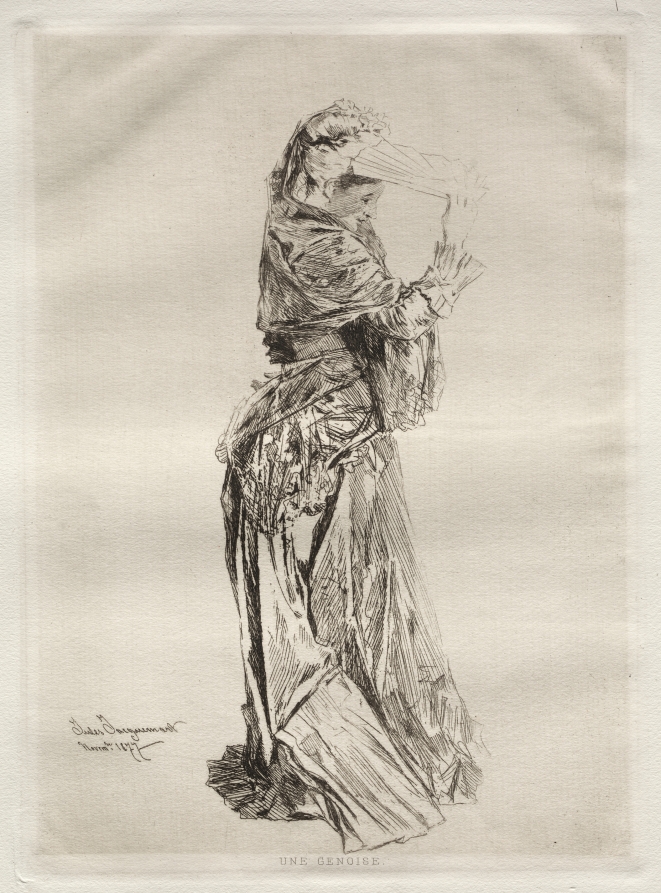
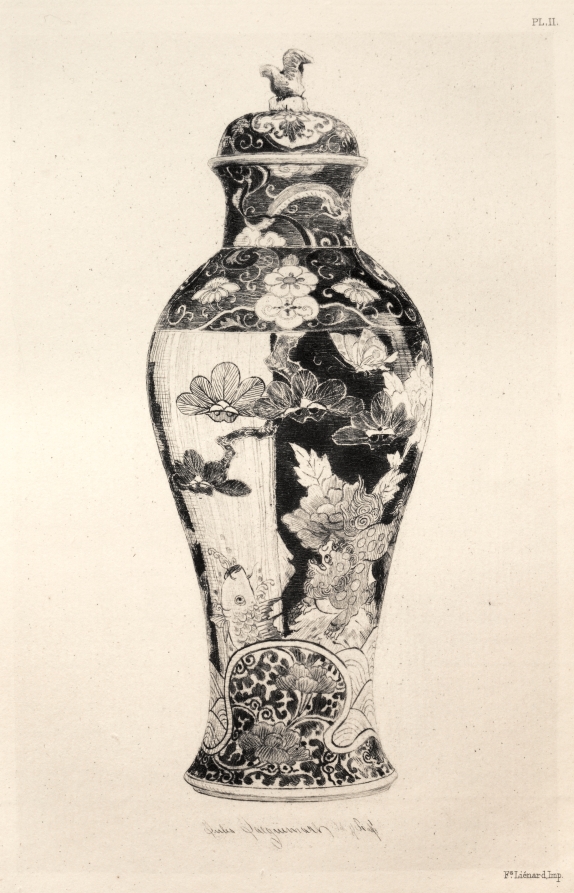
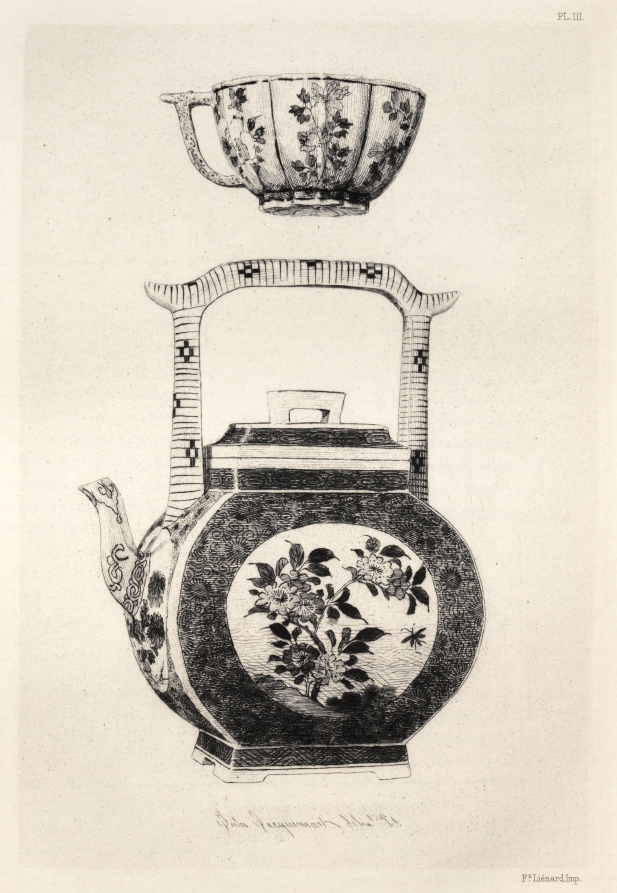
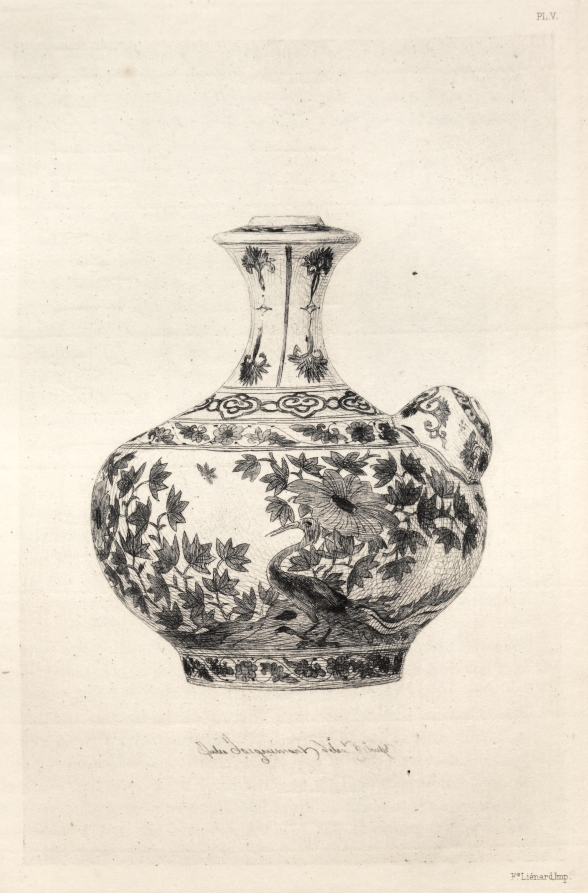
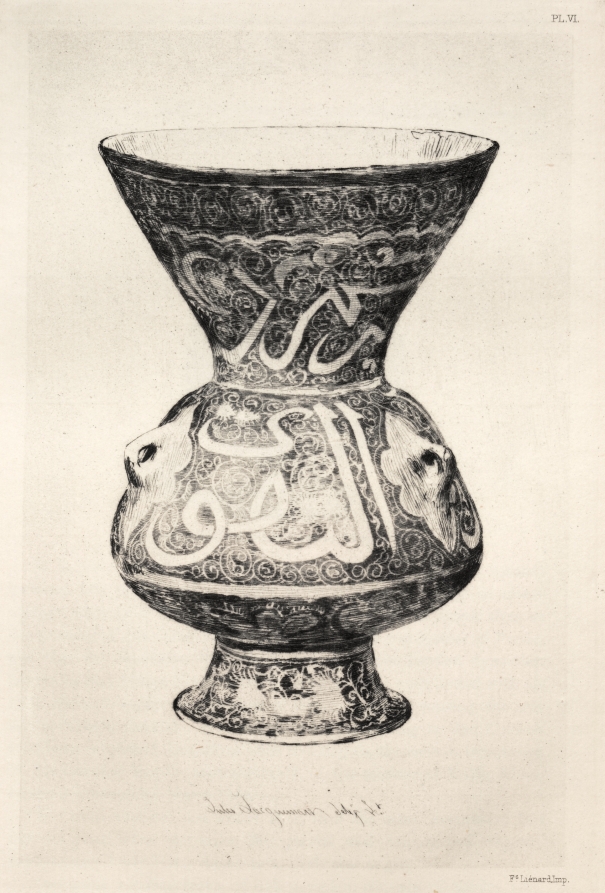
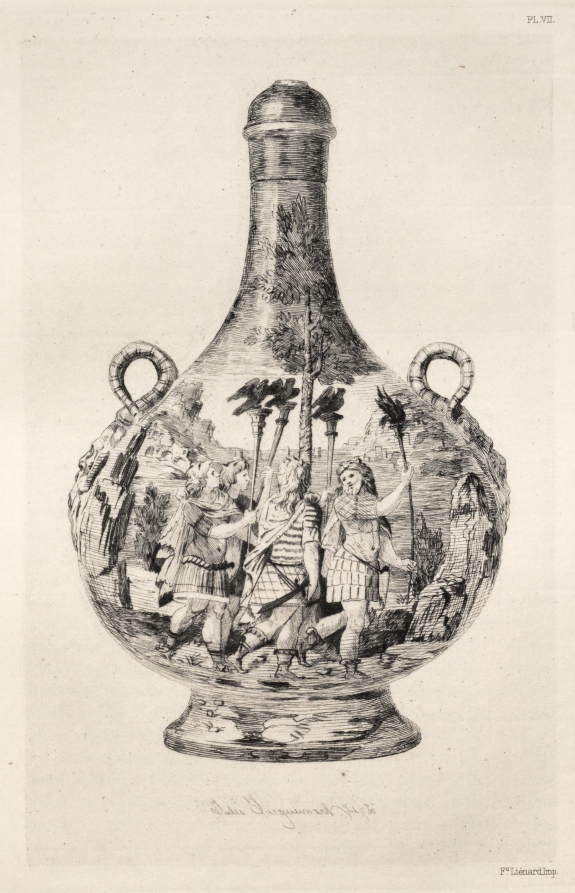
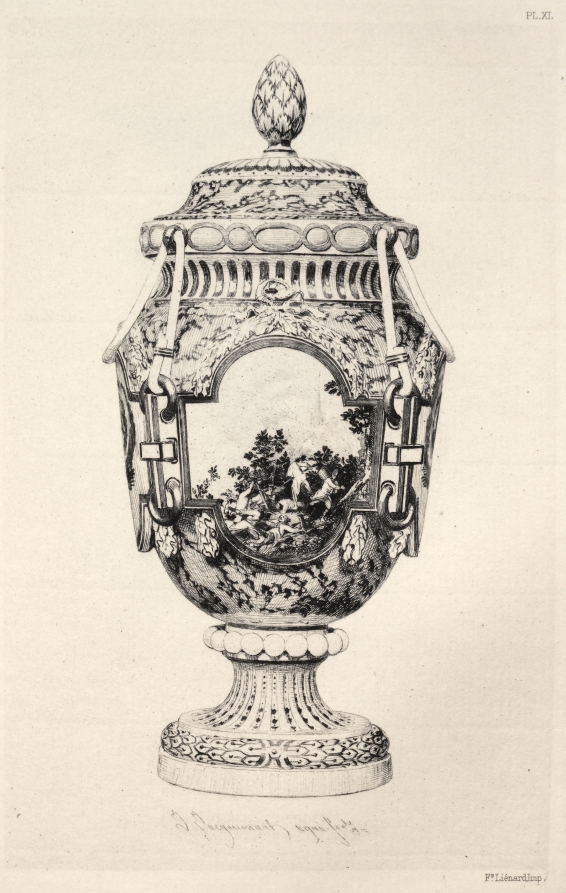
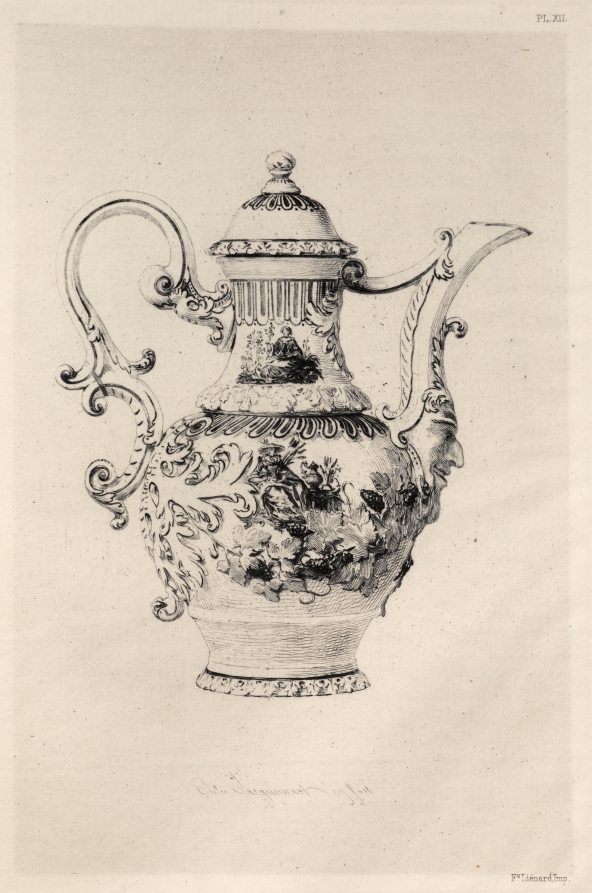
Jules Jacquemart (1837-1880) was an artist from France. He produced illustrations for the publication History of the Ceramic Art: A Descriptive and Philosophical Study of the Pottery of All Ages and All Nations.
Biography
Solis Prints offers fine art prints of his work, including Antique Vase of Sardonyx, Bouquet in a Vase, Chiseled Tripod by Gouthière, Earth, and Ewer of Rock Crystal.
Notable Works
Tap to view larger.
Next stop
Browse the movements →
Every movement in the collection, from the Renaissance to Pop art.
Jules Jacquemart prints
Hand-finished archival prints from Jules Jacquemart's body of work.
 Title Page (Les Quatre Elements) - Jules Ferdinand Jacquemart
From £28.00
Title Page (Les Quatre Elements) - Jules Ferdinand Jacquemart
From £28.00
 Japanese Criminal (from a photograph) - Jules Ferdinand Jacquemart
From £28.00
Japanese Criminal (from a photograph) - Jules Ferdinand Jacquemart
From £28.00
 Porcelain of Vincennes - Jules Ferdinand Jacquemart
From £28.00
Porcelain of Vincennes - Jules Ferdinand Jacquemart
From £28.00
 Sixteenth Century Textile: Collection of The Prince of Czartoriski - Jules Ferdinand Jacquemart
From £28.00
Sixteenth Century Textile: Collection of The Prince of Czartoriski - Jules Ferdinand Jacquemart
From £28.00
 Polish Saddle: Collection of M. le Prince Czartoriski - Jules Ferdinand Jacquemart
From £28.00
Polish Saddle: Collection of M. le Prince Czartoriski - Jules Ferdinand Jacquemart
From £28.00
 The Cane of Monsieur de Balzac - Jules Ferdinand Jacquemart
From £28.00
The Cane of Monsieur de Balzac - Jules Ferdinand Jacquemart
From £28.00
Related Artists


Take Jules Jacquemart home.
See all Jules Jacquemart prints →Frequently Asked Questions
When was Jules Jacquemart born?
Jules Jacquemart was born in 1837 and died in 1880.What is Jules Jacquemart known for?
Jules Jacquemart is known for jules Jacquemart (1837-1880) was an artist from France who produced illustrations for the History of the Ceramic Art.