



Josue Dupon
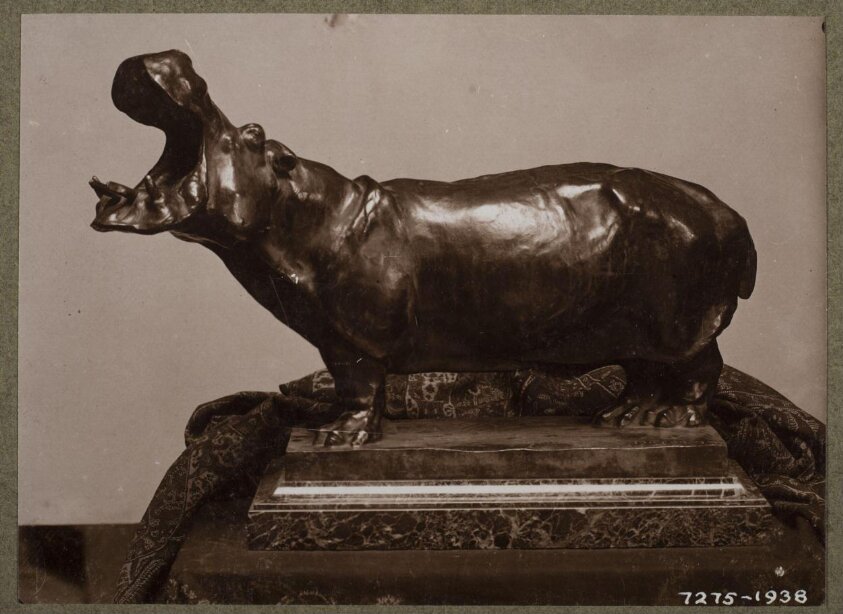
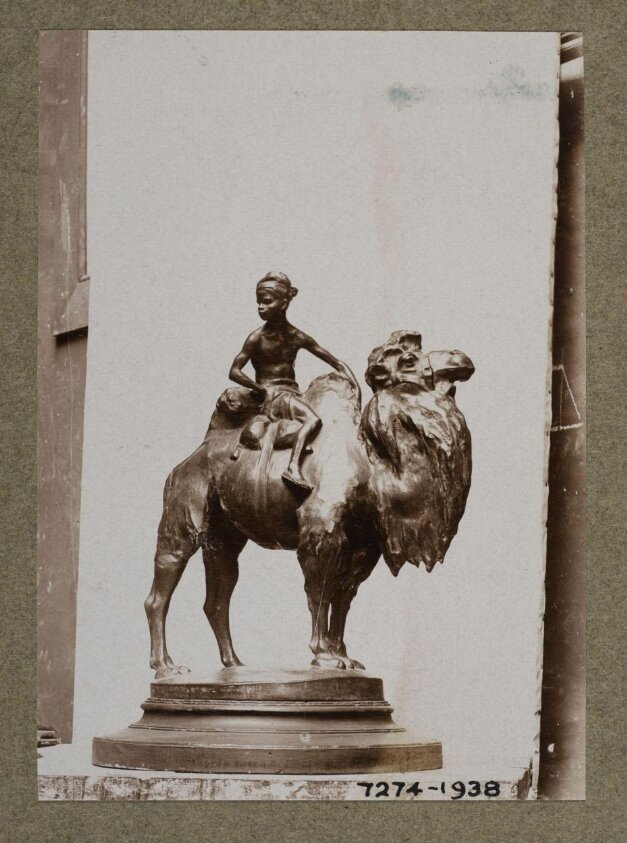
Josue Dupon spent much of his career at the Antwerp Zoo, where he studied exotic animals from life. This practice allowed him to move beyond the stiff poses of traditional academic sculpture. He was part of a group of Belgian artists who prioritised direct observation over idealised forms. His bronze camels at the entrance of the Antwerp Zoo remain some of his most visible public works, showing his ability to handle large-scale commissions with anatomical precision.

Biography
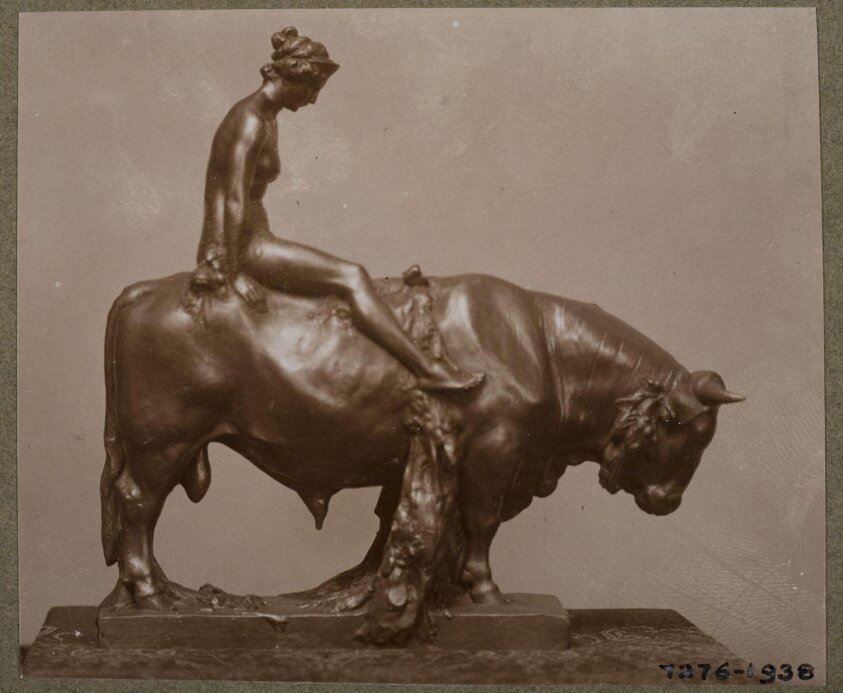
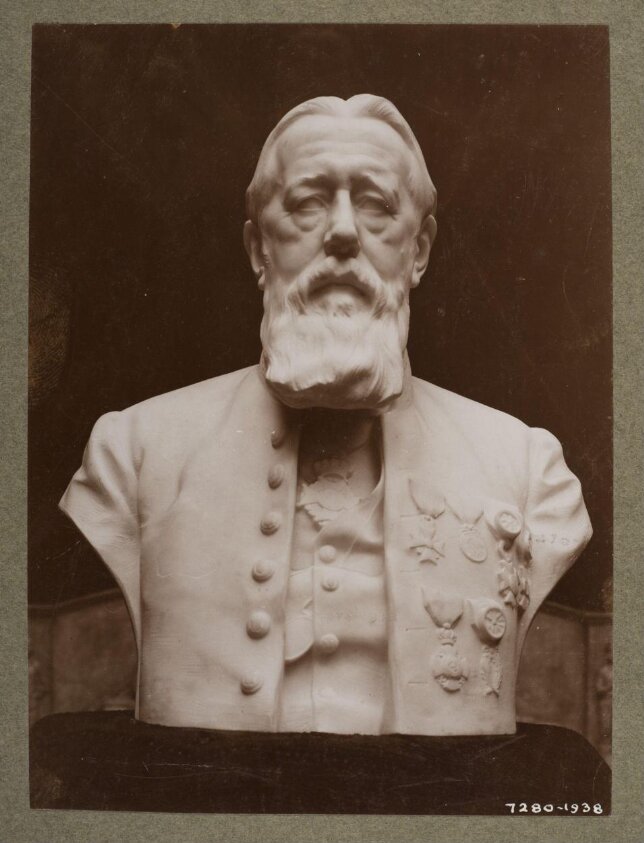
His approach was defined by a sincere artisanal conscience and a focus on the physical reality of his subjects. While his contemporaries like Constantin Meunier often explored social themes through human labour, Dupon looked to the natural world. He worked in bronze, ivory, and stone, often using the chryselephantine technique to combine materials. His work avoids the decorative excesses of the Art Nouveau movement, instead favouring a solid and honest representation of form that feels grounded in reality.
Collectors today appreciate the directness and anatomical accuracy of his animalier sculptures. These pieces offer a sense of quiet strength and naturalism that fits well in modern interiors. His ability to capture the weight and movement of a creature makes his work a staple for those interested in the Belgian Realist tradition. Each piece is a study in form and material, stripped of unnecessary sentimentality.
Notable Works
Tap to view larger.
Next stop
Browse the movements →
Every movement in the collection, from the Renaissance to Pop art.
Frequently Asked Questions
When was Josue Dupon born?
Josue Dupon was born in 1864 and died in 1935.What is Josue Dupon known for?
Josue Dupon is known for josue Dupon was a Belgian sculptor known for his naturalistic animalier works and his close anatomical studies at the Antwerp Zoo.


