



Jean Moyreau
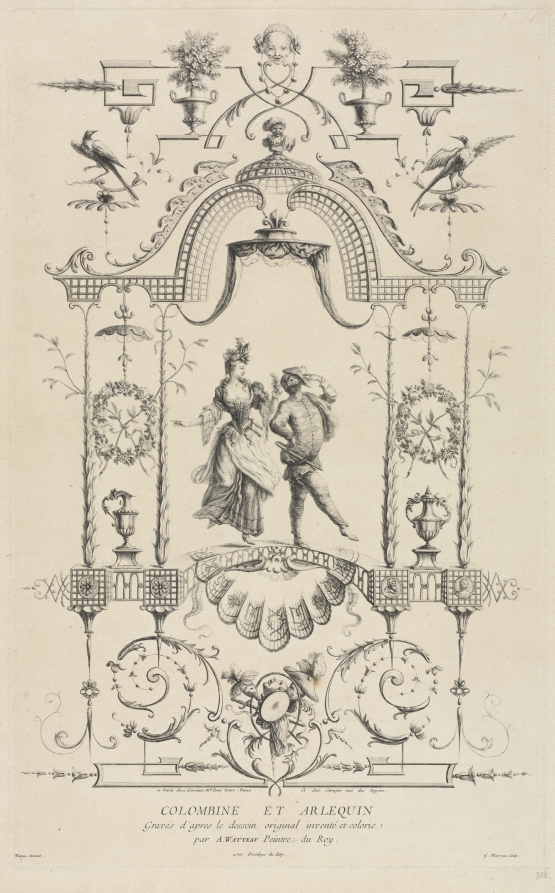
Jean Moyreau was an artist. Solis Prints sells his works, including Bacchic Festival, Colombine et Arlequin, Columbine and Harlequin, Défilé (Marching Off), and Departure for the Bird Hunt.
Notable Works
Tap to view larger.
Next stop
Browse the movements →
Every movement in the collection, from the Renaissance to Pop art.
Jean Moyreau prints
Hand-finished archival prints from Jean Moyreau's body of work.
 Verschillende figuren in een bos met twee huizen - Jean Moyreau
From £28.00
Verschillende figuren in een bos met twee huizen - Jean Moyreau
From £28.00
 La Grote de l'Abreuvoir - Jean Moyreau
From £28.00
La Grote de l'Abreuvoir - Jean Moyreau
From £28.00
 Jachtgezelschap laat paarden drinken aan de voet van brug - Jean Moyreau
From £28.00
Jachtgezelschap laat paarden drinken aan de voet van brug - Jean Moyreau
From £28.00
 L'Embrasement des moulins - Jean Moyreau
From £28.00
L'Embrasement des moulins - Jean Moyreau
From £28.00
 Rustend jachtgezelschap bij een beek - Jean Moyreau
From £28.00
Rustend jachtgezelschap bij een beek - Jean Moyreau
From £28.00
 Paardenmarkt (Horse Market) - Jean Moyreau
From £28.00
Paardenmarkt (Horse Market) - Jean Moyreau
From £28.00
Take Jean Moyreau home.
See all Jean Moyreau prints →Frequently Asked Questions
What is Jean Moyreau known for?
Jean Moyreau is known for jean Moyreau was an artist whose works include Bacchic Festival and Colombine et Arlequin.