



Jan van Goyen
- Dutch Golden Age painting
Jan van Goyen was a productive painter who lived and worked in The Hague. Despite his success, he died in debt after losing his money in the tulip market. This financial pressure did not stop his output. He created hundreds of paintings and thousands of drawings during his life. Many of these drawings were made during his travels across the Dutch Republic. He used these drawings as templates for his studio works.

Biography
His work is defined by a tonal approach to painting. He used a limited palette of browns, ochres, greens, and greys to create atmospheric effects. His compositions often feature a very low horizon. This placement allows the sky to occupy three-quarters of the frame. In works like River Landscape with Fishing Boats, he captures the damp air and grey light of the Dutch coast. He avoided bright pigments to focus on the play of light on water.
Modern collectors value his work for its muted palette and calm atmosphere. The neutral tones make his prints suitable for contemporary interiors. His focus on weather and light feels direct. Pieces such as A View of The Hague from the Northwest offer a sense of space. These prints provide a window into the seventeenth century without being visually crowded.
Notable Works
Tap to view larger.
Next stop
Browse the movements →
Every movement in the collection, from the Renaissance to Pop art.
Jan van Goyen prints
Hand-finished archival prints from Jan van Goyen's body of work.
 Landscape with a Bridge - Jan van Goyen
From £37.00
Landscape with a Bridge - Jan van Goyen
From £37.00
 Grafdelvers voor een kerk - Jan van Goyen
From £28.00
Grafdelvers voor een kerk - Jan van Goyen
From £28.00
 Gezicht op de Zwanenburg te Kleve - Jan van Goyen
From £28.00
Gezicht op de Zwanenburg te Kleve - Jan van Goyen
From £28.00
 The Stone Bridge - Jan van Goyen
From £28.00
The Stone Bridge - Jan van Goyen
From £28.00
 Village Church - Jan van Goyen
From £28.00
Village Church - Jan van Goyen
From £28.00
 The Plank over the Stream - Jan van Goyen
From £28.00
The Plank over the Stream - Jan van Goyen
From £28.00
Related Artists


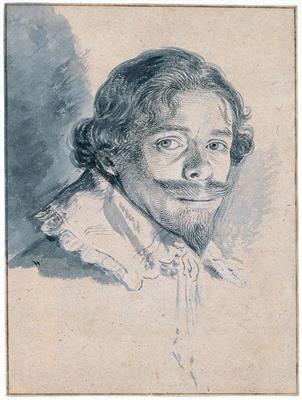


Take Jan van Goyen home.
See all Jan van Goyen prints →Frequently Asked Questions
When was Jan van Goyen born?
Jan van Goyen was born in 1596 and died in 1656.What art movement was Jan van Goyen part of?
Jan van Goyen was associated with Dutch Golden Age painting.What is Jan van Goyen known for?
Jan van Goyen is known for jan van Goyen was a Dutch painter known for atmospheric river scenes and vast skies created with a muted, tonal palette of greys and browns.