



Jan Müller
Jan Müller lived with a constant awareness of his mortality. After suffering from rheumatic fever as a child, he became one of the first people to receive a plastic heart valve. This medical reality dictated his pace. He produced a large volume of paintings in a short time, often working with a speed that defined his career in New York. While his contemporaries pursued pure abstraction, Müller used his time to return to figurative subjects and woodcut-inspired forms.
Biography
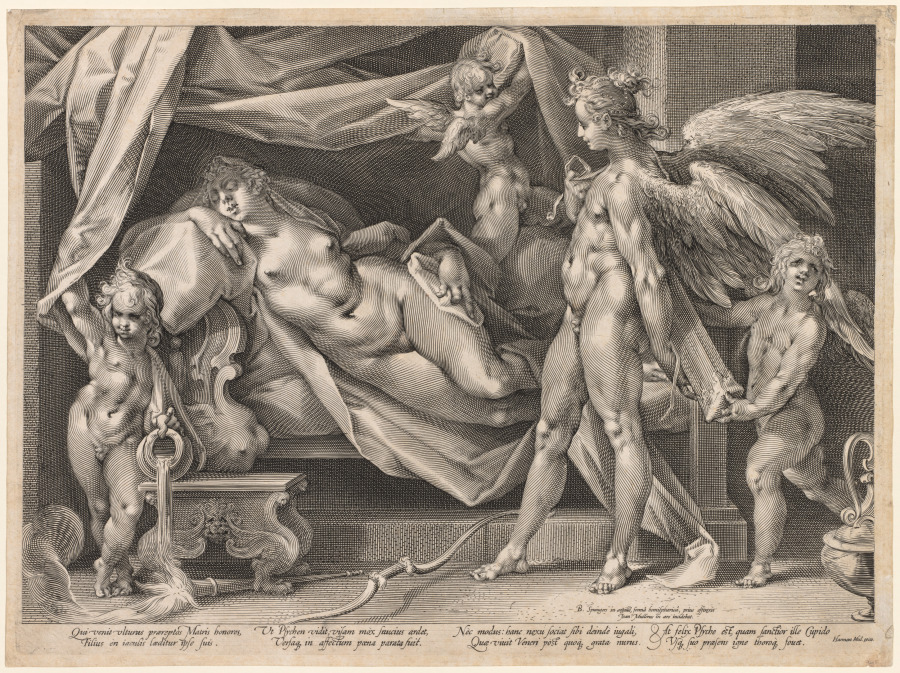
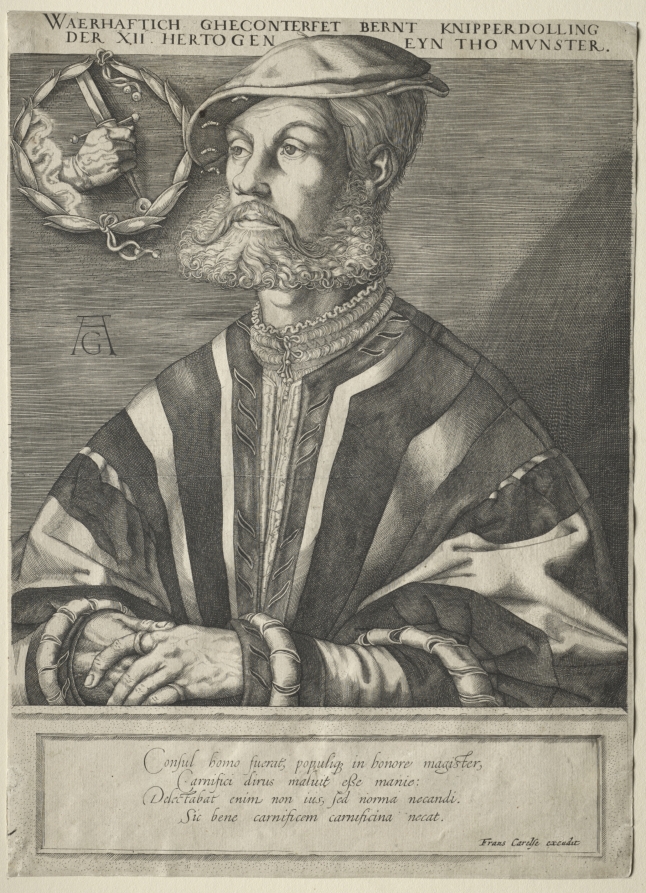
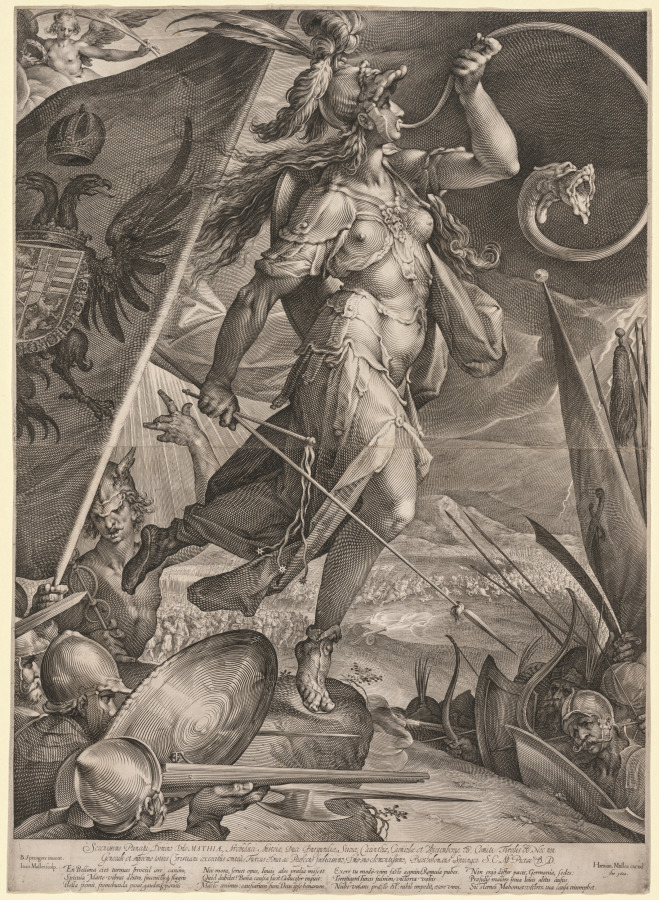
His technique involved applying paint in small, distinct patches that resemble a mosaic. He studied under Hans Hofmann but eventually rejected the strict rules of abstract expressionism. His work often features flat, bold shapes and heavy outlines. In pieces like Emperor Maximilian I, he looks back to Northern Renaissance history and folklore. He used a palette of earthy tones and stark whites to create images that feel ancient.
Modern collectors value Müller for his ability to bridge the gap between traditional history painting and modern expressionism. His prints offer a sense of weight and history without the clutter of classical realism. The bold silhouettes and structured compositions provide a strong visual presence in a room. His work appeals to those who appreciate the energy of the mid-century New York art scene but prefer a subject with narrative roots.
Notable Works
Tap to view larger.
Next stop
Expressionism →
Explore the artists and ideas of Expressionism.
Related Artists


Frequently Asked Questions
When was Jan Müller born?
Jan Müller was born in 1922 and died in 1958.What art movement was Jan Müller part of?
Jan Müller was associated with Expressionism.What is Jan Müller known for?
Jan Müller is known for jan Müller was a German-born American expressionist known for his mosaic-like paint application and his return to figurative subjects during the height of abstract expressionism.