

Frederick William, Elector of Brandenburg by Jacob Gole
Kara Mustapha, Grand Vizier by Jacob Gole
Frederick William, Elector of Brandenburg by Jacob Gole
Leopold the First by Jacob Gole
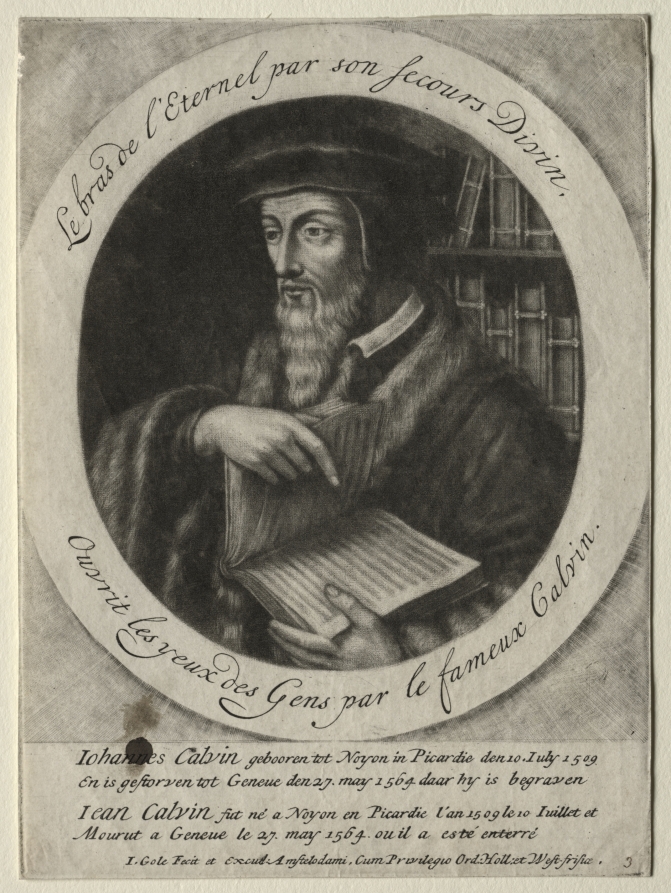
John Calvin by Jacob Gole
Adrian Wesel, Cleric in Amsterdam by Jacob Gole
Man Lighting a Rocket, also called Peace is Better than a Victory, from Communia Gaudia (The Wide-Spread Rejoicing at the Siege of Namur) by Jacob Gole
Woman Lighting a Rocket, also called Peace Gets Me Going, from Communia Gaudia (The Wide-Spread Rejoicing at the Siege of Namur) by Jacob Gole
1660–1737

Jacob Gole

Jacob Gole was a master of the mezzotint, a printmaking technique that allowed for deep tones. While many of his contemporaries focused on formal court portraiture, Gole used his skills to produce sharp caricatures and religious scenes like Christus aan het kruis. His series on the French clergy under Louis XIV reveals a biting humour. These caricatures used humour to comment on the religious tensions of the late seventeenth century.

Portrait of Jacob Gole

Biography

Gole often depicted figures like monks in unusual or symbolic situations. Works such as Monnik met een vleermuis (Monk with a bat) or Monnik met vuur en water (Monk with fire and water) indicate his interest in allegory. He had a talent for capturing facial expressions that bordered on the grotesque. This approach allowed him to move beyond simple representation into the realm of character study.

Collectors today value Gole for his technical precision and his observational humour. His prints offer a window into the social anxieties of the Dutch Golden Age. The stark contrasts of his mezzotints provide a graphic quality that suits modern interior design. These works remain relevant because they explore human folly through a lens of historical satire.

Frequently Asked Questions

  • When was Jacob Gole born?
    Jacob Gole was born in 1660 and died in 1737.
  • What is Jacob Gole known for?
    Jacob Gole is known for jacob Gole was a Dutch Golden Age printmaker known for his mezzotint portraits and satirical caricatures that lampooned the French clergy during the reign of Louis XIV.

Keep exploring