



Gustav Lüderitz
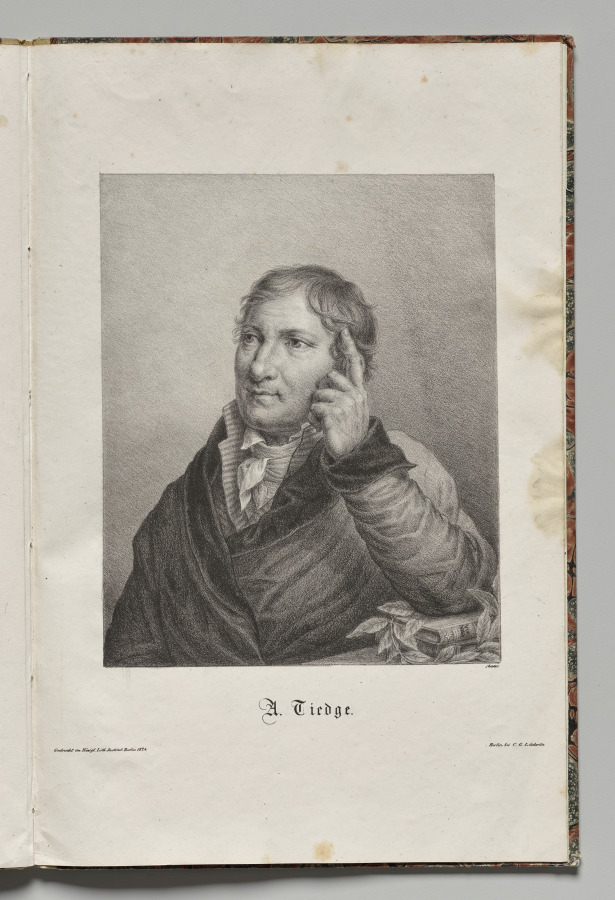
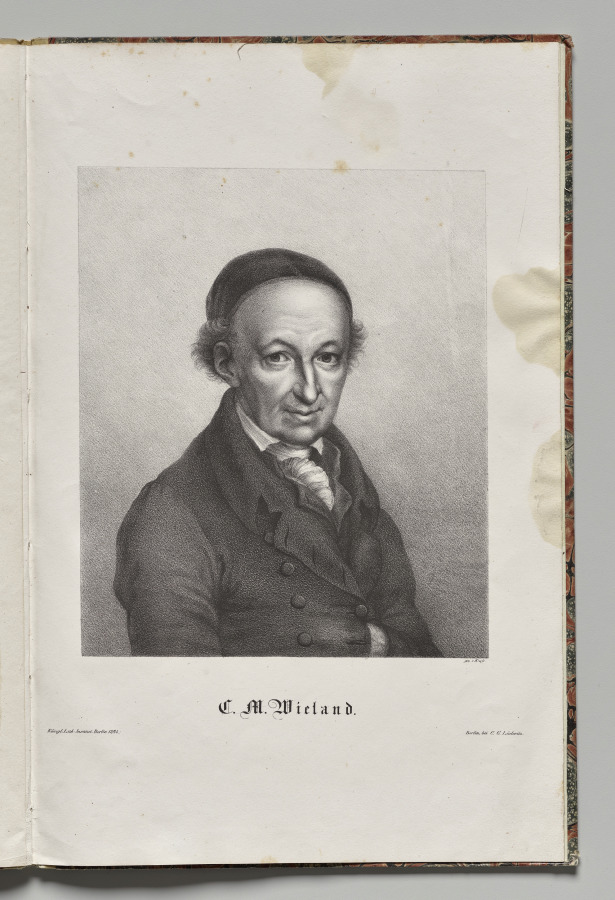
Gustav Lüderitz was a master of the copperplate before the rise of photography changed the industry. While many of his peers focused on original compositions, Lüderitz became a master of the reproductive print. He spent years translating the oil paintings of masters like Raphael and Kaulbach into precise monochrome lines. This process required a deep understanding of light and shadow to mimic colour through varying depths of cut metal.
Biography
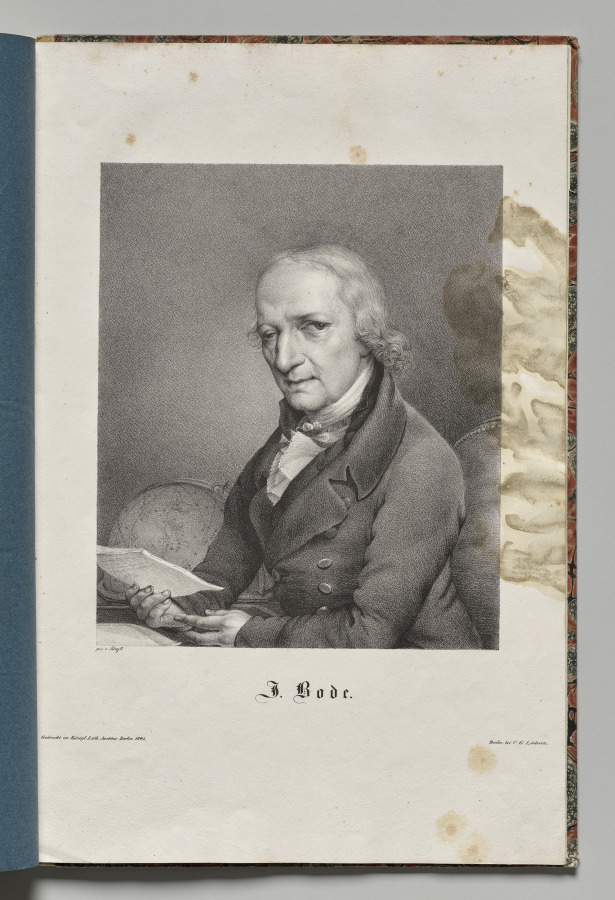
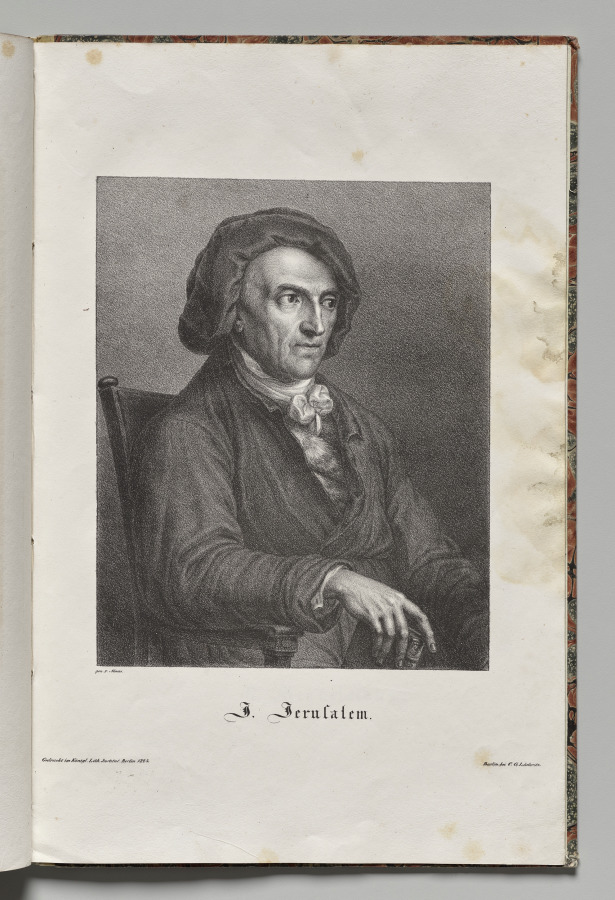
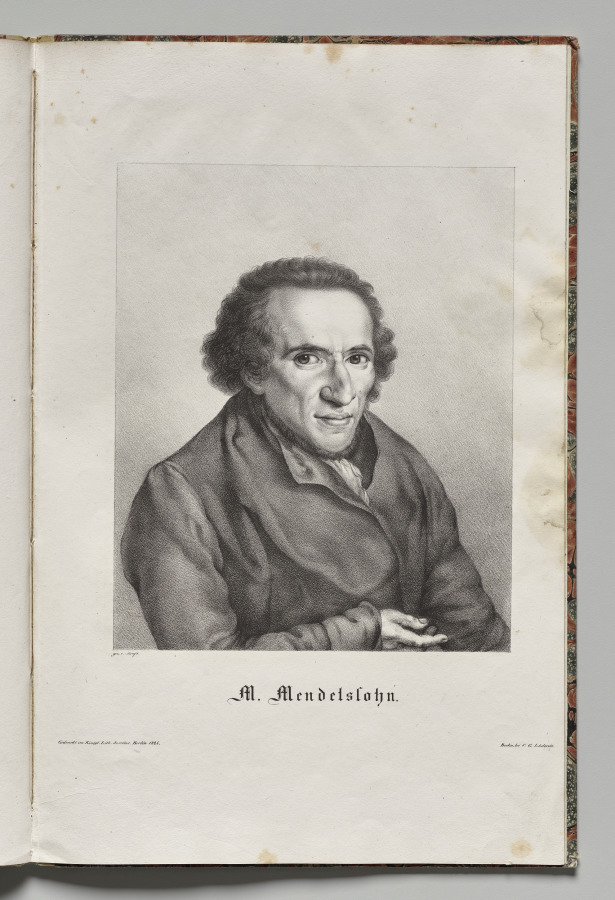
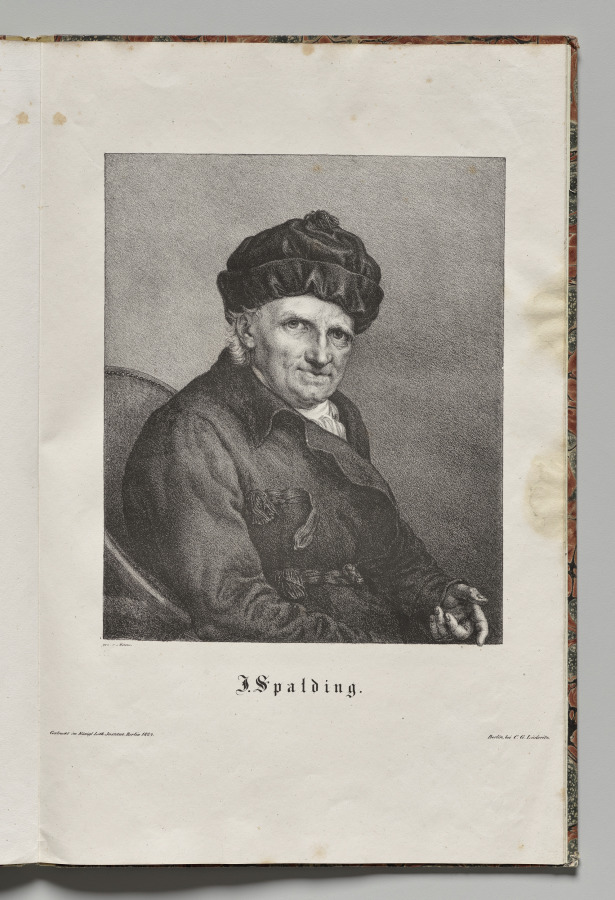
His technique relied on the burin and the etching needle to create tonal depth. He avoided the loose sketches common in his era, preferring a disciplined, academic style. Lüderitz was particularly skilled at capturing the texture of fabric and the subtle contours of the human face. His work for the Berlin Art Union helped bring high art into middle-class homes through high-quality lithographs and engravings.
Modern collectors value these prints for their technical precision and historical weight. They offer a window into nineteenth-century tastes and the pre-photographic era of image distribution. The monochrome palette provides a clean, architectural look that suits contemporary interiors. These works function as both historical documents and examples of a nearly lost craft.
Notable Works
Tap to view larger.
Frequently Asked Questions
What is Gustav Lüderitz known for?
Gustav Lüderitz is known for gustav Lüderitz was a nineteenth-century German engraver known for his precise copperplate reproductions and detailed portraits that brought classical masterpieces to a wider public.


