

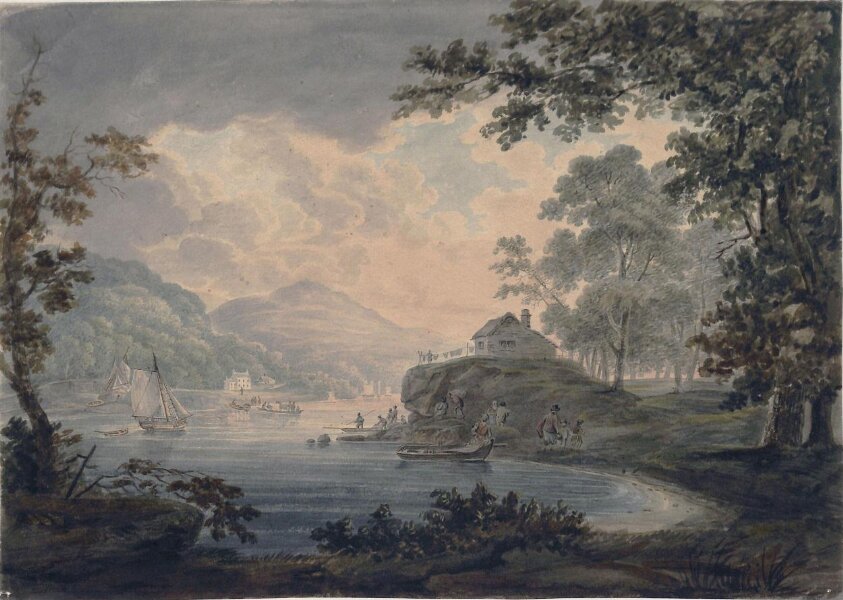
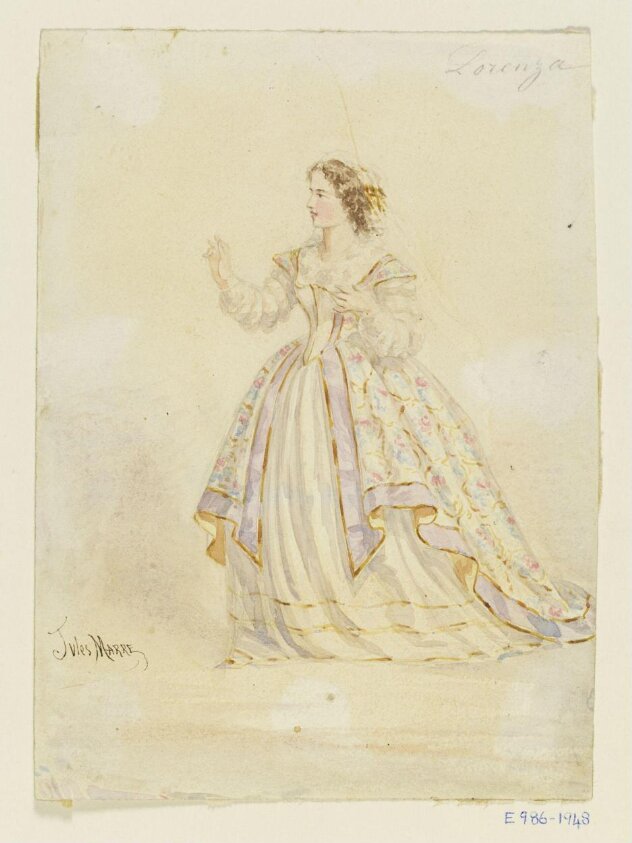
Drawing (ca. 1800) by Giuseppe Marri
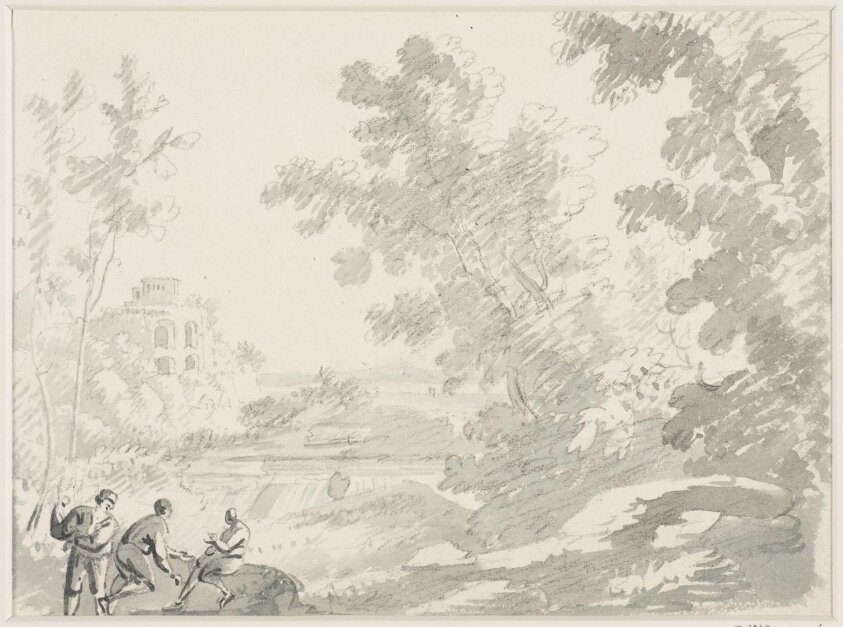
Drawing (c.1800) by Giuseppe Marri
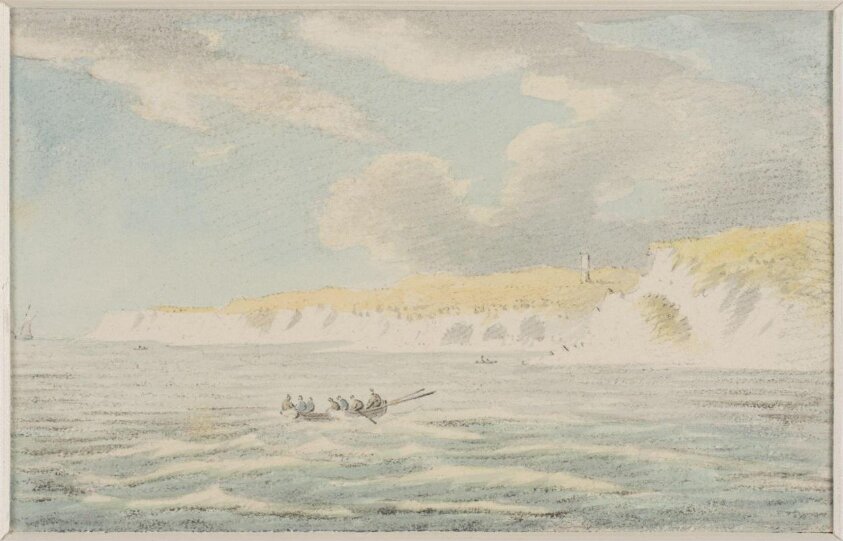
Flamborough Head (c.1800) by Giuseppe Marri
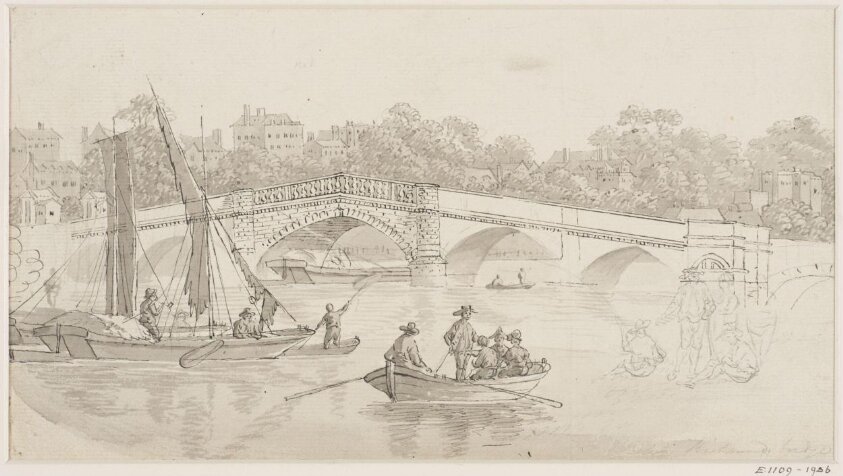
Richmond bridge (c.1800) by Giuseppe Marri
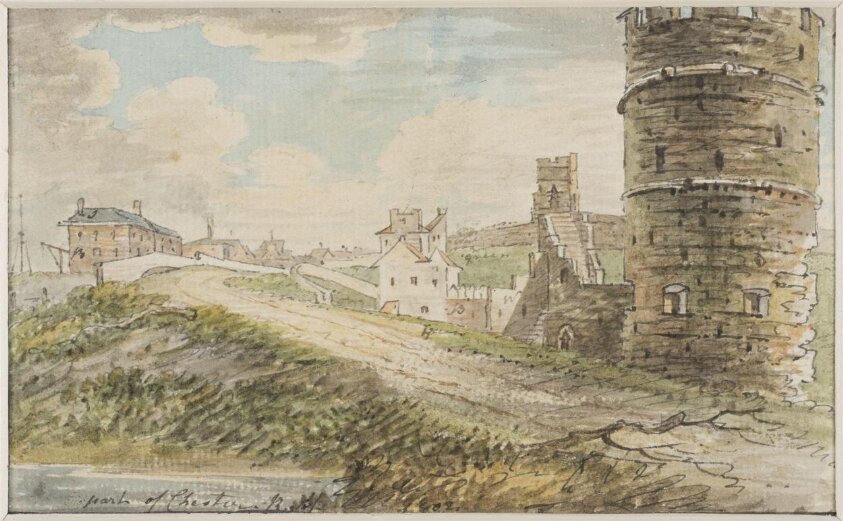
Part of Chester (1802) by Giuseppe Marri
Briton Ferry, Wales (1775-1800) by Giuseppe Marri
Madonna and Child with Donor by Giuseppe Marri

Giuseppe Marri

Giuseppe Marri was a nineteenth-century engraver from Faenza who maintained a disciplined studio practice. While many artists moved to larger cultural centres, Marri stayed in the Romagna region to document the local Neoclassical movement. He worked with the Academy of Fine Arts in Faenza, translating the paintings of Tommaso Minardi into widely distributed prints. This focus on regional excellence allowed him to develop a style that was technically rigorous and connected to his surroundings.

Biography

His artistic approach relied on copperplate techniques to achieve a high level of detail. Marri avoided the soft effects of lithography, which was then gaining popularity. He preferred the sharp lines of the burin to create images with clear tonal ranges. His works often feature architectural motifs and figures with statuesque proportions, influenced by classical sculpture. This preference for clarity makes his prints easily recognisable.

Modern collectors value Marri for the formal order his work brings to a room. His engravings provide a neutral aesthetic that complements various interior styles. Because his work is based on the precision of the engraving process, it appeals to those who admire technical skill. These prints offer a window into the artistic standards of nineteenth-century Italy and are a practical choice for home collections.

Frequently Asked Questions

  • What is Giuseppe Marri known for?
    Giuseppe Marri is known for giuseppe Marri was a nineteenth-century Italian engraver known for his precise copperplate works and his dedication to the Neoclassical traditions of the Romagna region.

Keep exploring