

Giorgio Ghisi
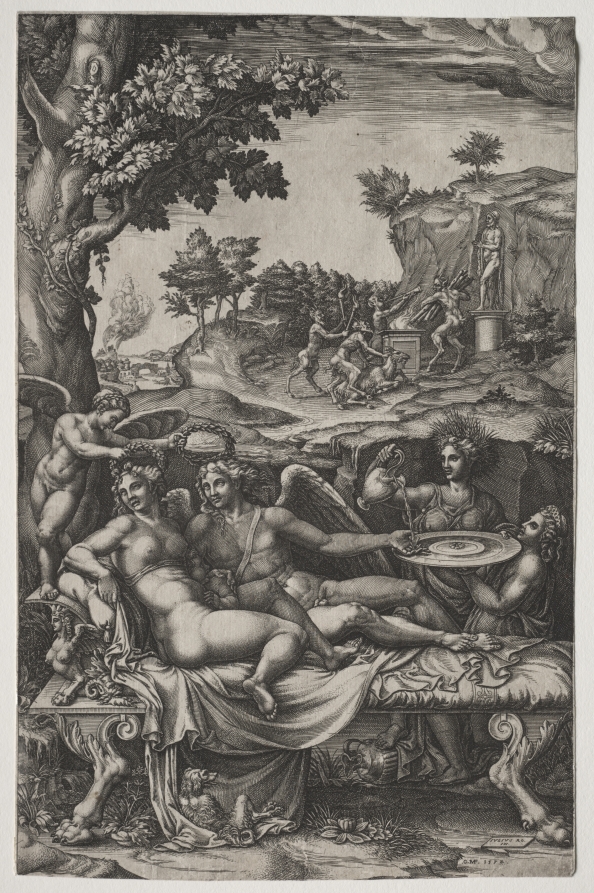
Giorgio Ghisi began his career in Mantua, where he was trained as a goldsmith and damascener. This background in metalwork defined his approach to engraving. Instead of merely drawing on copper plates, he sculpted them. One of his most famous creations is a parade shield currently held in the British Museum. This object features minute scenes from the Iliad, executed in inlaid gold and silver. His transition from metalwork to printmaking allowed him to bring a unique tactile quality to his paper works.
Biography
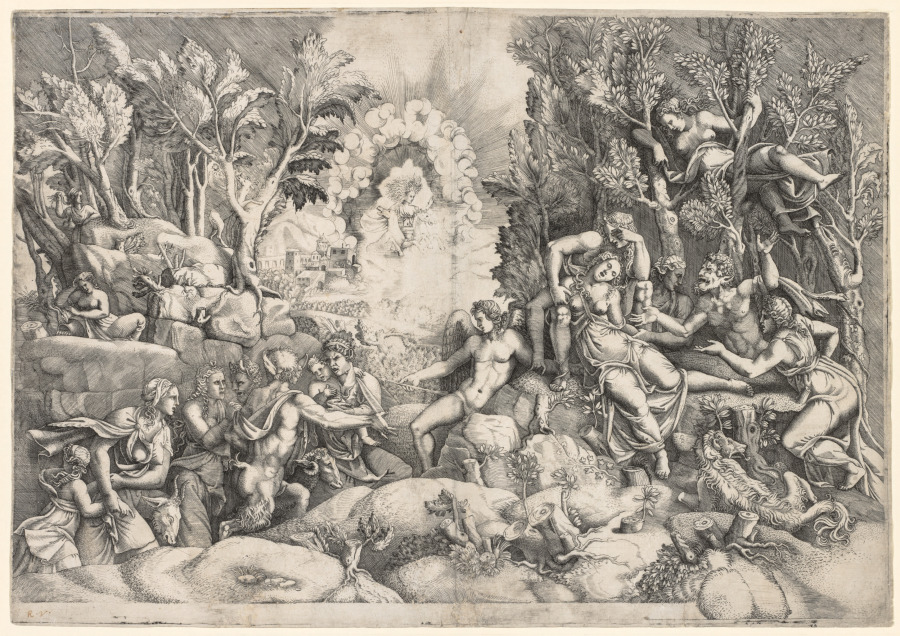
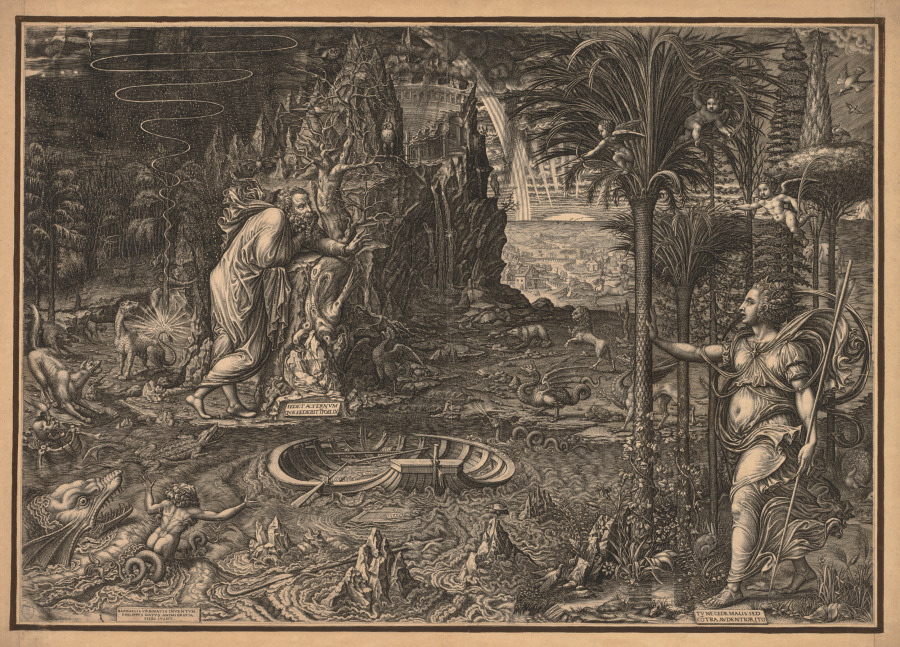
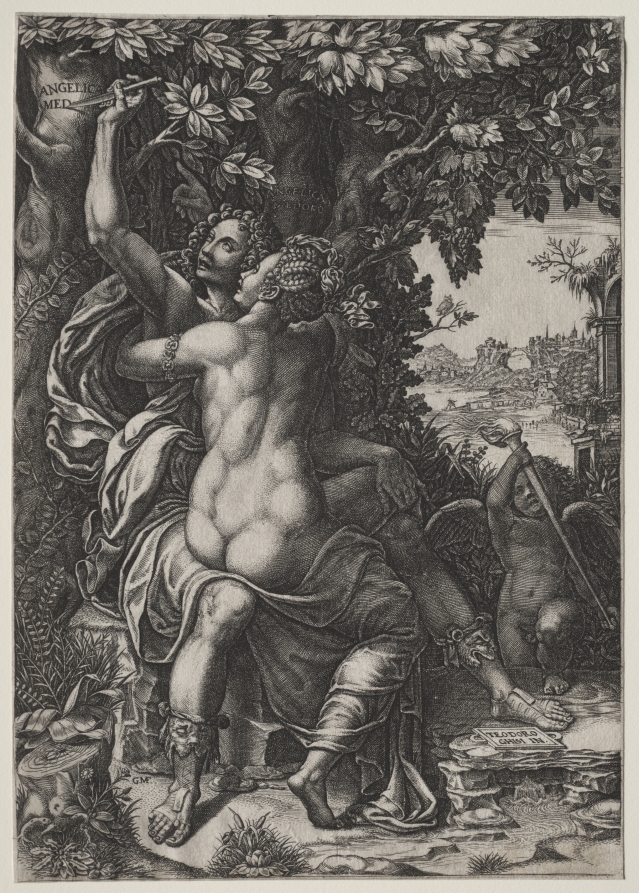
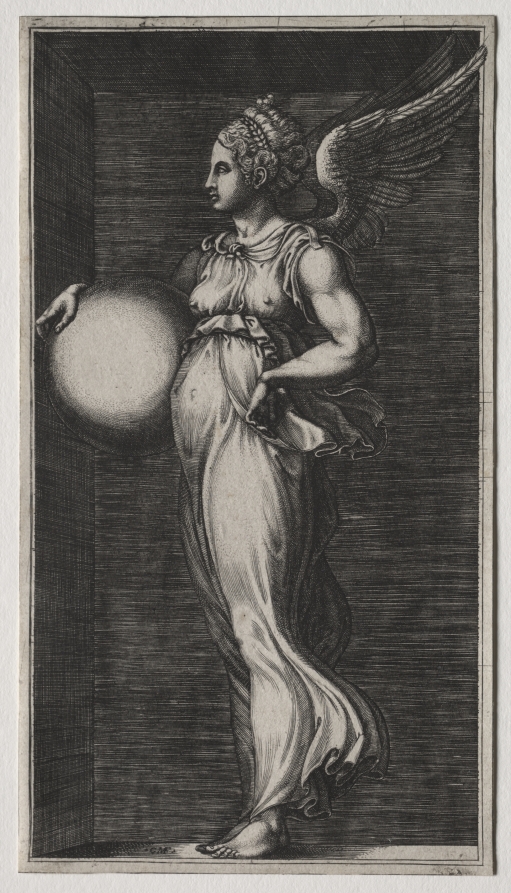
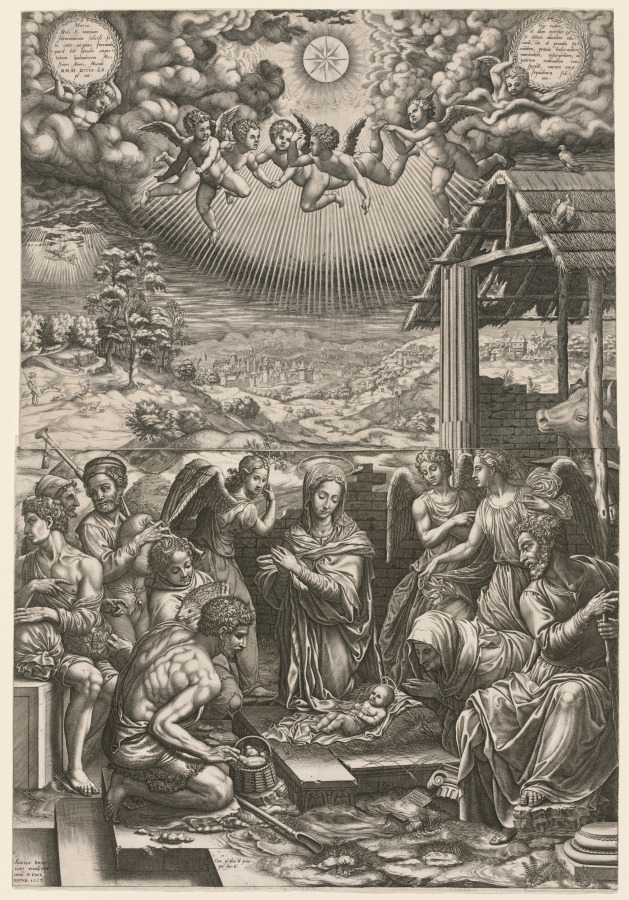
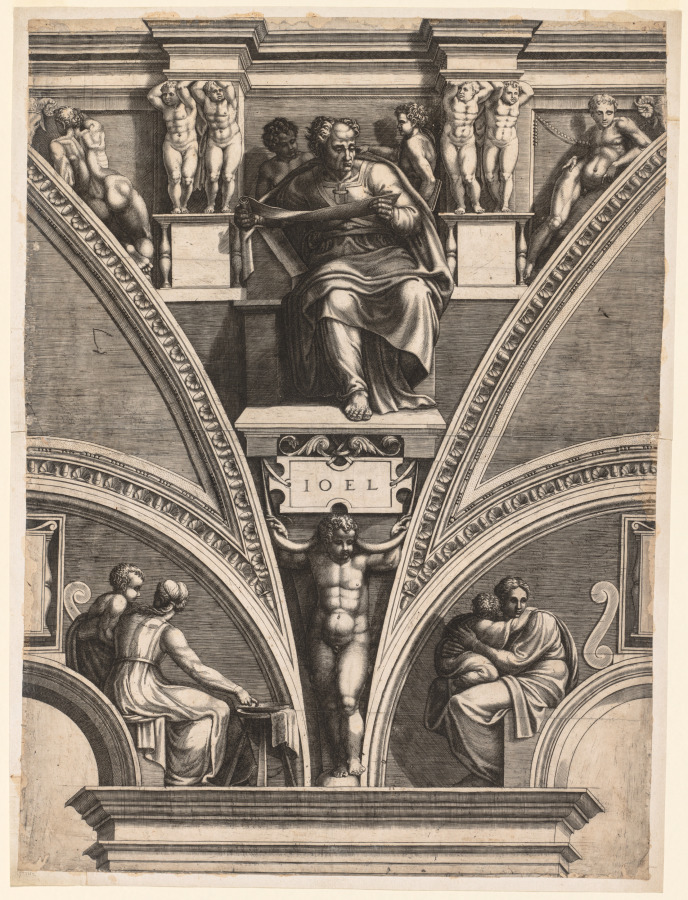
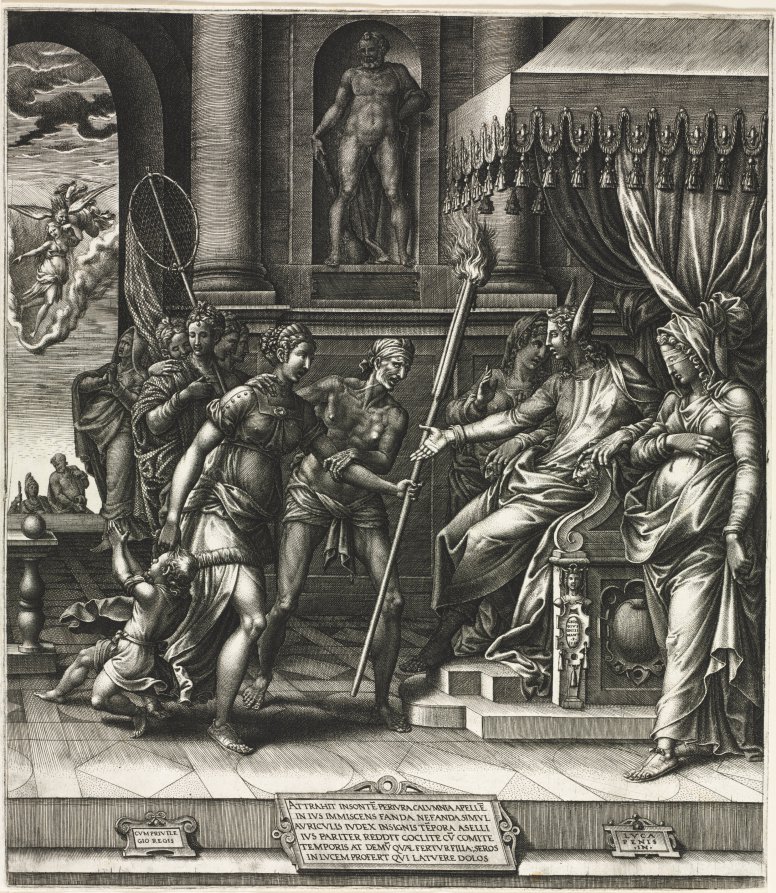
Ghisi was a master of the burin, the tool used to cut lines into metal. He specialised in reproducing the massive frescoes of Giulio Romano and Michelangelo. His technique relied on a dense system of dots and flick-strokes to simulate light and shadow. This method avoided the harsh outlines common in earlier prints. He spent years in Antwerp and Paris, where he introduced the Italian Mannerist style to Northern Europe. His prints featured complex mythological scenes and architectural ruins, rendered with a level of detail that rivalled the original paintings.
Collectors today value Ghisi for his technical precision and his ability to capture Renaissance drama. His works provide a window into the intellectual world of the 16th century. The monochromatic nature of his engravings makes them suitable for contemporary spaces. They offer a sense of historical weight without heavy colour palettes. Each print functions as a study in composition and shadow. These works are suited to those who appreciate the structural elements of classical art.
Notable Works
Tap to view larger.
Next stop
Browse the movements →
Every movement in the collection, from the Renaissance to Pop art.
Giorgio Ghisi prints
Hand-finished archival prints from Giorgio Ghisi's body of work.


Take Giorgio Ghisi home.
See all Giorgio Ghisi prints →Frequently Asked Questions
What is Giorgio Ghisi known for?
Giorgio Ghisi is known for giorgio Ghisi was a Mantuan engraver and goldsmith who translated the grand frescoes of the Italian Renaissance into meticulous, highly detailed copperplate prints for a European audience.