


Gerrit Claesz. Bleker
Gerrit Claesz. Bleker occupied a stable position in the Haarlem art market, as evidenced by contemporary estate records. In 1652, a painting of a hunt by Bleker was valued at 36 guilders during a blind lottery of an inheritance belonging to a wealthy widow. This sum placed his work on par with established contemporaries like Salomon de Bray. The appraisal was conducted by the painter Pieter Molijn, which indicates that Bleker was respected by his professional peers.
Biography
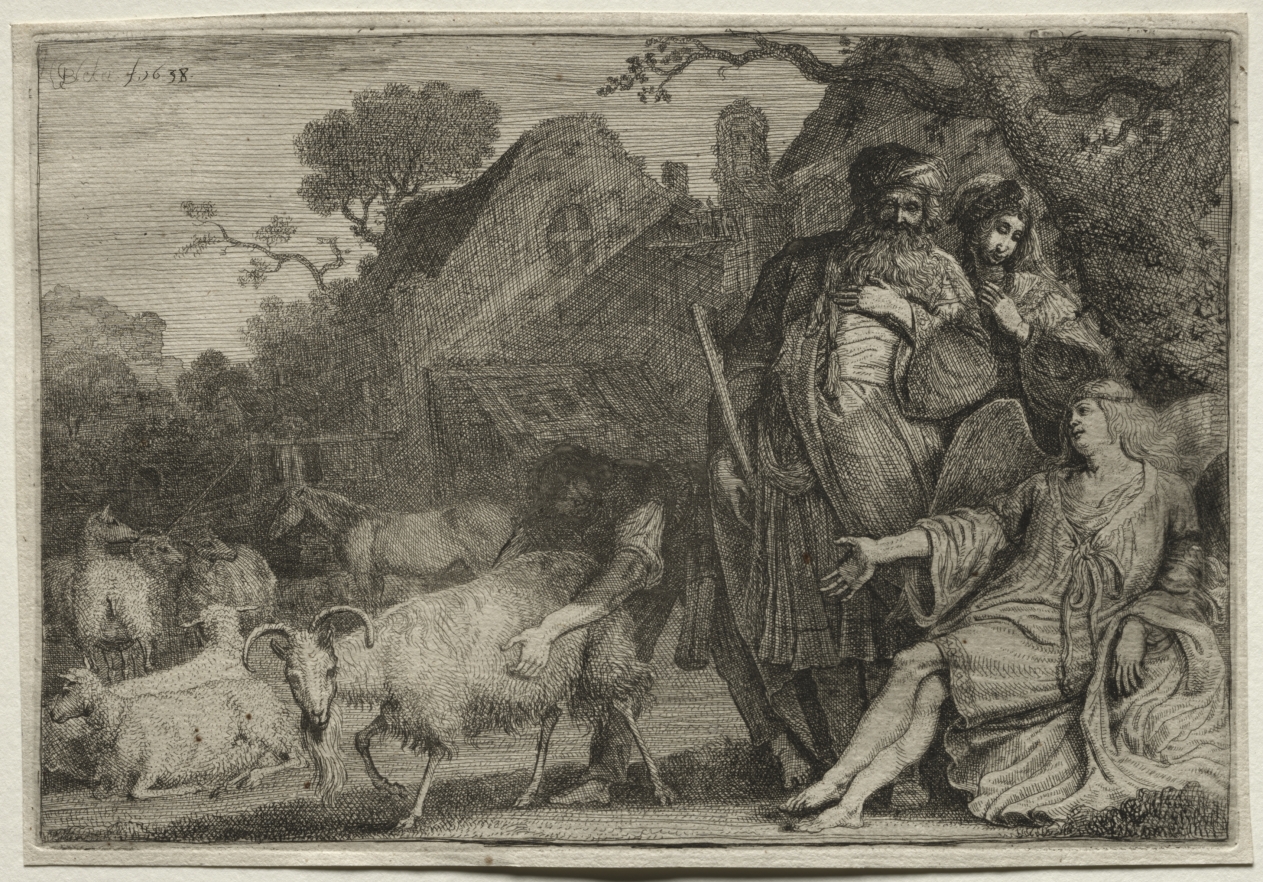
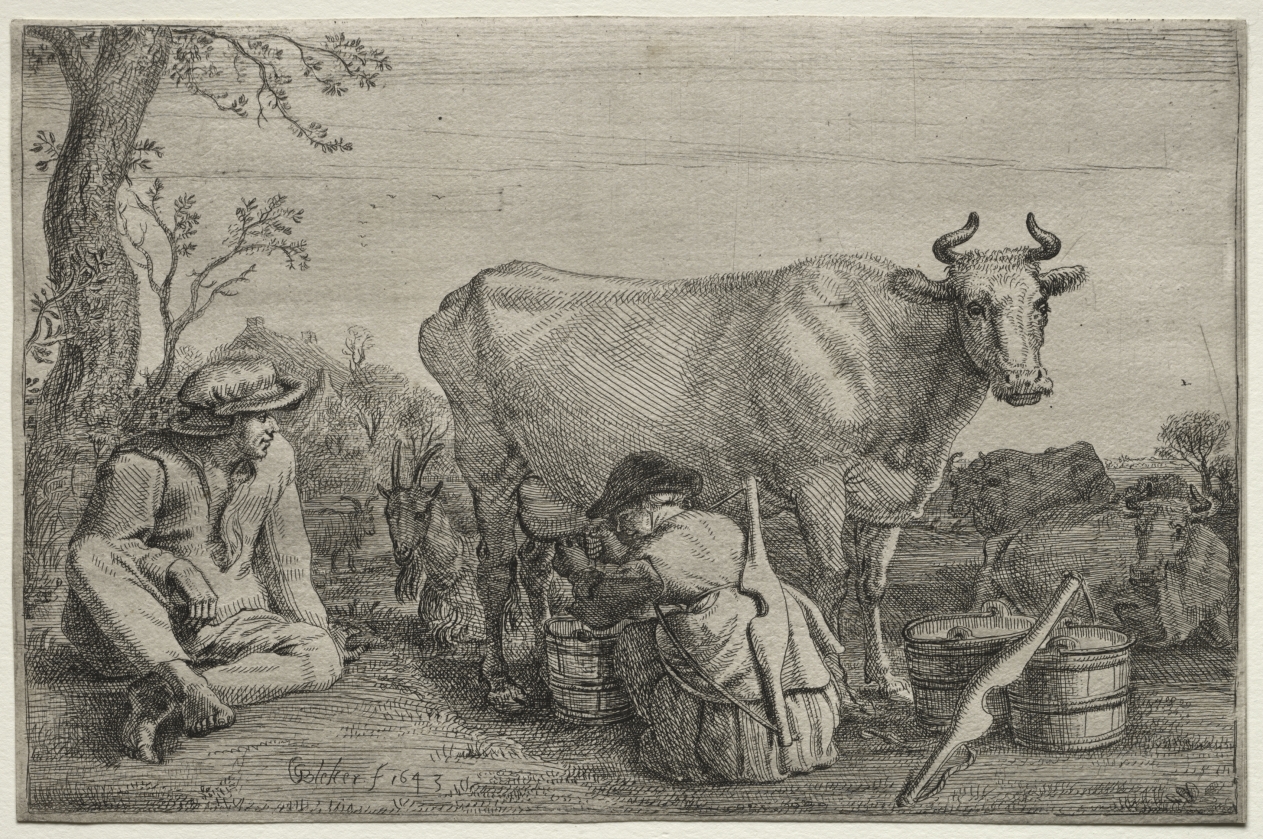
The artist is recognised for his ability to merge everyday rural observations with historical narratives. In works such as Paul and Barnabas in Lystra, he places figures within expansive outdoor scenes. His depictions of livestock, seen in Cows and Cowherd, demonstrate a directness that avoids unnecessary ornamentation. Bleker often utilised a muted palette to depict the atmosphere of the Dutch countryside, focusing on the interplay of light and earth.
Modern collectors value these prints for their honest representation of seventeenth-century life. The compositions offer a window into a world where biblical stories and farming routines occupied the same physical space. His etchings and paintings provide a sense of historical continuity without relying on dramatic exaggeration. These works suit interiors that favour authentic, traditional aesthetics over modern abstraction.
Notable Works
Tap to view larger.
Next stop
Browse the movements →
Every movement in the collection, from the Renaissance to Pop art.
Gerrit Claesz. Bleker prints
Hand-finished archival prints from Gerrit Claesz. Bleker's body of work.


Take Gerrit Claesz. Bleker home.
See all Gerrit Claesz. Bleker prints →Frequently Asked Questions
What is Gerrit Claesz. Bleker known for?
Gerrit Claesz. Bleker is known for gerrit Claesz. Bleker was a Haarlem master who combined biblical narratives with honest depictions of Dutch rural life and livestock in his atmospheric paintings and etchings.