

Georg Dionysius Ehret
Georg Dionysius Ehret had a direct influence on the development of English porcelain. In the mid-1750s, the Chelsea factory used his engravings as the basis for their botanical tablewares. These pieces, often referred to as "Hans Sloane" plates, featured specimens inspired by the Chelsea Physic Garden. While the ceramic painters occasionally added extra insects for decorative effect, the core designs remained faithful to the botanical prints produced by Ehret. This connection between fine art and functional craft made his work a staple of 18th-century domestic life.
Biography
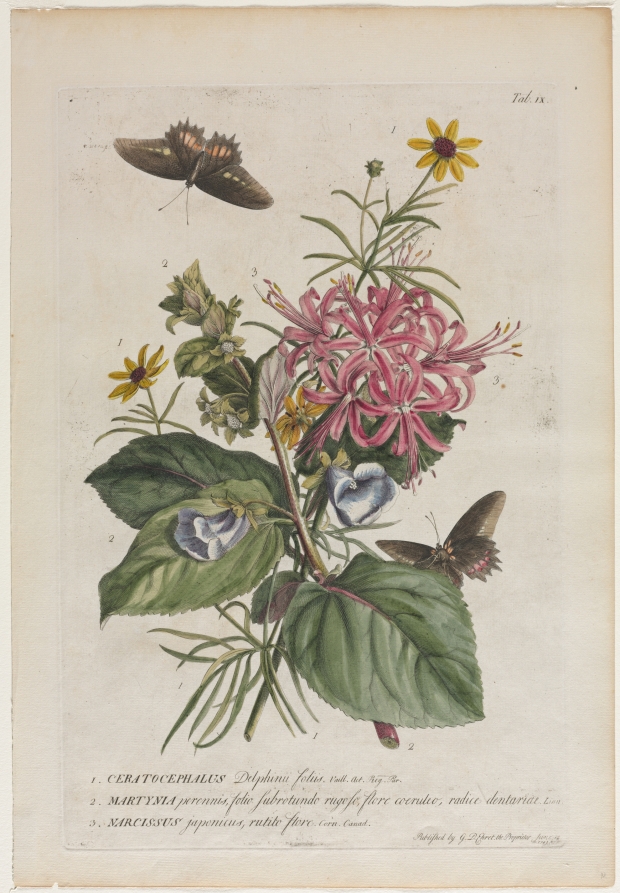
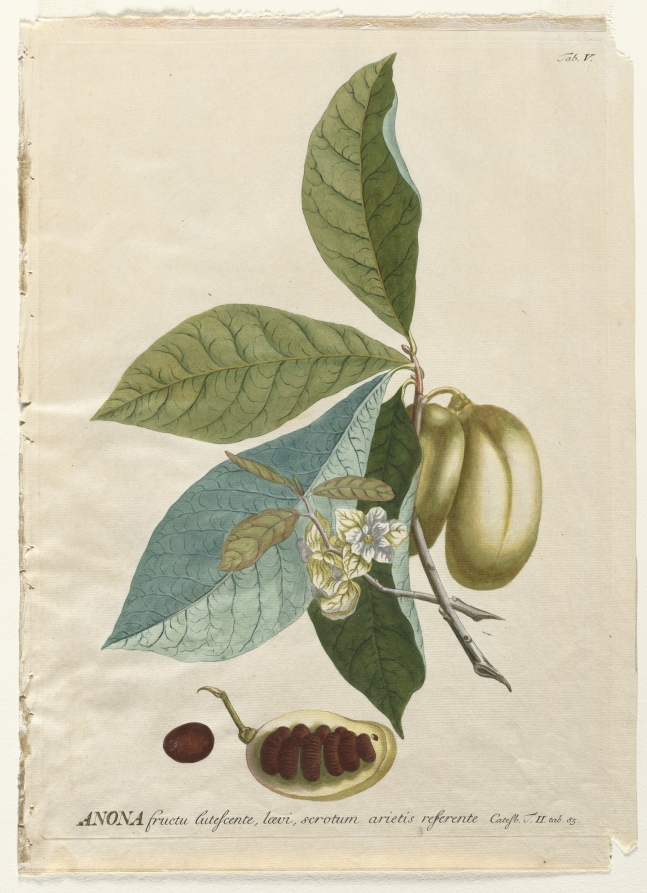
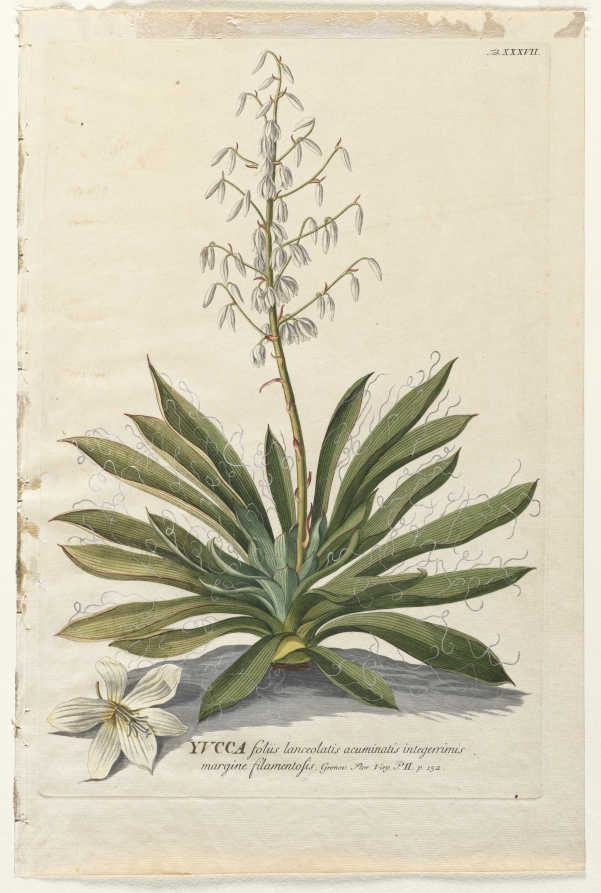
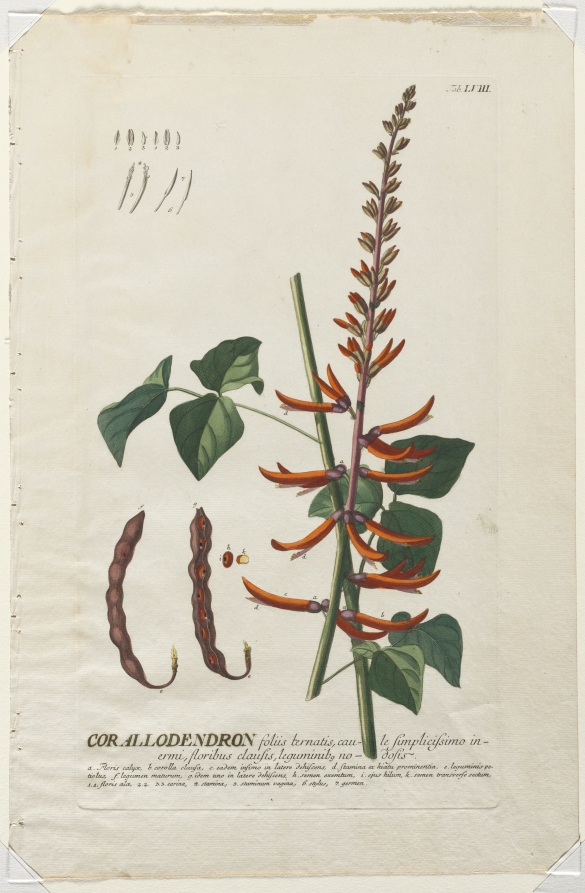
Ehret was a self-taught draughtsman who became a primary collaborator for Carl Linnaeus. He was among the first artists to use the Linnaean system of plant classification in his illustrations. His method involved a strict focus on the reproductive organs of plants, which he rendered with scientific precision. He often worked on vellum to achieve a smooth, detailed surface. His compositions are characterised by their clarity, as he typically isolated a single species against a neutral background to allow for close study of its botanical structures.
For the modern collector, these prints offer a sense of structured beauty. The clean lines and factual nature of the work make it suitable for a variety of interior styles. Unlike more romanticised botanical art, the work of Ehret maintains a disciplined aesthetic. It appeals to those who appreciate the intersection of natural history and classical design. These prints provide a connection to the Enlightenment era, offering a visual record of the plants that first arrived in Europe centuries ago.
Notable Works
Tap to view larger.
Next stop
Browse the movements →
Every movement in the collection, from the Renaissance to Pop art.
Georg Dionysius Ehret prints
Hand-finished archival prints from Georg Dionysius Ehret's body of work.
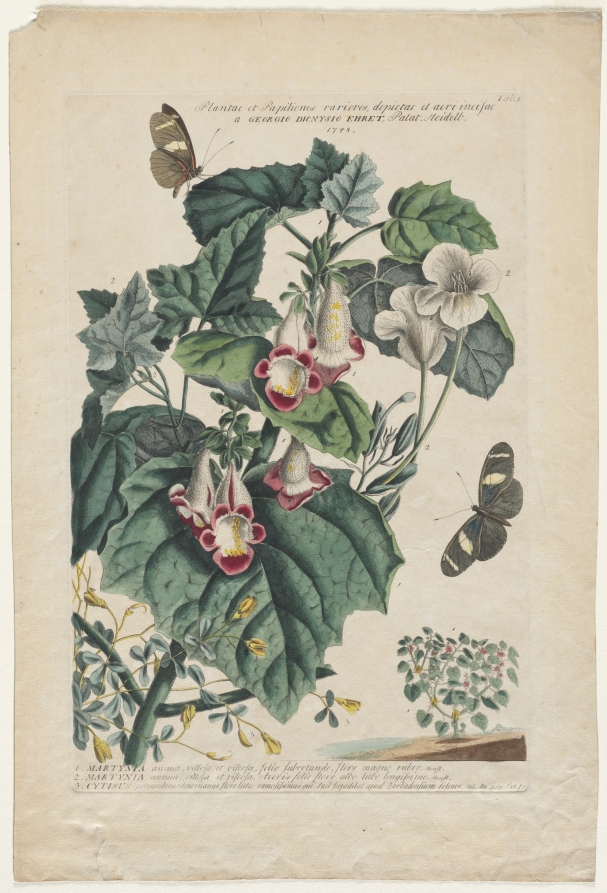
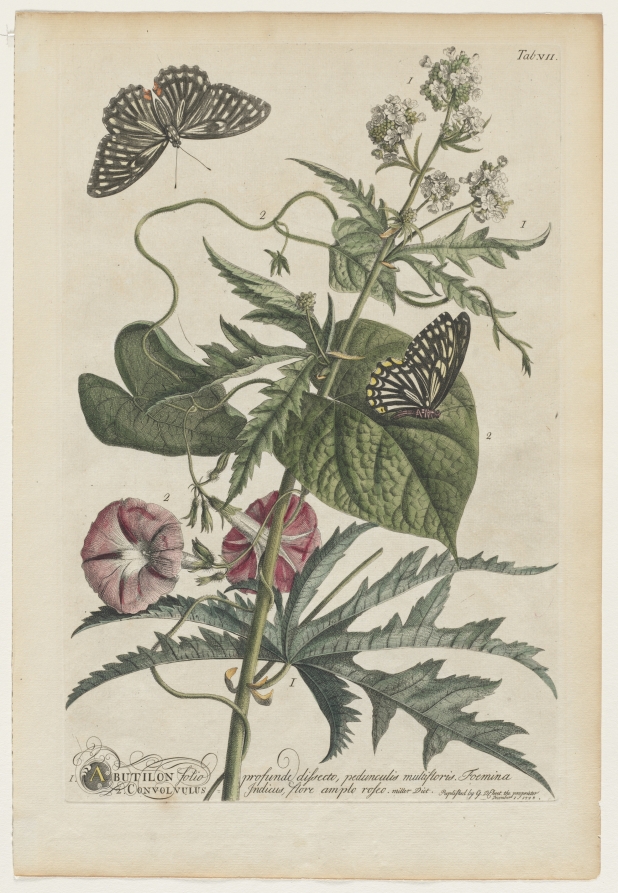
 Plantae et papiliones rariores: No. 7 - Georg Dionysius Ehret
From £28.00
Plantae et papiliones rariores: No. 7 - Georg Dionysius Ehret
From £28.00
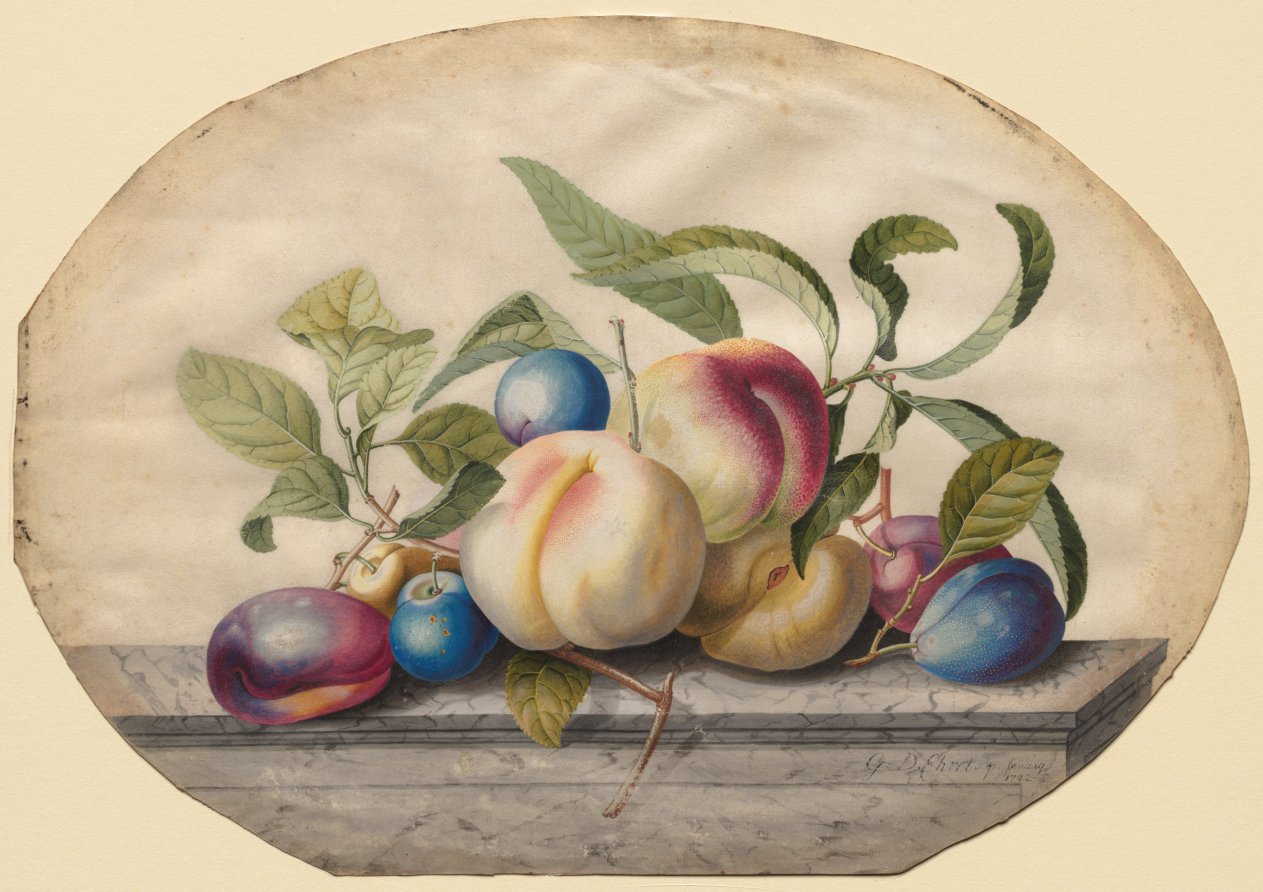
 Fruit Arrangement: Peaches and Plums on a Slab of Marble - Georg Dionysius Ehret
From £28.00
Fruit Arrangement: Peaches and Plums on a Slab of Marble - Georg Dionysius Ehret
From £28.00
 Plantae Selectae: No. 52 - Ixia - Georg Dionysius Ehret
From £28.00
Plantae Selectae: No. 52 - Ixia - Georg Dionysius Ehret
From £28.00
 Pulmonaria - Georg Dionysius Ehret
From £28.00
Pulmonaria - Georg Dionysius Ehret
From £28.00
 Plantae Selectae: No. 58 - Corallodendron - Georg Dionysius Ehret
From £28.00
Plantae Selectae: No. 58 - Corallodendron - Georg Dionysius Ehret
From £28.00
 Plantae Selectae: No. 46 - Tacamahaca - Georg Dionysius Ehret
From £28.00
Plantae Selectae: No. 46 - Tacamahaca - Georg Dionysius Ehret
From £28.00
Take Georg Dionysius Ehret home.
See all Georg Dionysius Ehret prints →Frequently Asked Questions
What is Georg Dionysius Ehret known for?
Georg Dionysius Ehret is known for georg Dionysius Ehret was an 18th-century botanical artist whose meticulous engravings defined the Linnaean system and inspired the famous Chelsea porcelain factory designs.