

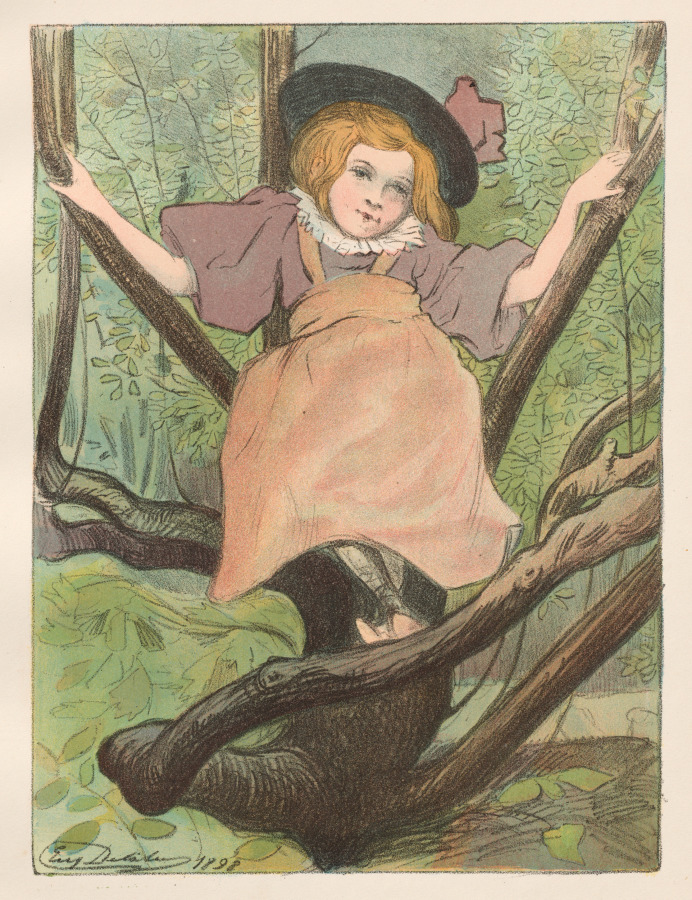


Eugène Delâtre
Eugène Delâtre was more than a printmaker; he was the technical force behind many Impressionist works. While his father, Auguste Delâtre, printed for Whistler, Eugène became the primary teacher for artists like Mary Cassatt and Renoir as they experimented with colour etching. He operated a busy workshop in Montmartre where he refined the complex process of multiple plate printing. This technical expertise allowed him to achieve soft, layered effects that few of his contemporaries could match.

Biography
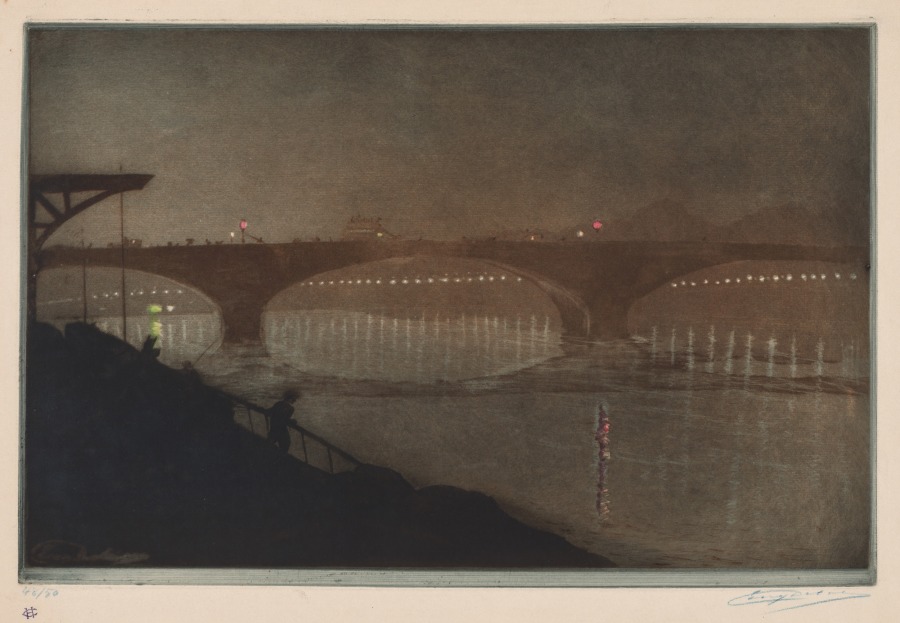
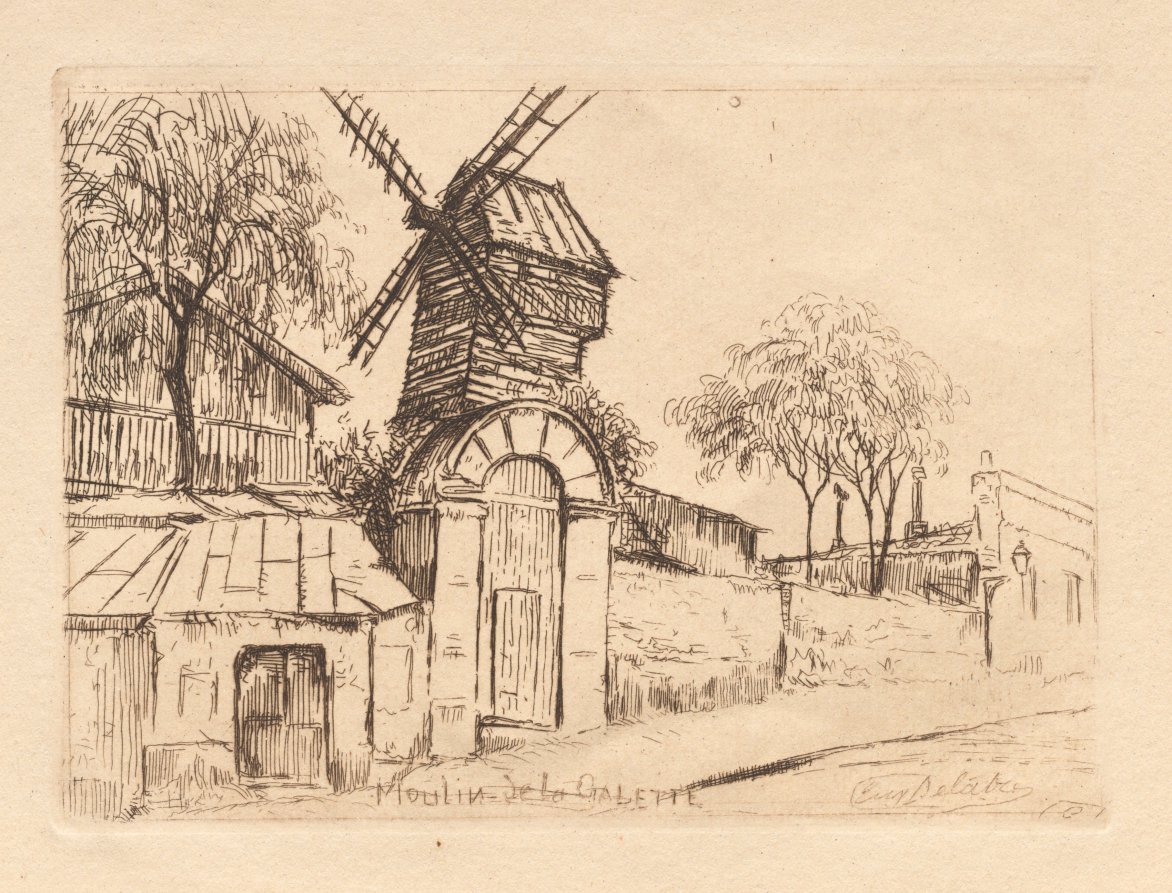
His own work, such as The Solferino Bridge: Nocturnal Effect and Rue du Mont Cenis, demonstrates a mastery of atmosphere and light. Delâtre used the aquatint process to create washes of colour that resemble watercolours. He often chose subjects from his immediate surroundings in Paris or the rural quiet of Brittany. His prints of the Moulin de la Galette or the Old Mill at Plouezac avoid the frantic energy of the era. Instead, they focus on steady compositions and the subtle interplay of shadow.
Modern collectors appreciate Delâtre for his ability to balance technical precision with a quiet, domestic mood. His prints do not demand attention through loud colours or grand themes. They offer a calm, historical perspective on French life that fits easily into a contemporary home. His portraits, including those of the writer J. K. Huysmans, show a directness that remains fresh. These works provide a connection to the Montmartre art scene through the eyes of a man who helped build its reputation.
Notable Works
Tap to view larger.
Next stop
Browse the movements →
Every movement in the collection, from the Renaissance to Pop art.
Frequently Asked Questions
When was Eugène Delâtre born?
Eugène Delâtre was born in 1864 and died in 1938.What is Eugène Delâtre known for?
Eugène Delâtre is known for eugène Delâtre was a master of colour etching who taught the Impressionists and captured the atmospheric streets of Montmartre and rural Brittany with technical precision.


