

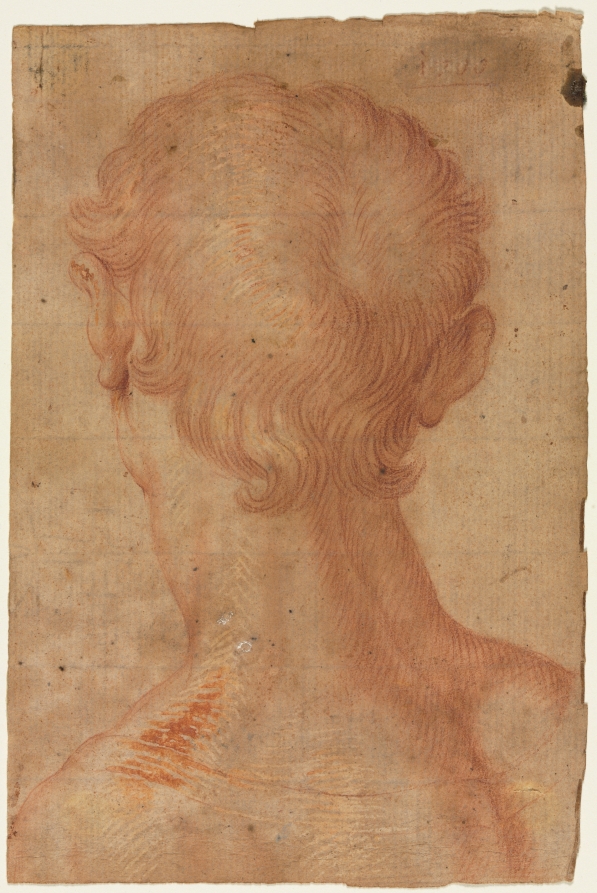


Bronzino
Agnolo di Cosimo (1503-1572), better known as Bronzino, may have acquired his nickname, meaning "bronze" in Italian, from his dark complexion. However, some scholars suggest it was a reference to his artistic skill in rendering the colour bronze in his paintings. Bronzino's artistic journey began under the tutelage of Pontormo, whom he later served as an adopted son, absorbing the Mannerist style that would define his career. His mastery extended beyond painting to tapestry design, where his understanding of colour and composition shone.
Biography
Bronzino's style, while indebted to Pontormo, possessed a distinctive detachment. He excelled in portraiture, imbuing his subjects with a sense of refinement, assurance, and impartiality. From 1539 onward, Bronzino served as the court painter for Duke Cosimo de' Medici, becoming a leading artistic figure in Florence. His portraits, such as those of the Medici family, are characterised by their elegance, calm, flawless rendering, and tightly controlled colour effects.
Today, Bronzino's works appeal to collectors who appreciate Mannerism's stylised departure from High Renaissance ideals. His portraits offer a glimpse into the lives of the Florentine aristocracy, capturing their aloofness and sophistication. Bronzino's confident handling of colour, tone, drapery, and textures, as seen in works like 'The Dead Christ between the Virgin and Mary Magdalene', make his art desirable for those seeking both beauty and historical significance.
Notable Works
Tap to view larger.
Next stop
Browse the movements →
Every movement in the collection, from the Renaissance to Pop art.
Bronzino prints
Hand-finished archival prints from Bronzino's body of work.
 Portrait of a Woman - Agnolo Bronzino
From £28.00
Portrait of a Woman - Agnolo Bronzino
From £28.00
 Portrait of Maria de' Medici - Agnolo Bronzino
From £28.00
Portrait of Maria de' Medici - Agnolo Bronzino
From £28.00
 Lucrezia Panciatichi - Agnolo Bronzino
From £28.00
Lucrezia Panciatichi - Agnolo Bronzino
From £28.00
 The Dead Christ with the Virgin and St. Mary Magdalene - Agnolo Bronzino
From £28.00
The Dead Christ with the Virgin and St. Mary Magdalene - Agnolo Bronzino
From £28.00
 Lucrezia Panciatichi - Agnolo Bronzino
From £28.00
Lucrezia Panciatichi - Agnolo Bronzino
From £28.00
 Holy Family with St. Anne and the infant St. John the Baptist - Agnolo Bronzino
From £28.00
Holy Family with St. Anne and the infant St. John the Baptist - Agnolo Bronzino
From £28.00
Take Bronzino home.
See all Bronzino prints →Frequently Asked Questions
What is Bronzino known for?
Bronzino is known for bronzino was a leading Mannerist painter and court portraitist to the Medici family in Florence.