

Skip to content Loading
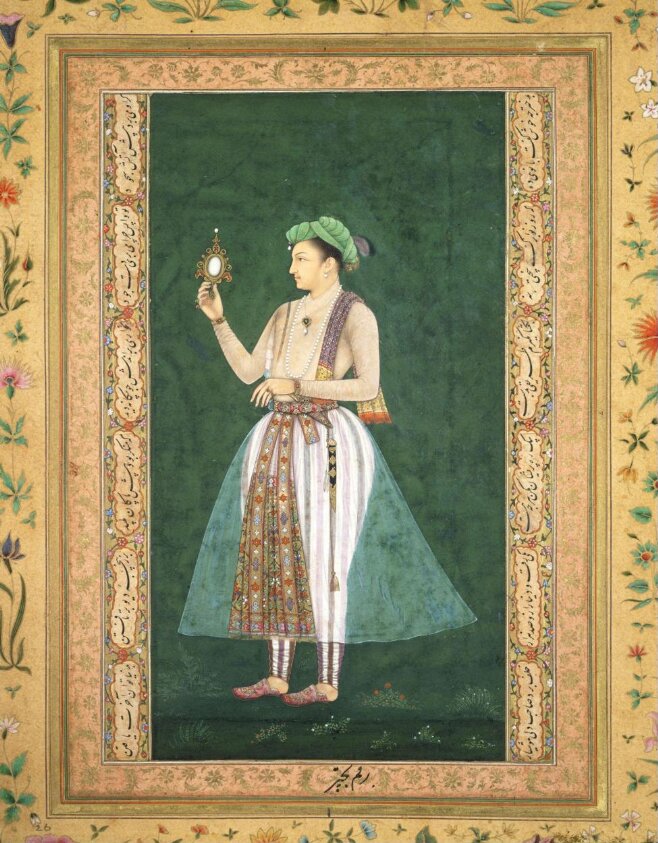
Prince Salim (ca. 1630) by Bichitr
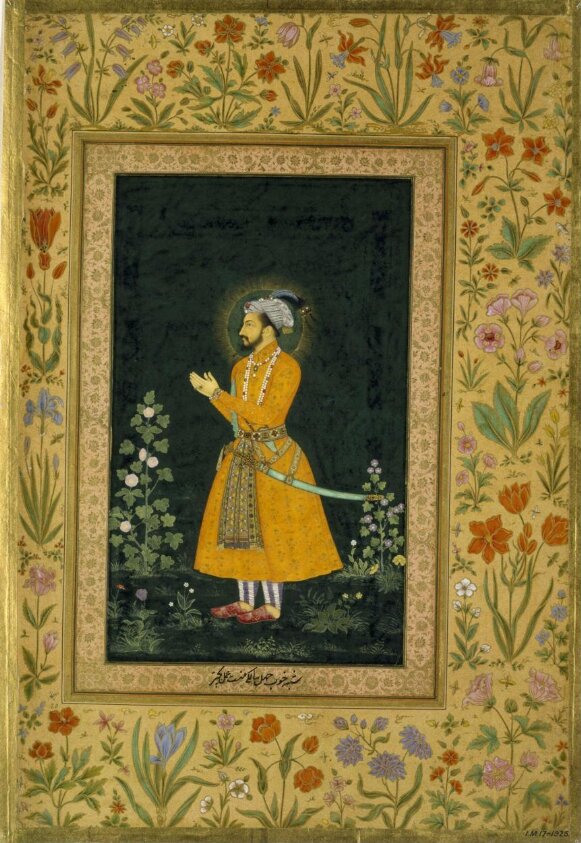
Shah Jahan  (ca. 1630) by Bichitr
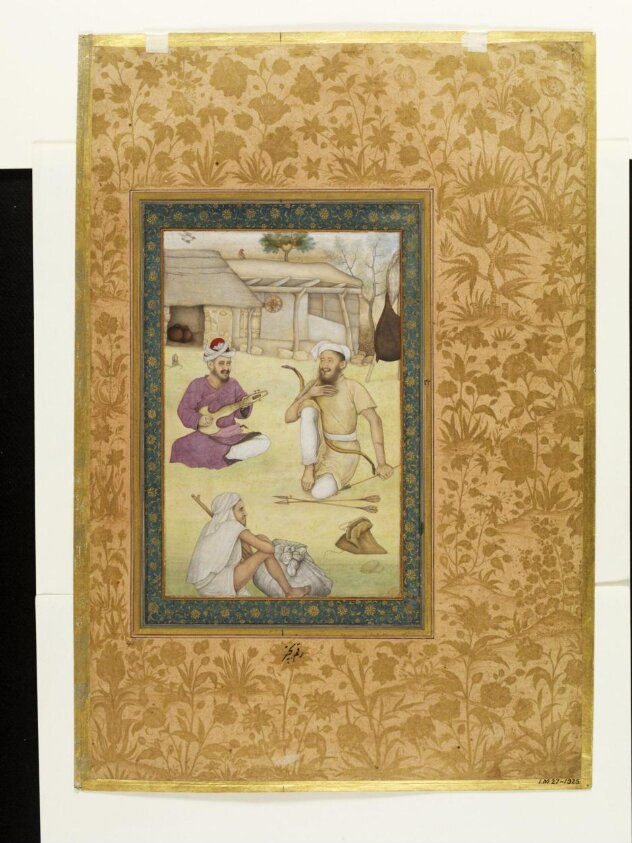
Painting  (ca. 1645) by Bichitr
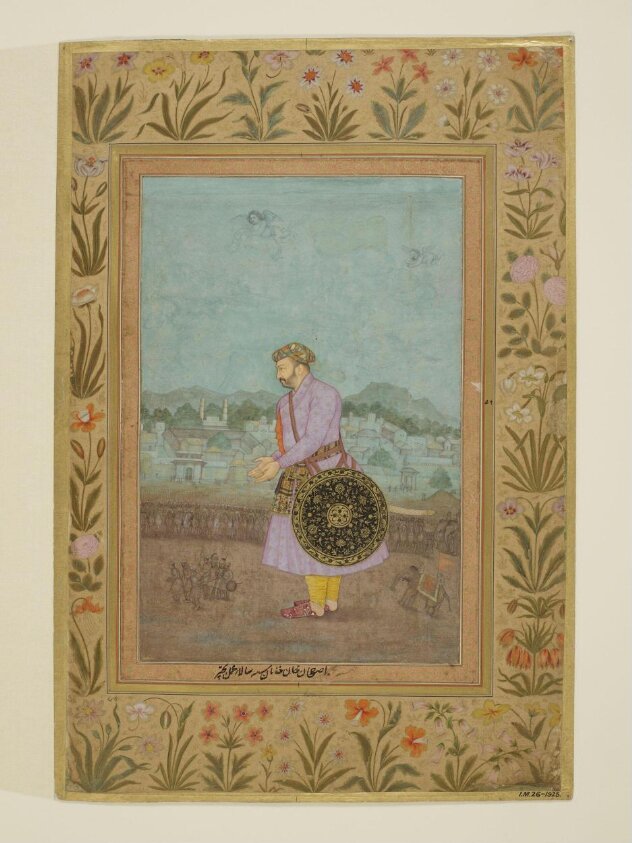
Asaf Khan (ca. 1631) by Bichitr
1600–1660 · Mughal Empire

Bichitr

Bichitr often included his own likeness in his court paintings. In one work, he depicts himself as a small figure holding a miniature painting. This was a sign of his status within the Mughal court. Unlike many of his contemporaries, he frequently signed his name. This self-awareness was unusual for the period. It shows his position as a trusted artist under Emperor Jahangir and Shah Jahan.

Portrait of Bichitr

Biography

His style is defined by sharp lines and a clear sense of volume. He adopted European techniques like chiaroscuro to give figures a solid presence. His work often features symbolic objects such as globes or hourglasses. These elements came from prints brought by Jesuit missionaries. He used gold leaf and lapis lazuli to create formal court portraits. His ability to capture individual facial features made him a preferred painter for the royal family.

Modern collectors value these prints for their technical accuracy and historical detail. The compositions are balanced and formal. They offer a window into the ceremonial life of the seventeenth-century Mughal Empire. The use of clear colours and sharp borders makes them suitable for contemporary interiors. These works provide a sense of historical scale.

Frequently Asked Questions

  • When was Bichitr born?
    Bichitr was born in 1600 and died in 1660.
  • What is Bichitr known for?
    Bichitr is known for a master painter of the Mughal court, Bichitr is known for his technical precision and the inclusion of European motifs in imperial portraits.

Keep exploring

Your cart
Your cart is empty
Have an account? Log in to check out faster.
Continue shopping Continue shopping
Cart total £0.00 GBP
Product image Product information Quantity Product total