

Skip to content Loading

Buy any 3 full-price artworks and save 15%

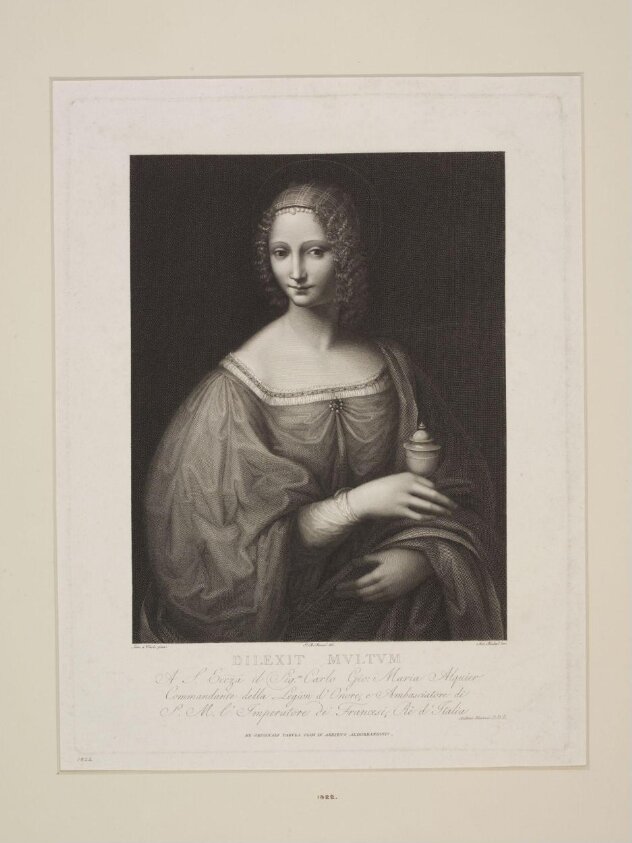
Mary Magdalen (late 18th - mid 19th century) by Antonio Ricciani
Napoleon as Jupiter by Antonio Ricciani
Assumption of the Virgin by Antonio Ricciani
Magdalene by Antonio Ricciani
Assumption of the Virgin by Antonio Ricciani
Virgin Weeping over Dead Christ by Antonio Ricciani
Galatea by Antonio Ricciani
Assembly of the Gods by Antonio Ricciani
1775–1836

Antonio Ricciani

Antonio Ricciani held a prestigious position as the professor of engraving at the Naples Academy of Fine Arts starting in 1817. He gained a reputation for his technical precision with the burin, a tool used to carve directly into copper plates. Rather than pursuing the fleeting trends of his era, he dedicated himself to the reproduction of classical masterpieces, including works after Raphael. His interpretation of the "Assembly of the Gods" shows his skill in translating large-scale frescoes into the medium of print.

Biography

Ricciani followed the Neoclassical tradition with rigour. His compositions often feature balanced arrangements and clear, sculptural figures. In "Napoleon as Jupiter", he utilised mythological tropes to elevate a contemporary figure. This method relied on a firm grasp of light and shadow to suggest physical volume. He used a structured system of lines to define muscles and fabric. This technique gives his work a crisp quality that remains distinct from the softer styles of his contemporaries.

Modern collectors find value in the formal stability of these works. The prints provide a sense of permanence and historical weight. Their monochrome palette makes them versatile for contemporary wall decor. Each piece is a study in human anatomy and classical proportion. These works record the early nineteenth-century effort to revive ancient aesthetic ideals through manual craftsmanship.

Next stop

Browse the movements →

Every movement in the collection, from the Renaissance to Pop art.

Frequently Asked Questions

  • When was Antonio Ricciani born?
    Antonio Ricciani was born in 1775 and died in 1836.
  • What is Antonio Ricciani known for?
    Antonio Ricciani is known for antonio Ricciani was a Neoclassical engraver who translated classical sculpture and frescoes into precise copperplate prints during his tenure at the Naples Academy of Fine Arts.

Keep exploring

Your cart
Rated 4.6 on Judge.me
Your cart is empty
Have an account? Log in to check out faster.
Continue shopping Continue shopping
Cart total £0.00 GBP
Product image Product information Quantity Product total