



1819–1900 · American
Alfred Jones
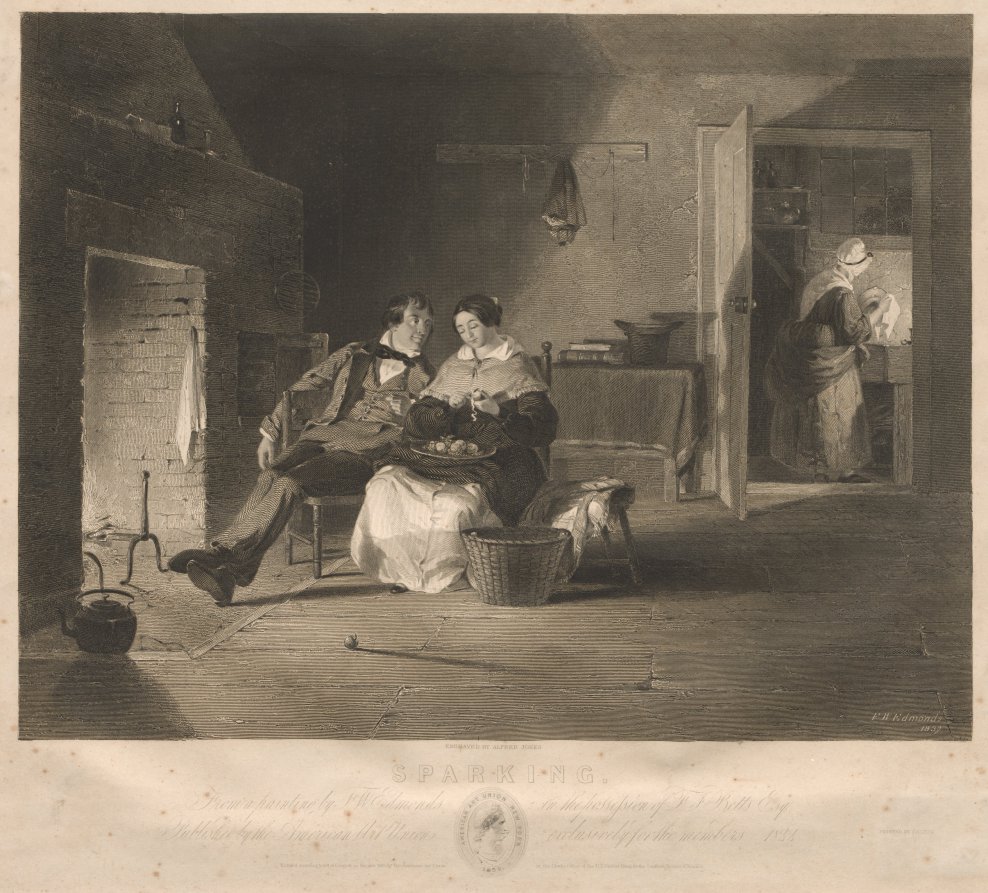
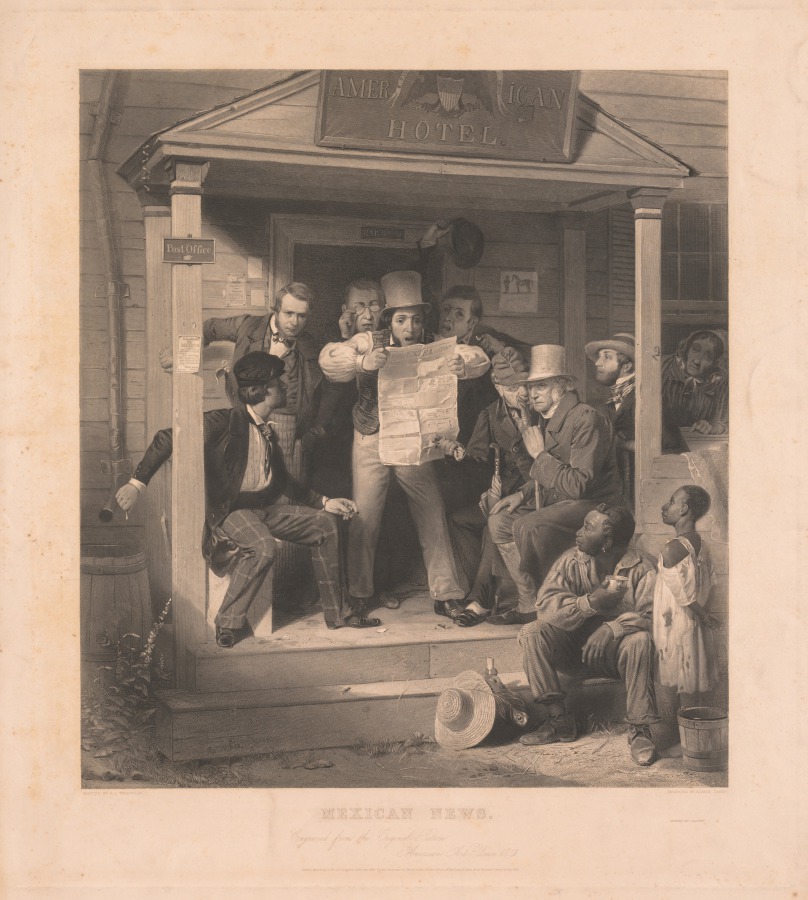
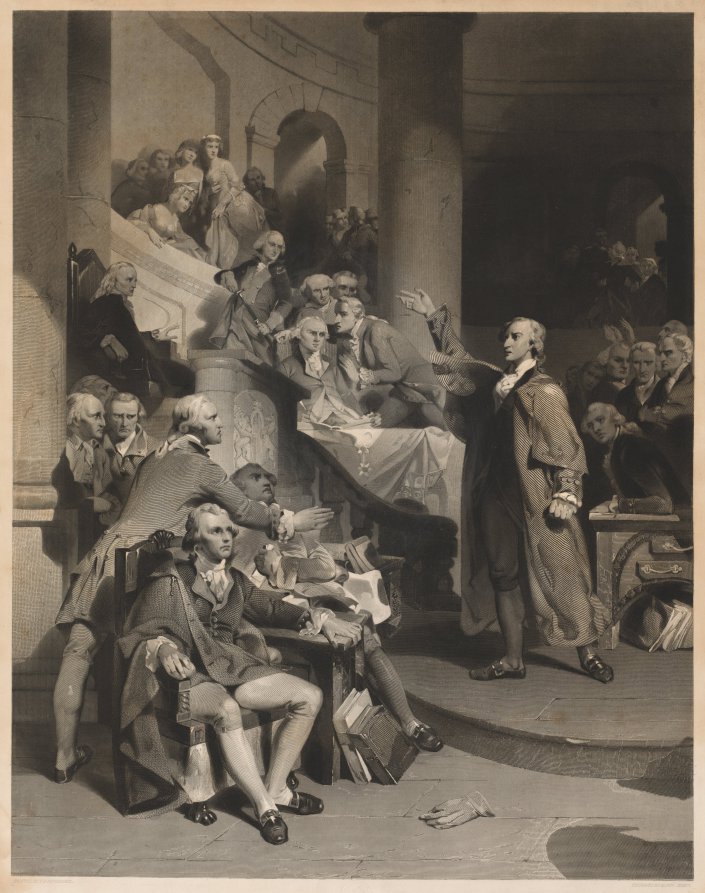
Alfred Jones was an artist from the United States. He lived from 1819 to 1900. Solis Prints offers prints of his work, including Mexican News, Patrick Henry Delivering His Celebrated Speech in the House of Burgesses, Virginia, Sparking, and William Cullen Bryant.
Notable Works
Tap to view larger.
Next stop
Browse the movements →
Every movement in the collection, from the Renaissance to Pop art.
Alfred Jones prints
Hand-finished archival prints from Alfred Jones's body of work.


Related Artists
_%E2%80%93_LOC.jpg)




Take Alfred Jones home.
See all Alfred Jones prints →Frequently Asked Questions
When was Alfred Jones born?
Alfred Jones was born in 1819 and died in 1900.What is Alfred Jones known for?
Alfred Jones is known for alfred Jones was an artist from the United States who lived from 1819 to 1900.