


Alan Davie
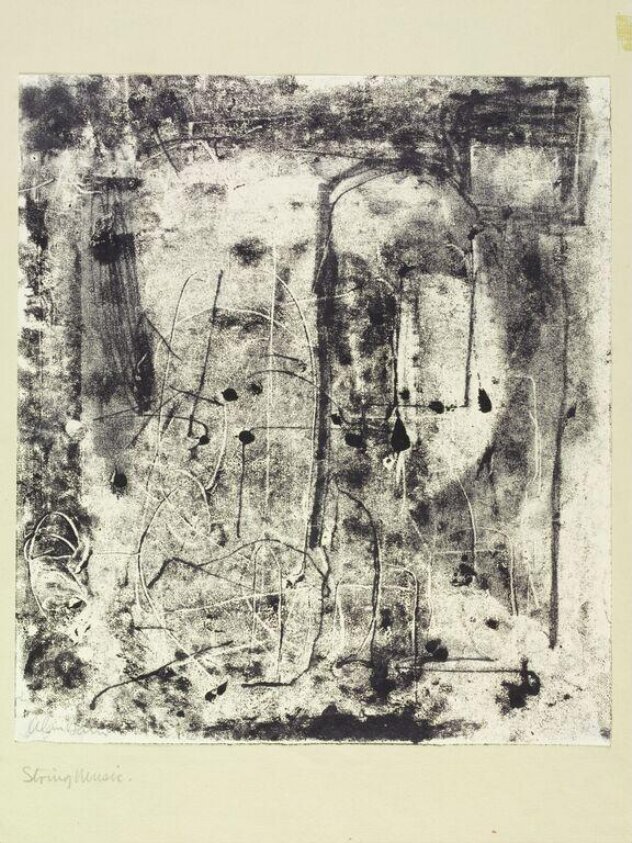
Alan Davie was a professional jazz musician before he gained fame as a painter. He played the tenor saxophone in dance bands during the 1940s. This musical background dictated his approach to the canvas. He viewed painting as a performance. He worked at high speed to bypass conscious thought. This method allowed him to produce works like Impromptus and Improvisations for R.D. which carry the energy of a live musical session.
Biography
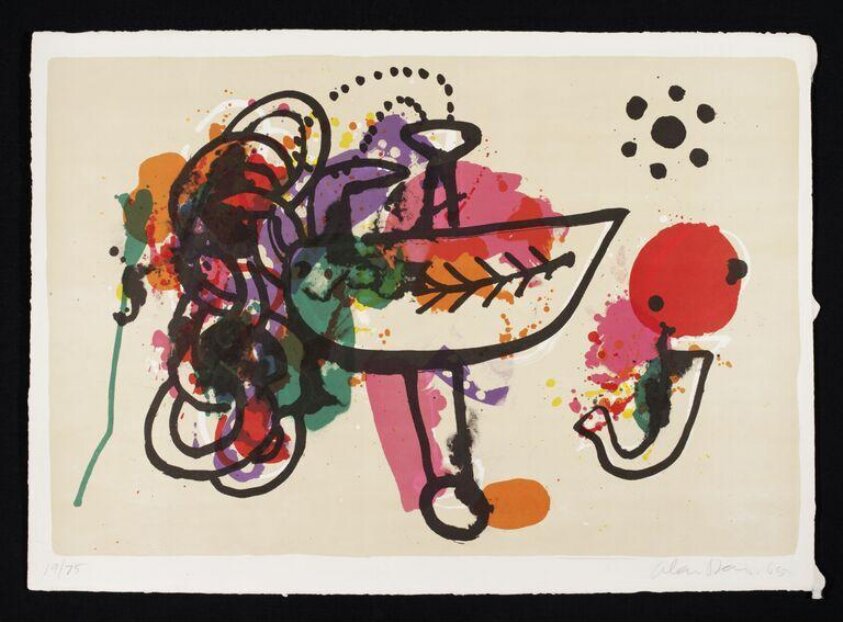
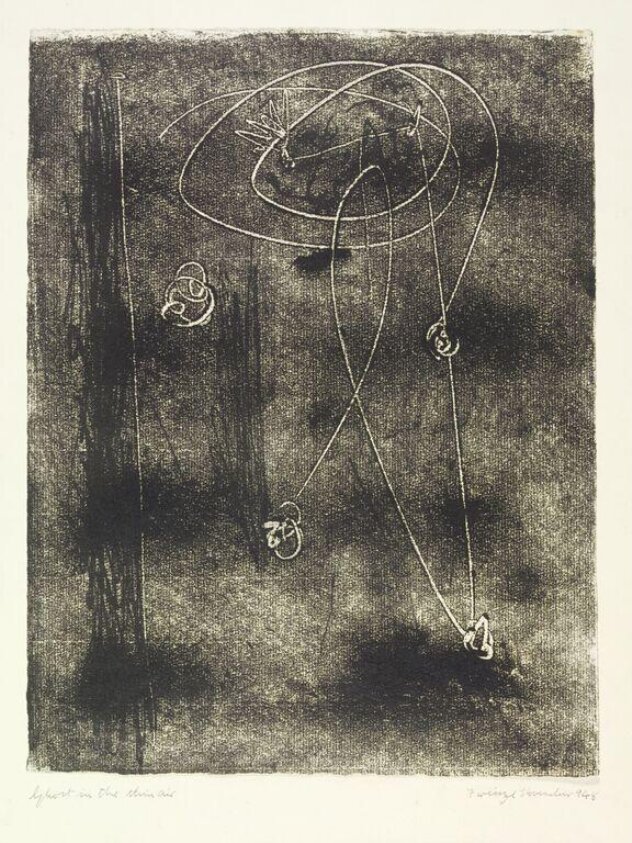
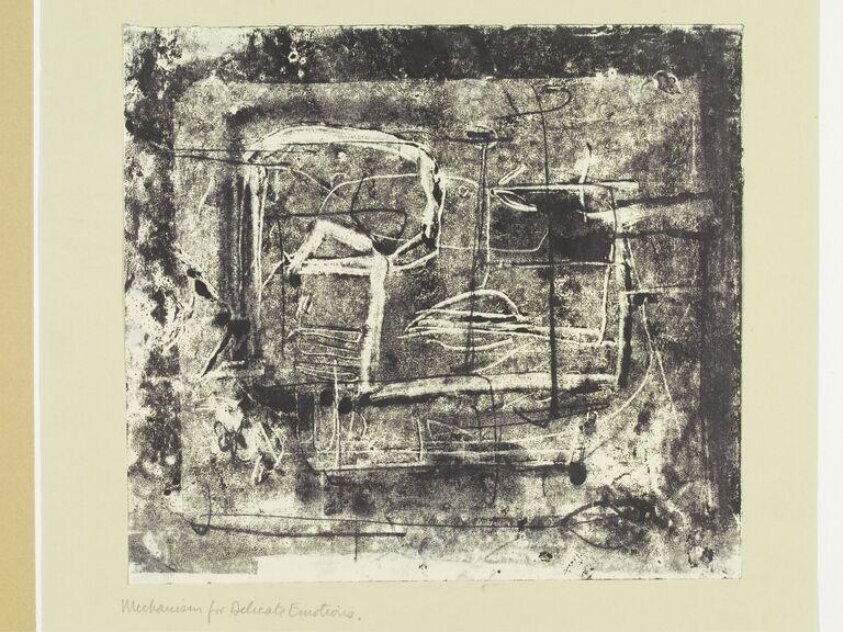
His work belongs to the British Abstract Expressionist movement. He rejected the idea of planned compositions. Instead, he used a vocabulary of symbols drawn from Zen Buddhism and ancient scripts. He focused on the physical act of applying paint. His compositions include bold shapes and heavy lines. Works such as Suckable Cross demonstrate his interest in primitive forms. He avoided literal meanings. He wanted the viewer to experience the image directly.
Modern collectors value Davie for his bold use of colour and graphic strength. His prints bring a sense of movement to a room. The symbols in his Untitled Abstract series remain open to interpretation. They do not rely on a specific historical context. His work fits well in contemporary interiors that favour strong visual statements. The spontaneity of his marks provides a contrast to digital perfection.
Notable Works
Tap to view larger.
Next stop
Browse the movements →
Every movement in the collection, from the Renaissance to Pop art.
Related Artists


Frequently Asked Questions
When was Alan Davie born?
Alan Davie was born in 1920 and died in 2014.What is Alan Davie known for?
Alan Davie is known for alan Davie was a Scottish painter and jazz musician whose work combines spontaneous mark-making with symbols from ancient cultures and Zen Buddhism.