

Collezione
Winslow Homer
Esplora stampe d'arte selezionate per case distintive e interni ricercati.
-

 Barche da pesca che ritornano - Winslow Homer
Print · Framed
Prezzo originale Da £28.00 GBPPrezzo scontato Da £28.00 GBP Prezzo originale -

 Canoa tra le rapide - Winslow Homer
Print · Framed
Prezzo originale Da £28.00 GBPPrezzo scontato Da £28.00 GBP Prezzo originale -

 Villaggio indiano, Adirondack - Winslow Homer
Print · Framed · Canvas
Prezzo originale Da £28.00 GBPPrezzo scontato Da £28.00 GBP Prezzo originale -
 Sea Garden, Bahamas - Winslow Homer
Print
Prezzo originale Da £28.00 GBPPrezzo scontato Da £28.00 GBP Prezzo originale -
 L'erpice a spazzola - Winslow Homer
Print
Prezzo originale Da £28.00 GBPPrezzo scontato Da £28.00 GBP Prezzo originale -
 Il gioco degli anelli - Winslow Homer
Print
Prezzo originale Da £28.00 GBPPrezzo scontato Da £28.00 GBP Prezzo originale -

 Fuochi d'artificio la notte del quattro luglio - Winslow Homer
Print
Prezzo originale Da £28.00 GBPPrezzo scontato Da £28.00 GBP Prezzo originale -
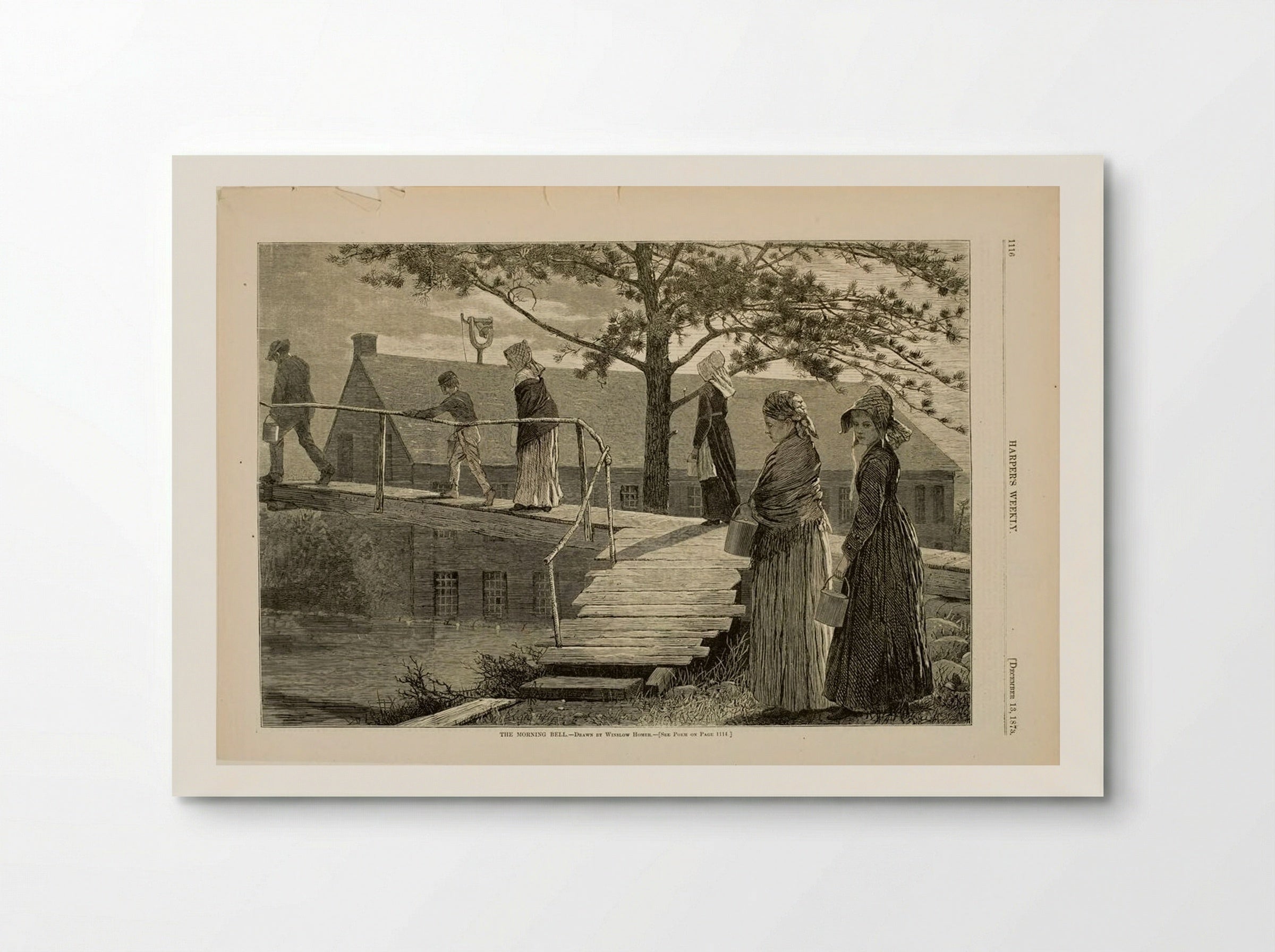
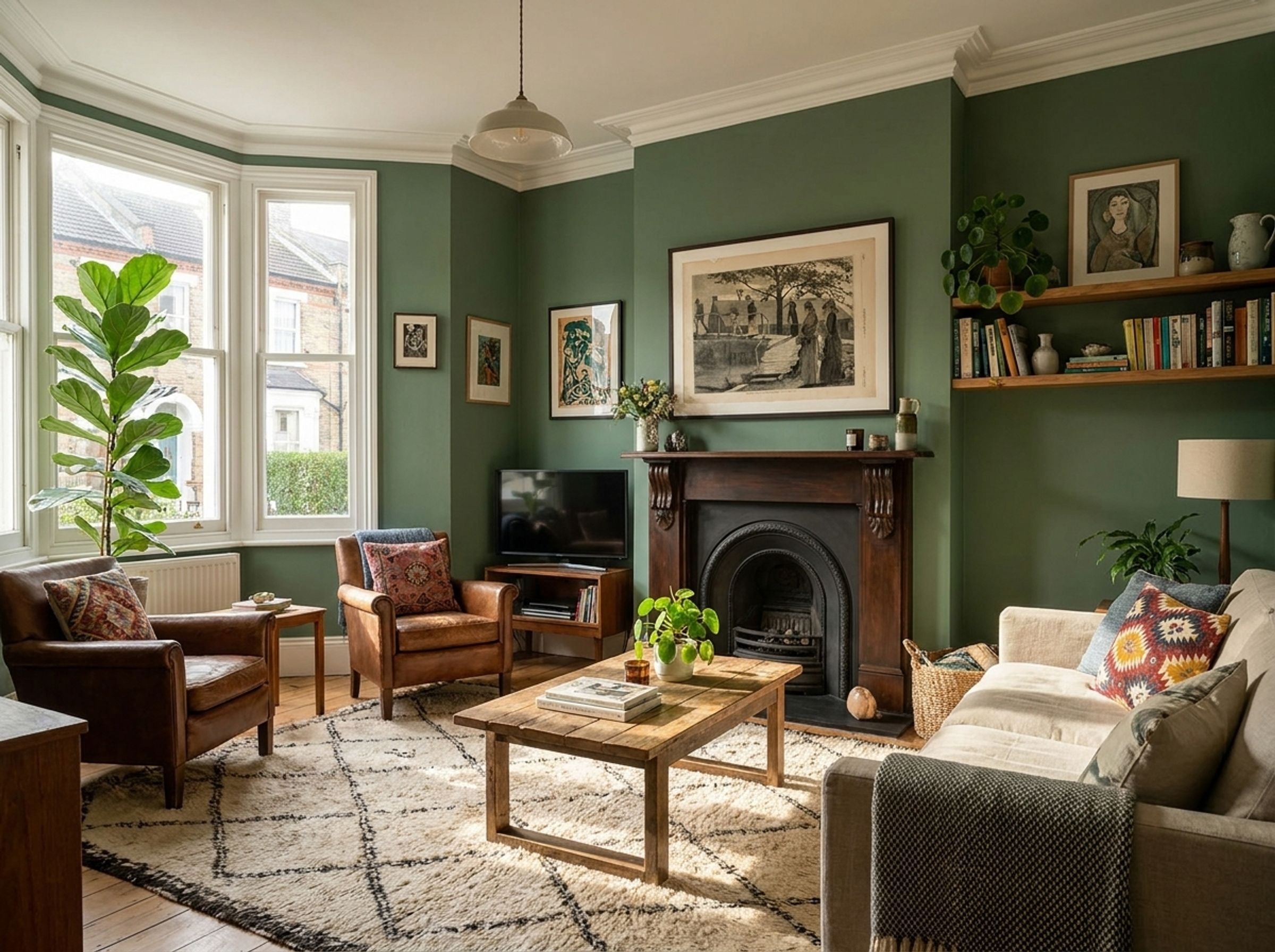 La campana del mattino - Winslow Homer
Print · Framed
Prezzo originale Da £28.00 GBPPrezzo scontato Da £28.00 GBP Prezzo originale -
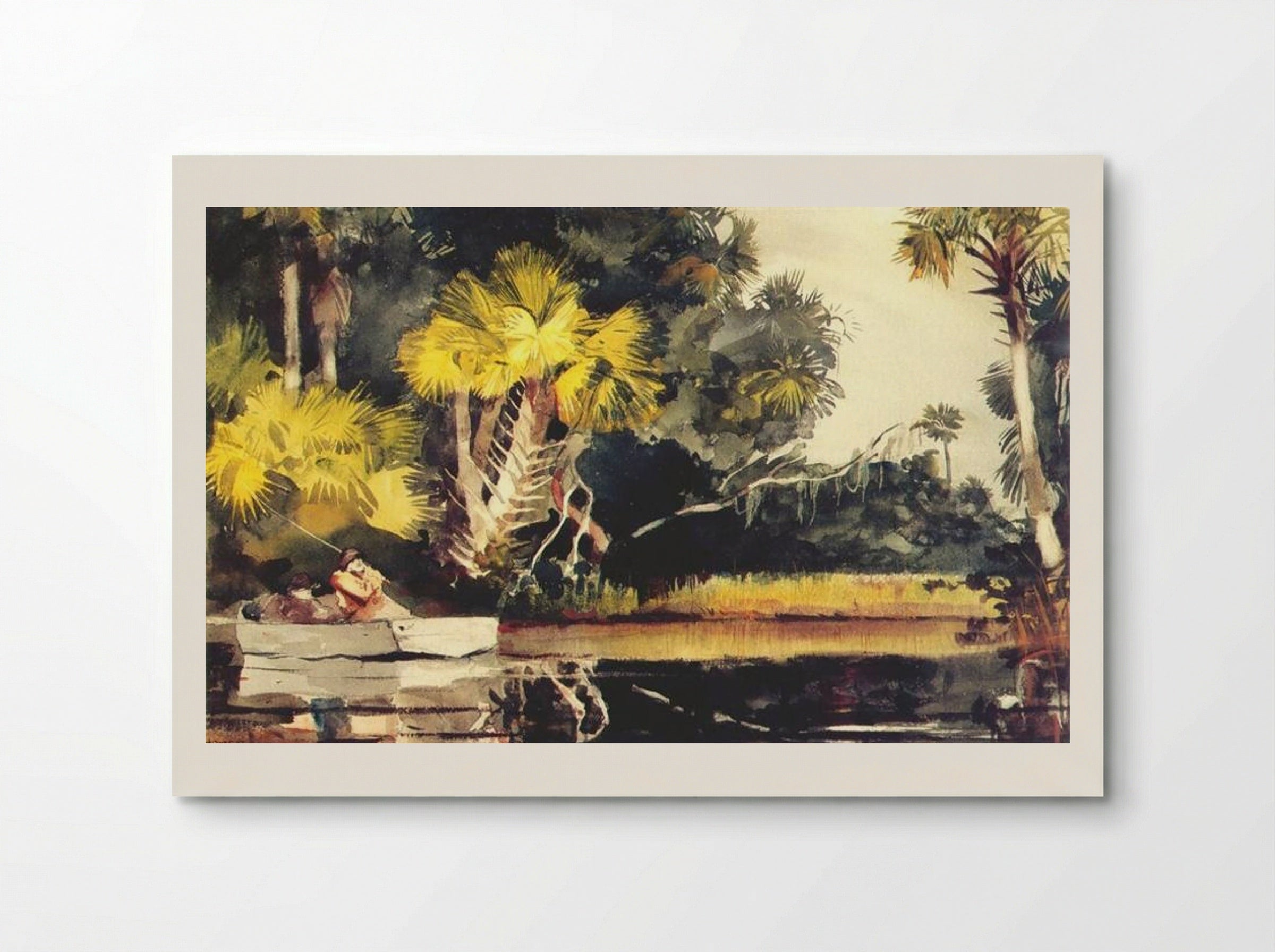
 Giungla di Homosassa, Florida - Winslow Homer
Print · Framed
Prezzo originale Da £28.00 GBPPrezzo scontato Da £28.00 GBP Prezzo originale -
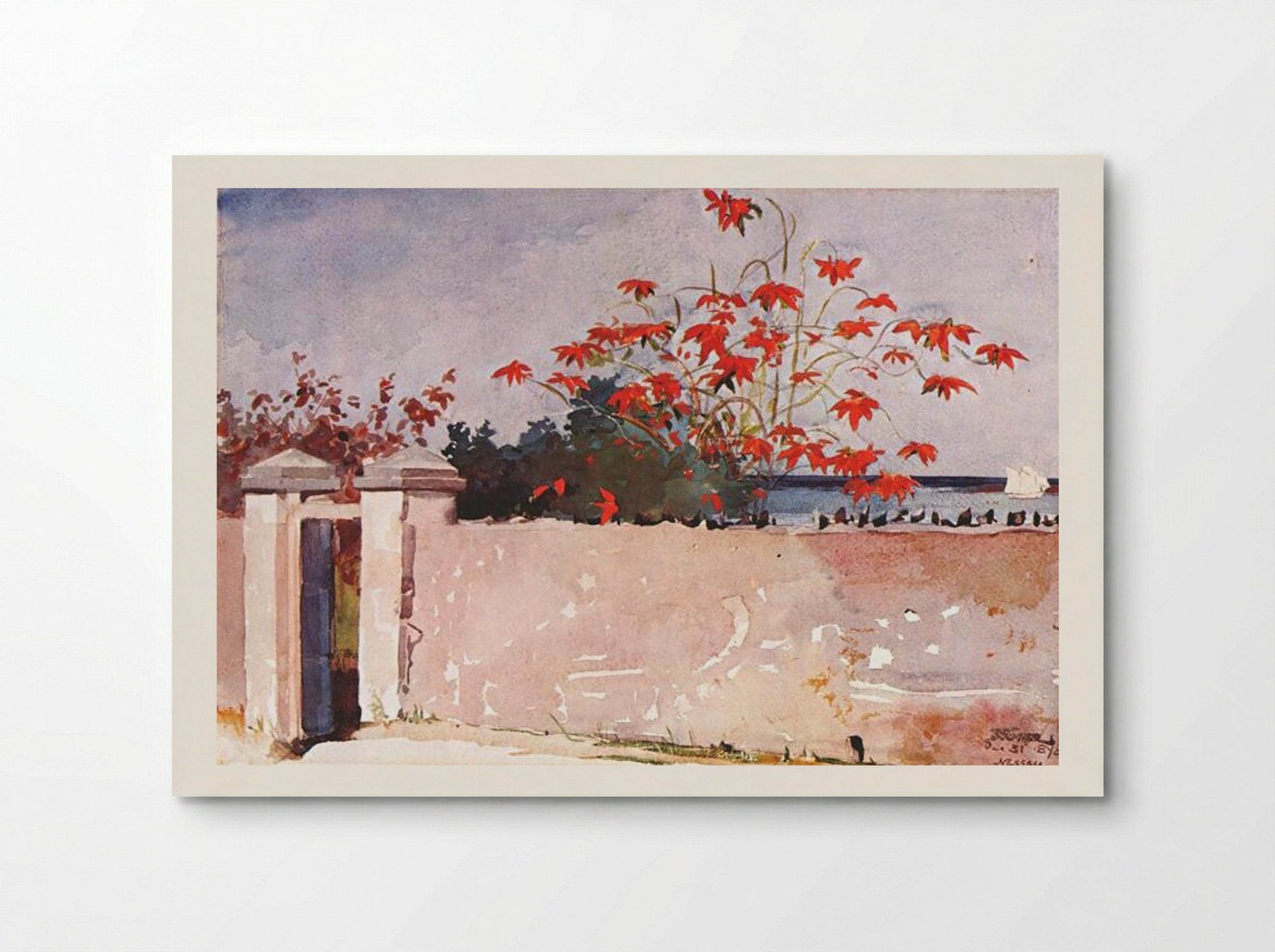
 Un muro, Nassau - Winslow Homer
Print · Framed
Prezzo originale Da £28.00 GBPPrezzo scontato Da £28.00 GBP Prezzo originale -

 Sotto la palma di cocco - Winslow Homer
Print · Framed
Prezzo originale Da £28.00 GBPPrezzo scontato Da £28.00 GBP Prezzo originale -

 I nostri zuavi - Winslow Homer
Print · Framed
Prezzo originale Da £28.00 GBPPrezzo scontato Da £28.00 GBP Prezzo originale


Artist Biography
Winslow Homer
Homer started as an illustrator for Harper's Weekly, covering the American Civil War. He was not a soldier. He was a correspondent, sketching camp life, sharpshooters, and prisoners with the detached accuracy of a reporter. The war drawings were published as wood engravings and brought him national attention. He was twenty-five.
He moved from illustration to painting without formal training, learning oil technique largely by observation. His early paintings are genre scenes of rural American life: children playing, women on croquet lawns, the kind of post-war pastoral that the public wanted. They sold well. He was dissatisfied with them.
In 1881 he went to Cullercoats, a fishing village in northeast England, and spent two years painting the women who waited on the shore for the fishing boats to return. The Cullercoats paintings are darker, more dramatic, and more serious than anything he had made before. The sea became his subject.
He moved to Prouts Neck, Maine, in 1883 and lived there, mostly alone, for the rest of his life. The Maine paintings, The Gulf Stream, Northeaster, Right and Left, are about the confrontation between human beings and the ocean. The figures are small. The water is enormous. The light is cold. He painted the sea the way Constable painted clouds: from direct observation, over years, until he understood its behaviour.
His watercolours, made on fishing trips to the Adirondacks, Florida, and the Bahamas, are freer and more experimental than the oils. Tropical sunlight and clear water brought out colours he did not use in Maine. He died in 1910, at seventy-four.


Perché Scegliere Noi?