

Collection
Sol Lewitt
Découvrez une sélection d'affiches d'art choisies pour des demeures de caractère et des intérieurs réfléchis.
-
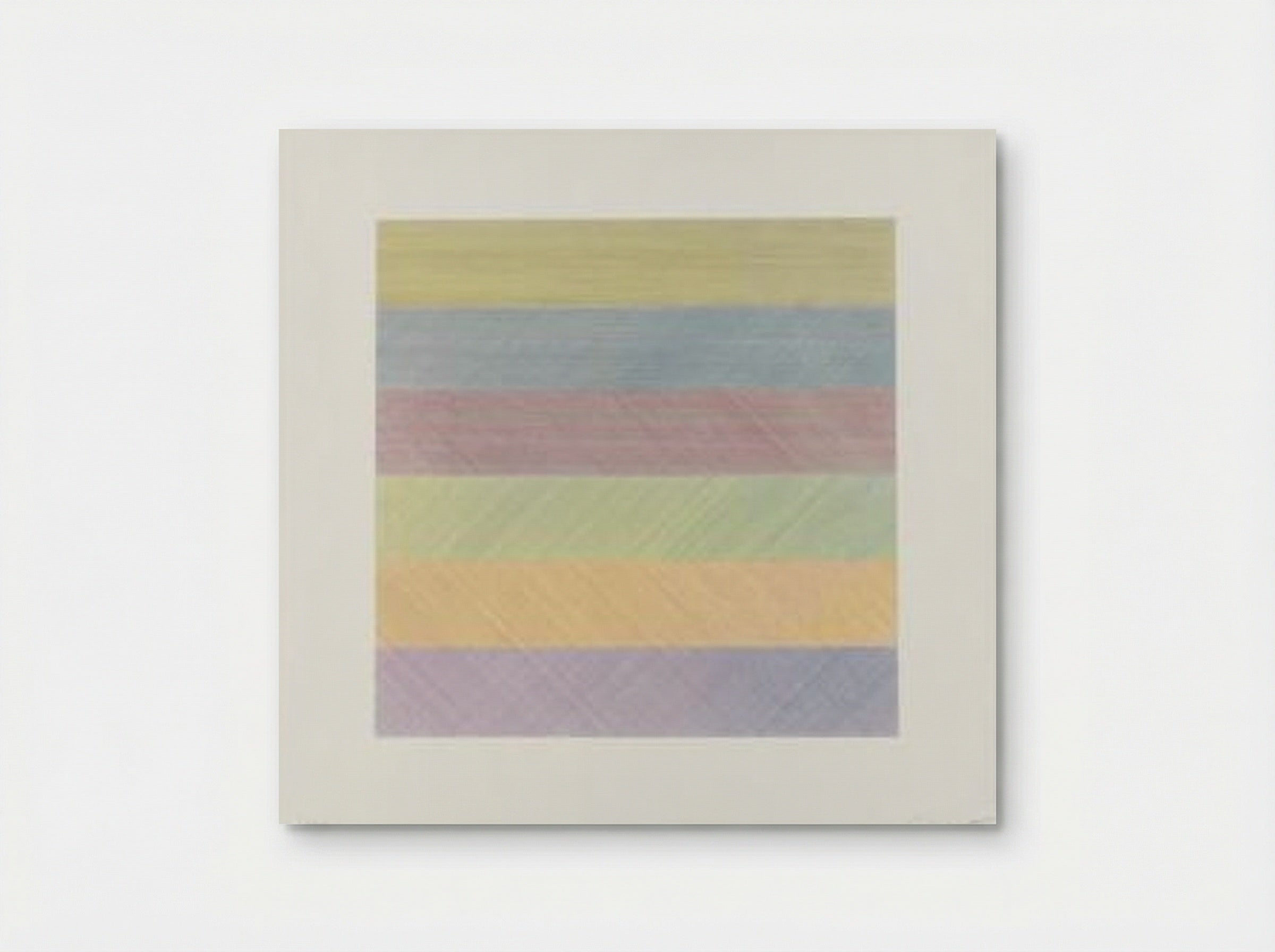 Sans titre (de la série Composite) - Sol LeWitt
Print
Prix régulier À partir de £37.00 GBPPrix de vente À partir de £37.00 GBP Prix régulier -
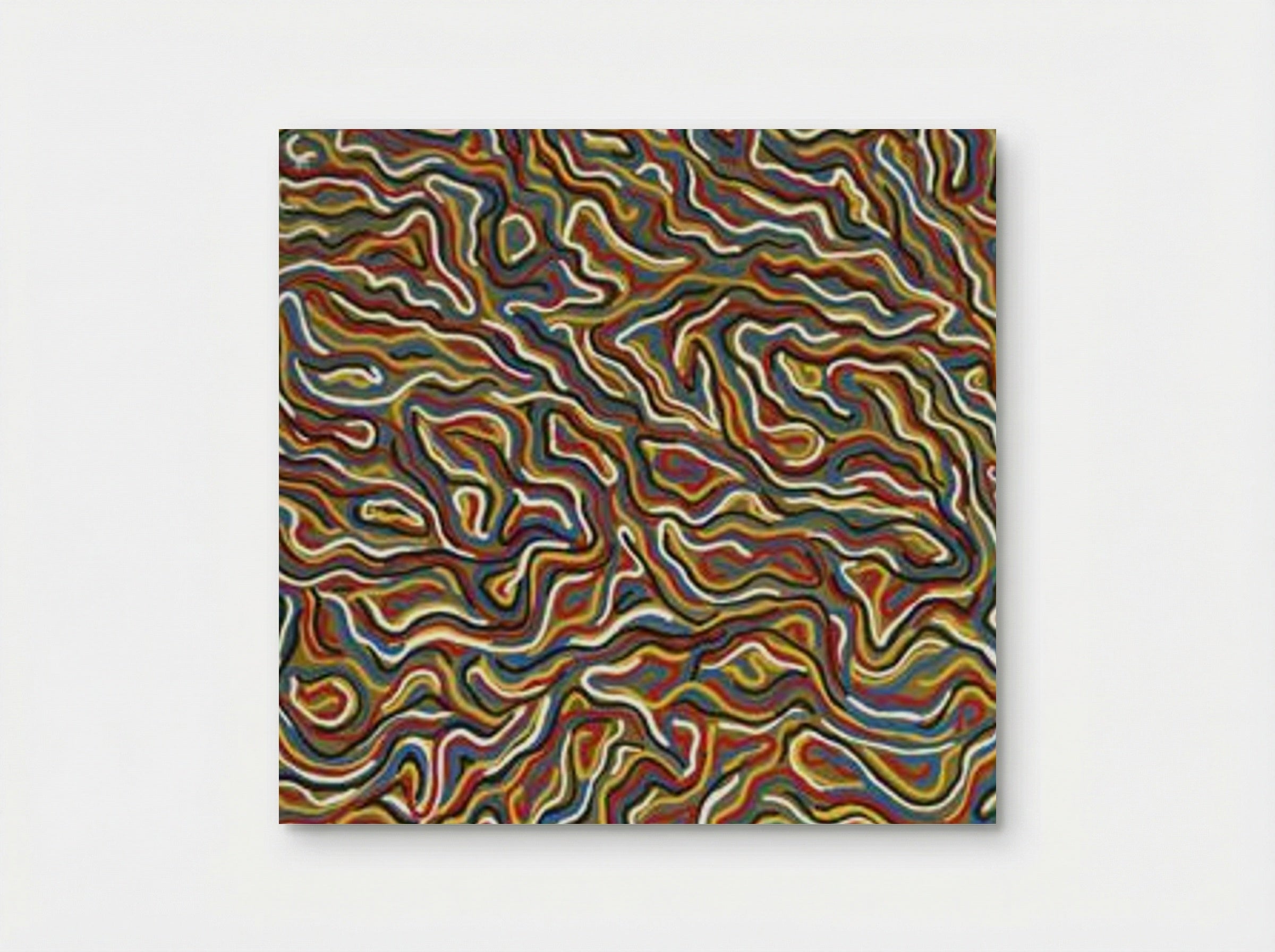 Coups de pinceau ondulés (Olive) - Sol LeWitt
Print
Prix régulier À partir de £37.00 GBPPrix de vente À partir de £37.00 GBP Prix régulier -
 Étoiles à 5 branches - Sol LeWitt
Print
Prix régulier À partir de £37.00 GBPPrix de vente À partir de £37.00 GBP Prix régulier -
 Étoiles à 8 branches - Sol LeWitt
Print
Prix régulier À partir de £37.00 GBPPrix de vente À partir de £37.00 GBP Prix régulier -
 Formes complexes - Sol LeWitt
Print
Prix régulier À partir de £37.00 GBPPrix de vente À partir de £37.00 GBP Prix régulier -
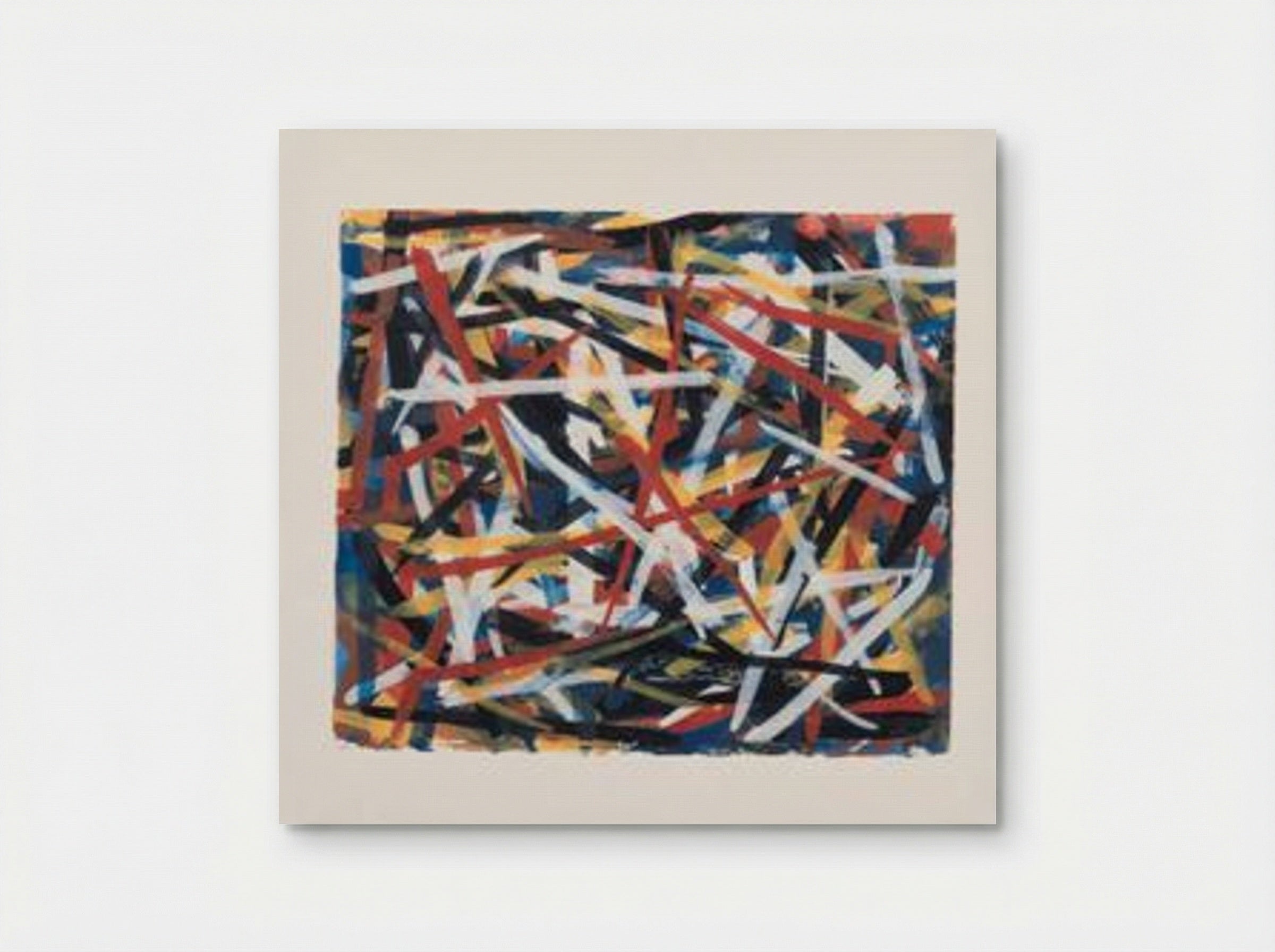 Coups de pinceau - Sol LeWitt
Print
Prix régulier À partir de £37.00 GBPPrix de vente À partir de £37.00 GBP Prix régulier -
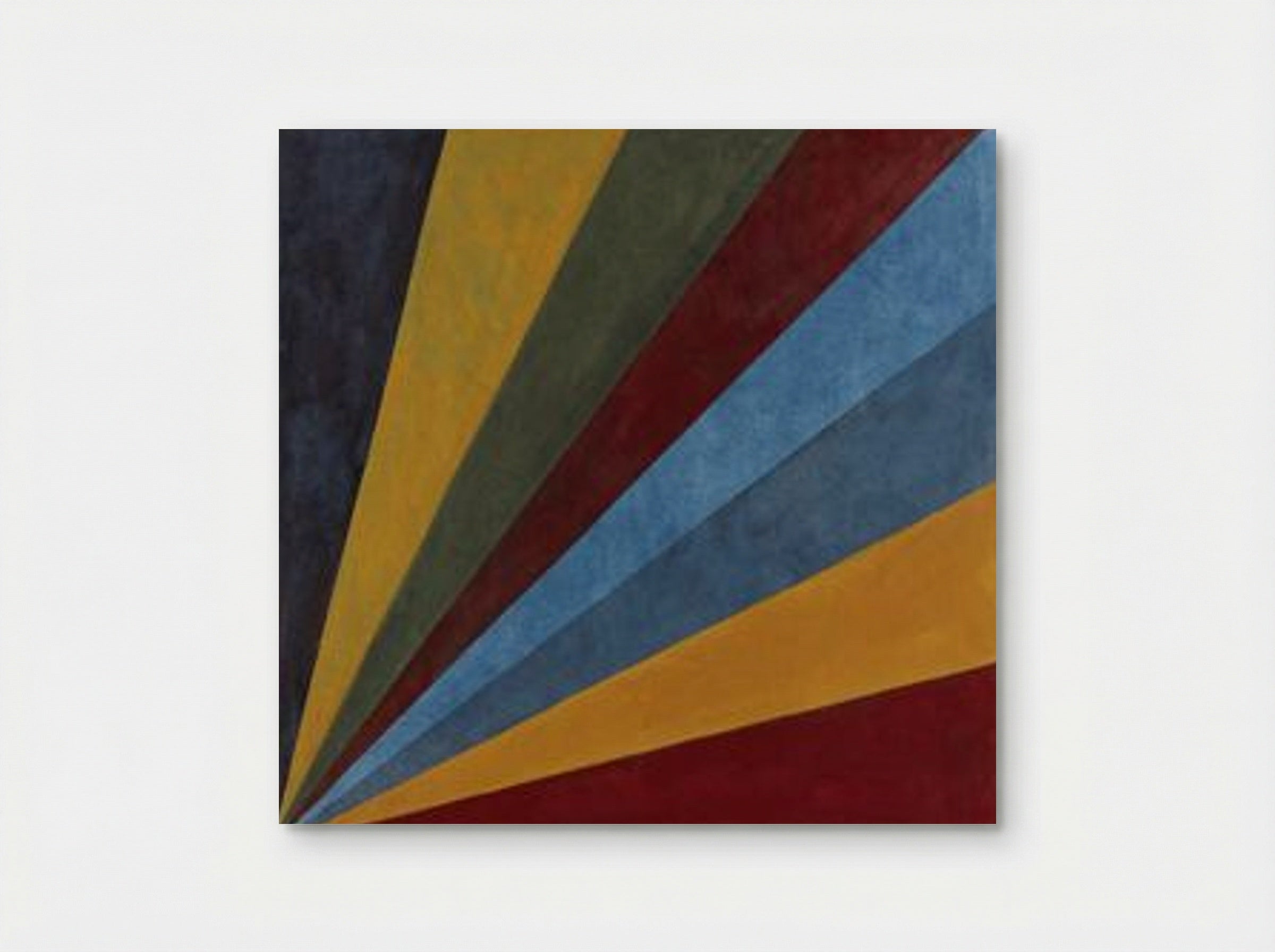 Couleurs depuis les coins - Sol LeWitt
Print
Prix régulier À partir de £37.00 GBPPrix de vente À partir de £37.00 GBP Prix régulier -
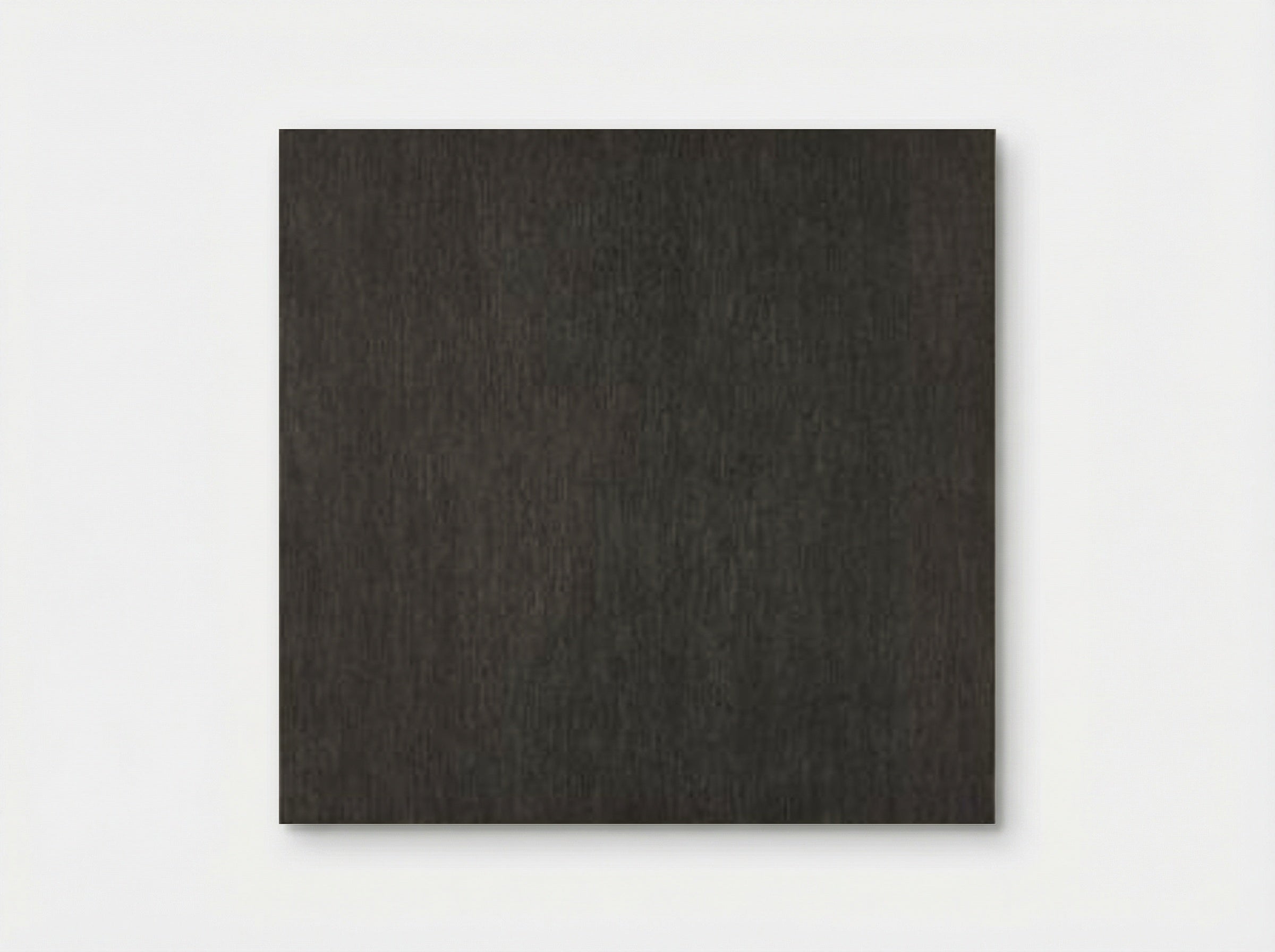 Noir avec lignes blanches, verticales ne se touchant pas - Sol LeWitt
Print
Prix régulier À partir de £37.00 GBPPrix de vente À partir de £37.00 GBP Prix régulier -
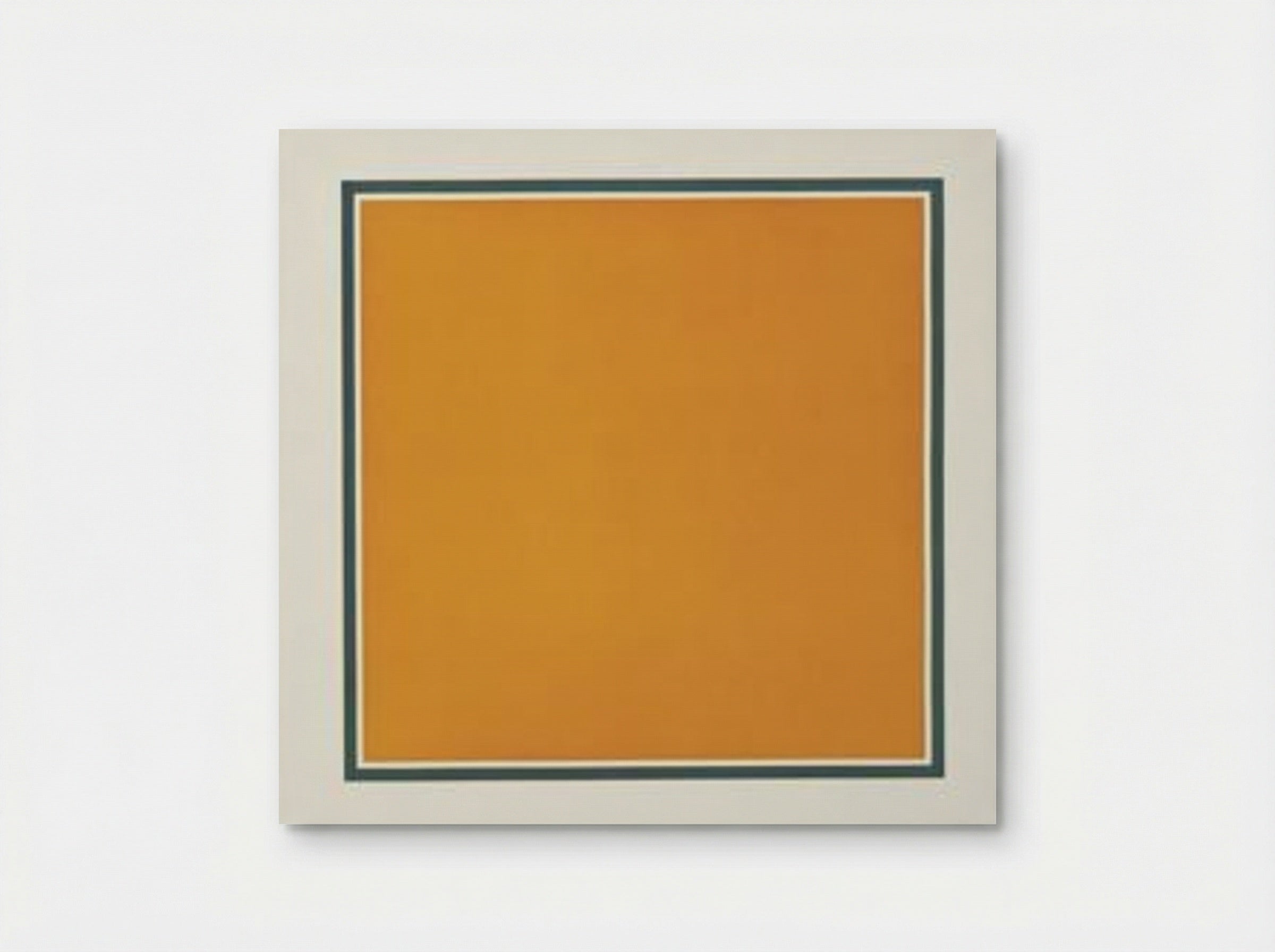 Un carré avec des couleurs superposées à l'intérieur d'une bordure - Sol LeWitt
Print
Prix régulier À partir de £37.00 GBPPrix de vente À partir de £37.00 GBP Prix régulier


Artist Biography
Sol Lewitt
LeWitt wrote a letter to the sculptor Eva Hesse in 1965 when she was paralysed by self-doubt. He told her to try to do some bad work. The worst you can think of and see what happens but mainly relax and let everything go to hell. Two days after Hesse's death in 1970, he created Wall Drawing 46 in her memory, using non-straight lines for the first time. The aesthetic shift was credited to her influence.
He was born in Hartford, Connecticut, in 1928, to Russian Jewish immigrant parents. His father died when he was six. He drew on wrapping paper from his aunt's shop and took art classes at the Wadsworth Atheneum. He served in the Korean War, then settled in New York.
From 1968, he created over a thousand numbered wall drawings. He conceived them as musical scores that anyone could execute: a set of written instructions, carried out by other people, with the physical drawing destroyed after each exhibition. The idea, he argued, was the machine that makes the art. The execution was secondary. He championed and financially supported women artists who were being sidelined by the male-dominated art world. He refused to participate in celebrity culture and remained deliberately private. He died in 2007.
Related Artists



Pourquoi nous choisir ?