

Sammlung
Archibald Thorburn
Entdecken Sie kuratierte Kunstdrucke, ausgewählt für individuelle Wohnräume und durchdachte Interieurs.
Vorgeschlagene Filter
-

 Brambling - Archibald Thorburn
Print · Framed
Regulärer Preis Ab £37.00 GBPAngebotspreis Ab £37.00 GBP Regulärer Preis -

 Pintail, Teal And Wigeon, On The Seashore - Archibald Thorburn
Print · Framed
Regulärer Preis Ab £28.00 GBPAngebotspreis Ab £28.00 GBP Regulärer Preis -

 Cock and Hen Pheasant at the Edge of a Wood - Archibald Thorburn
Print · Framed
Regulärer Preis Ab £28.00 GBPAngebotspreis Ab £28.00 GBP Regulärer Preis -

 Eine nepalesische Trauermahali auf einem Ast – Archibald Thorburn
Print · Framed · Canvas
Regulärer Preis Ab £28.00 GBPAngebotspreis Ab £28.00 GBP Regulärer Preis -

 Prachttaucher - Archibald Thorburn
Print · Framed · Canvas
Regulärer Preis Ab £28.00 GBPAngebotspreis Ab £28.00 GBP Regulärer Preis -

 Die Rebhühner in der Morgenfrühe - Archibald Thorburn
Print · Framed · Canvas
Regulärer Preis Ab £28.00 GBPAngebotspreis Ab £28.00 GBP Regulärer Preis -

 Eiderenten - Archibald Thorburn
Print · Framed · Canvas
Regulärer Preis Ab £28.00 GBPAngebotspreis Ab £28.00 GBP Regulärer Preis -

 Alpenschneehuhn auf der Suche nach Schutz – Archibald Thorburn
Print · Framed · Canvas
Regulärer Preis Ab £28.00 GBPAngebotspreis Ab £28.00 GBP Regulärer Preis -

 Europäischer Iltis, der einen Kaninchenkadaver gegen ein Mauswiesel verteidigt – Archibald Thorburn
Print · Framed · Canvas
Regulärer Preis Ab £28.00 GBPAngebotspreis Ab £28.00 GBP Regulärer Preis -
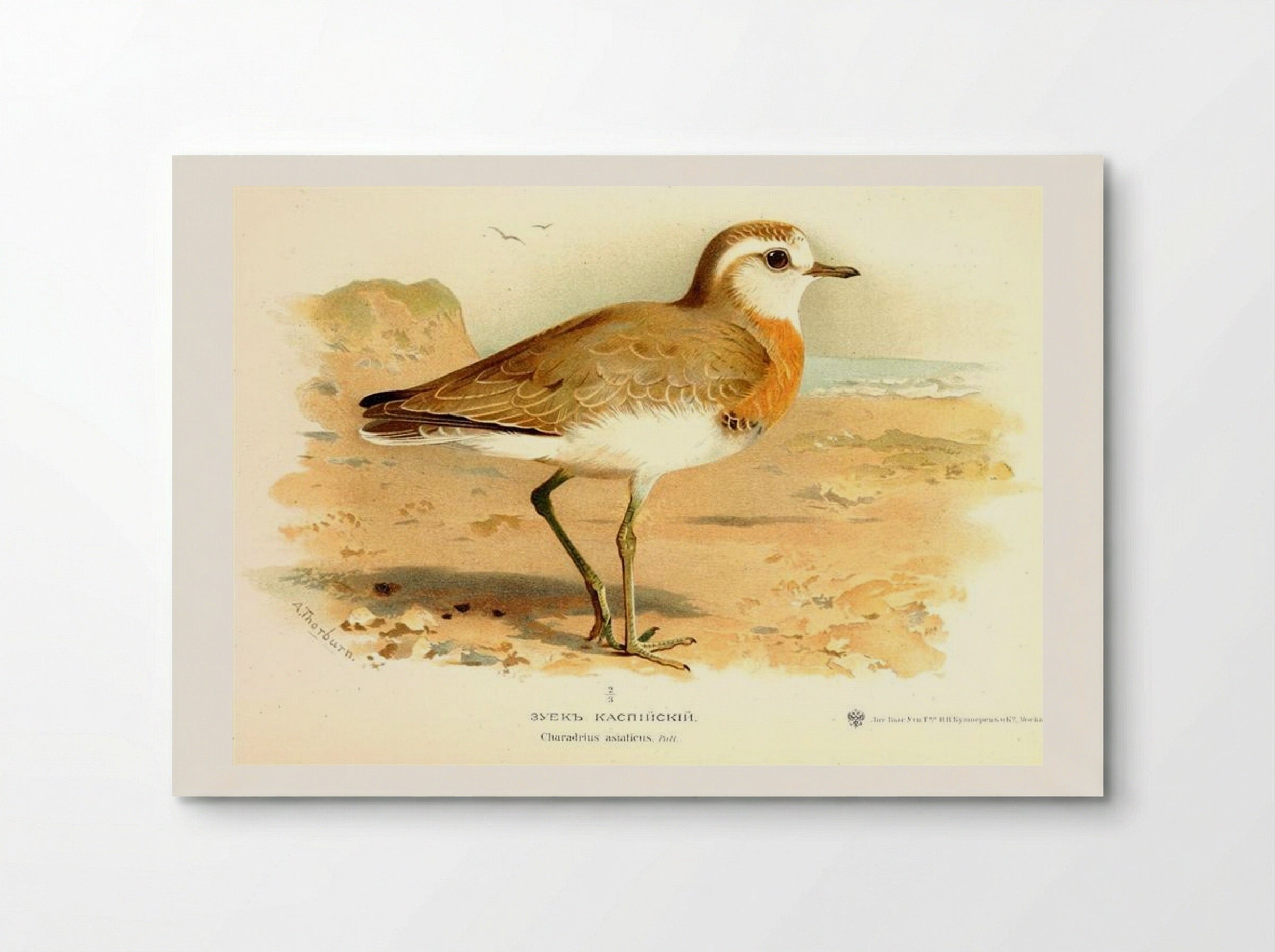
 Kaspischer Regenpfeifer - Archibald Thorburn
Print · Framed · Canvas
Regulärer Preis Ab £28.00 GBPAngebotspreis Ab £28.00 GBP Regulärer Preis -

 Ein nepalesischer Trauerhäherling auf einem Ast – Archibald Thorburn
Print · Framed · Canvas
Regulärer Preis Ab £28.00 GBPAngebotspreis Ab £28.00 GBP Regulärer Preis -
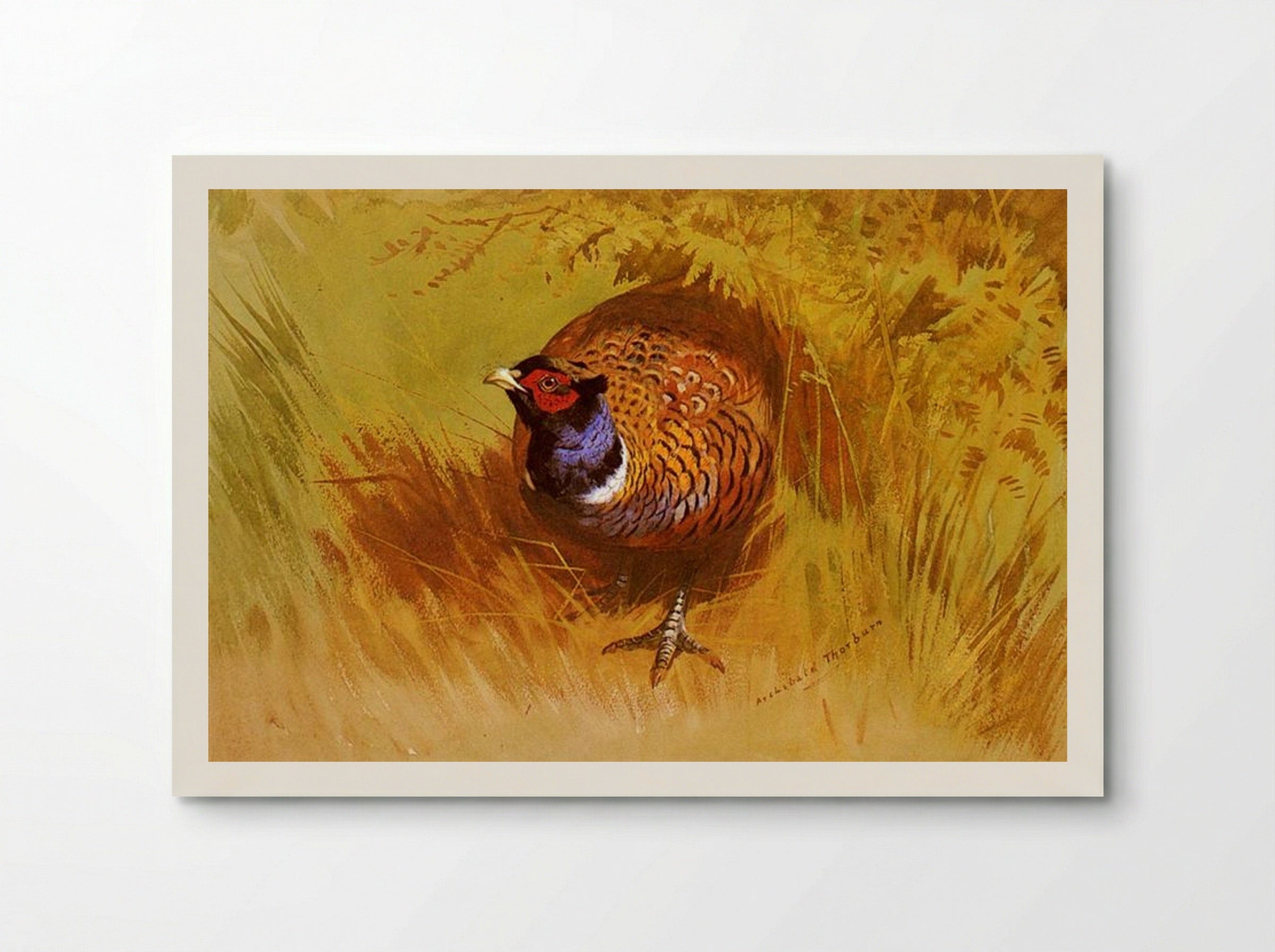
 Ein Fasanenhahn - Archibald Thorburn
Print · Framed · Canvas
Regulärer Preis Ab £28.00 GBPAngebotspreis Ab £28.00 GBP Regulärer Preis -
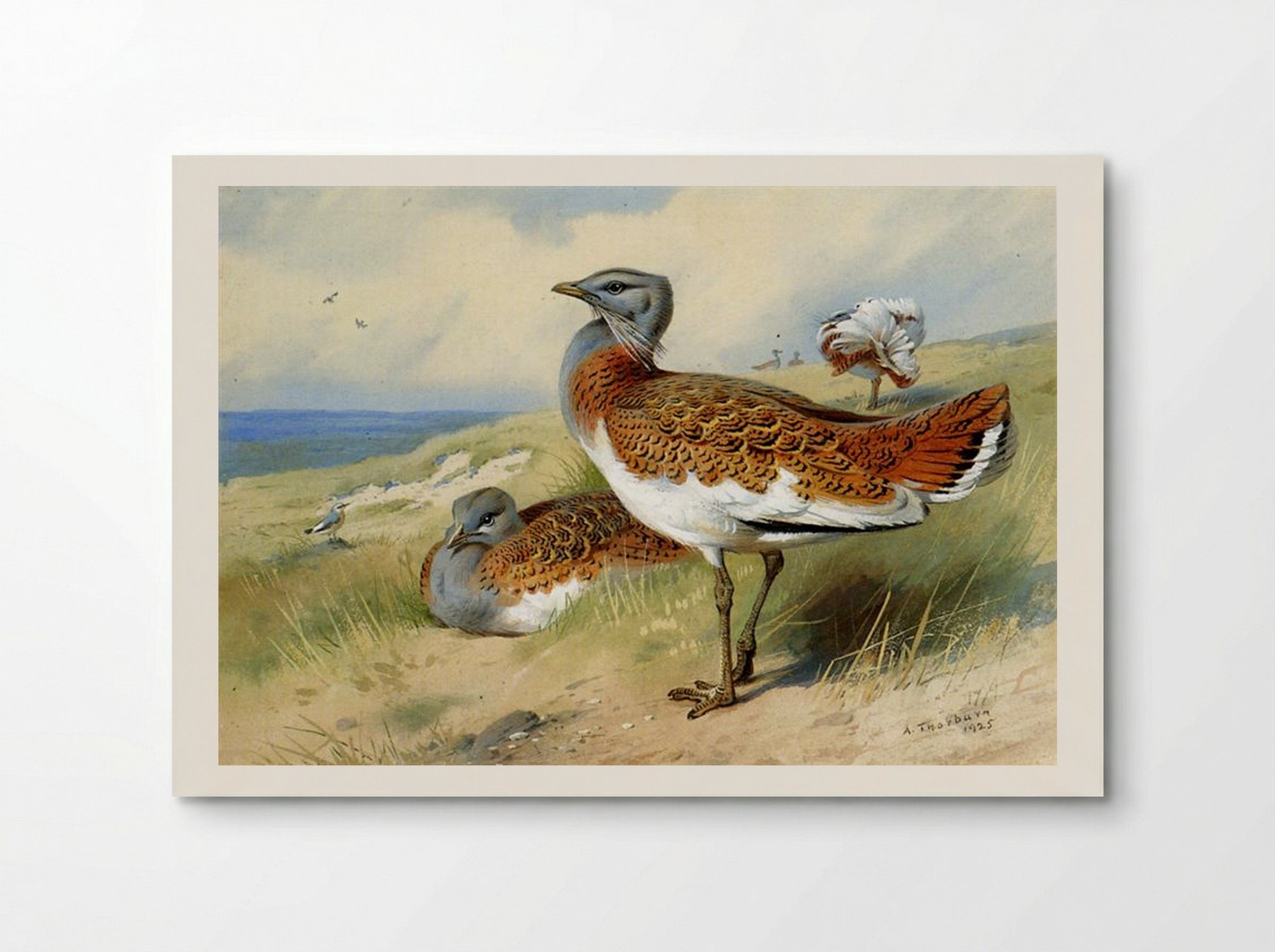
 Großtrappen - Archibald Thorburn
Print · Framed · Canvas
Regulärer Preis Ab £28.00 GBPAngebotspreis Ab £28.00 GBP Regulärer Preis -
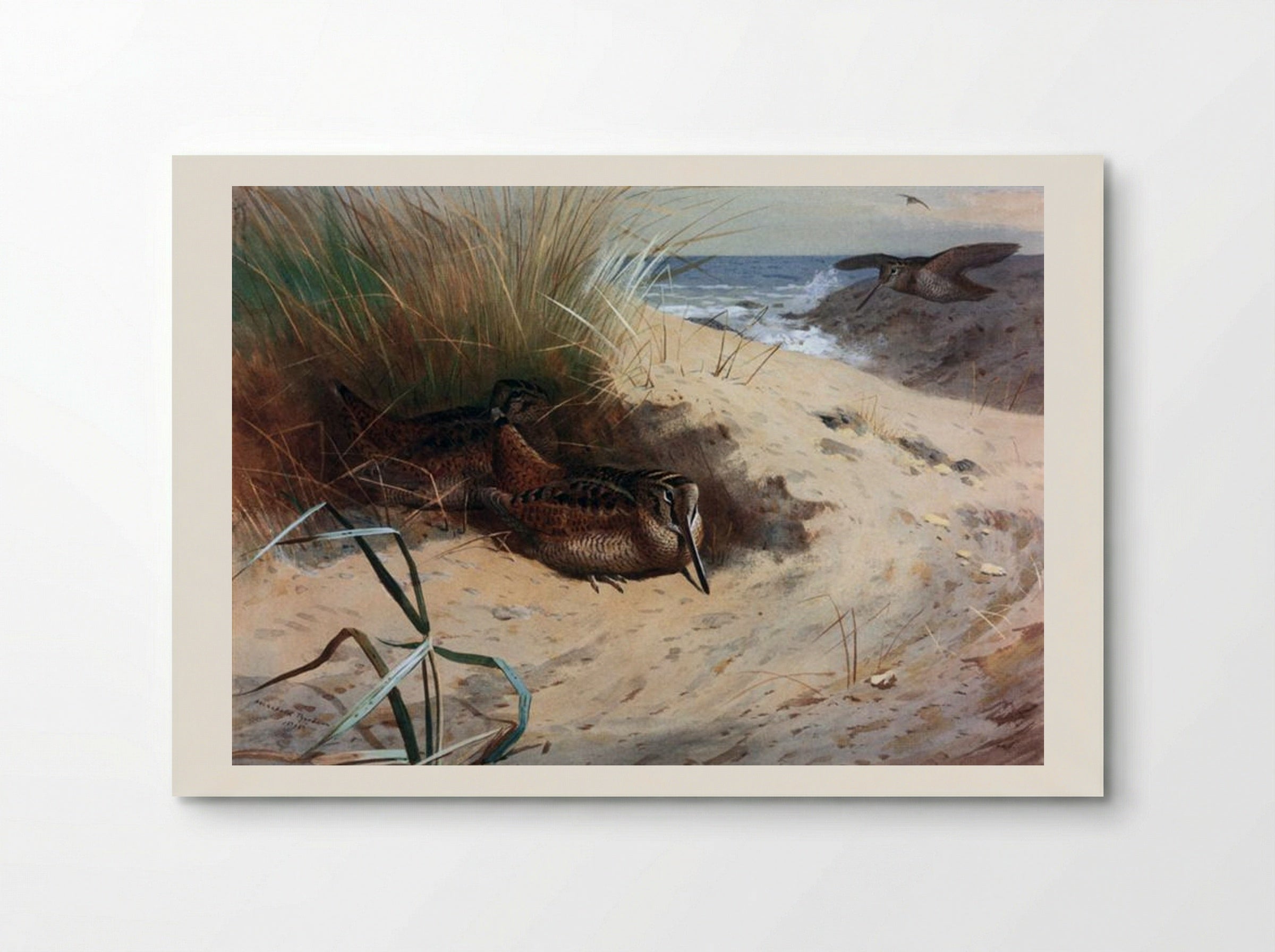
 Waldschnepfe in den Dünen - Archibald Thorburn
Print · Framed · Canvas
Regulärer Preis Ab £28.00 GBPAngebotspreis Ab £28.00 GBP Regulärer Preis -

 Elstern - Archibald Thorburn
Print · Framed · Canvas
Regulärer Preis Ab £28.00 GBPAngebotspreis Ab £28.00 GBP Regulärer Preis -
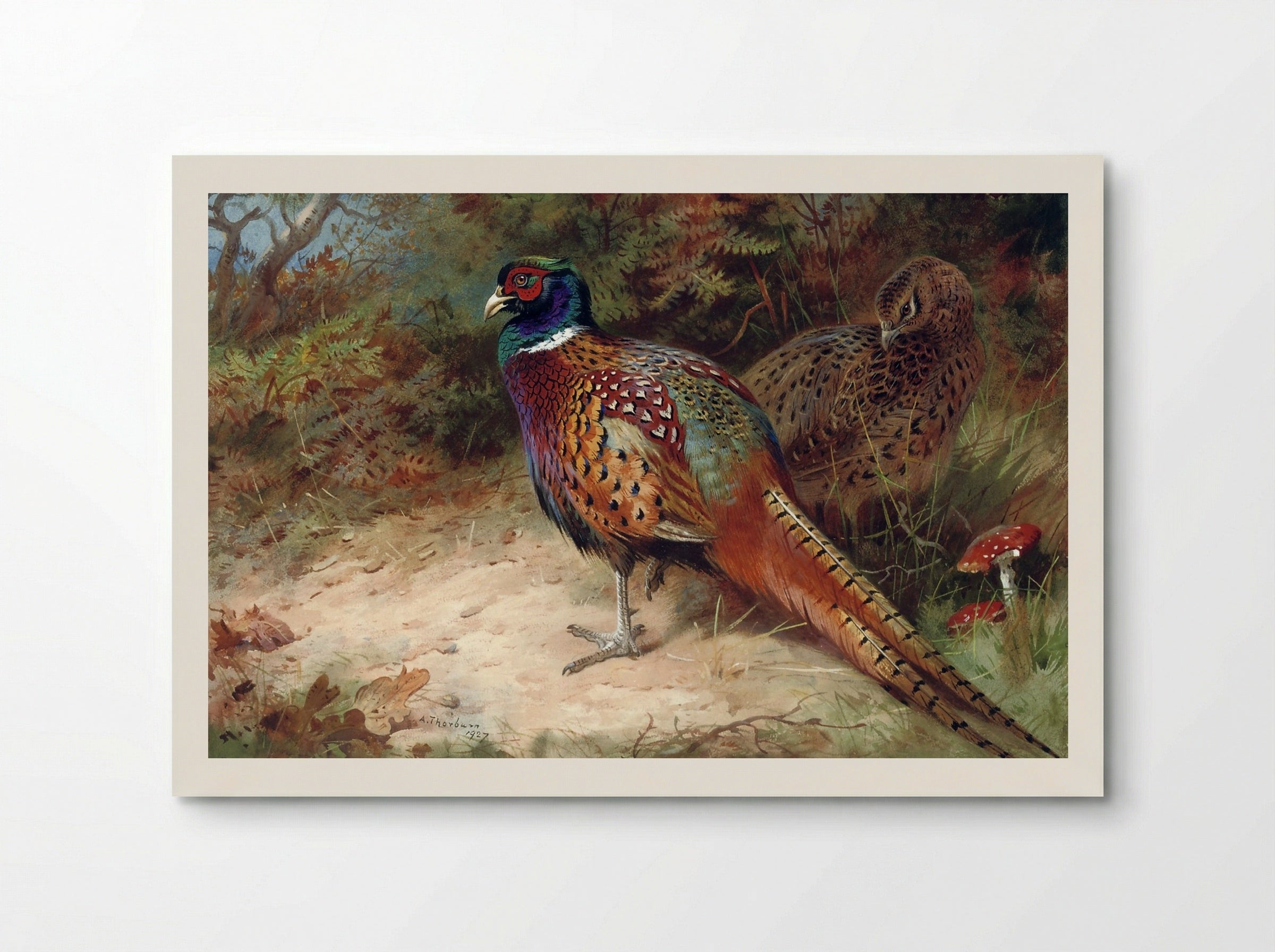 Fasanenhahn und Fasanenhenne im Unterholz – Archibald Thorburn
Print
Regulärer Preis Ab £28.00 GBPAngebotspreis Ab £28.00 GBP Regulärer Preis -
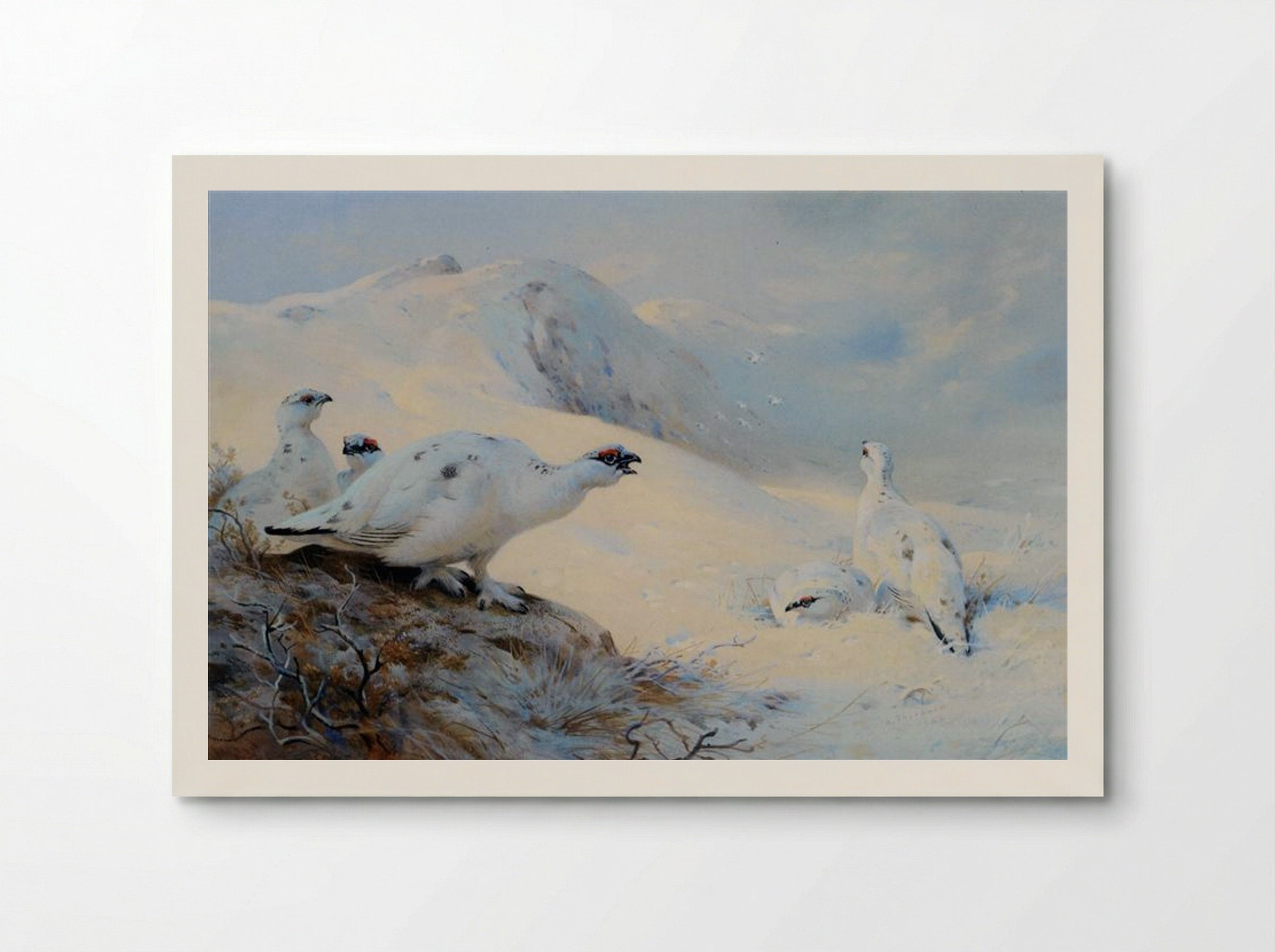 Alpenschneehuhn im Schnee – Archibald Thorburn
Print
Regulärer Preis Ab £28.00 GBPAngebotspreis Ab £28.00 GBP Regulärer Preis -
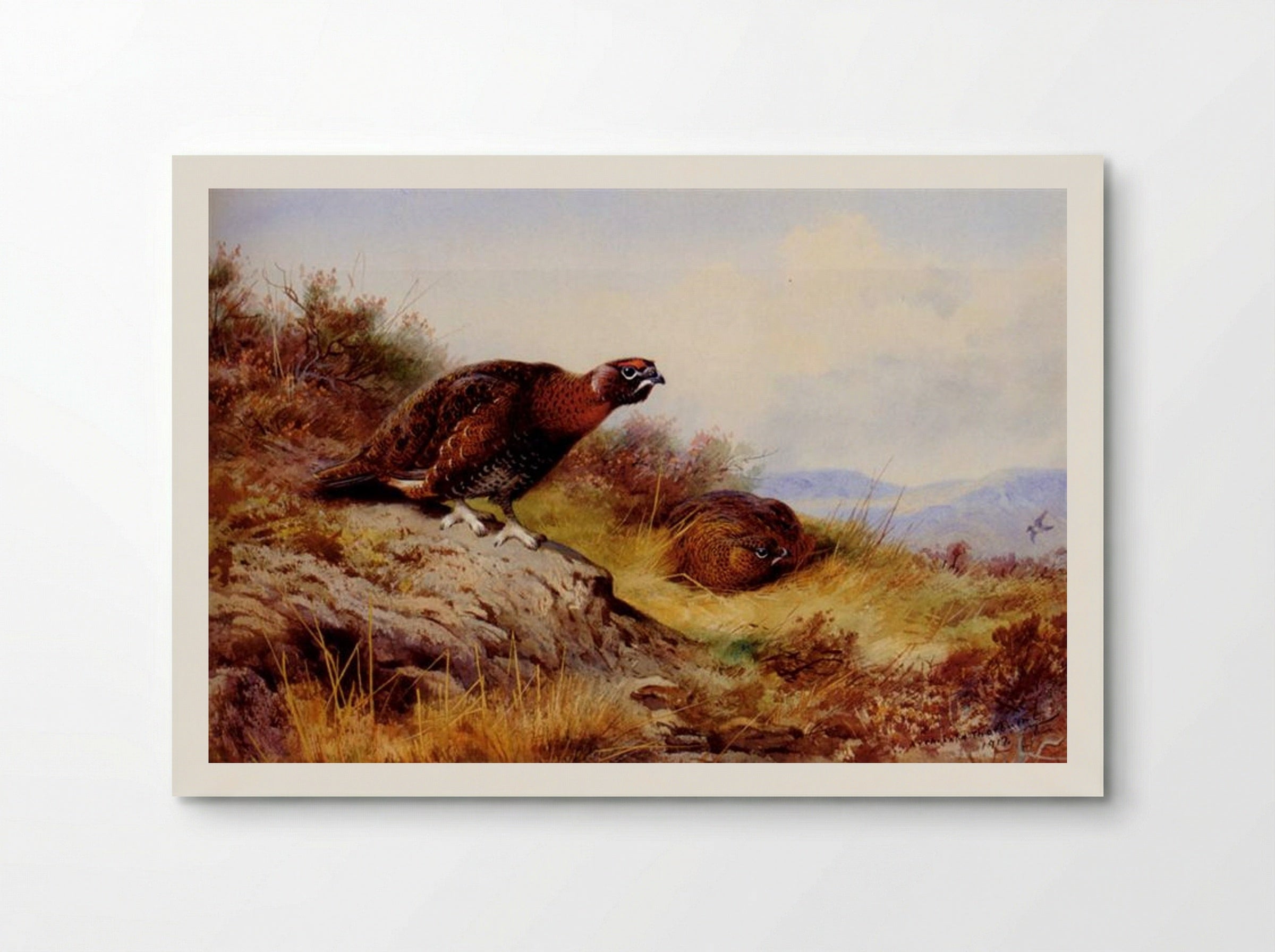 Moorschneehuhn auf der Heide – Archibald Thorburn
Print
Regulärer Preis Ab £28.00 GBPAngebotspreis Ab £28.00 GBP Regulärer Preis -
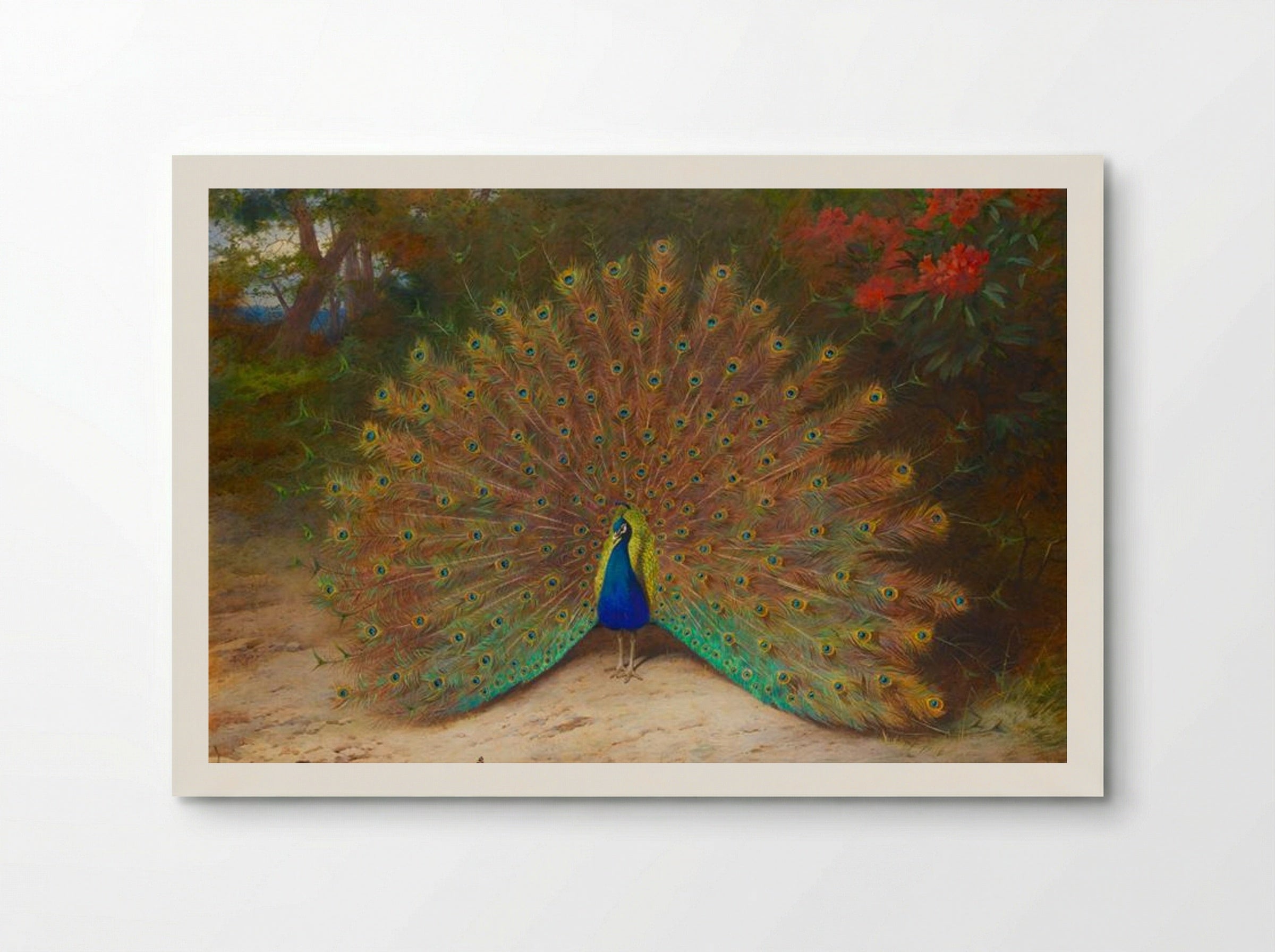 Pfau und Tagpfauenauge – Archibald Thorburn
Print
Regulärer Preis Ab £28.00 GBPAngebotspreis Ab £28.00 GBP Regulärer Preis -
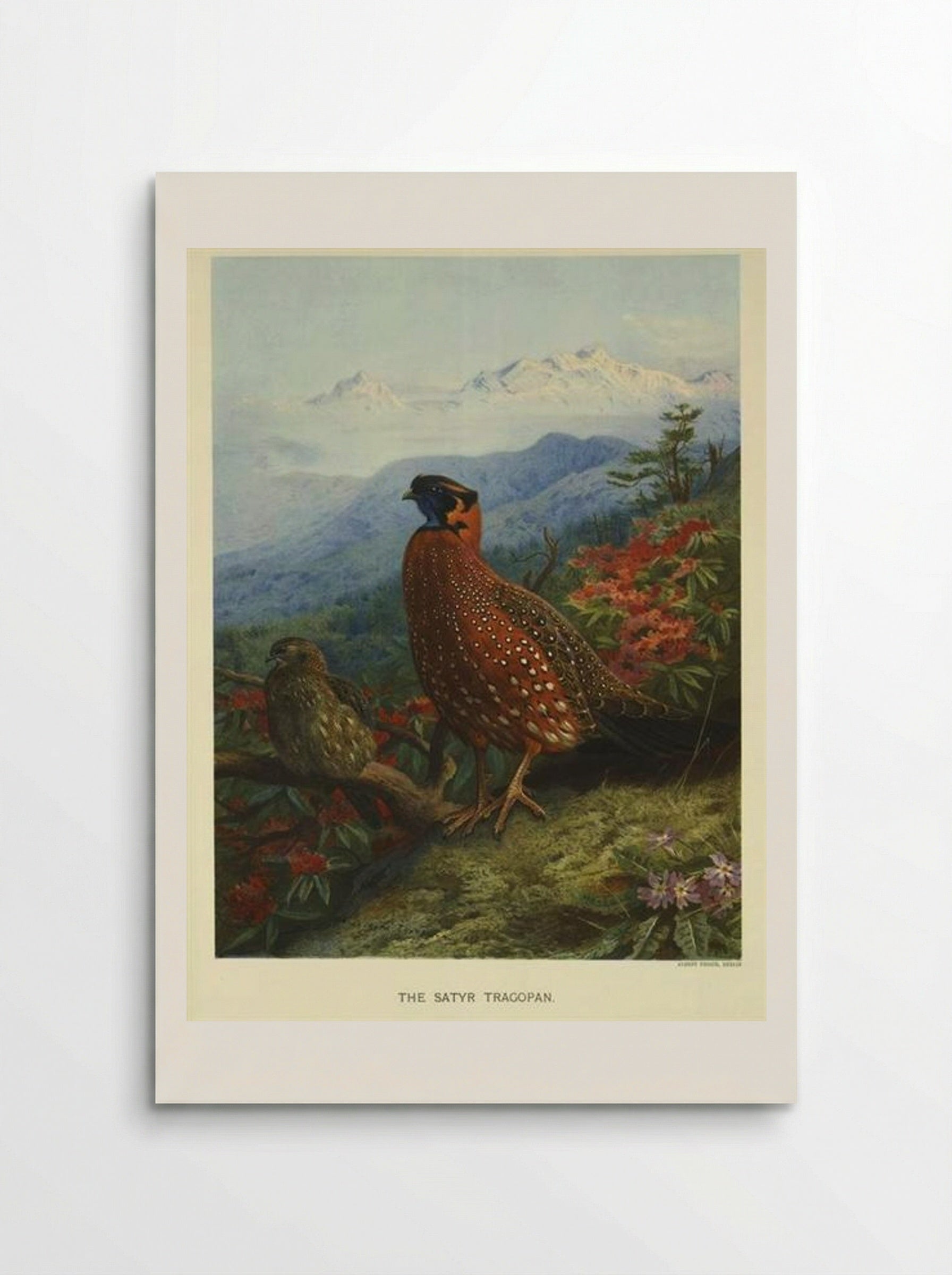 Satyrtragopan - Archibald Thorburn
Print
Regulärer Preis Ab £28.00 GBPAngebotspreis Ab £28.00 GBP Regulärer Preis -
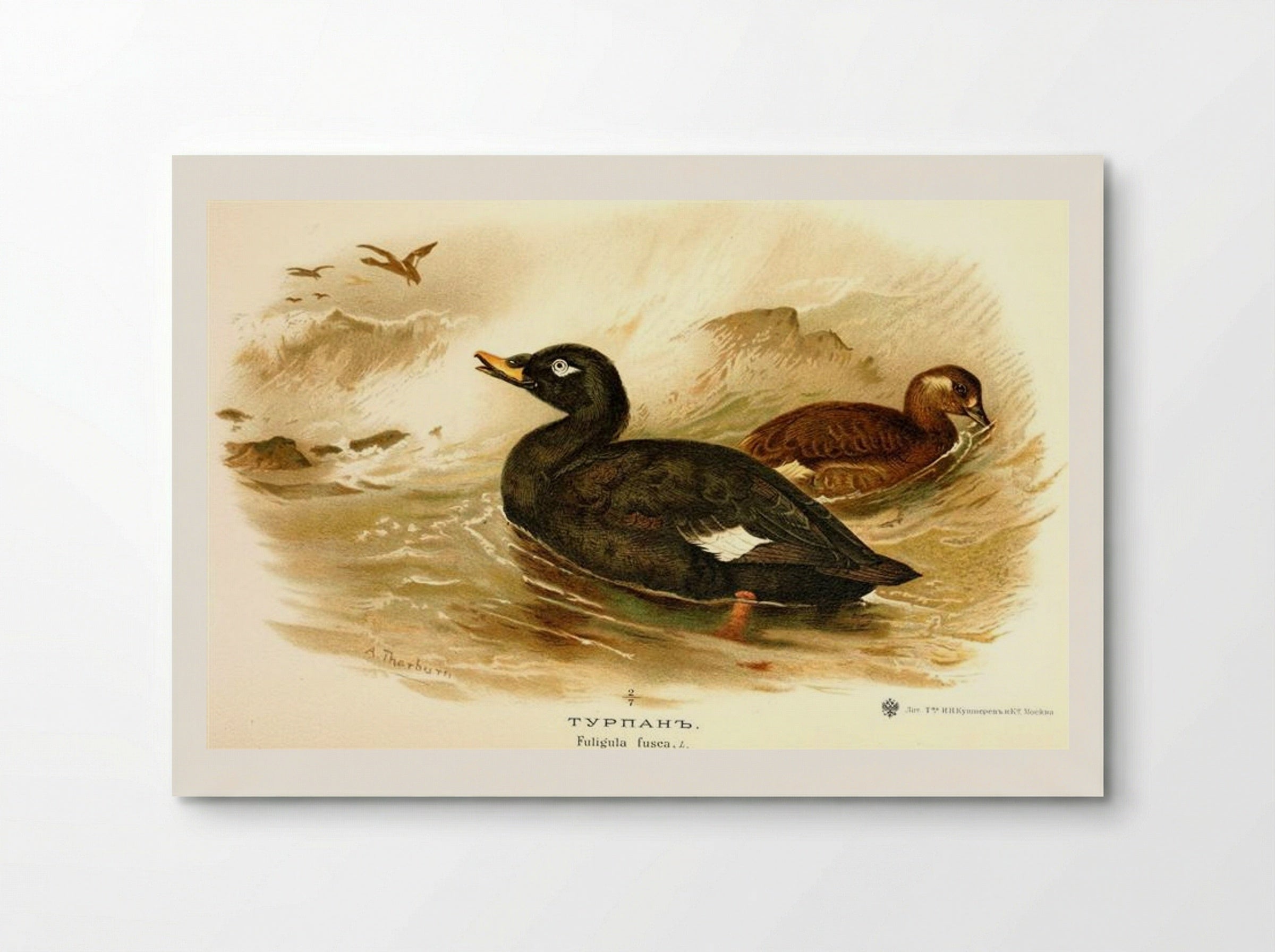 Samtente - Archibald Thorburn
Print
Regulärer Preis Ab £28.00 GBPAngebotspreis Ab £28.00 GBP Regulärer Preis -
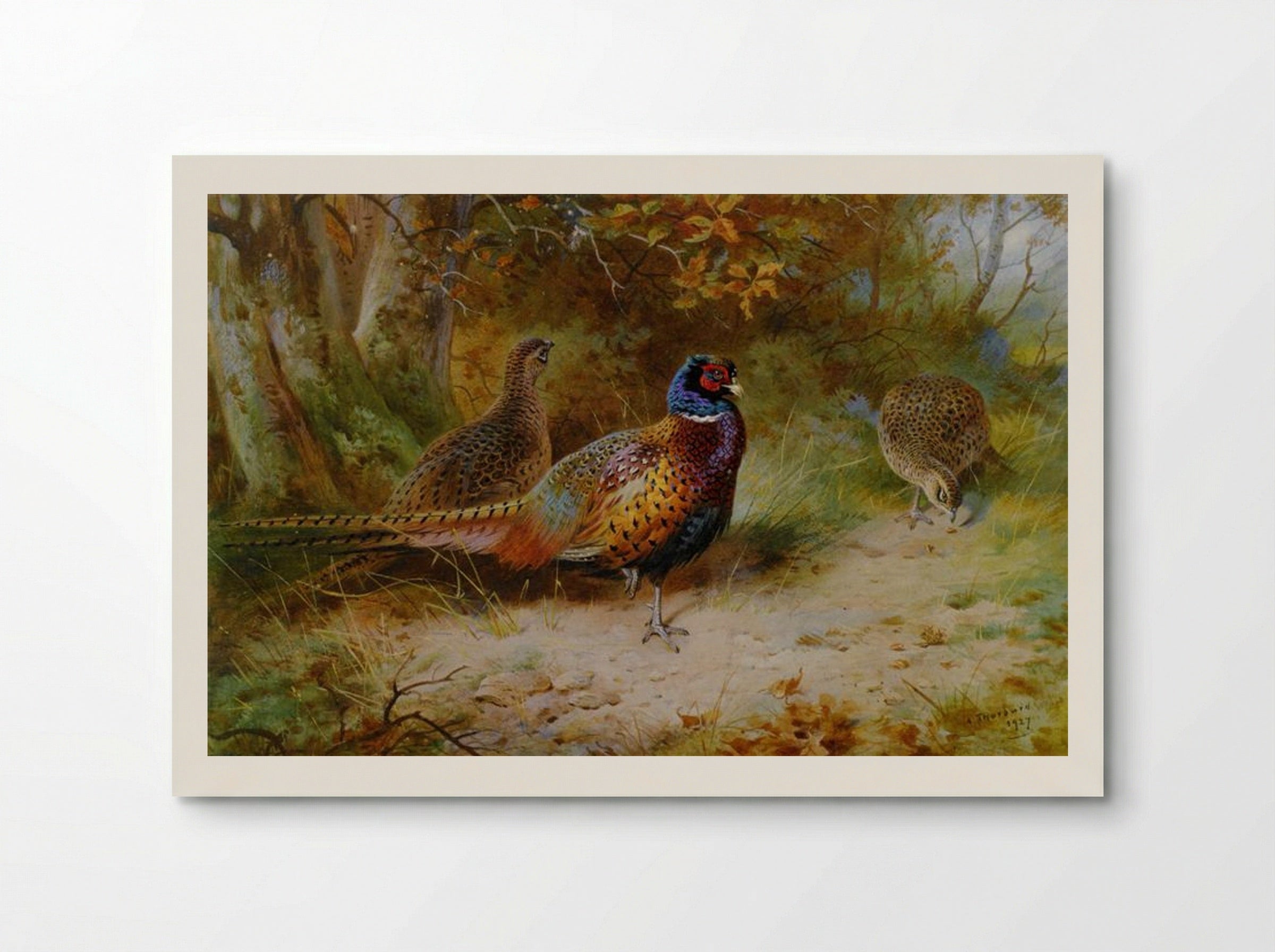 Herbstversteck - Archibald Thorburn
Print
Regulärer Preis Ab £28.00 GBPAngebotspreis Ab £28.00 GBP Regulärer Preis -
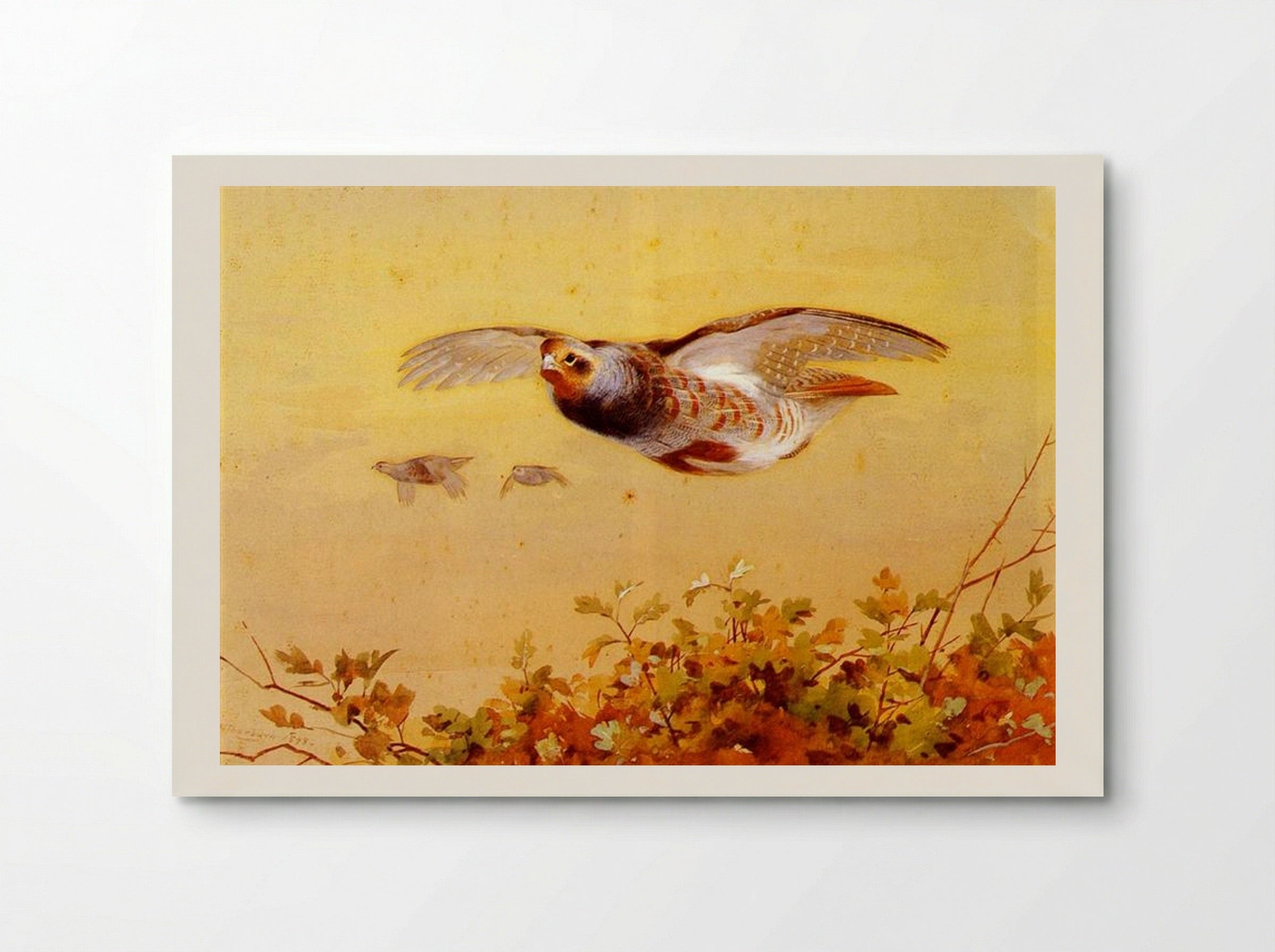 Englisches Rebhuhn im Flug - Archibald Thorburn
Print
Regulärer Preis Ab £28.00 GBPAngebotspreis Ab £28.00 GBP Regulärer Preis -
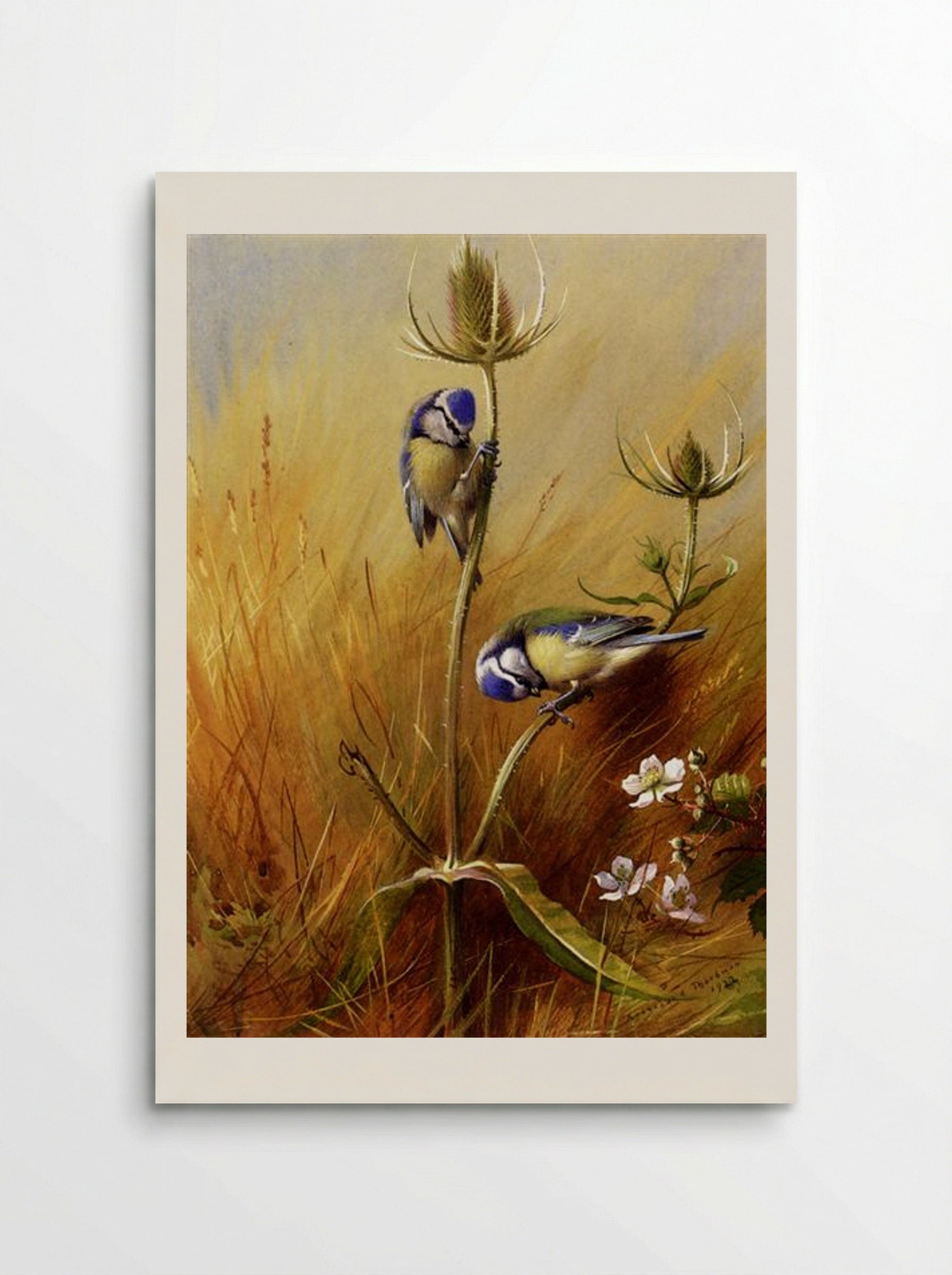 Blaumeisen an einer Karde - Archibald Thorburn
Print
Regulärer Preis Ab £28.00 GBPAngebotspreis Ab £28.00 GBP Regulärer Preis


Artist Biography
Archibald Thorburn
Thorburn's father was Robert Thorburn, Queen Victoria's favourite miniature painter. The elder Thorburn was exacting: he tore up his son's weaker sketches. Archibald learned early that accuracy was not optional.
He began as a sportsman, attending shooting parties at Sandringham and sketching the birds he helped kill. Sometime before the turn of the century he wounded a hare and heard it scream. He hung up his gun permanently and spent the rest of his career painting the wildlife he had previously hunted. The shift from sportsman to conservationist is the central event of his life, though he rarely discussed it publicly.
He worked almost exclusively in watercolour, deeming oils too heavy and lifeless for the task of rendering a bird in its habitat. He enhanced his watercolours with tempera and Chinese white, achieving a luminosity that made the feathers glow. Each painting is a field study: the bird is anatomically correct, the vegetation is botanically identifiable, and the light belongs to a specific time of day in a specific season. His favourite haunt was the Forest of Gaick near Kingussie in the Scottish Highlands, where he first saw ptarmigan in 1883.
In his last years he refused electric lighting in his studio, preferring natural light and candles. He illustrated several editions of Swaysland's Familiar Wild Birds, produced Christmas cards that sold in enormous quantities, and became the most commercially successful wildlife painter in British history.
He taught Otto Murray Dixon and Philip Rickman, and when the young Donald Watson visited him in Dumfries and Galloway, Thorburn encouraged him to continue. The tradition of British bird painting runs through his studio.
He began as a sportsman, attending shooting parties at Sandringham and sketching the birds he helped kill. Sometime before the turn of the century he wounded a hare and heard it scream. He hung up his gun permanently and spent the rest of his career painting the wildlife he had previously hunted. The shift from sportsman to conservationist is the central event of his life, though he rarely discussed it publicly.
He worked almost exclusively in watercolour, deeming oils too heavy and lifeless for the task of rendering a bird in its habitat. He enhanced his watercolours with tempera and Chinese white, achieving a luminosity that made the feathers glow. Each painting is a field study: the bird is anatomically correct, the vegetation is botanically identifiable, and the light belongs to a specific time of day in a specific season. His favourite haunt was the Forest of Gaick near Kingussie in the Scottish Highlands, where he first saw ptarmigan in 1883.
In his last years he refused electric lighting in his studio, preferring natural light and candles. He illustrated several editions of Swaysland's Familiar Wild Birds, produced Christmas cards that sold in enormous quantities, and became the most commercially successful wildlife painter in British history.
He taught Otto Murray Dixon and Philip Rickman, and when the young Donald Watson visited him in Dumfries and Galloway, Thorburn encouraged him to continue. The tradition of British bird painting runs through his studio.
Related Artists


Warum uns wählen?