


Die Atlas Kollektion
Reiseplakate
Für Orte, die es wert sind, sich an sie zu erinnern. Moderne Drucke, inspiriert von Lieblingsküsten, -städten und -wahrzeichen.
Regelmäßig neue Reiseziele
Poster von Ihren Lieblingsorten


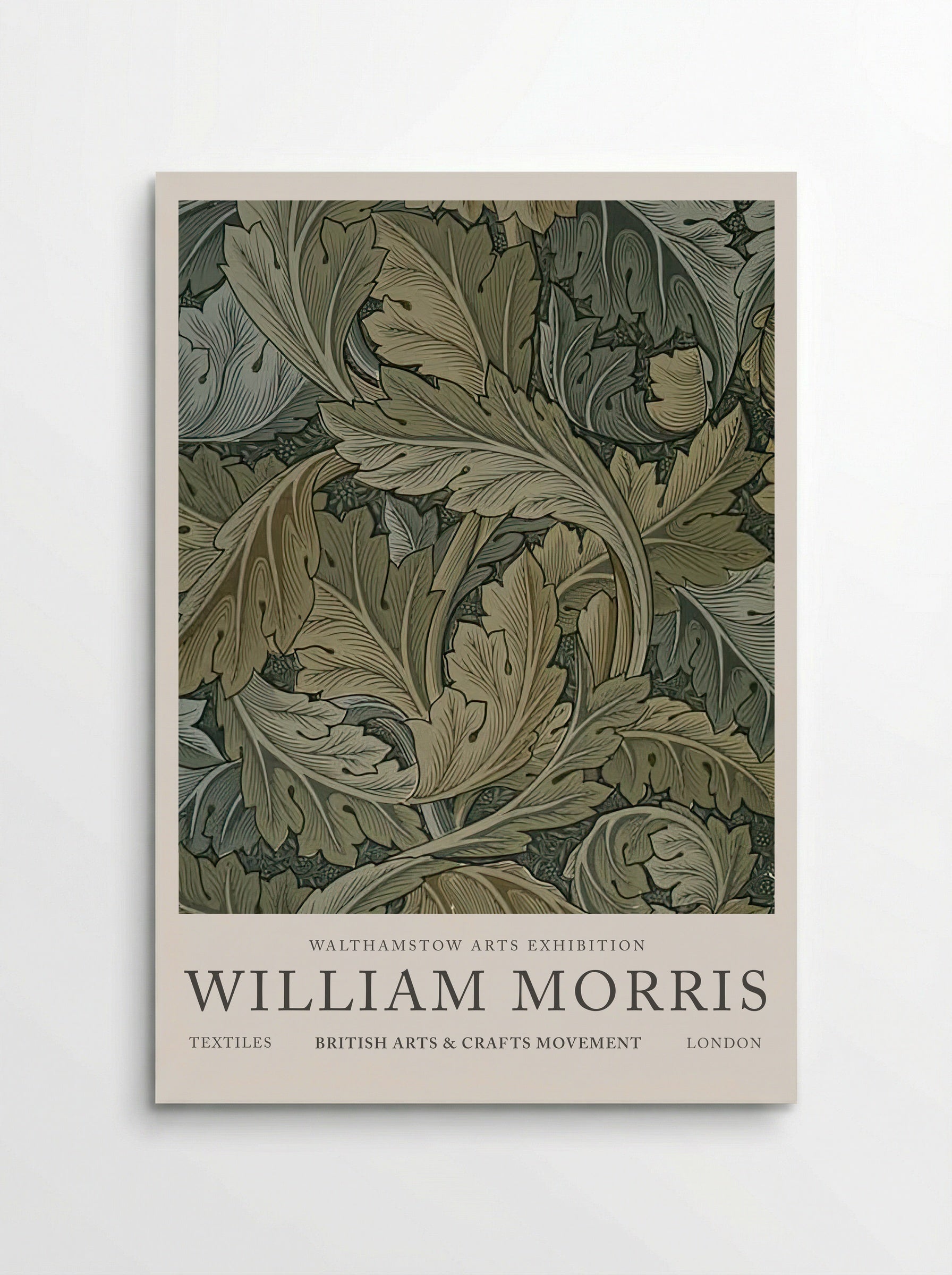
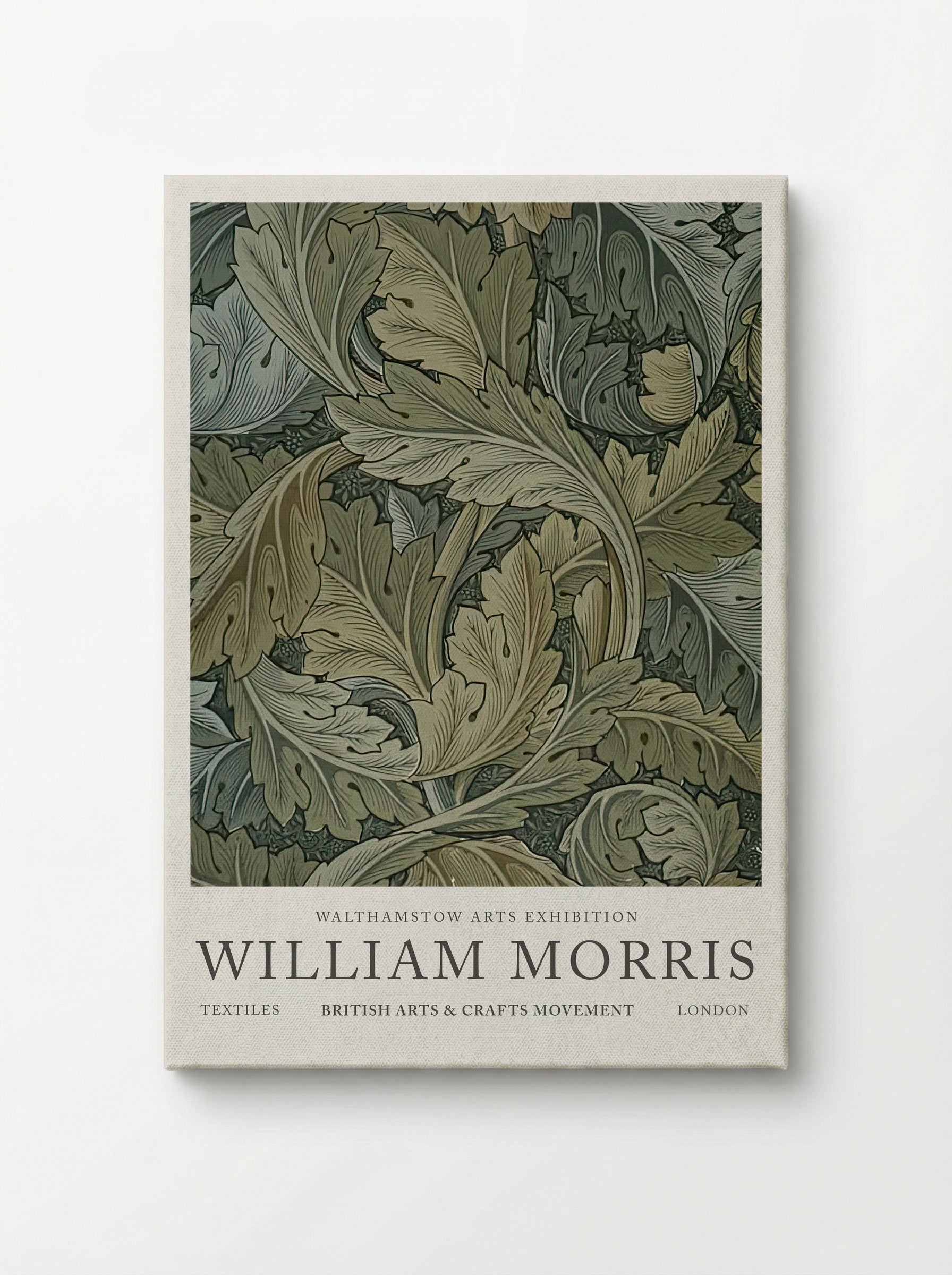


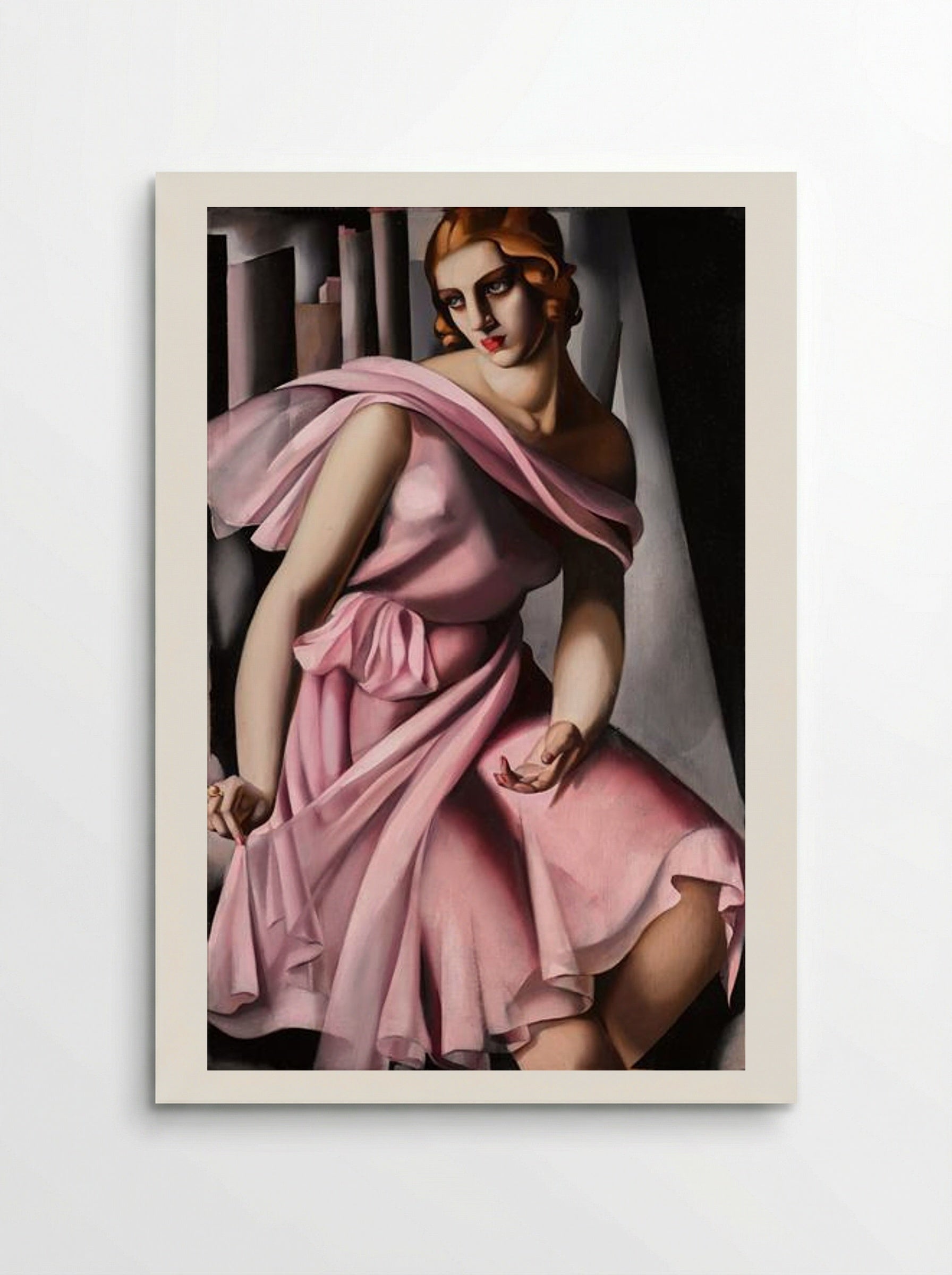
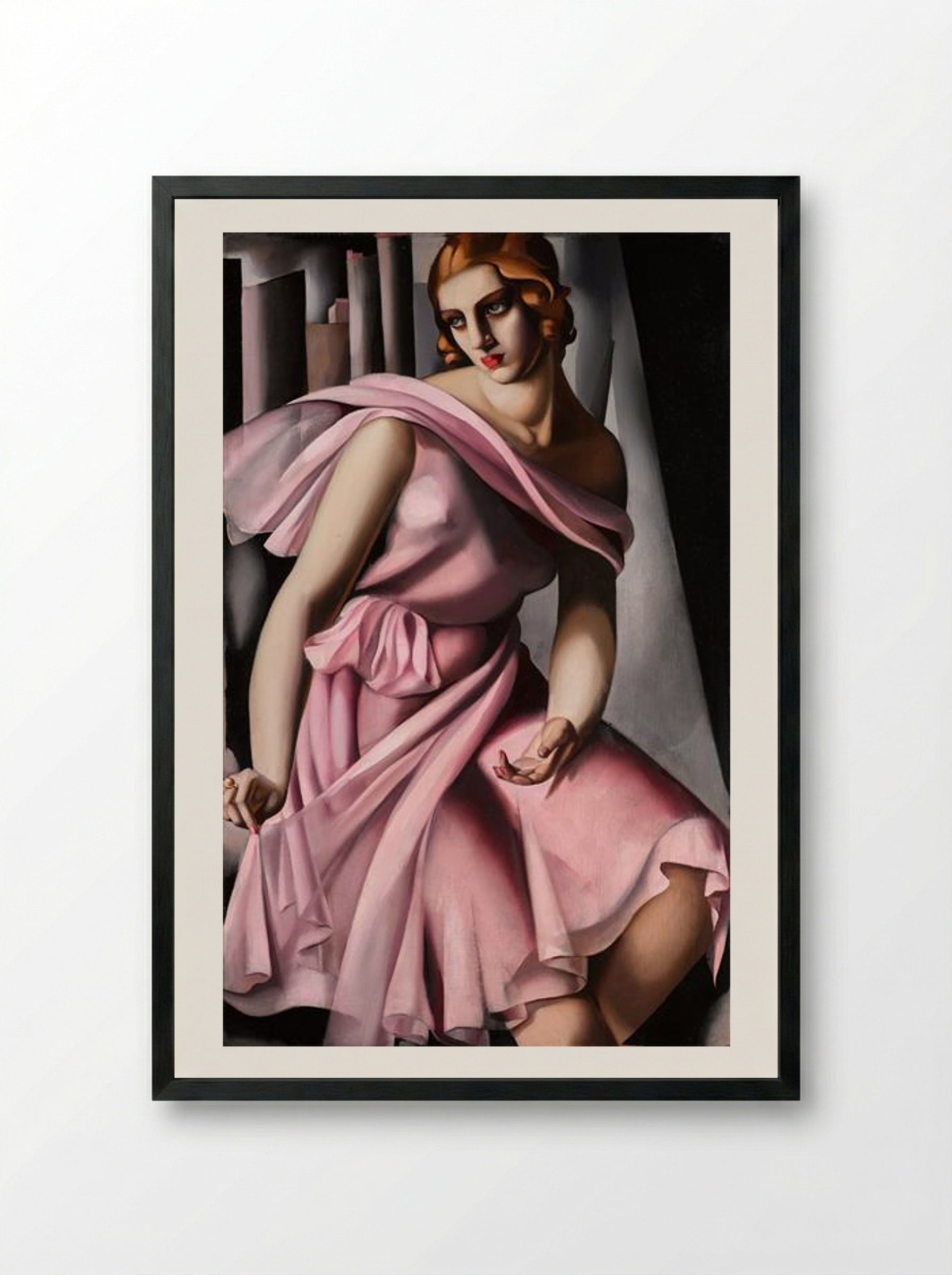
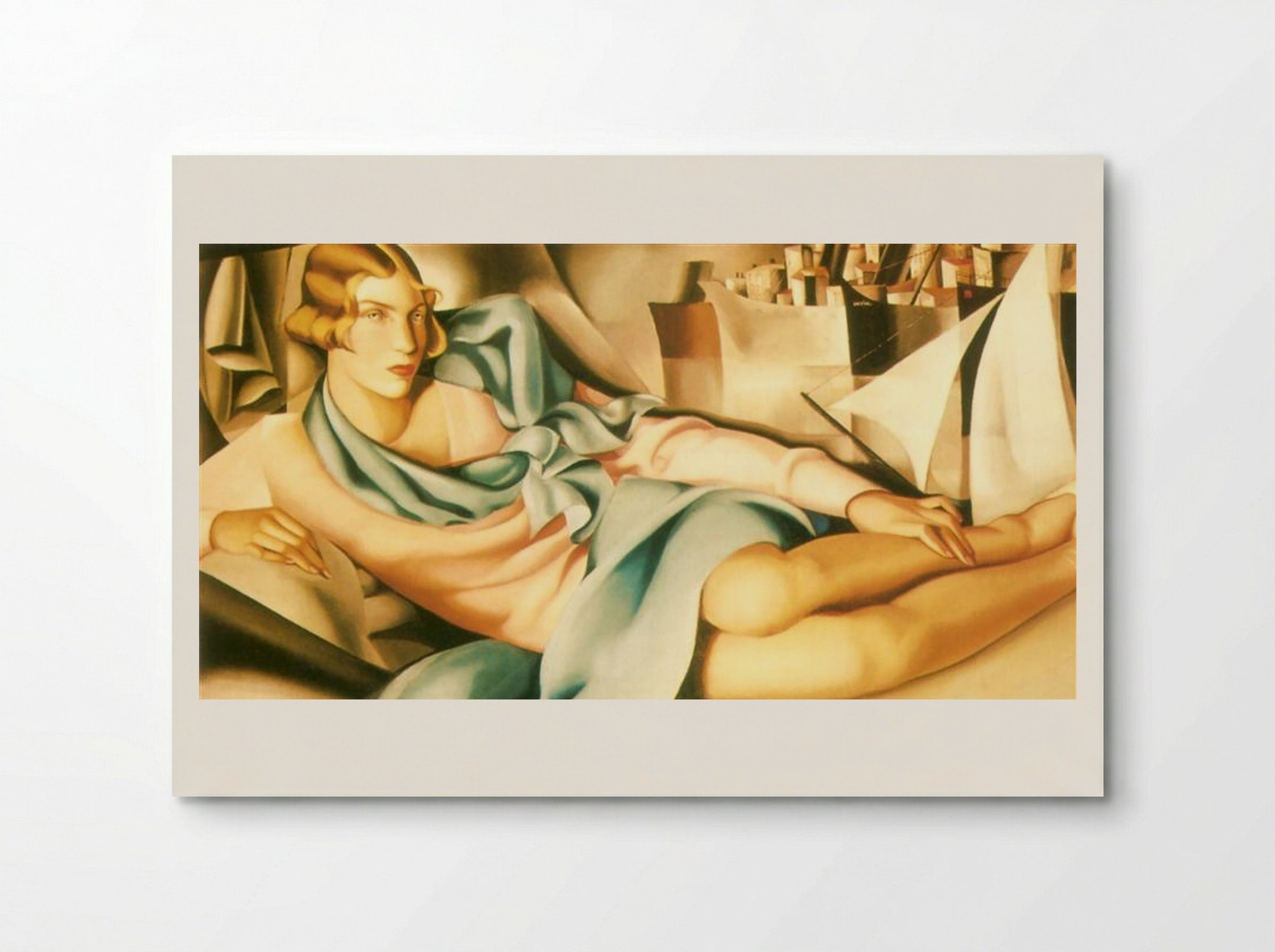

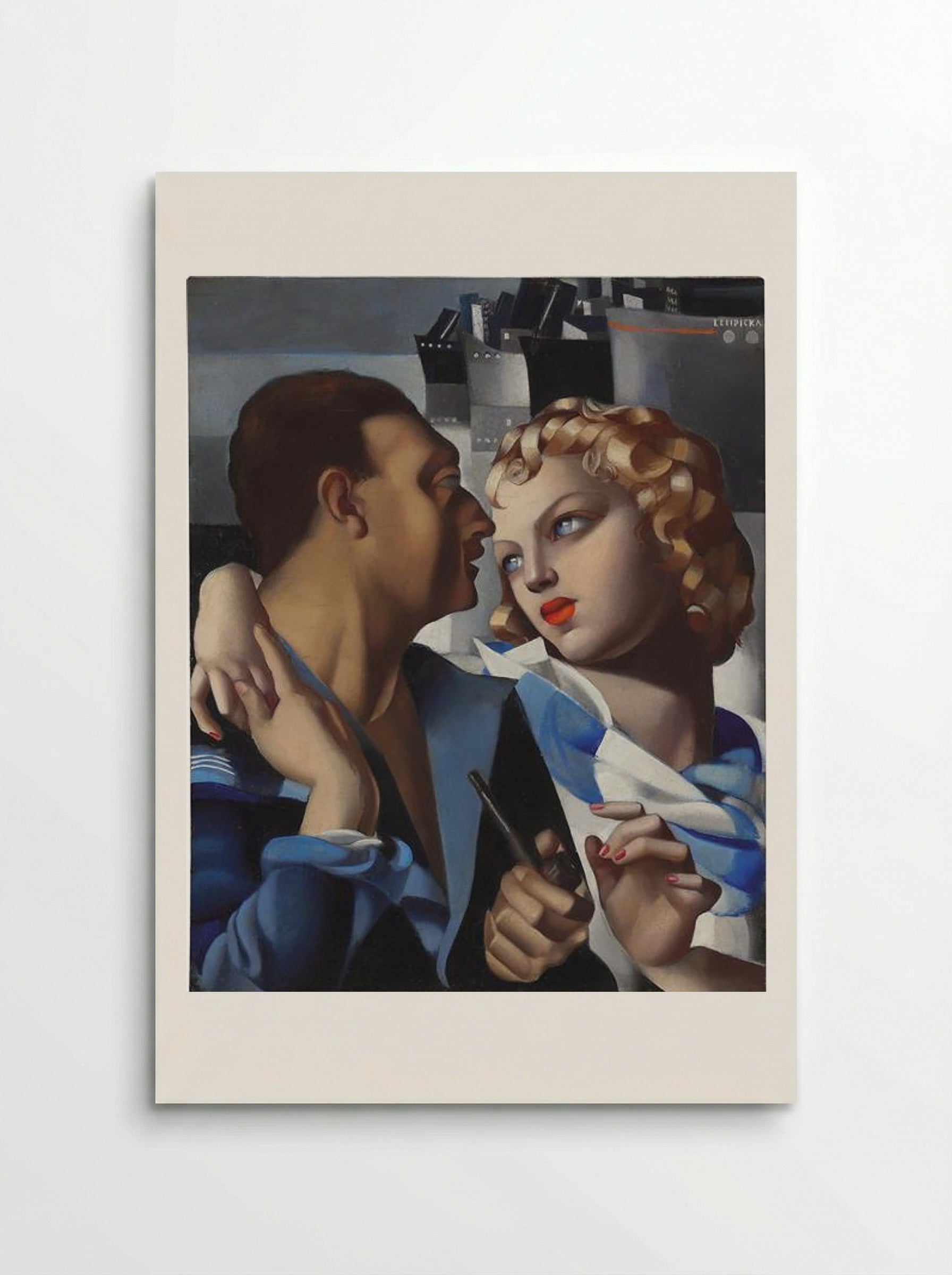
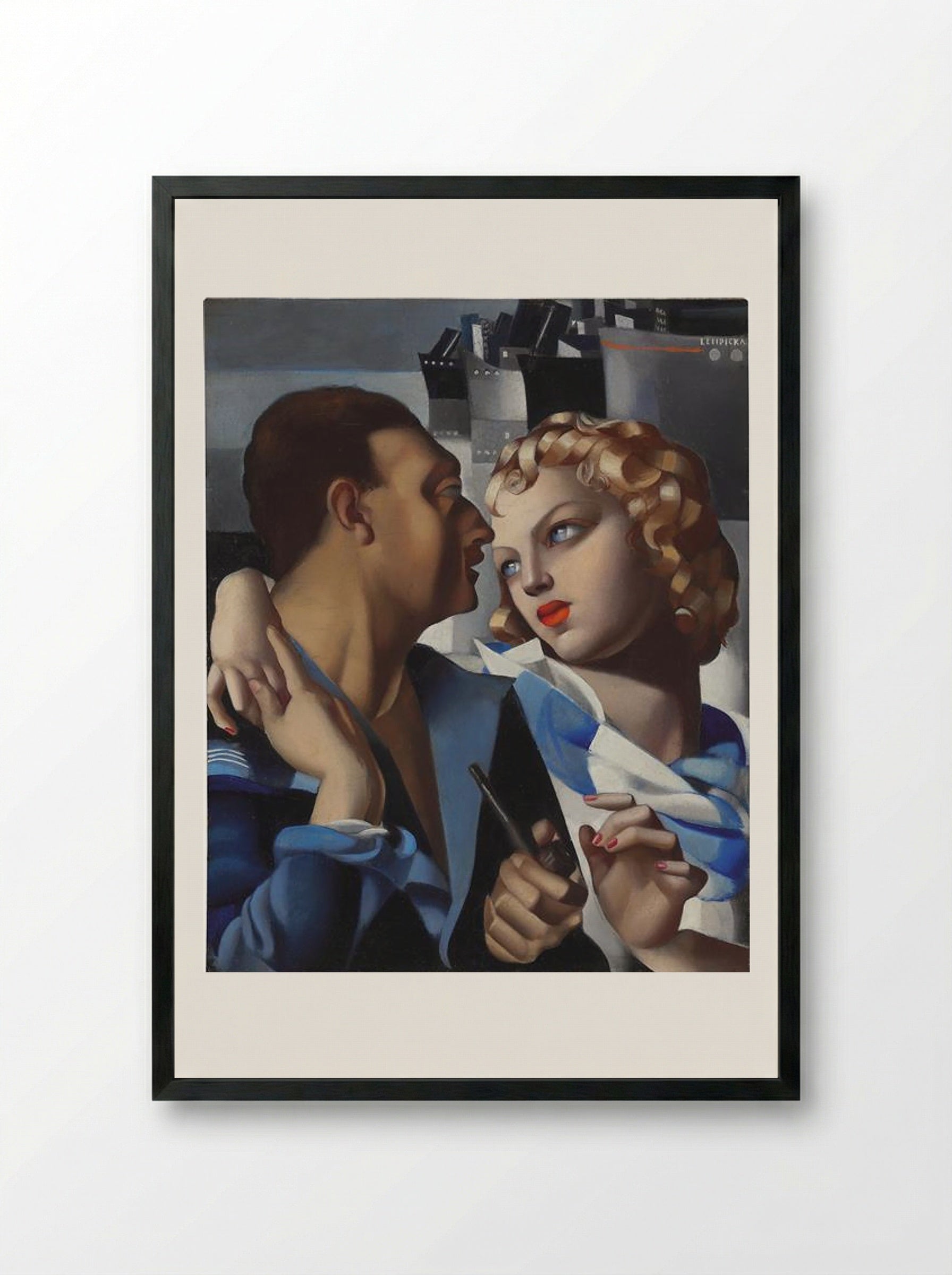


Über 320 kuratierte Künstler
Alle Künstler durchsuchen


Von Künstlern kuratiert
Kunstdrucke in Museumsqualität
Für die Ewigkeit gemacht
Für den Innenbereich entwickelt
Gestalten Sie es nach Ihrem Geschmack
Populäre Drucke, gerahmt oder auf Leinwand erhältlich


![Green and Maroon - Mark Rothko - Poster [HQ 3c667201b8de]](http://www.solisprints.co.uk/cdn/shop/files/Rothko-Poster-none-fe6a126ae048.jpg?v=1791244683&width=3840)

Zeitlose Kunst für stilvoll gestaltete Heime
Warum uns wählen?
Das sagen unsere Kunden
Über 5000
glückliche Kunstliebhaber


Aus unserem Tagebuch


The Très Riches Heures: A Year Painted in Detail
Les Très Riches Heures du Duc de Berry is a fifteenth-century illuminated manuscript created by the Limbourg brothers between 1413 and 1416. Its calendar presents detailed full-page paintings for every month, contrasting aristocrats with working peasants against changing seasonal backgrounds. The Manuscript and Its Commission The manuscript known as Les Très Riches Heures du Duc de Berry was commissioned by Jean, Duke of Berry, a major collector of medieval books. The three Limbourg brothers from Gelderland in the Netherlands, led by chief artist Pol de Limbourg, joined the Duke court around 1410. They worked on this devotional prayer book between 1413 and 1416. A Book of Hours contained prayers for set times of the day, from matins at dawn to compline at night. Books of Hours replaced traditional psalters for private devotion among northern European nobility during the fourteenth and fifteenth centuries. Inventories recorded after the Duke death in 1416 showed he owned more than three hundred manuscripts. Earlier records listed seventy-eight books acquired as gifts, exchanges, thirty-two purchases, and three manuscripts executed by direct order. The Limbourg brothers did not finish the project because all three artists and the Duke died in 1416, likely from the plague. The unfinished vellum manuscript, measuring approximately eight and a half by five and a half inches, is preserved at the Musée Condé in Chantilly. Before Les Très Riches Heures, calendars inside prayer books rarely received full-page paintings. The Limbourg brothers devoted a full page to each month of the year, topped by a lunette showing the chariot of the sun and signs of the zodiac. Their work combined northern European traditions with Italian stylistic elements. Pol de Limbourg introduced simplified facial shapes with rounded cheeks and straight noses derived from Italian models. The illustrations alternated between scenes of royal leisure and peasant labour. Winter in Court and Countryside The painting for January depicts a New Year feast in a grand hall. The Duke of Berry sits at a table wearing a blue and gold robe with a fur hat. A circular fire screen behind his head forms a halo shape. Next to him, his chamberlain urges guests forward with the call to approach. The stellar chart above the image marks the constellations of Capricorn and Aquarius. On the back wall behind the fireplace hangs a large woven cloth depicting scenes from the Trojan War. The attendants in the January scene wear costumes coloured in vermilion, tan, blue, and green. In contrast, the February illustration depicts peasant life during winter. The artists removed one wall of a rural cottage, adopting an Italian composition technique to reveal an interior view. Inside, peasants sit by a fireplace to warm their bare feet. Outside, sheep stay inside a wattle fence while a man drives a donkey across snow toward a distant village. February offers one of the earliest depictions of a snow-covered environment in European painting. Details in the scene show a peasant visiting a storage bin with visible breath condensing in the cold air. In the background, another worker cuts down a tree for firewood. Diagonal movement, wattle fences, sheepfolds, and storage buildings guide the eye from the foreground interior to the frozen fields outside. The composition pairs traditional domestic themes with new direct observations of winter conditions. MS 65 fol 2r - January. Public domain; source: Wikimedia Commons. Spring Nobles and Peasant Fields As the year moves into spring, the agricultural and courtly activities shift. The March page depicts a peasant plowing a field before the Duke castle of Lusignan. Cast shadows appear on the soil, demonstrating the Limbourg brothers attention to natural lighting. In April, courtly figures emerge outdoors to socialise in green fields filled with flowers. The background features another residence of the Duke, the castle of Dourdan. The human figures in the April scene show elongated proportions and flowing drapery lines. Garments are decorated with shades of red, tan, blue, and green. Lightening of the sky near the horizon creates space and a sense of distance. The May illustration shows a procession of riders dressed in court garments riding horses before the castle of Riom. Hunters blow horns while courtiers converse with narrow-waisted ladies. These spring illustrations demonstrate the International Gothic style through clear decorative contours and patterned clothing. The Limbourg brothers integrated architectural settings with natural surroundings. Castle towers, decorative stone walls, surrounding waters, and open fields reflect specific real places owned by the Duke or the royal family. The inclusion of accurate architectural backgrounds tied the cycle of months directly to the Duke holdings. Summer Harvest and Royal Palaces The June page shifts back to peasant labour outside the city walls of Paris. Workers mow hay and gather crops in fields next to the River Seine. In the background, the towers of the Sainte-Chapelle and the royal palace rise above the skyline. The scene illustrates the seasonal cycle of agricultural work necessary to sustain the city and court throughout the year. In October, the cycle returns to agrarian tasks set against urban architecture. A sower scatters seeds across plowed soil while another worker rides a horse to drag a harrow. Washerwomen work near the riverbank while dressed citizens walk along the path. Behind these figures stands the Louvre, which served as the French king residence during the early fifteenth century. The painting records details of the palace towers, decorative windows, outer walls, and gates. The October illumination records natural shadows, including those cast by an archer scarecrow and the harrower horse. The peasants perform their duties peacefully before the royal palace. This presentation depicted the structure of medieval society and the relationship between the ruler and rural workers. The detailed rendering of buildings turned each calendar page into a visual record of contemporary French architecture. Autumn Hunts and Year End The calendar sequence concludes with the month of December, which depicts a wild boar hunt in a forest. Mastiffs attack a cornered boar while hunters blow horns and prepare to strike. This composition shares direct similarities with a drawing in the notebook of Italian artist Giovannino de' Grassi in Bergamo. The Limbourg brothers modified the scene by omitting one dog and adding human hunters into the woods. The December hunt scene was later copied in manuscript illuminations during the early sixteenth century. Through its twelve calendar pages, Les Très Riches Heures linked secular genre subjects with a sacred prayer book. The manuscript contributed to the wider spread of private devotional books among nobility and prosperous burghers. This shift in religious book ownership altered private devotional practice across northern Europe prior to the Reformation.

Ilmarinen and the Golden Bride
Ilmarinen forges the sky and makes a new moon and sun, but neither shines. Väinämöinen discovers that Louhi has imprisoned the true celestial bodies inside a northern hill, and her fear of his attack finally releases them. Ilmarinen Forges the Sky Ilmarinen forged the heavens and pounded out the vault of the sky without a ground plan or a piece of string. He was an eternal smith, skilled enough to make the firmament. Later, the northern lands lost the moon’s pale light and the sun’s brightness. The young took counsel, the middle-aged considered how people could live without them, and the maidens went to Ilmarinen’s smithy. They asked him to rise and forge a new moon and a new sun. Ilmarinen rose from the wall and from behind the stone stove. He forged a moon of gold and a sun, but neither body shone. The people remained in darkness. Through divination, Väinämöinen learned that the moon and sun were inside a hill at North Farm. He travelled there, fought the people of North Farm, and defeated them. He reached the hill but could not enter it or release the imprisoned bodies. Väinämöinen returned home in a downcast state. Lemminkäinen said that, if Väinämöinen had taken him as a magician, the locks would have opened and the moon and sun would have been freed. Väinämöinen replied that charms, enchantment, touch, and force of arms could not break the bolts. He went to Ilmarinen and asked him to forge a three-tined cultivator hoe, twelve ice picks, a large set of keys, and spear points. Ilmarinen made the tools. While working at the smithy, Ilmarinen said that he was forging a neck ring for the mistress of North Farm, so that she would be fastened to the lower slope of a great mountain. Louhi, the gat-toothed mistress of North Farm, sensed the coming trouble. She flew home, released the moon from the stone, and let the sun loose from the rock. She changed herself into a pigeon and flew to Ilmarinen’s smithy. The moon and sun were freed from the hill, while the new bodies Ilmarinen had made remained without light. Source note: Primary text: the ancient sources. Corpus check: the kalevala. Ilmarinen Catches the Pike The iron-taloned eagle struck at the enormous pike in the river of Death’s Domain. Its talon slipped from the stone and slid off the crag. The pike dived away, leaving marks on its ribs and rips across its shoulders. The eagle attacked again. Its wings flashed like flame and its eyes shone like fire. On its third attempt, it seized the fish in its talons and pulled it from beneath the deep waves to the surface of the clear water. Ilmarinen had forged the eagle for this task. The mistress of North Farm had promised him her daughter if he caught the big, scaly pike from the lower parts of the Abode of the Dead. He was forbidden to use a seine, a net, or a landing net. A hundred men had already gone after the fish, and none had returned. Troubled by the task, Ilmarinen went to the maiden’s room. She told him not to lose heart and advised him to forge a fiery eagle, a flaming griffin. The eagle carried the pike from the river. Its scales covered the water, so that it no longer seemed like water. Its feathers filled the air, so that the air no longer seemed like air. Ilmarinen took the fish to the mistress of North Farm and said that he had caught it in the river of Death’s Domain, in the lower parts of the Abode of the Dead. He asked whether she was now ready to give him the maiden. The mistress replied that he had handled the fish badly. He had struck off its head, cut through its stomach, torn its breast, and tasted the stomach. Ilmarinen answered that game did not come undamaged, even from better places, and that this fish had come from the river of Death’s Domain. The mistress then granted him the maiden as his lifelong companion and comfort. Ilmarinen Catches the Pike. Original MythSource illustration created for this story; not a historical artwork. Source note: Primary text: the ancient sources. Corpus check: the kalevala. Ilmarinen Forges a Golden Bride Ilmarinen wept over his dead wife every evening. He wept through the nights and during the days. For two months and then three, he mourned. In the fourth month, he gathered gold from the sea and silver from the waves. He collected thirty sled loads of logs, burned them to charcoal, and forced the coals into his forge. He put the gold and silver into the furnace and set the slaves and hired men to work the bellows. They worked poorly, so Ilmarinen worked the bellows himself. A colt then emerged from the forge with a golden mane, a silver head, and a copper body. The others rejoiced, but Ilmarinen thrust the colt back into the fire. He said that he wanted a golden sweetheart and a silver spouse. He added more gold and silver and began again. He hammered the image through the night and continued during the day. He made legs, but they did not rise. He shaped hands, but they did not turn to embrace him. He forged ears, but they heard nothing. He fashioned a mouth and eyes, but the figure could not speak or look at him. Ilmarinen said that it would have been a pretty girl if it had speech, a mind, and a tongue. He placed it beneath a gauzy net, on soft pillows and a silky bed. He prepared a bath, washed himself, and lay beside the golden bride. In the morning, he found the side against which he had slept cold. Ilmarinen offered the golden bride to Väinämöinen. Väinämöinen rejected it and told him to pound it up for other uses or take it to other lands for suitors who wanted gold. Ilmarinen threw away the golden image. He then set out for North Farm to seek the younger sister of his dead wife. She answered him with abusive words, so he abducted her and set out for home. During the journey, she reviled him. His anger grew, and he sang her into a seagull. Ilmarinen returned home and told Väinämöinen about North Farm's carefree life through the Sampo and about his failed courtship. Source note: Primary text: the ancient sources. Corpus check: the kalevala.

The Assyrian Lion Hunt: Power Cut into Stone
In the palace corridors of ancient Assyria, carved stone reliefs recorded royal lion hunts as displays of absolute kingly power. These low-relief alabaster and limestone slabs functioned as official political propaganda, depicting ceremonial combats staged within royal grounds before the Assyrian court and foreign visitors. Architectural Context and Palace Reliefs Assyria expanded from northern Mesopotamia across territories that include modern Syria, Israel, and Iran. To mark imperial authority, Assyrian kings fortified cities and constructed stone palaces. At city gates and palace entrances, architects installed colossal sculptures of winged bulls and human-headed lions designed to intimidate all who entered. Inside the palaces, upright slabs of alabaster and gypsum lined lower mud-brick walls to protect them against wear and moisture. These wall slabs, known as orthostats, formed continuous horizontal bands across corridor walls. The stone surfaces were carved in low relief and painted in bright colours, depicting historic battles and religious rituals. Torchlight inside the corridors illuminated these scenes, casting light across images of the king triumphing over foreign enemies or communing with deities. Supplementary cuneiform inscriptions carved onto the stone provided specific historical details regarding the royal campaigns. The interior architecture of Assyrian palaces was designed to impress visitors through coordinated decoration. Floors in residential and reception areas were covered with enamelled clay tiles in various colours, while royal furniture was constructed from exotic woods and decorated with carved ivory inlays. By surrounding ambassadors and subjects with depictions of military force and divine support, the Assyrian state used interior art to broadcast the absolute power of the monarch. The Evolution of the Royal Hunt Hunting in early Mesopotamian societies originated as a practical necessity for obtaining food and defending local settlements. Early rulers engaged in field hunts to protect communal flocks and human populations from wild predators. Over centuries, as state structures formalised, the hunting of dangerous animals transformed into an exclusive activity reserved for specific social groups seeking to maintain and represent elevated social prestige. By the Neo-Assyrian period, lion hunting was established as a strict royal monopoly. Rather than tracking wild beasts across open territory, Assyrian kings conducted staged combats on enclosed palace grounds. Royal attendants captured wild lions and transported them to the palace in wooden cages. These caged animals were then released into a square arena formed by line troops holding shields to prevent escape. These staged events functioned as symbolic rituals rather than unpredictable sports. Within the arena, the king confronted the released lions from a chariot, on horseback, or on foot. The lion was regarded in Mesopotamian culture as a representation of destructive chaos and evil. By publicly defeating the beast in a controlled setting, the king ritually demonstrated his physical strength and provided a metaphor for his ability to defeat external military foes. Assyrian king Ashurbanipal, detail of a lion-hunt scene from Ninevah, Iraq. British Museum, London. CC BY-SA 4.0; source: Wikimedia Commons. Ashurnasirpal II at Nimrud King Ashurnasirpal II, who ruled from 883 to 859 BCE, built the Northwest Palace at Nimrud, also known as Calah in ancient times. To decorate the walls of his residence, the king commissioned alabaster and limestone orthostats depicting military actions and ceremonial hunts. Among these reliefs, panels depicting the royal lion hunt achieved a level of dramatic storytelling that distinguished them from static campaign records. In one relief panel from Nimrud, Ashurnasirpal II is depicted riding in a chariot with a drawn bow, aiming at a lion that attacks from behind. His chariot horses gallop forward, their heavy hooves and wheels crushing a fallen lion on the ground. The attacking lion leaps toward the rear of the vehicle with open jaws, while attendants attempt to protect the monarch with weapons. The sculptor focused on capturing physical energy and motion in the animal forms. The lion attacking the chariot displays muscular tension, while a second lion on the right lies dying in visible agony. Rather than rendering the animals as passive targets, the artist portrayed the wounded lions with dramatic force. This realistic depiction of the beast's power elevated the physical threat, thereby emphasising the king's victory over a formidable adversary. The Nineveh Reliefs of Ashurbanipal King Ashurbanipal reigned from 668 to 627 BCE and rebuilt the North Palace at Nineveh. Around 645 BCE, sculptors installed a series of refined alabaster reliefs along the palace corridors depicting the royal lion hunt. These panels demonstrate detailed anatomical observation, showing lions with tousled manes and snarling mouths scattered across the floor of the arena. The Nineveh carvings contain precise stylistic details that identify the status of the human figures. Ashurbanipal and his royal attendants are rendered with tightly curled beards, patterned tunics, armlets, and earrings. While human figures maintain stylised, formal poses derived from traditional Near Eastern artistic conventions, the figures of animals exhibit fluid movement and naturalistic detail. In one prominent panel, Ashurbanipal drives his chariot forward while shooting arrows into a leaping lion. Attendants plunge spears into the chest of the wounded beast as it leaps toward the vehicle. The lion's body forms a clean diagonal line across the slab, with its claws spread and mouth open in pain. By contrasting the contorted forms of the slain lions with the upright posture of the king, the sculptor created a clear visual hierarchy. Visual Narrative and Relief Conventions Assyrian relief sculptors developed visual conventions designed to make complex events clearly readable to viewers. In narrative panels depicting military campaigns, such as the siege and sack of the Elamite city of Hamanu, artists presented multiple events simultaneously. Soldiers are shown using crowbars and pickaxes to demolish fortifications, while fallen timbers drop through the air, and other troops march down wooded paths carrying plundered goods. In these campaign reliefs, artists interspersed natural features with human figures without adhering to unified perspective or consistent scale. For example, in a panel showing fugitives fleeing across a river on inflated animal skins, figures are drawn large relative to the surrounding water and distant fortified city walls. Accuracy of scale was sacrificed to ensure that descriptive historical facts, such as troop movements and local geography, were fully legible. In contrast to the dense narrative details of military campaigns, the lion hunt reliefs focused directly on the ruler. The continuous band format led the viewer along the corridor, repeating key imagery to build an impression of inevitable royal victory. Through precise carving in alabaster and limestone, Assyrian sculptors created a visual record that converted ritualised hunting into a permanent assertion of political dominance.