

Collection
Thomas Rowlandson
Explore curated art prints selected for distinctive homes and considered interiors.
Suggested filters
-
 Open Carriage and Coach in a Dutch-Style Street - Thomas Rowlandson
Print
Regular price From £28.00 GBPSale price From £28.00 GBP Regular price -

 The Sculptor, Preparations for the Academy: Old Joseph Nollekens and his Venus - Thomas Rowlandson
Print · Framed · Canvas
Regular price From £28.00 GBPSale price From £28.00 GBP Regular price -

 The Dance on Dun-Can - Thomas Rowlandson
Print · Framed · Canvas
Regular price From £30.00 GBPSale price From £30.00 GBP Regular price -
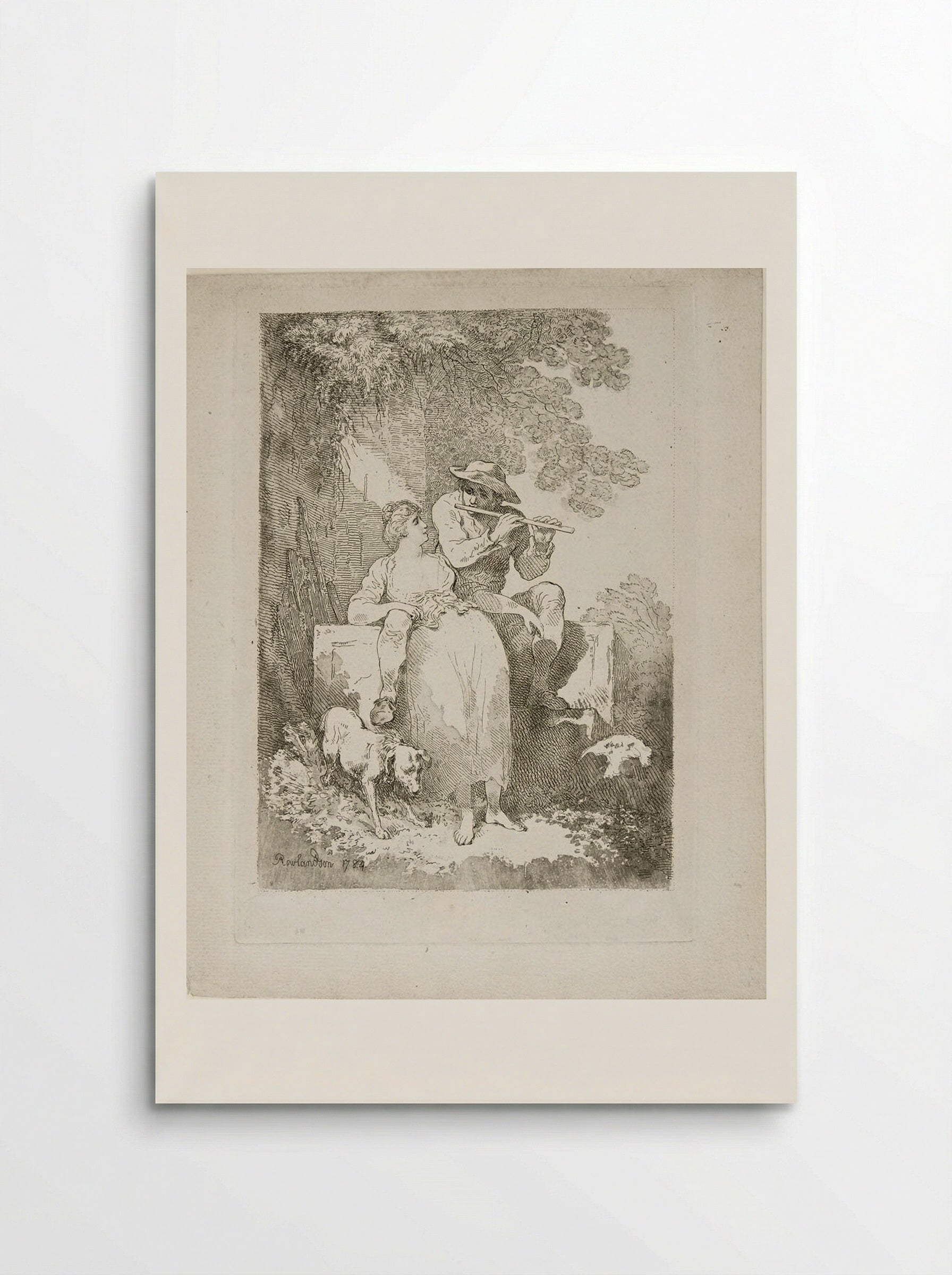 Dalliance With a Dog - Thomas Rowlandson
Print
Regular price From £28.00 GBPSale price From £28.00 GBP Regular price -
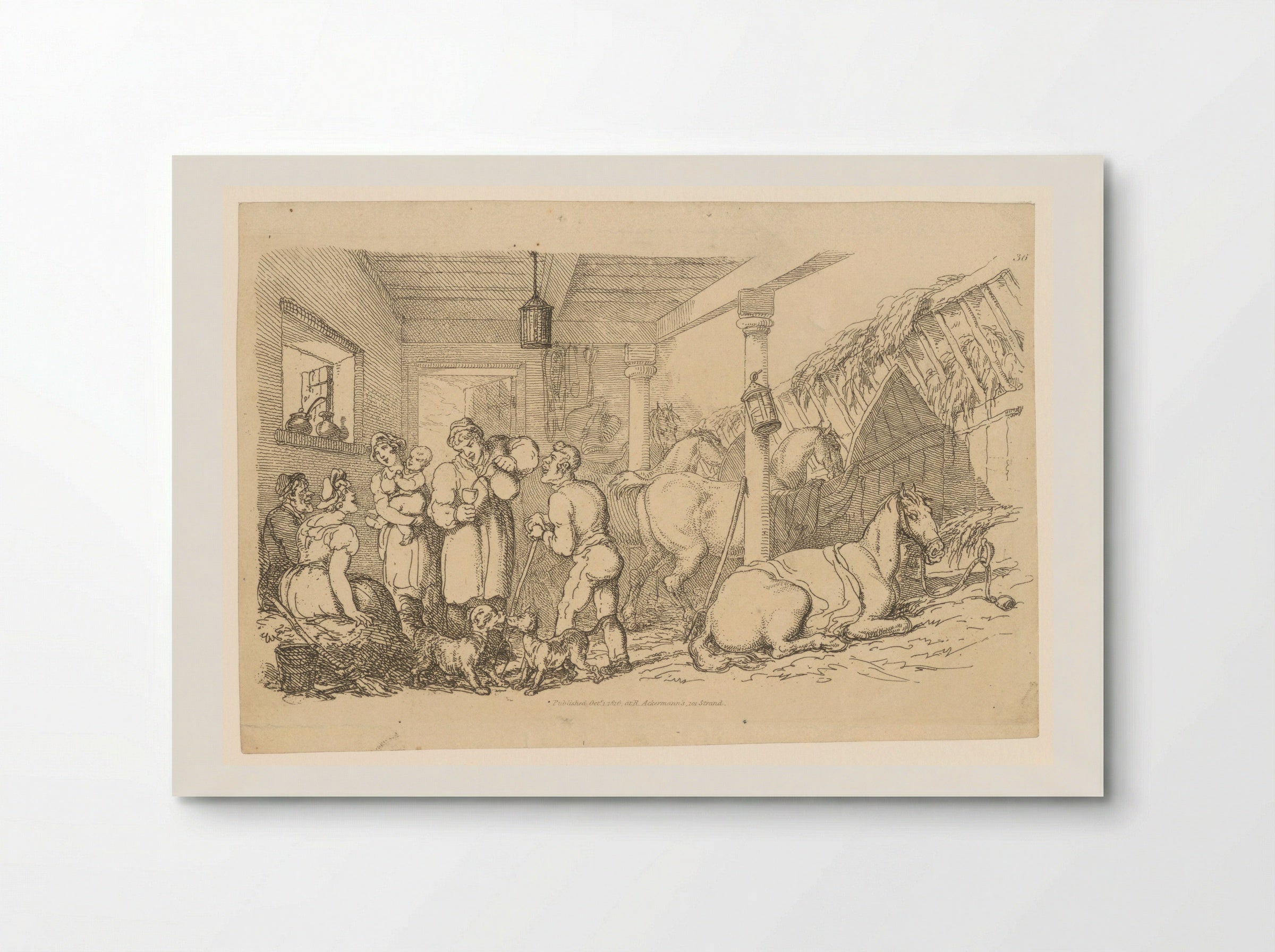 Familie in een paardenstal - Thomas Rowlandson
Print
Regular price From £28.00 GBPSale price From £28.00 GBP Regular price -
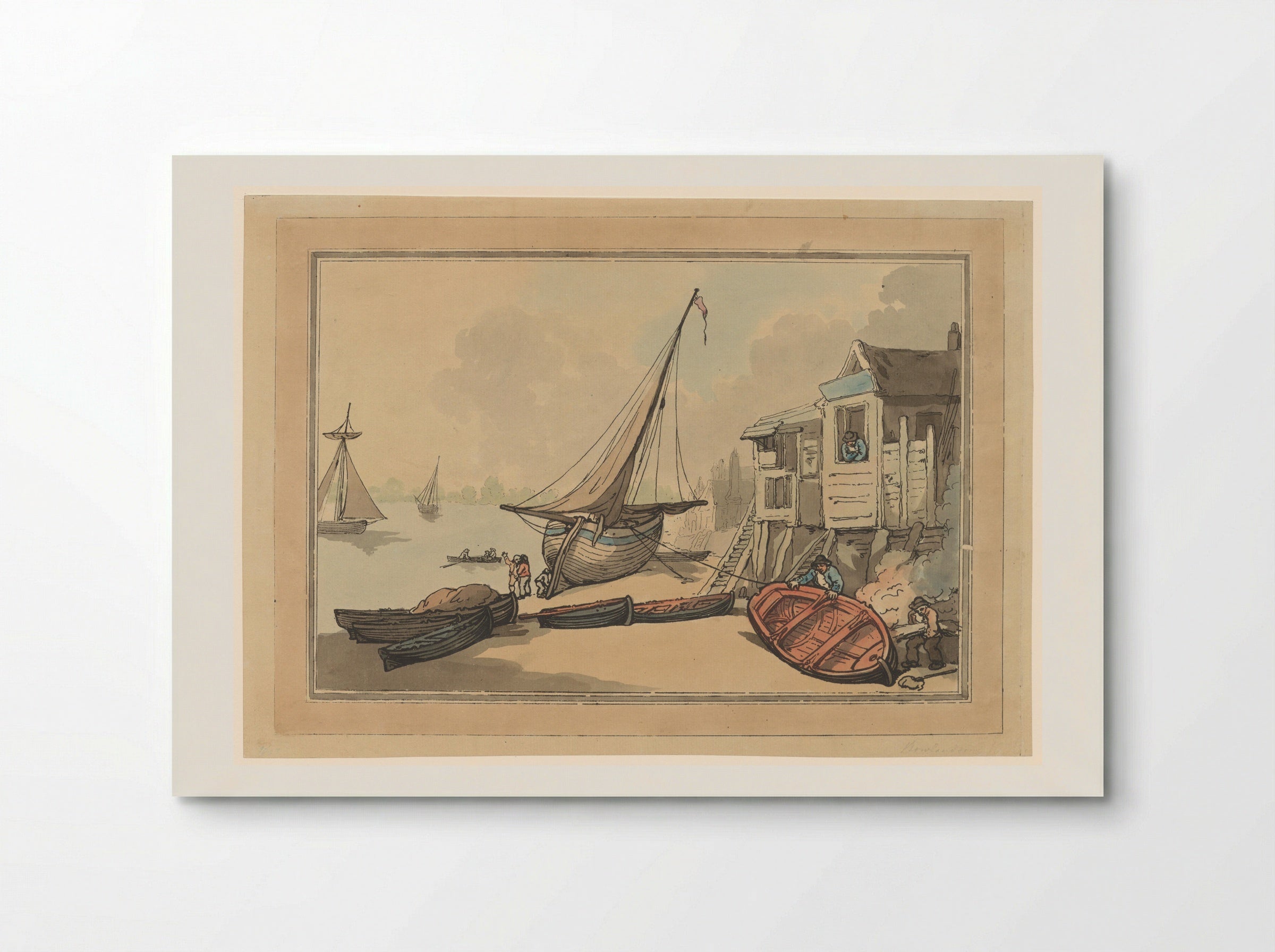 Roeiboten en een zeilschip op een oever - Thomas Rowlandson
Print
Regular price From £28.00 GBPSale price From £28.00 GBP Regular price -
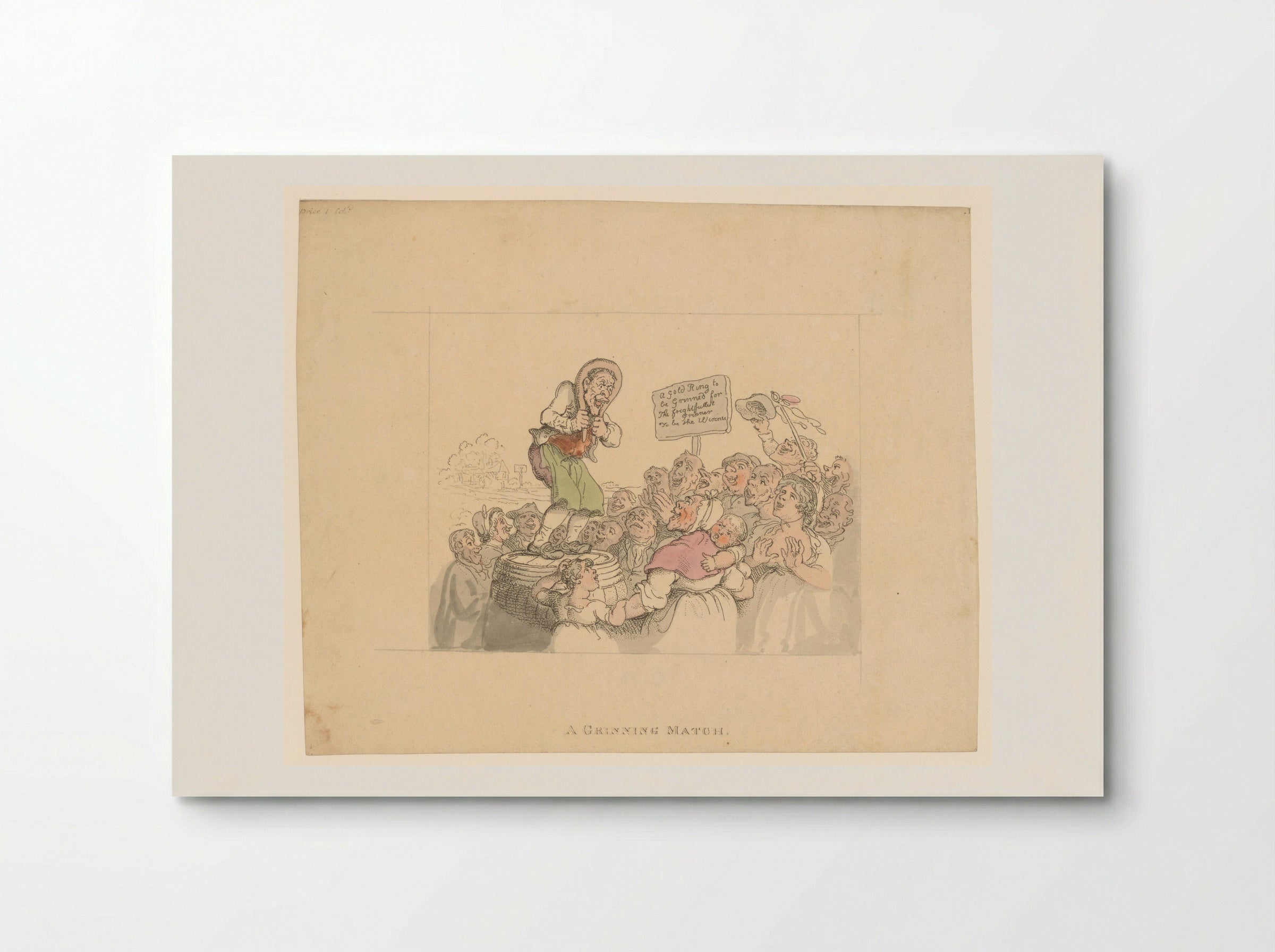 A Grinning Match - Thomas Rowlandson
Print
Regular price From £28.00 GBPSale price From £28.00 GBP Regular price -
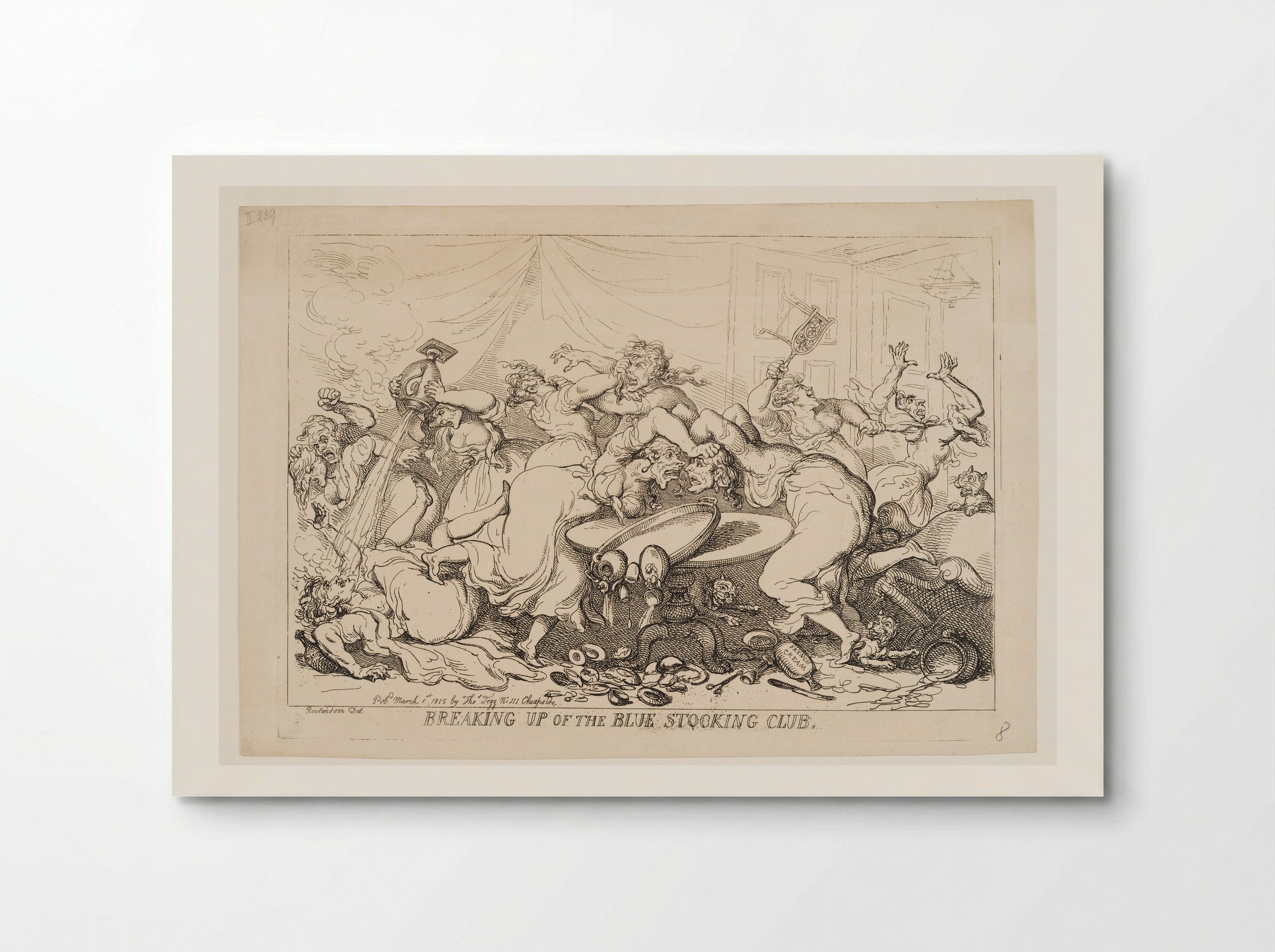 Breaking Up of the Blue Stocking Club - Thomas Rowlandson
Print
Regular price From £28.00 GBPSale price From £28.00 GBP Regular price -
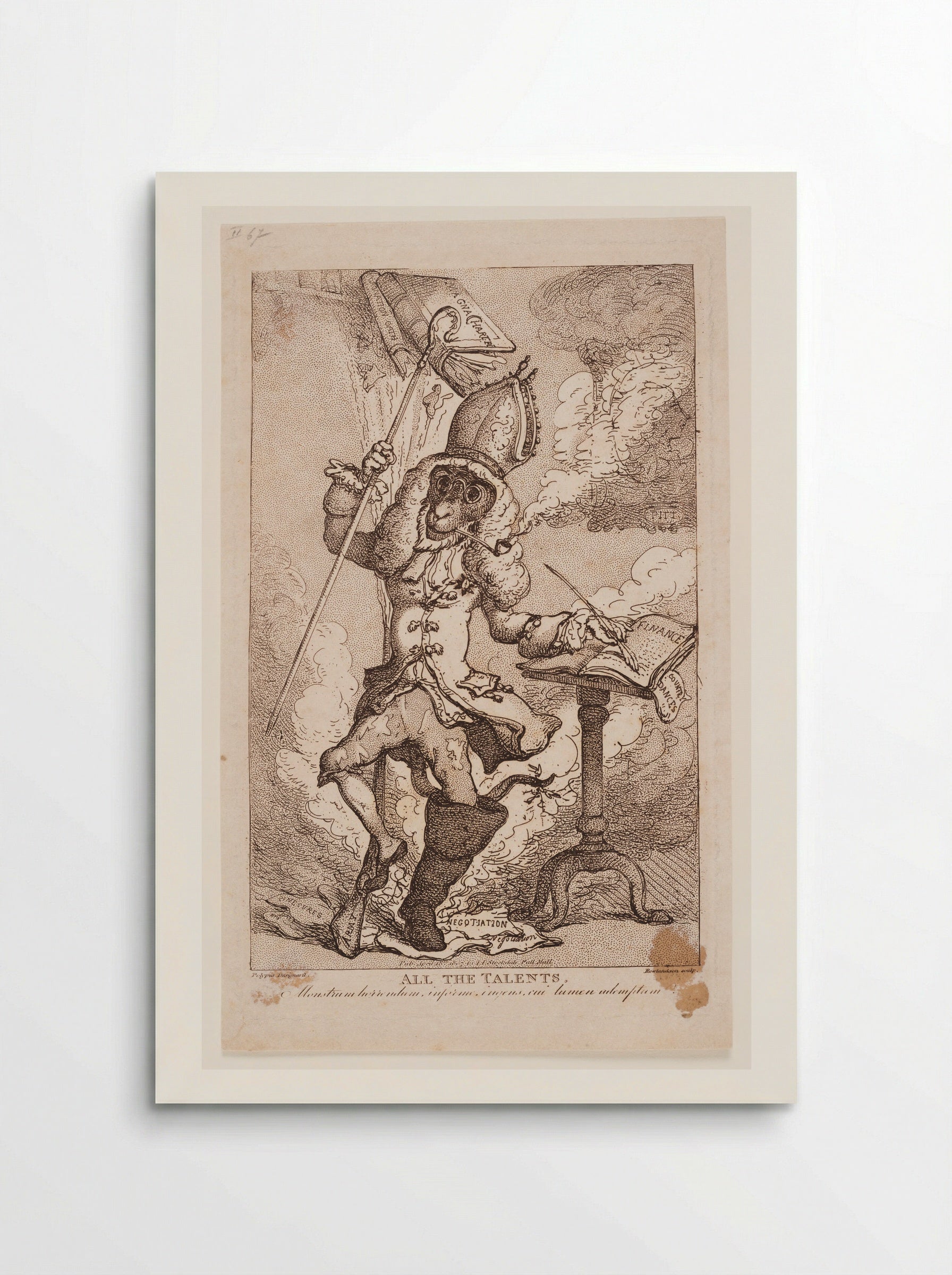 All the Talents - Thomas Rowlandson
Print
Regular price From £28.00 GBPSale price From £28.00 GBP Regular price -
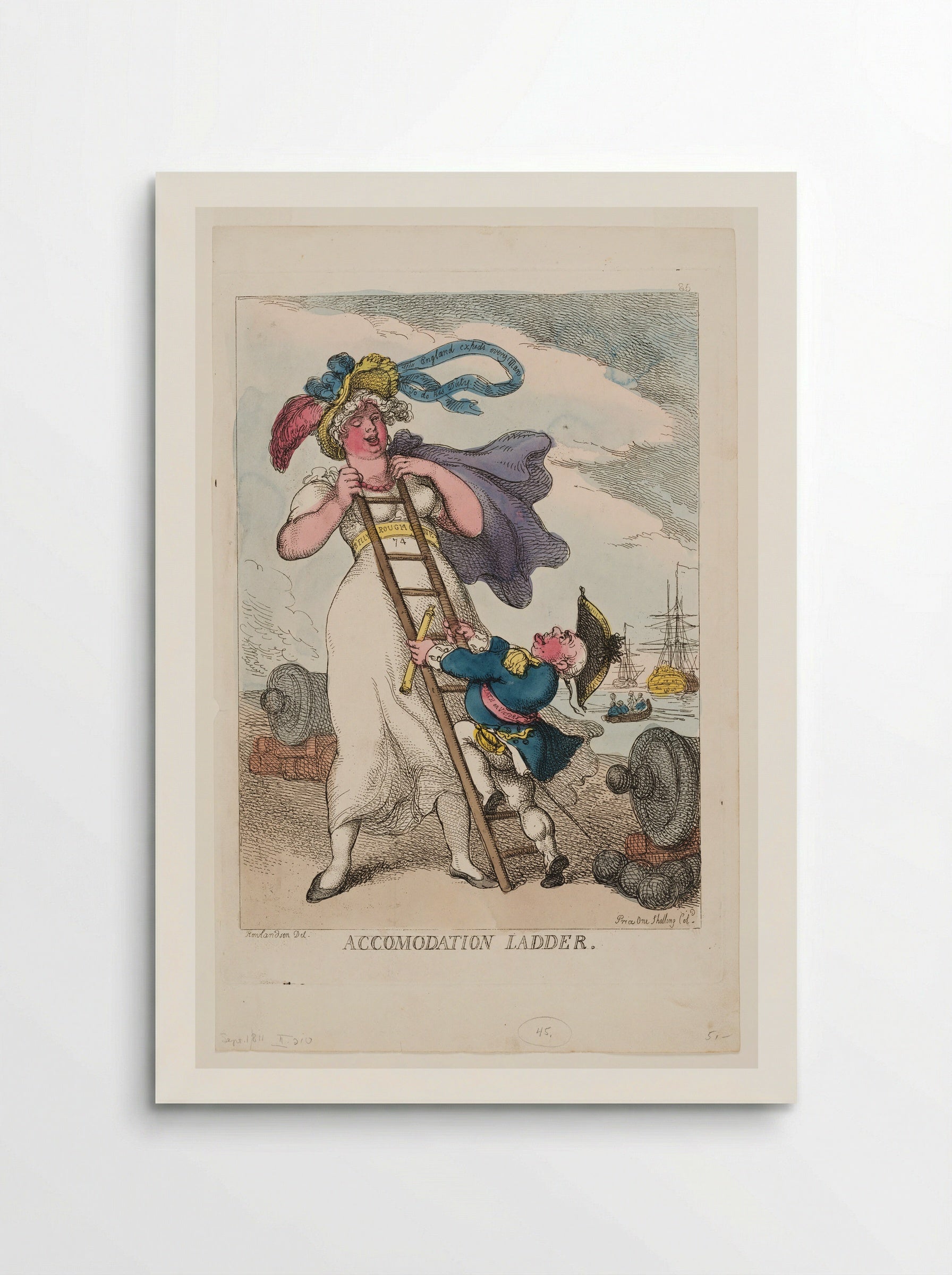 Accomodation Ladder - Thomas Rowlandson
Print
Regular price From £28.00 GBPSale price From £28.00 GBP Regular price -
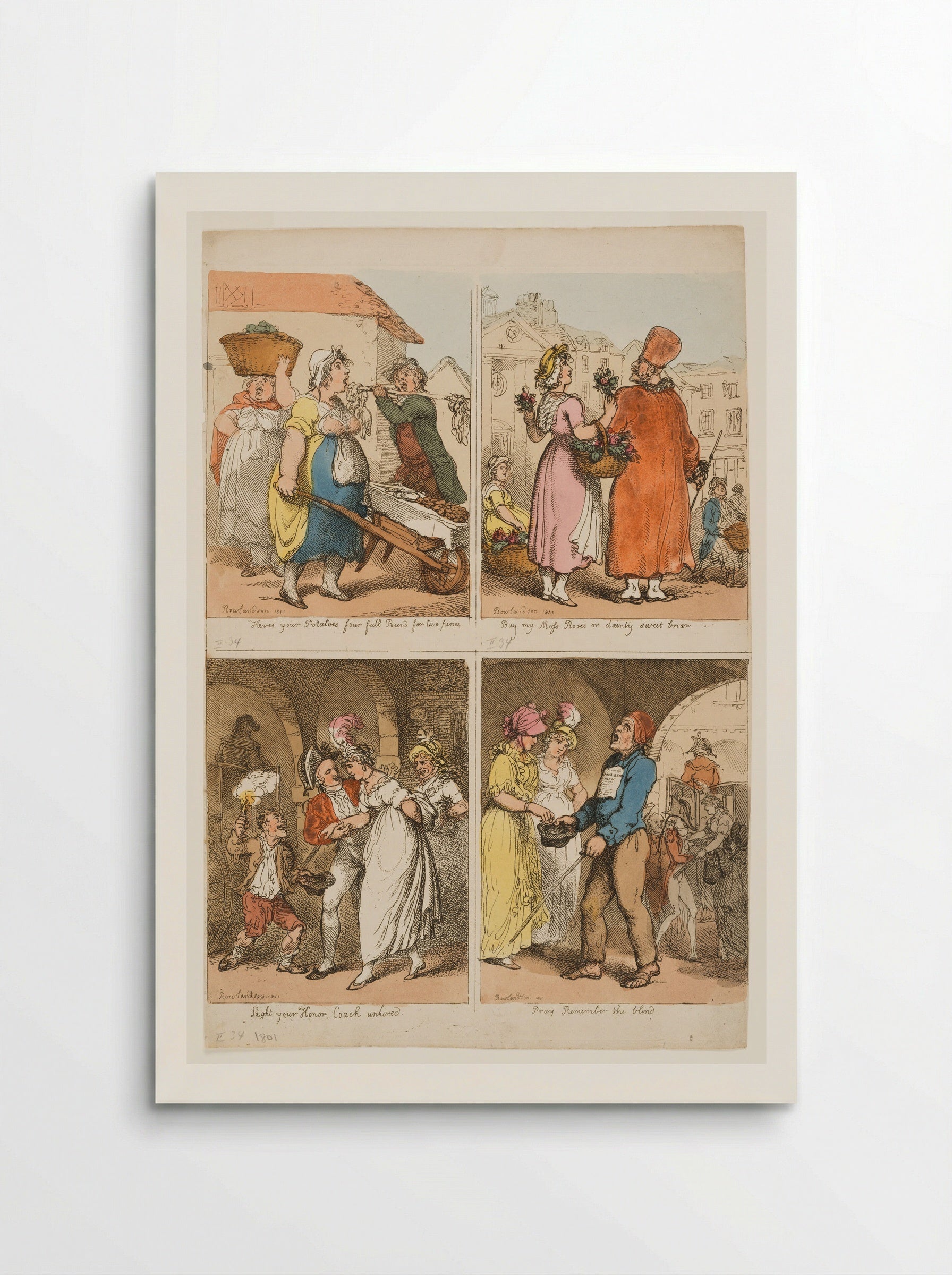 Cries of London (Series of Four) - Thomas Rowlandson
Print
Regular price From £28.00 GBPSale price From £28.00 GBP Regular price -
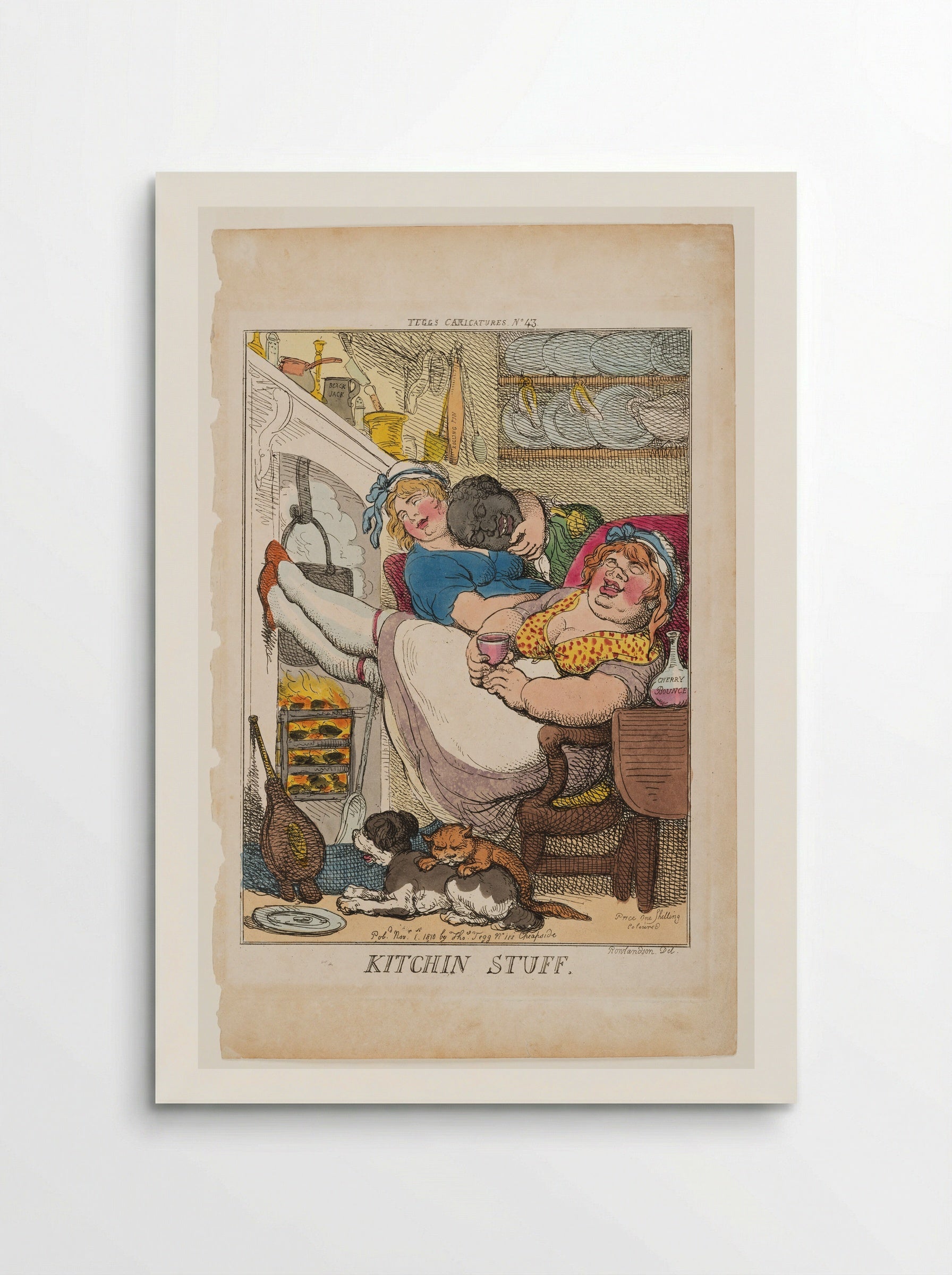 Kitchin Stuff - Thomas Rowlandson
Print
Regular price From £28.00 GBPSale price From £28.00 GBP Regular price -
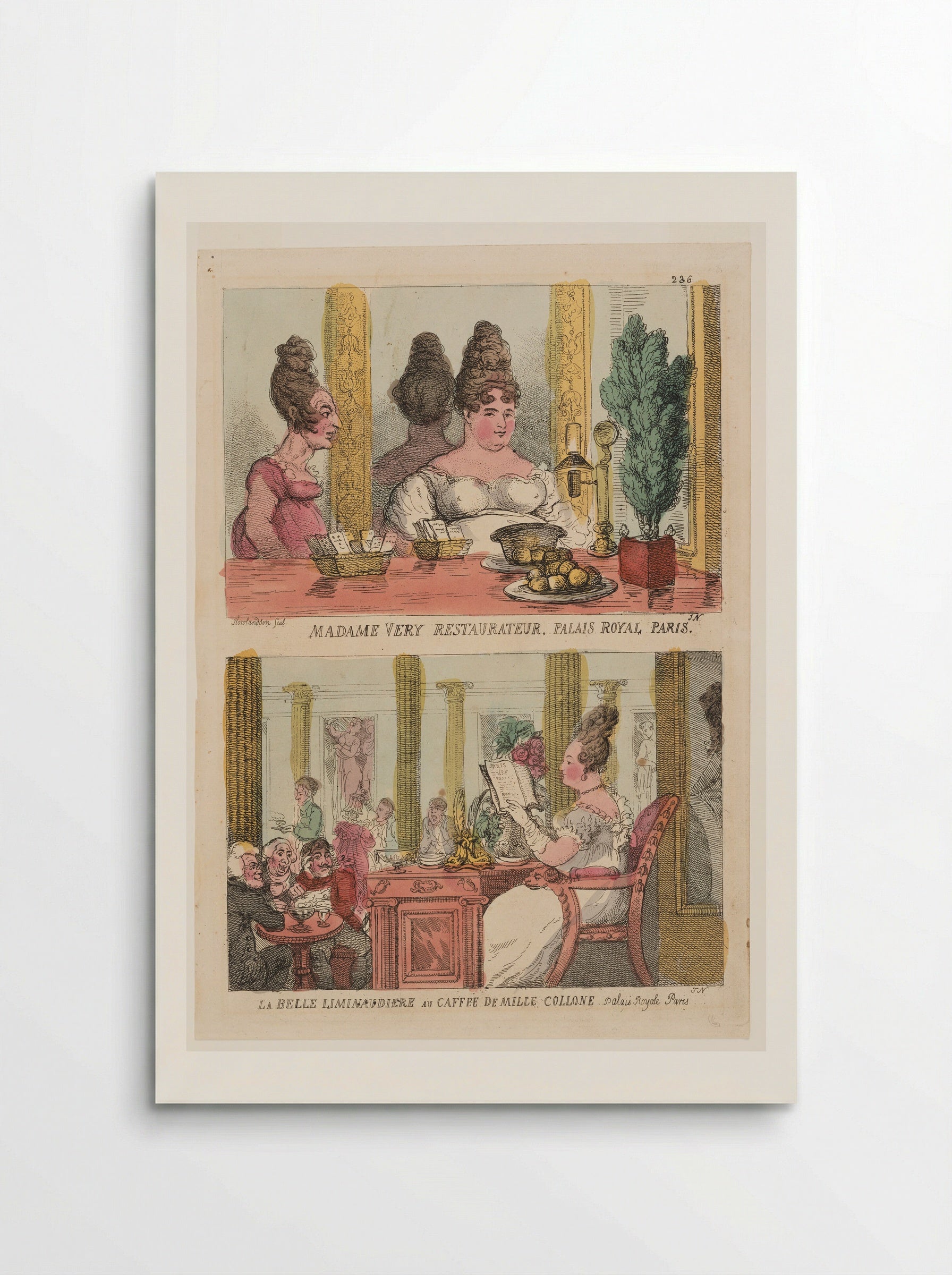 Madame Very Restaurateur and La Belle Liminaudiere - Thomas Rowlandson
Print
Regular price From £28.00 GBPSale price From £28.00 GBP Regular price -
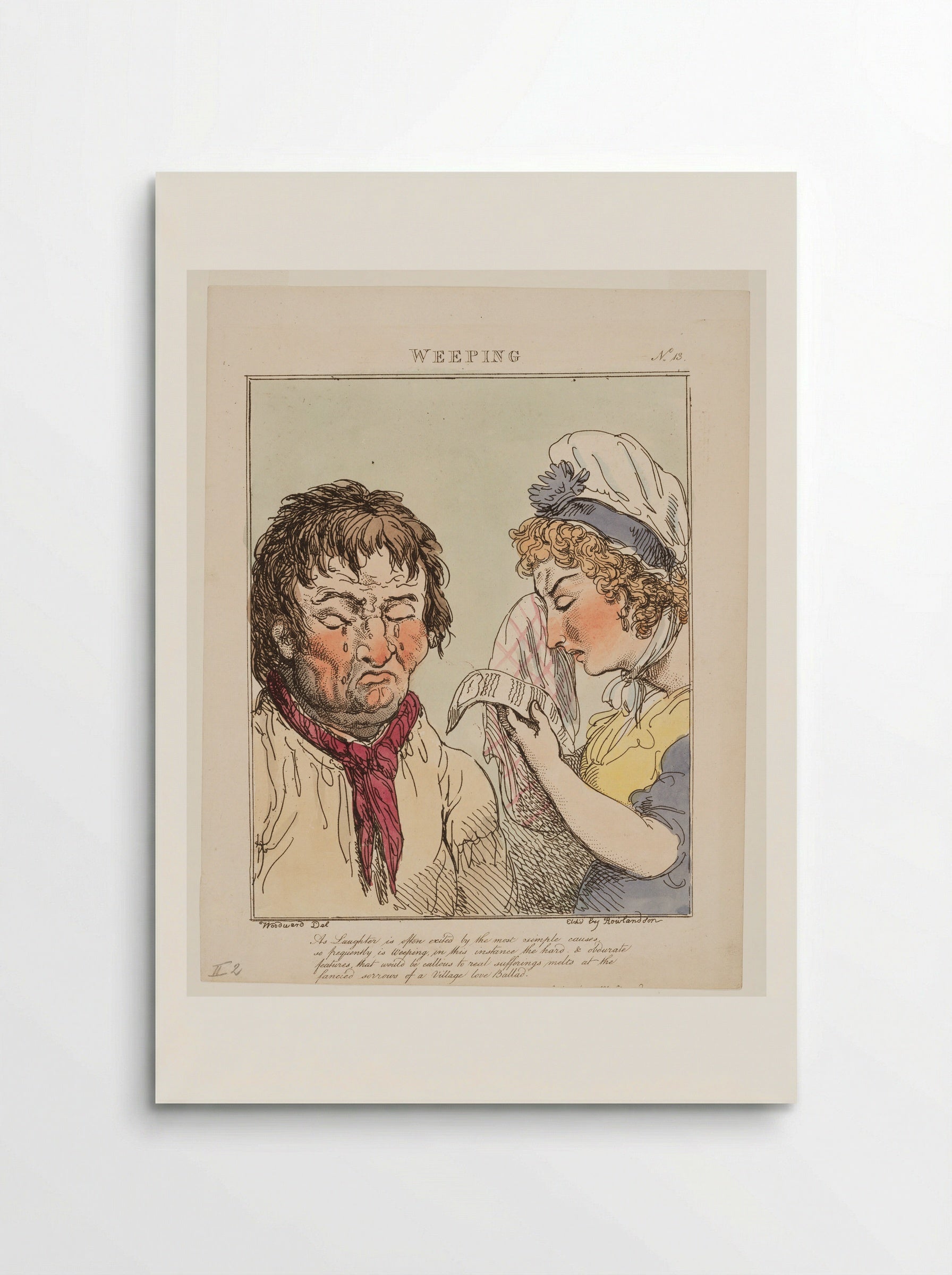 Weeping - Thomas Rowlandson
Print
Regular price From £28.00 GBPSale price From £28.00 GBP Regular price -
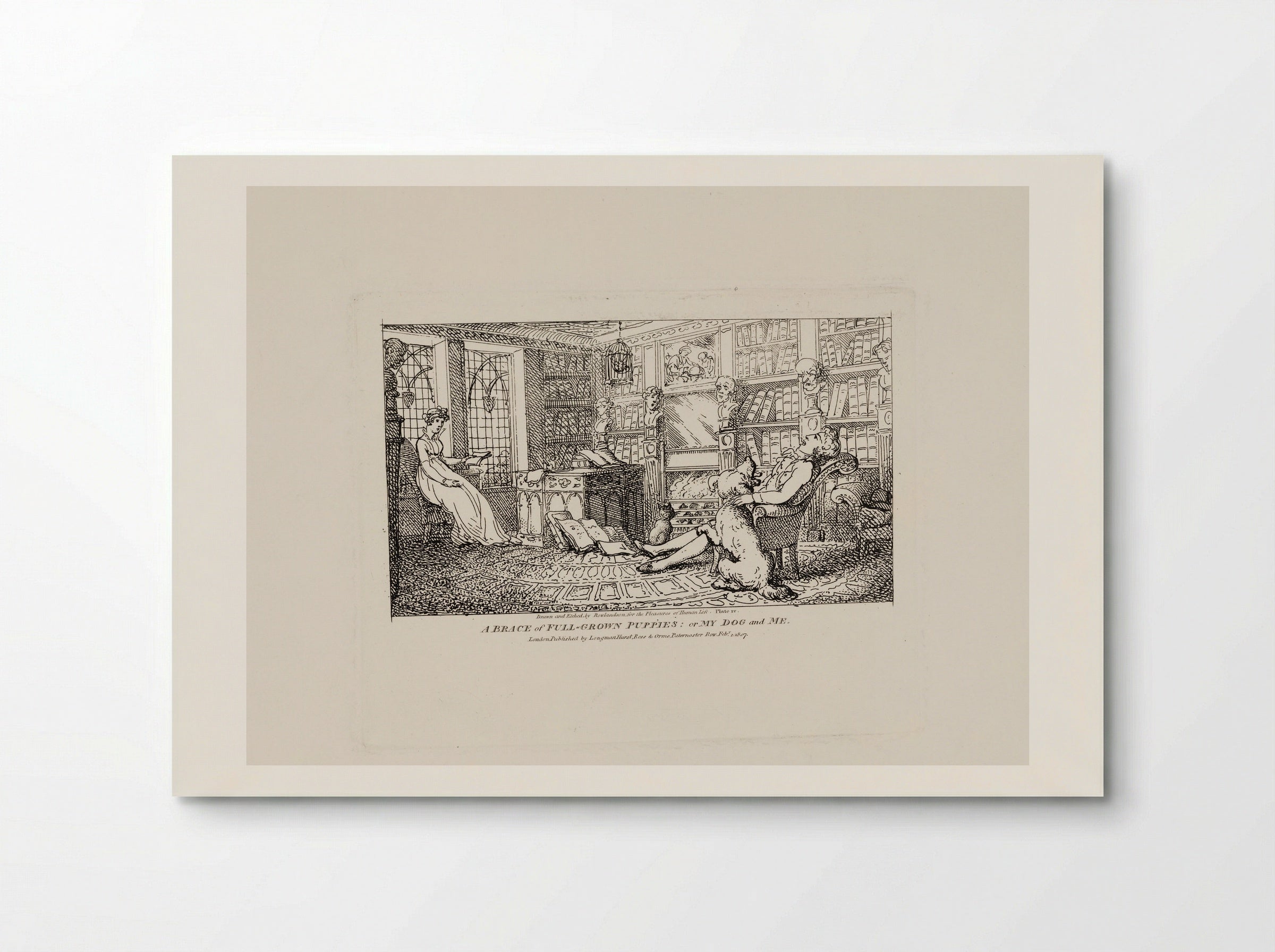 A Brace of Full-Grown Puppies: or My Dog and Me - Thomas Rowlandson
Print
Regular price From £28.00 GBPSale price From £28.00 GBP Regular price -
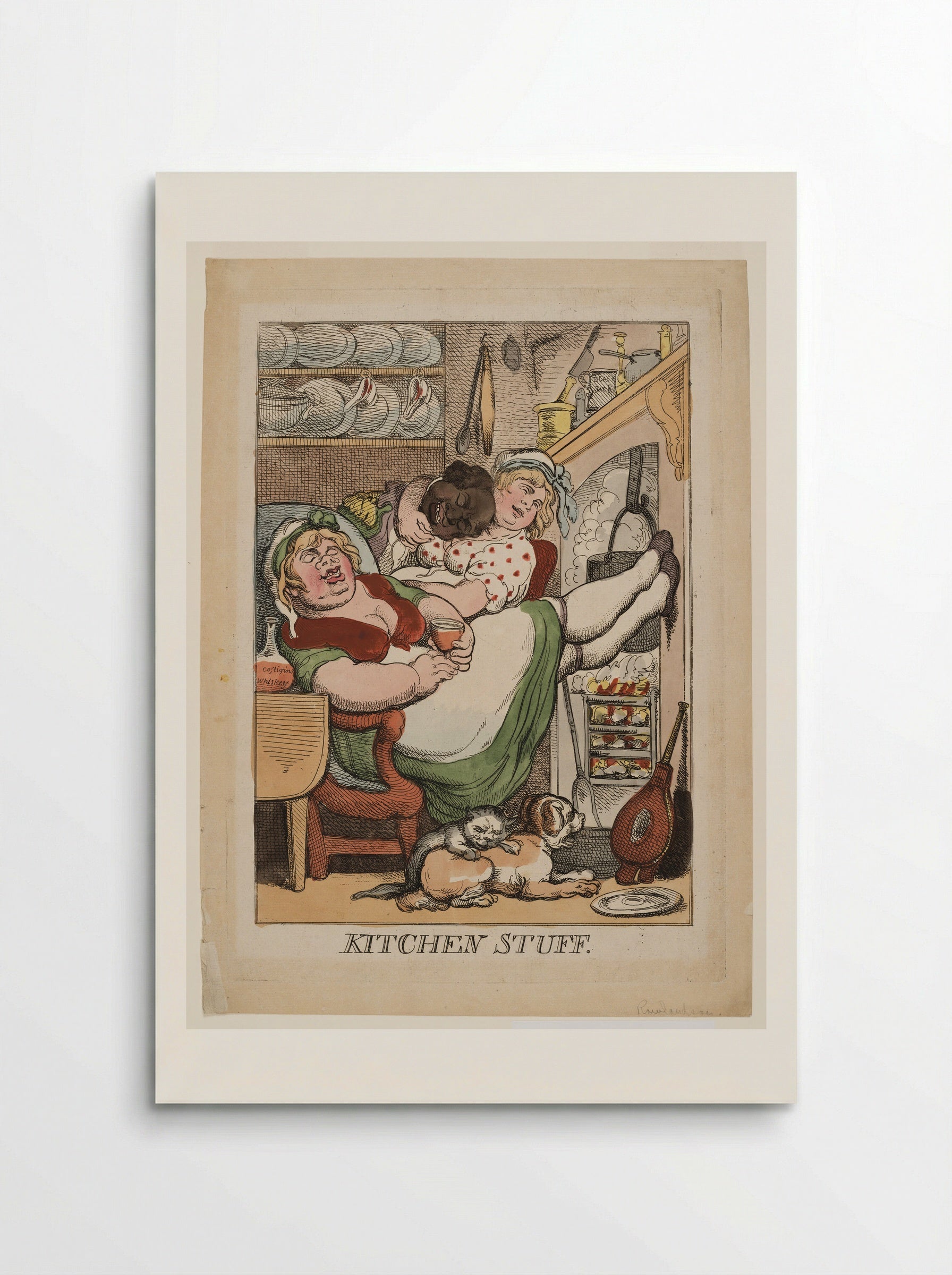 Kitchen Stuff - Thomas Rowlandson
Print
Regular price From £28.00 GBPSale price From £28.00 GBP Regular price -
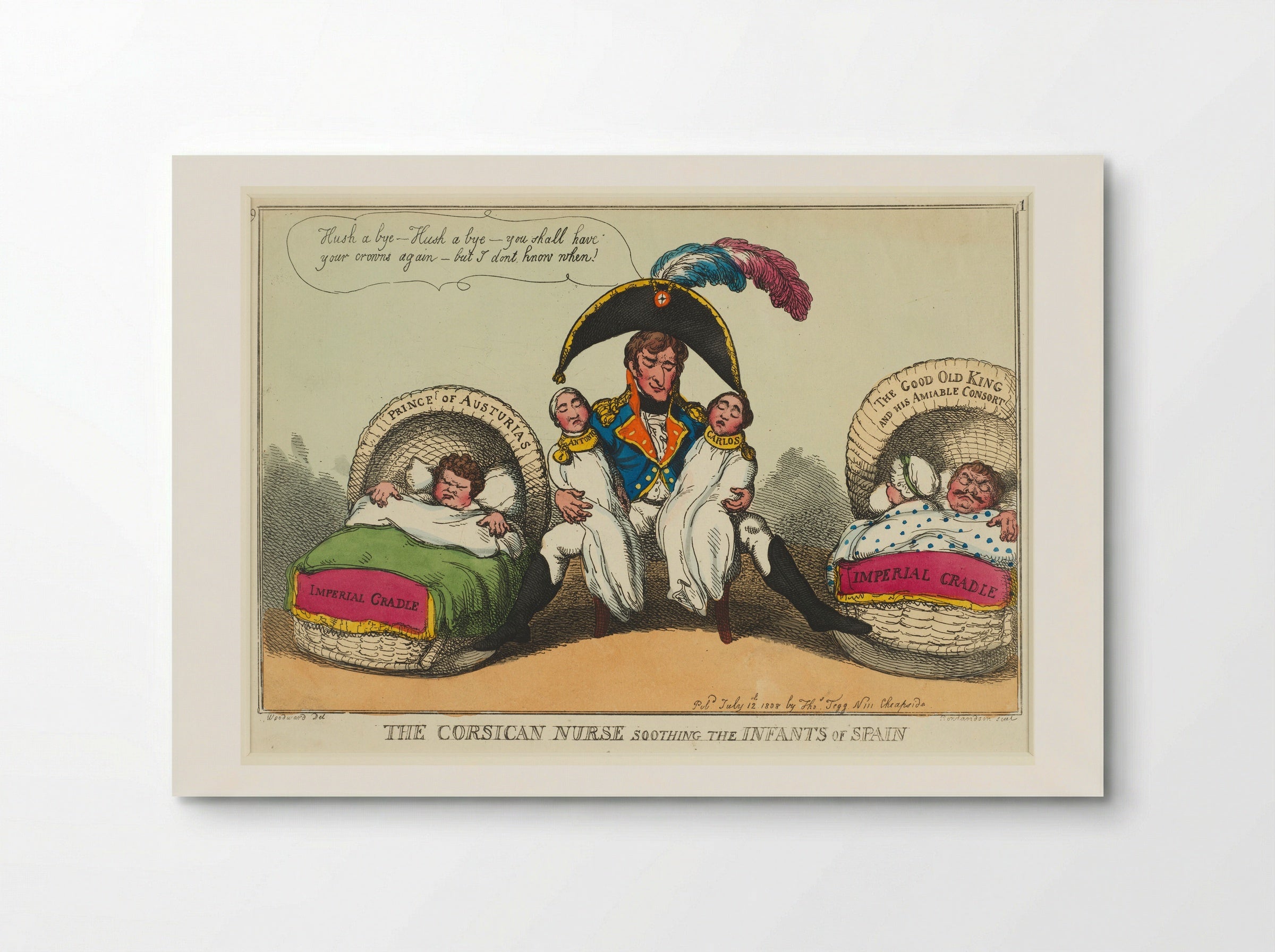 The Corsican Nurse Soothing the Infants of Spain - Thomas Rowlandson
Print
Regular price From £28.00 GBPSale price From £28.00 GBP Regular price -
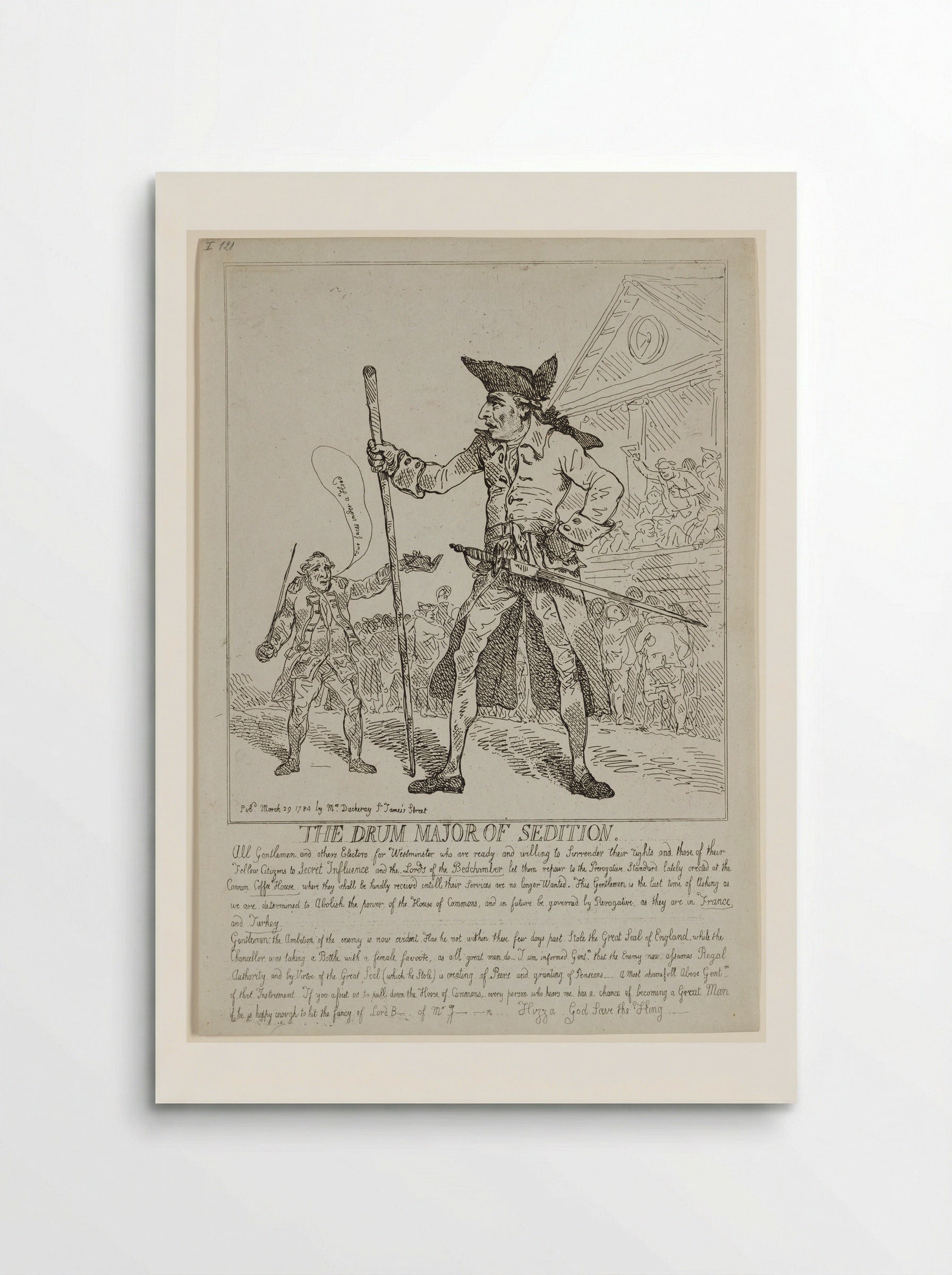 The Drum Major of Sedition - Thomas Rowlandson
Print
Regular price From £28.00 GBPSale price From £28.00 GBP Regular price -
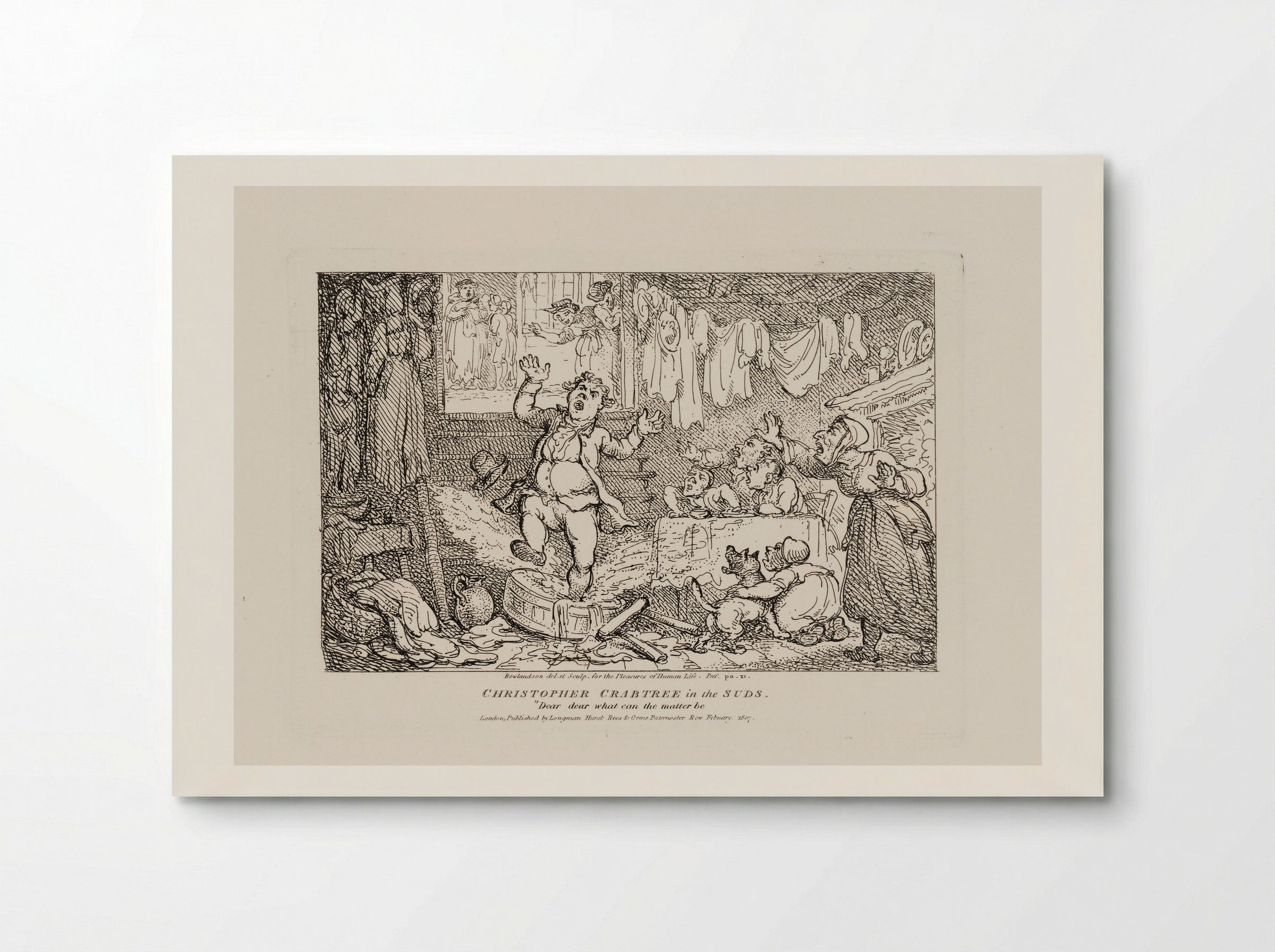 Christopher Crabtree in the Suds - Thomas Rowlandson
Print
Regular price From £28.00 GBPSale price From £28.00 GBP Regular price -
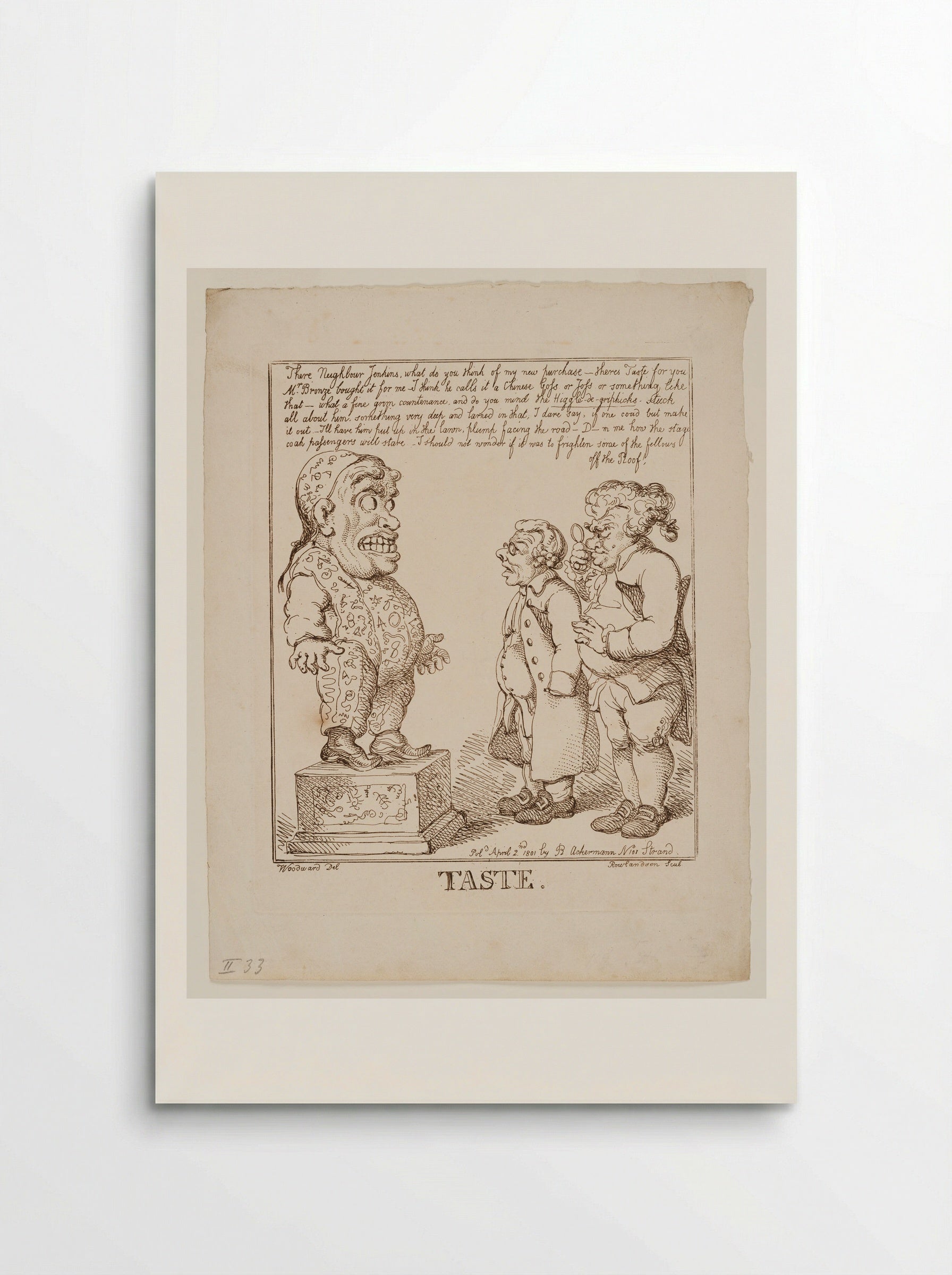 Taste - Thomas Rowlandson
Print
Regular price From £28.00 GBPSale price From £28.00 GBP Regular price -
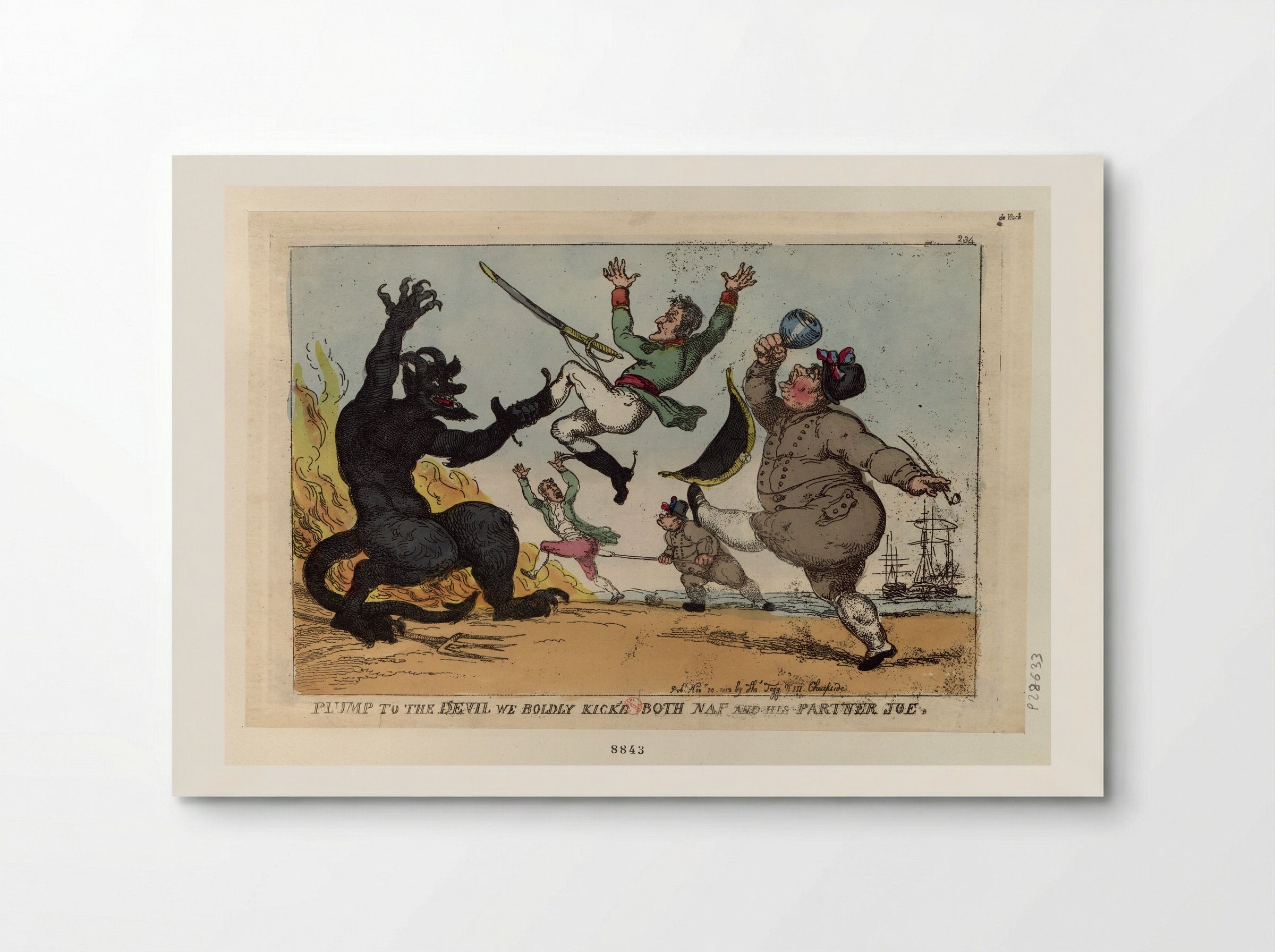 Plump to the Devil We Boldly Kick'd Both Nap and His Partner Joe - Thomas Rowlandson
Print
Regular price From £28.00 GBPSale price From £28.00 GBP Regular price -
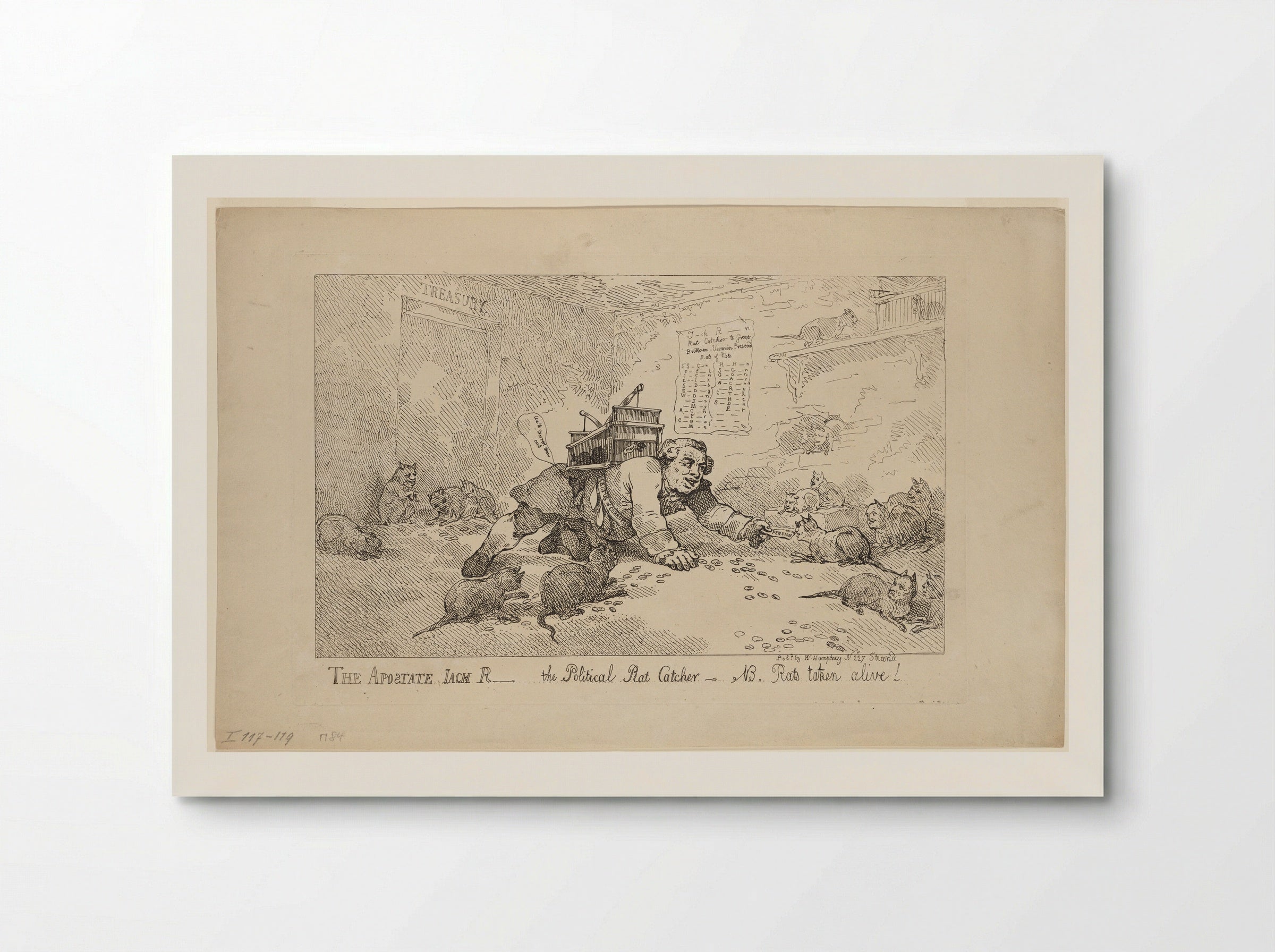 The Apostate Jack R. - The Political Rat Catcher - Thomas Rowlandson
Print
Regular price From £28.00 GBPSale price From £28.00 GBP Regular price -
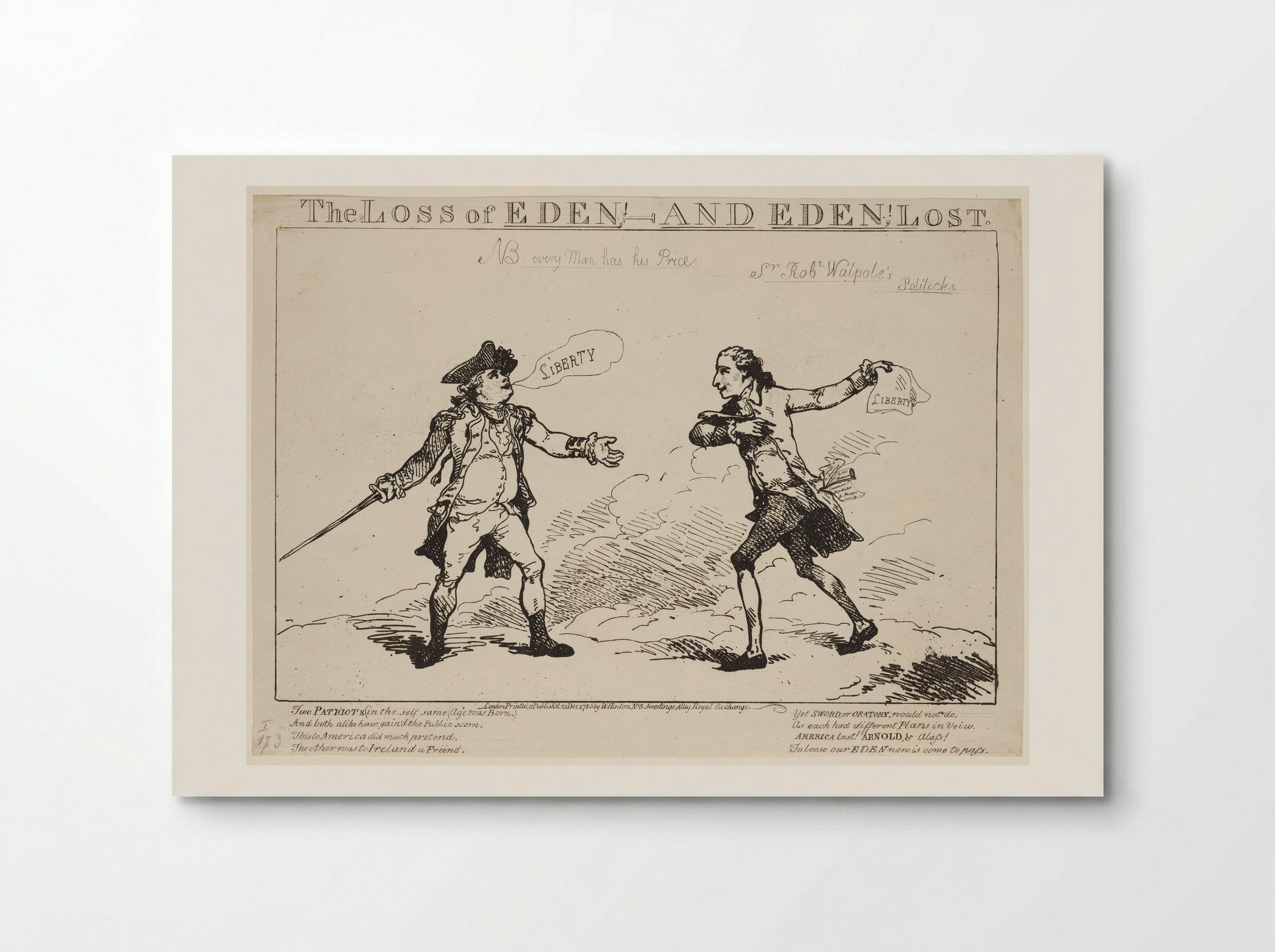 The Loss of Eden, - and Eden, Lost - Thomas Rowlandson
Print
Regular price From £28.00 GBPSale price From £28.00 GBP Regular price -
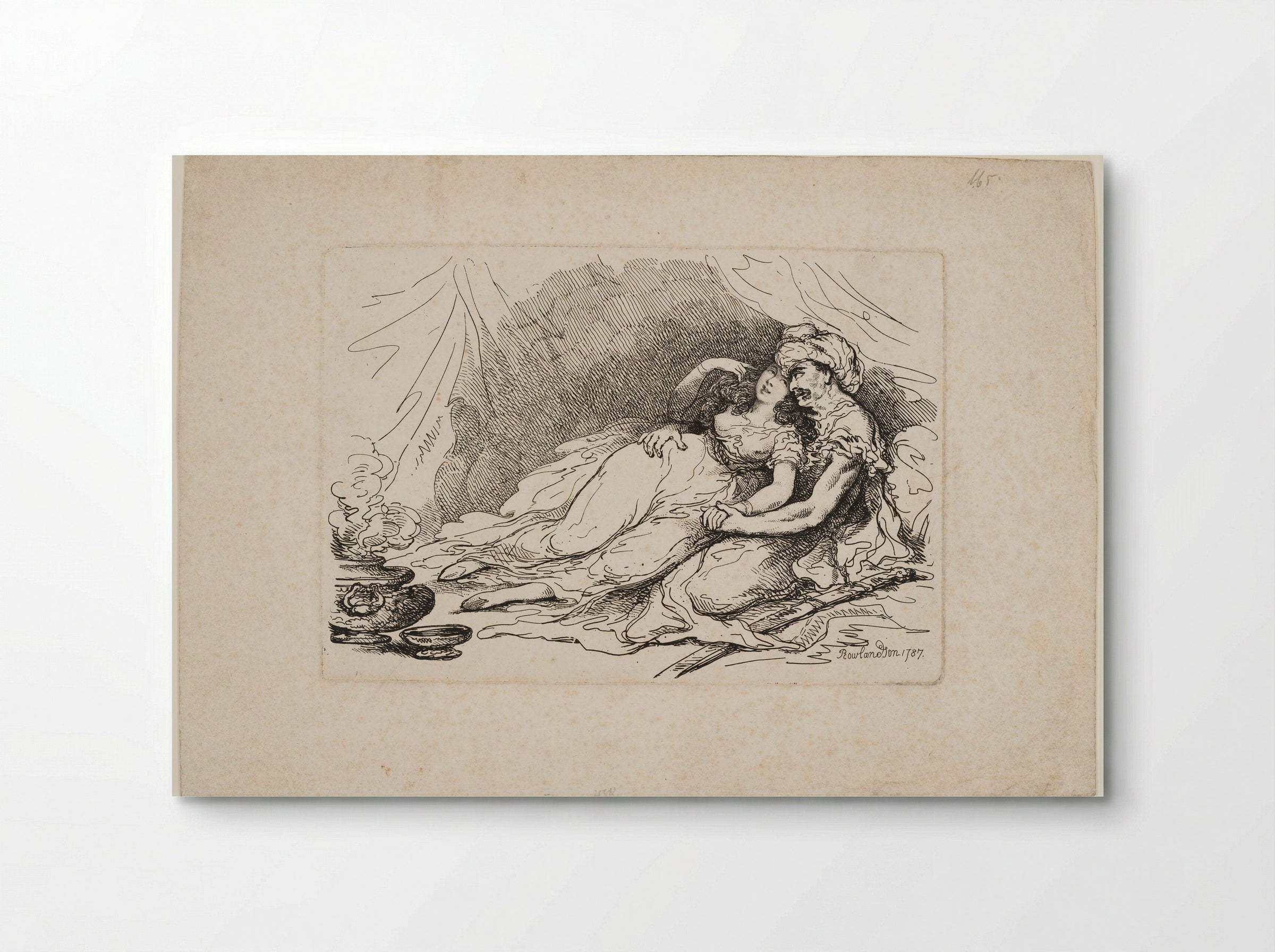 Love in the East - Thomas Rowlandson
Print
Regular price From £28.00 GBPSale price From £28.00 GBP Regular price


Artist Biography
Thomas Rowlandson
Rowlandson inherited seven thousand pounds from his aunt and gambled it away. He was known to sit at gaming tables for thirty-six hours at a stretch. The loss is the reason he produced over ten thousand drawings and prints in his lifetime: the volume had more to do with debts than with artistic ambition.
He trained at the Royal Academy Schools in London and may have spent time in Paris, though the often-quoted two years at a Parisian academy has been narrowed by recent scholarship to a few weeks at most. His technique was fast, fluent, and populated by figures who bulge, lurch, stumble and grope their way through Georgian England. The line is always in motion. Fat men eat. Thin women flirt. Horses rear. Coaches overturn. The world in a Rowlandson drawing is always on the verge of falling over.
He drew for the satirical press, illustrated books (including the Dr Syntax series, which sold well enough to keep him solvent for several years), and produced erotica for a private clientele that was never published in his lifetime. Unlike James Gillray, whose satire was ferocious and politically targeted, Rowlandson's humour was broader and warmer. He drew human beings as comic animals: vain, greedy, amorous and fundamentally absurd.
His subjects included Vauxhall Gardens, the races at Brighton, country fairs, and the particular chaos of London streets. He drew the city as a place where everyone is either trying to sell something, steal something, or seduce someone, often simultaneously. He died in 1827, aged seventy, having drawn everything he saw and gambled most of what he earned.
He trained at the Royal Academy Schools in London and may have spent time in Paris, though the often-quoted two years at a Parisian academy has been narrowed by recent scholarship to a few weeks at most. His technique was fast, fluent, and populated by figures who bulge, lurch, stumble and grope their way through Georgian England. The line is always in motion. Fat men eat. Thin women flirt. Horses rear. Coaches overturn. The world in a Rowlandson drawing is always on the verge of falling over.
He drew for the satirical press, illustrated books (including the Dr Syntax series, which sold well enough to keep him solvent for several years), and produced erotica for a private clientele that was never published in his lifetime. Unlike James Gillray, whose satire was ferocious and politically targeted, Rowlandson's humour was broader and warmer. He drew human beings as comic animals: vain, greedy, amorous and fundamentally absurd.
His subjects included Vauxhall Gardens, the races at Brighton, country fairs, and the particular chaos of London streets. He drew the city as a place where everyone is either trying to sell something, steal something, or seduce someone, often simultaneously. He died in 1827, aged seventy, having drawn everything he saw and gambled most of what he earned.


Why Choose Us ?