

Collection
Theo Van Doesburg
Explore curated art prints selected for distinctive homes and considered interiors.
Suggested filters
-
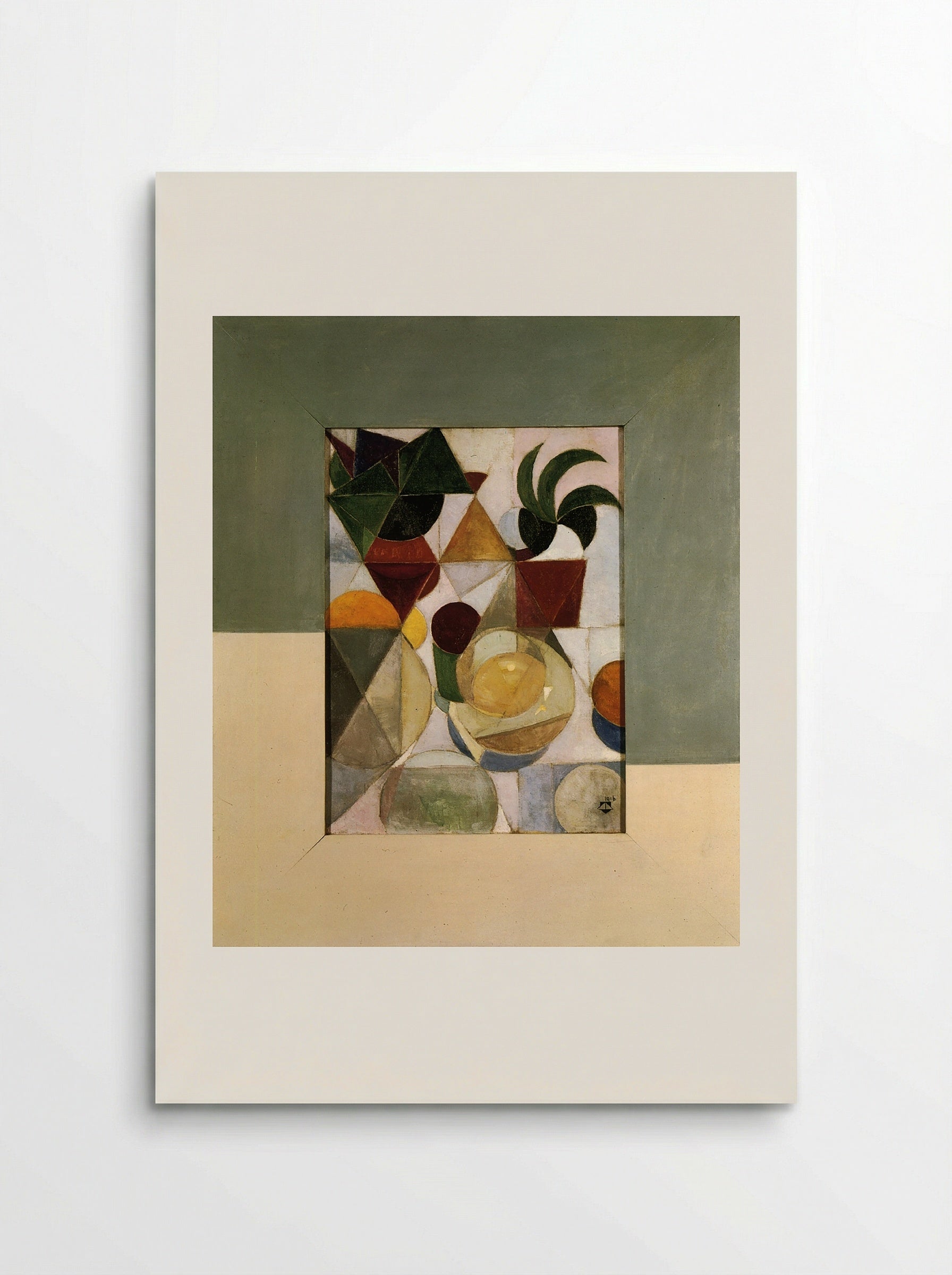
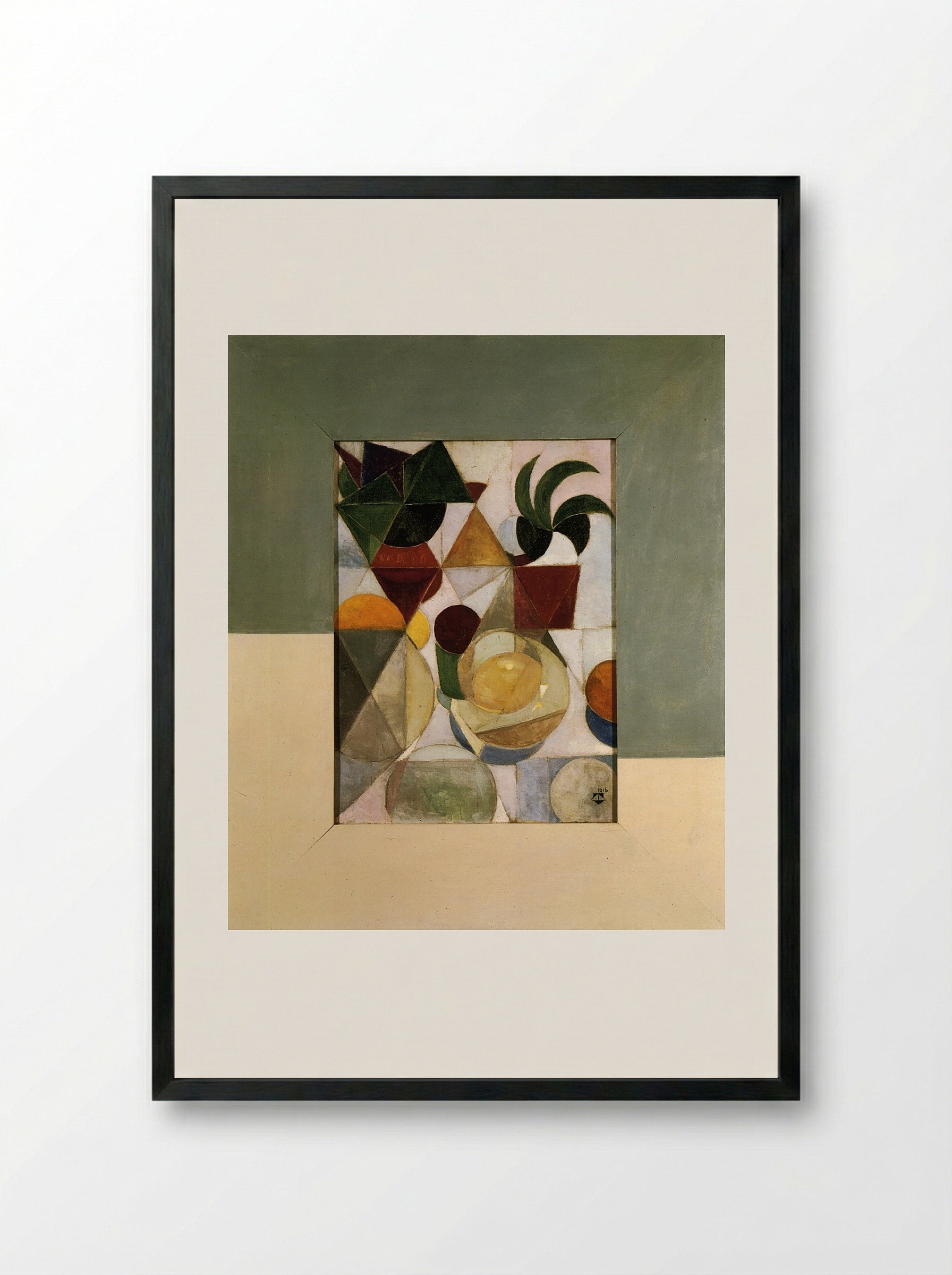 Composition III (Still Life) - Theo van Doesburg
Print · Framed
Regular price From £28.00 GBPSale price From £28.00 GBP Regular price -
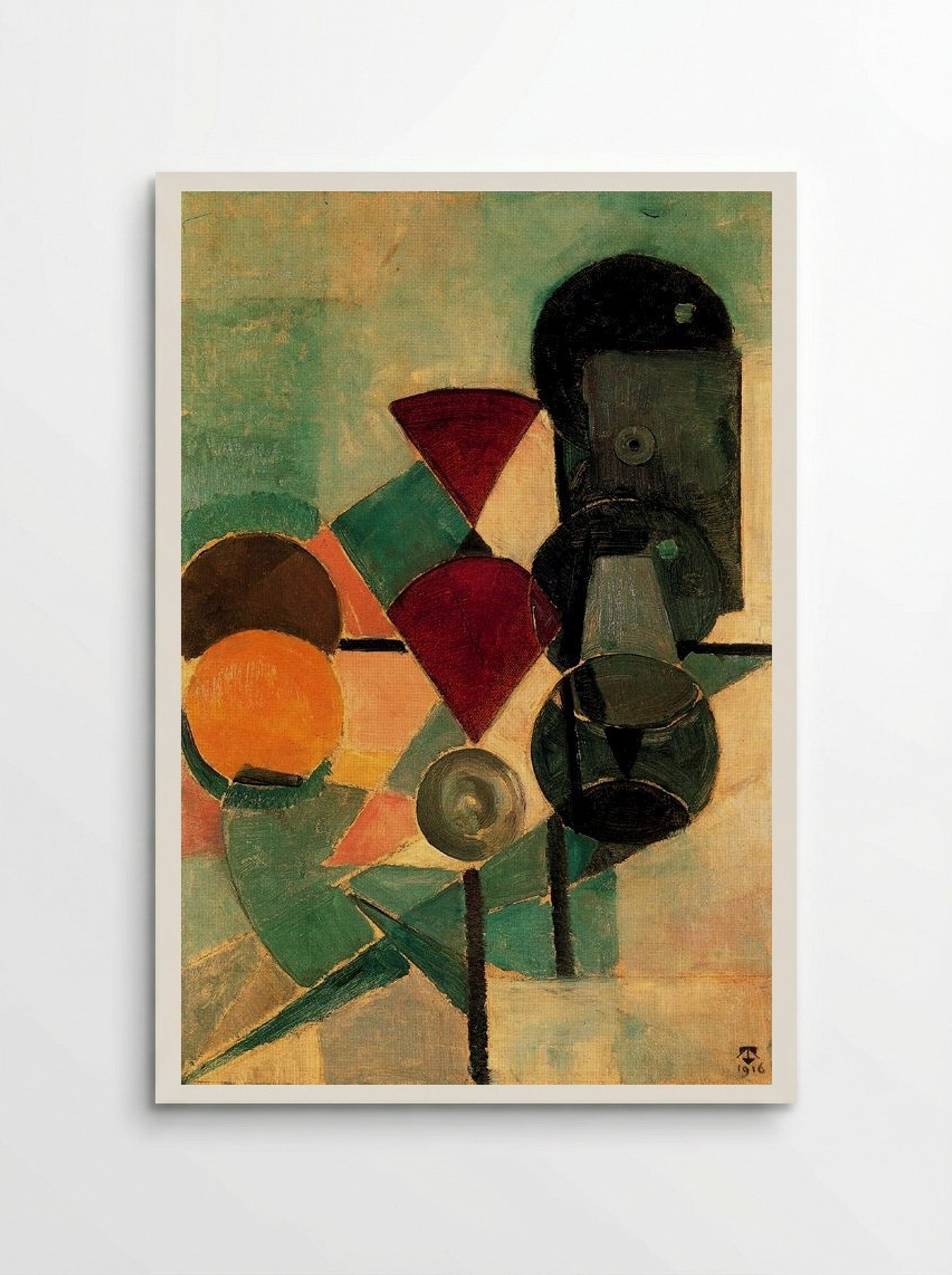
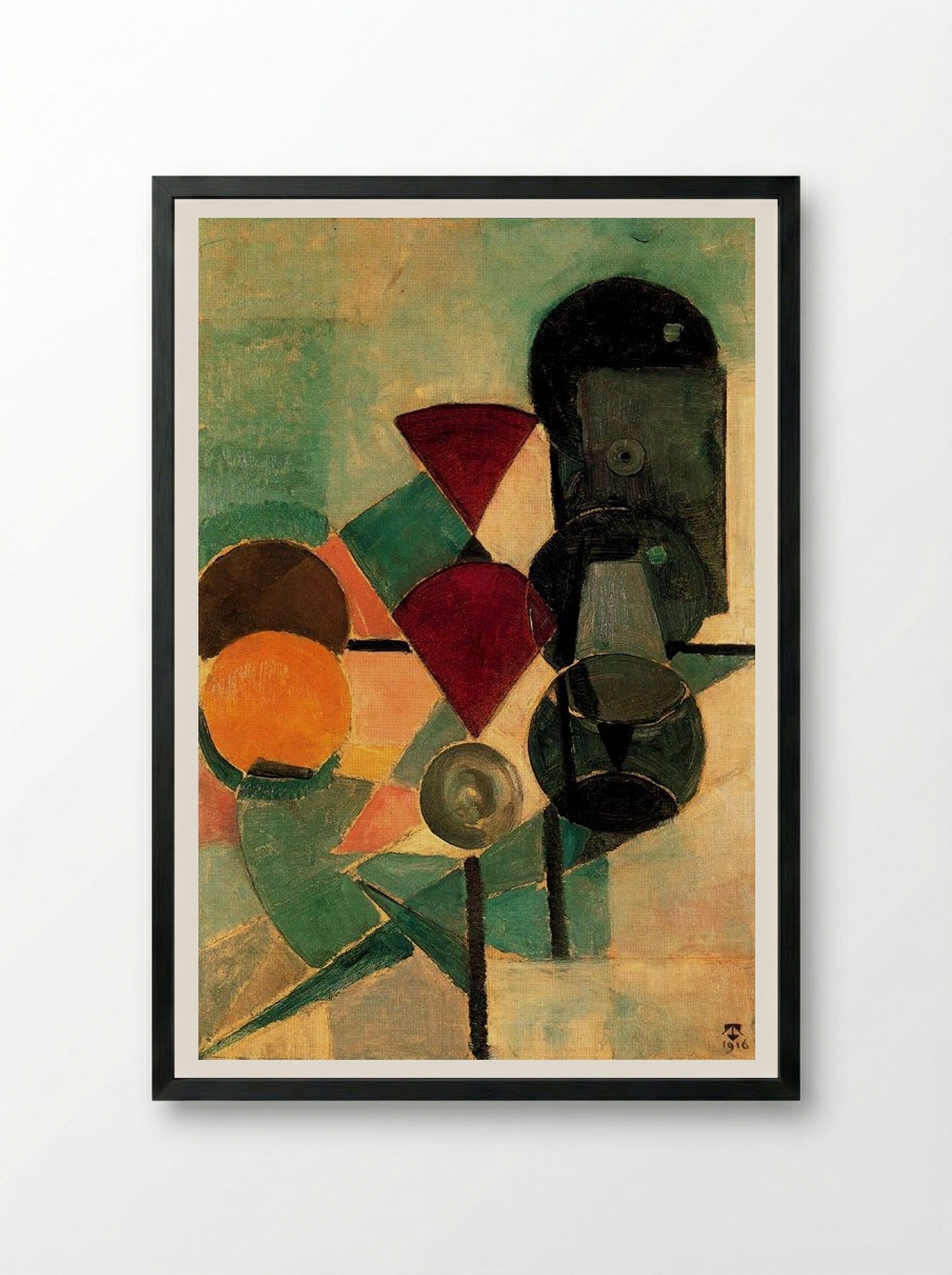 Composition II (Still Life) - Theo van Doesburg
Print · Framed
Regular price From £28.00 GBPSale price From £28.00 GBP Regular price -
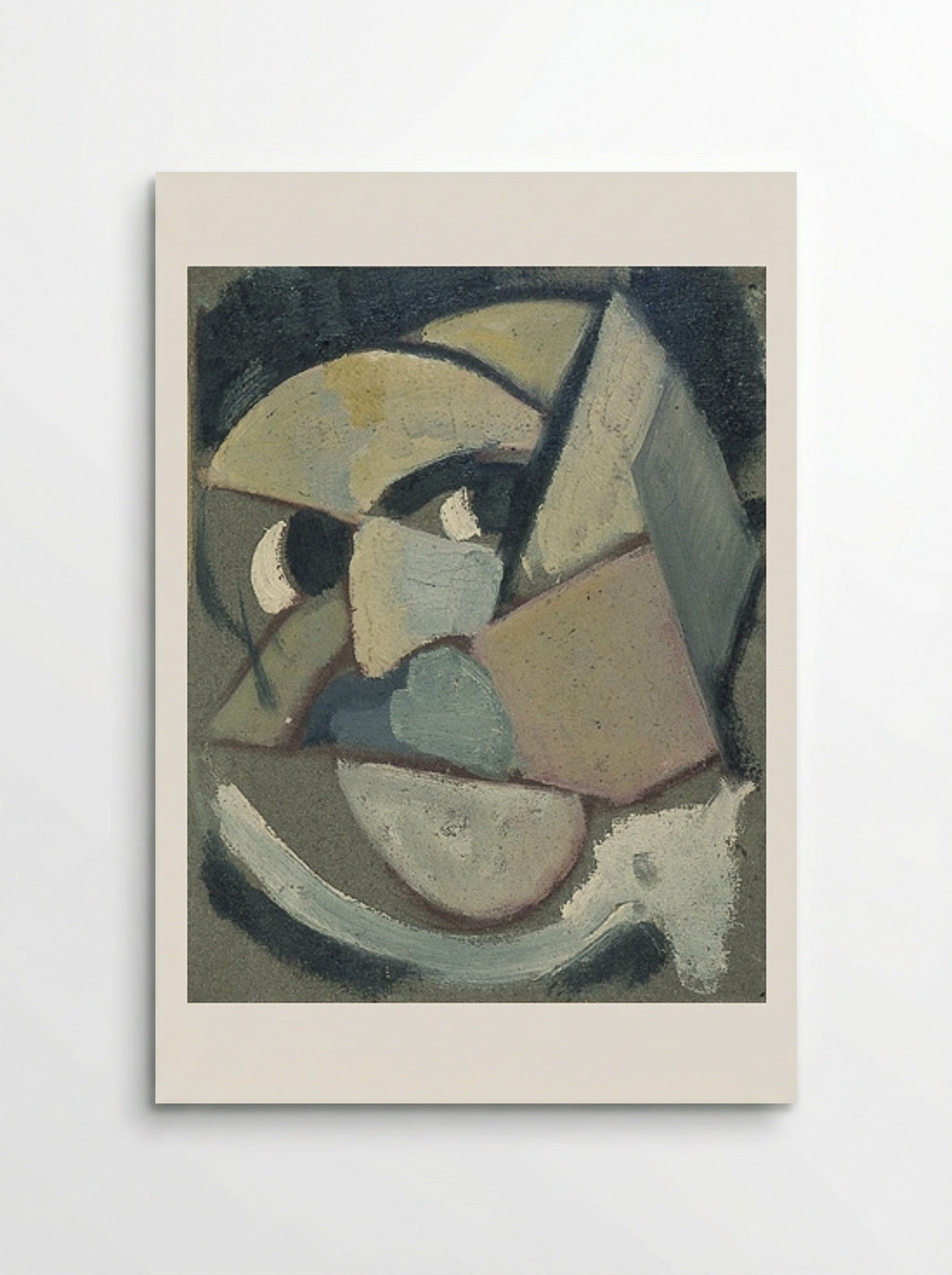
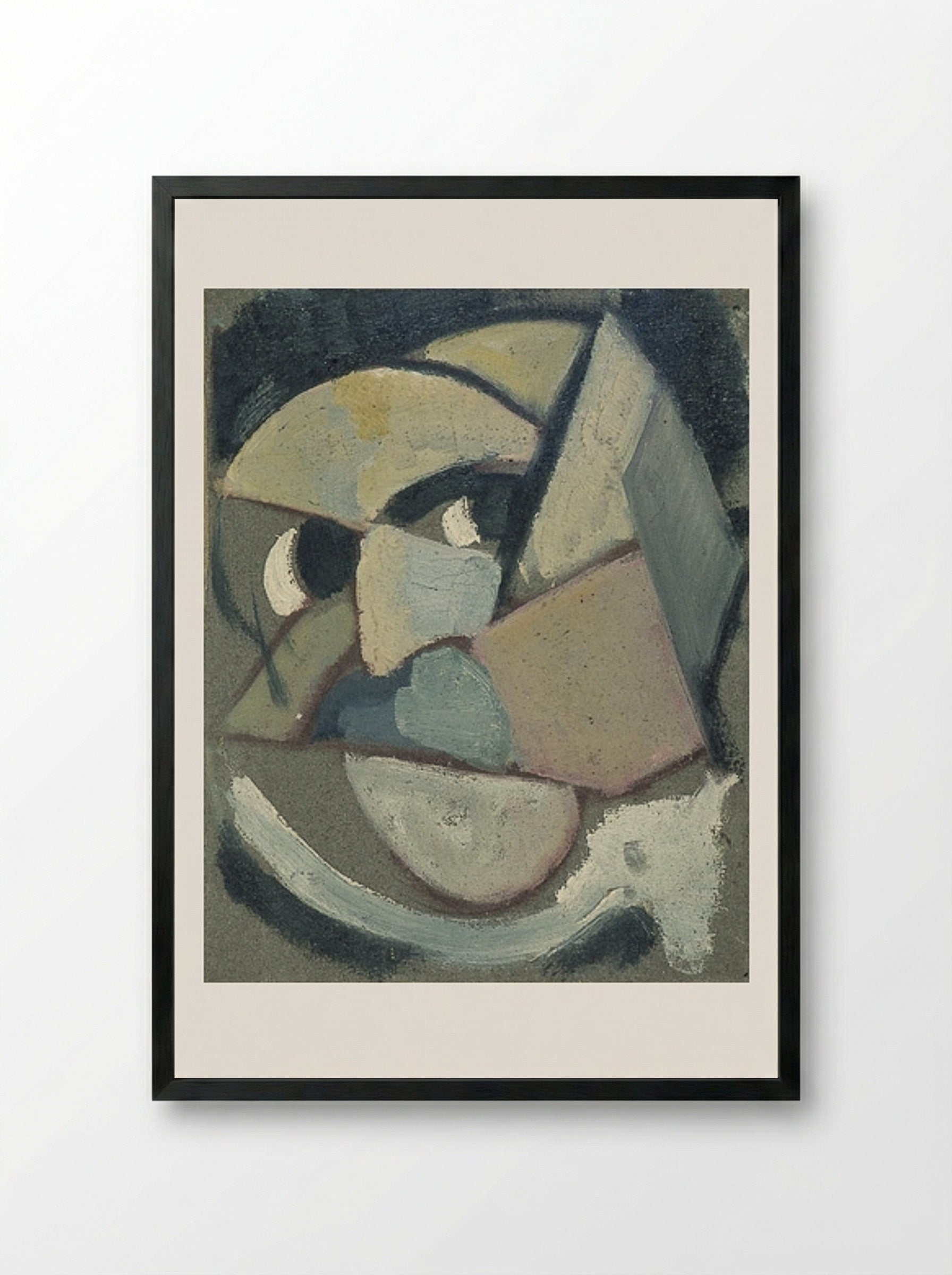 Abstract Portrait - Theo van Doesburg
Print · Framed
Regular price From £28.00 GBPSale price From £28.00 GBP Regular price -

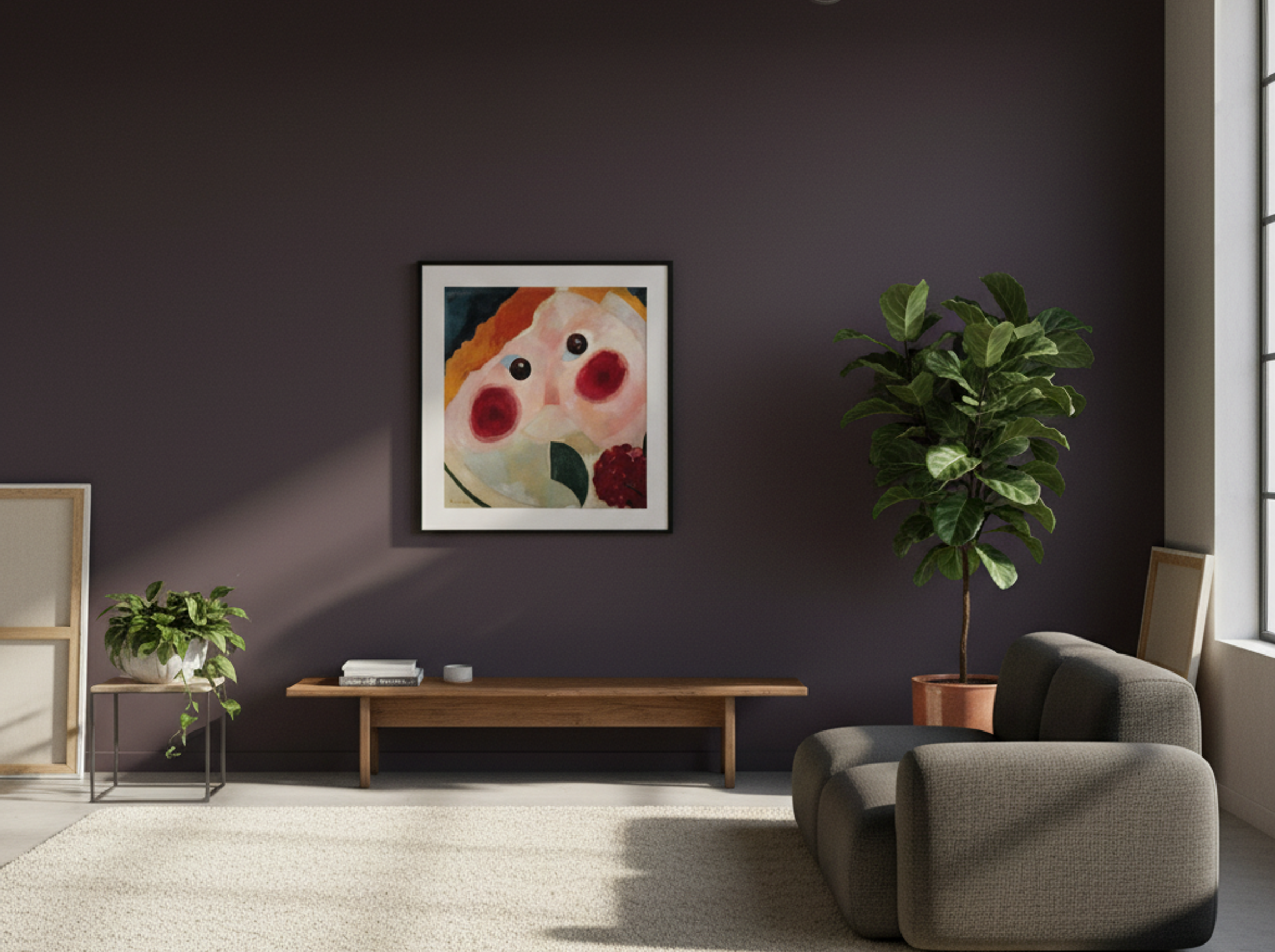 Girl with Buttercups - Theo van Doesburg
Print · Framed
Regular price From £37.00 GBPSale price From £37.00 GBP Regular price -
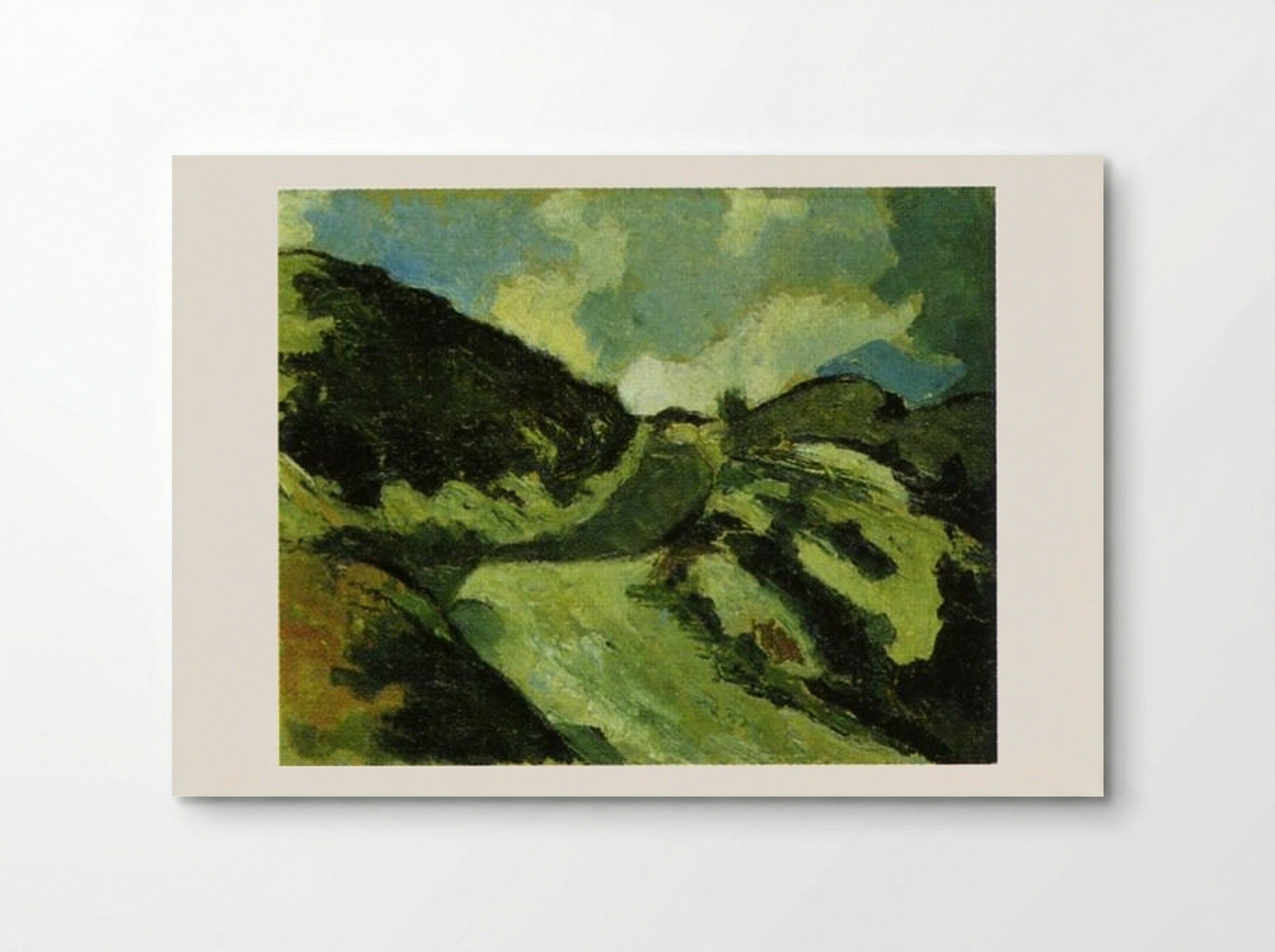
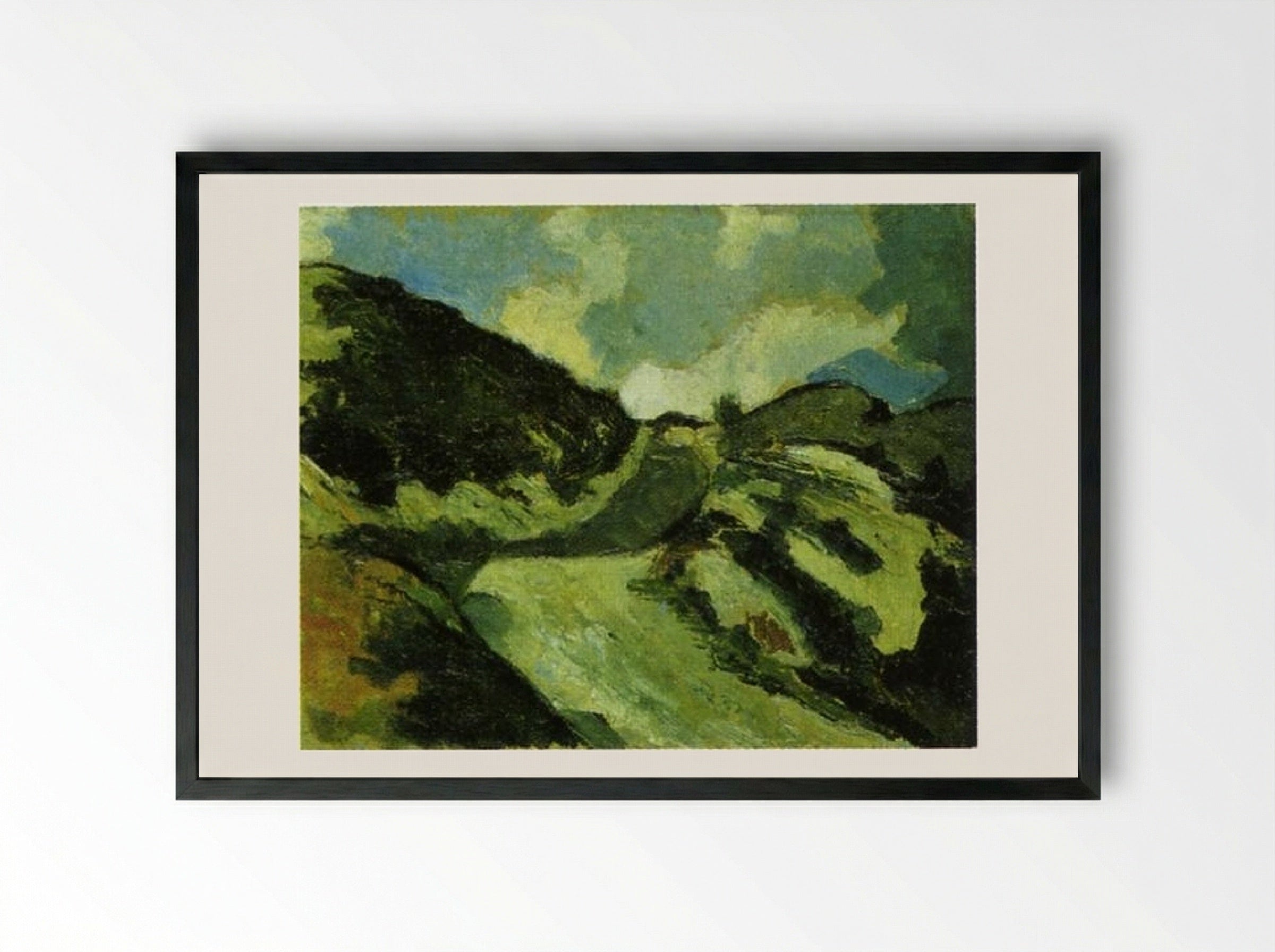 Dune Landscape - Theo van Doesburg
Print · Framed
Regular price From £28.00 GBPSale price From £28.00 GBP Regular price -
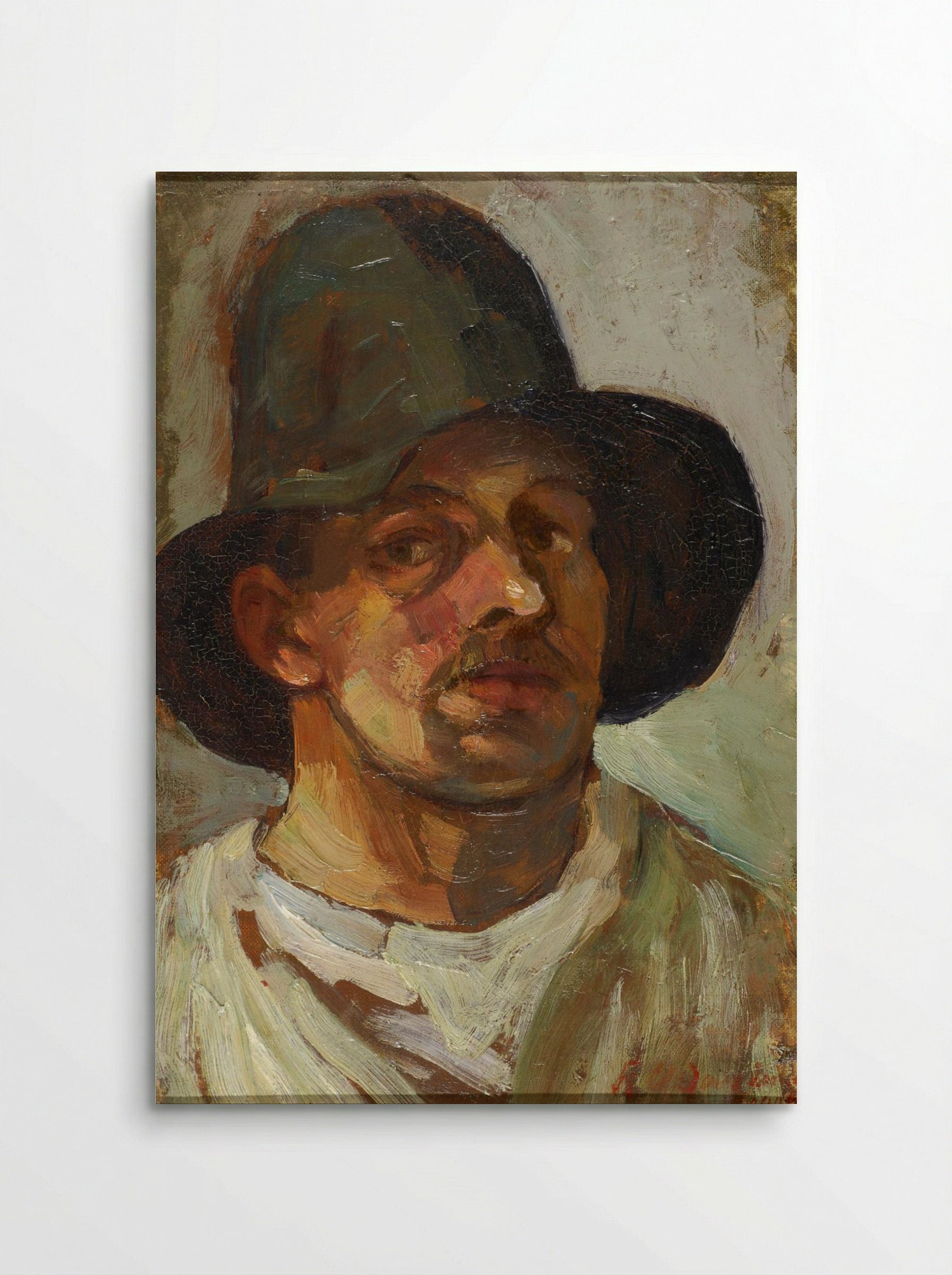
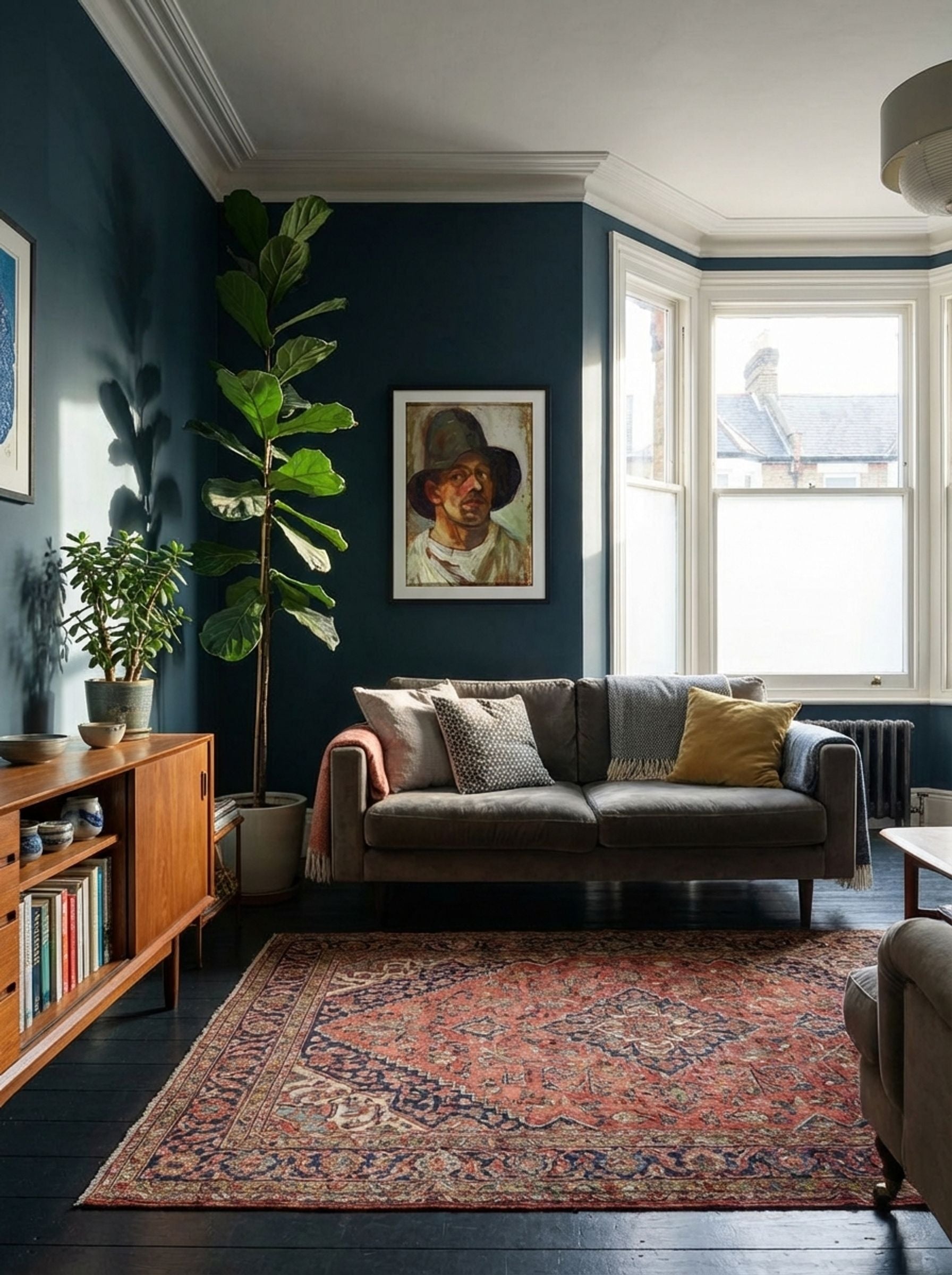 Self-Portrait with Hat - Theo van Doesburg
Print · Framed
Regular price From £28.00 GBPSale price From £28.00 GBP Regular price -
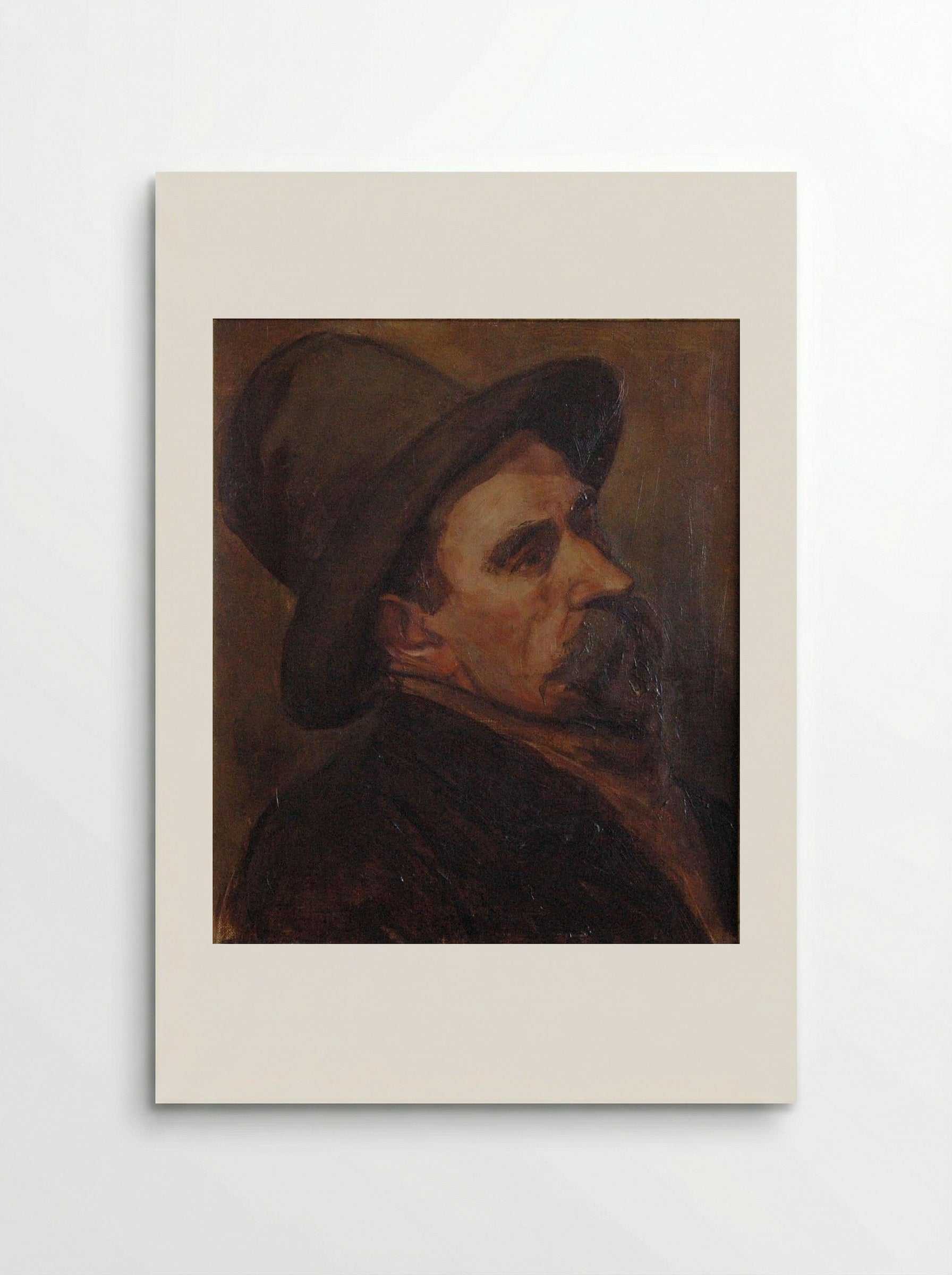
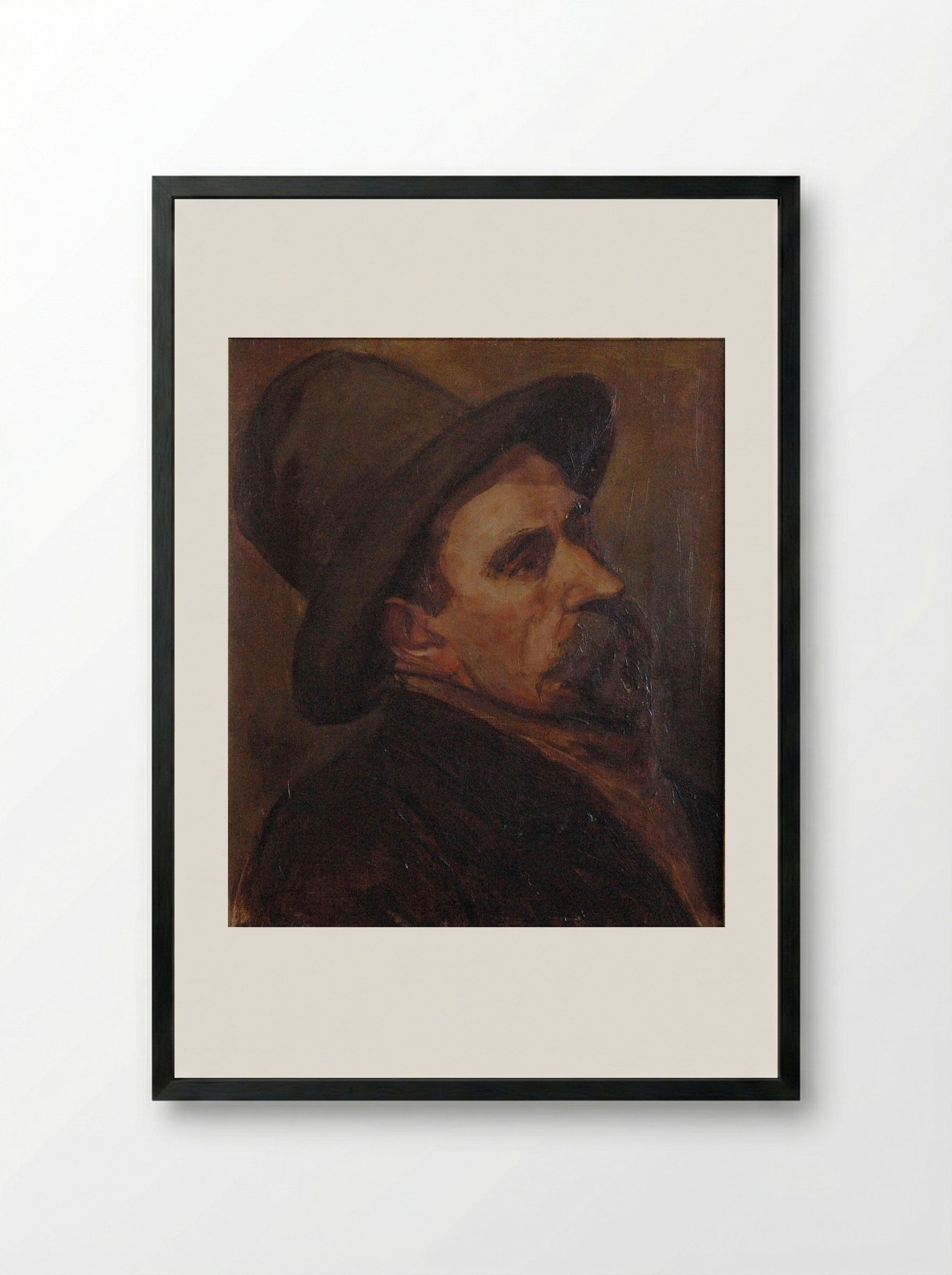 Portrait of Christian Leibbrandt - Theo van Doesburg
Print · Framed
Regular price From £28.00 GBPSale price From £28.00 GBP Regular price -
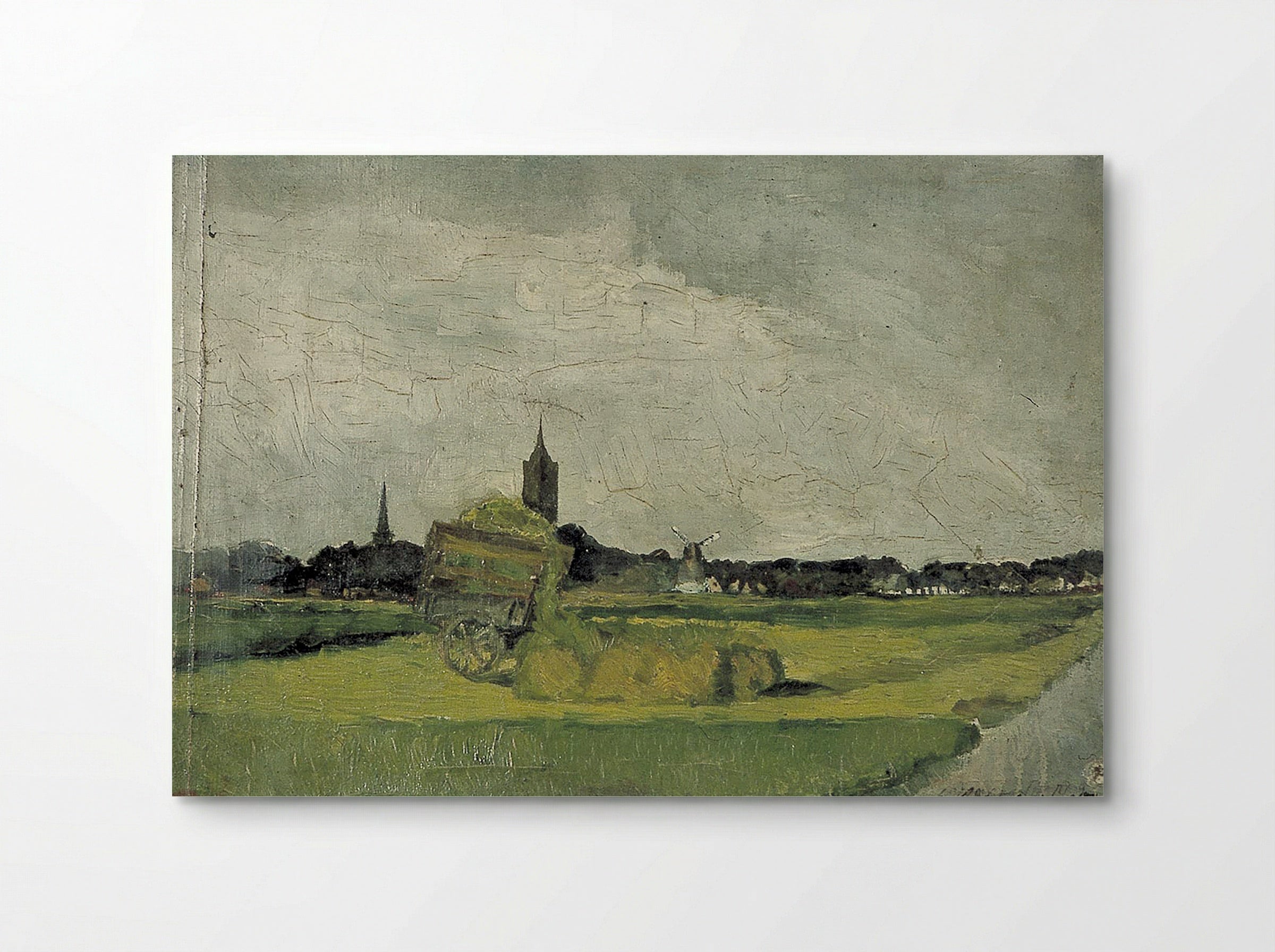
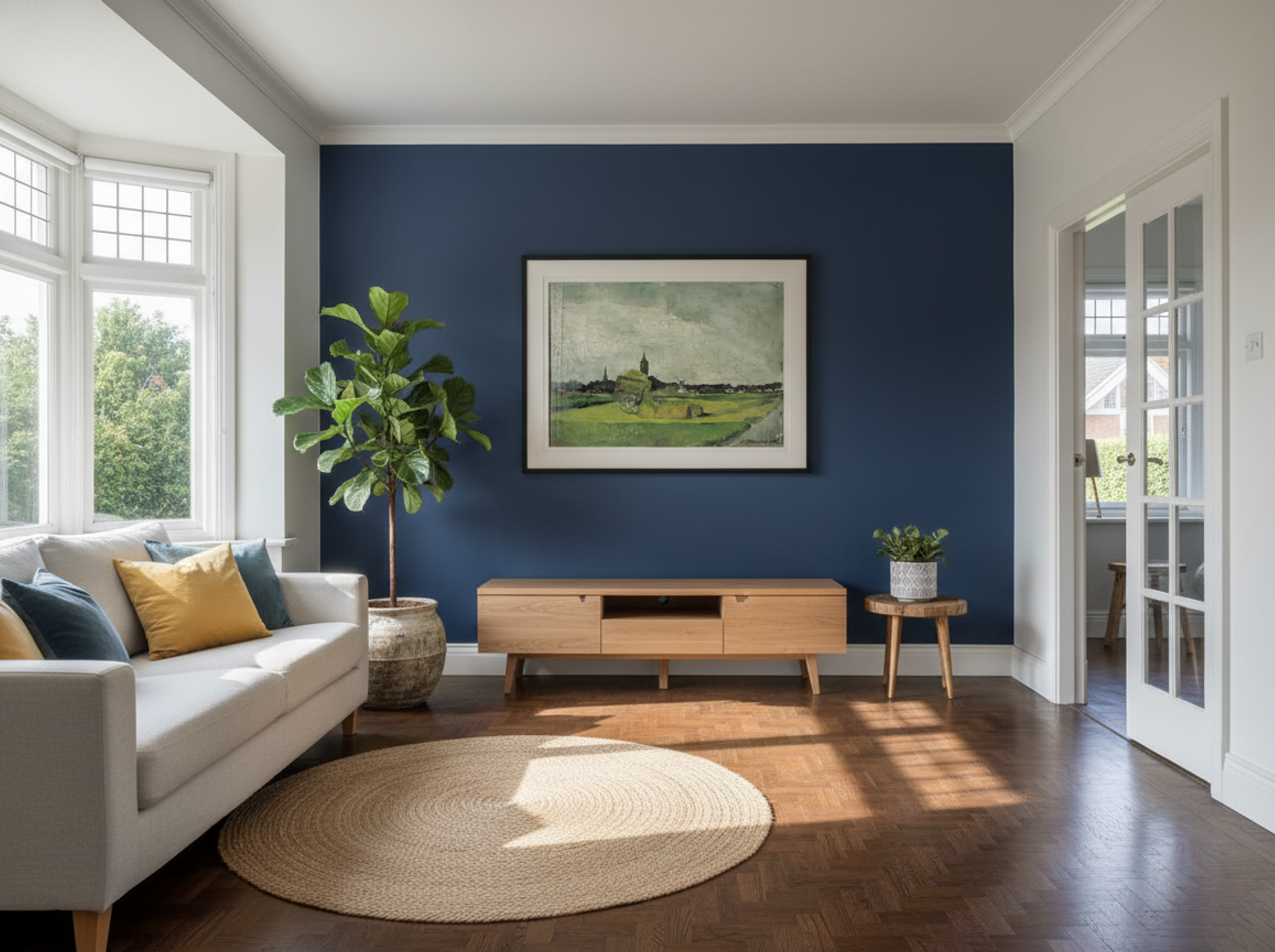 Landscape with Hay Cart, Church Towers and Windmill - Theo van Doesburg
Print · Framed
Regular price From £28.00 GBPSale price From £28.00 GBP Regular price -
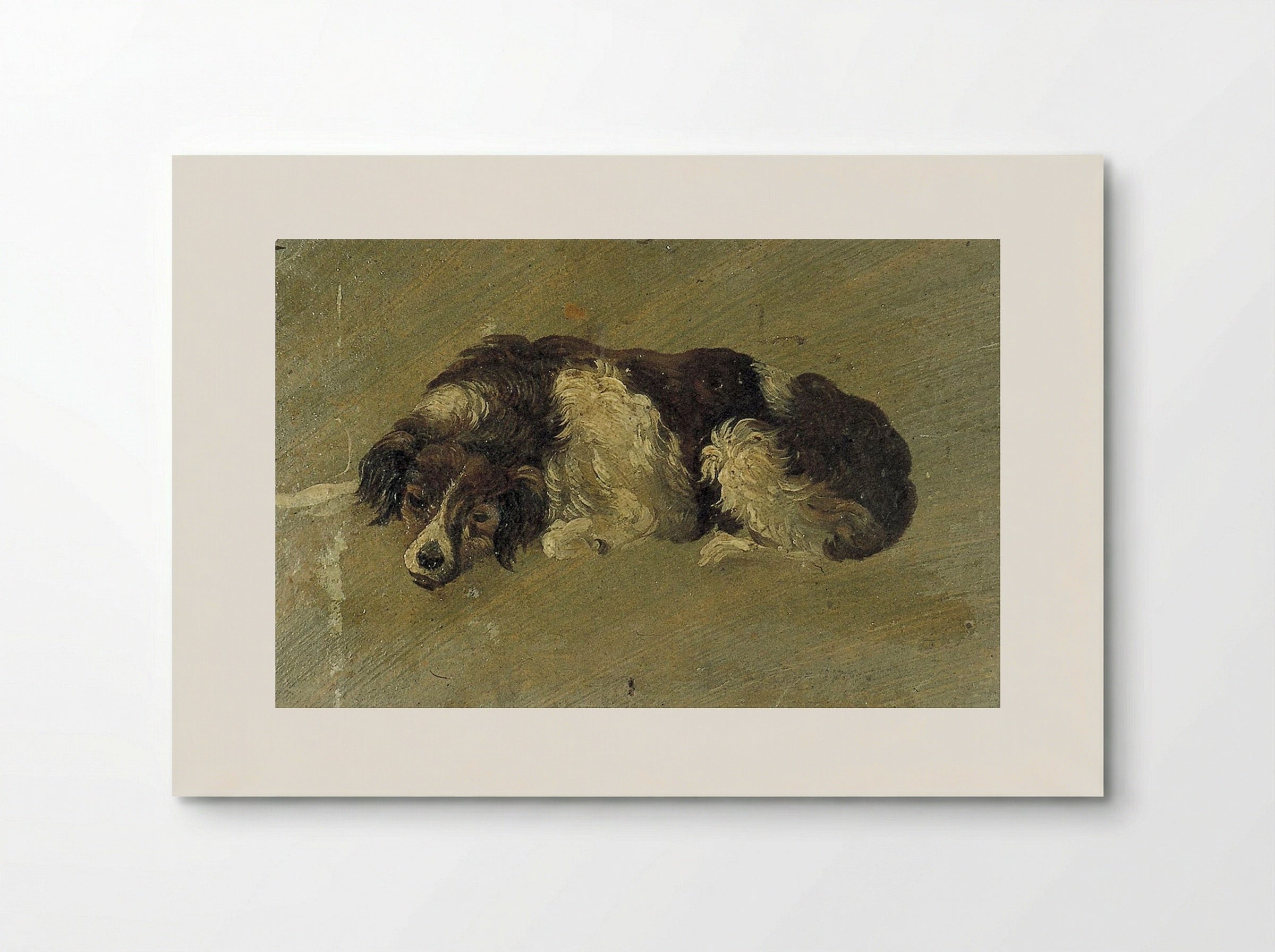
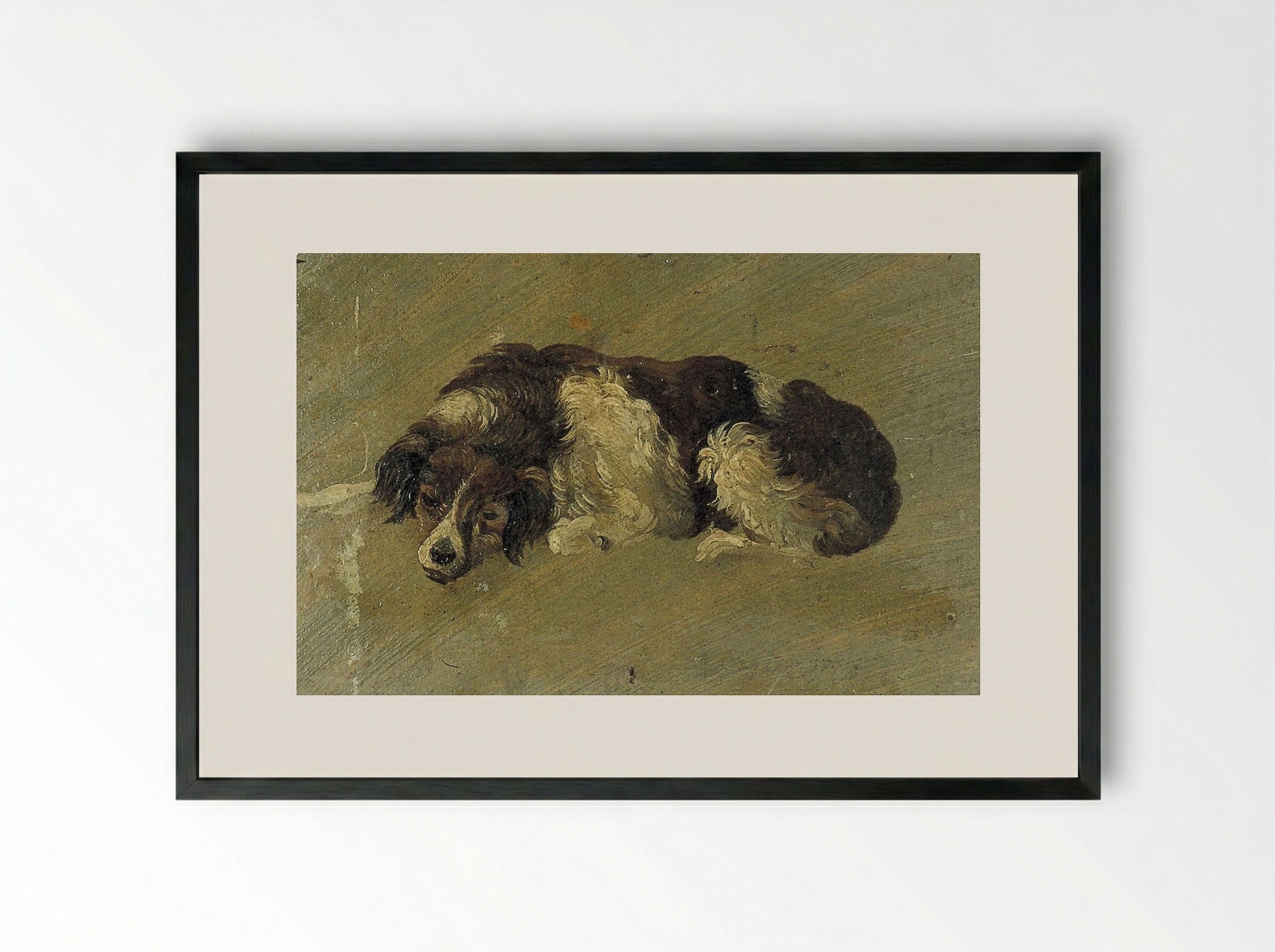 A Dog - Theo van Doesburg
Print · Framed
Regular price From £28.00 GBPSale price From £28.00 GBP Regular price


Artist Biography
Theo Van Doesburg
Van Doesburg published Dada poetry under one pseudonym, anti-philosophical prose under another, and founded De Stijl under his adopted surname. His birth name was Christian Emil Marie Kupper. He took "van Doesburg" from his stepfather, "I.K. Bonset" from a Dutch pun meaning "I am foolish", and "Aldo Camini" from somewhere in his imagination. No other founding figure of geometric abstraction operated under so many identities.
He was born in Utrecht in 1883. After encountering Mondrian's work around 1915, he sought him out and together they launched the magazine De Stijl in 1917, along with Bart van der Leck, Vilmos Huszar, J.J.P. Oud and Antony Kok. Van Doesburg was the movement's organiser, publicist and ambassador, travelling across Europe to promote Neoplasticism while Mondrian stayed in his studio.
In 1922 he moved to Weimar and set up an unofficial school near the Bauhaus to attract students to Constructivist and De Stijl ideas. Walter Gropius acknowledged the influence but refused to give Van Doesburg a teaching post. The rivalry was productive: Bauhaus design absorbed De Stijl principles without crediting the source.
The break with Mondrian came over diagonals. Mondrian insisted on strictly horizontal and vertical lines; Van Doesburg introduced the diagonal in his Counter-Compositions, arguing for dynamic rather than static geometry. They stopped speaking. In 1929 they met accidentally in a Paris cafe and reconciled.
He married three times. His third wife, Nelly van Moorsel, was an artist, pianist and choreographer. He died in Davos in 1931, at forty-seven, from a heart attack. De Stijl ended with him.
He was born in Utrecht in 1883. After encountering Mondrian's work around 1915, he sought him out and together they launched the magazine De Stijl in 1917, along with Bart van der Leck, Vilmos Huszar, J.J.P. Oud and Antony Kok. Van Doesburg was the movement's organiser, publicist and ambassador, travelling across Europe to promote Neoplasticism while Mondrian stayed in his studio.
In 1922 he moved to Weimar and set up an unofficial school near the Bauhaus to attract students to Constructivist and De Stijl ideas. Walter Gropius acknowledged the influence but refused to give Van Doesburg a teaching post. The rivalry was productive: Bauhaus design absorbed De Stijl principles without crediting the source.
The break with Mondrian came over diagonals. Mondrian insisted on strictly horizontal and vertical lines; Van Doesburg introduced the diagonal in his Counter-Compositions, arguing for dynamic rather than static geometry. They stopped speaking. In 1929 they met accidentally in a Paris cafe and reconciled.
He married three times. His third wife, Nelly van Moorsel, was an artist, pianist and choreographer. He died in Davos in 1931, at forty-seven, from a heart attack. De Stijl ended with him.
Related Artists


Why Choose Us ?