

Collection
Pierre Auguste Renoir
Explore curated art prints selected for distinctive homes and considered interiors.
Suggested filters
-
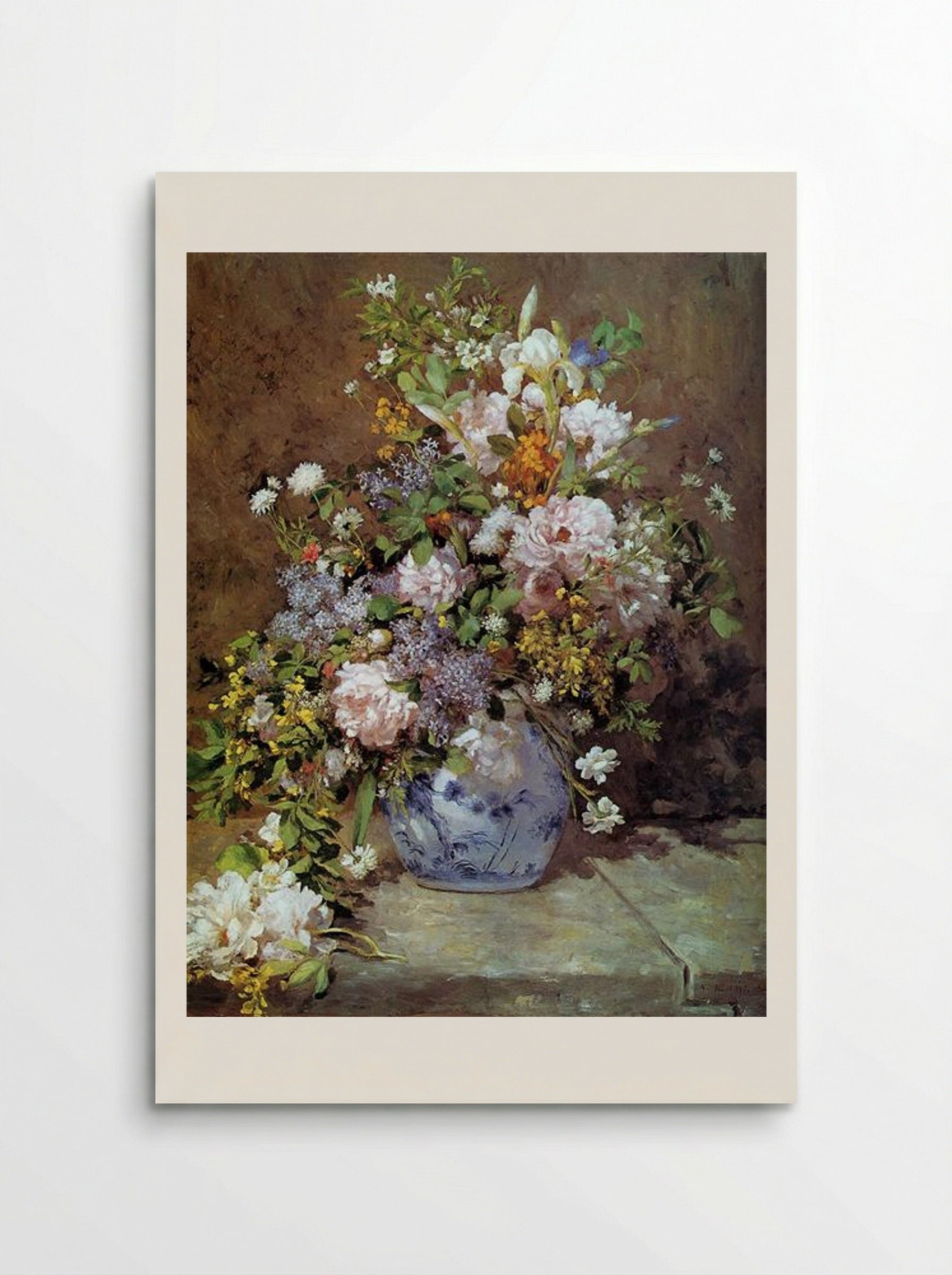 Spring Bouquet - Pierre-Auguste Renoir
Print
Regular price From £28.00 GBPSale price From £28.00 GBP Regular price -
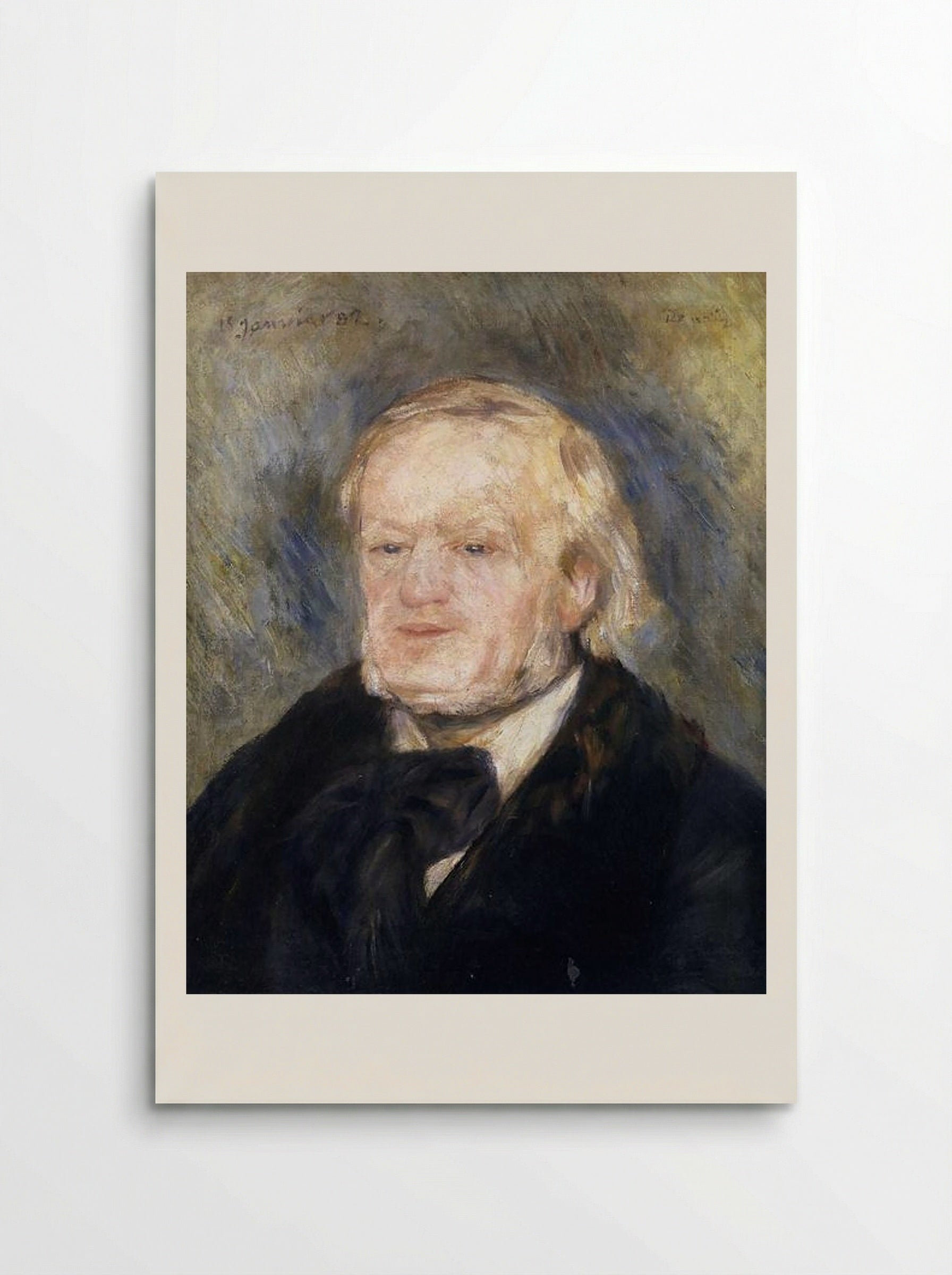
 Richard Wagner - Pierre-Auguste Renoir
Print · Framed
Regular price From £28.00 GBPSale price From £28.00 GBP Regular price -
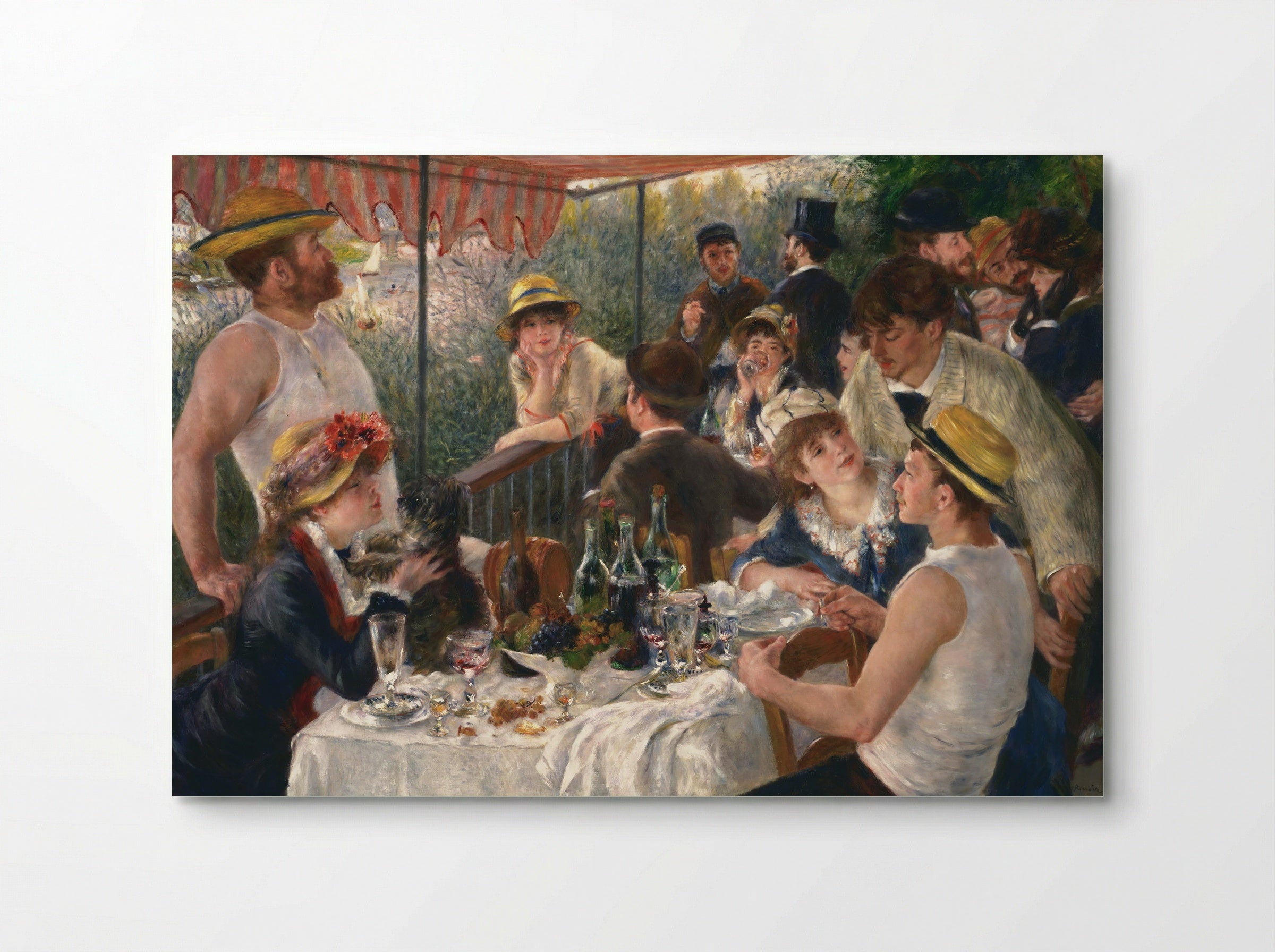
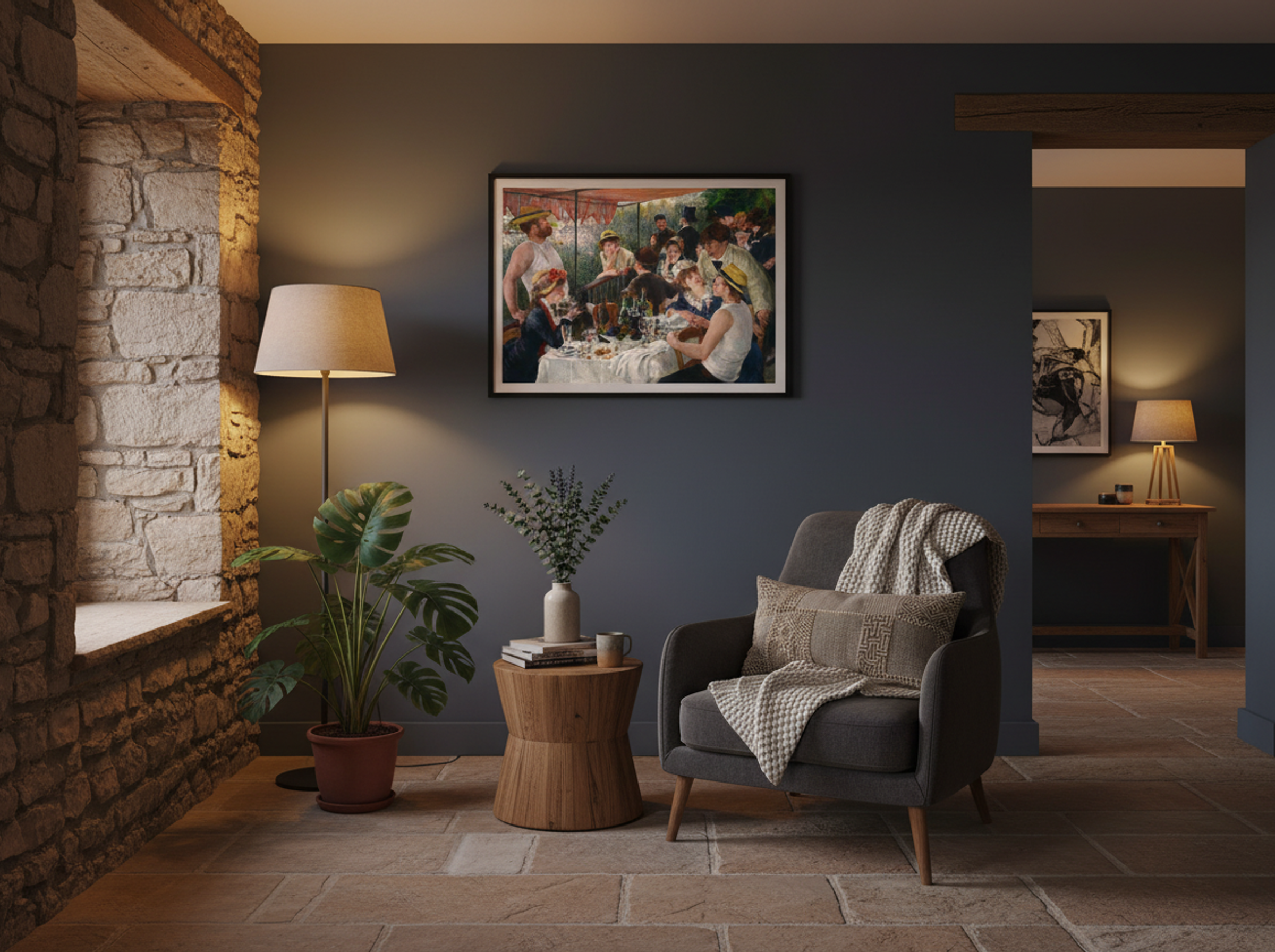 The Luncheon of the Boating Party - Pierre-Auguste Renoir
Print · Framed
Regular price From £28.00 GBPSale price From £28.00 GBP Regular price -
 Summer - Pierre-Auguste Renoir
Print
Regular price From £28.00 GBPSale price From £28.00 GBP Regular price -
 Bust of a Woman - Pierre-Auguste Renoir
Print
Regular price From £28.00 GBPSale price From £28.00 GBP Regular price -
 Portrait of Mademoiselle Sicot - Pierre-Auguste Renoir
Print
Regular price From £28.00 GBPSale price From £28.00 GBP Regular price -
 Portrait of a Woman - Pierre-Auguste Renoir
Print
Regular price From £28.00 GBPSale price From £28.00 GBP Regular price -
 Claude Renoir Playing with Toys - Pierre-Auguste Renoir
Print
Regular price From £28.00 GBPSale price From £28.00 GBP Regular price -
 Little Girl in a White Apron (Portrait of Lucie Berard) - Pierre-Auguste Renoir
Print
Regular price From £28.00 GBPSale price From £28.00 GBP Regular price -
 Romaine Lascaux - Pierre-Auguste Renoir
Print
Regular price From £28.00 GBPSale price From £28.00 GBP Regular price -
 Vase of Chrysanthemums - Pierre-Auguste Renoir
Print
Regular price From £28.00 GBPSale price From £28.00 GBP Regular price -
 Village by the Sea - Pierre-Auguste Renoir
Print
Regular price From £28.00 GBPSale price From £28.00 GBP Regular price -
 The Conversation - Pierre-Auguste Renoir
Print
Regular price From £28.00 GBPSale price From £28.00 GBP Regular price -
 Bathers - Pierre-Auguste Renoir
Print
Regular price From £28.00 GBPSale price From £28.00 GBP Regular price -
 Mosque in Algiers - Pierre-Auguste Renoir
Print
Regular price From £28.00 GBPSale price From £28.00 GBP Regular price -
 The Dancer - Pierre-Auguste Renoir
Print
Regular price From £28.00 GBPSale price From £28.00 GBP Regular price -
 Breton Landscape - Pierre-Auguste Renoir
Print
Regular price From £28.00 GBPSale price From £28.00 GBP Regular price -
 Girl with Falcon - Pierre-Auguste Renoir
Print
Regular price From £28.00 GBPSale price From £28.00 GBP Regular price -
 Captain Edouard Bernier - Pierre-Auguste Renoir
Print
Regular price From £28.00 GBPSale price From £28.00 GBP Regular price -
 Self-Portrait at the Age of Thirty Five - Pierre-Auguste Renoir
Print
Regular price From £28.00 GBPSale price From £28.00 GBP Regular price -
 Woman with a Corset - Pierre-Auguste Renoir
Print
Regular price From £28.00 GBPSale price From £28.00 GBP Regular price -
 Pink and Blue - Pierre-Auguste Renoir
Print
Regular price From £28.00 GBPSale price From £28.00 GBP Regular price -
 Frederic Bazille Painting The Heron - Pierre-Auguste Renoir
Print
Regular price From £28.00 GBPSale price From £28.00 GBP Regular price -
 Helene Bellow - Pierre-Auguste Renoir
Print
Regular price From £28.00 GBPSale price From £28.00 GBP Regular price


Artist Biography
Pierre Auguste Renoir
Renoir painted porcelain before he painted canvases. He was born in 1841 in Limoges, the porcelain capital of France, and his family moved to Paris when he was three. At thirteen, financial difficulties ended his schooling, and he was apprenticed to a porcelain factory. His drawing ability got him chosen to paint designs on fine china. The training in decorative colour and surface stayed with him for life.
He met Monet, Sisley, and Bazille at Charles Gleyre's studio in the early 1860s. In 1869, he and Monet painted side by side at La Grenouillere, a bathing spot on the Seine, producing some of the earliest distinctly Impressionist work. They co-founded the first Impressionist exhibition in April 1874 with Pissarro and others. Of the group, Renoir was the one most drawn to people. His subjects are eating, dancing, talking, sitting in the sun, doing very little. The paint itself seems warm.
Luncheon of the Boating Party, painted in 1881, includes his future wife Aline Charigot as the woman on the left playing with a small dog. She was a dressmaker, twenty years his junior. They married in 1890. The model Suzanne Valadon, later a significant painter in her own right, posed for several of his works during this period.
Rheumatoid arthritis set in around 1892 and progressively crippled his hands. In 1907 he moved south to Cagnes-sur-Mer, near the Mediterranean, seeking warmer air. The commonly repeated story is that brushes were strapped to his paralysed fingers. The reality is more precise: he could still grip a brush, but an assistant had to place it in his permanently clenched hand. Bandages visible in late photographs prevented skin irritation rather than holding brushes in place. Film footage from 1915 shows the seventy-four-year-old painting at his easel while his fourteen-year-old son Claude arranged the palette and placed brushes in his hand.
He kept painting until the day he died, in December 1919, at seventy-eight.
He met Monet, Sisley, and Bazille at Charles Gleyre's studio in the early 1860s. In 1869, he and Monet painted side by side at La Grenouillere, a bathing spot on the Seine, producing some of the earliest distinctly Impressionist work. They co-founded the first Impressionist exhibition in April 1874 with Pissarro and others. Of the group, Renoir was the one most drawn to people. His subjects are eating, dancing, talking, sitting in the sun, doing very little. The paint itself seems warm.
Luncheon of the Boating Party, painted in 1881, includes his future wife Aline Charigot as the woman on the left playing with a small dog. She was a dressmaker, twenty years his junior. They married in 1890. The model Suzanne Valadon, later a significant painter in her own right, posed for several of his works during this period.
Rheumatoid arthritis set in around 1892 and progressively crippled his hands. In 1907 he moved south to Cagnes-sur-Mer, near the Mediterranean, seeking warmer air. The commonly repeated story is that brushes were strapped to his paralysed fingers. The reality is more precise: he could still grip a brush, but an assistant had to place it in his permanently clenched hand. Bandages visible in late photographs prevented skin irritation rather than holding brushes in place. Film footage from 1915 shows the seventy-four-year-old painting at his easel while his fourteen-year-old son Claude arranged the palette and placed brushes in his hand.
He kept painting until the day he died, in December 1919, at seventy-eight.
Related Artists


Why Choose Us ?