

Collection
Kitagawa Utamaro
Explore curated art prints selected for distinctive homes and considered interiors.
Suggested filters
-
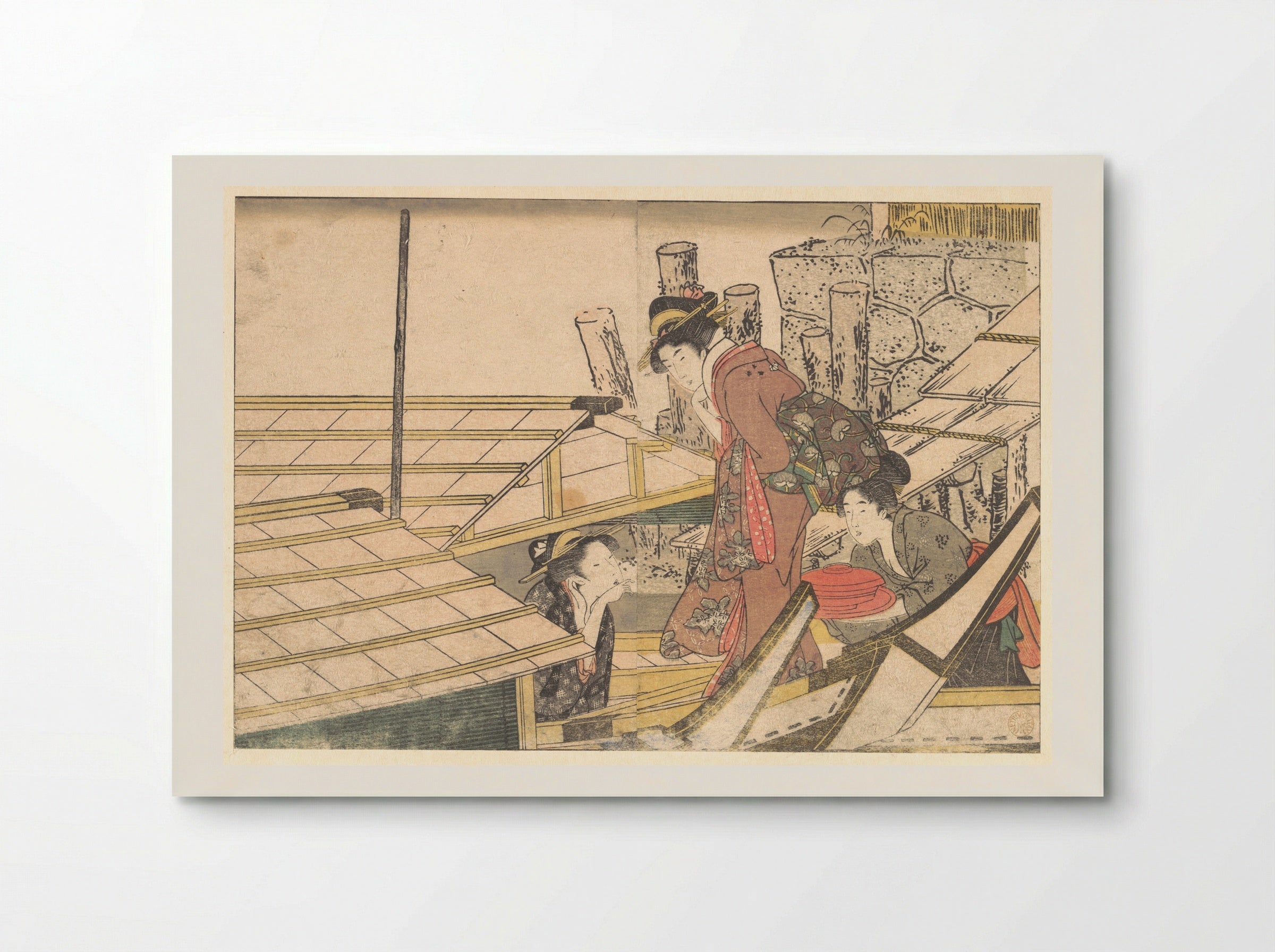 Girls Getting on Board a Boat, from the illustrated book Flowers of the Four Seasons - Kitagawa Utamaro
Print
Regular price From £28.00 GBPSale price From £28.00 GBP Regular price -
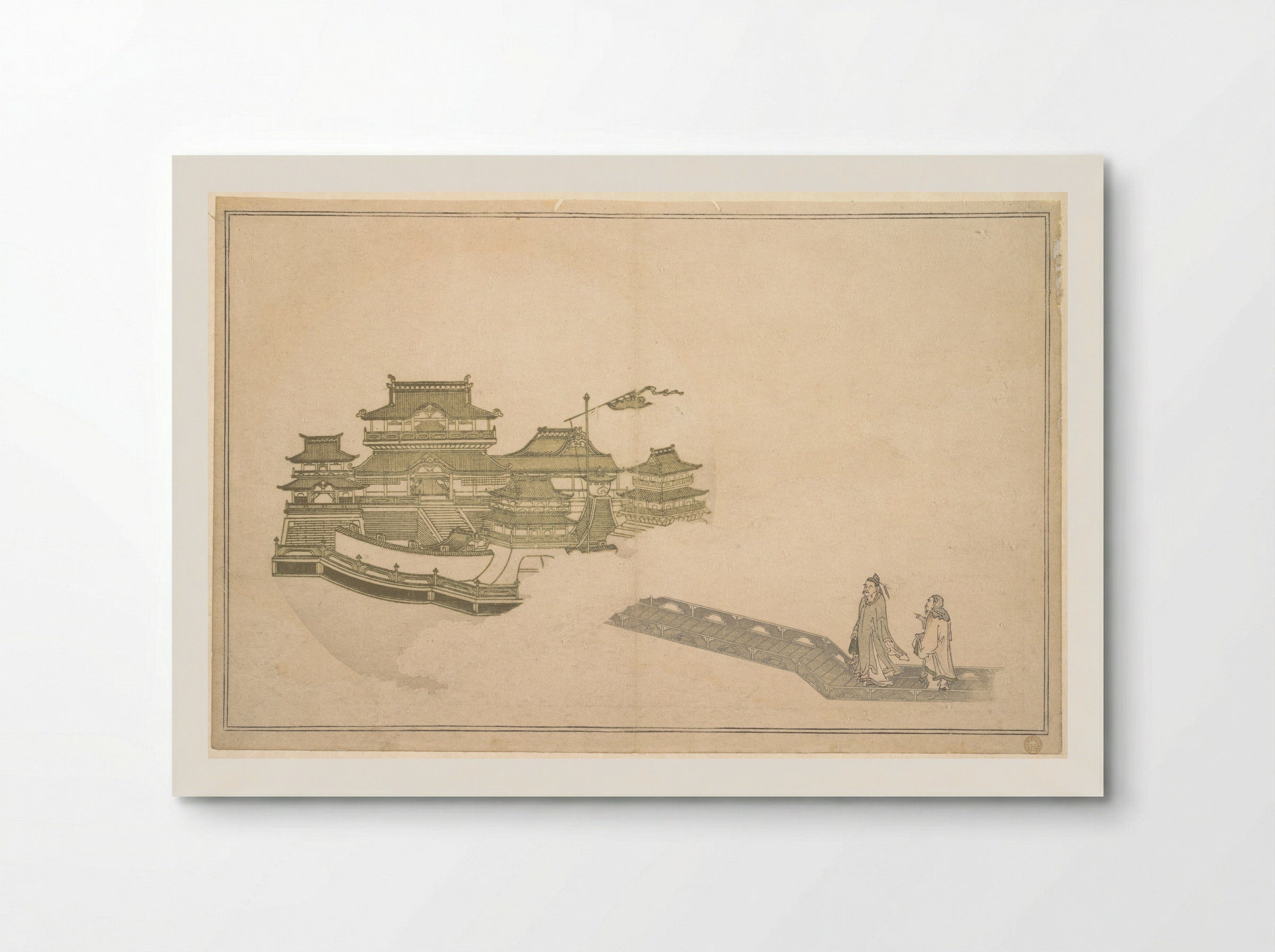 The Palace in the Moon - Kitagawa Utamaro
Print
Regular price From £28.00 GBPSale price From £28.00 GBP Regular price -
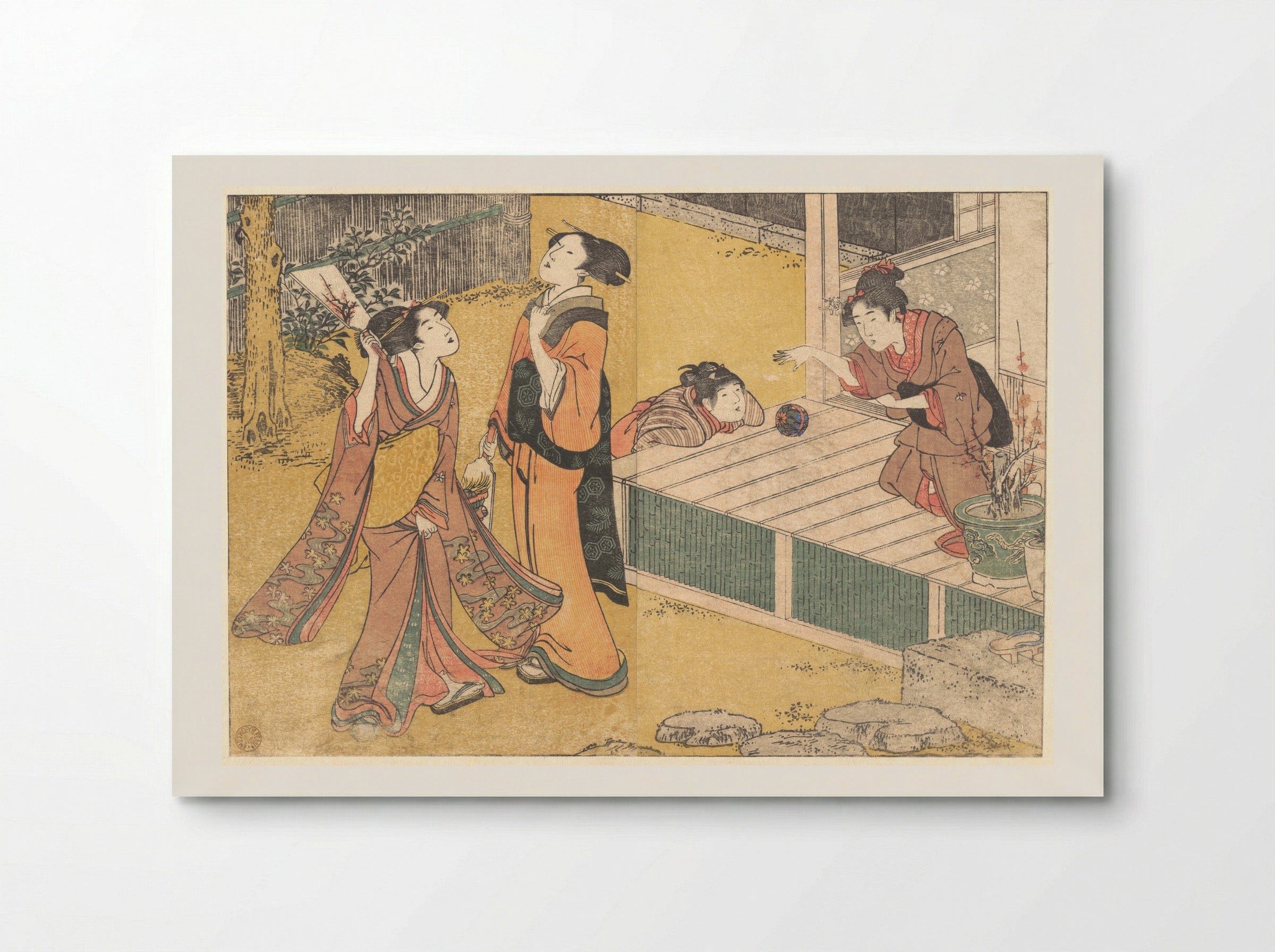 New Year's Games, from the printed book Flowers of the Four Seasons (Shiki no hana) - Kitagawa Utamaro
Print
Regular price From £28.00 GBPSale price From £28.00 GBP Regular price -
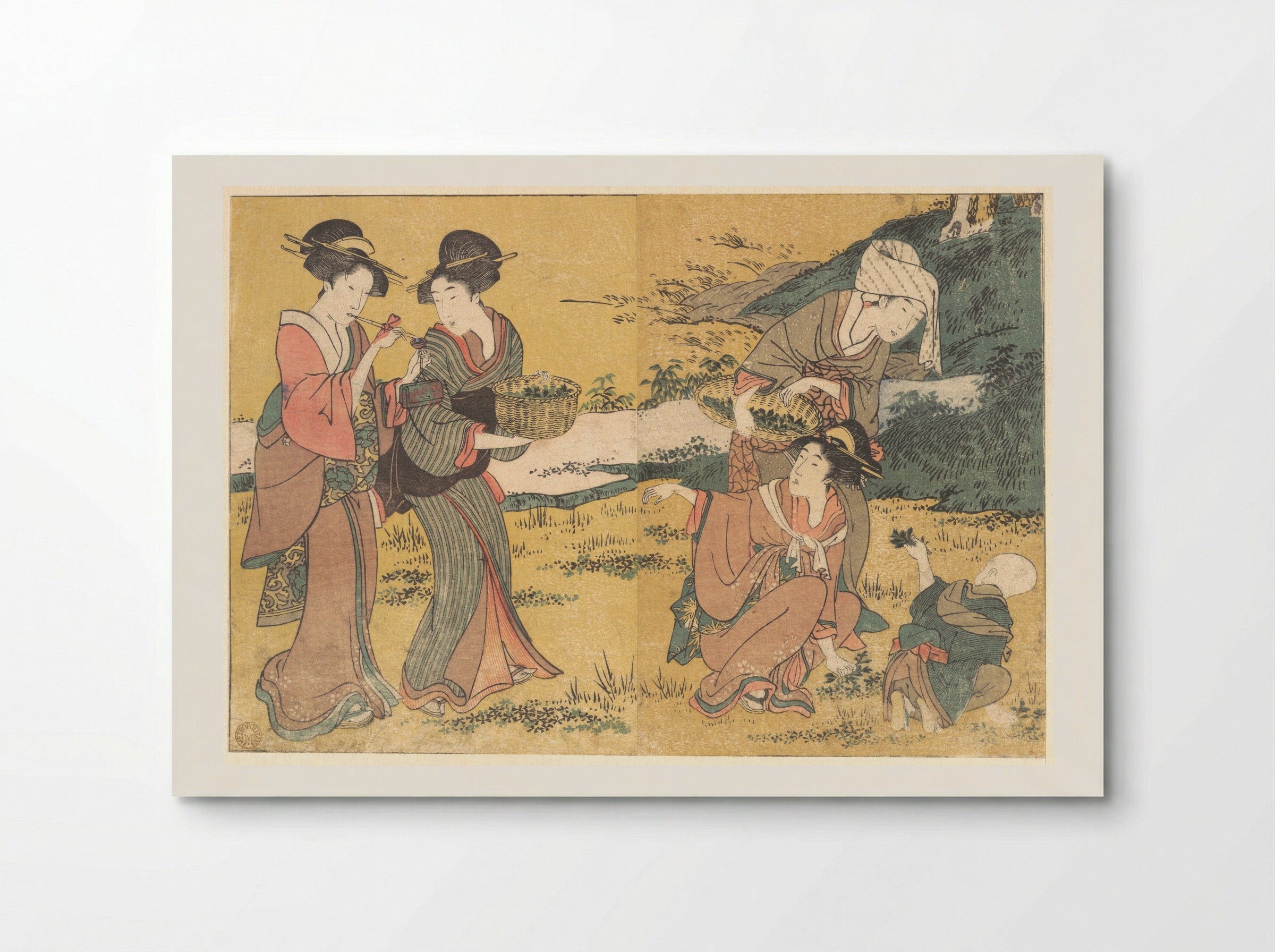 Girls Picking Green Leaves - Kitagawa Utamaro
Print
Regular price From £28.00 GBPSale price From £28.00 GBP Regular price -
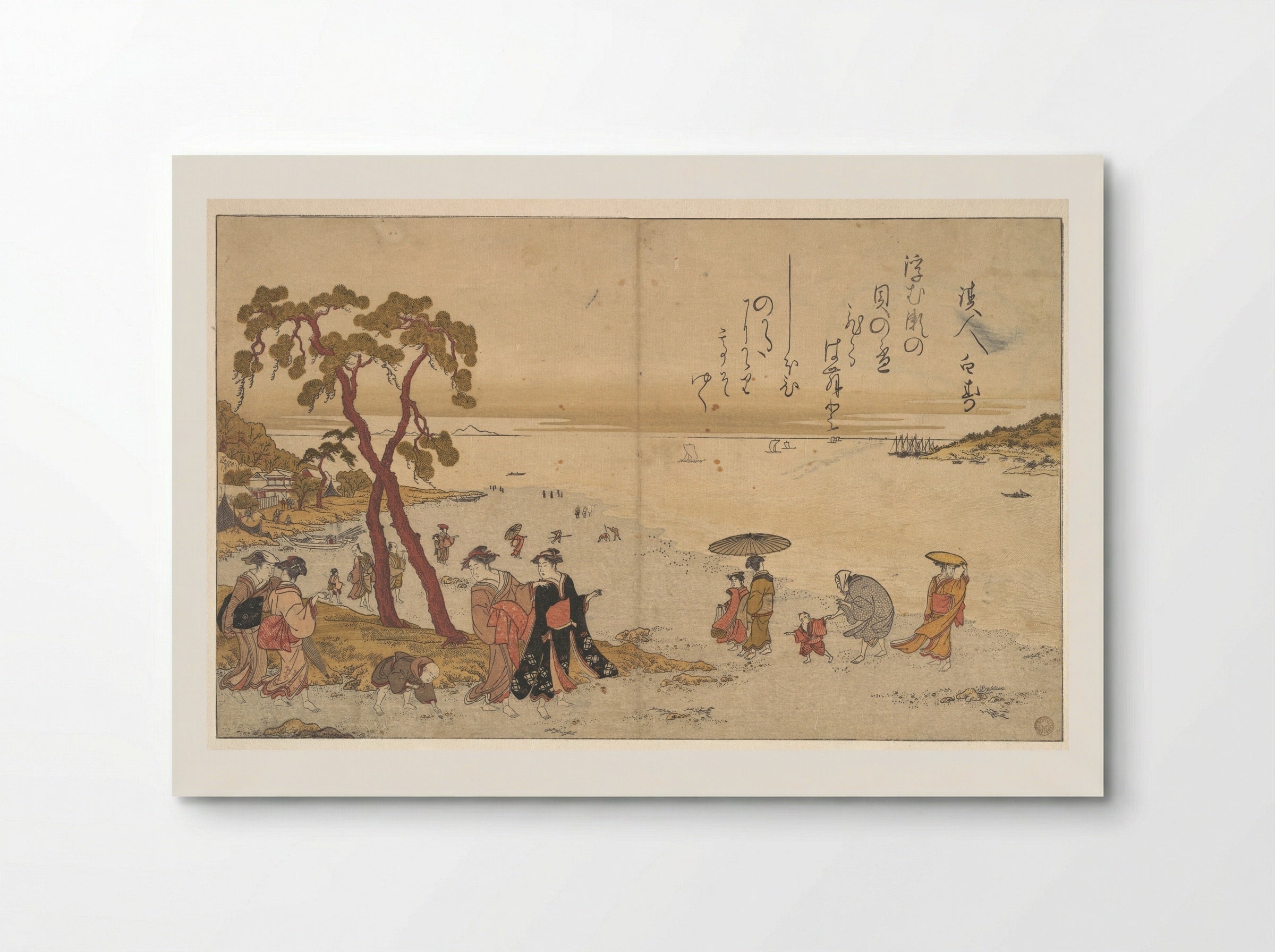 Girls Gathering Shells on the Sea-shore - Kitagawa Utamaro
Print
Regular price From £28.00 GBPSale price From £28.00 GBP Regular price -
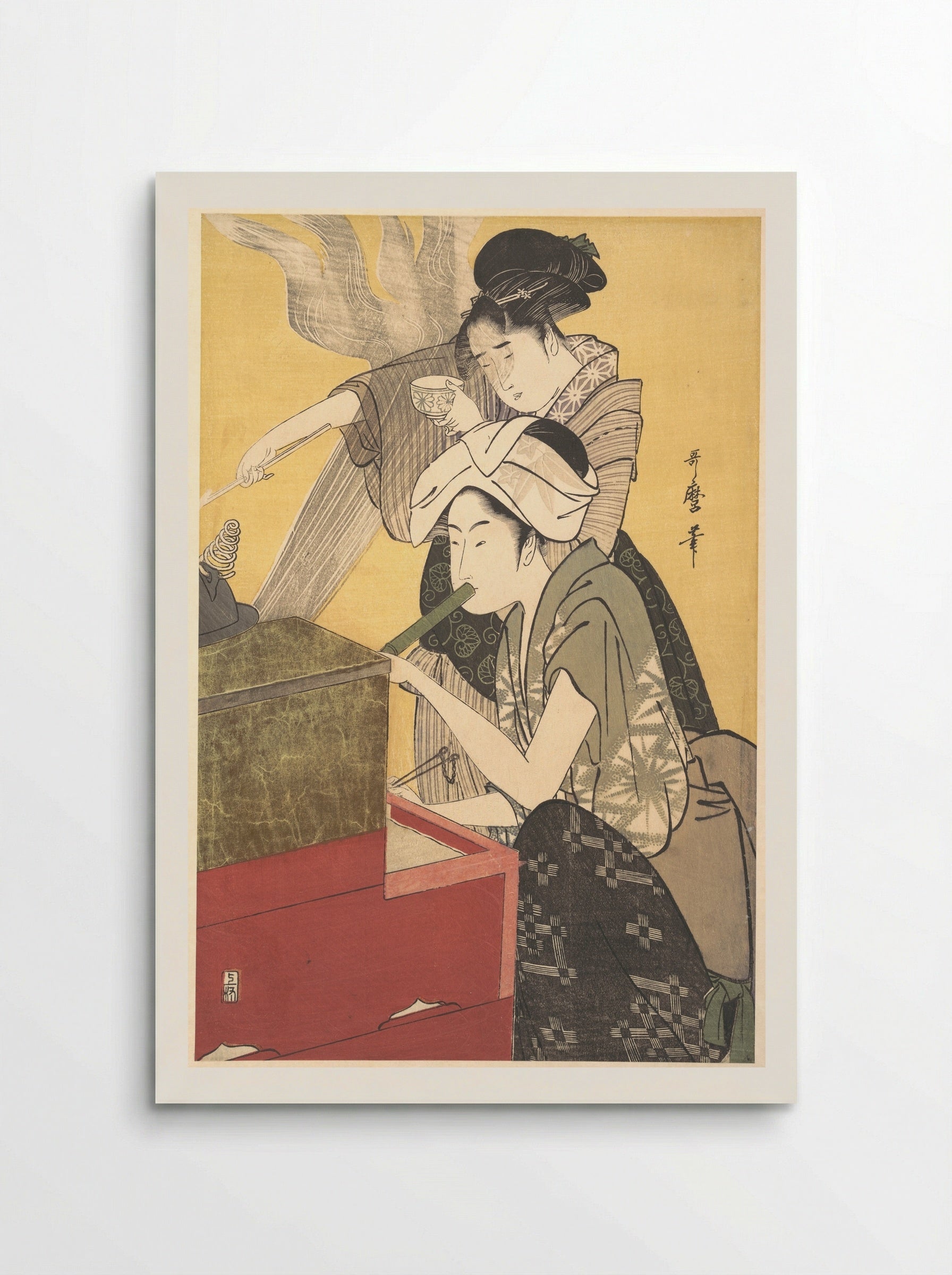 The Kitchen - Kitagawa Utamaro
Print
Regular price From £28.00 GBPSale price From £28.00 GBP Regular price -
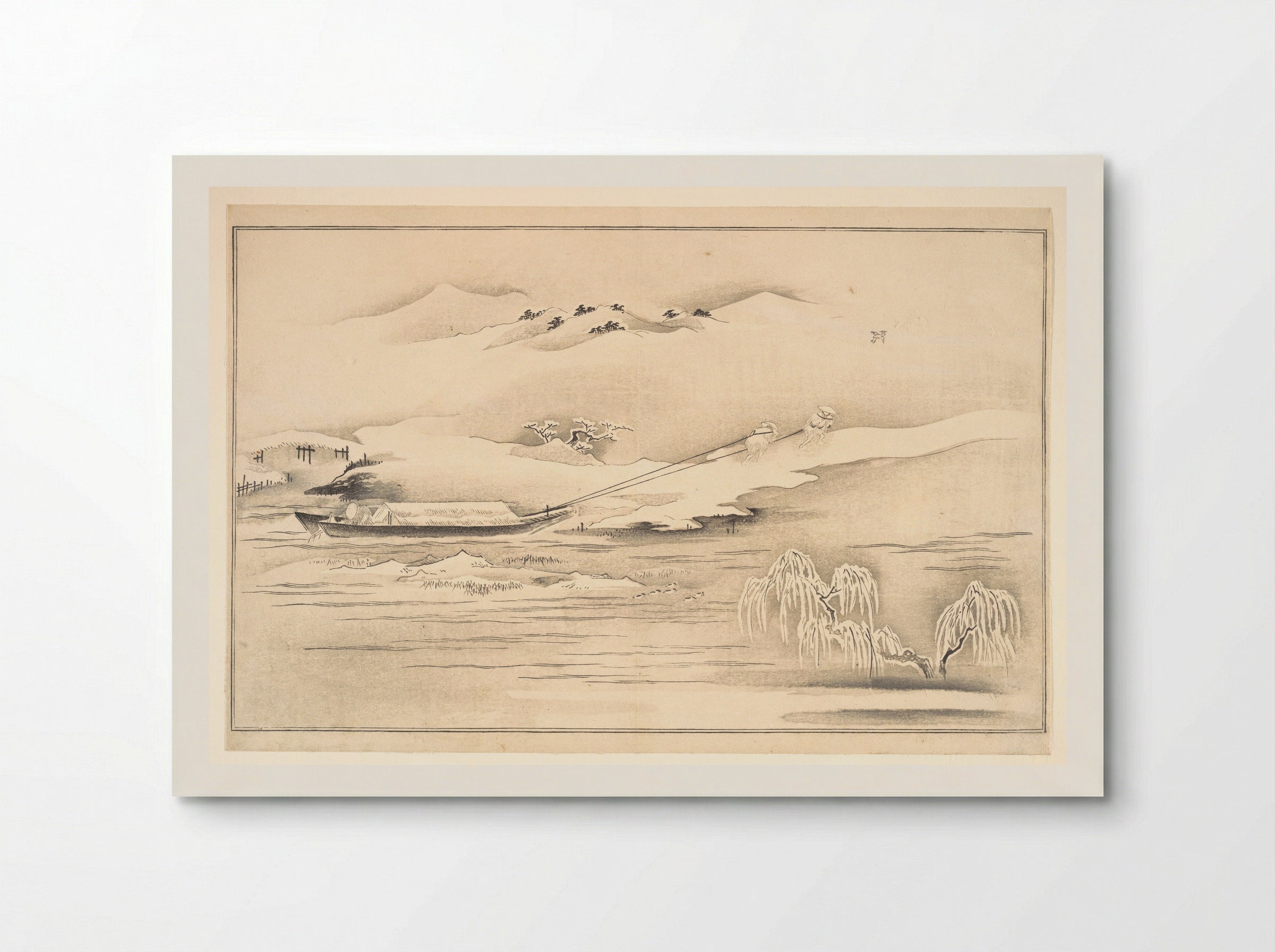 Book of Ehon Ginsekai (The World in Silver) - Kitagawa Utamaro
Print
Regular price From £28.00 GBPSale price From £28.00 GBP Regular price -
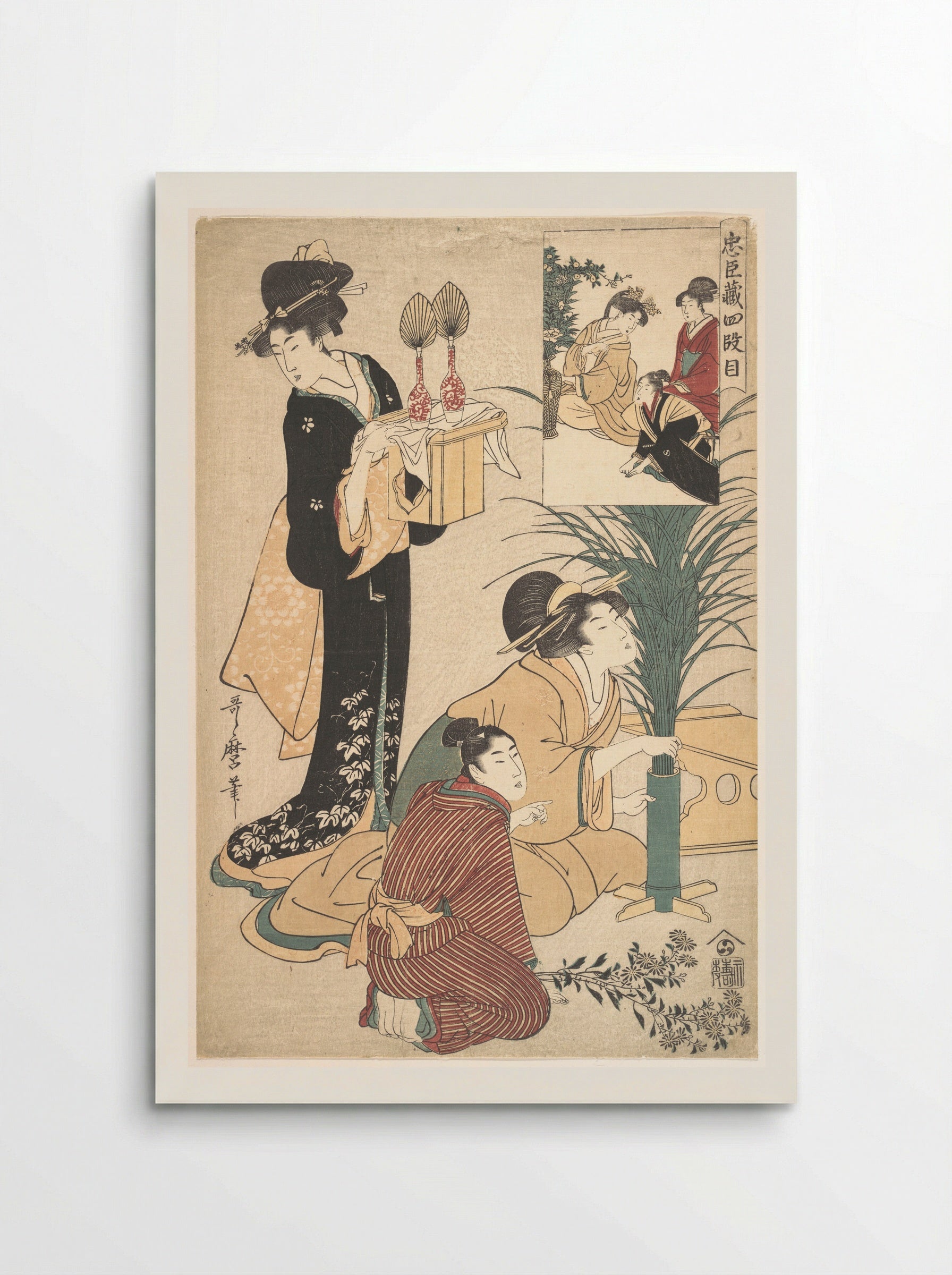 A Woman and a Man Arranging Flowers for the Tsukimi (Moon Festival) - Kitagawa Utamaro
Print
Regular price From £28.00 GBPSale price From £28.00 GBP Regular price -
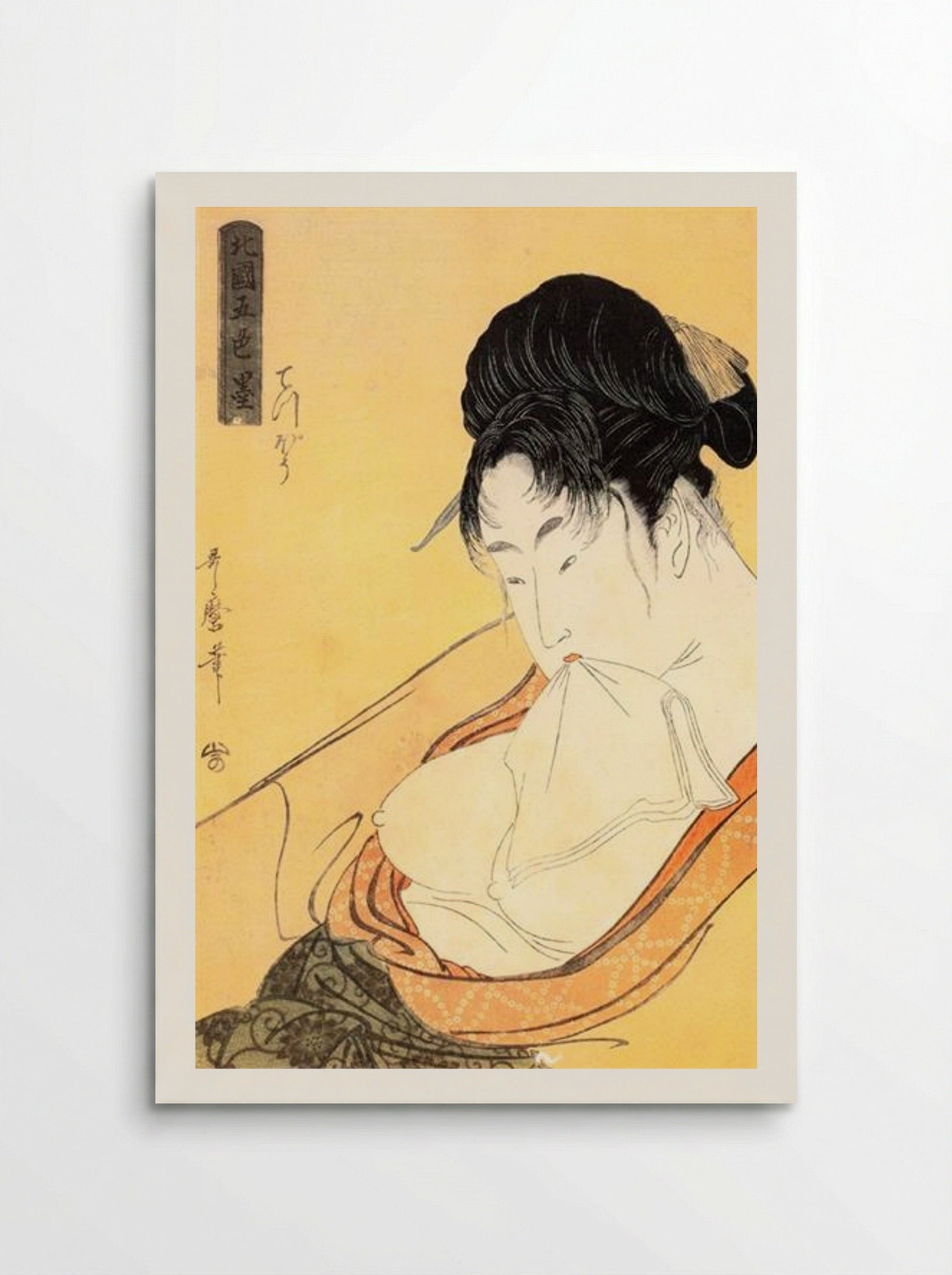 A Courtesan - Kitagawa Utamaro
Print
Regular price From £28.00 GBPSale price From £28.00 GBP Regular price -
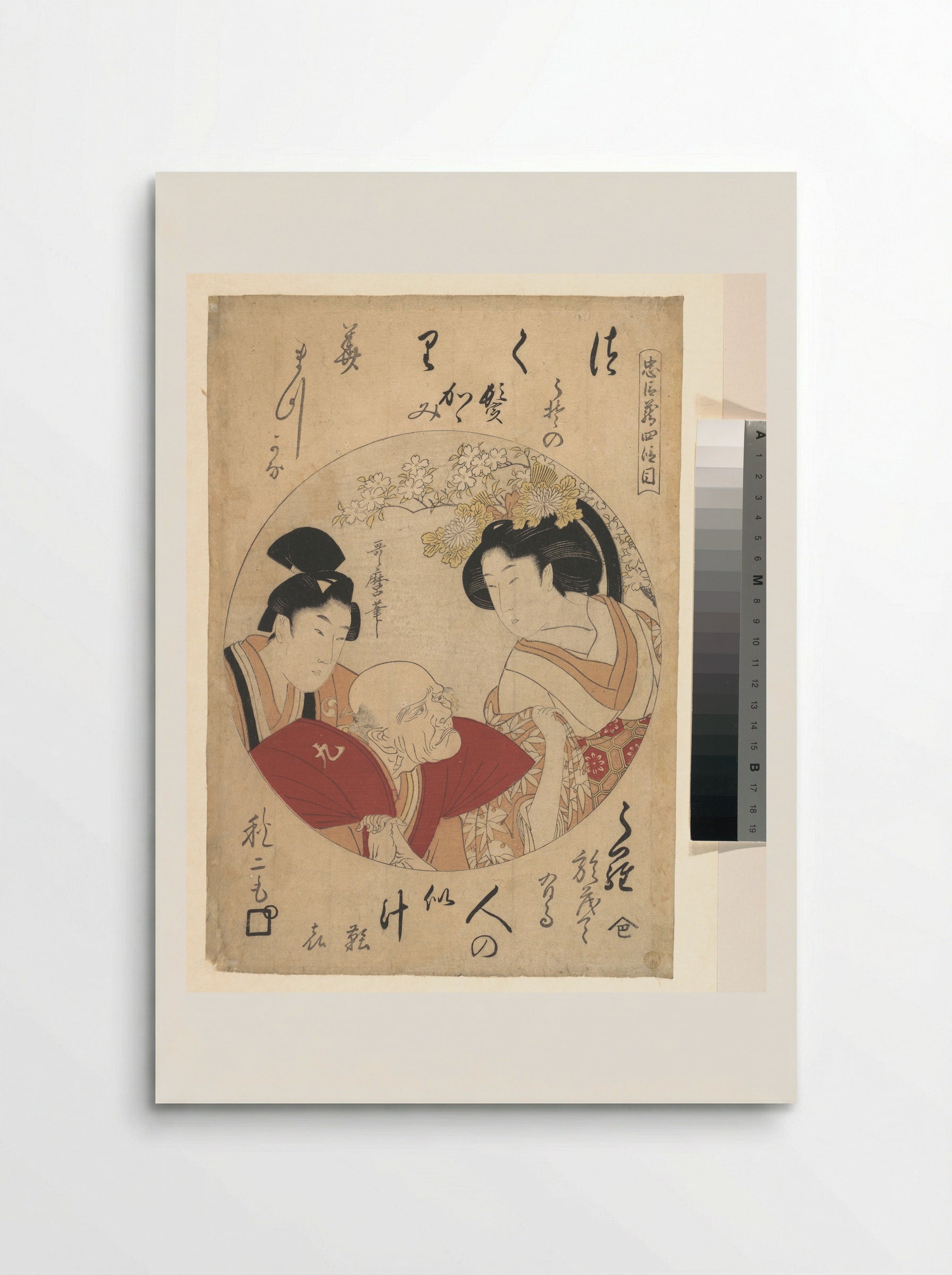 Act Four, Chushingura (Kanadehon Chushingura) - Kitagawa Utamaro
Print
Regular price From £28.00 GBPSale price From £28.00 GBP Regular price -
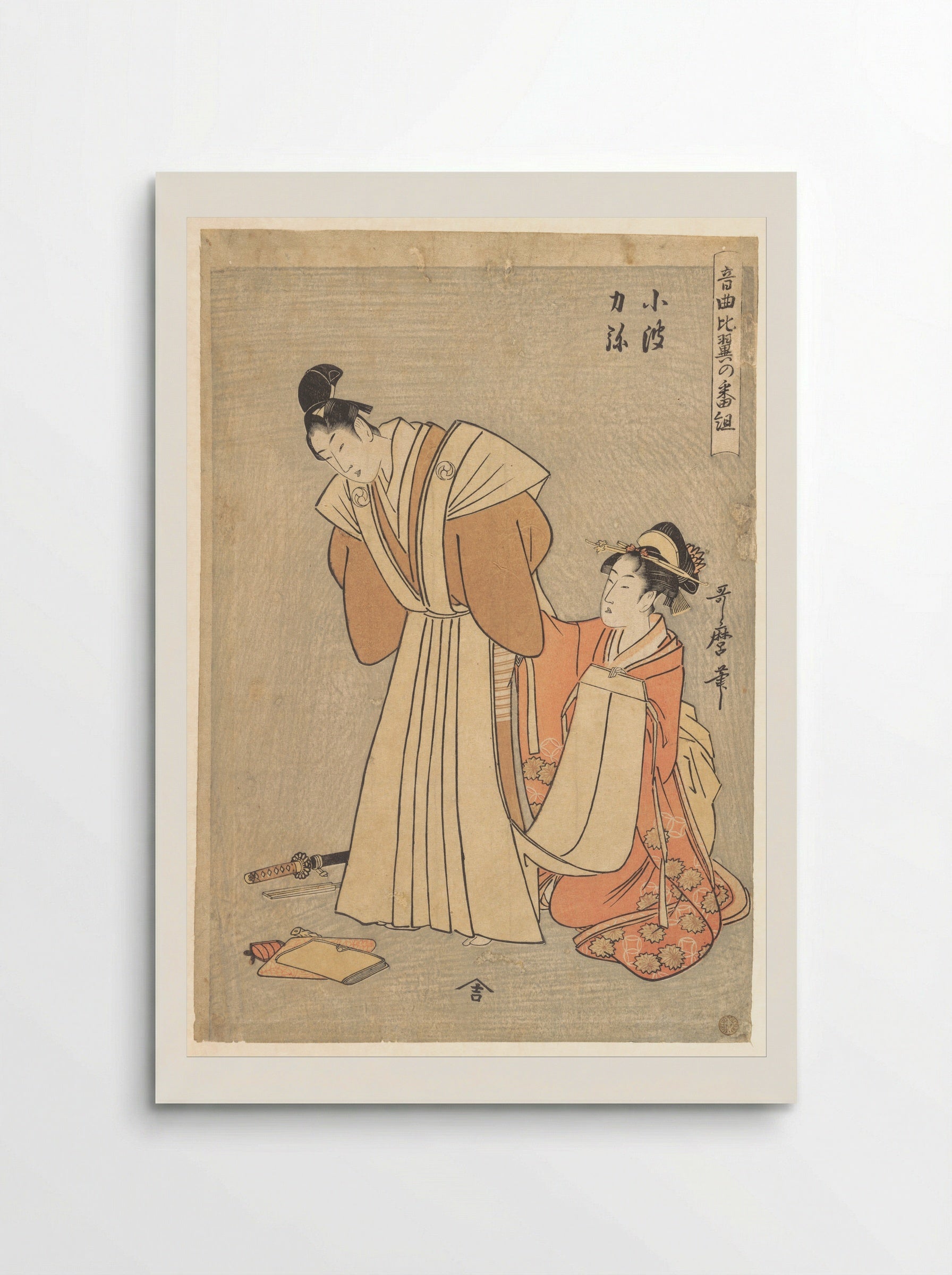 Rikiya and Konami, from the series A Program with Music about Loving Couples (Ongyoku hiyoku no bangumi) - Kitagawa Utamaro
Print
Regular price From £28.00 GBPSale price From £28.00 GBP Regular price -
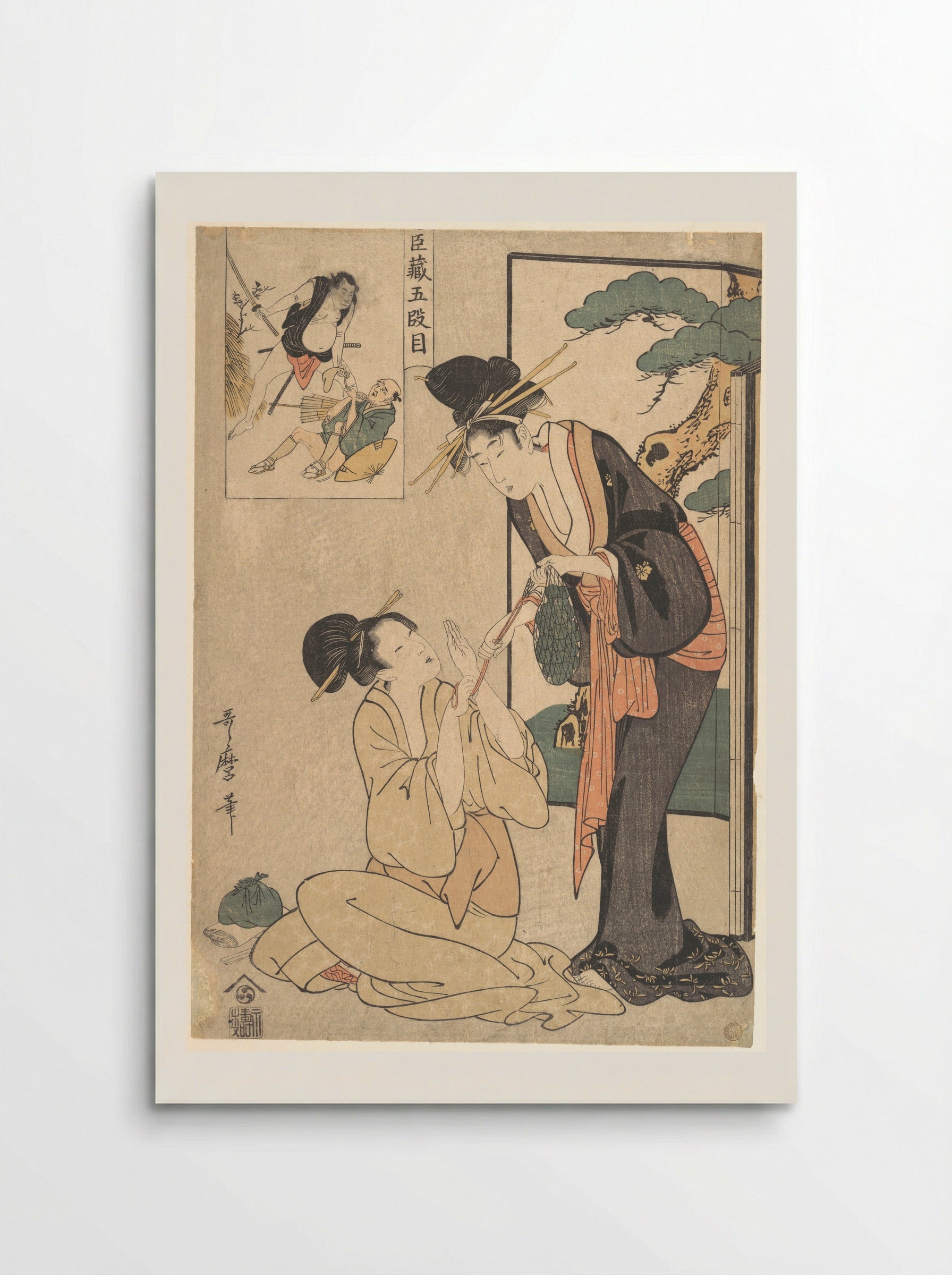 A Woman Snatching a Bag of Sweetmeats from Her Mother - Kitagawa Utamaro
Print
Regular price From £28.00 GBPSale price From £28.00 GBP Regular price -
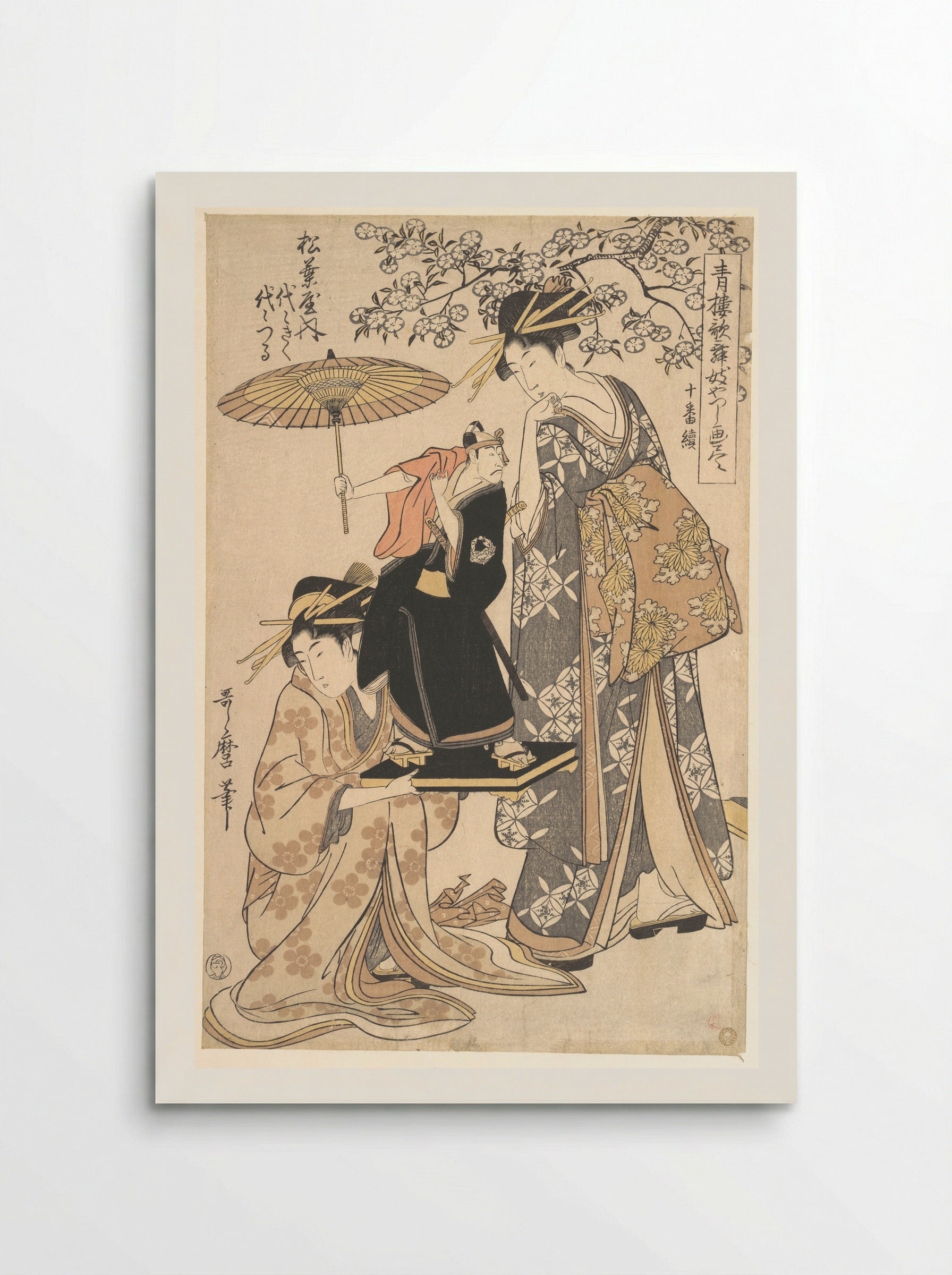 The Oiran Yoyogiku of Matsubaya Standing under a Cherry Tree - Kitagawa Utamaro
Print
Regular price From £28.00 GBPSale price From £28.00 GBP Regular price -
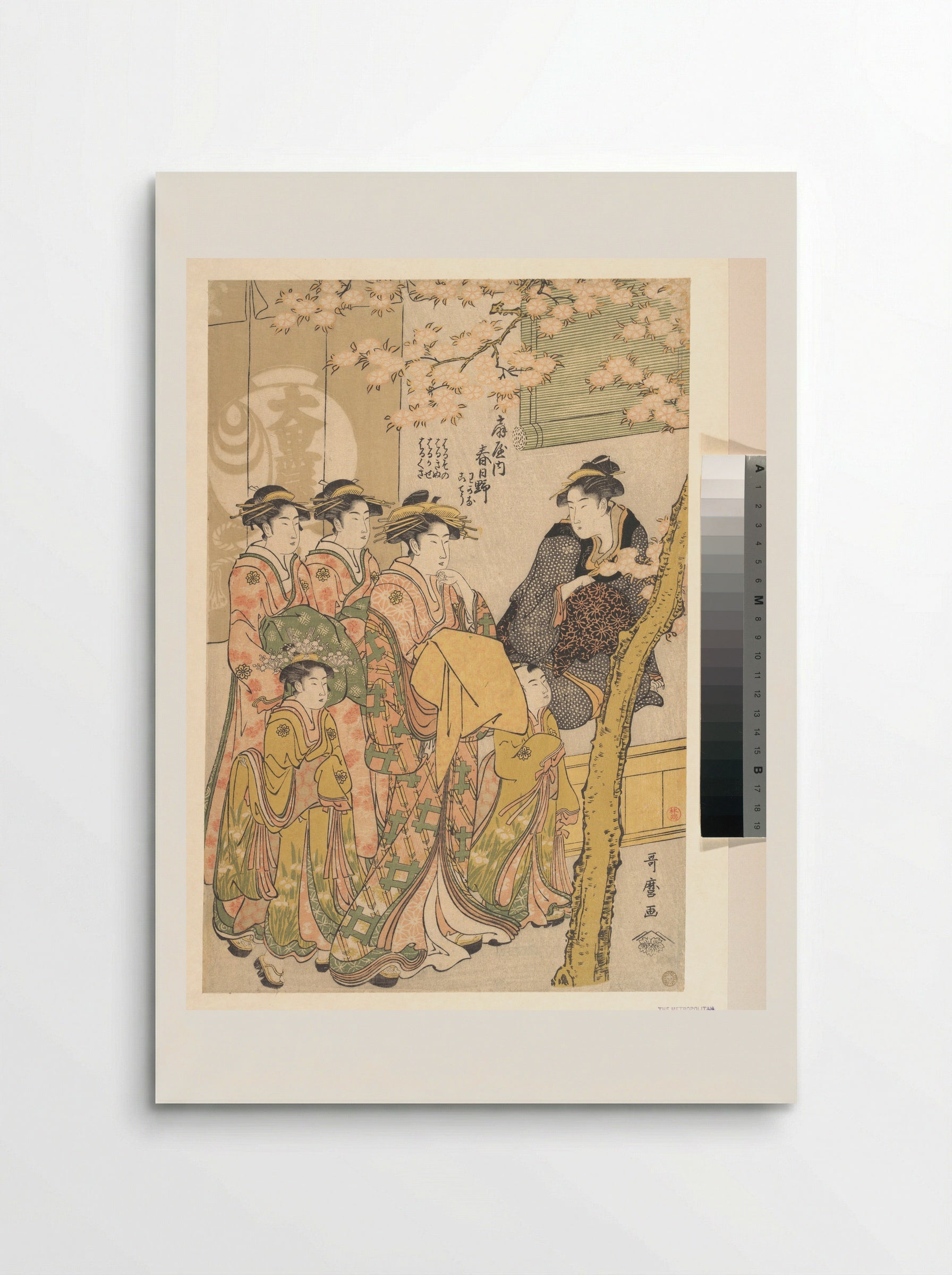 The Oiran Kasugano of Ogiya on Parade under Blossoming Cherry Trees - Kitagawa Utamaro
Print
Regular price From £28.00 GBPSale price From £28.00 GBP Regular price -
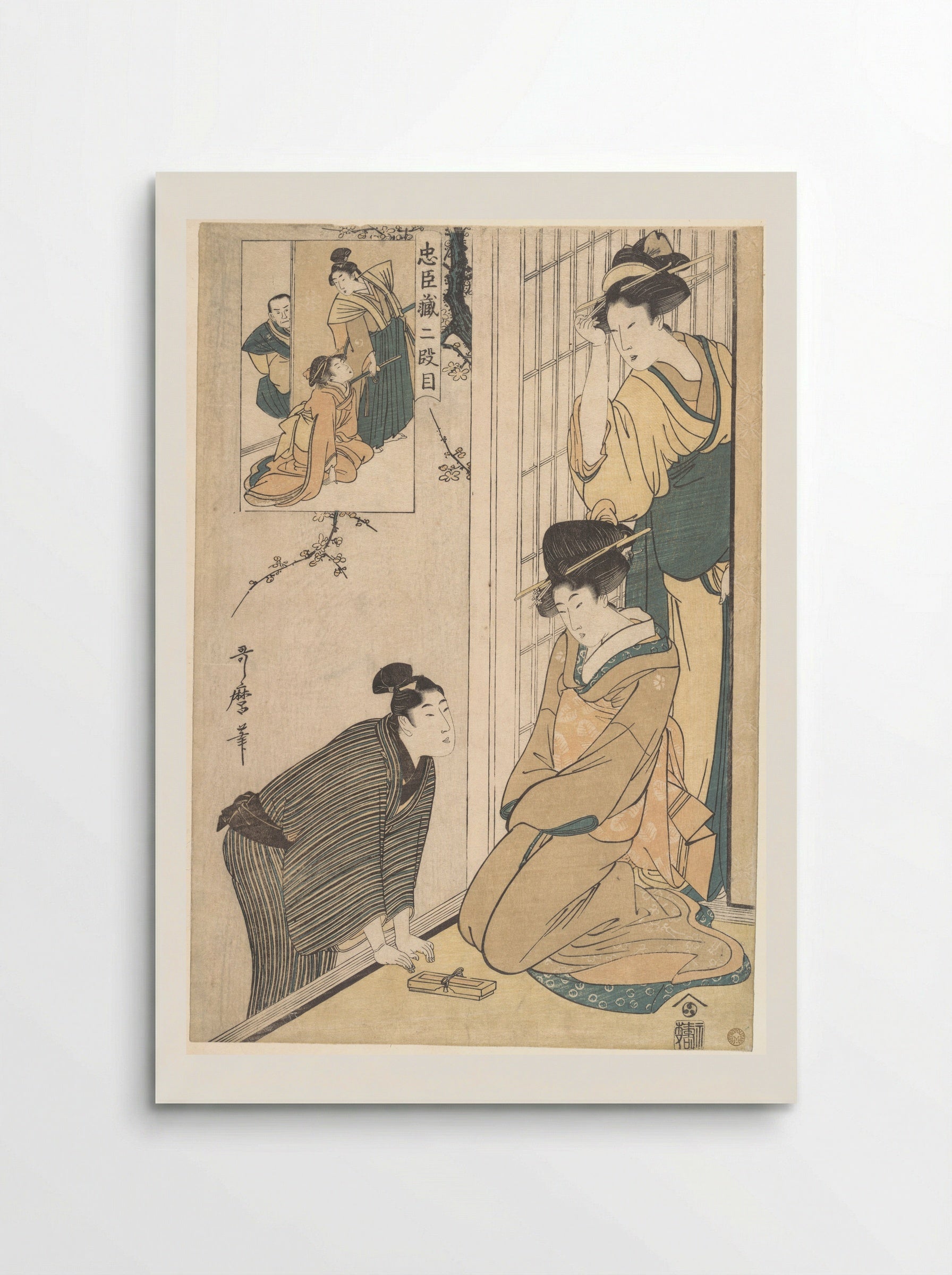 A Young Man at the Side of a House - Kitagawa Utamaro
Print
Regular price From £28.00 GBPSale price From £28.00 GBP Regular price -
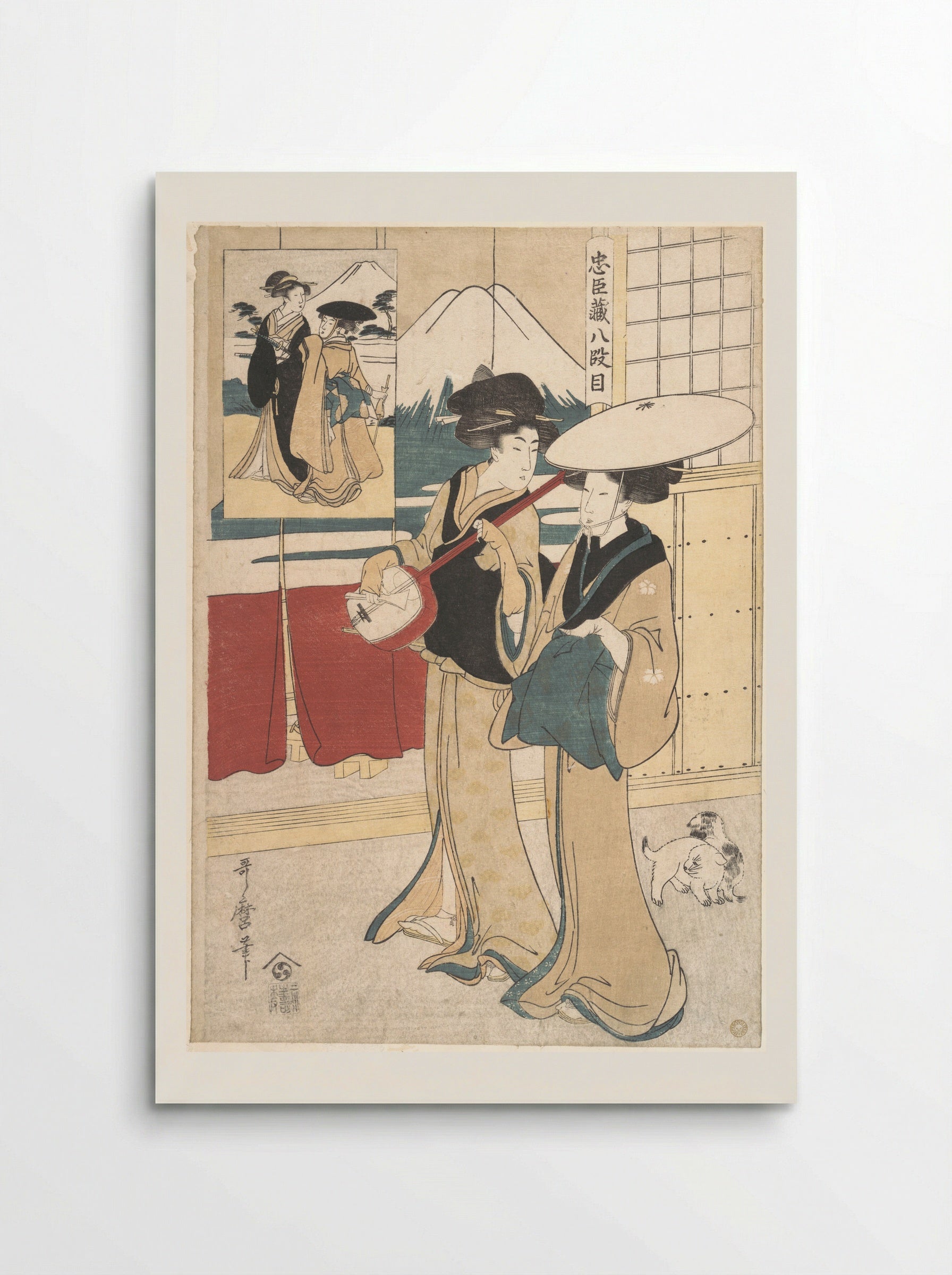 Two Tori-oi, or Itinerant Women Musicians of the Eta Class - Kitagawa Utamaro
Print
Regular price From £28.00 GBPSale price From £28.00 GBP Regular price -
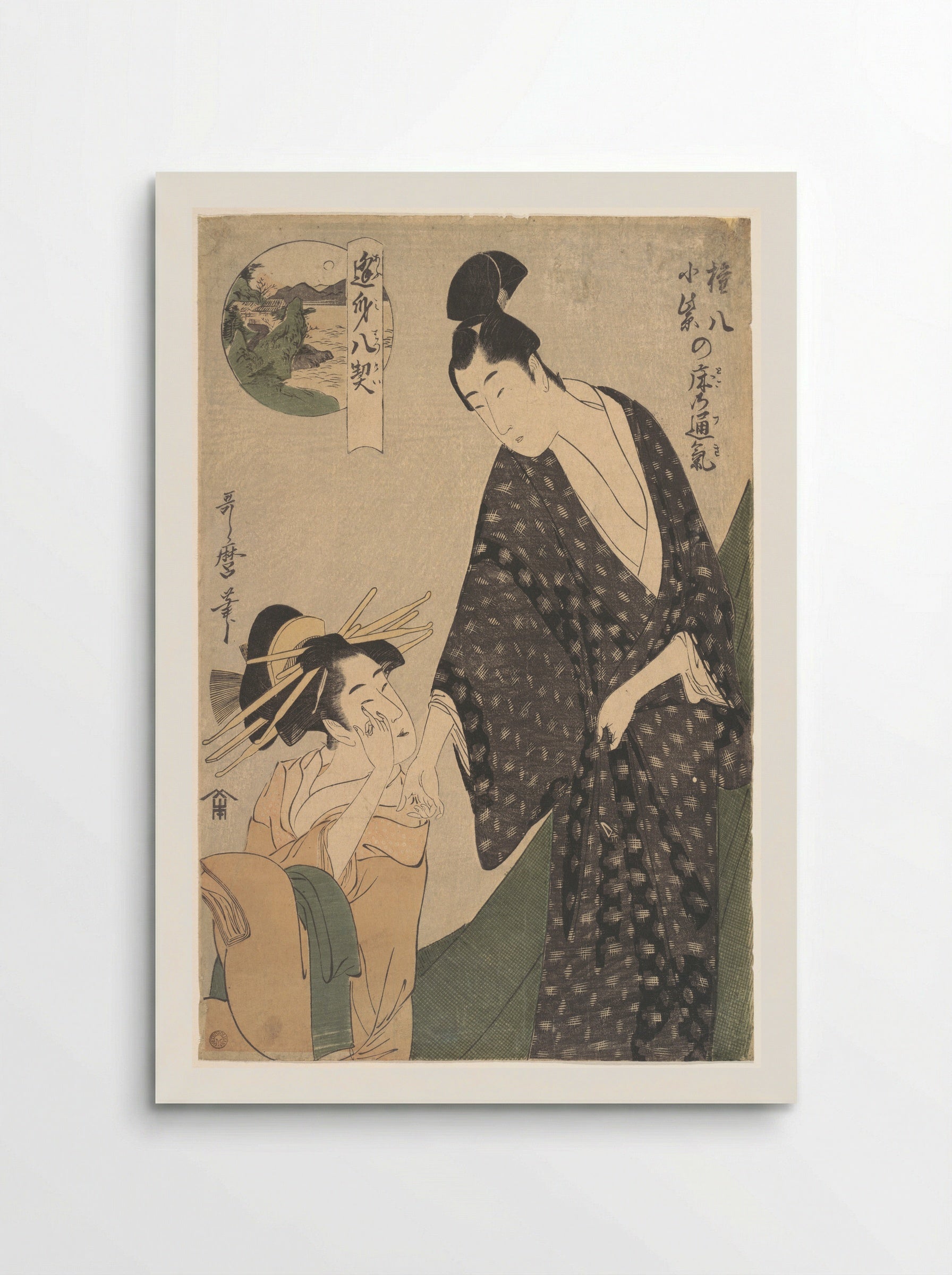 Gonpachi ni Komurasaki no Toko no Tsuki - Kitagawa Utamaro
Print
Regular price From £28.00 GBPSale price From £28.00 GBP Regular price -
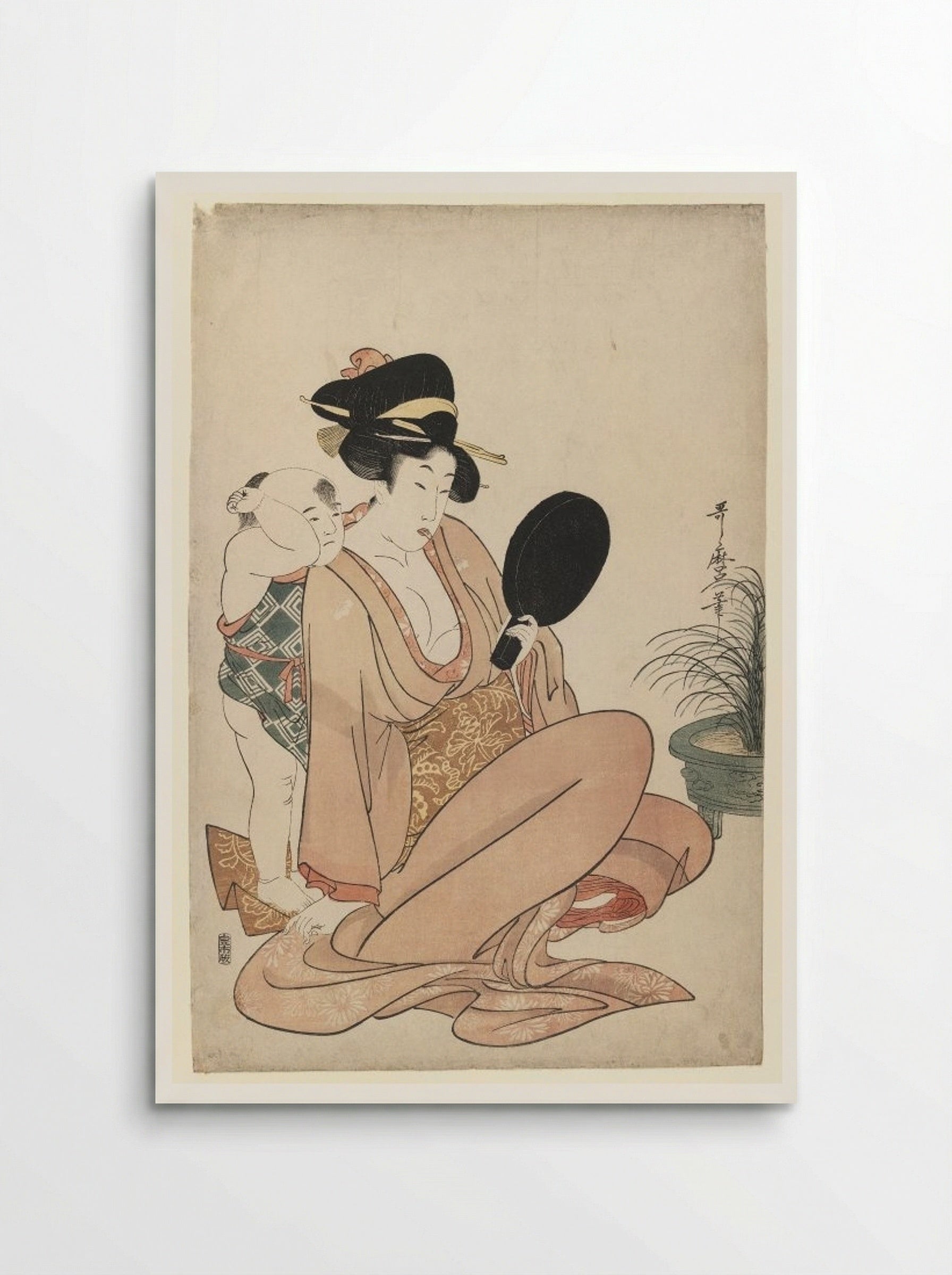
 Mother and Child Gazing at a Hand Mirror - Kitagawa Utamaro
Print · Framed
Regular price From £28.00 GBPSale price From £28.00 GBP Regular price -

 Awabi Divers - Kitagawa Utamaro
Print · Framed
Regular price From £28.00 GBPSale price From £28.00 GBP Regular price -

 Amorous Couple - Kitagawa Utamaro
Print · Framed
Regular price From £28.00 GBPSale price From £28.00 GBP Regular price -
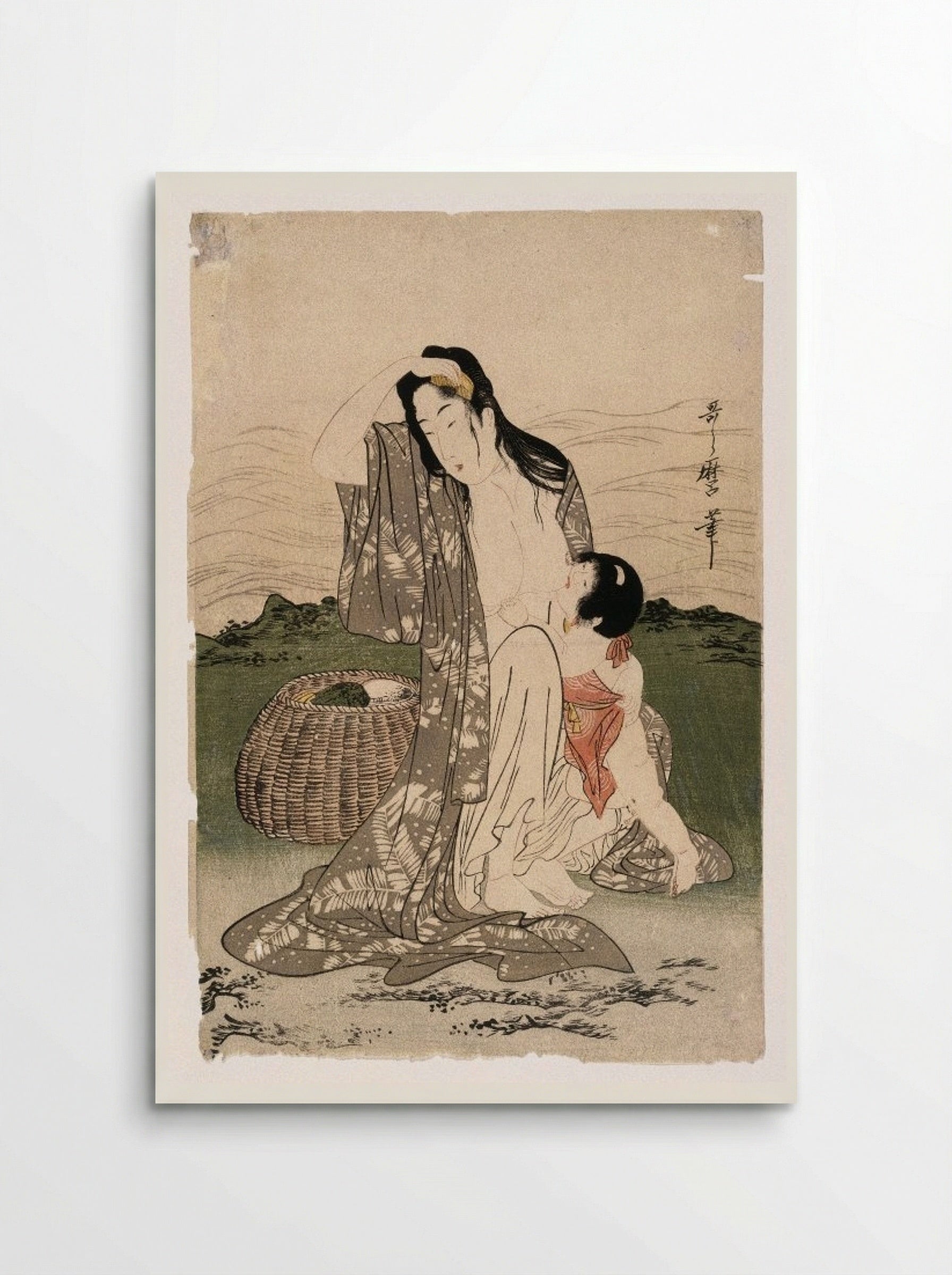
 Pearl Divers - Kitagawa Utamaro
Print · Framed
Regular price From £28.00 GBPSale price From £28.00 GBP Regular price -
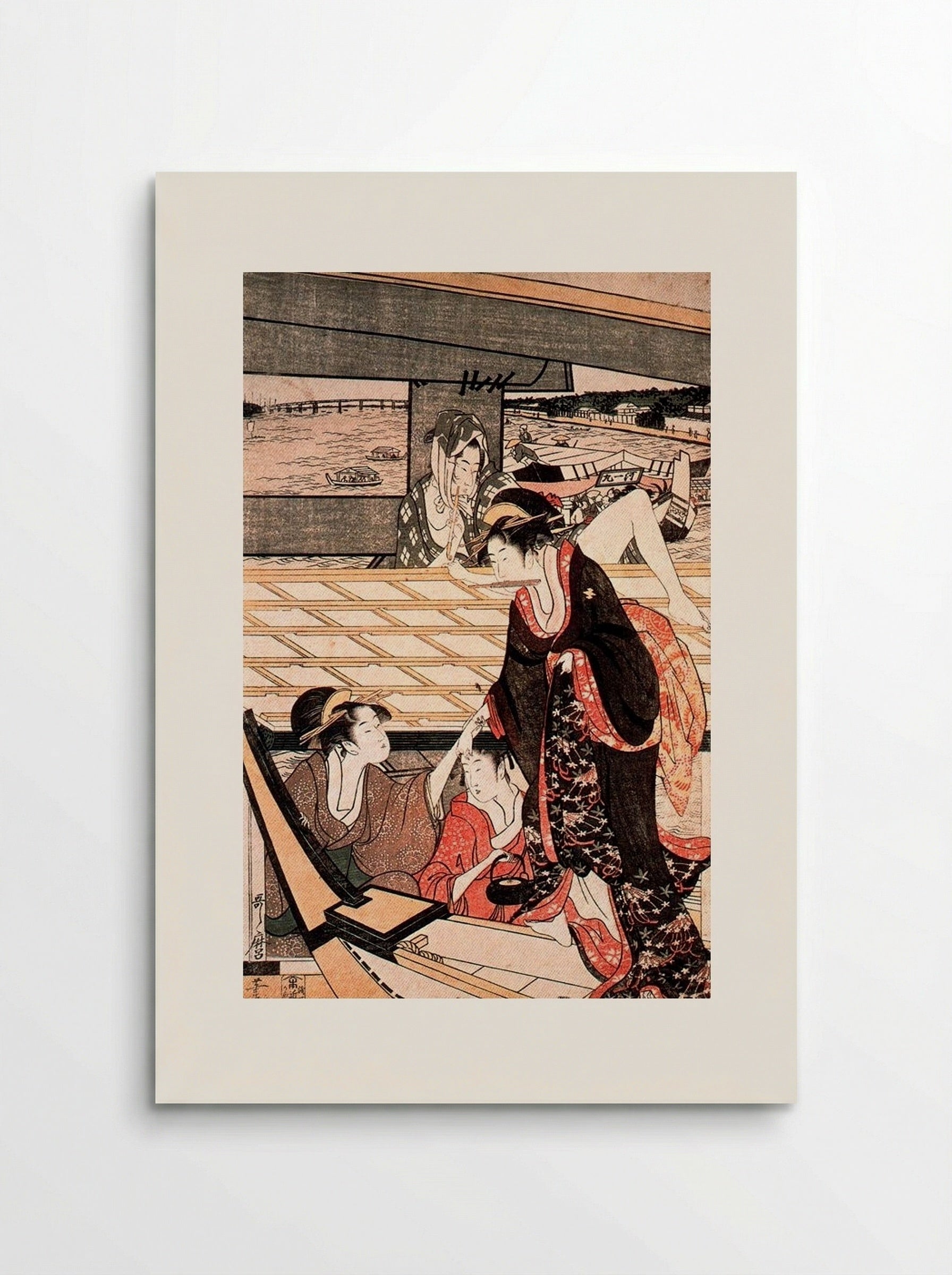
 A Scene on the Bridge - Kitagawa Utamaro
Print · Framed
Regular price From £28.00 GBPSale price From £28.00 GBP Regular price -
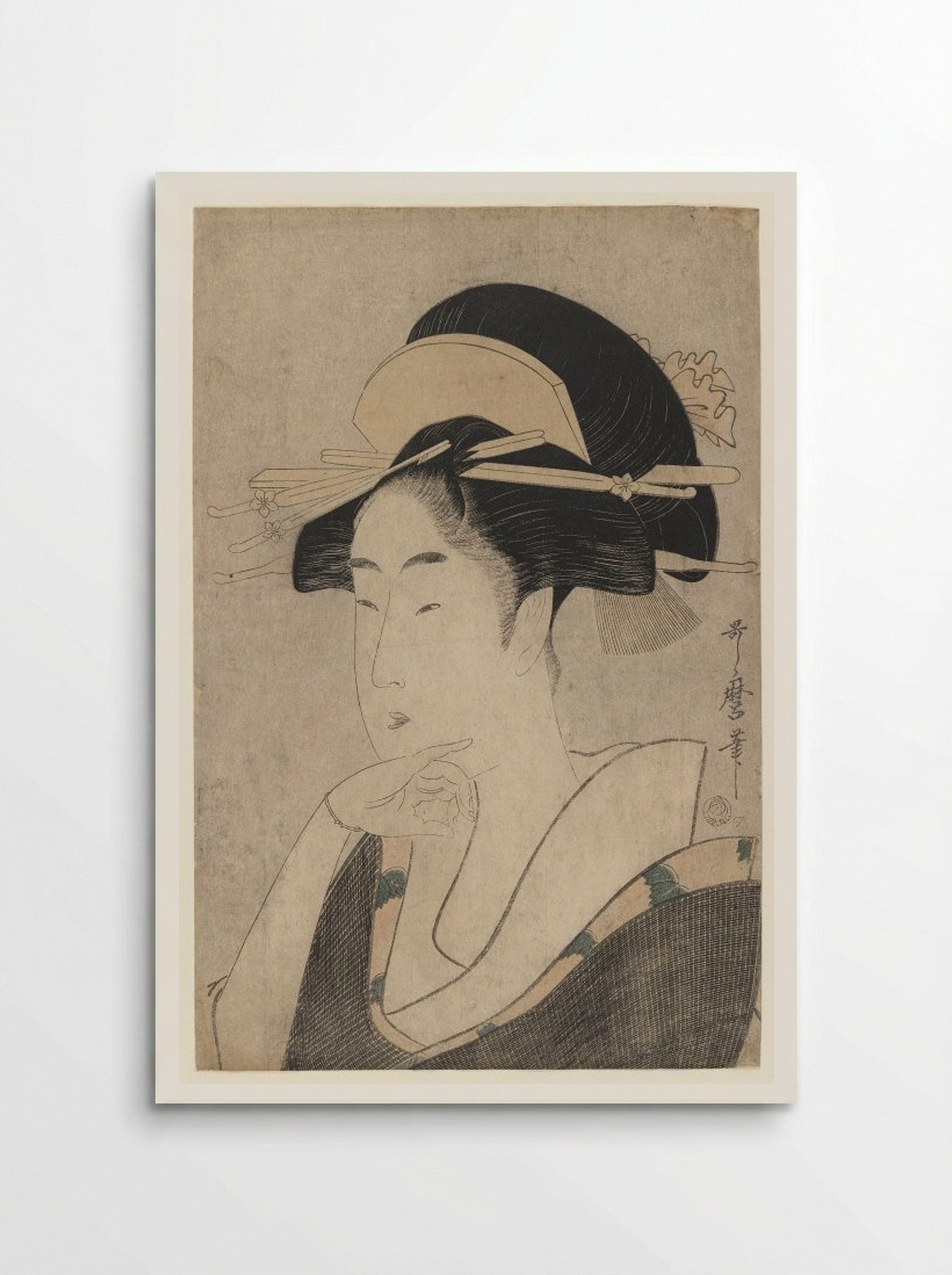
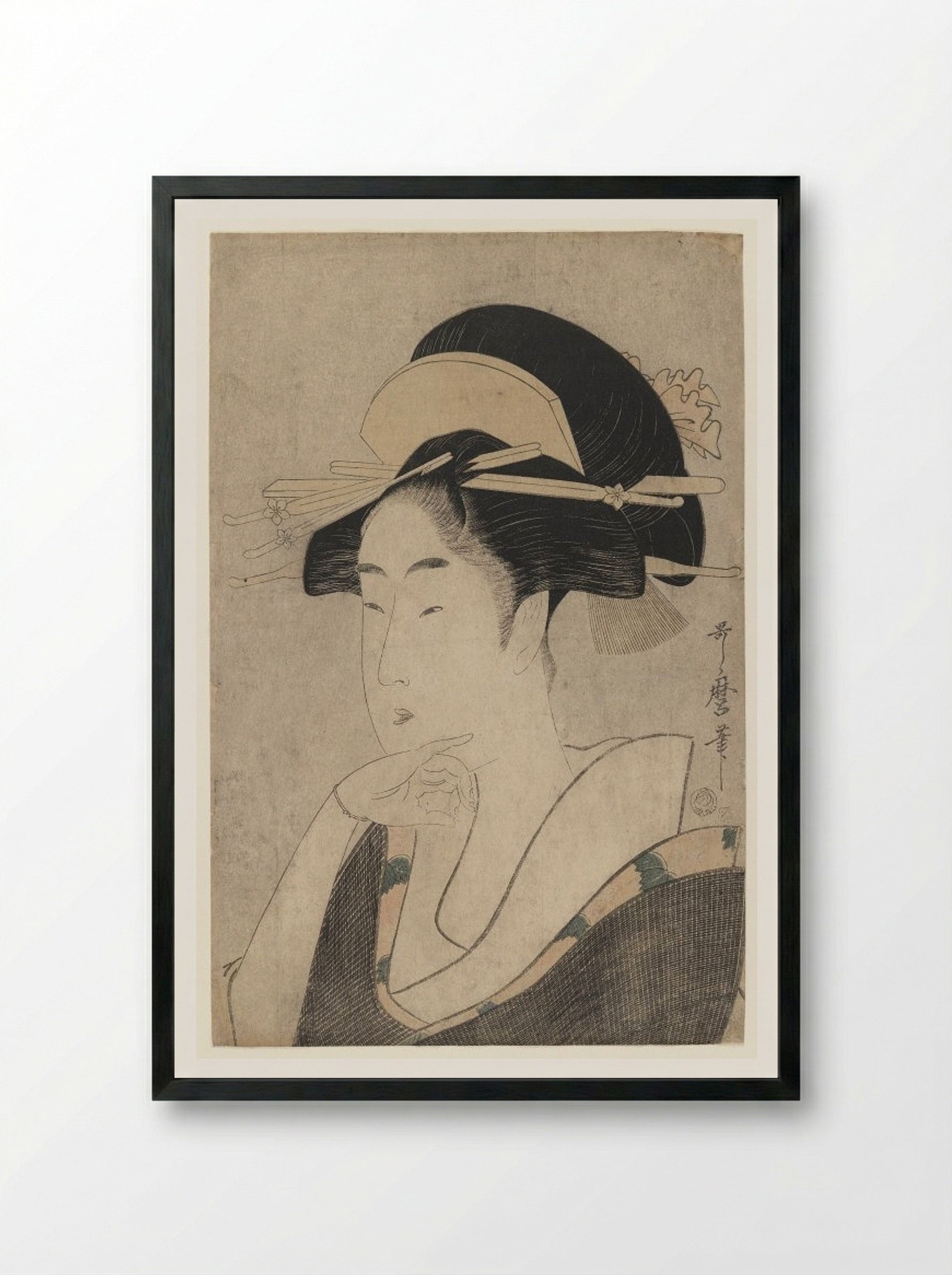 Large Head and Bust Portrait of Beauty - Kitagawa Utamaro
Print · Framed
Regular price From £28.00 GBPSale price From £28.00 GBP Regular price -
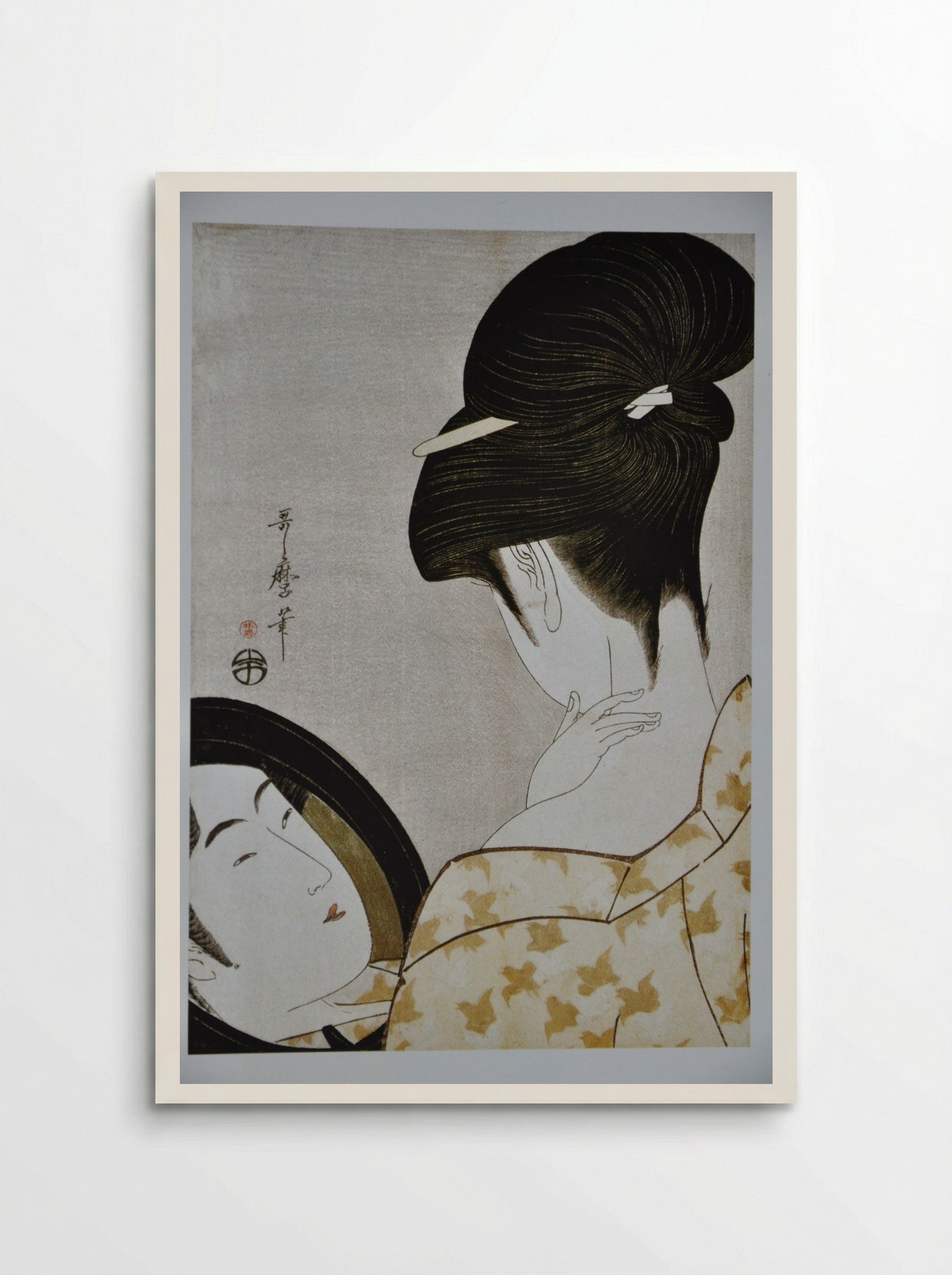
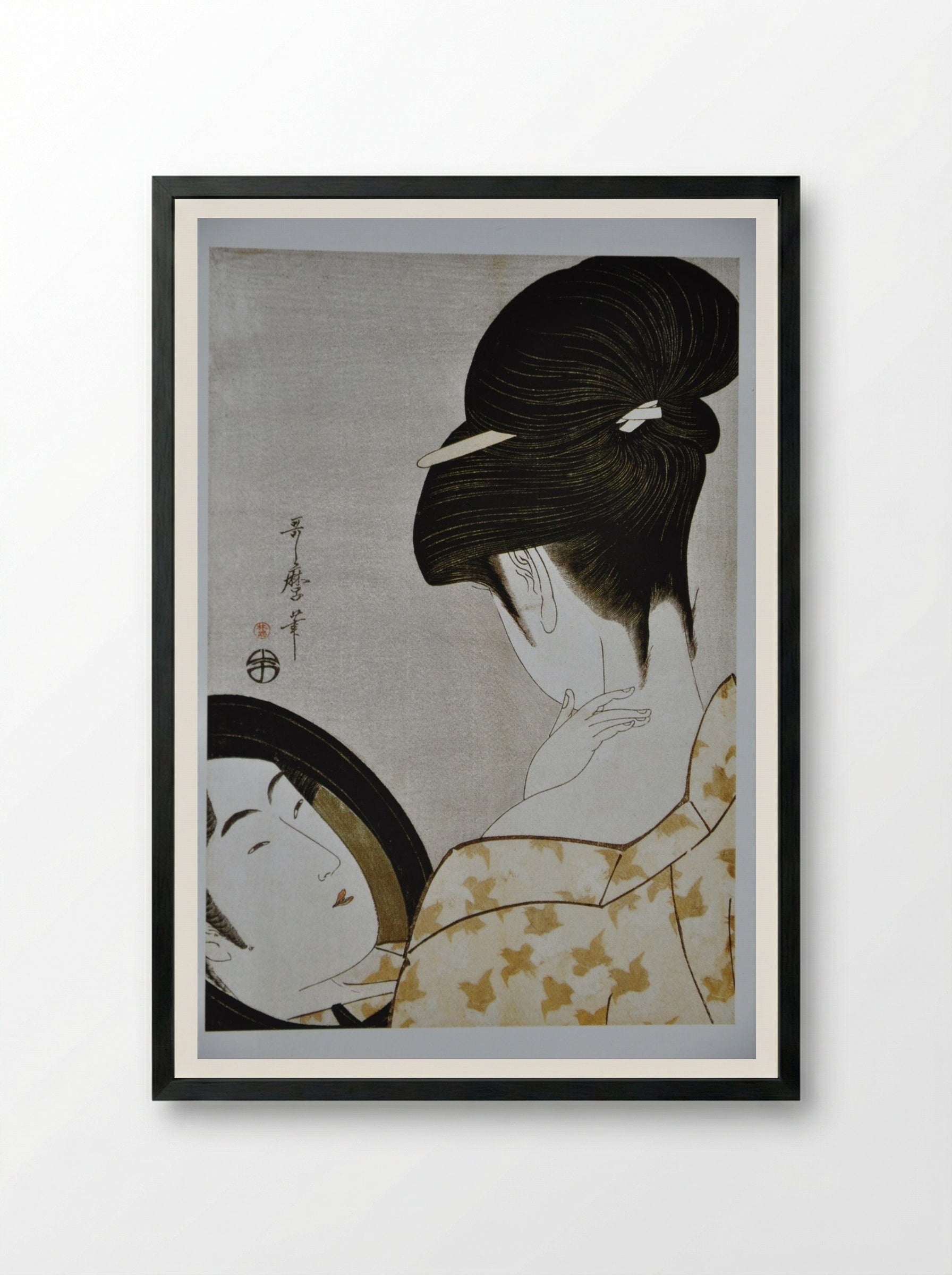 Young Woman Applying Makeup - Kitagawa Utamaro
Print · Framed
Regular price From £28.00 GBPSale price From £28.00 GBP Regular price


Artist Biography
Kitagawa Utamaro
Utamaro was arrested in 1804 for making prints depicting the sixteenth-century military ruler Toyotomi Hideyoshi. He was manacled for fifty days. He died two years later, at roughly fifty-three. The connection between the punishment and the death is debated, but the timing suggests something broke.
Almost nothing is certain about his early life. He was born around 1753, possibly in Edo, possibly in Kyoto, possibly in Kawagoe. He began publishing prints in the 1770s under the guidance of the publisher Tsutaya Juzaburo, who recognised what Utamaro could do with a portrait of a woman.
What he could do was unprecedented. He invented the okubi-e format: large head-and-shoulders portraits of individual women, mostly from the Yoshiwara pleasure district, printed in close-up with minimal background. Before Utamaro, bijin-ga (pictures of beautiful women) showed groups of figures in full length. He isolated the face, the tilt of the head, the expression. The prints are psychologically specific in a way that had not existed in Japanese printmaking.
He also published books of insect studies and volumes of shunga (erotica), and he made portraits of ordinary town women, not just courtesans. Ohisa and Okita, two shopgirls who appeared in his Three Beauties of the Present Day, became famous across Edo because of his prints. He turned real people into celebrities, which may be the first documented instance of an artist functioning as a kind of media platform.
Tsutaya Juzaburo died in 1797. Utamaro was reportedly devastated. Some critics feel his work never reached the same level afterward. He produced over two thousand prints in his career.
Almost nothing is certain about his early life. He was born around 1753, possibly in Edo, possibly in Kyoto, possibly in Kawagoe. He began publishing prints in the 1770s under the guidance of the publisher Tsutaya Juzaburo, who recognised what Utamaro could do with a portrait of a woman.
What he could do was unprecedented. He invented the okubi-e format: large head-and-shoulders portraits of individual women, mostly from the Yoshiwara pleasure district, printed in close-up with minimal background. Before Utamaro, bijin-ga (pictures of beautiful women) showed groups of figures in full length. He isolated the face, the tilt of the head, the expression. The prints are psychologically specific in a way that had not existed in Japanese printmaking.
He also published books of insect studies and volumes of shunga (erotica), and he made portraits of ordinary town women, not just courtesans. Ohisa and Okita, two shopgirls who appeared in his Three Beauties of the Present Day, became famous across Edo because of his prints. He turned real people into celebrities, which may be the first documented instance of an artist functioning as a kind of media platform.
Tsutaya Juzaburo died in 1797. Utamaro was reportedly devastated. Some critics feel his work never reached the same level afterward. He produced over two thousand prints in his career.


Why Choose Us ?