

Collection
John Singer Sargent
Explore curated art prints selected for distinctive homes and considered interiors.
Suggested filters
-
 Thou Shalt Not Steal - John Singer Sargent
Print
Regular price From £28.00 GBPSale price From £28.00 GBP Regular price -
 Behind the Salute - John Singer Sargent
Print
Regular price From £28.00 GBPSale price From £28.00 GBP Regular price -
 Portrait of Frank O'Meara - John Singer Sargent
Print
Regular price From £28.00 GBPSale price From £28.00 GBP Regular price -
 Asher Wertheimer - John Singer Sargent
Print
Regular price From £28.00 GBPSale price From £28.00 GBP Regular price -
 Girls Gathering Blossoms, Valdemosa, Majorca - John Singer Sargent
Print
Regular price From £28.00 GBPSale price From £28.00 GBP Regular price -
 Antonio Mancini - John Singer Sargent
Print
Regular price From £28.00 GBPSale price From £28.00 GBP Regular price -
 Portrait of Lady Helen Vincent, Viscountess D'Abernon - John Singer Sargent
Print
Regular price From £28.00 GBPSale price From £28.00 GBP Regular price -
 Siesta - John Singer Sargent
Print
Regular price From £28.00 GBPSale price From £28.00 GBP Regular price -
 Cottage at Fairford, Gloucestershire - John Singer Sargent
Print
Regular price From £28.00 GBPSale price From £28.00 GBP Regular price -
 Senator Calvin Brice - John Singer Sargent
Print
Regular price From £28.00 GBPSale price From £28.00 GBP Regular price -
 Portrait of Mrs. Ernest G. Raphael, nee Florence Cecilia Sassoon - John Singer Sargent
Print
Regular price From £28.00 GBPSale price From £28.00 GBP Regular price -

 Carnation, Lily, Lily, Rose - John Singer Sargent
Print · Framed
Regular price From £37.00 GBPSale price From £37.00 GBP Regular price -

 Mountain Landscape, Längenfeld, Oetzthal - John Singer Sargent
Print · Framed
Regular price From £28.00 GBPSale price From £28.00 GBP Regular price -

 Lady Margaret Spicer - John Singer Sargent
Print · Framed
Regular price From £28.00 GBPSale price From £28.00 GBP Regular price -

 Sketchbook Cover (Marbled Paper) - John Singer Sargent
Print · Framed
Regular price From £28.00 GBPSale price From £28.00 GBP Regular price -

 Madame X (Madame Pierre Gautreau) - John Singer Sargent
Print · Framed
Regular price From £28.00 GBPSale price From £28.00 GBP Regular price -

 Sketchbook: Soldiers (Cover) - John Singer Sargent
Print · Framed
Regular price From £28.00 GBPSale price From £28.00 GBP Regular price -

 Street Scene in Cairo - John Singer Sargent
Print · Framed
Regular price From £28.00 GBPSale price From £28.00 GBP Regular price -

 Woman in Bed - John Singer Sargent
Print · Framed
Regular price From £28.00 GBPSale price From £28.00 GBP Regular price -

 Album; Studies for Israel and the Law - John Singer Sargent
Print · Framed · Canvas
Regular price From £28.00 GBPSale price From £28.00 GBP Regular price -
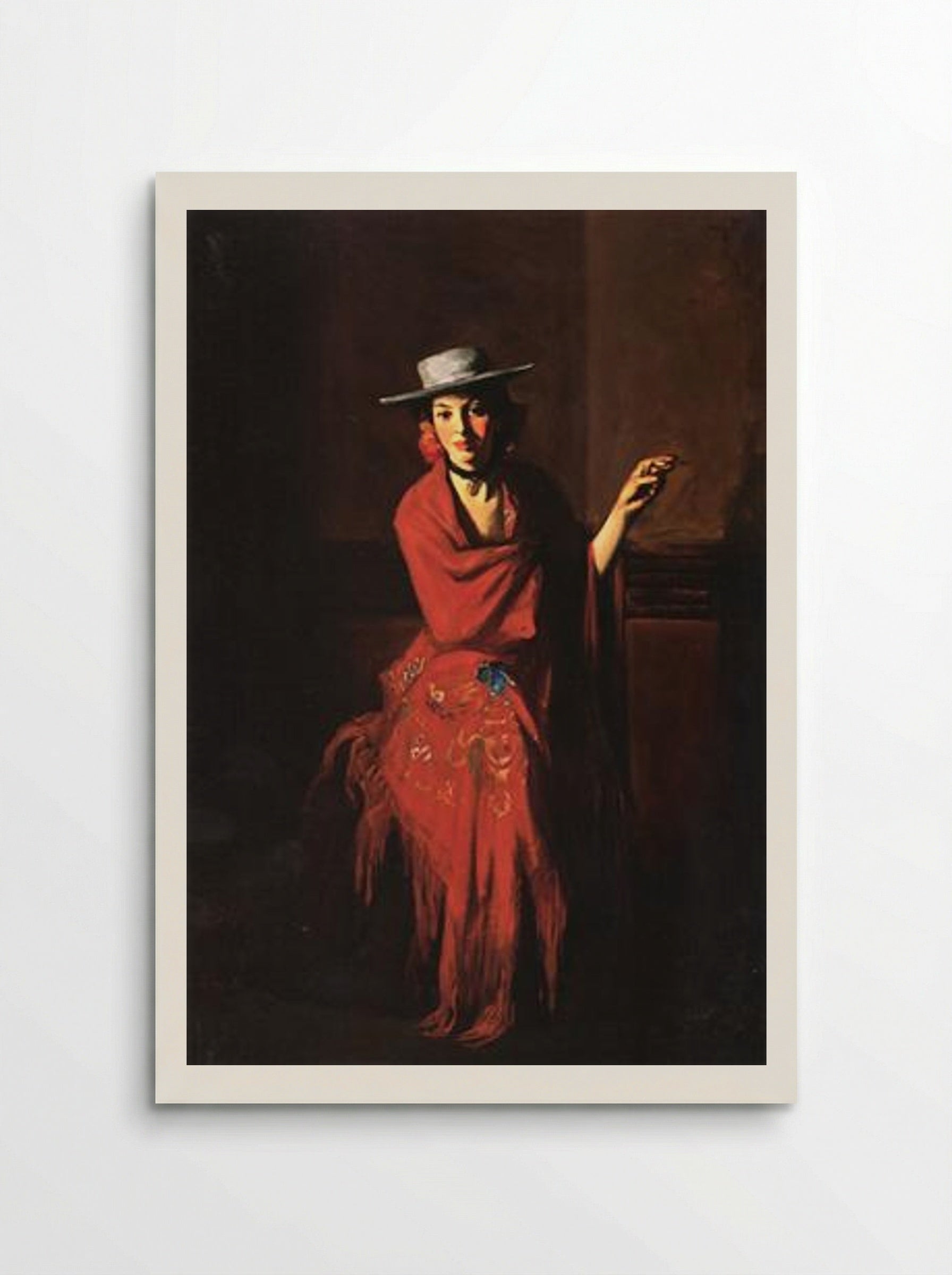 Spanish Dancer (The Cigarette) - John Singer Sargent
Print
Regular price From £28.00 GBPSale price From £28.00 GBP Regular price -
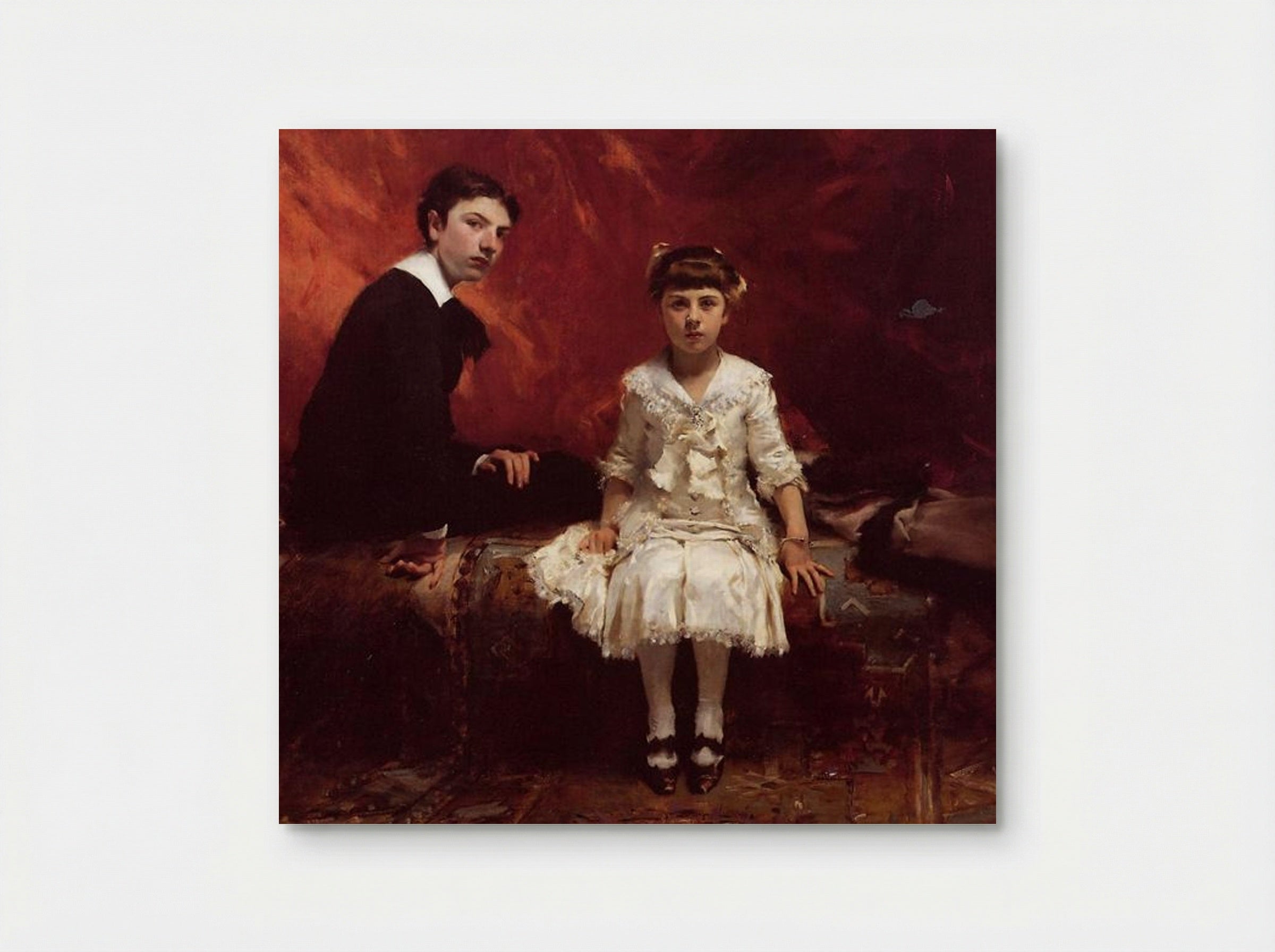 Edouard and Marie-Louise Pailleron - John Singer Sargent
Print
Regular price From £37.00 GBPSale price From £37.00 GBP Regular price -
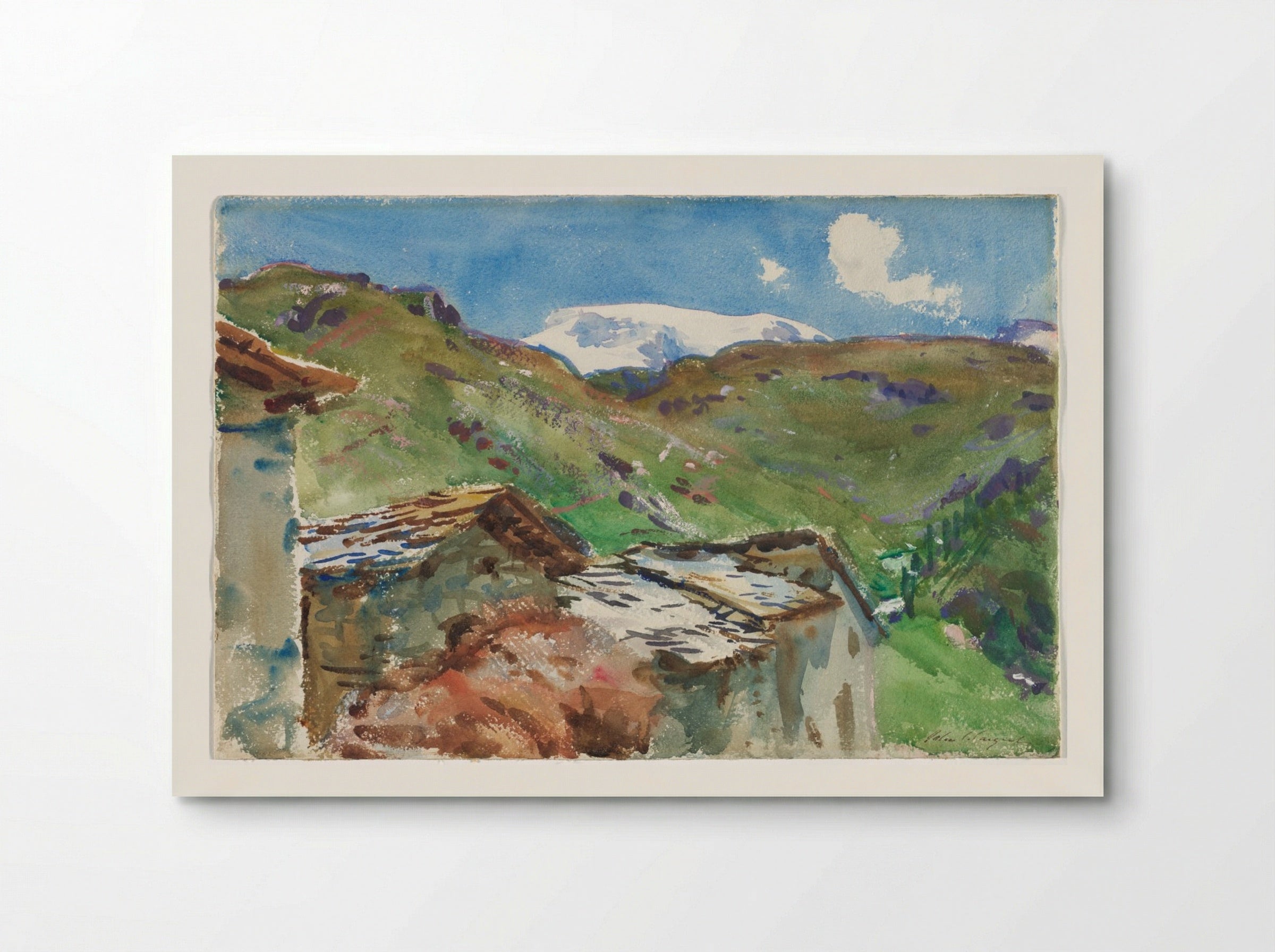 In Austrian Tyrol - John Singer Sargent
Print
Regular price From £28.00 GBPSale price From £28.00 GBP Regular price -
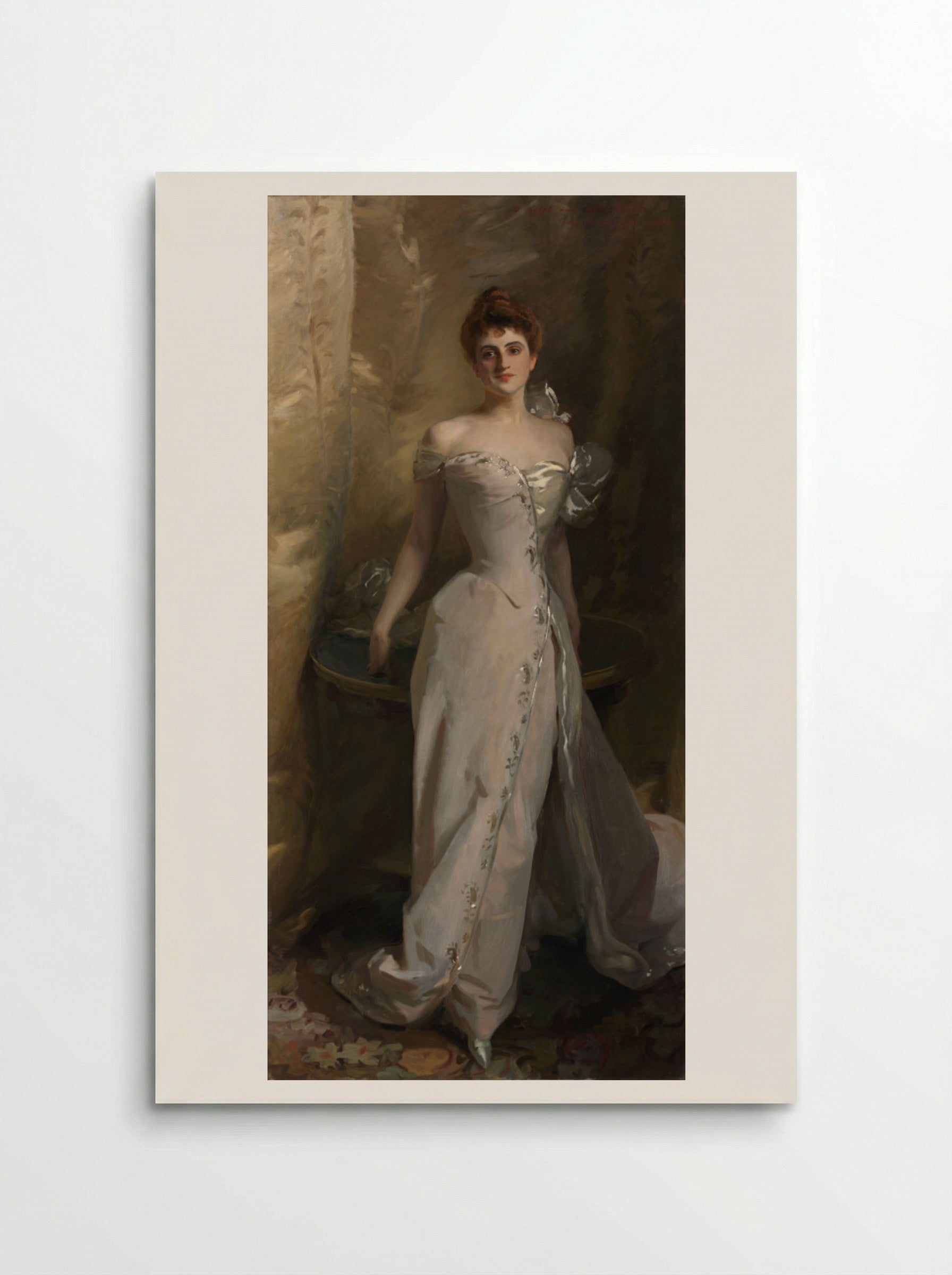 Portrait of Lisa Colt Curtis - John Singer Sargent
Print
Regular price From £28.00 GBPSale price From £28.00 GBP Regular price


Artist Biography
John Singer Sargent
Sargent was the best portrait painter of his generation and spent most of his career wishing he were not. He called portraits 'a pimp's profession' and repeatedly tried to stop accepting commissions. The money kept pulling him back.
He was born in Florence to American expatriate parents and grew up moving between European cities. He never lived in America until he was middle-aged. He studied under Carolus-Duran in Paris, who taught him to paint directly from observation without underdrawing: load the brush, find the right tone, put it down in one stroke. The method required extraordinary hand-eye coordination and supreme confidence. Sargent had both.
Madame X, painted in 1884, nearly ended his career. The portrait of Virginie Amelie Avegno Gautreau, an American socialite in Parisian society, showed her in a black dress with one shoulder strap hanging off. The Salon audience was scandalised. Sargent repainted the strap in its proper position but the damage was done. He left Paris for London and rebuilt.
In London he became the portraitist of choice for the Anglo-American upper class. The technique is astonishing: he painted quickly, in long single-session sittings, and the brushwork has a fluency that makes other portraitists look laborious. The Wyndham Sisters, Lady Agnew of Lochnaw, and the portrait of Theodore Roosevelt show what he could do at full stretch.
He eventually did stop. After 1907 he largely abandoned portraits for watercolours and the murals at the Boston Public Library and the Museum of Fine Arts. The watercolours, painted on travels through Italy, Spain, and the Middle East, are looser and freer than the portraits and possibly better. He died in London in 1925, at sixty-nine.
He was born in Florence to American expatriate parents and grew up moving between European cities. He never lived in America until he was middle-aged. He studied under Carolus-Duran in Paris, who taught him to paint directly from observation without underdrawing: load the brush, find the right tone, put it down in one stroke. The method required extraordinary hand-eye coordination and supreme confidence. Sargent had both.
Madame X, painted in 1884, nearly ended his career. The portrait of Virginie Amelie Avegno Gautreau, an American socialite in Parisian society, showed her in a black dress with one shoulder strap hanging off. The Salon audience was scandalised. Sargent repainted the strap in its proper position but the damage was done. He left Paris for London and rebuilt.
In London he became the portraitist of choice for the Anglo-American upper class. The technique is astonishing: he painted quickly, in long single-session sittings, and the brushwork has a fluency that makes other portraitists look laborious. The Wyndham Sisters, Lady Agnew of Lochnaw, and the portrait of Theodore Roosevelt show what he could do at full stretch.
He eventually did stop. After 1907 he largely abandoned portraits for watercolours and the murals at the Boston Public Library and the Museum of Fine Arts. The watercolours, painted on travels through Italy, Spain, and the Middle East, are looser and freer than the portraits and possibly better. He died in London in 1925, at sixty-nine.


Why Choose Us ?