

Collection
Hieronymus Bosch
Explore curated art prints selected for distinctive homes and considered interiors.
-
 The Carrying of the Cross (Detail) - Hieronymus Bosch
Print
Regular price From £28.00 GBPSale price From £28.00 GBP Regular price -
 The House of Ill Fame - Hieronymus Bosch
Print
Regular price From £28.00 GBPSale price From £28.00 GBP Regular price -
 Death and the Miser (Detail) - Hieronymus Bosch
Print
Regular price From £28.00 GBPSale price From £28.00 GBP Regular price -
 The Temptation of St. Anthony (Detail) - Hieronymus Bosch
Print
Regular price From £28.00 GBPSale price From £28.00 GBP Regular price -
 Adoration of the Child - Hieronymus Bosch
Print
Regular price From £28.00 GBPSale price From £28.00 GBP Regular price -
 Christ Carrying the Cross - Hieronymus Bosch
Print
Regular price From £28.00 GBPSale price From £28.00 GBP Regular price -
 The Legend of the Mass of St. Gregory - Hieronymus Bosch
Print
Regular price From £28.00 GBPSale price From £28.00 GBP Regular price -
 St John the Evangelist on Patmos (reverse) - Hieronymus Bosch
Print
Regular price From £37.00 GBPSale price From £37.00 GBP Regular price -
 The Last Judgement - Hieronymus Bosch
Print
Regular price From £28.00 GBPSale price From £28.00 GBP Regular price -
 The Marriage Feast at Cana - Hieronymus Bosch
Print
Regular price From £28.00 GBPSale price From £28.00 GBP Regular price -
 Group of Victims - Hieronymus Bosch
Print
Regular price From £28.00 GBPSale price From £28.00 GBP Regular price -
 Paradise (Detail) - Hieronymus Bosch
Print
Regular price From £28.00 GBPSale price From £28.00 GBP Regular price -

 St. Liberata Triptych - Hieronymus Bosch
Print · Framed · Canvas
Regular price From £30.00 GBPSale price From £30.00 GBP Regular price -

 St. Jerome at Prayer - Hieronymus Bosch
Print · Framed · Canvas
Regular price From £28.00 GBPSale price From £28.00 GBP Regular price -

 Christ Crowned with Thorns - Hieronymus Bosch
Print · Framed · Canvas
Regular price From £28.00 GBPSale price From £28.00 GBP Regular price -

 Crowning with Thorns - Hieronymus Bosch
Print · Framed · Canvas
Regular price From £28.00 GBPSale price From £28.00 GBP Regular price -
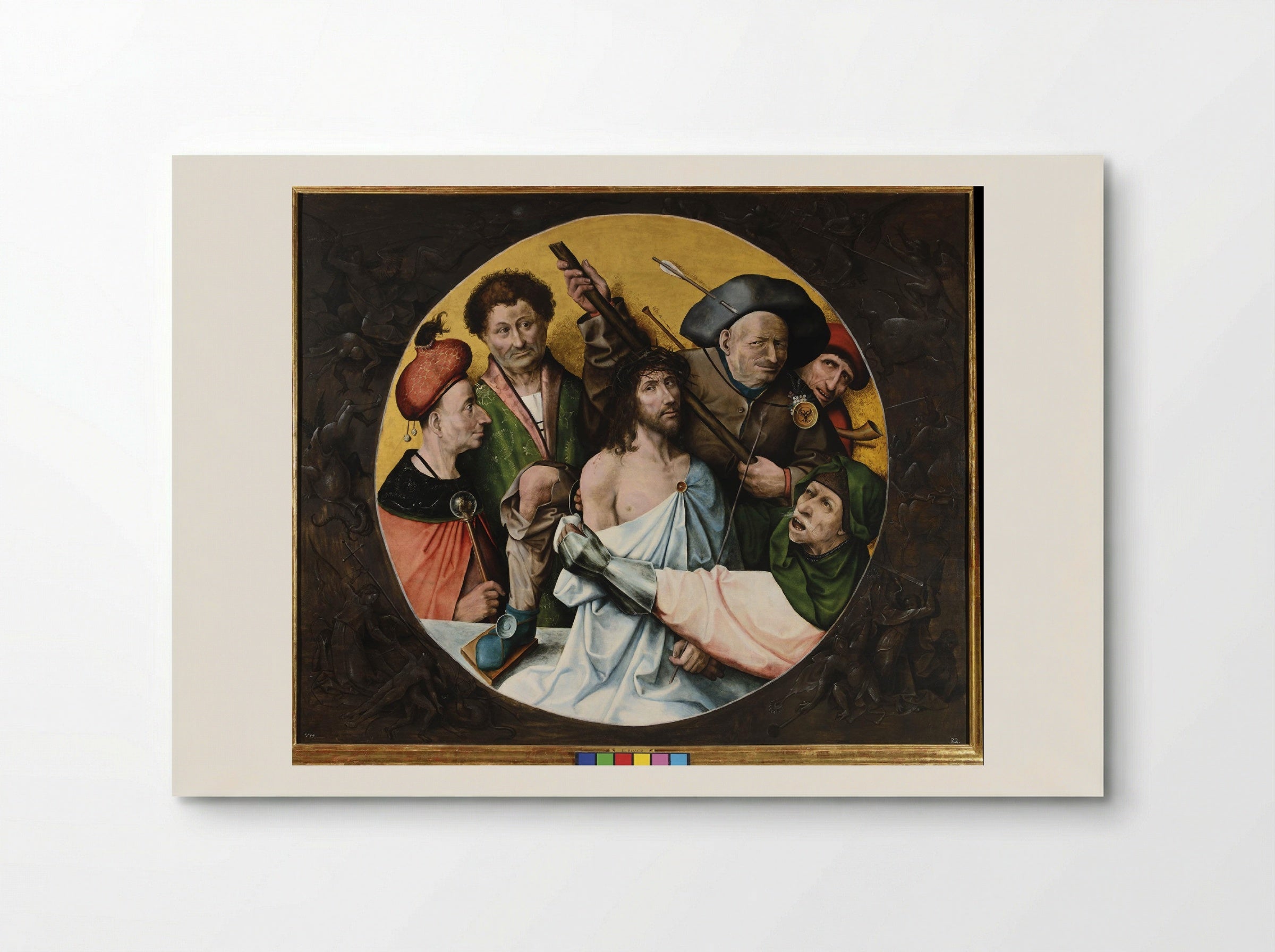 Crowning with Thorns - Hieronymus Bosch
Print
Regular price From £28.00 GBPSale price From £28.00 GBP Regular price -
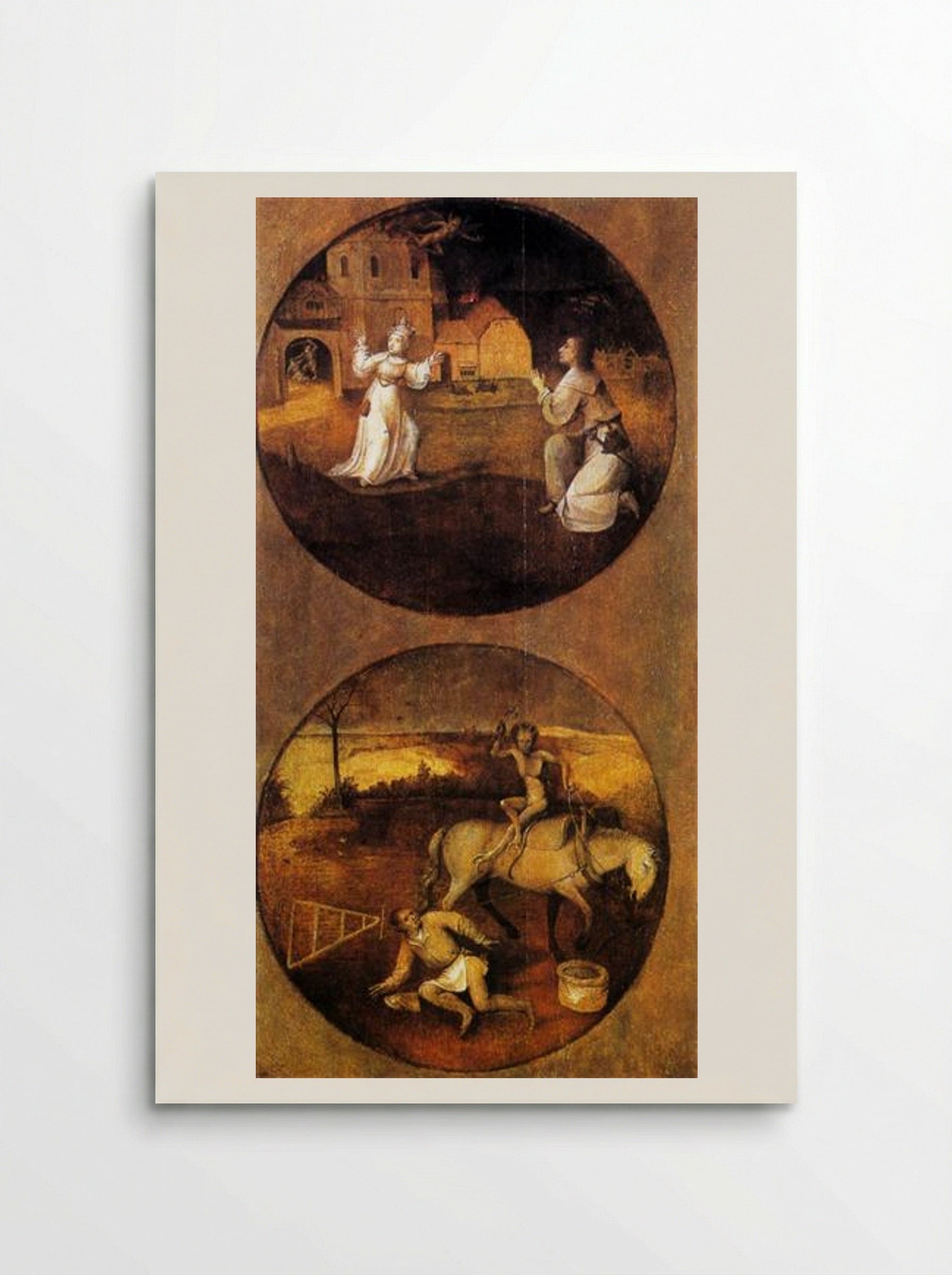 Mankind Beset by Devils - Hieronymus Bosch
Print
Regular price From £28.00 GBPSale price From £28.00 GBP Regular price -
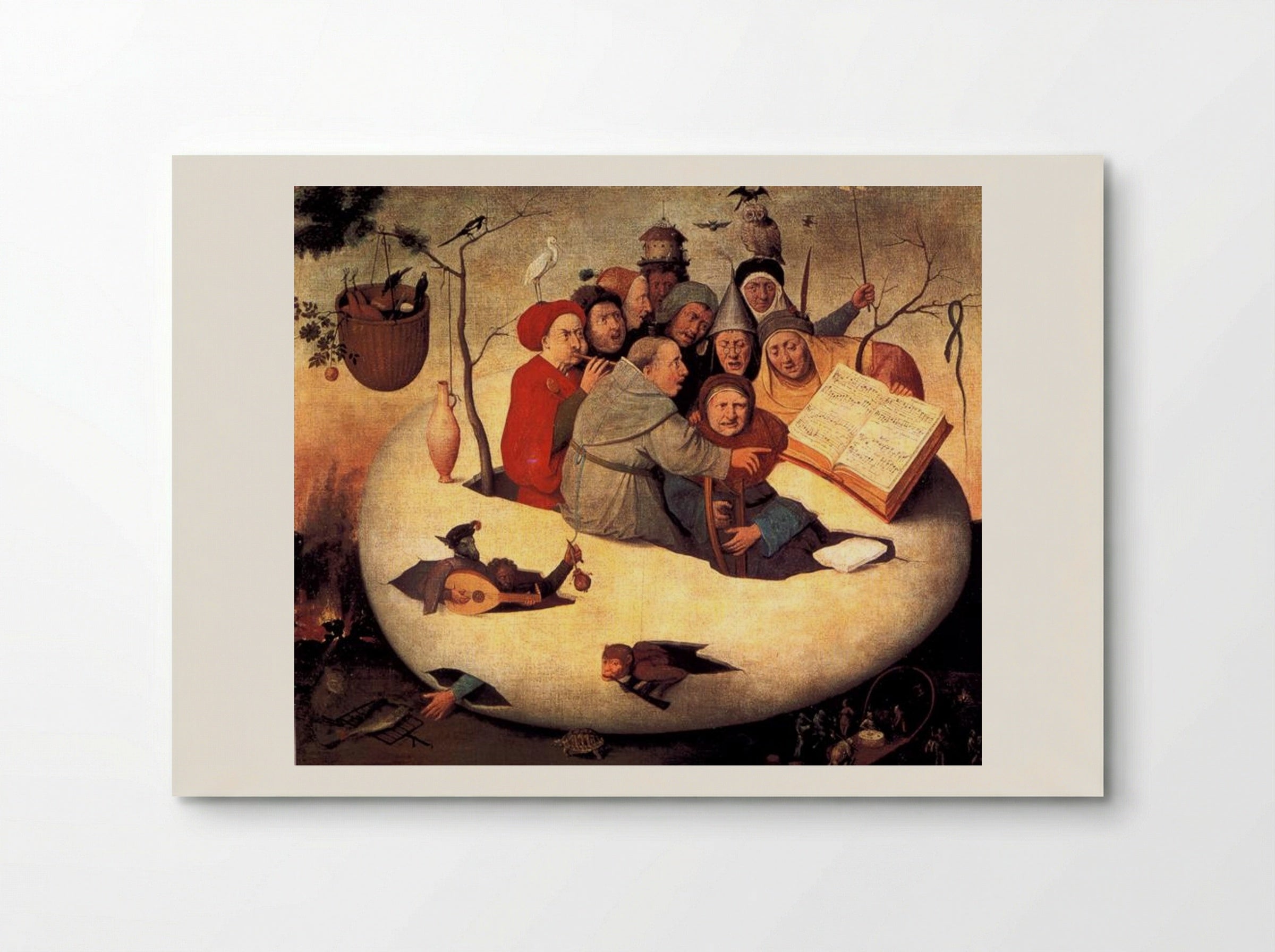 The Concert in the Egg - Hieronymus Bosch
Print
Regular price From £28.00 GBPSale price From £28.00 GBP Regular price -
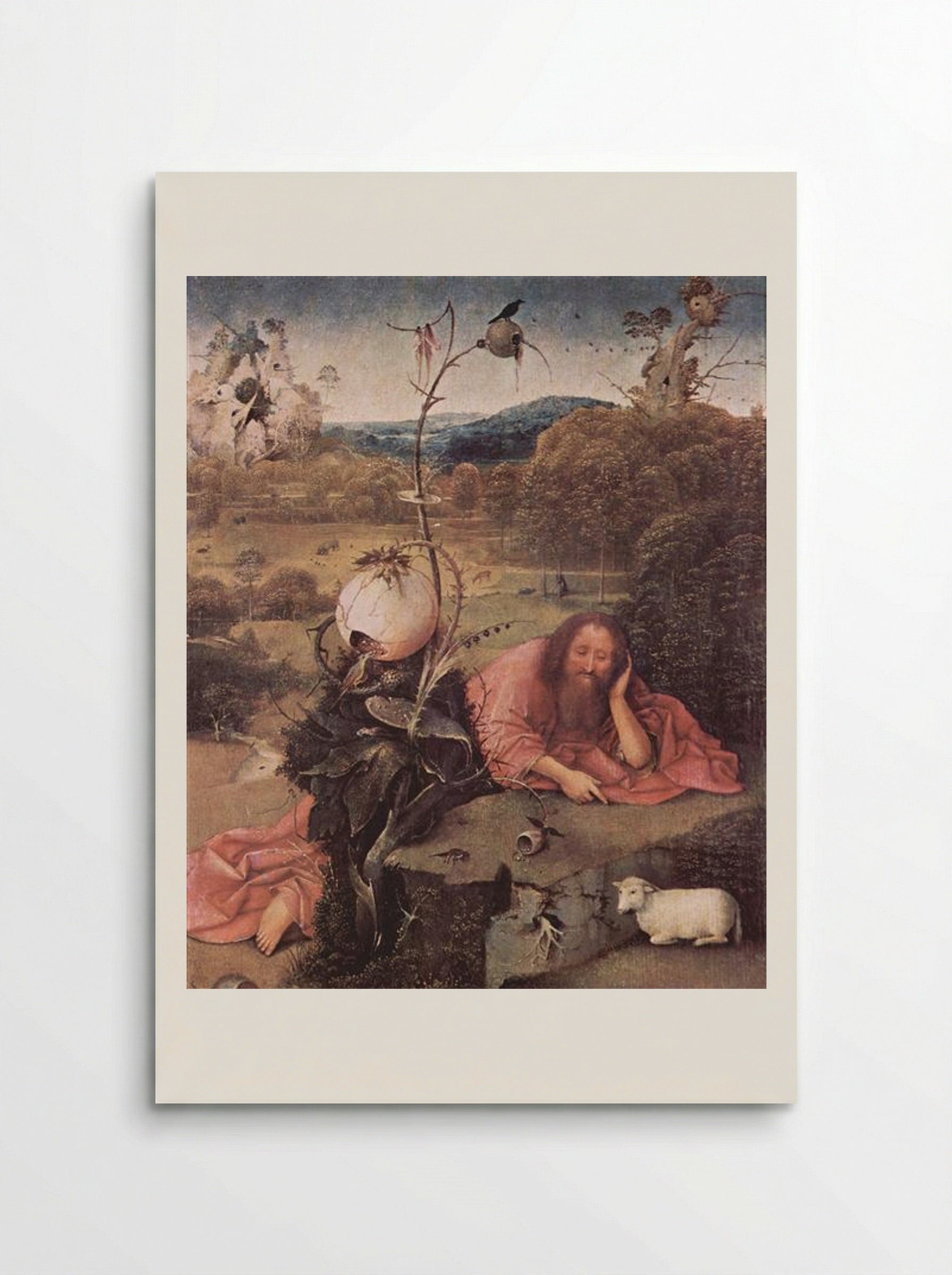 St. John the Baptist in Meditation - Hieronymus Bosch
Print
Regular price From £28.00 GBPSale price From £28.00 GBP Regular price -
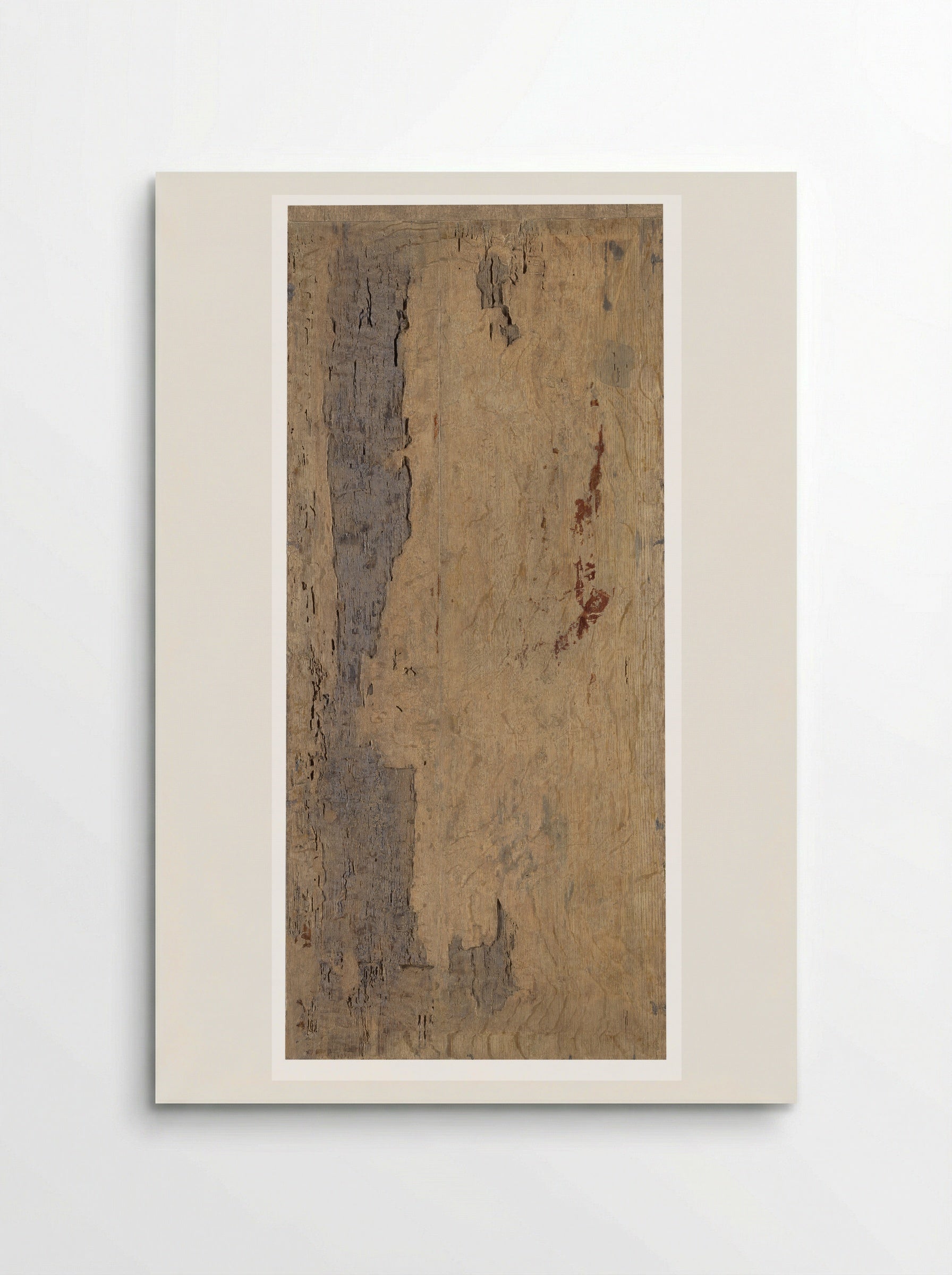 Fall of the Damned (Reverse Panel) - Hieronymus Bosch
Print
Regular price From £28.00 GBPSale price From £28.00 GBP Regular price -
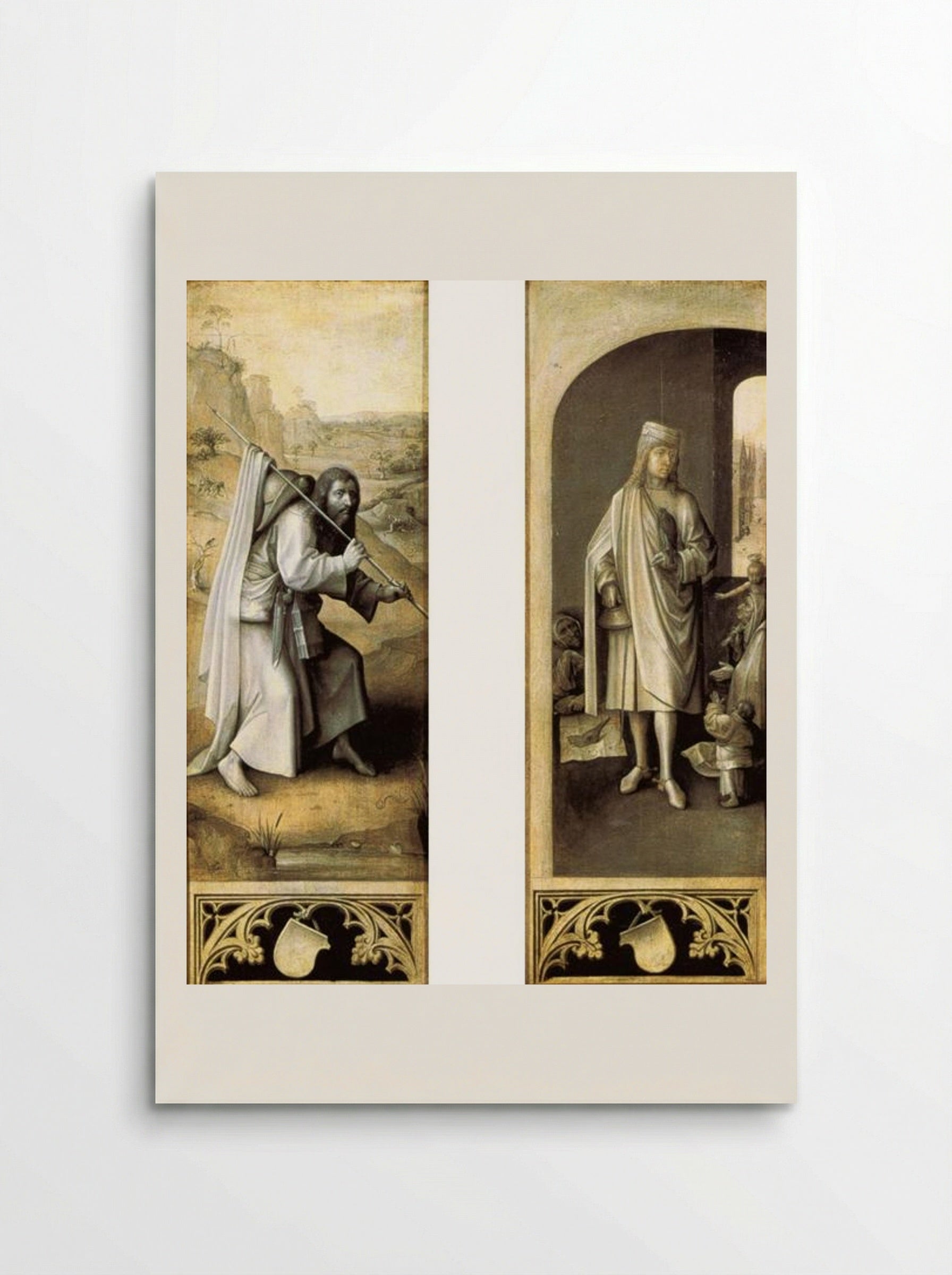 The Last Judgment (Outer Shutters) - Hieronymus Bosch
Print
Regular price From £28.00 GBPSale price From £28.00 GBP Regular price -
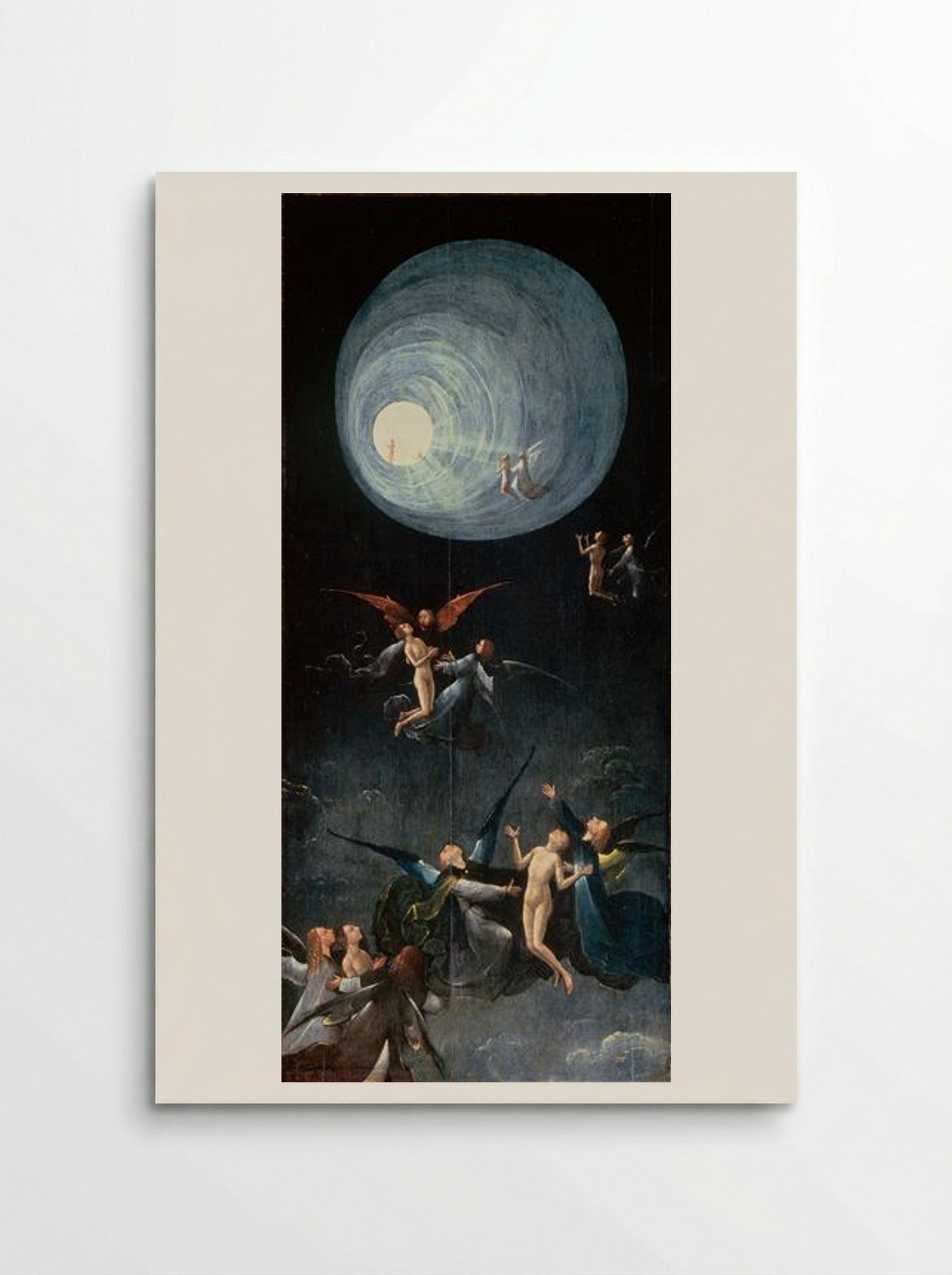 Ascent of the Blessed - Hieronymus Bosch
Print
Regular price From £28.00 GBPSale price From £28.00 GBP Regular price -
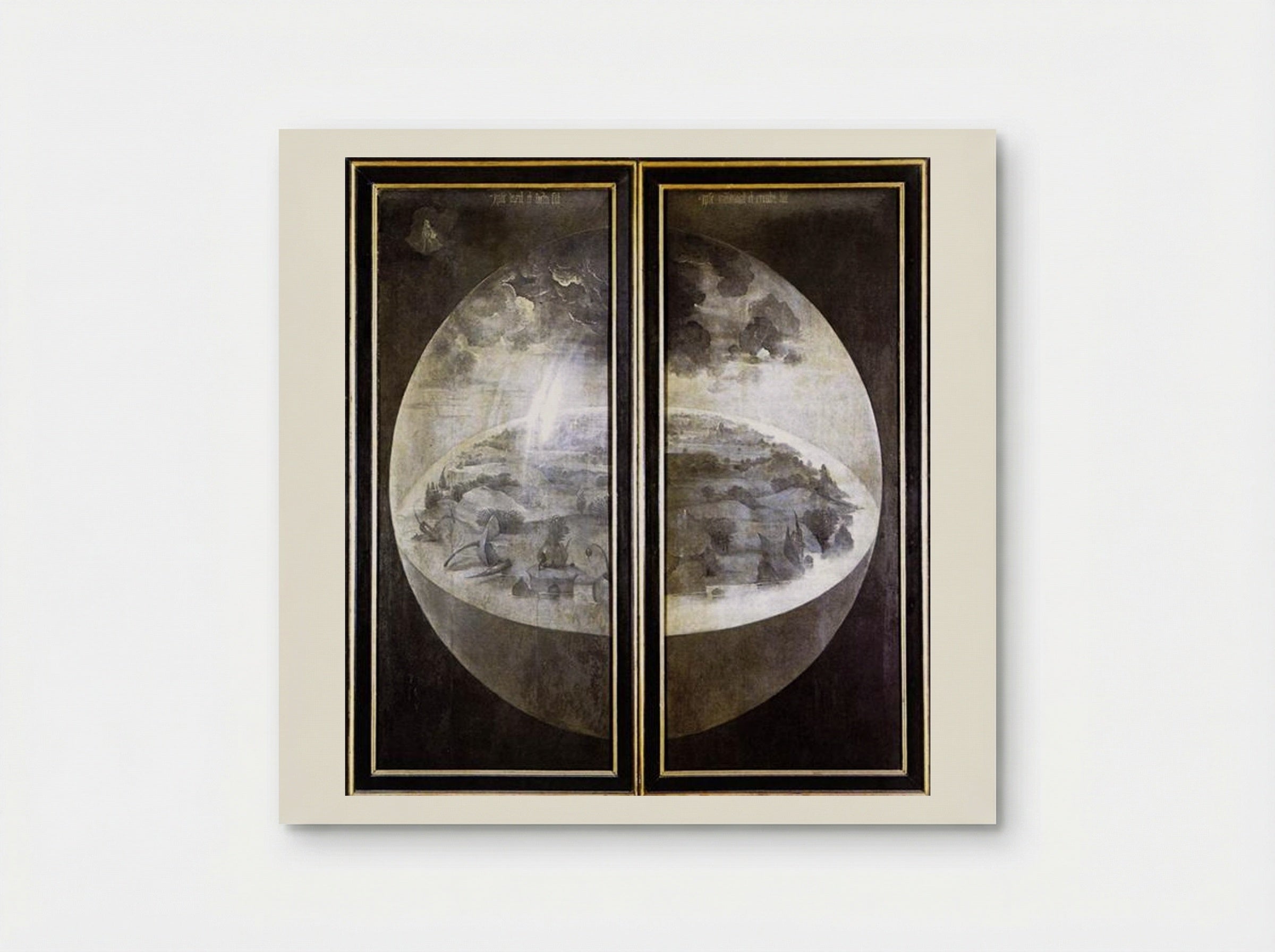 The Garden of Earthly Delights (Exterior Shutters) - Hieronymus Bosch
Print
Regular price From £37.00 GBPSale price From £37.00 GBP Regular price


Artist Biography
Hieronymus Bosch
His real name was Jheronimus van Aken, and he never left his hometown. Born around 1450 in 's-Hertogenbosch, a prosperous Brabantian town the locals called Den Bosch, he lived, painted, married, and died there. He took the name Bosch from the place itself.
When he was about thirteen, a fire destroyed 4,000 houses in the town. He almost certainly watched it. Scholars point to this event when explaining why flames appear so insistently in his later work, licking across panels of the damned and the disobedient, painted with a specificity that suggests memory rather than imagination.
He came from painters. His grandfather Jan van Aken had been one; four of Jan's five sons were painters too, though none of their work survives. Bosch married Aleyt Goyaerts van den Meervenne, a woman who was older than him and considerably wealthier. Her money meant he did not depend on commissions. He could paint what interested him, and what interested him was the full catalogue of human foolishness.
Only about 25 paintings are confidently attributed to him today. He signed just seven of them and dated none. The Garden of Earthly Delights, his best-known work, is a triptych tracing the arc from paradise to damnation, packed with hundreds of nude figures, hybrid creatures, and objects that resist easy interpretation. In 2014, someone noticed what appeared to be musical notes written on a tortured figure's backside in the hell panel. They transcribed and recorded the result. It sounds roughly as you would expect music from hell to sound.
His technique was unusual for the period. Where his Netherlandish contemporaries built up smooth, translucent glazes that concealed all brushwork, Bosch painted in thin, loose layers. The chalk underdrawing sometimes shows through. The effect is closer to drawing than to the polished surfaces of van Eyck or Memling.
He joined the Brotherhood of Our Lady in the late 1480s, a prestigious local confraternity with about 40 primary members and 7,000 associates across Europe. His father had served as their artistic adviser. The Brotherhood connected him to wealthy, orthodox Catholic patrons, and his paintings were collected across the Netherlands, Austria, and Spain during his lifetime. Philip II of Spain amassed so many that the Prado remains the richest repository of his work. The Surrealists claimed him centuries later. Leonora Carrington called him the first modern artist.
When he was about thirteen, a fire destroyed 4,000 houses in the town. He almost certainly watched it. Scholars point to this event when explaining why flames appear so insistently in his later work, licking across panels of the damned and the disobedient, painted with a specificity that suggests memory rather than imagination.
He came from painters. His grandfather Jan van Aken had been one; four of Jan's five sons were painters too, though none of their work survives. Bosch married Aleyt Goyaerts van den Meervenne, a woman who was older than him and considerably wealthier. Her money meant he did not depend on commissions. He could paint what interested him, and what interested him was the full catalogue of human foolishness.
Only about 25 paintings are confidently attributed to him today. He signed just seven of them and dated none. The Garden of Earthly Delights, his best-known work, is a triptych tracing the arc from paradise to damnation, packed with hundreds of nude figures, hybrid creatures, and objects that resist easy interpretation. In 2014, someone noticed what appeared to be musical notes written on a tortured figure's backside in the hell panel. They transcribed and recorded the result. It sounds roughly as you would expect music from hell to sound.
His technique was unusual for the period. Where his Netherlandish contemporaries built up smooth, translucent glazes that concealed all brushwork, Bosch painted in thin, loose layers. The chalk underdrawing sometimes shows through. The effect is closer to drawing than to the polished surfaces of van Eyck or Memling.
He joined the Brotherhood of Our Lady in the late 1480s, a prestigious local confraternity with about 40 primary members and 7,000 associates across Europe. His father had served as their artistic adviser. The Brotherhood connected him to wealthy, orthodox Catholic patrons, and his paintings were collected across the Netherlands, Austria, and Spain during his lifetime. Philip II of Spain amassed so many that the Prado remains the richest repository of his work. The Surrealists claimed him centuries later. Leonora Carrington called him the first modern artist.


Why Choose Us ?