

Collection
Georges De La Tour
Explore curated art prints selected for distinctive homes and considered interiors.
Suggested filters
-

 St. Sebastian Tended by St. Irene - Georges de la Tour
Print · Framed
Regular price From £28.00 GBPSale price From £28.00 GBP Regular price -

 St. Jerome in Penitence - Georges de la Tour
Print · Framed
Regular price From £28.00 GBPSale price From £28.00 GBP Regular price -

 The Blind Hurdy-Gurdy Player - Georges de la Tour
Print · Framed
Regular price From £28.00 GBPSale price From £28.00 GBP Regular price -

 The Payment of Dues - Georges de la Tour
Print · Framed
Regular price From £28.00 GBPSale price From £28.00 GBP Regular price -

 The Cheat with the Ace of Diamonds - Georges de la Tour
Print · Framed
Regular price From £28.00 GBPSale price From £28.00 GBP Regular price -

 St. Joseph, the Carpenter - Georges de la Tour
Print · Framed
Regular price From £28.00 GBPSale price From £28.00 GBP Regular price -

 The Smoker - Georges de la Tour
Print · Framed
Regular price From £37.00 GBPSale price From £37.00 GBP Regular price -

 Girl with a Brazier - Georges de la Tour
Print · Framed
Regular price From £28.00 GBPSale price From £28.00 GBP Regular price -

 The Tears of St. Peter - Georges de la Tour
Print · Framed
Regular price From £37.00 GBPSale price From £37.00 GBP Regular price -

 The Hurdy-Gurdy Player - Georges de la Tour
Print · Framed
Regular price From £28.00 GBPSale price From £28.00 GBP Regular price -

 St. John the Baptist in the Desert - Georges de la Tour
Print · Framed
Regular price From £28.00 GBPSale price From £28.00 GBP Regular price -

 The Dice Players - Georges de la Tour
Print · Framed
Regular price From £28.00 GBPSale price From £28.00 GBP Regular price -

 Job Mocked by His Wife - Georges de la Tour
Print · Framed
Regular price From £28.00 GBPSale price From £28.00 GBP Regular price -

 St. Simon - Georges de la Tour
Print · Framed
Regular price From £28.00 GBPSale price From £28.00 GBP Regular price -

 Repenting Magdalene - Georges de la Tour
Print · Framed
Regular price From £28.00 GBPSale price From £28.00 GBP Regular price -

 Saint Peter Repentant - Georges de La Tour
Print · Framed
Regular price From £28.00 GBPSale price From £28.00 GBP Regular price -
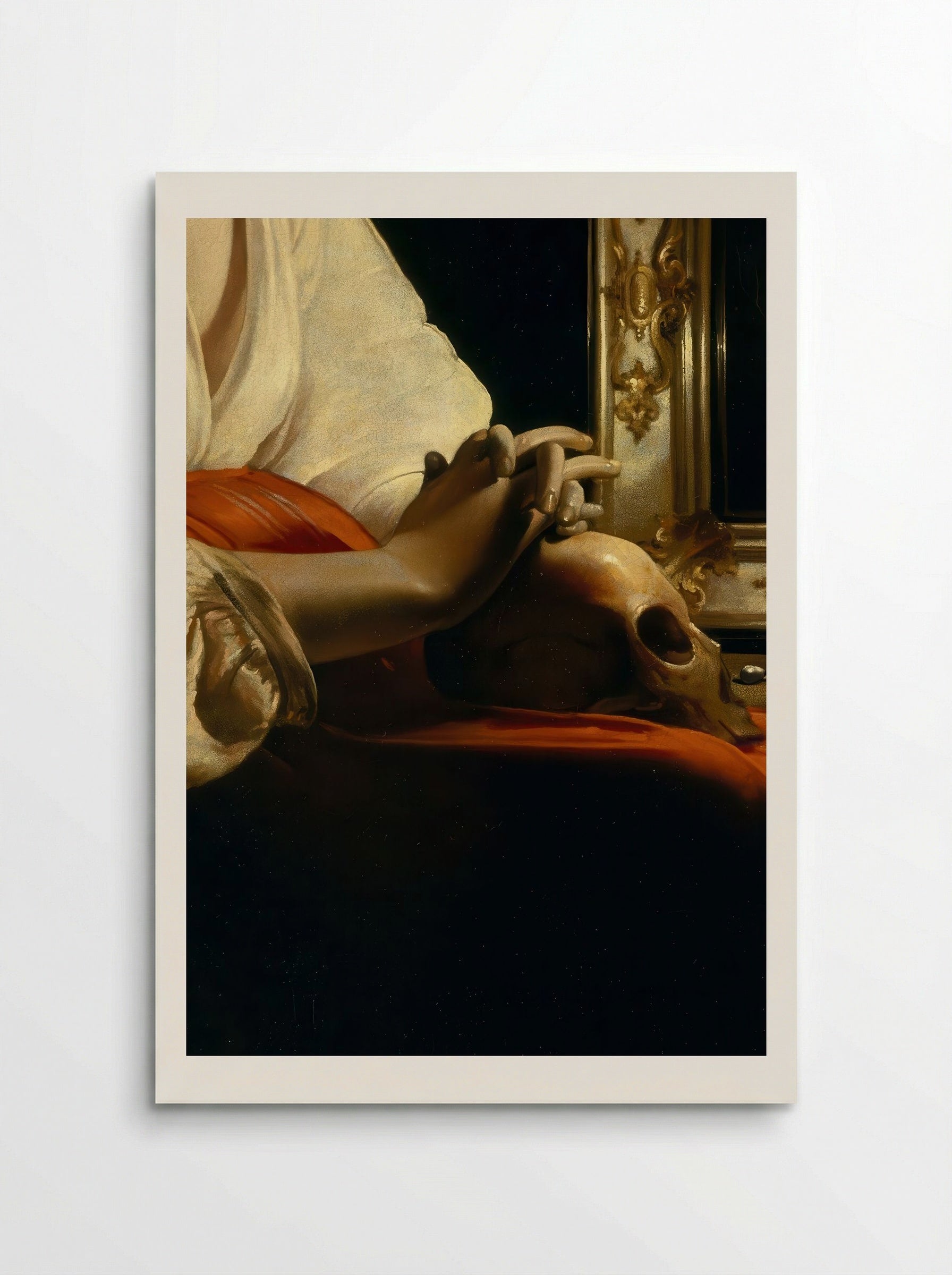
 The Penitent Magdalen - Georges de La Tour
Print · Framed · Canvas
Regular price From £28.00 GBPSale price From £28.00 GBP Regular price -
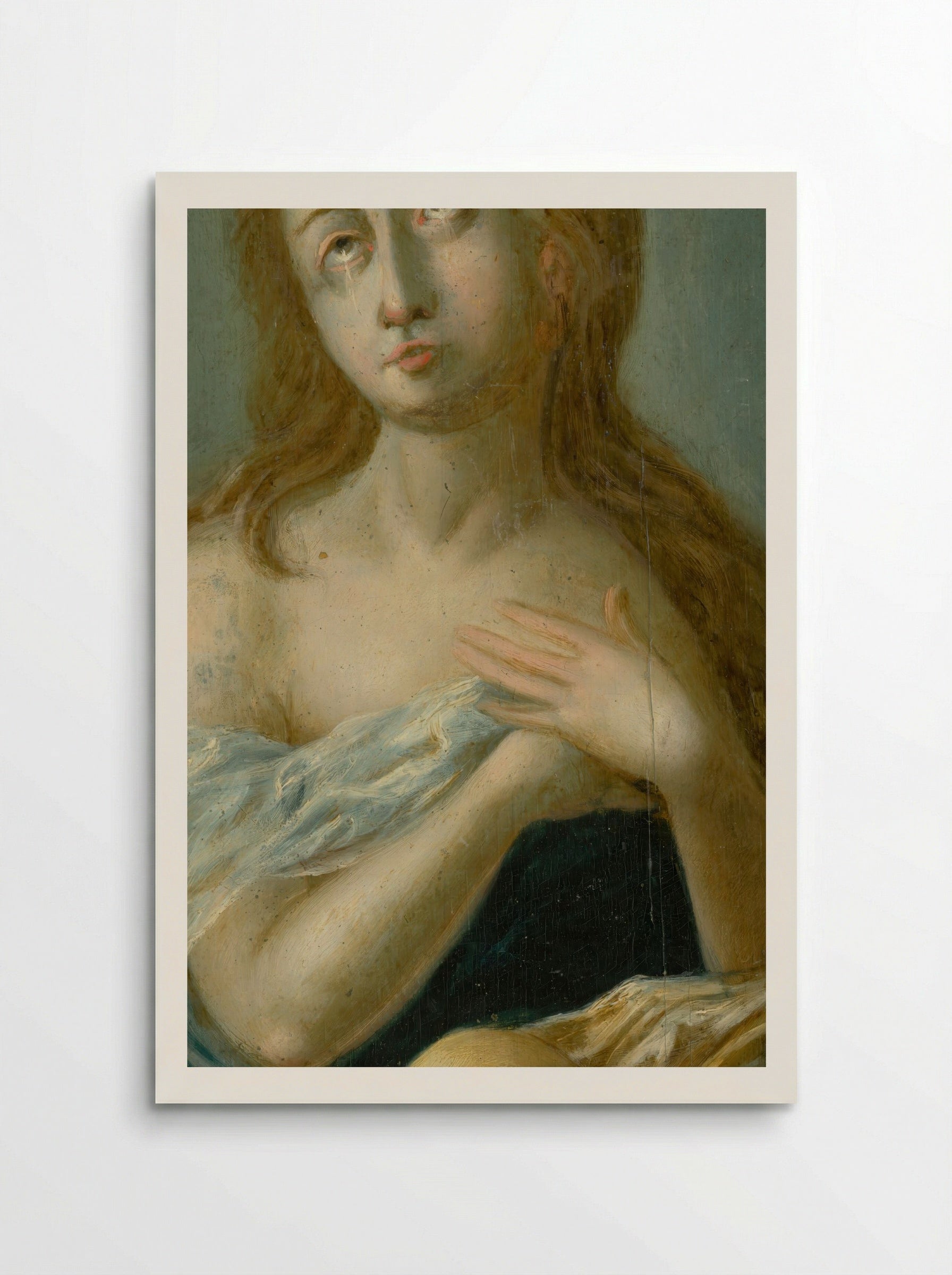
 The Penitent Magdalene - Georges de La Tour
Print · Framed · Canvas
Regular price From £28.00 GBPSale price From £28.00 GBP Regular price -
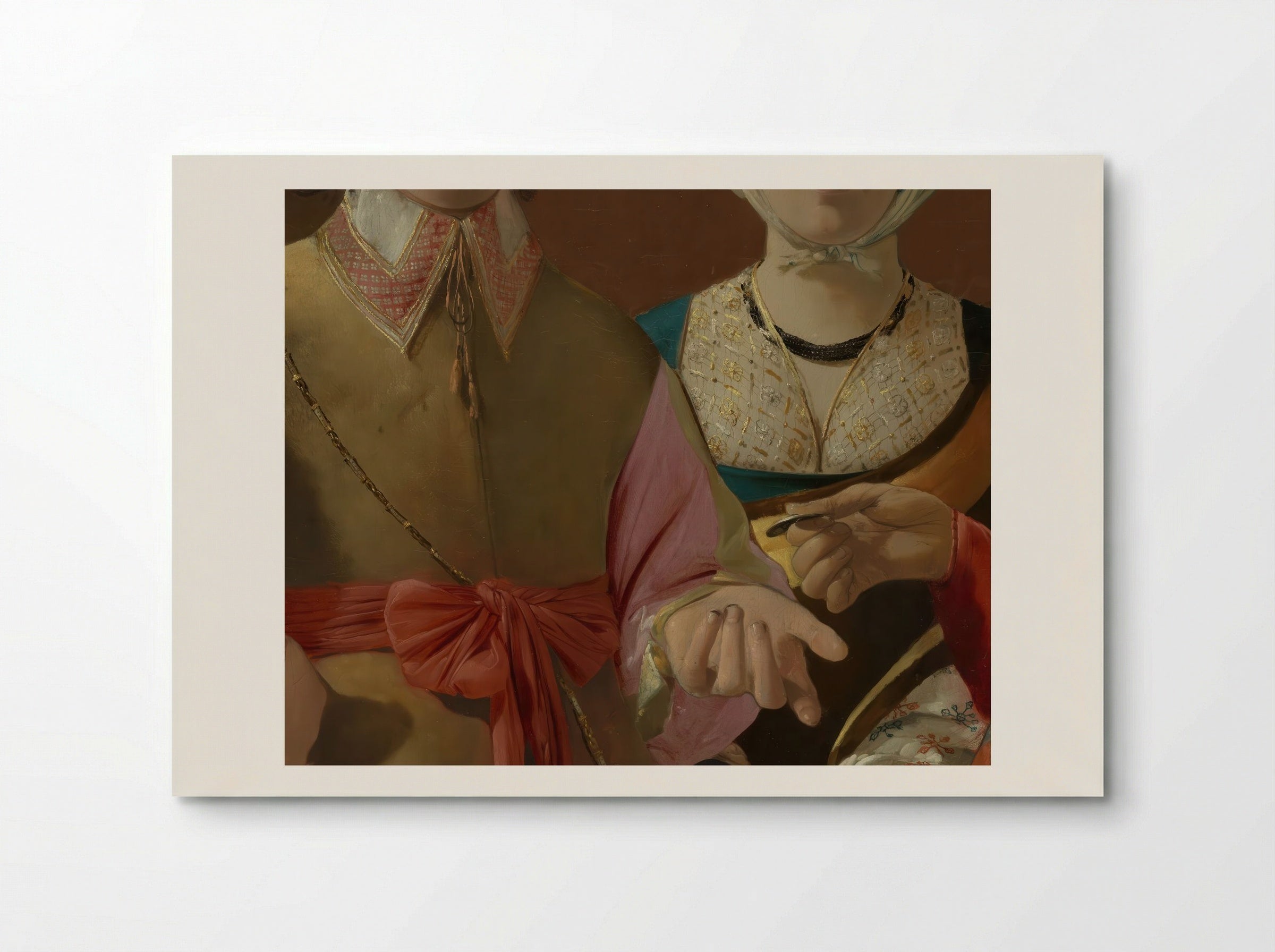
 The Fortune Teller - Georges de La Tour
Print · Framed · Canvas
Regular price From £28.00 GBPSale price From £28.00 GBP Regular price -

 St. Jude Thaddeus - Georges de la Tour
Print · Framed · Canvas
Regular price From £28.00 GBPSale price From £28.00 GBP Regular price -

 Christ Bénissant - Georges de la Tour
Print · Framed · Canvas
Regular price From £28.00 GBPSale price From £28.00 GBP Regular price -
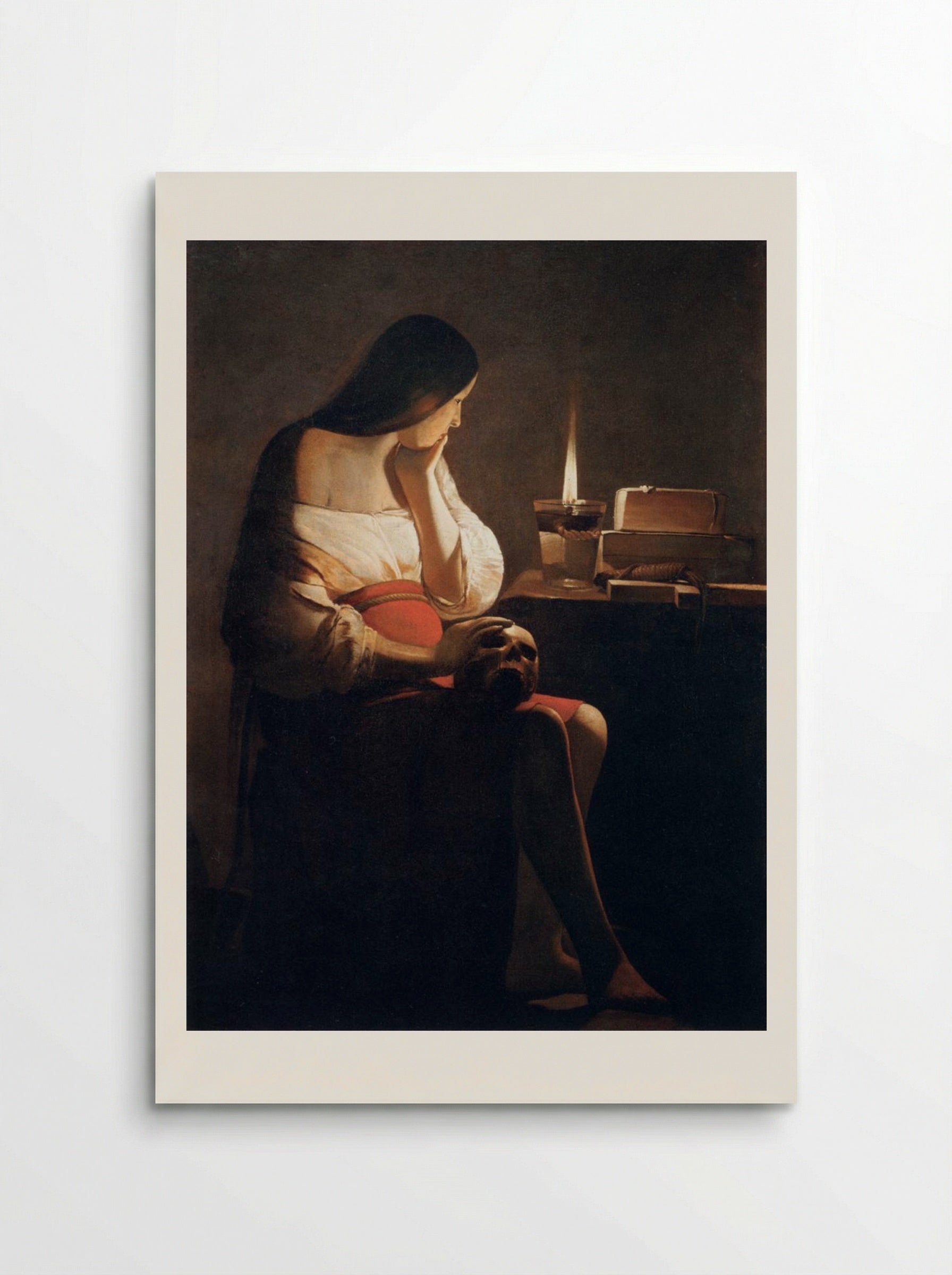
 Mary Magdalene with the Night Light - Georges de la Tour
Print · Framed · Canvas
Regular price From £28.00 GBPSale price From £28.00 GBP Regular price -
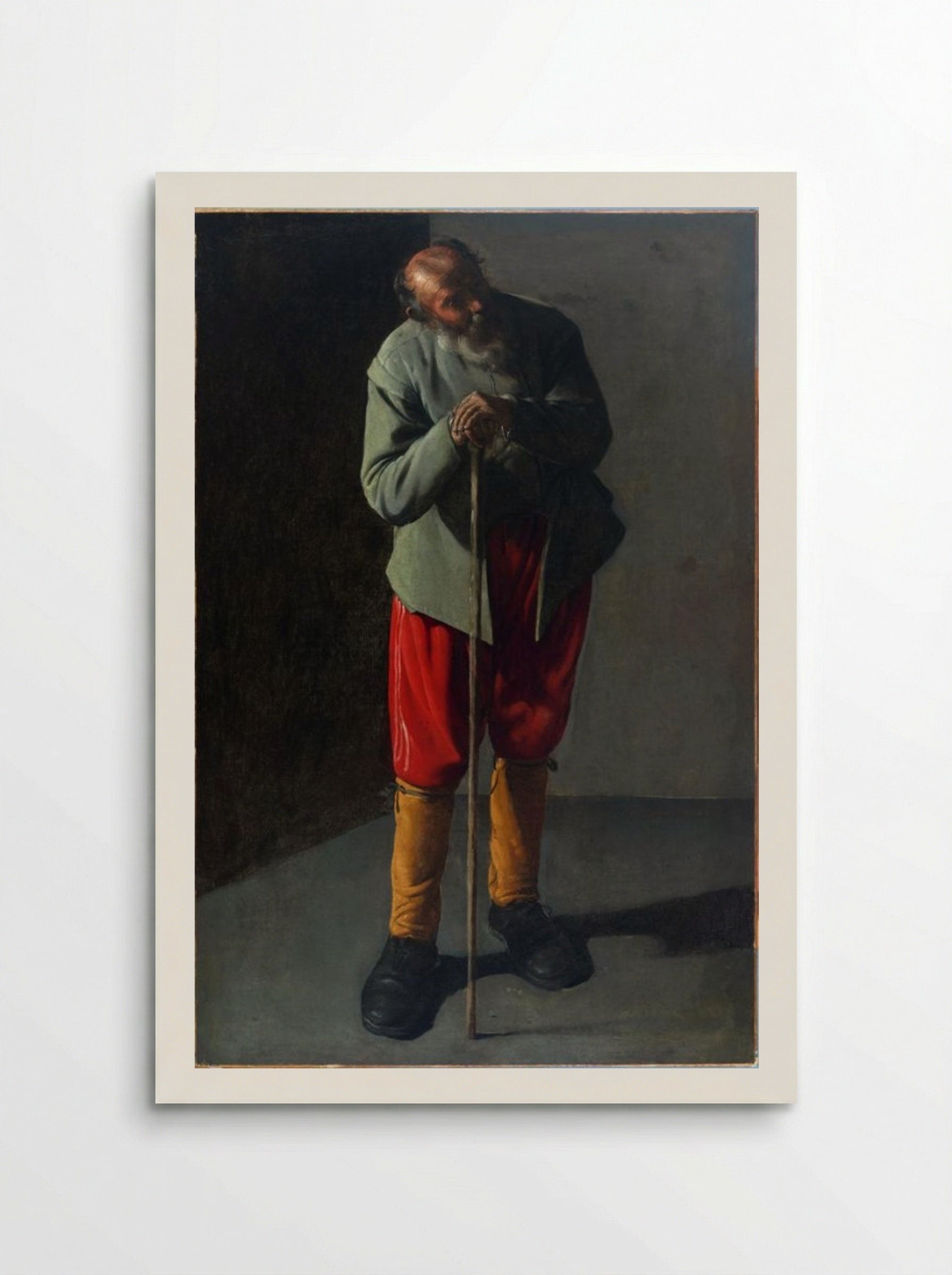 Old Man - Georges de la Tour
Print
Regular price From £28.00 GBPSale price From £28.00 GBP Regular price -
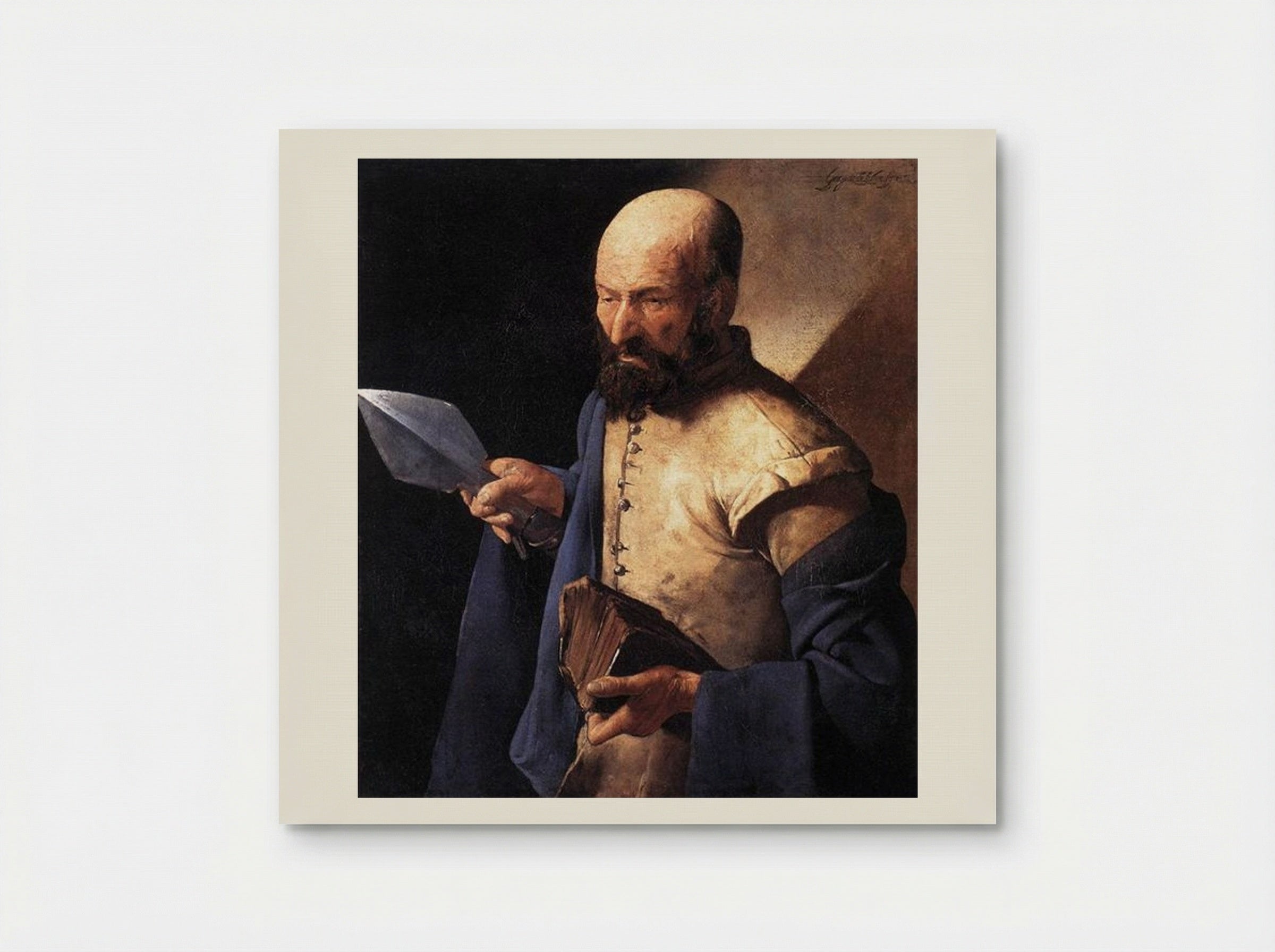 St. Thomas, also called Saint with a Pike - Georges de la Tour
Print
Regular price From £37.00 GBPSale price From £37.00 GBP Regular price


Why Choose Us ?