

Collection
Felix Vallotton
Explore curated art prints selected for distinctive homes and considered interiors.
Suggested filters
-
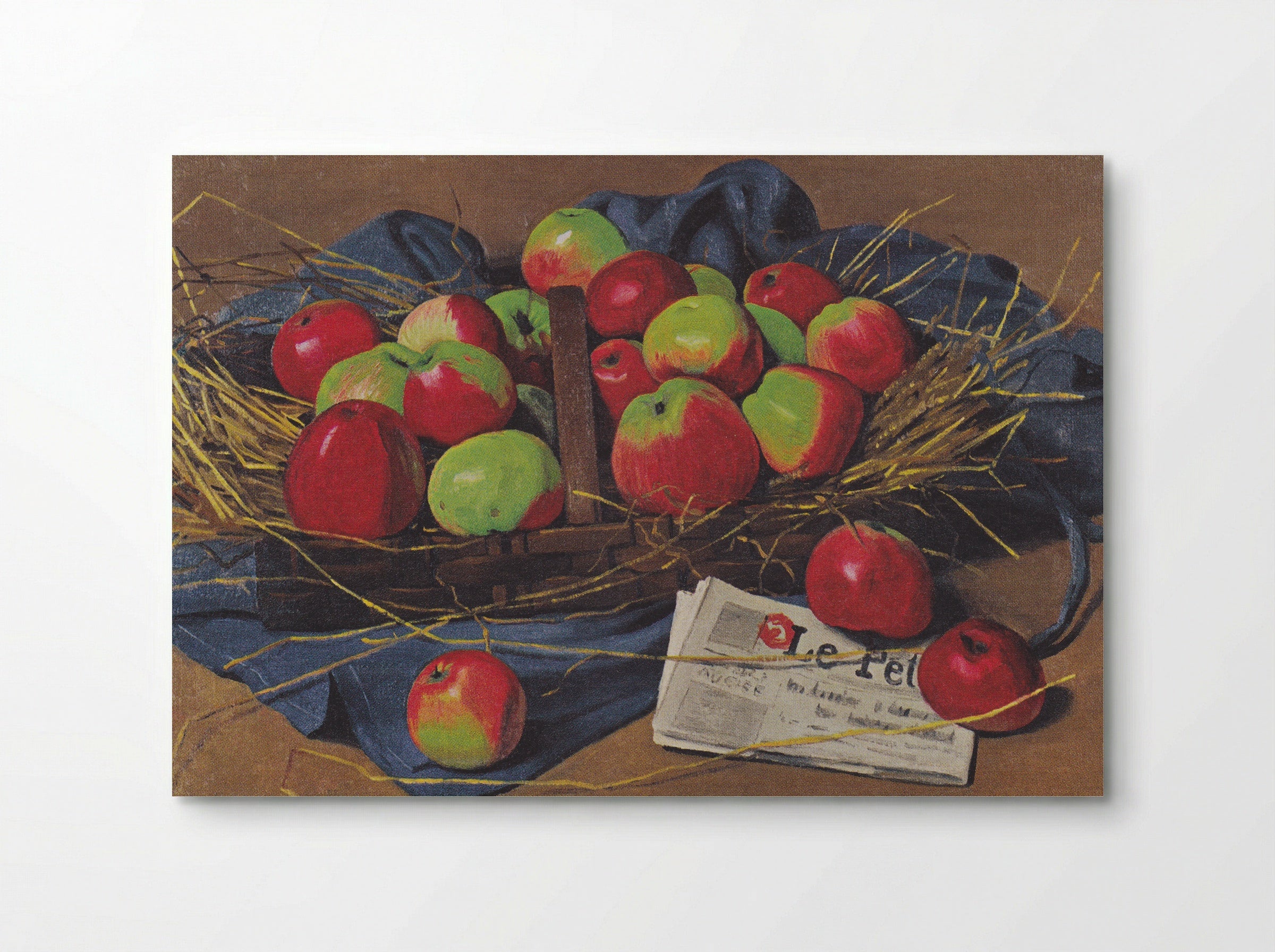
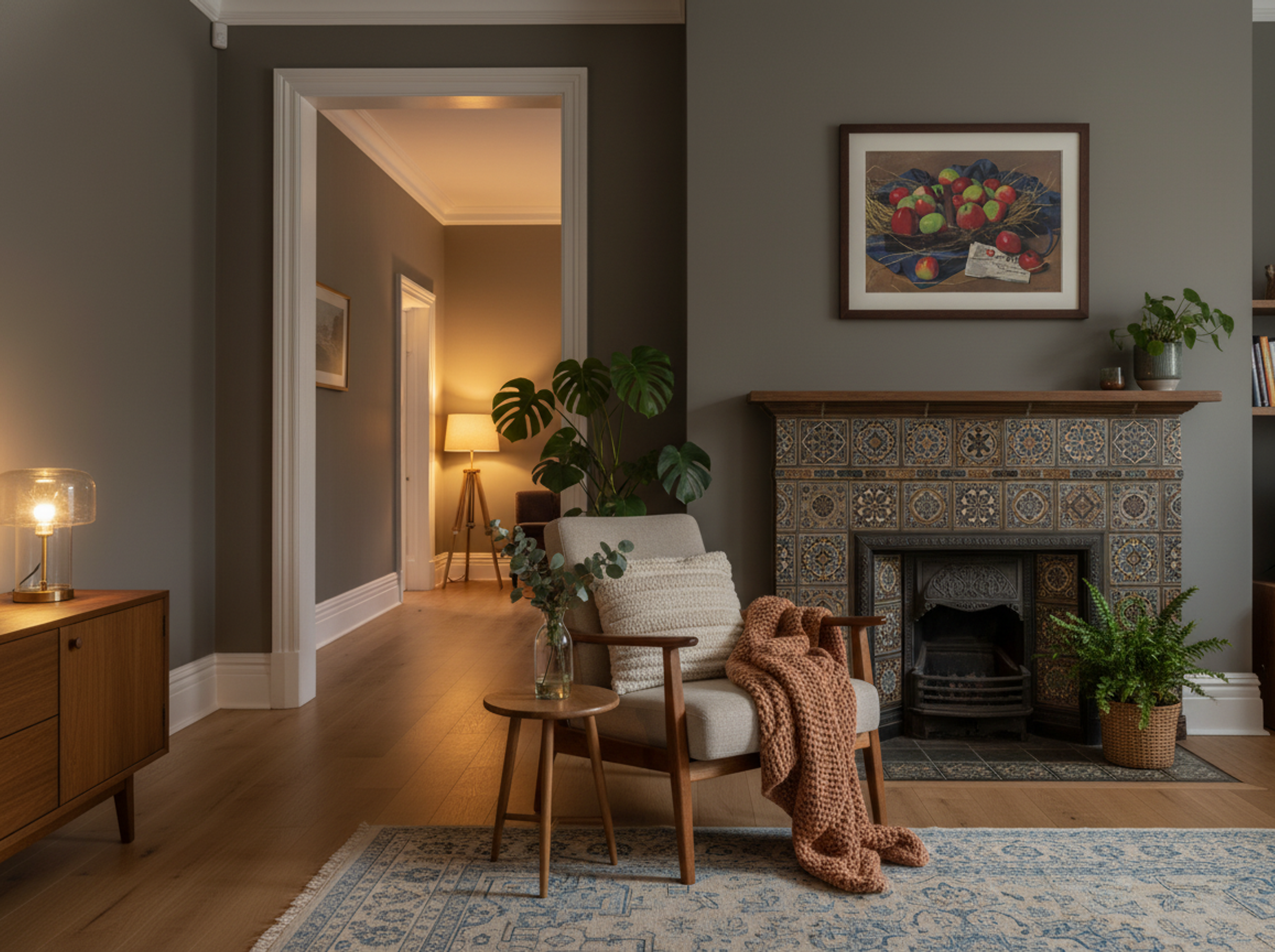 Apples - Félix Vallotton
Print · Framed
Regular price From £28.00 GBPSale price From £28.00 GBP Regular price -
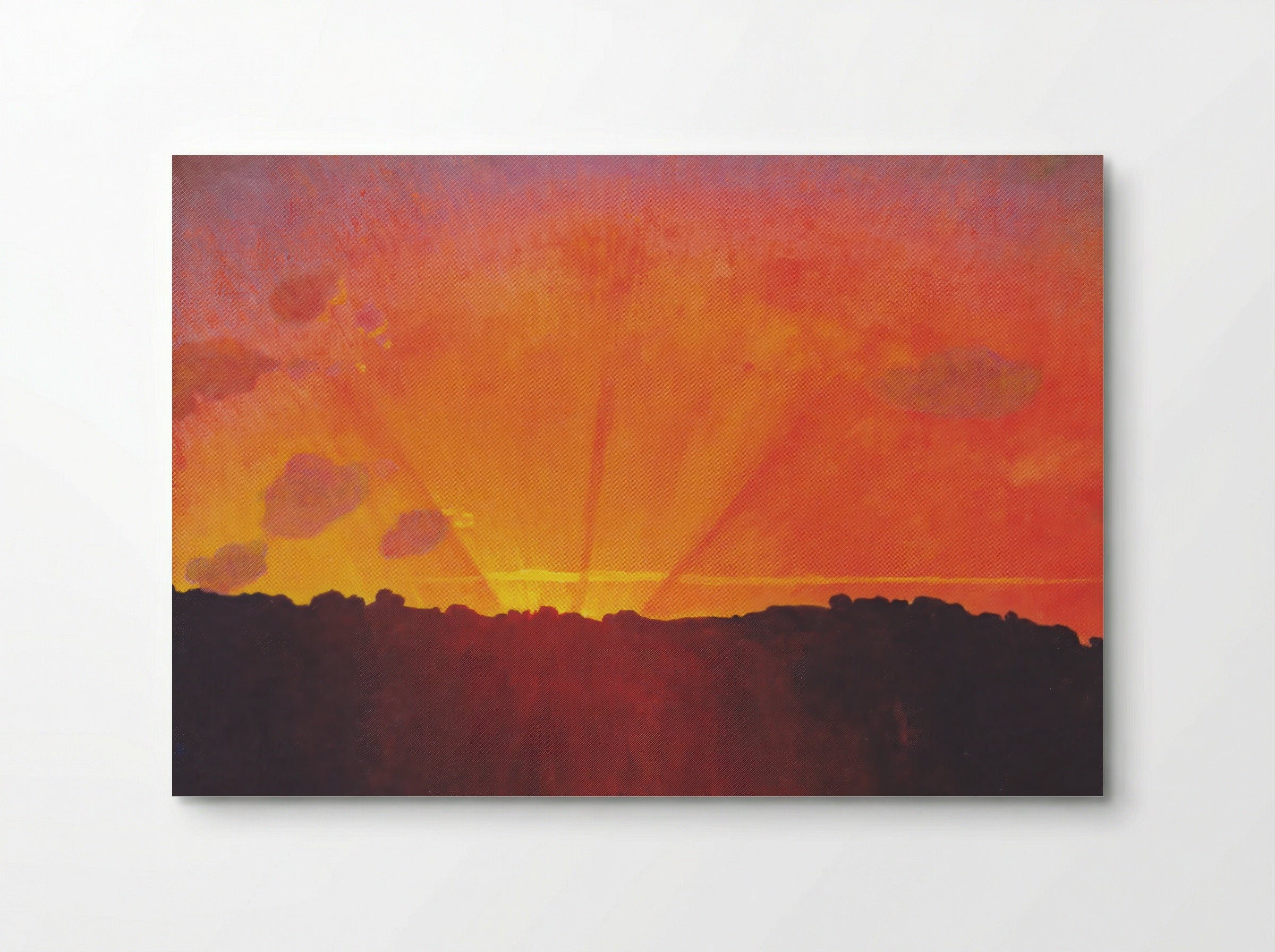
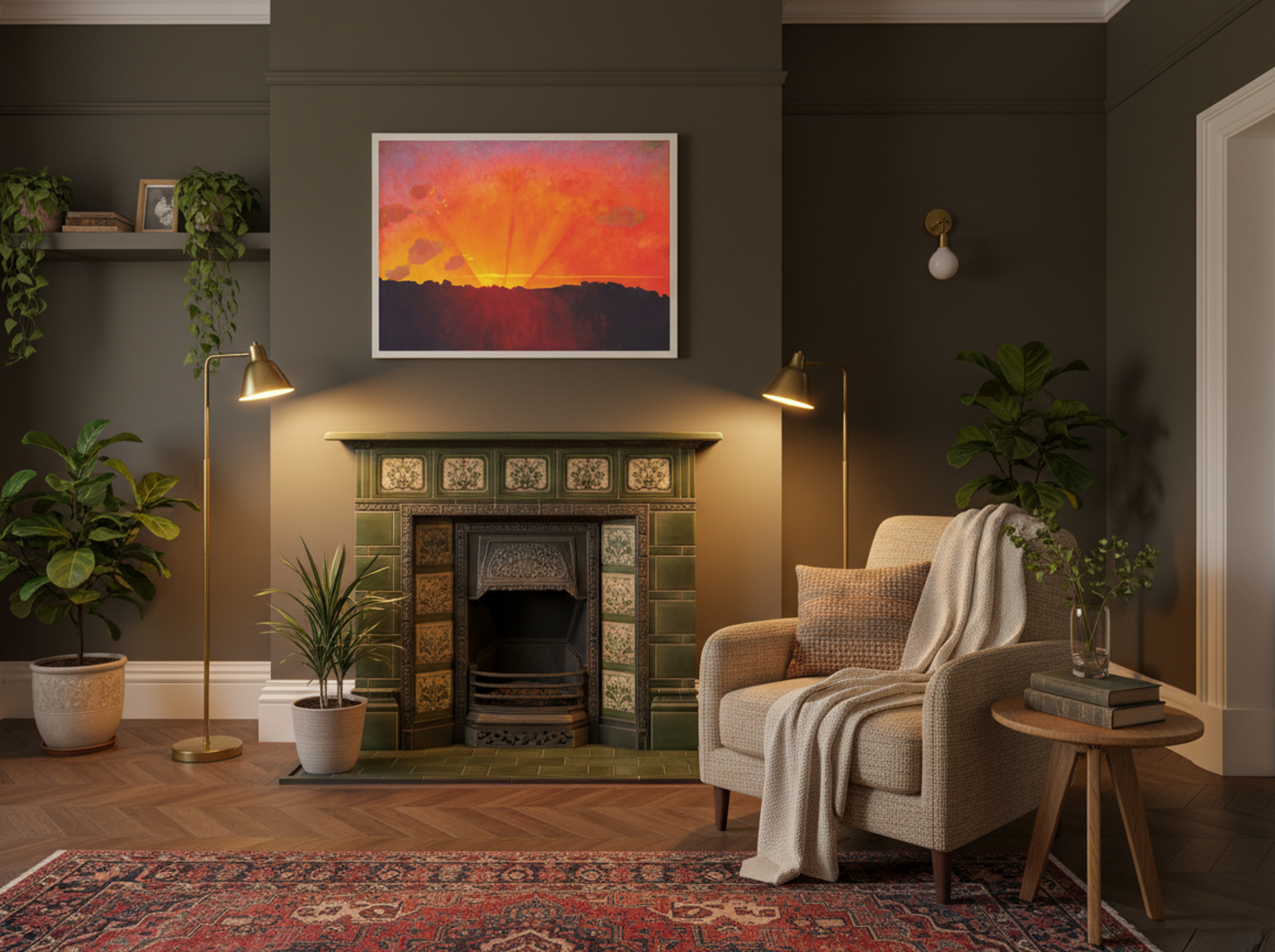 Sunset Over Hills - Fine Art Print
Print · Framed
Regular price From £28.00 GBPSale price From £28.00 GBP Regular price -
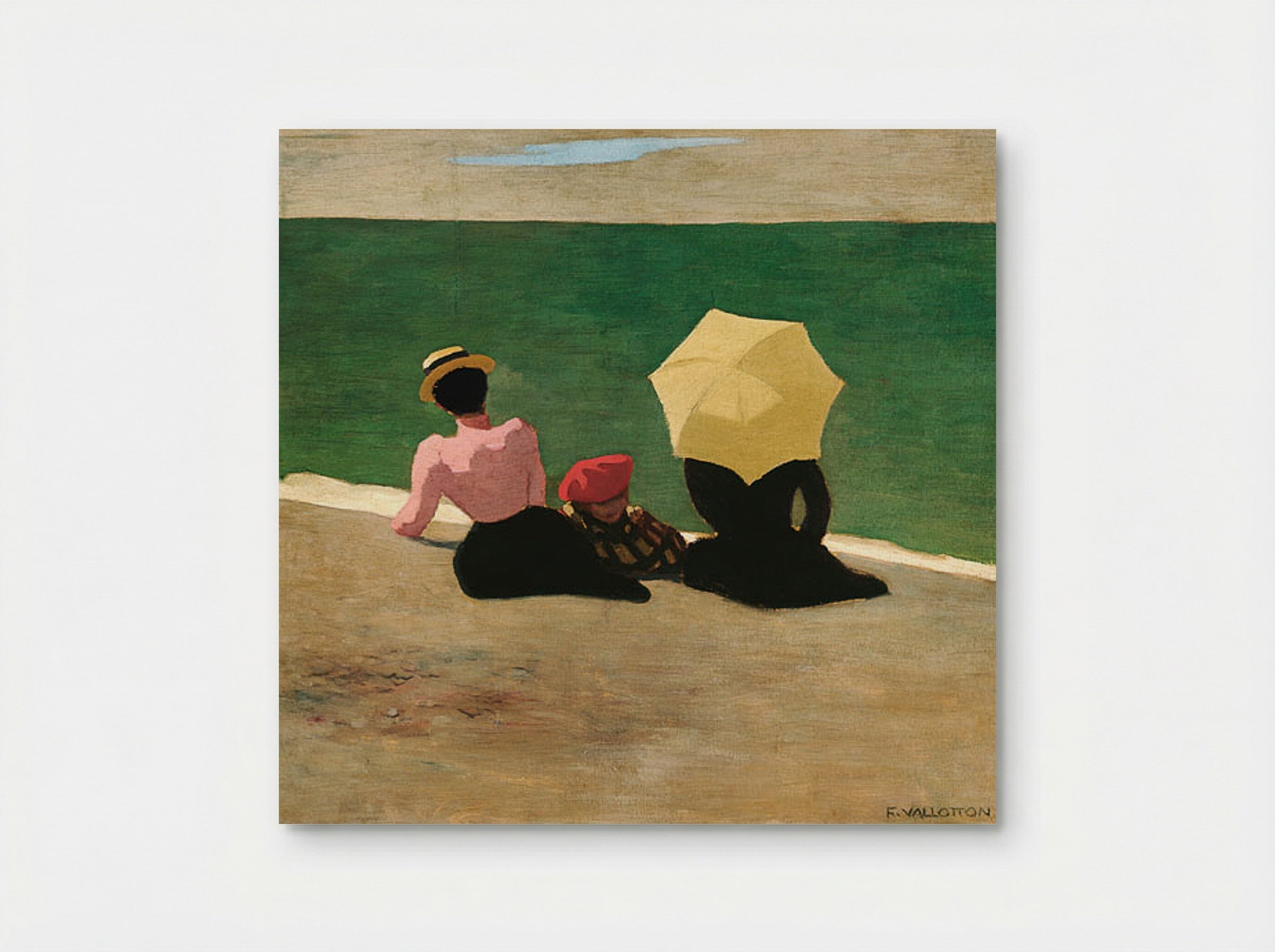
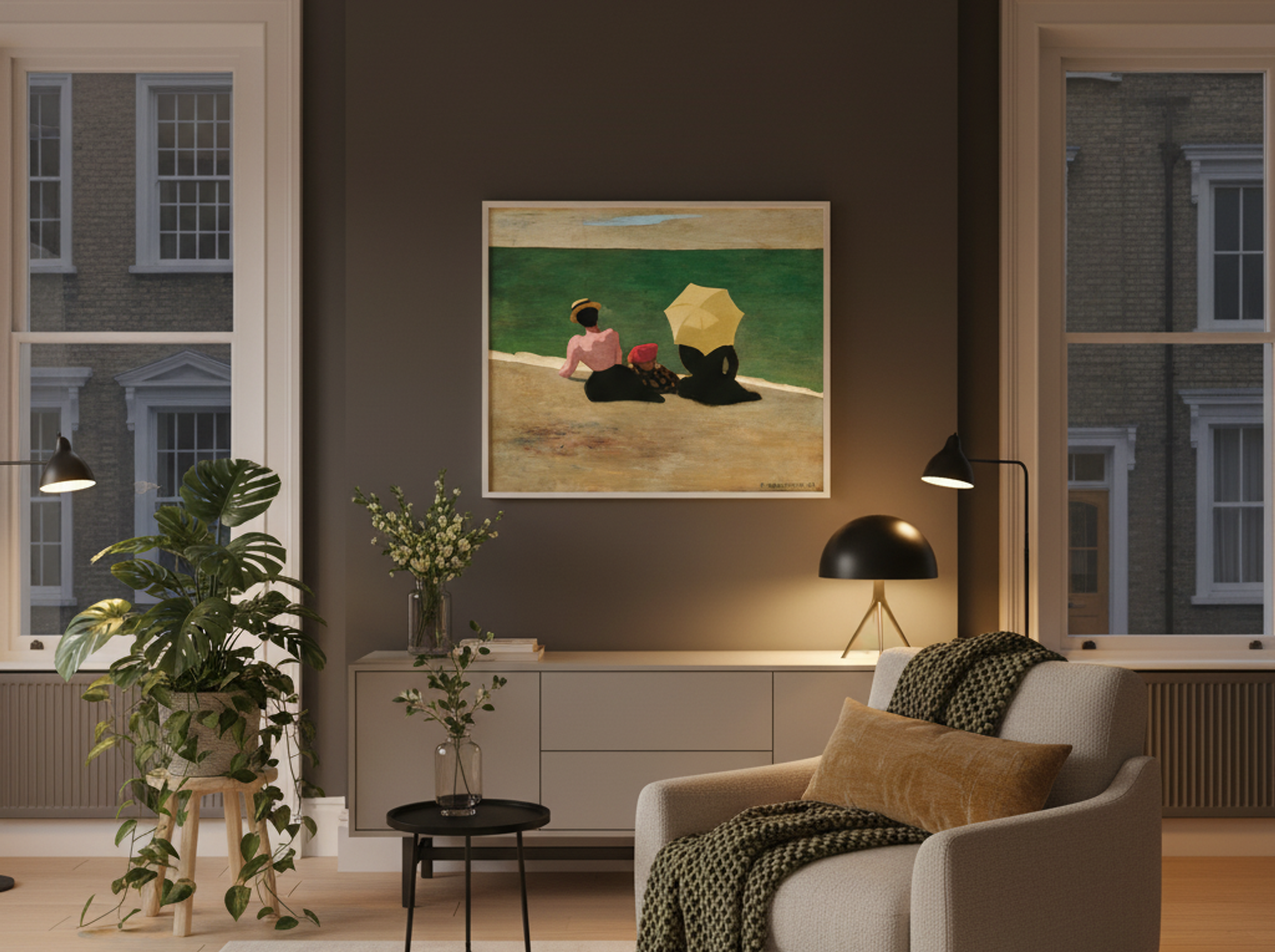 On the Beach - Félix Vallotton
Print · Framed
Regular price From £37.00 GBPSale price From £37.00 GBP Regular price -
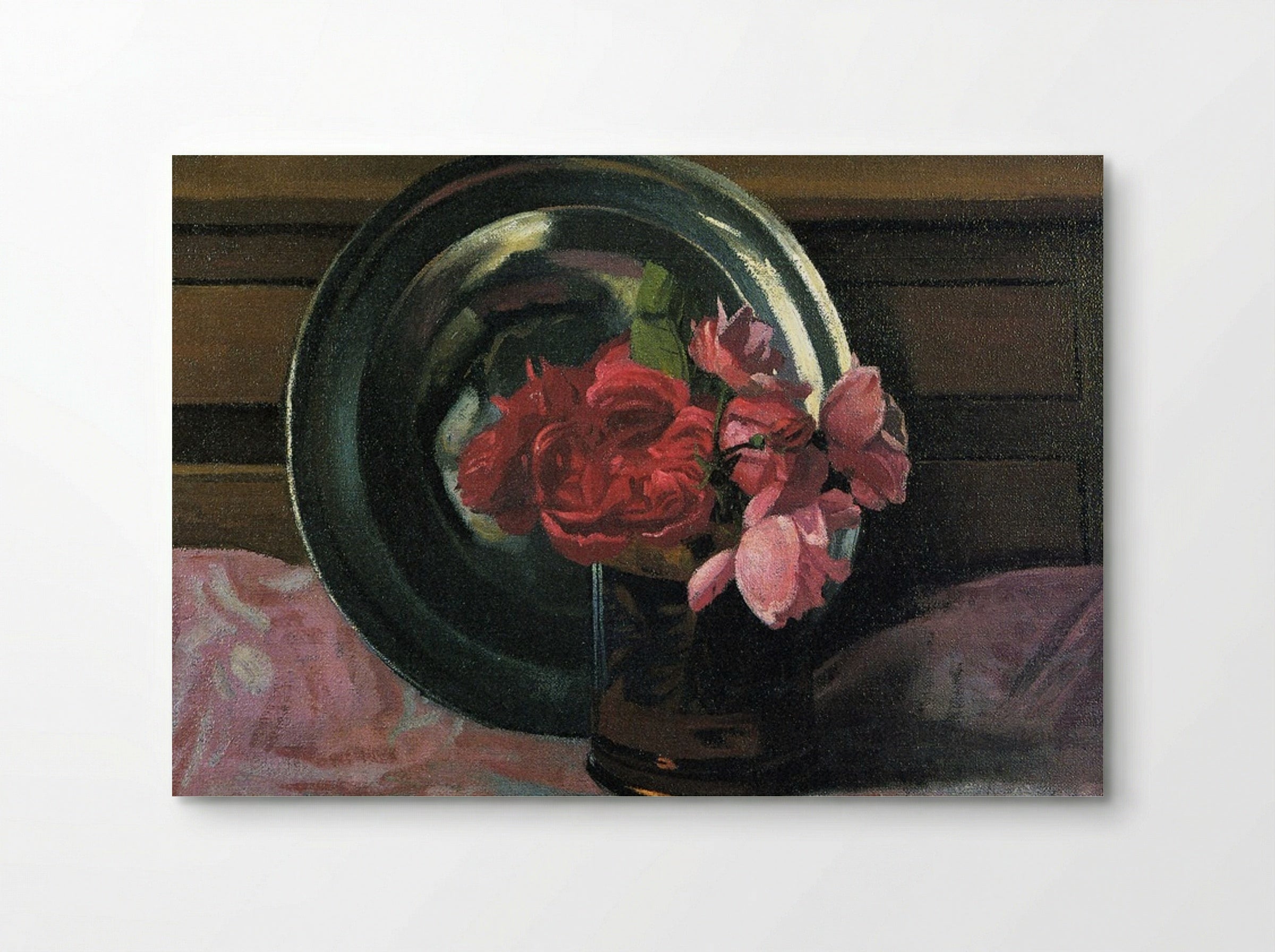
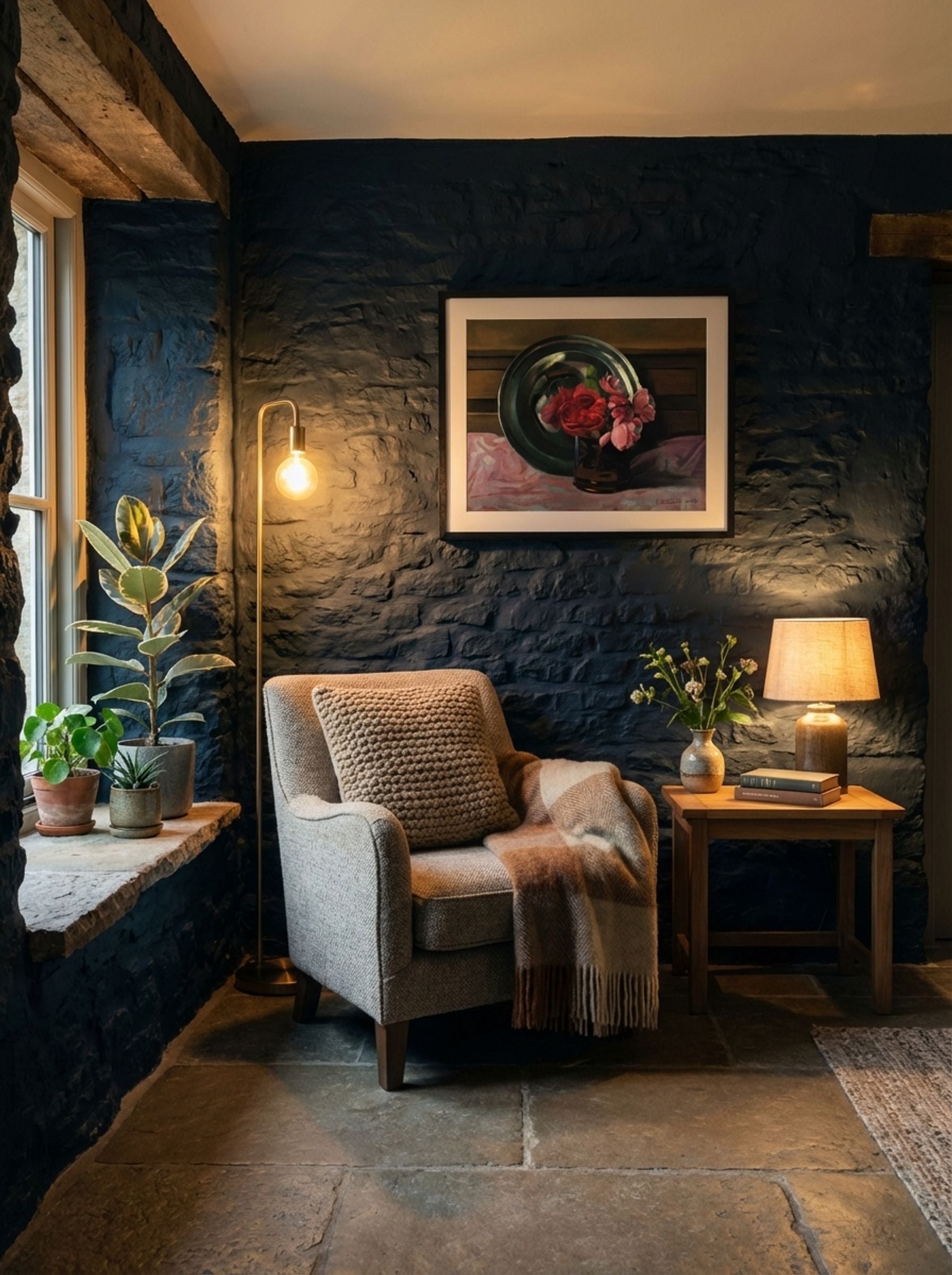 Still Life with Roses - Félix Vallotton
Print · Framed
Regular price From £37.00 GBPSale price From £37.00 GBP Regular price

Artist Biography
Felix Vallotton
Vallotton was called the Foreign Nabi, which was both a joke and a diagnosis. He was Swiss, from a conservative family in Lausanne, and his temperament was cooler and more detached than the Parisian painters he joined in 1892. The Nabis were interested in mysticism and spiritual art. Vallotton was interested in what happens between people when they think nobody is watching.
He moved to Paris at seventeen and studied at the Academie Julian. His woodcuts, made in the 1890s, revived a medium that most printmakers had abandoned in favour of colour lithography. Working in pure black and white, he carved domestic interiors, street scenes, and a series called Intimites: ten prints depicting the private moments of married life, with an emphasis on adultery, deception and the particular loneliness of two people in the same room. The images are flat, graphic and psychologically sharp.
His support for Alfred Dreyfus, the Jewish officer falsely convicted of espionage, strained his relationship with several of the Nabis. He bought a Kodak camera in 1899 and began using photographs as source material for paintings, manipulating compositions into fictionalised versions of observed reality.
He married the daughter of the art dealer Alexandre Bernheim in 1899, which gave him financial security and access to the Parisian art market. He painted nudes, still lifes and landscapes with a smooth, almost clinical finish that disturbed viewers who expected warmth from pictures of naked women.
He wrote three novels and eight plays, none of which were published in his lifetime. His first novel, La Vie Meurtriere (The Murderous Life), appeared posthumously in 1930. He died the day after his sixtieth birthday.
He moved to Paris at seventeen and studied at the Academie Julian. His woodcuts, made in the 1890s, revived a medium that most printmakers had abandoned in favour of colour lithography. Working in pure black and white, he carved domestic interiors, street scenes, and a series called Intimites: ten prints depicting the private moments of married life, with an emphasis on adultery, deception and the particular loneliness of two people in the same room. The images are flat, graphic and psychologically sharp.
His support for Alfred Dreyfus, the Jewish officer falsely convicted of espionage, strained his relationship with several of the Nabis. He bought a Kodak camera in 1899 and began using photographs as source material for paintings, manipulating compositions into fictionalised versions of observed reality.
He married the daughter of the art dealer Alexandre Bernheim in 1899, which gave him financial security and access to the Parisian art market. He painted nudes, still lifes and landscapes with a smooth, almost clinical finish that disturbed viewers who expected warmth from pictures of naked women.
He wrote three novels and eight plays, none of which were published in his lifetime. His first novel, La Vie Meurtriere (The Murderous Life), appeared posthumously in 1930. He died the day after his sixtieth birthday.


Why Choose Us ?