

Collection
Eugène Grasset
Explore curated art prints selected for distinctive homes and considered interiors.
Suggested filters
-
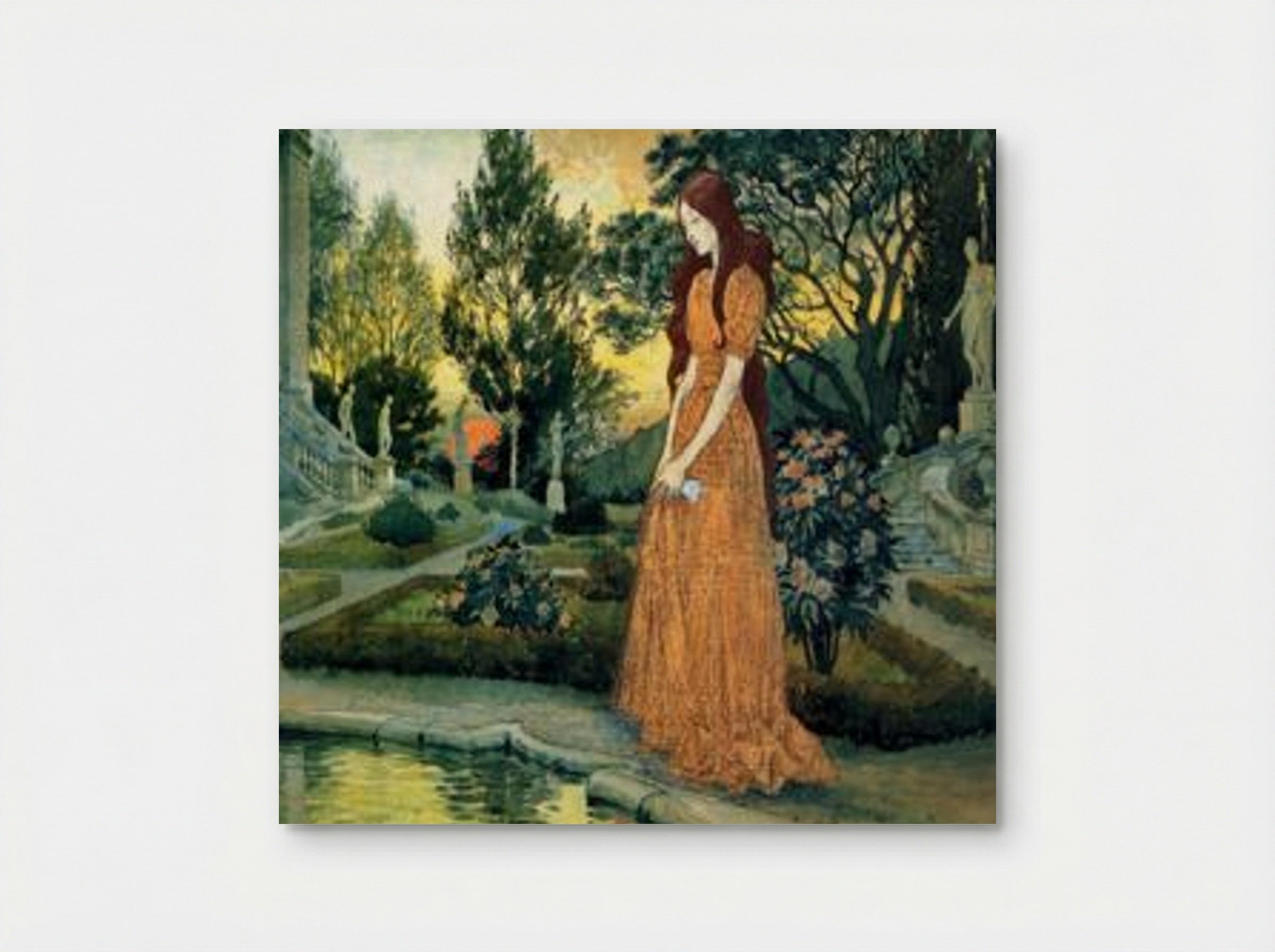 Girl in the Garden - Eugène Grasset
Print
Regular price From £37.00 GBPSale price From £37.00 GBP Regular price -
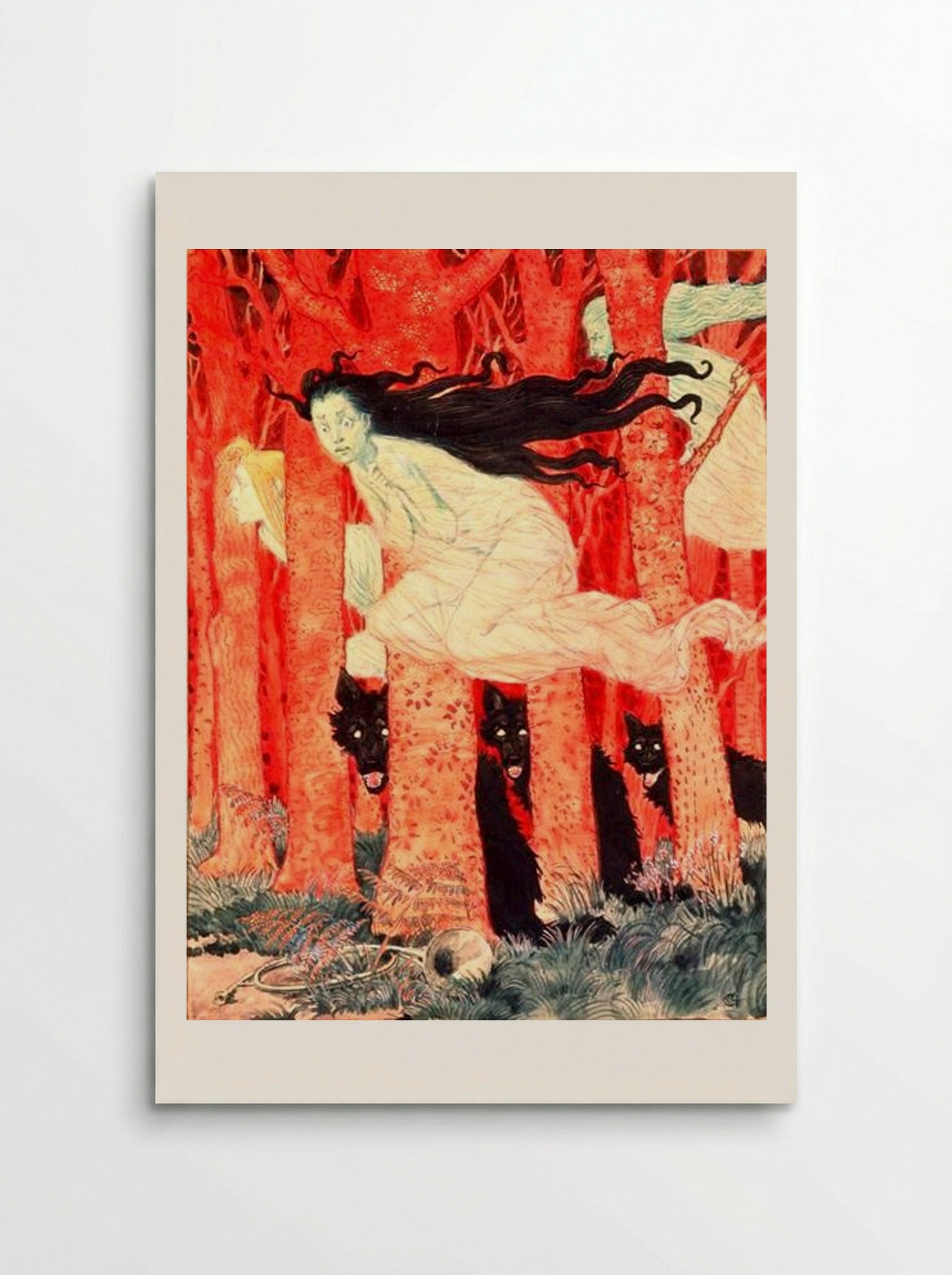 Three Women and Three Wolves - Eugène Grasset
Print
Regular price From £28.00 GBPSale price From £28.00 GBP Regular price -
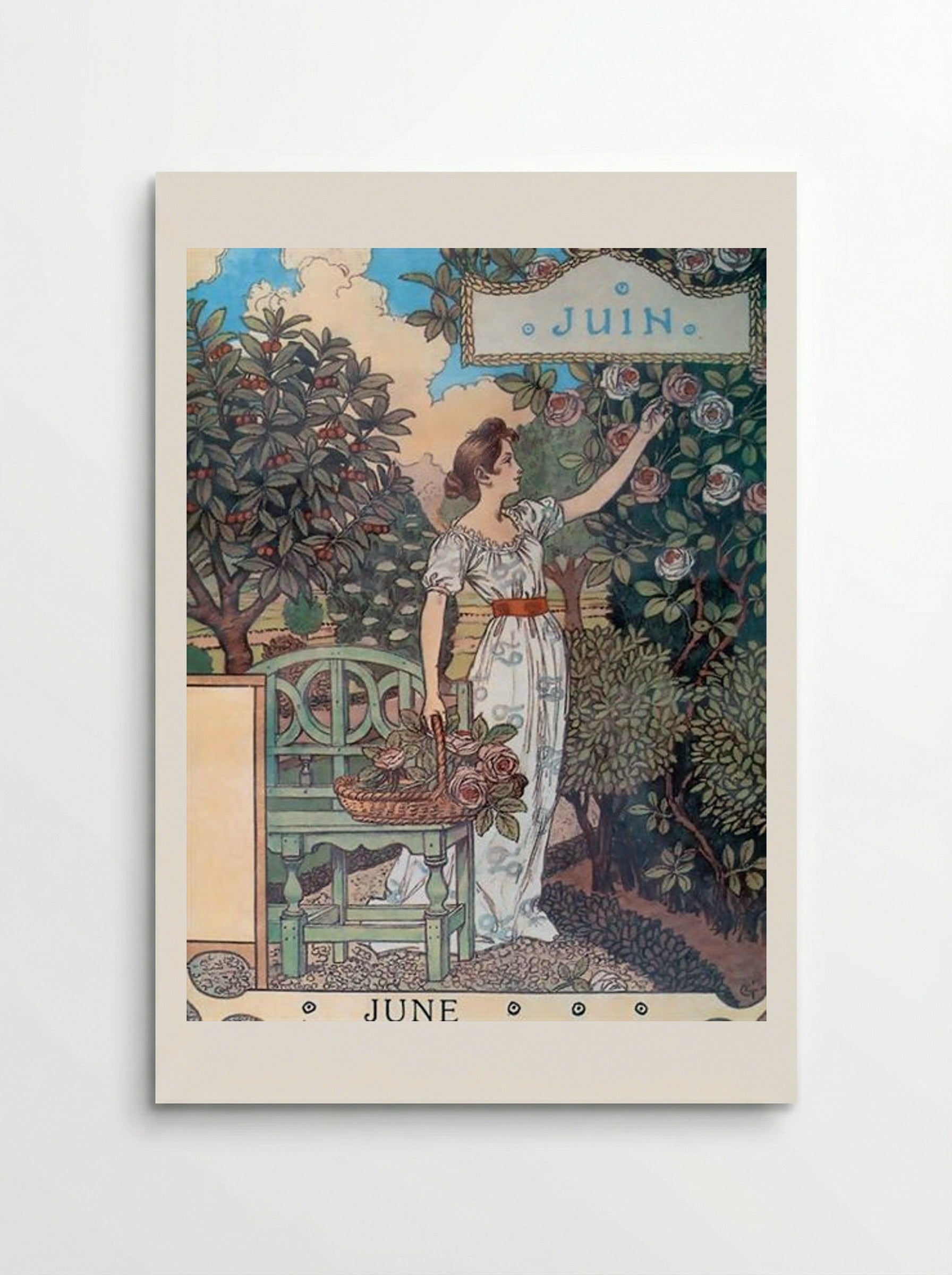 La Belle Jardiniere – June - Eugène Grasset
Print
Regular price From £28.00 GBPSale price From £28.00 GBP Regular price -
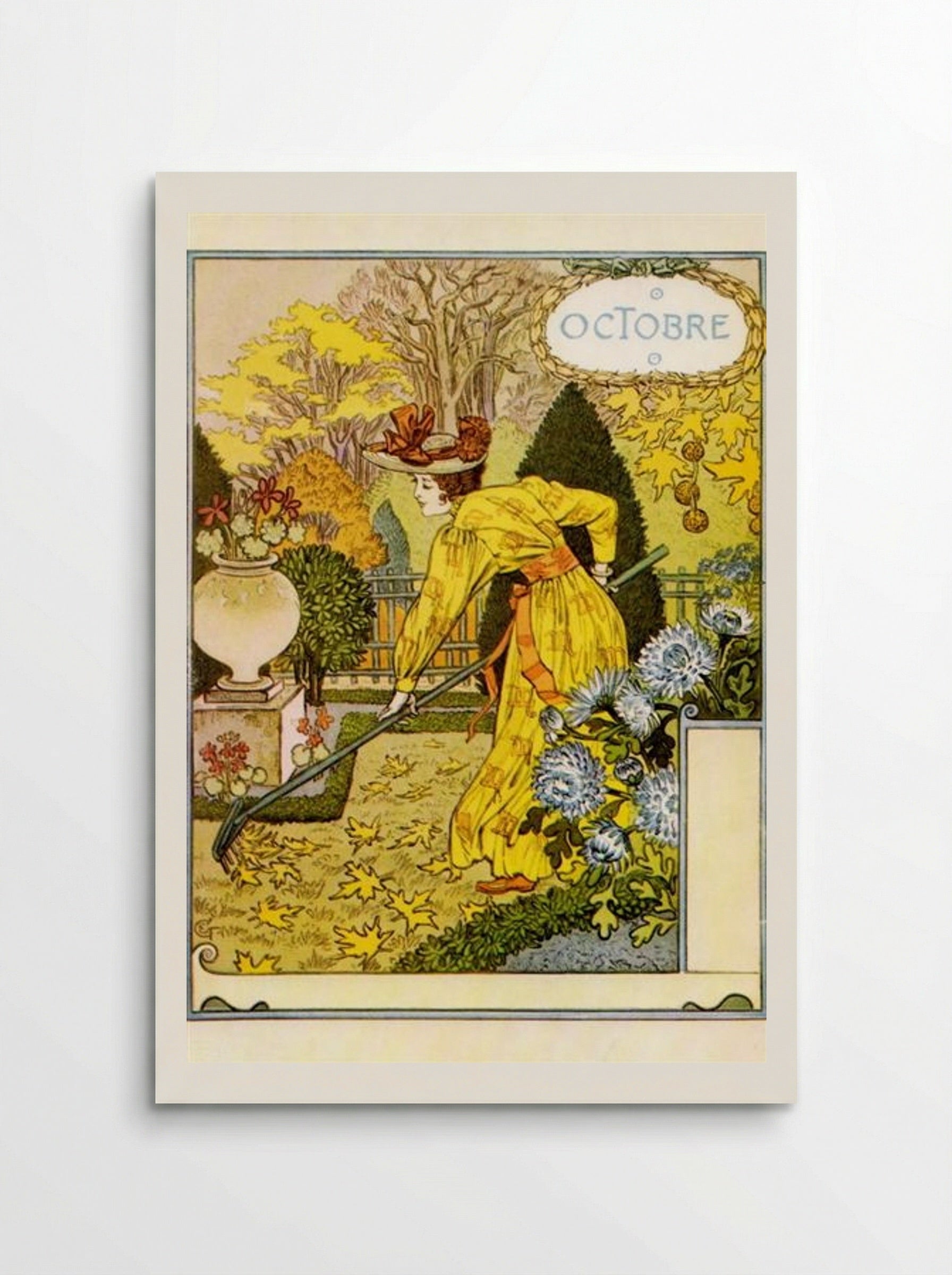 La Belle Jardiniere – Octobre - Eugène Grasset
Print
Regular price From £28.00 GBPSale price From £28.00 GBP Regular price -
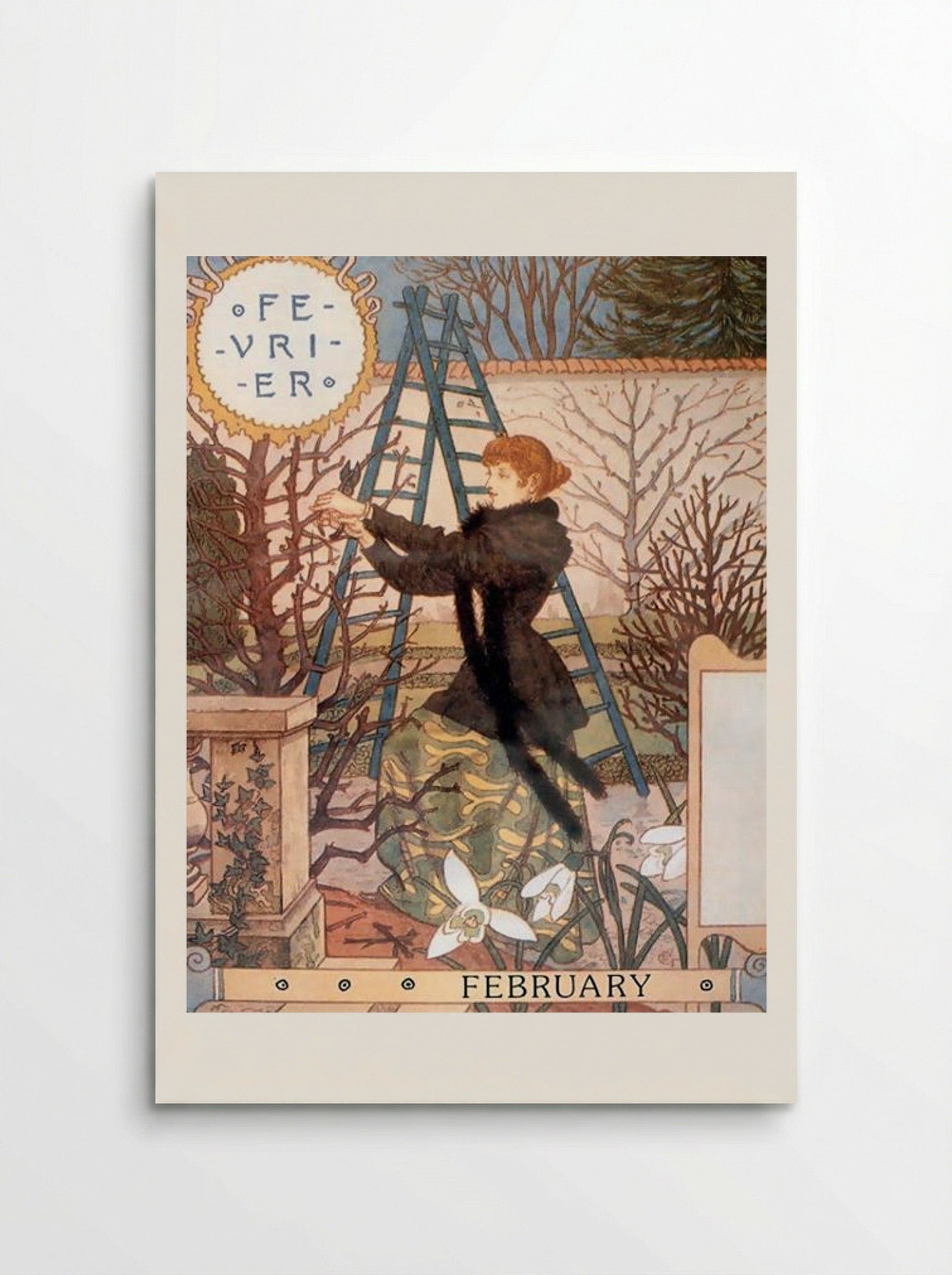 La Belle Jardiniere – February - Eugène Grasset
Print
Regular price From £28.00 GBPSale price From £28.00 GBP Regular price -
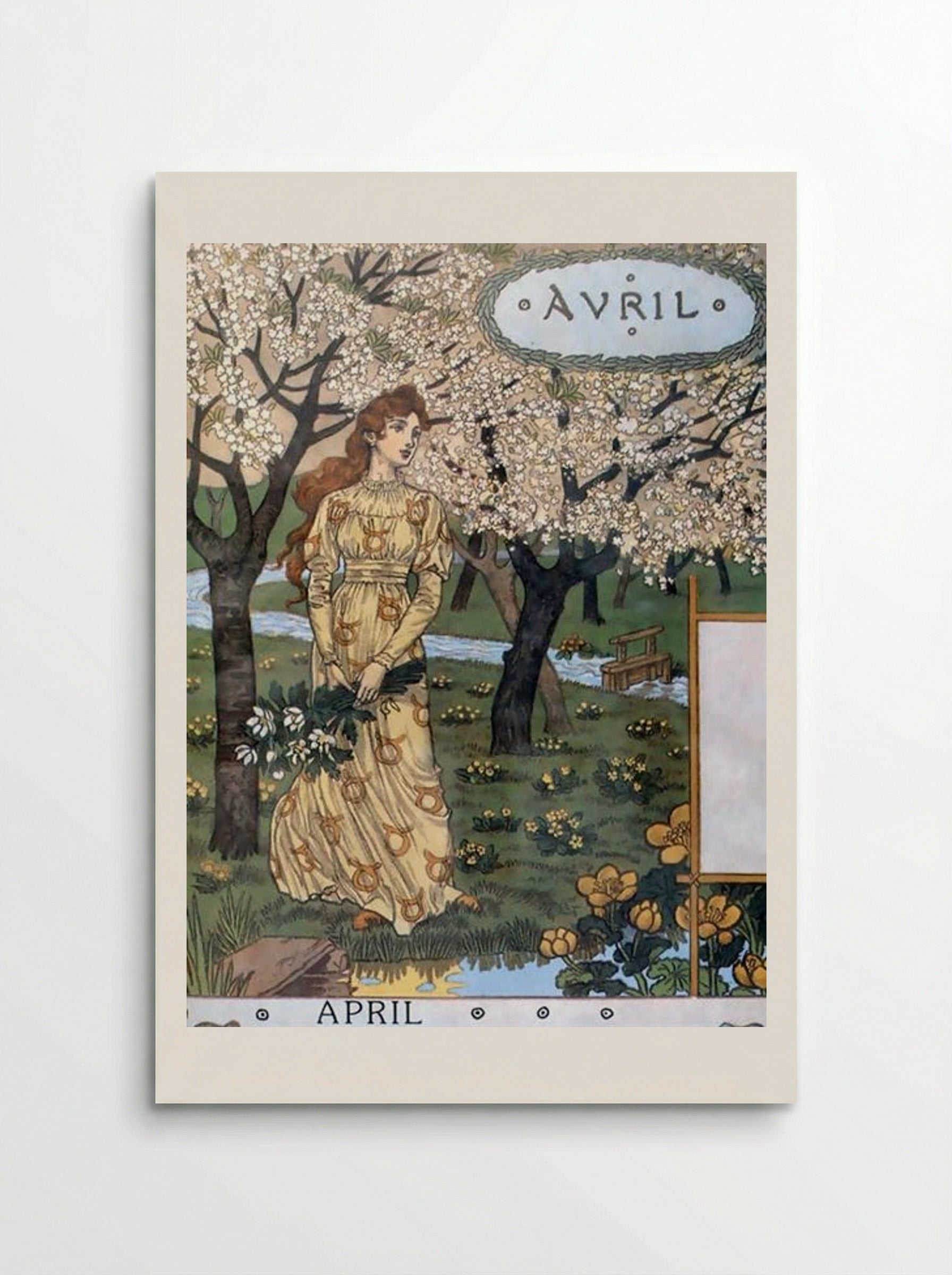 La Belle Jardiniere – April - Eugène Grasset
Print
Regular price From £28.00 GBPSale price From £28.00 GBP Regular price -
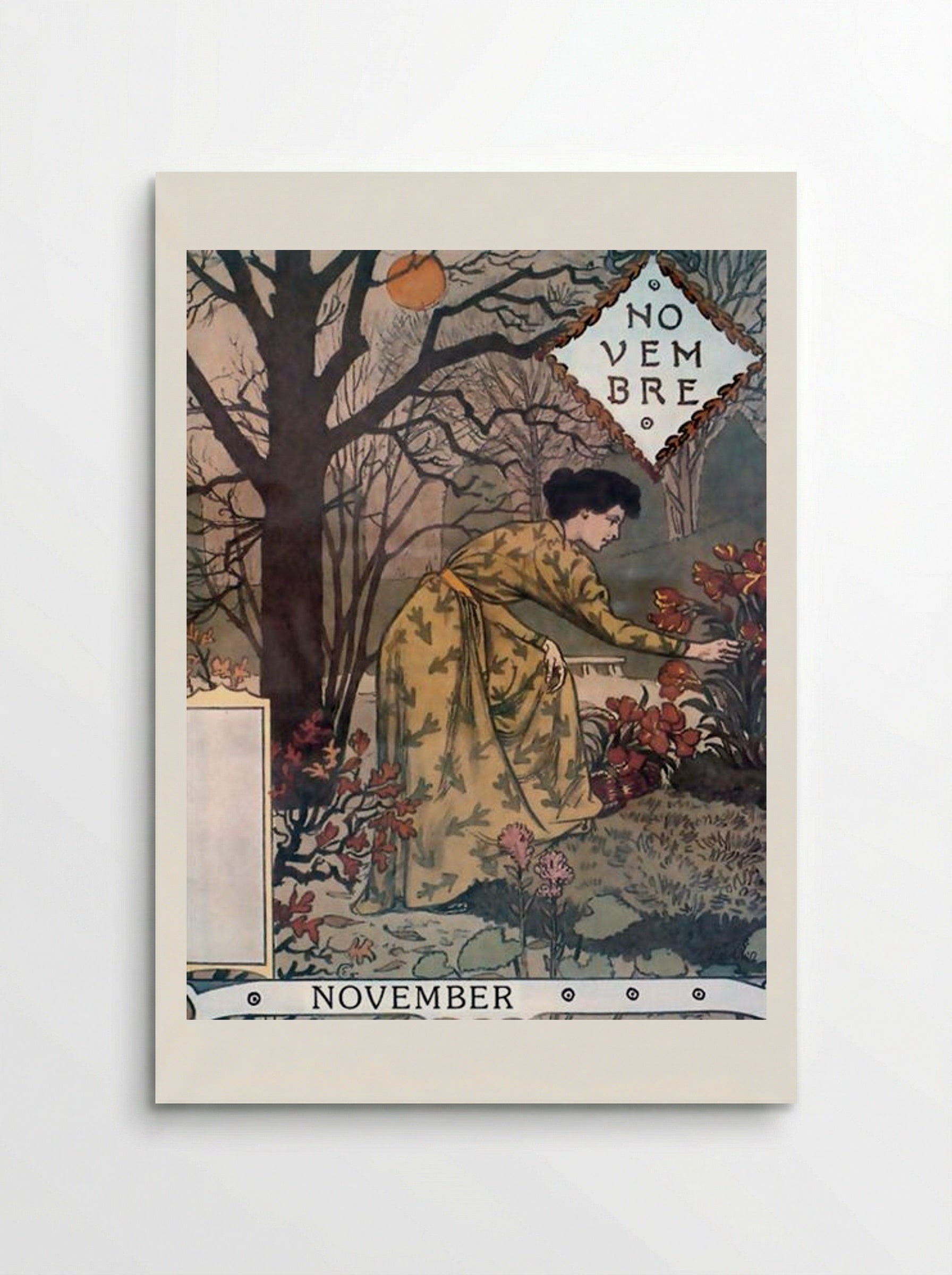 La Belle Jardiniere – November - Eugène Grasset
Print
Regular price From £28.00 GBPSale price From £28.00 GBP Regular price -
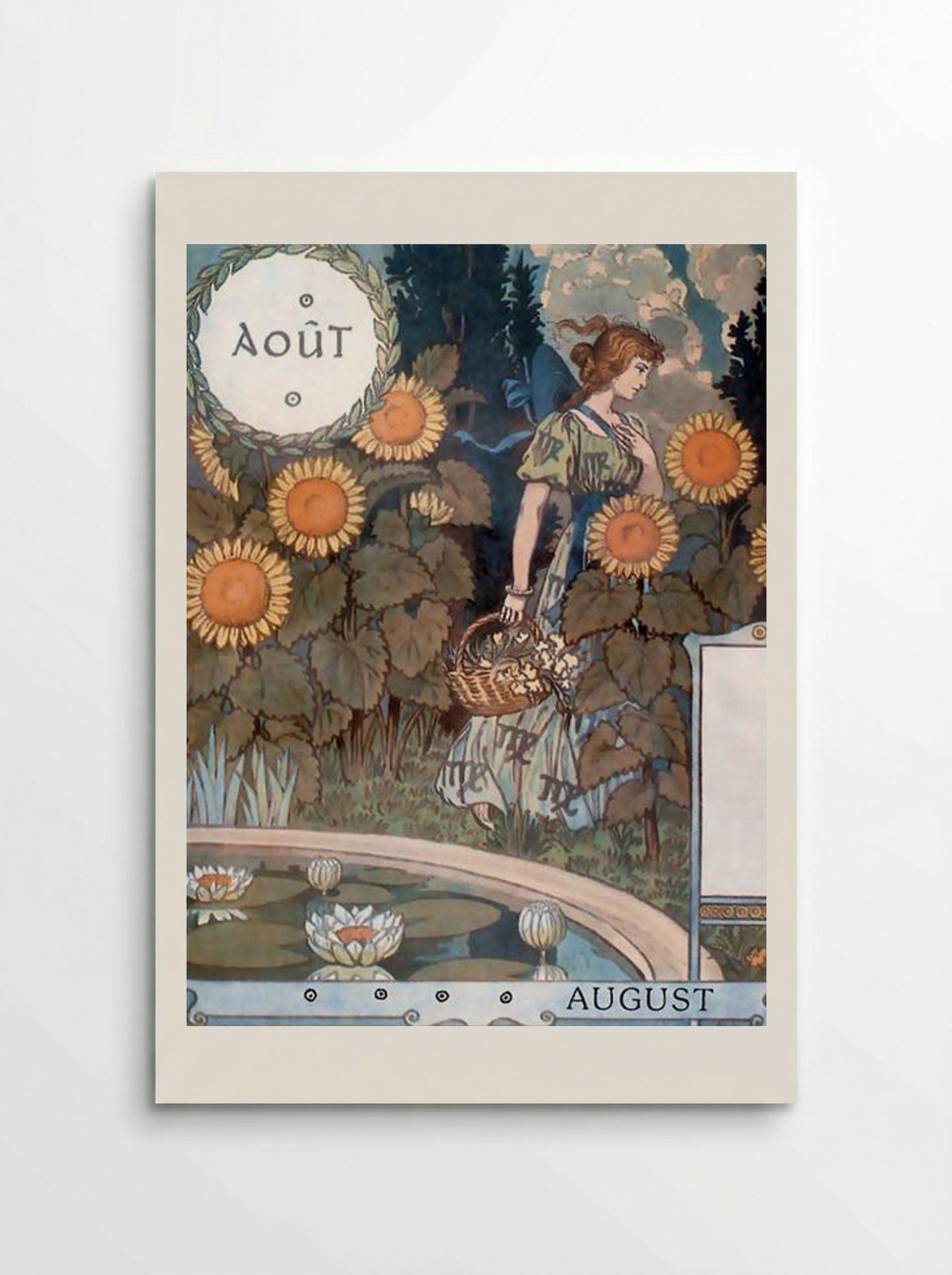 La Belle Jardiniere, August - Eugène Grasset
Print
Regular price From £28.00 GBPSale price From £28.00 GBP Regular price -
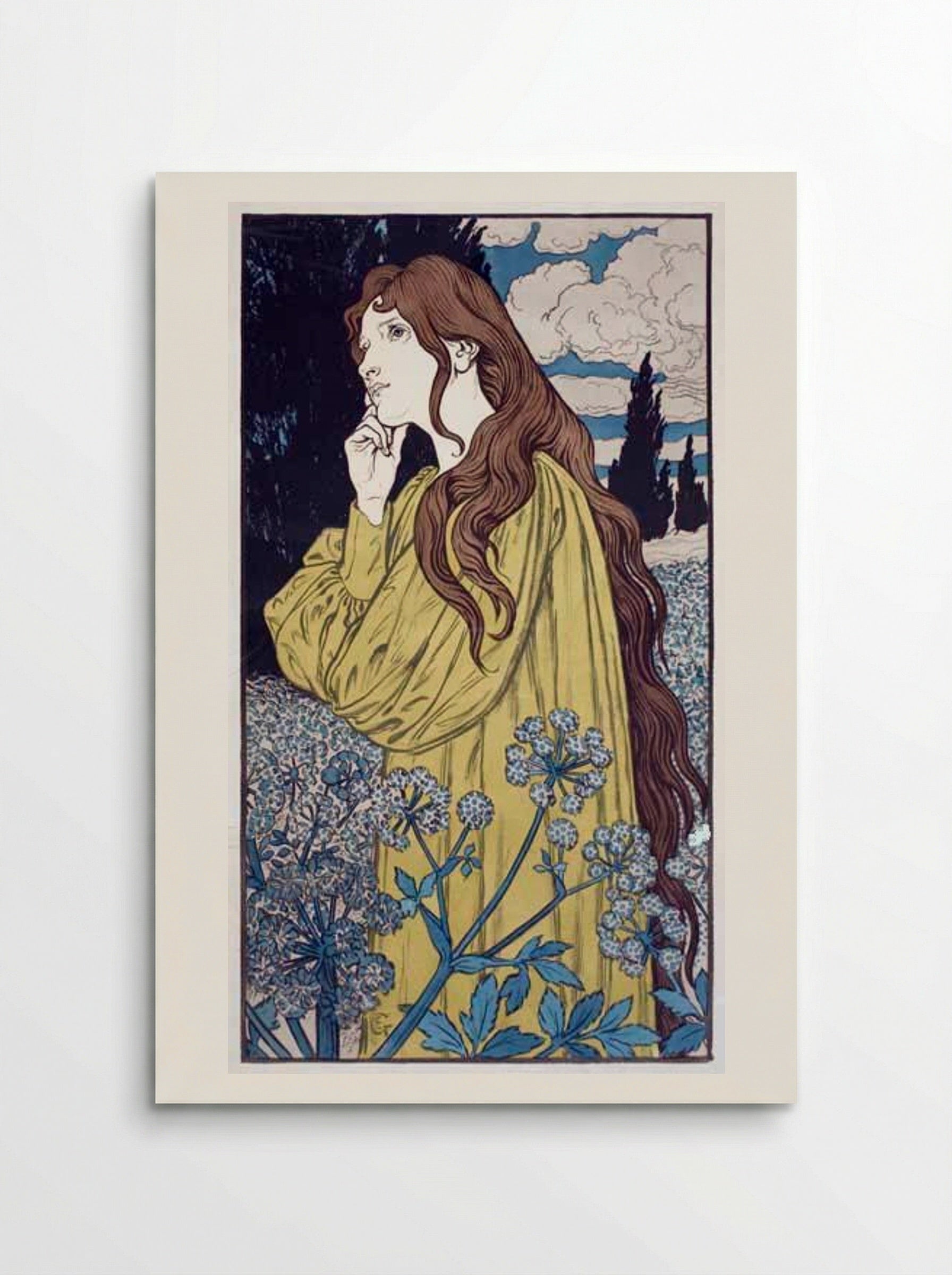 Méditation - Eugène Grasset
Print
Regular price From £28.00 GBPSale price From £28.00 GBP Regular price -
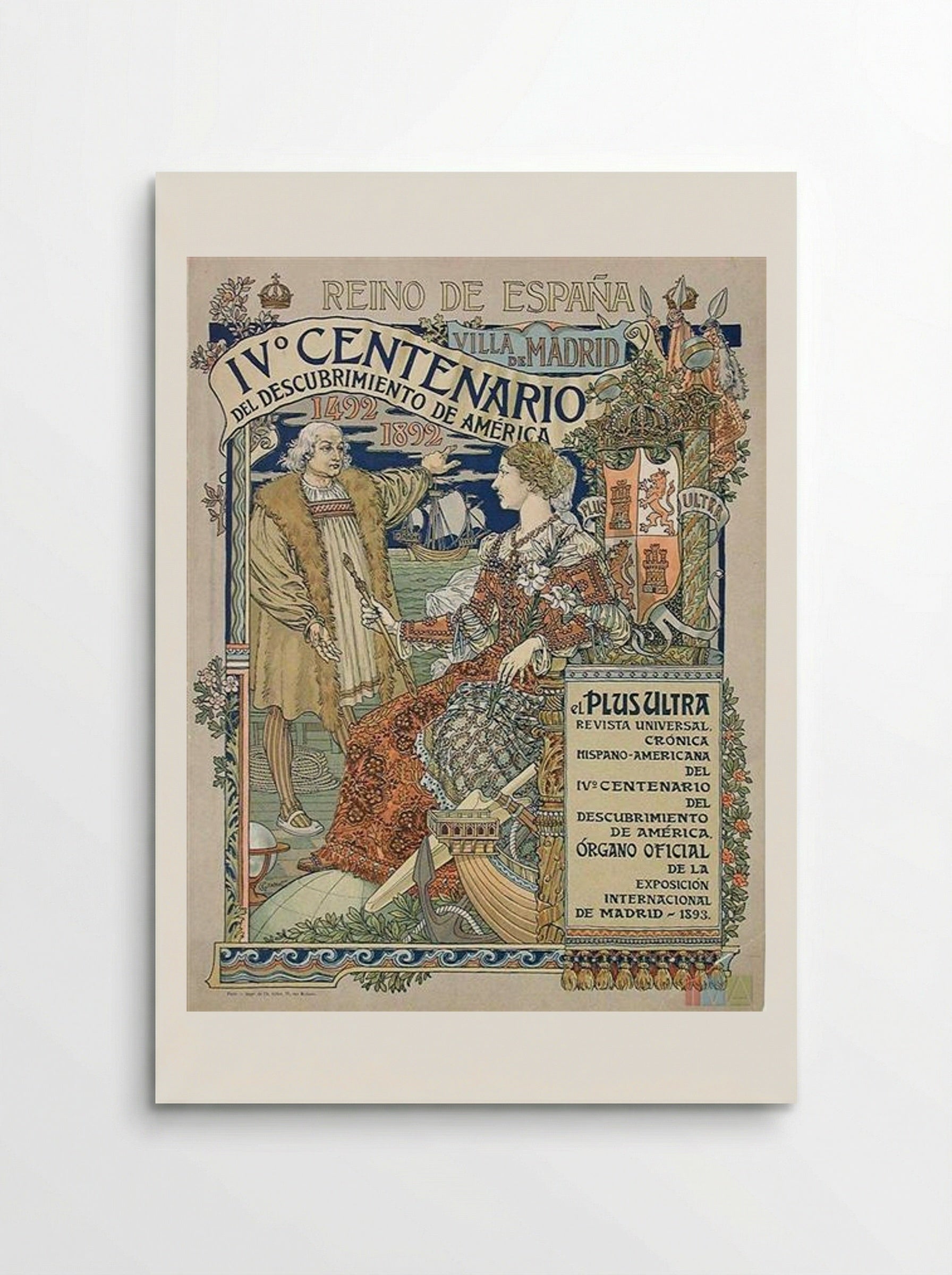 Ne Plus Ultra. Reino de Espana - Eugène Grasset
Print
Regular price From £28.00 GBPSale price From £28.00 GBP Regular price -
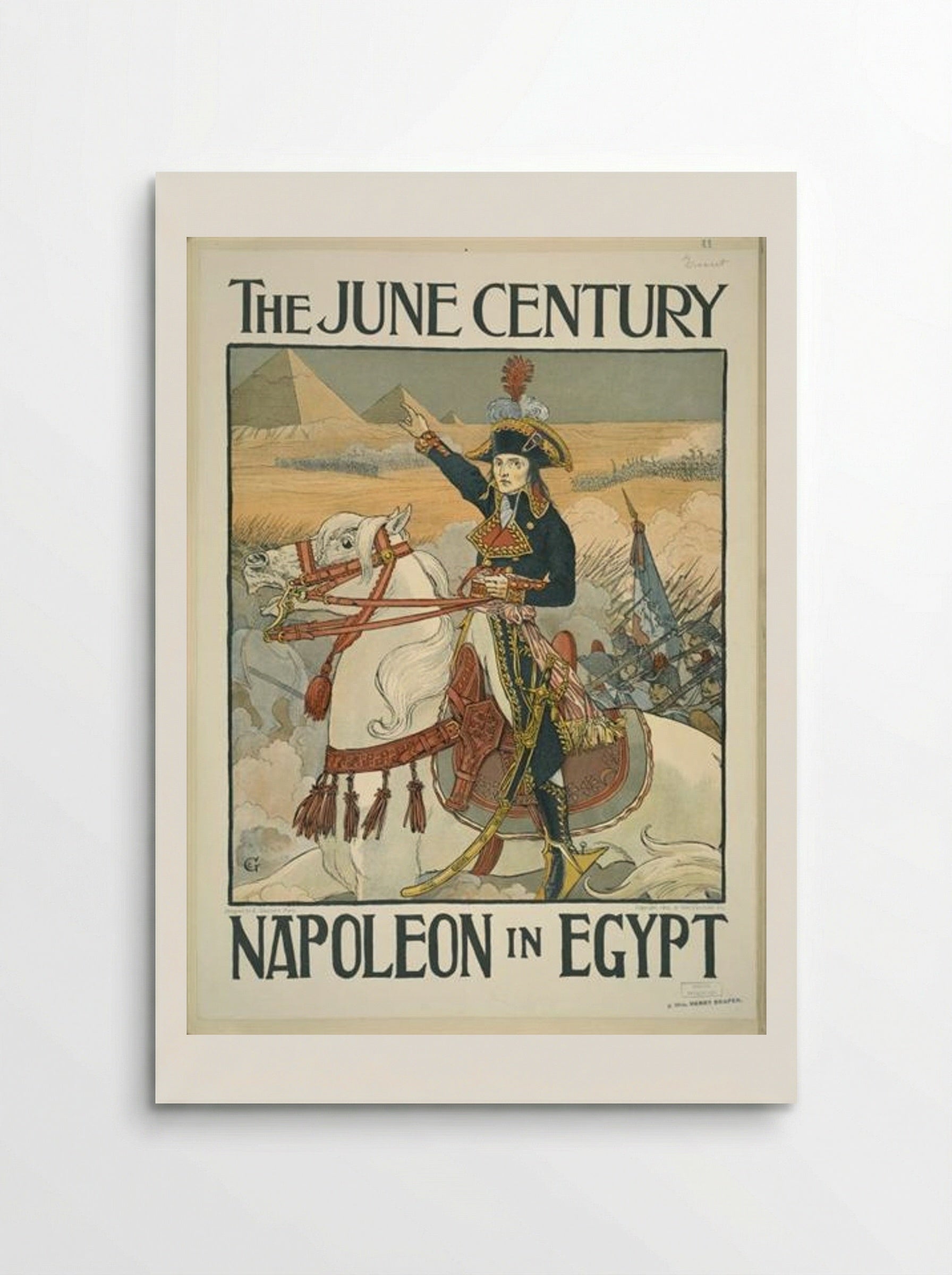 The June Century, Napoleon in Egypt - Eugène Grasset
Print
Regular price From £28.00 GBPSale price From £28.00 GBP Regular price -
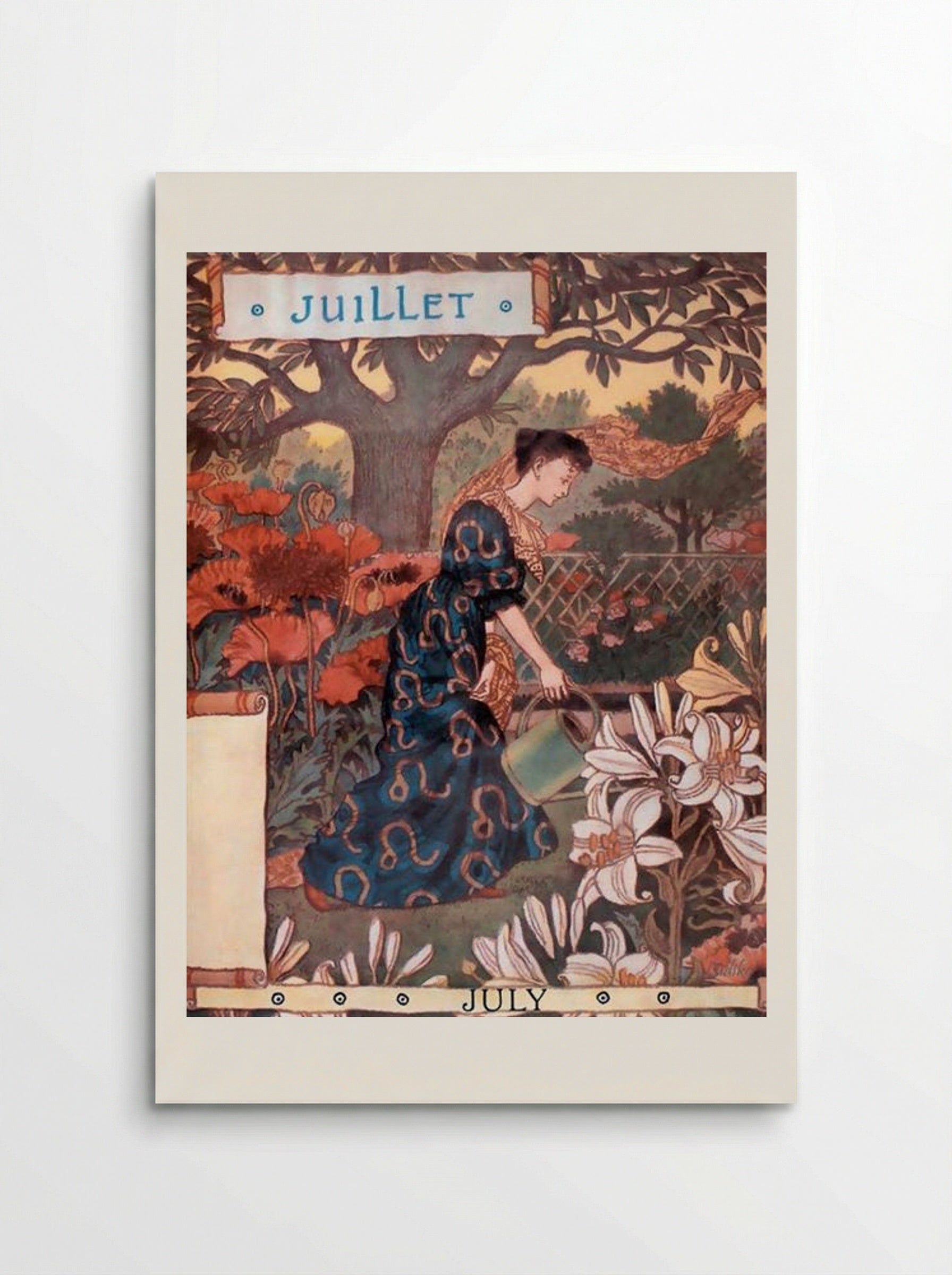
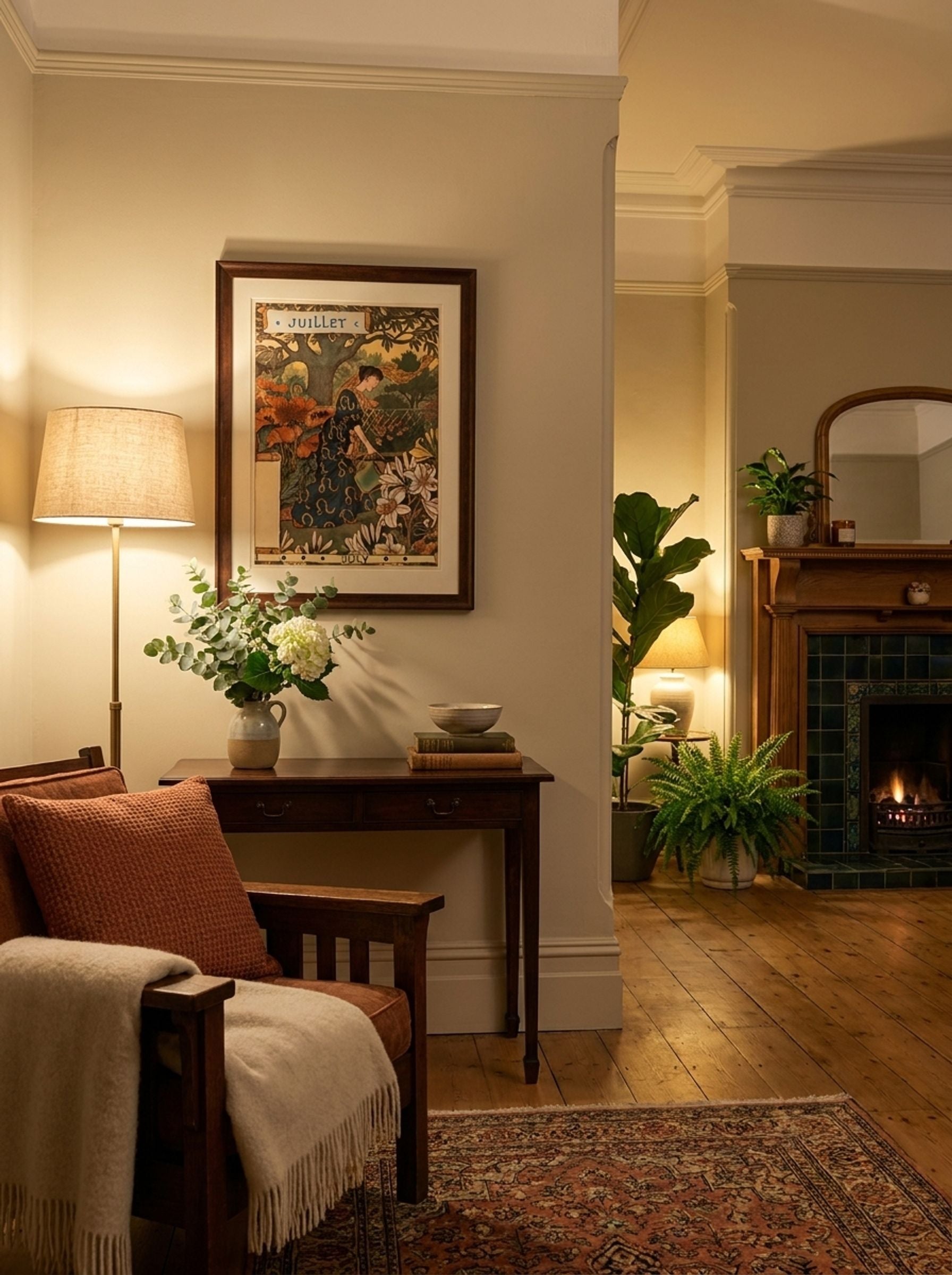 La Belle Jardiniere – July - Eugène Grasset
Print · Framed
Regular price From £28.00 GBPSale price From £28.00 GBP Regular price -
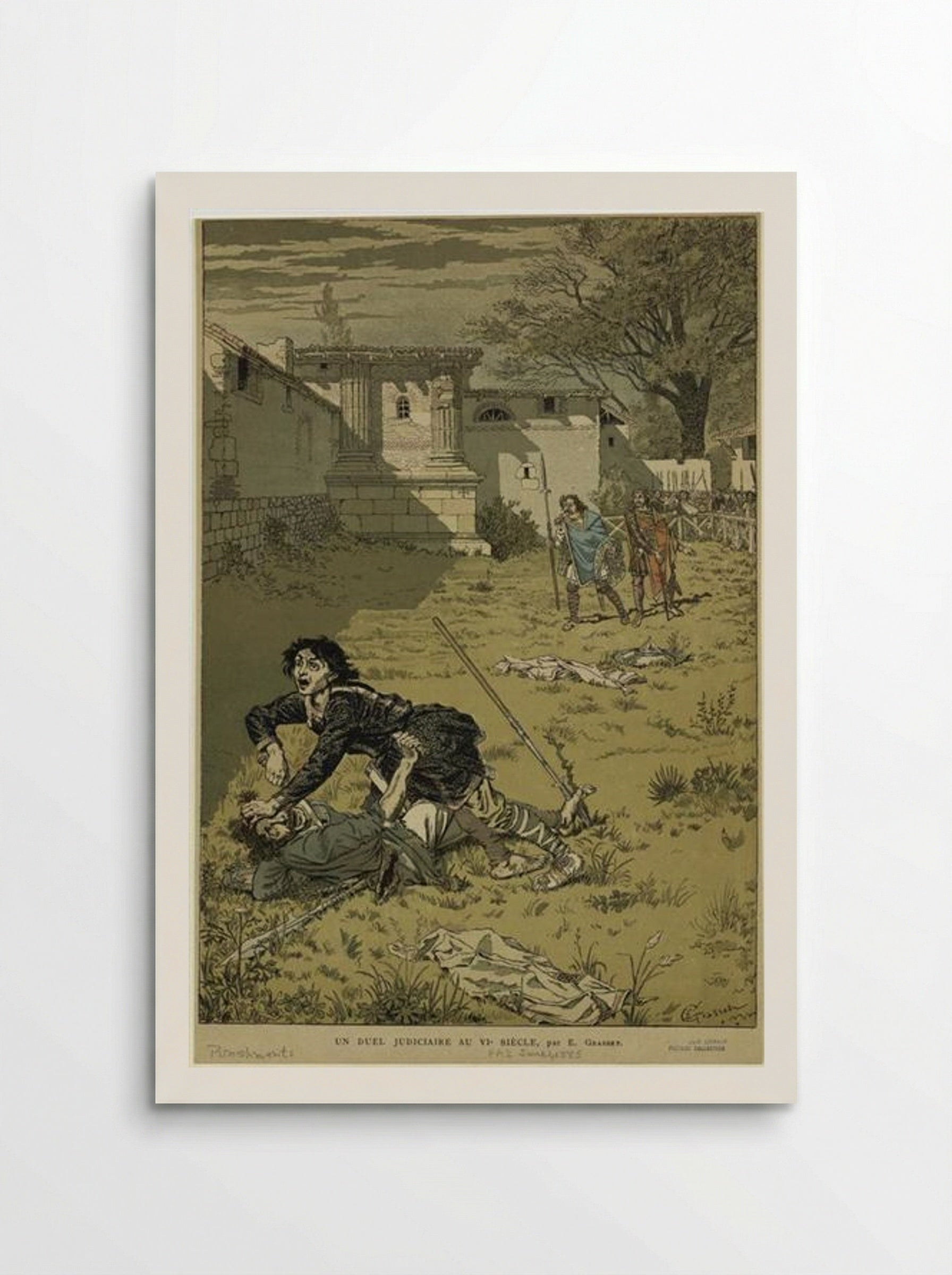
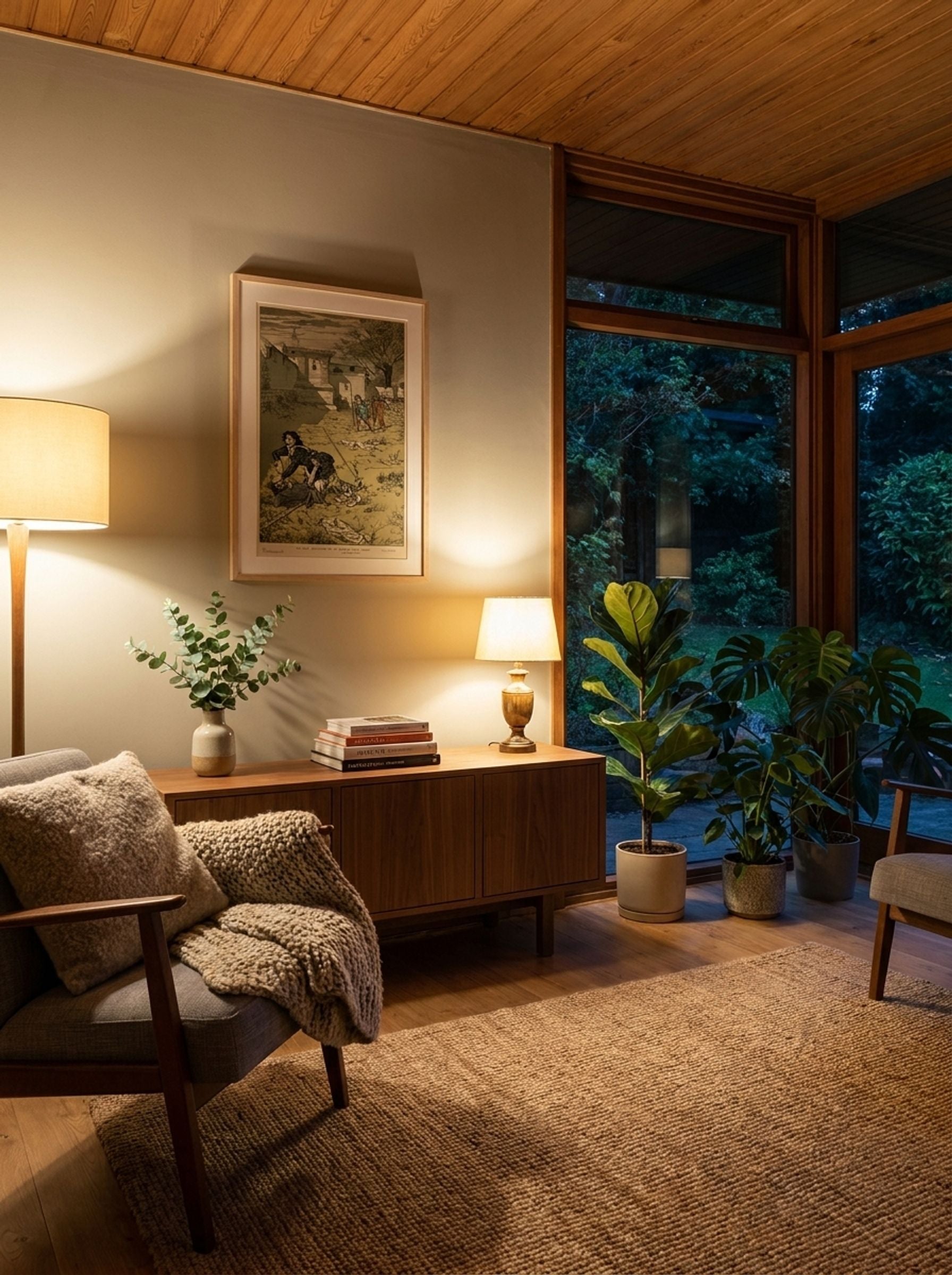 Un duel judiciaire au VIe siècle - Eugène Grasset
Print · Framed
Regular price From £28.00 GBPSale price From £28.00 GBP Regular price

Artist Biography
Eugène Grasset
Louis Comfort Tiffany recreated one of Grasset's poster designs in stained glass. The image, a "Wooly Horse" for the 1892 Christmas issue of Harper's Magazine, had proved so popular in America that Tiffany saw an opportunity to translate it into his own medium. It was an unusual tribute: one designer's poster becoming another designer's window.
Grasset was born in Lausanne in 1845, the son of a cabinetmaker and sculptor who taught him to use a chisel before he could draw. He studied drawing under Francois Bocion, then architecture in Zurich. A trip to Egypt after completing his education left a permanent mark on his visual vocabulary. He moved to Paris in 1871 and began designing furniture, wallpapers, fabrics, tapestries, ceramics and jewellery before turning to graphic design in 1877.
Poster art became his primary medium. His style drew on Viollet-le-Duc's theories of decorative structure, Japanese woodblock prints and Egyptian ornament, combined into flowing compositions that helped define Art Nouveau before the term existed. The G. Peignot et Fils typefoundry introduced the "Grasset" typeface at the 1900 Universal Exhibition, an italic design he created for use on his posters. He also collaborated with the jeweller Henri Vever on pieces that merged Art Nouveau organic forms with mythological subjects.
He taught design at a succession of Paris institutions from 1890 until 1913, including the Ecole Guerin, the Ecole Estienne and the Academie de la Grande Chaumiere. His influence on the generation of designers who followed him was extensive but largely unacknowledged outside France. He died in 1917, at seventy-two.
Grasset was born in Lausanne in 1845, the son of a cabinetmaker and sculptor who taught him to use a chisel before he could draw. He studied drawing under Francois Bocion, then architecture in Zurich. A trip to Egypt after completing his education left a permanent mark on his visual vocabulary. He moved to Paris in 1871 and began designing furniture, wallpapers, fabrics, tapestries, ceramics and jewellery before turning to graphic design in 1877.
Poster art became his primary medium. His style drew on Viollet-le-Duc's theories of decorative structure, Japanese woodblock prints and Egyptian ornament, combined into flowing compositions that helped define Art Nouveau before the term existed. The G. Peignot et Fils typefoundry introduced the "Grasset" typeface at the 1900 Universal Exhibition, an italic design he created for use on his posters. He also collaborated with the jeweller Henri Vever on pieces that merged Art Nouveau organic forms with mythological subjects.
He taught design at a succession of Paris institutions from 1890 until 1913, including the Ecole Guerin, the Ecole Estienne and the Academie de la Grande Chaumiere. His influence on the generation of designers who followed him was extensive but largely unacknowledged outside France. He died in 1917, at seventy-two.


Why Choose Us ?