

Hoppa till innehåll Laddar

Köp 3 konstverk till fullpris och spara 15 %

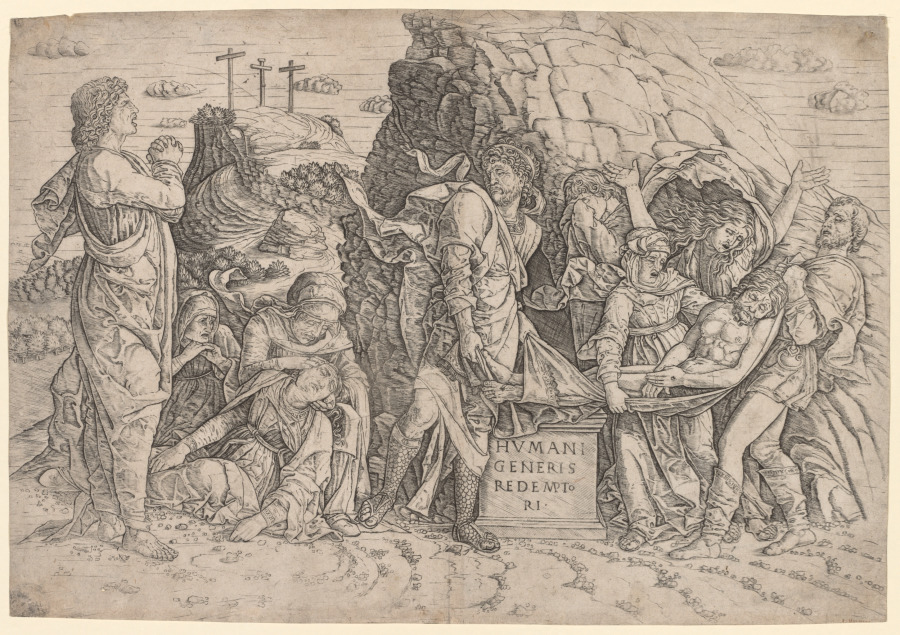
Entombment by Giovanni Antonio da Brescia
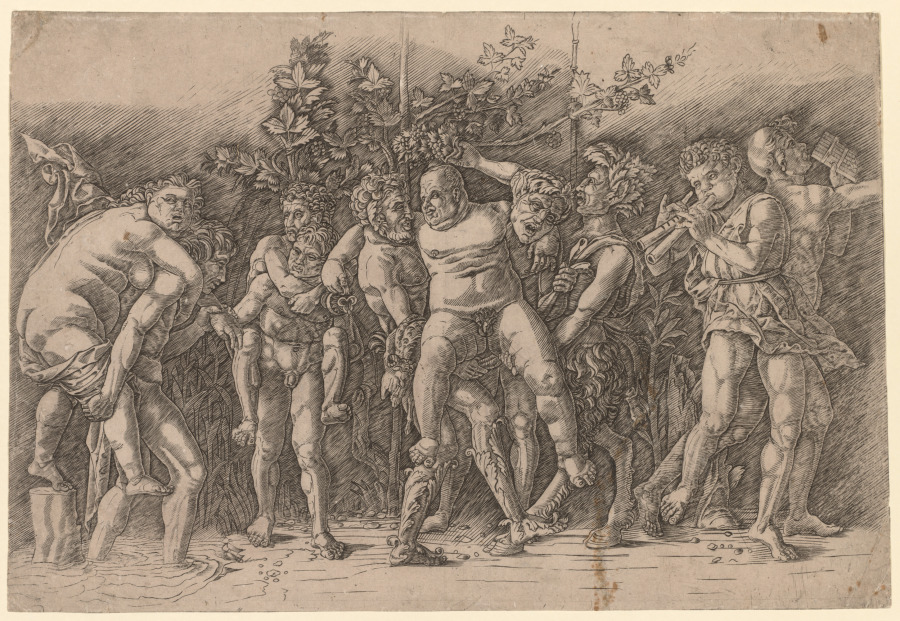
Bacchanal with Silenus by Giovanni Antonio da Brescia
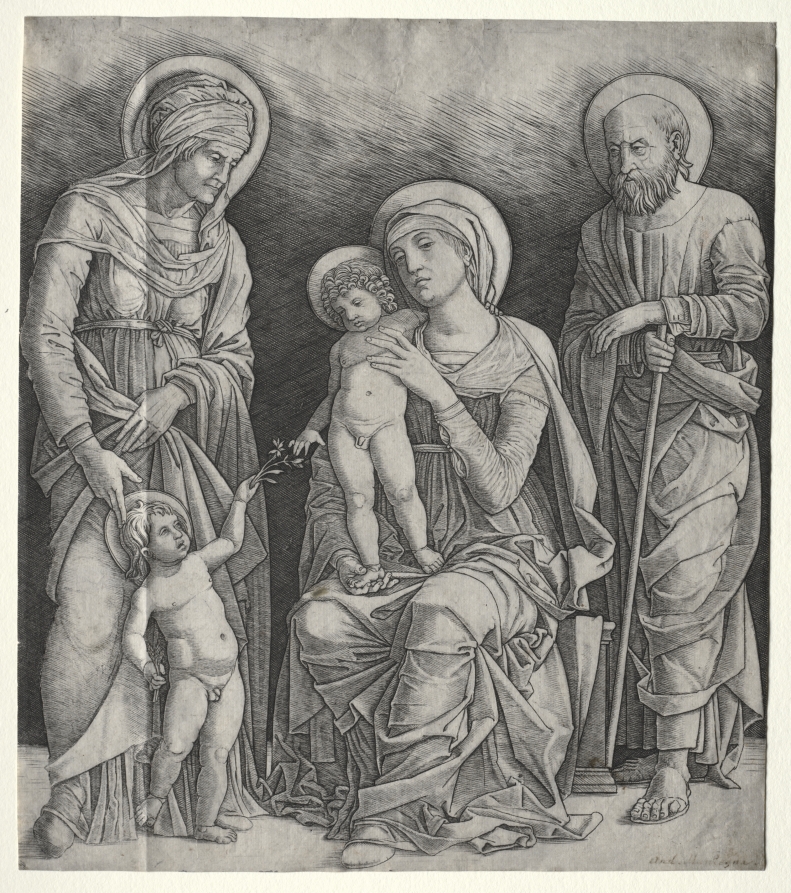
Holy Family with St. Elizabeth and the Infant St. John the Baptist by Giovanni Antonio da Brescia
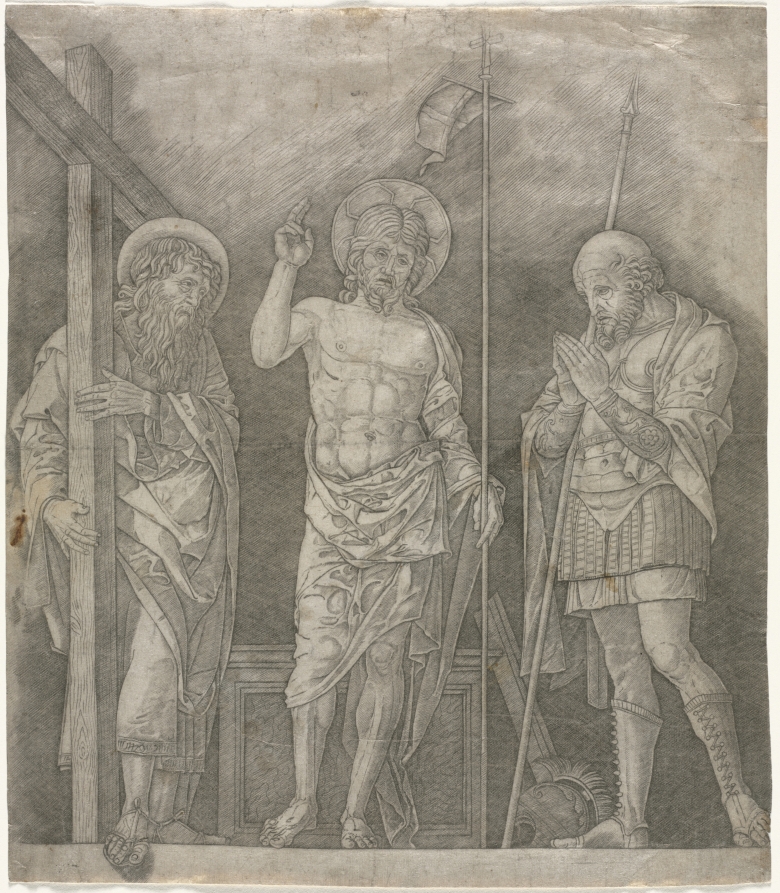
Risen Christ Between Saints Andrew and Longinus by Giovanni Antonio da Brescia
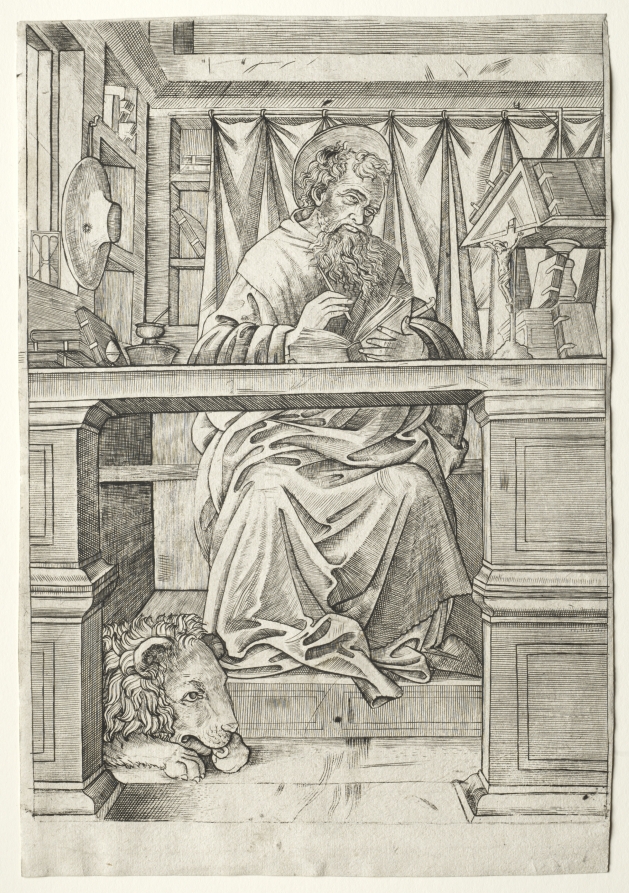
St. Jerome in His Study by Giovanni Antonio da Brescia
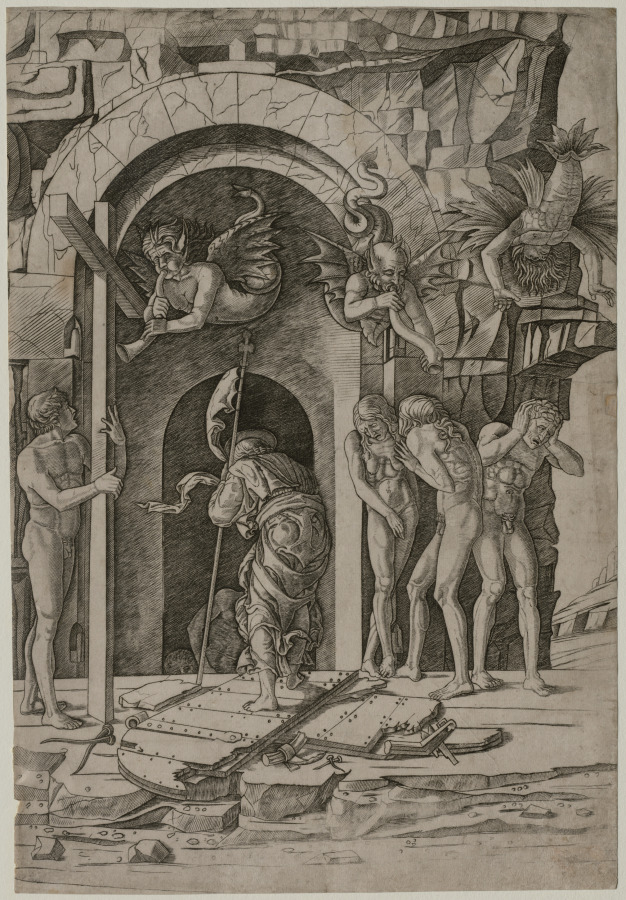
Descent into Limbo by Giovanni Antonio da Brescia
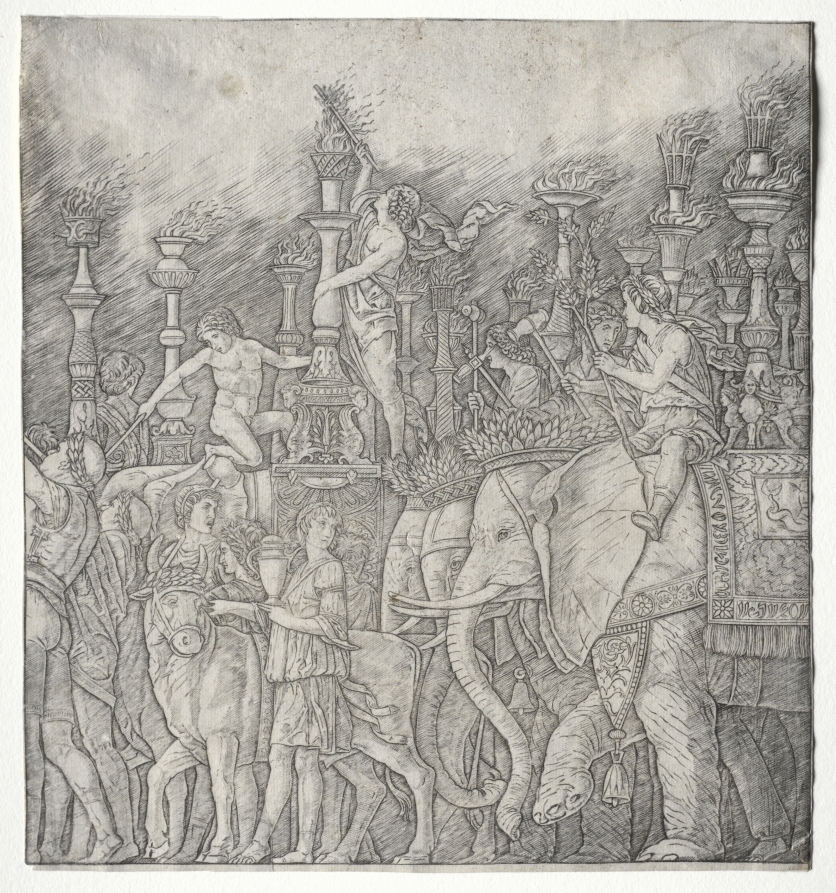
The Triumphs of Caesar:  The Elephants by Giovanni Antonio da Brescia
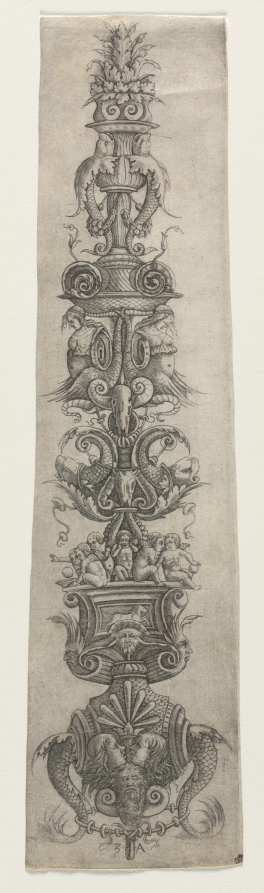
Upright Arabesque with Masks, Cupids and Nereids by Giovanni Antonio da Brescia
1460–1523

Giovanni Antonio da Brescia

Giovanni Antonio da Brescia began his career as a goldsmith before becoming a prolific engraver of the Italian Renaissance. He is often recognised for his association with Andrea Mantegna, though he frequently modified Mantegna's designs to suit his own technical preferences. He moved from Mantua to Rome around 1506. This transition allowed him to study ancient Roman sculpture firsthand. His works, such as The Triumphs of Caesar: The Elephants, demonstrate how he translated classical stone carvings into the medium of print.

Biography

His technique involves a systematic use of cross-hatching and strong outlines. In pieces like Saint Peter and The Flagellation, he uses deep shadows to create a sense of three-dimensional form. He often focused on single figures or small groups. This focus gave his prints a monumental quality despite their physical scale. His work Woman Watering a Plant shows a different side of his style. Here, he balances classical proportions with domestic subject matter. He was a master of the burin and used the tool to mimic the textures of fabric.

Modern collectors value these prints for their architectural clarity and historical connection to the High Renaissance. The stark black-and-white compositions provide a graphic quality that works well in contemporary interiors. Works like Holy Family with St. Elizabeth and the Infant St. John the Baptist offer a look into the private devotional life of the sixteenth century. These engravings allow art lovers to own a link to the classical revival. They are practical choices for those who appreciate the precision of early printmaking.

Next stop

Browse the movements →

Every movement in the collection, from the Renaissance to Pop art.

Frequently Asked Questions

  • When was Giovanni Antonio da Brescia born?
    Giovanni Antonio da Brescia was born in 1460 and died in 1523.
  • What is Giovanni Antonio da Brescia known for?
    Giovanni Antonio da Brescia is known for giovanni Antonio da Brescia was a Renaissance engraver known for his technical skill and his interpretations of classical sculpture and the works of Andrea Mantegna.

Keep exploring

Din kundvagn
Rated 4.7 on Judge.me
Din varukorg är tom
Har du ett konto? Logga in för snabbare utcheckning.
Fortsätt handla Fortsätt handla
Summa varukorg £0.00 GBP
Produktbild Produktinformation Kvantitet Produktsumma