

Samling
George Stubbs
Utforska utvalda konsttryck för unika hem och medvetna inredningar.
Föreslagna filter
-
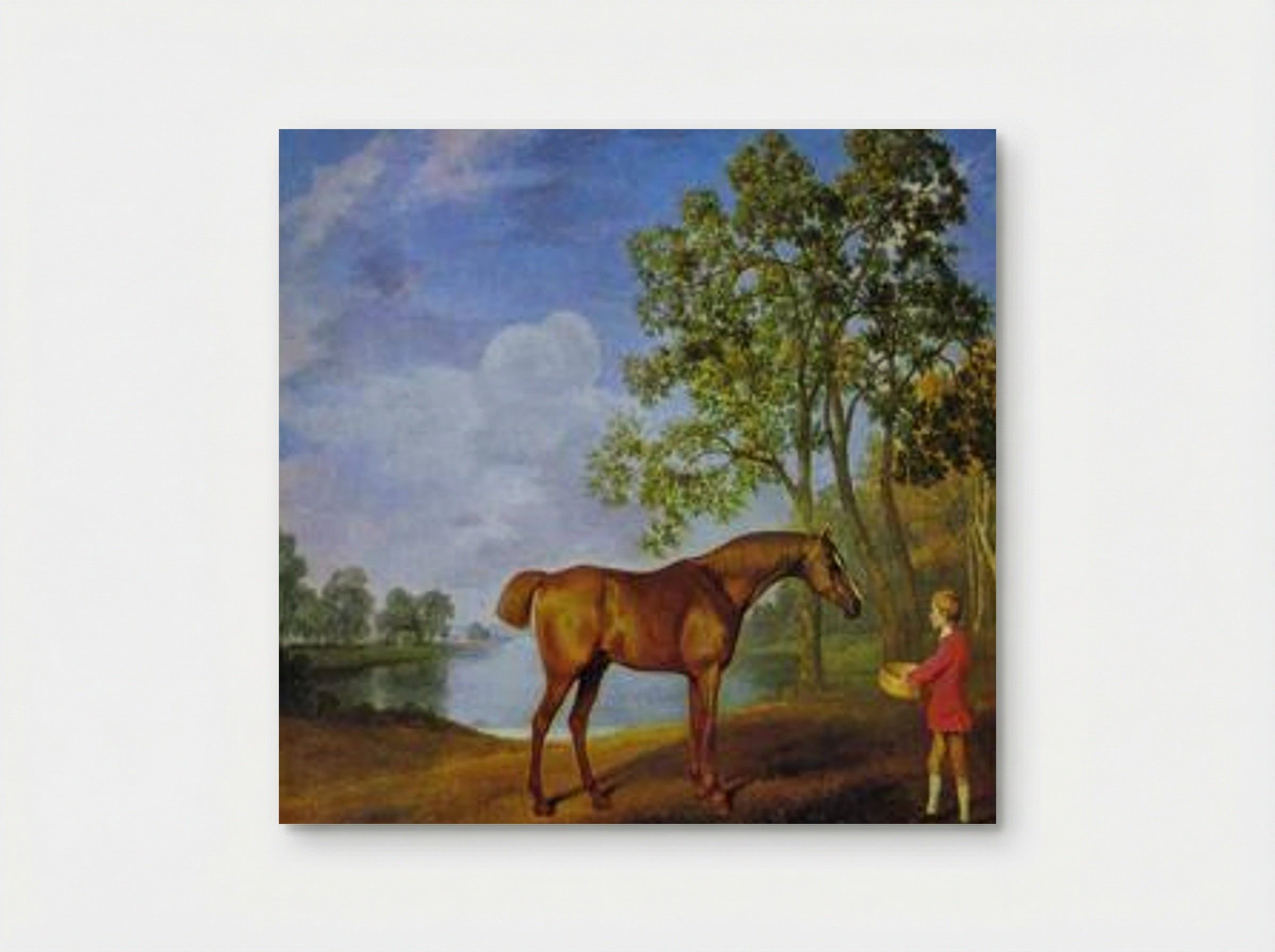
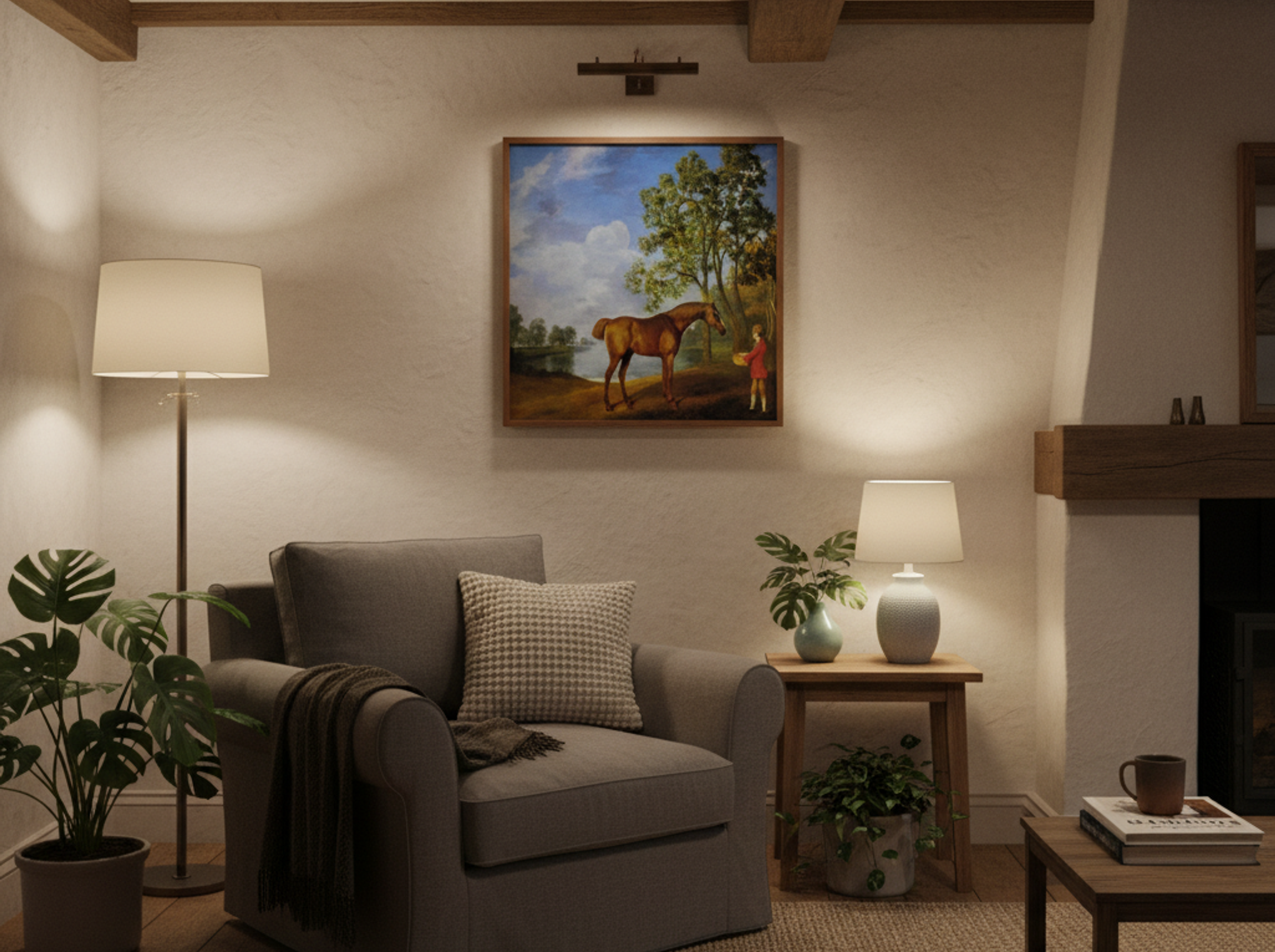 Pumpa med en stallpojke - George Stubbs
Print · Framed
Ordinarie pris Från £37.00 GBPReapris Från £37.00 GBP Ordinarie pris -

 Laetitia, Lady Lade - George Stubbs
Print · Framed
Ordinarie pris Från £37.00 GBPReapris Från £37.00 GBP Ordinarie pris -

 Kronhjort och hind - George Stubbs
Print · Framed
Ordinarie pris Från £37.00 GBPReapris Från £37.00 GBP Ordinarie pris -
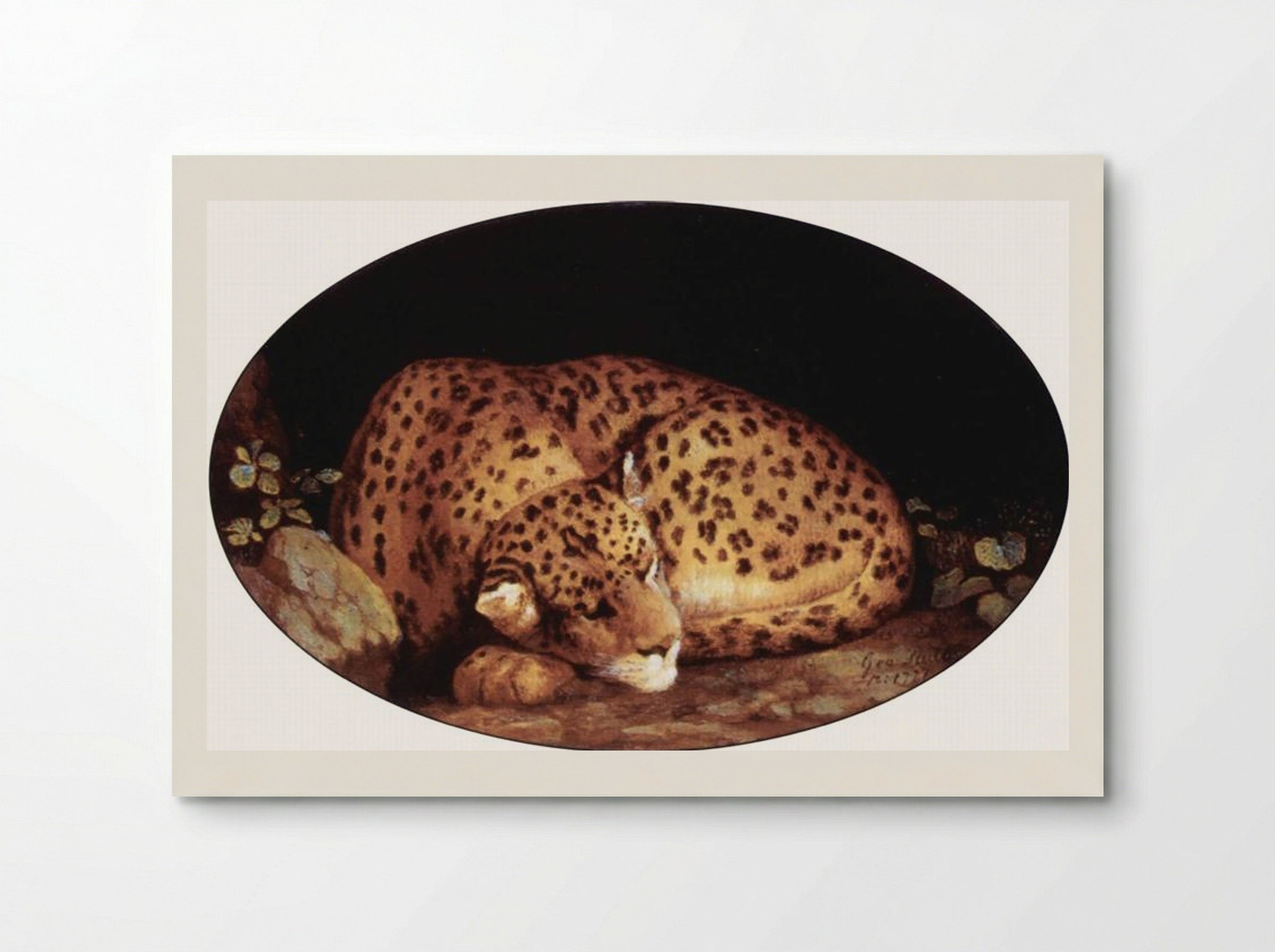
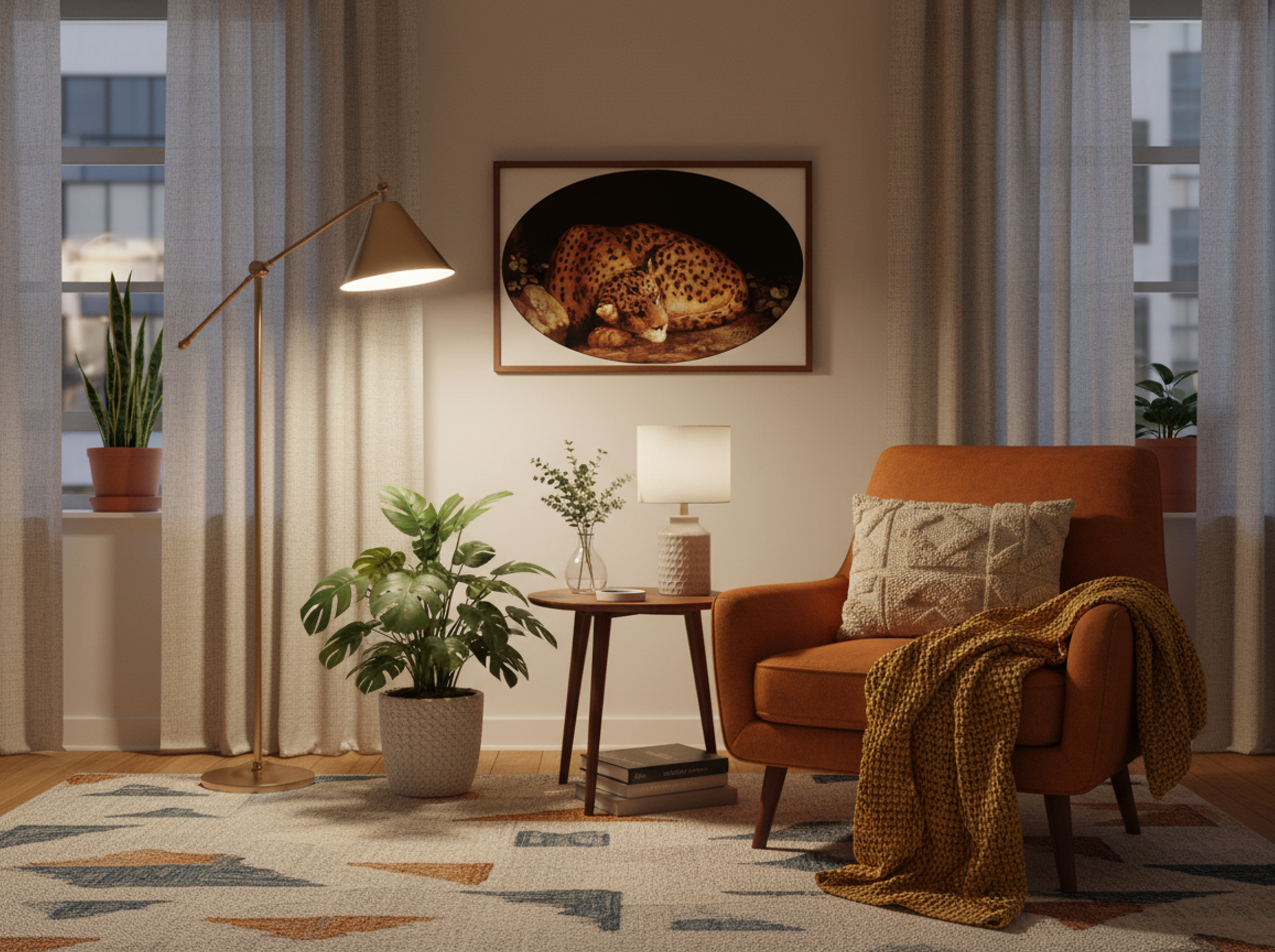 Sovande leopard - George Stubbs
Print · Framed
Ordinarie pris Från £28.00 GBPReapris Från £28.00 GBP Ordinarie pris -

 En skimmel – George Stubbs
Print · Framed
Ordinarie pris Från £28.00 GBPReapris Från £28.00 GBP Ordinarie pris -
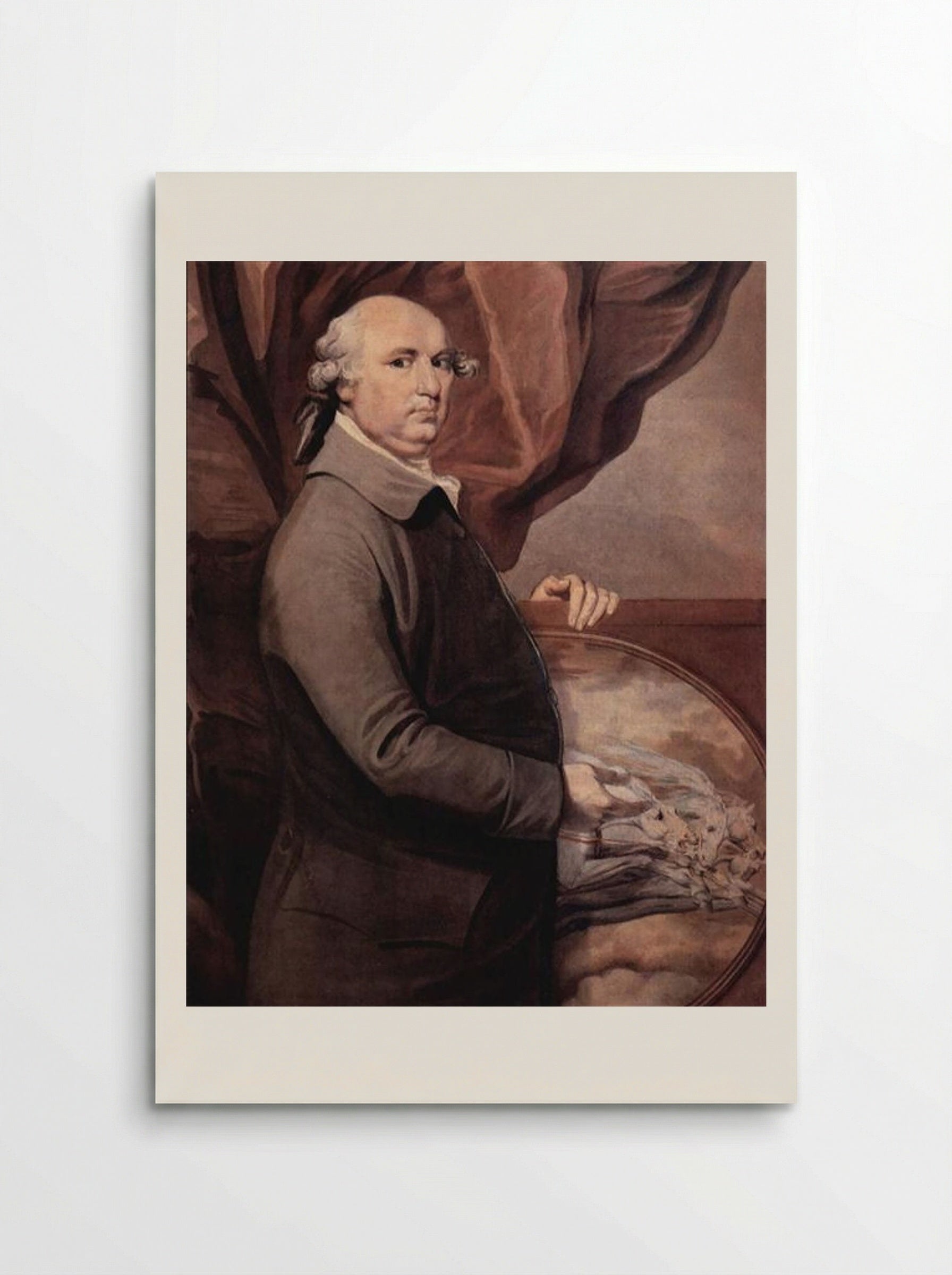
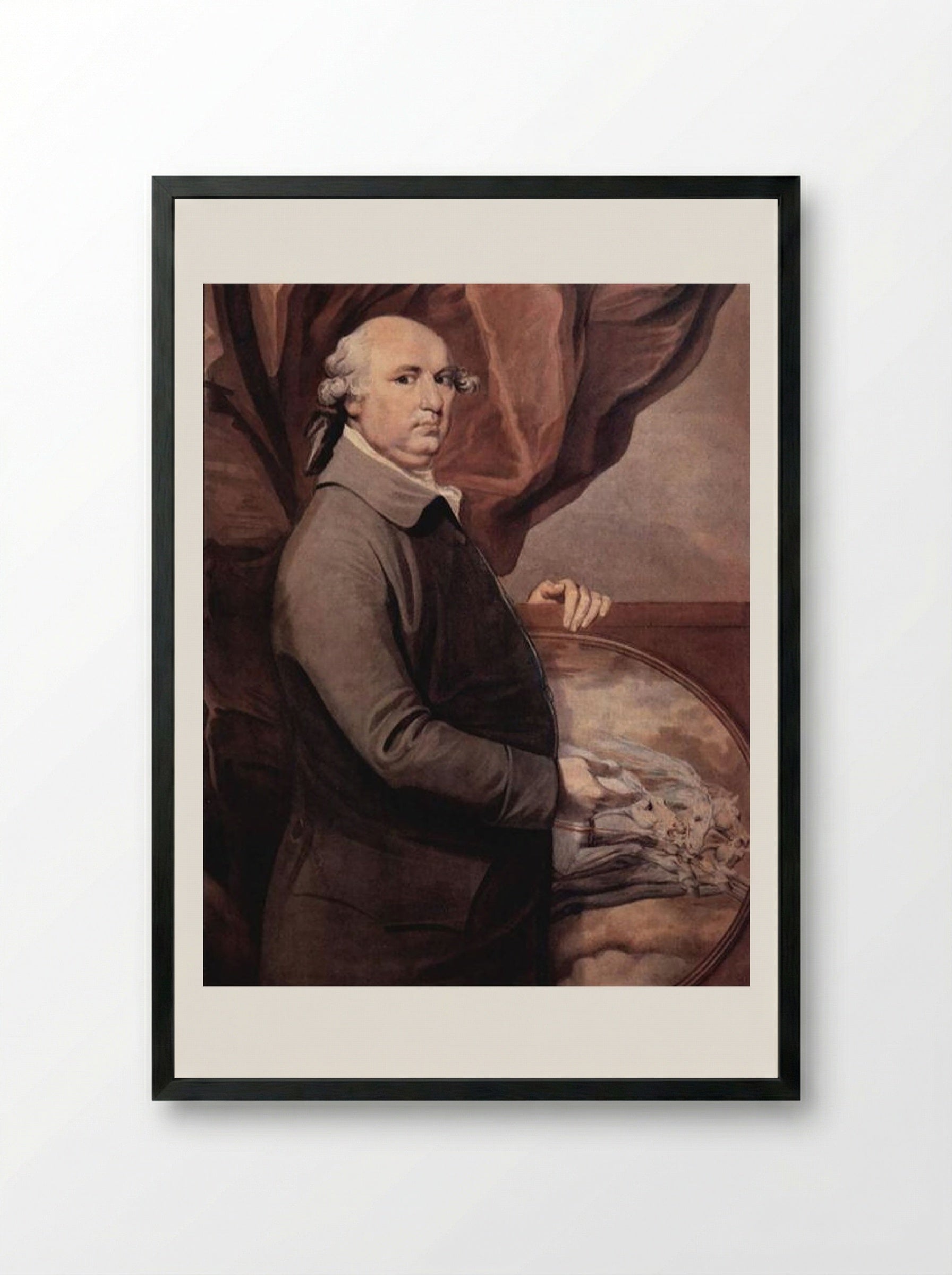 Självporträtt - George Stubbs
Print · Framed
Ordinarie pris Från £28.00 GBPReapris Från £28.00 GBP Ordinarie pris -
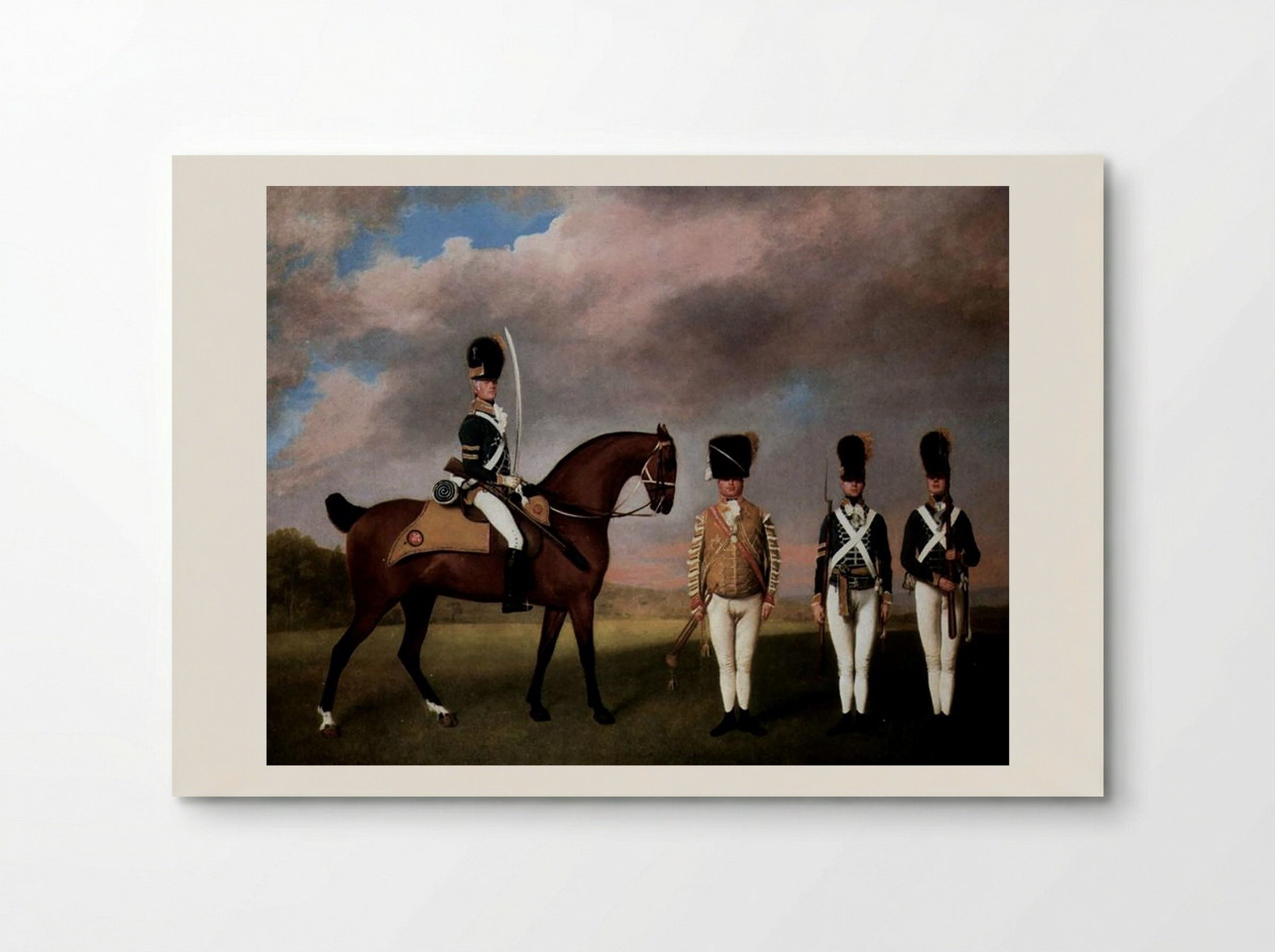
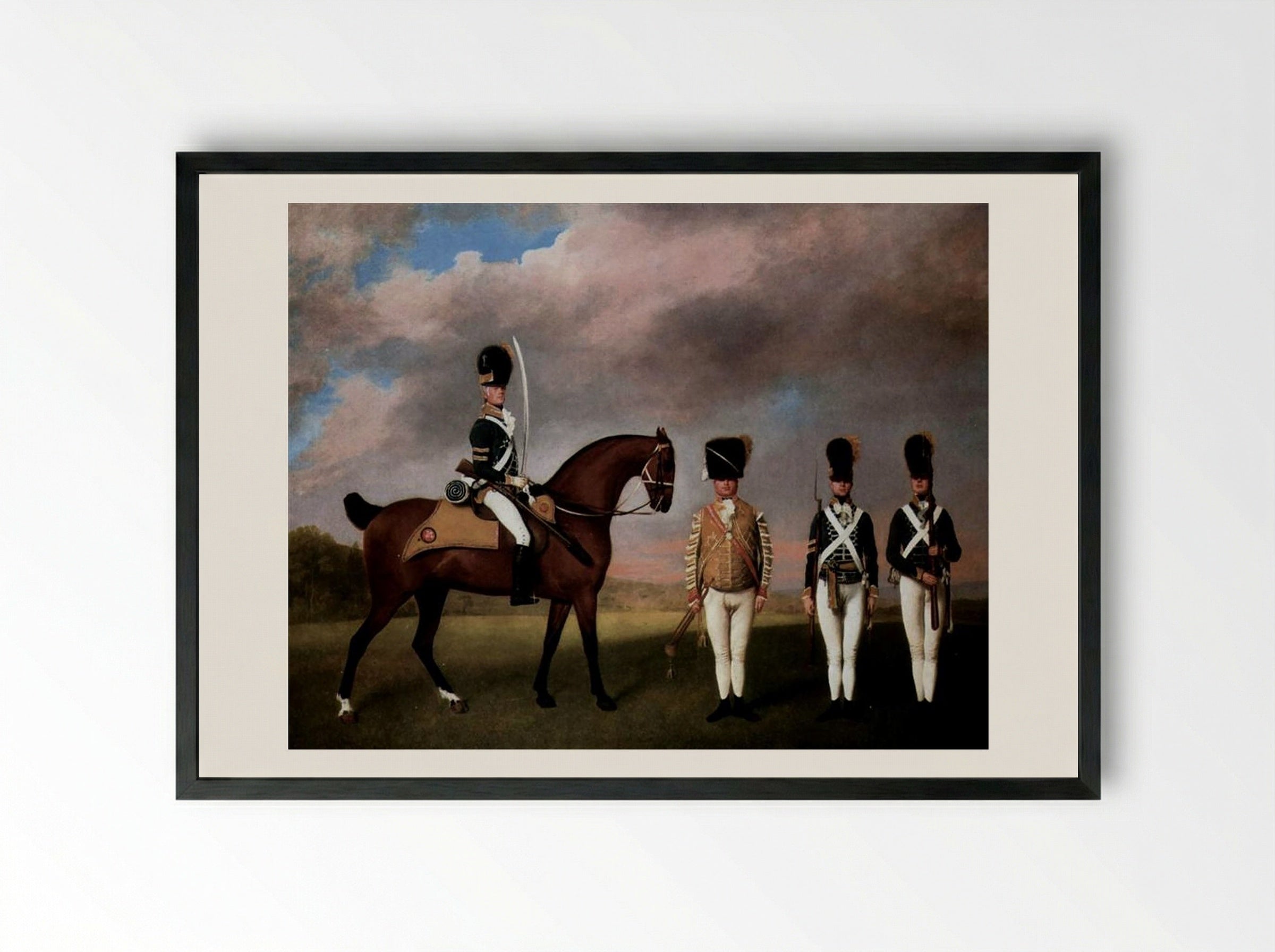 Soldater ur 10:e dragonregementet - George Stubbs
Print · Framed
Ordinarie pris Från £28.00 GBPReapris Från £28.00 GBP Ordinarie pris


Artist Biography
George Stubbs
Stubbs painted a horse being attacked by a lion and it became the most reproduced image in eighteenth-century British art. He painted the subject at least seventeen times. He had never seen a lion attack a horse. He had seen a classical sculpture of the subject in Rome and decided it was worth repeating.
He was born in Liverpool, the son of a currier (a leather worker). He was largely self-taught. In his twenties he spent eighteen months in a farmhouse in Horkstow, Lincolnshire, dissecting horses. He suspended the carcasses from the ceiling using hooks and pulleys, peeled back the layers of skin and muscle, and drew every stage. The results were published as The Anatomy of the Horse (1766), one of the most accurate anatomical studies ever produced by an artist. The book established his reputation.
His horse portraits are commissioned works: wealthy landowners wanted their racehorses painted. Stubbs obliged, but his understanding of equine anatomy gave the paintings a presence that other sporting painters could not match. Whistlejacket, a life-size portrait of a chestnut stallion rearing against a plain background, is among the most striking animal paintings ever made. There is no landscape, no rider, no context. Just the horse.
He also painted dogs, exotic animals (a zebra, a rhinoceros, a moose), and rural scenes with labourers and haymakers. He experimented with enamel painting on ceramic tablets made by Josiah Wedgwood. He was elected to the Royal Academy but refused to submit a diploma piece, which meant he was never made a full Academician. He died in 1806, at eighty-one.
He was born in Liverpool, the son of a currier (a leather worker). He was largely self-taught. In his twenties he spent eighteen months in a farmhouse in Horkstow, Lincolnshire, dissecting horses. He suspended the carcasses from the ceiling using hooks and pulleys, peeled back the layers of skin and muscle, and drew every stage. The results were published as The Anatomy of the Horse (1766), one of the most accurate anatomical studies ever produced by an artist. The book established his reputation.
His horse portraits are commissioned works: wealthy landowners wanted their racehorses painted. Stubbs obliged, but his understanding of equine anatomy gave the paintings a presence that other sporting painters could not match. Whistlejacket, a life-size portrait of a chestnut stallion rearing against a plain background, is among the most striking animal paintings ever made. There is no landscape, no rider, no context. Just the horse.
He also painted dogs, exotic animals (a zebra, a rhinoceros, a moose), and rural scenes with labourers and haymakers. He experimented with enamel painting on ceramic tablets made by Josiah Wedgwood. He was elected to the Royal Academy but refused to submit a diploma piece, which meant he was never made a full Academician. He died in 1806, at eighty-one.
Related Artists



Varför välja oss?