

Samling
Bernardo Bellotto
Utforska utvalda konsttryck för unika hem och medvetna inredningar.
Föreslagna filter
-
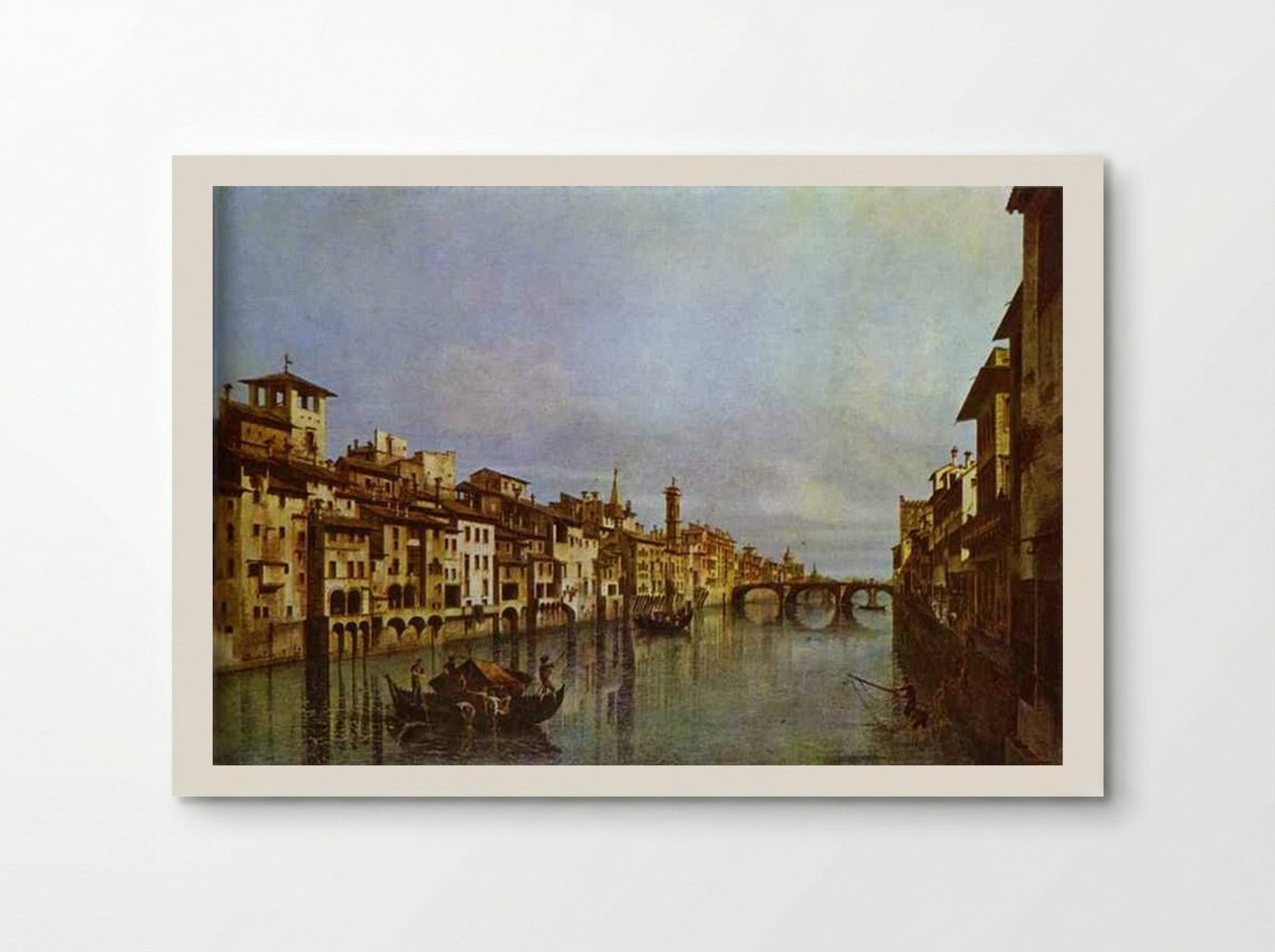 Arno i Florens - Bernardo Bellotto
Print
Ordinarie pris Från £28.00 GBPReapris Från £28.00 GBP Ordinarie pris -
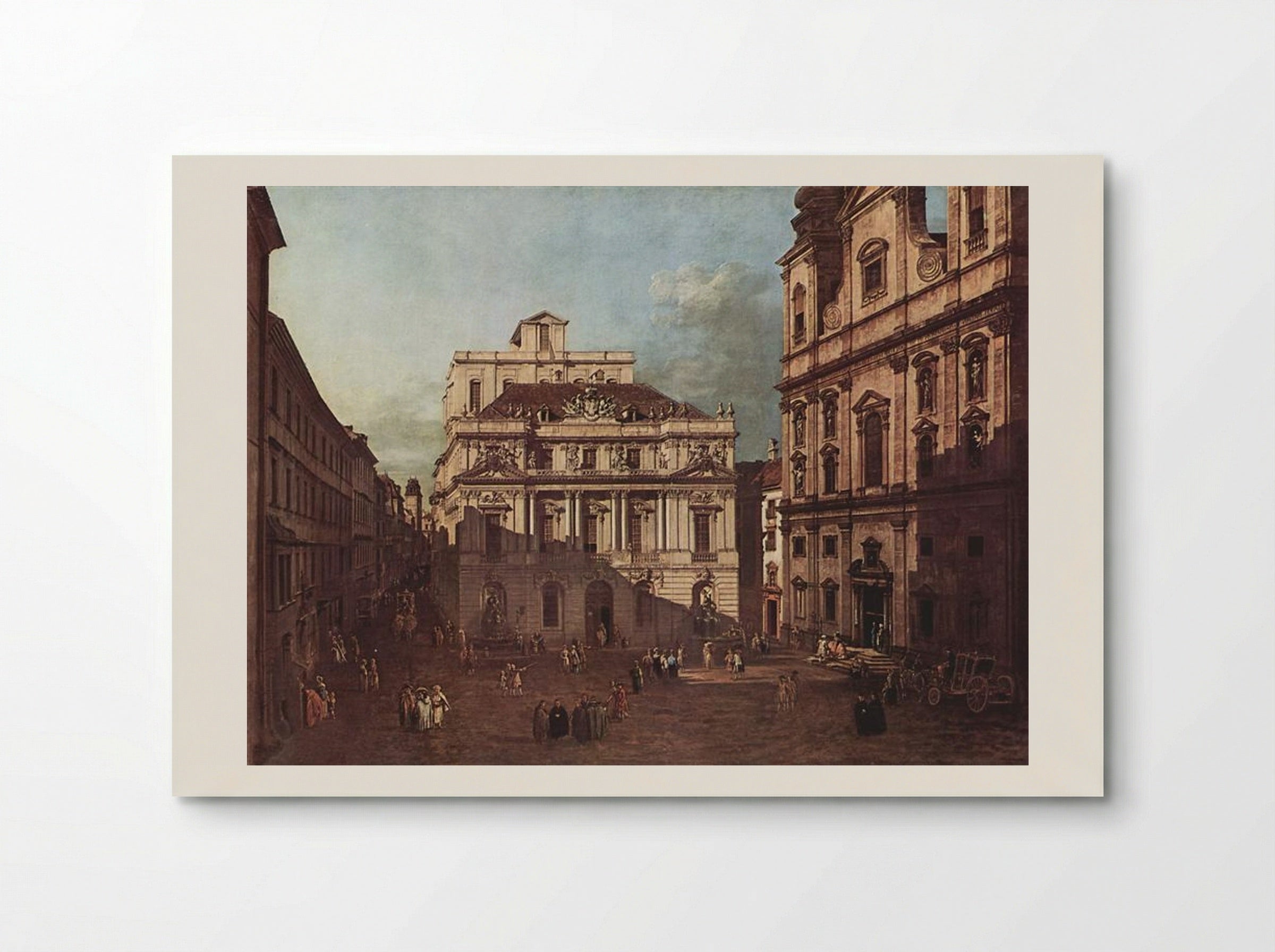 Vy över Wien, torget framför universitetet, sett från sydost från universitetets stora sal – Bernardo Bellotto
Print
Ordinarie pris Från £28.00 GBPReapris Från £28.00 GBP Ordinarie pris -
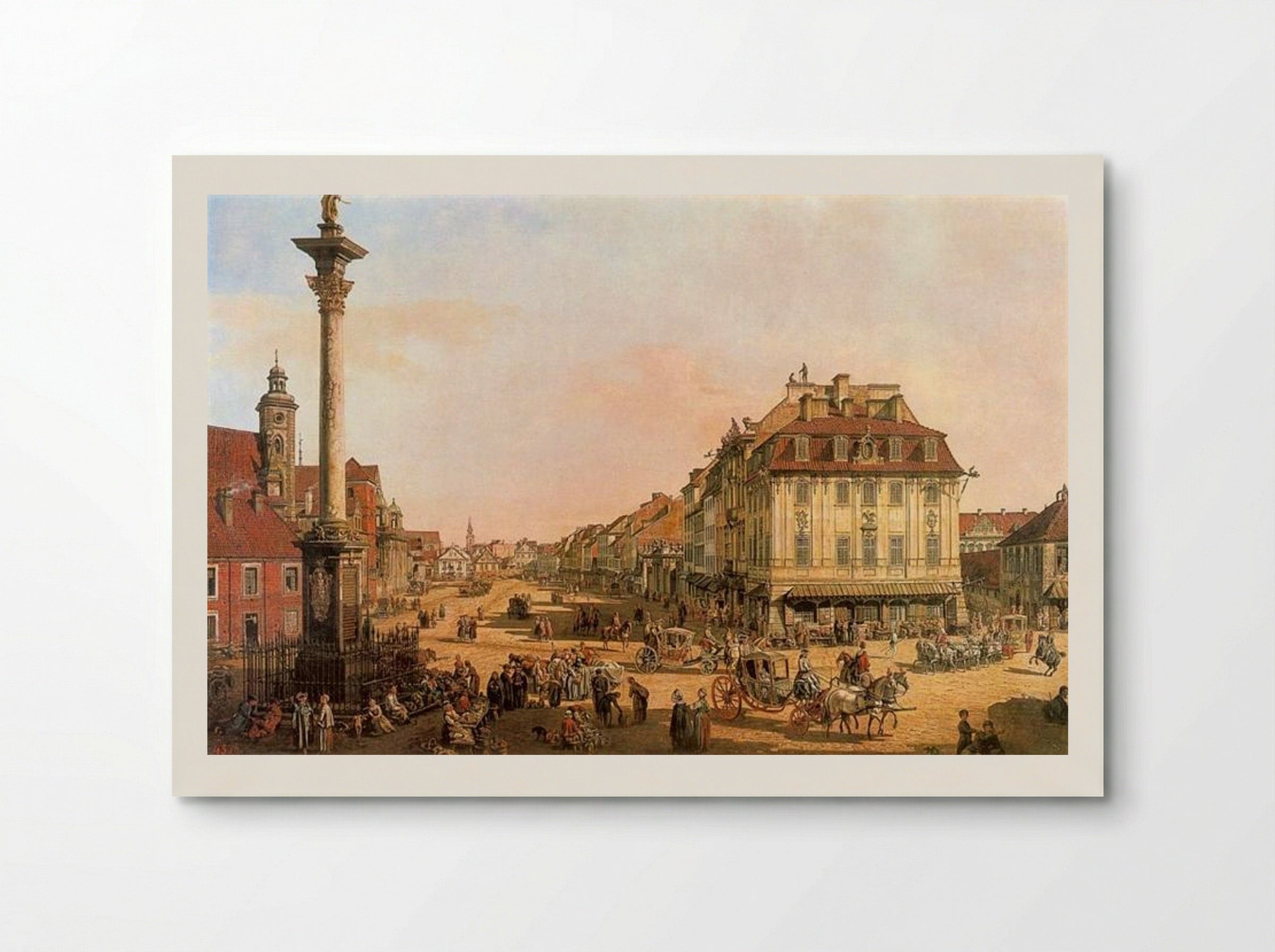 Förstad till Krakow sedd från Krakowska Porten - Bernardo Bellotto
Print
Ordinarie pris Från £28.00 GBPReapris Från £28.00 GBP Ordinarie pris -
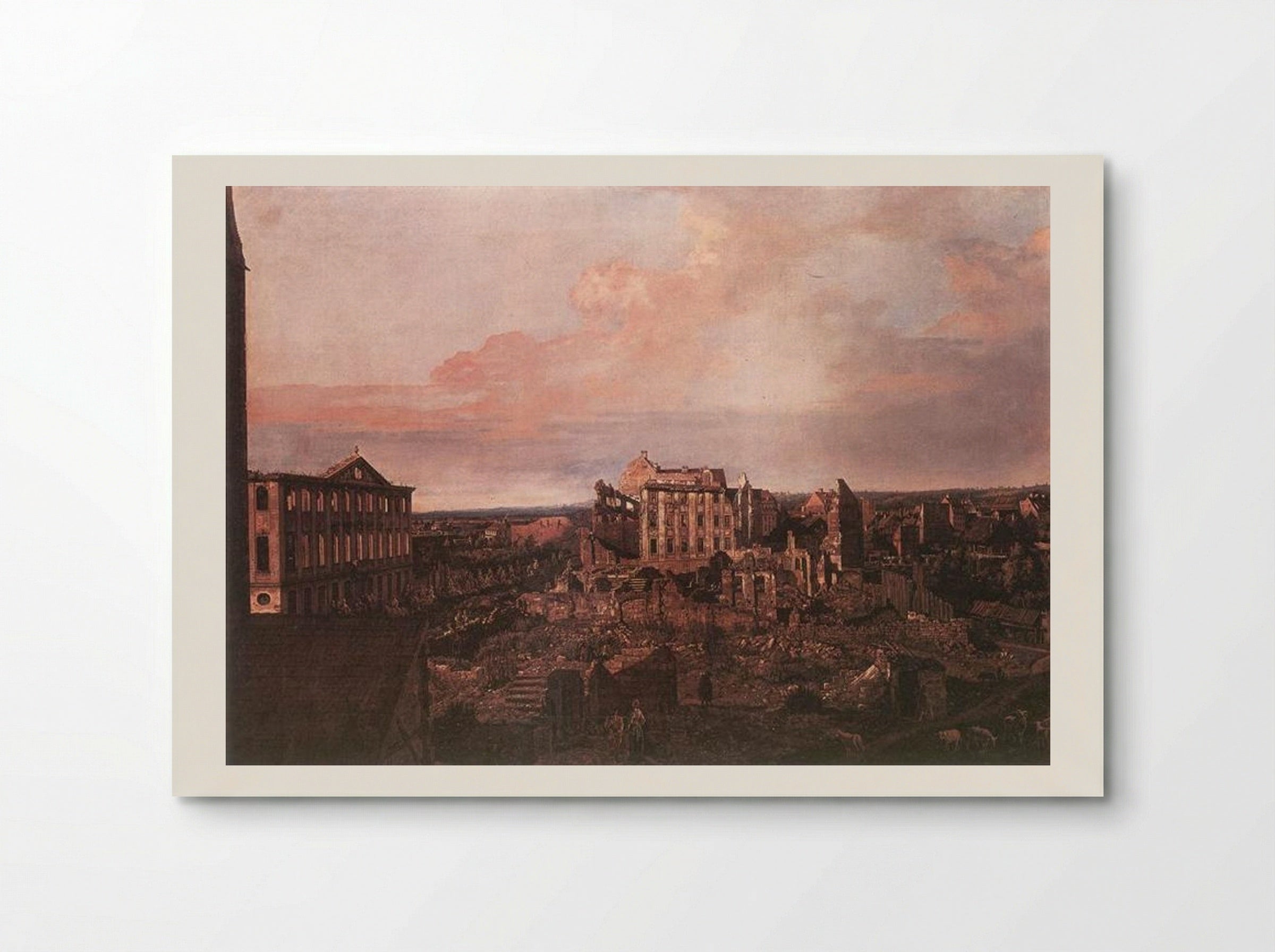 Dresden, ruinerna av Pirnaische Vorstadt - Bernardo Bellotto
Print
Ordinarie pris Från £28.00 GBPReapris Från £28.00 GBP Ordinarie pris -
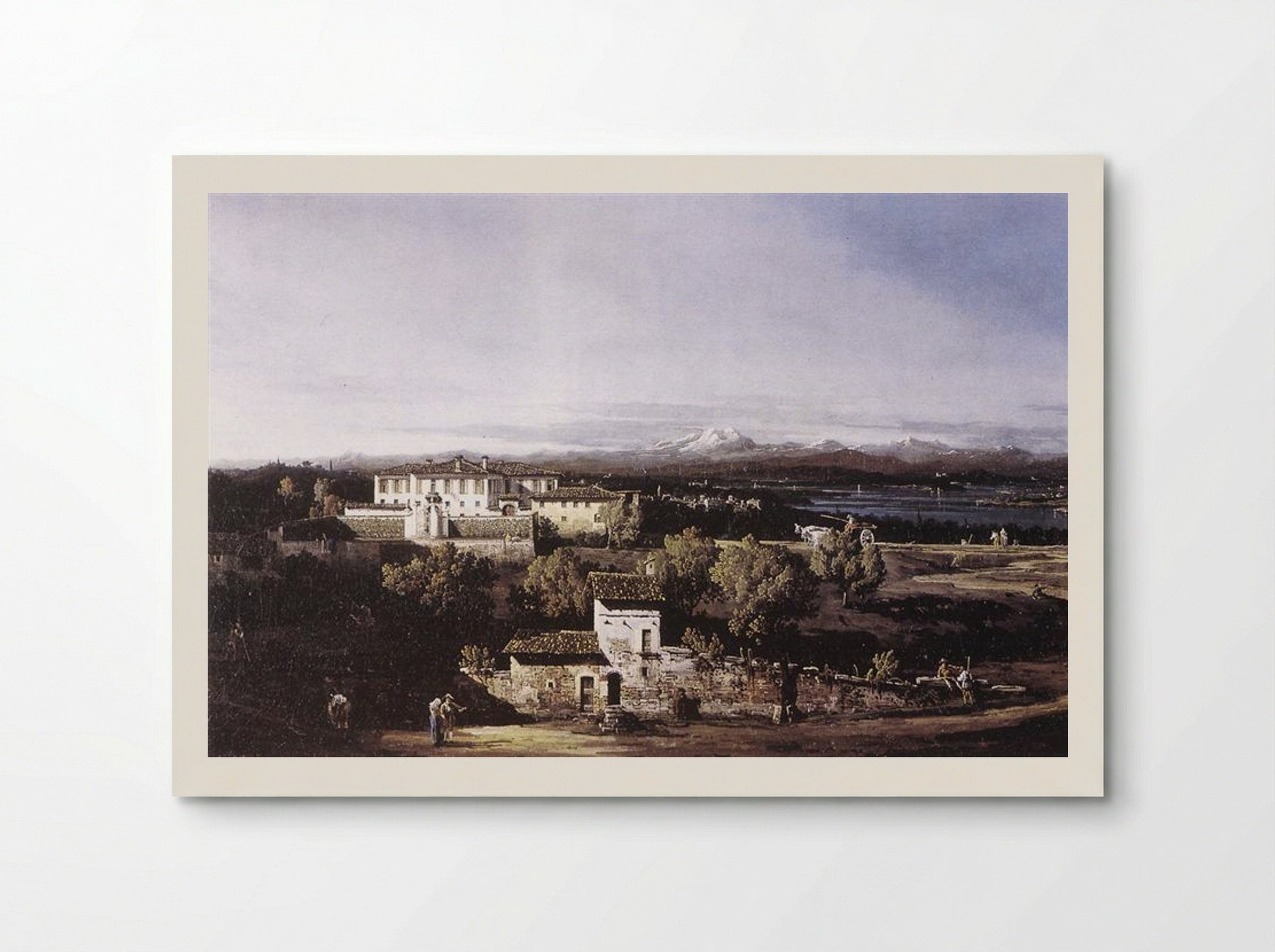 Utsikt över Villa Cagnola vid Gazzada nära Varese - Bernardo Bellotto
Print
Ordinarie pris Från £28.00 GBPReapris Från £28.00 GBP Ordinarie pris -
 En vy över Lobkowiczpalatset i Wien - Bernardo Bellotto
Print
Ordinarie pris Från £37.00 GBPReapris Från £37.00 GBP Ordinarie pris -
 Mniszechpalatset i Warszawa - Bernardo Bellotto
Print
Ordinarie pris Från £37.00 GBPReapris Från £37.00 GBP Ordinarie pris -
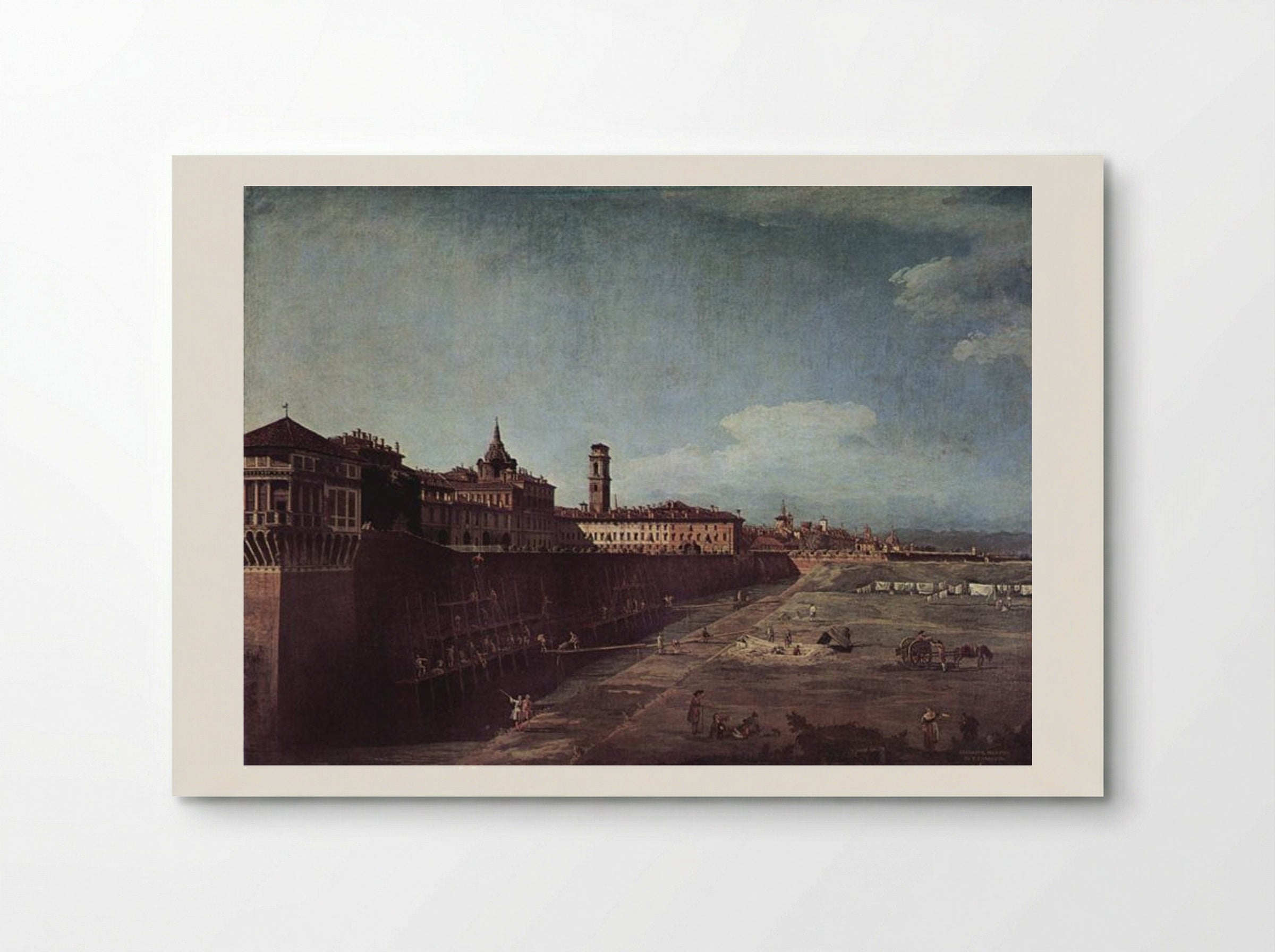 Utsikt över Turin från trädgårdarna i Palazzo Reale - Bernardo Bellotto
Print
Ordinarie pris Från £28.00 GBPReapris Från £28.00 GBP Ordinarie pris -
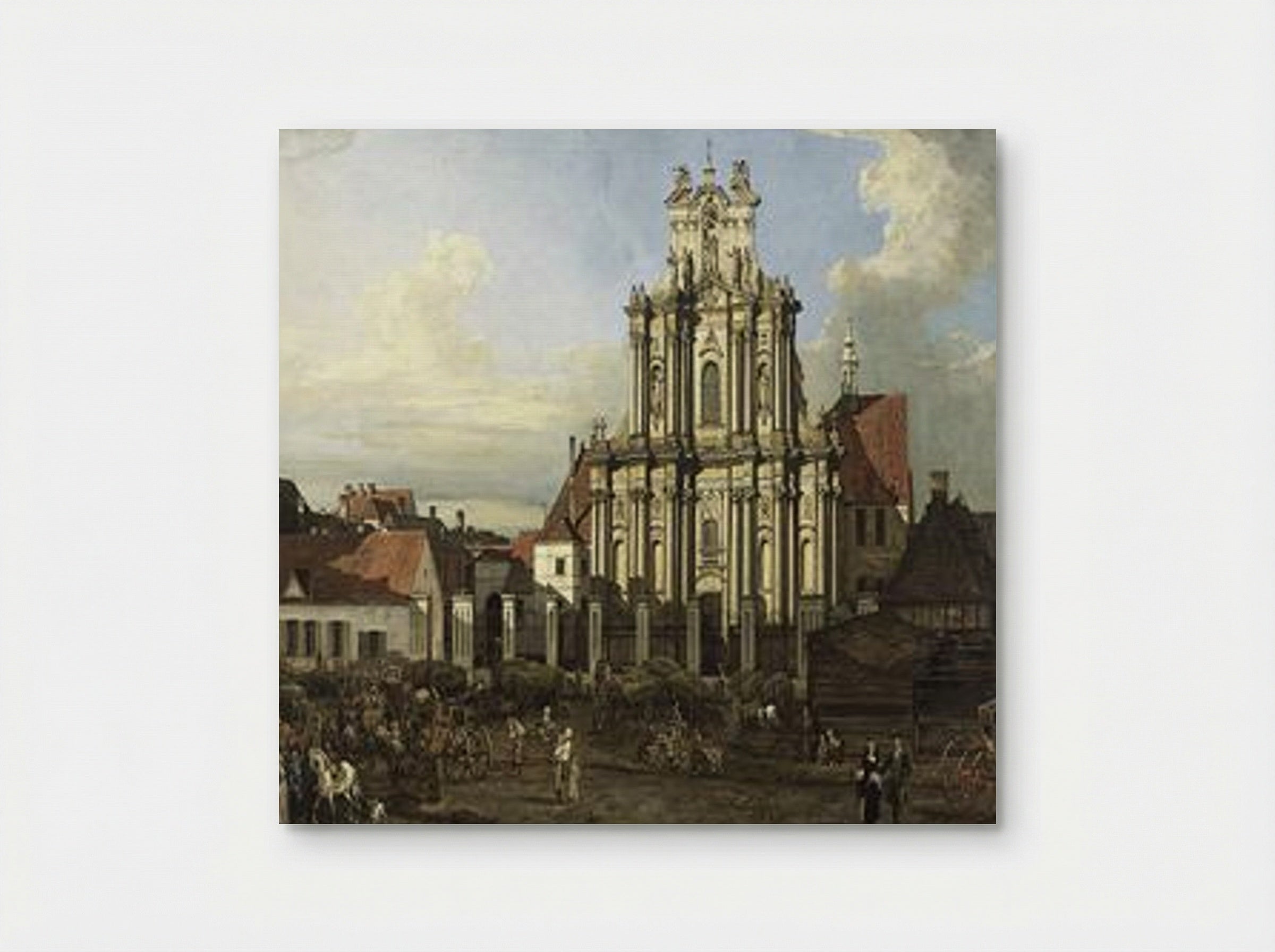 Visitationistkyrkan i Warszawa - Bernardo Bellotto
Print
Ordinarie pris Från £37.00 GBPReapris Från £37.00 GBP Ordinarie pris -
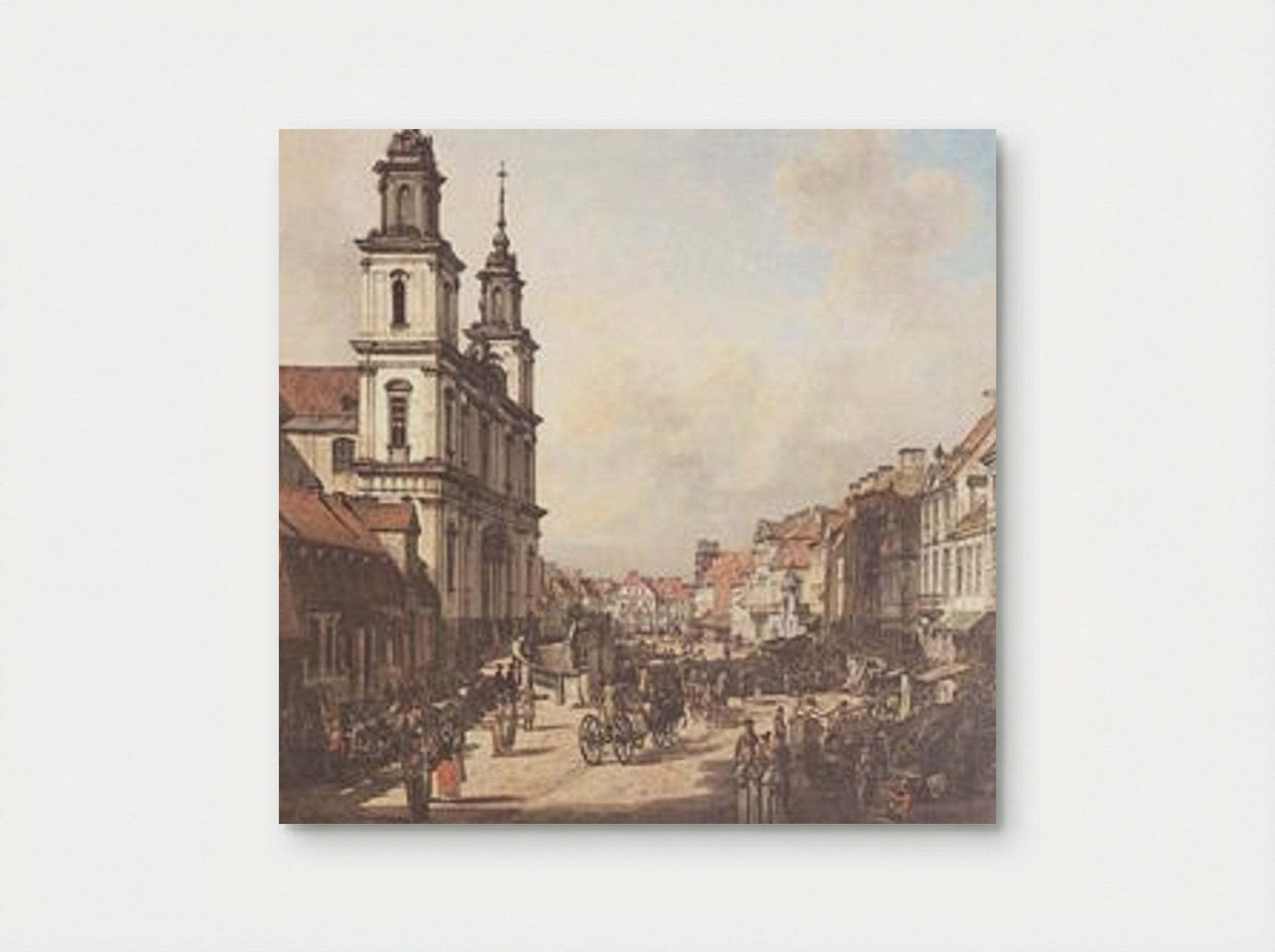 Vy över förorten Kraków från Nowy Świat-gatan – Bernardo Bellotto
Print
Ordinarie pris Från £37.00 GBPReapris Från £37.00 GBP Ordinarie pris -
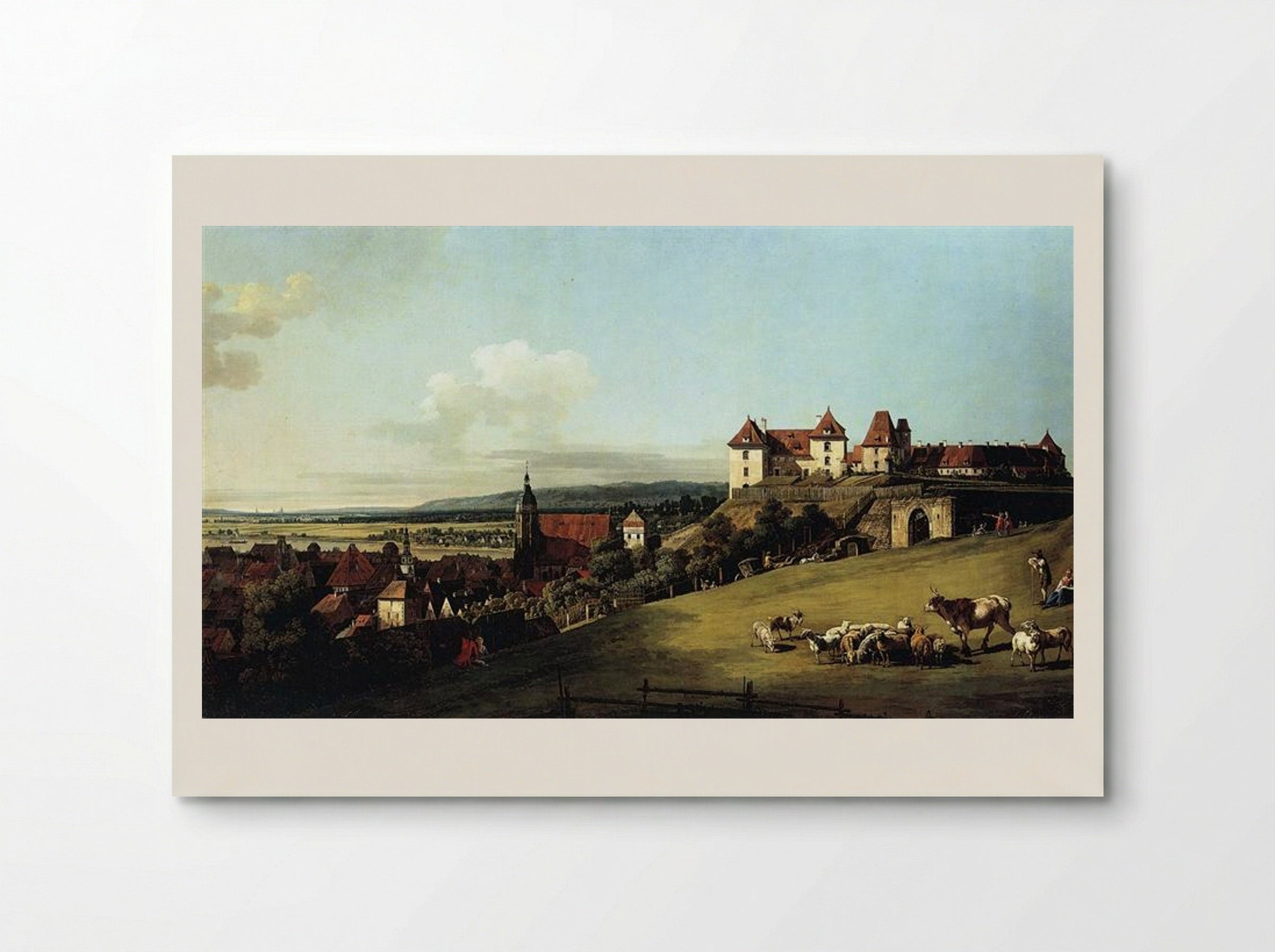 Fästningen Sonnenstein ovanför Pirna - Bernardo Bellotto
Print
Ordinarie pris Från £28.00 GBPReapris Från £28.00 GBP Ordinarie pris -
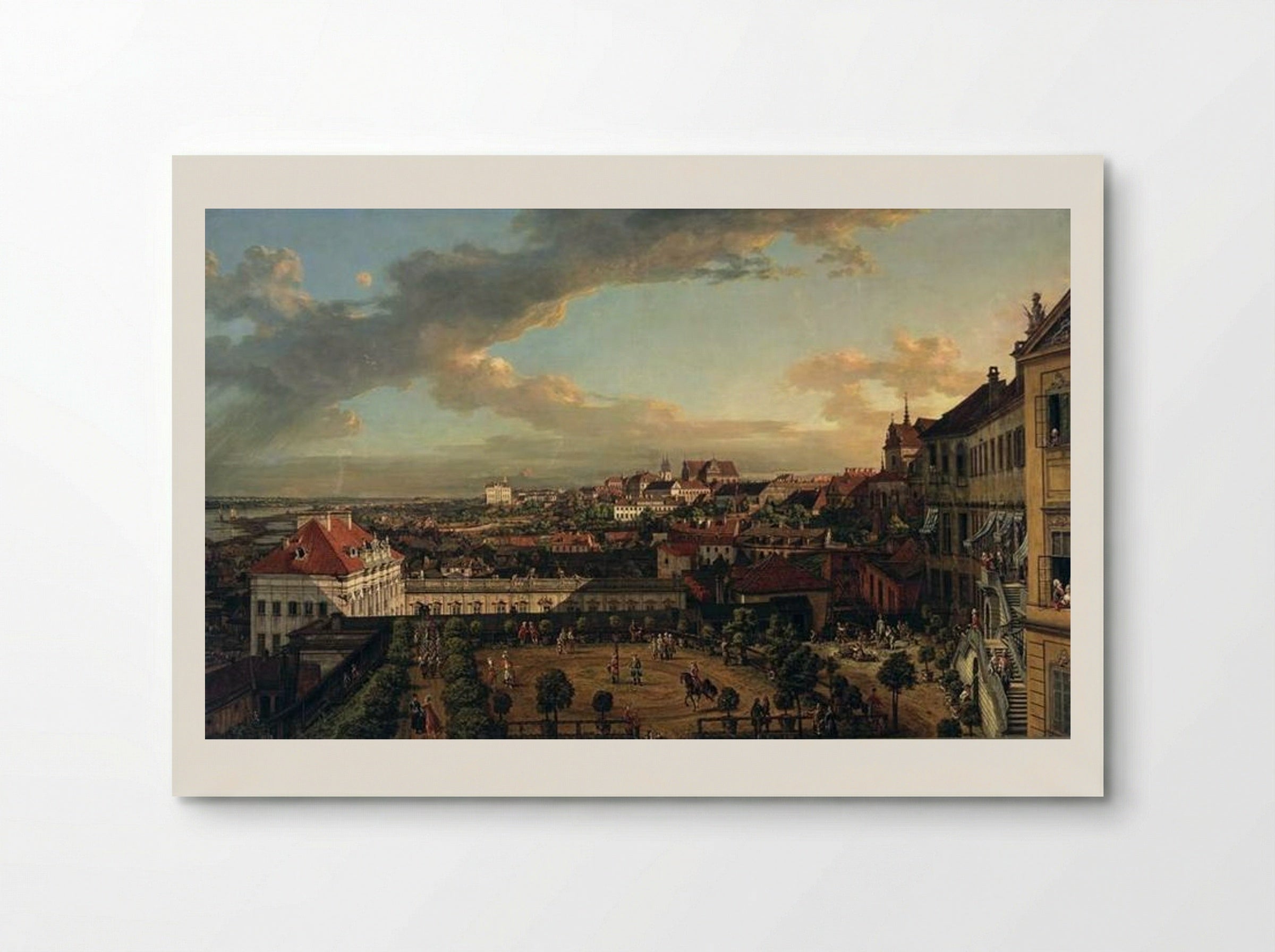 Utsikt över Warszawa från Kungliga slottets terrass - Bernardo Bellotto
Print
Ordinarie pris Från £28.00 GBPReapris Från £28.00 GBP Ordinarie pris -
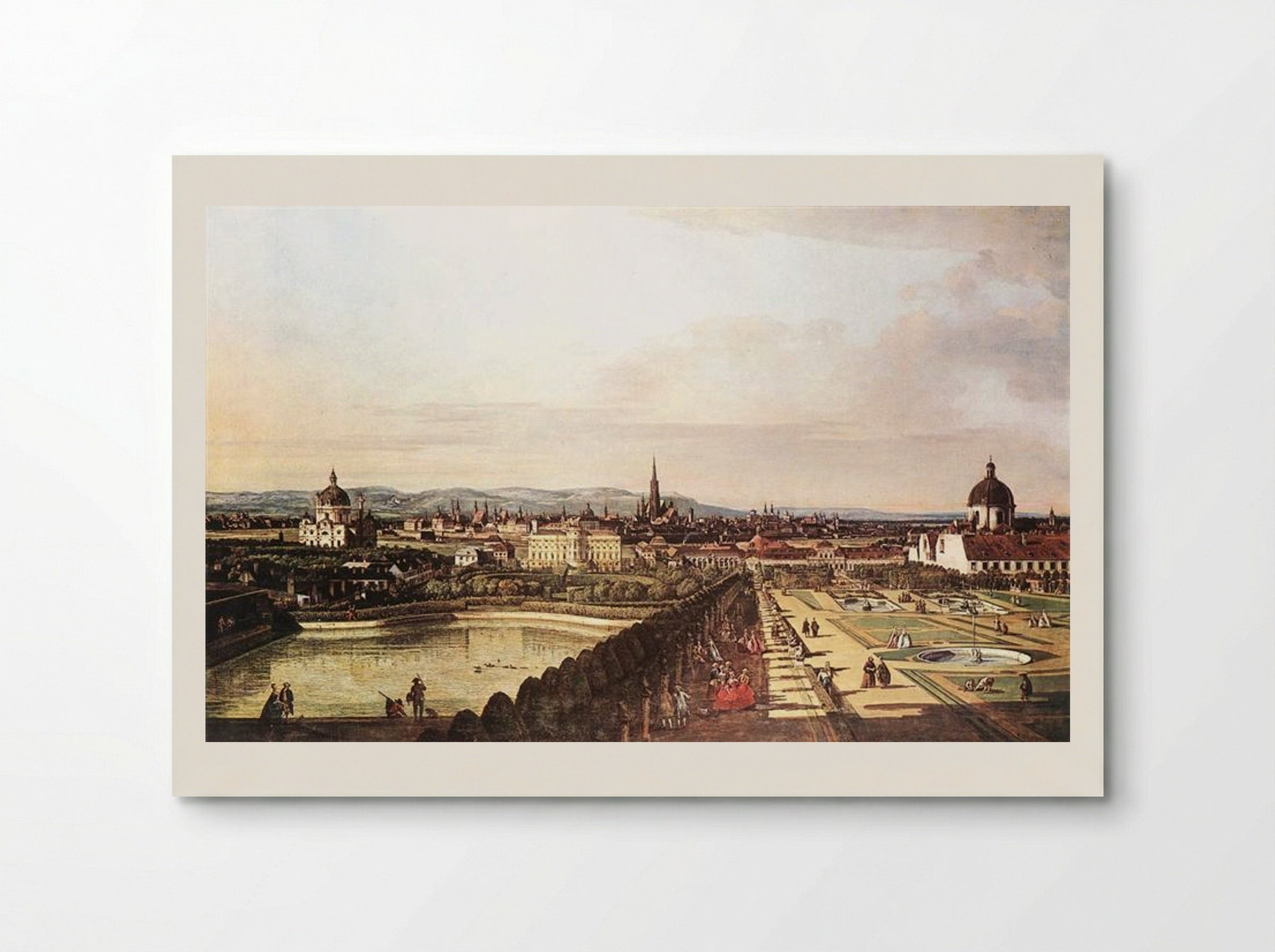 Belvedere från Gesehen, Wien - Bernardo Bellotto
Print
Ordinarie pris Från £28.00 GBPReapris Från £28.00 GBP Ordinarie pris -
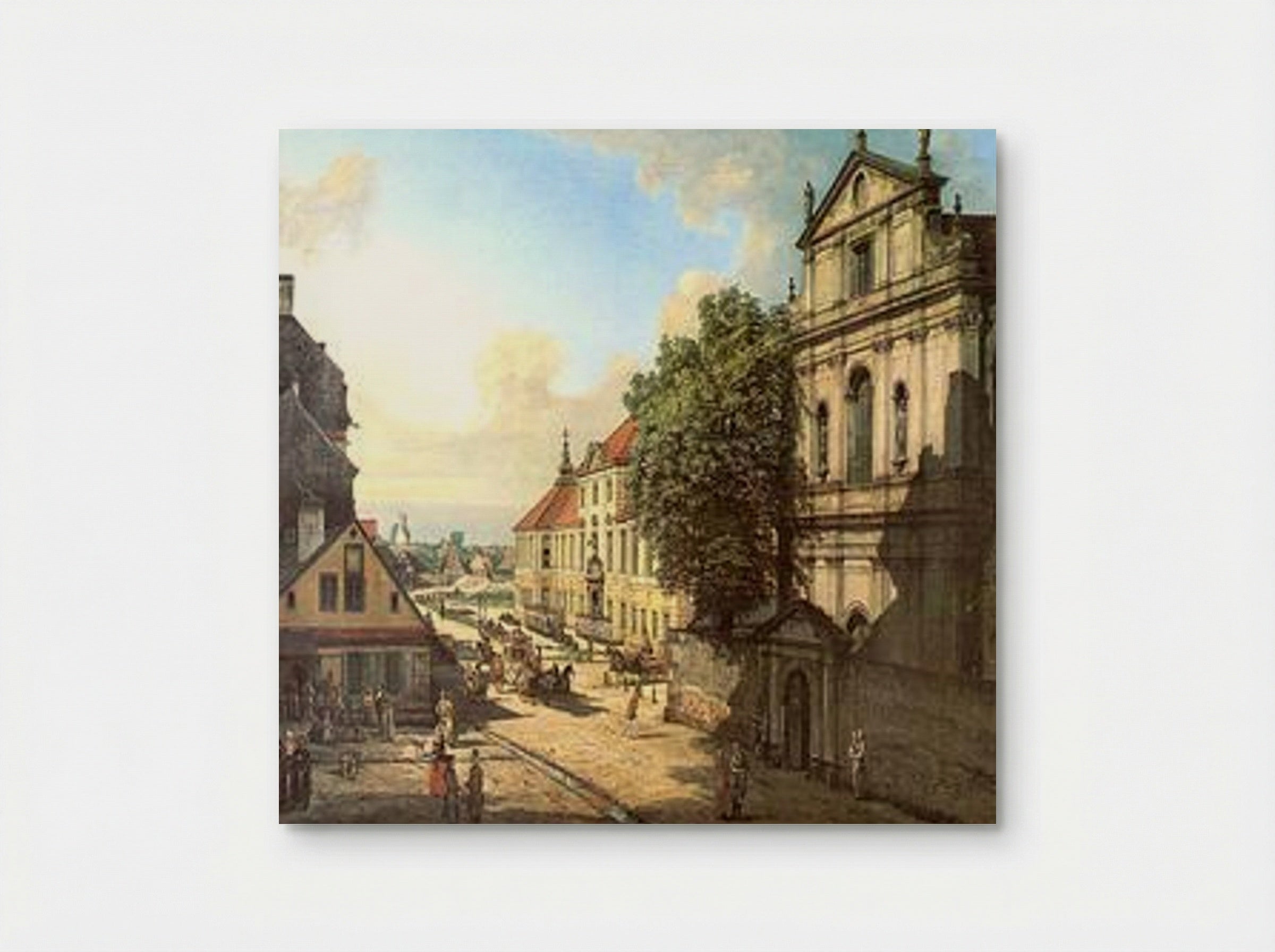 Birgittinskyrkan och arsenalen - Bernardo Bellotto
Print
Ordinarie pris Från £37.00 GBPReapris Från £37.00 GBP Ordinarie pris -
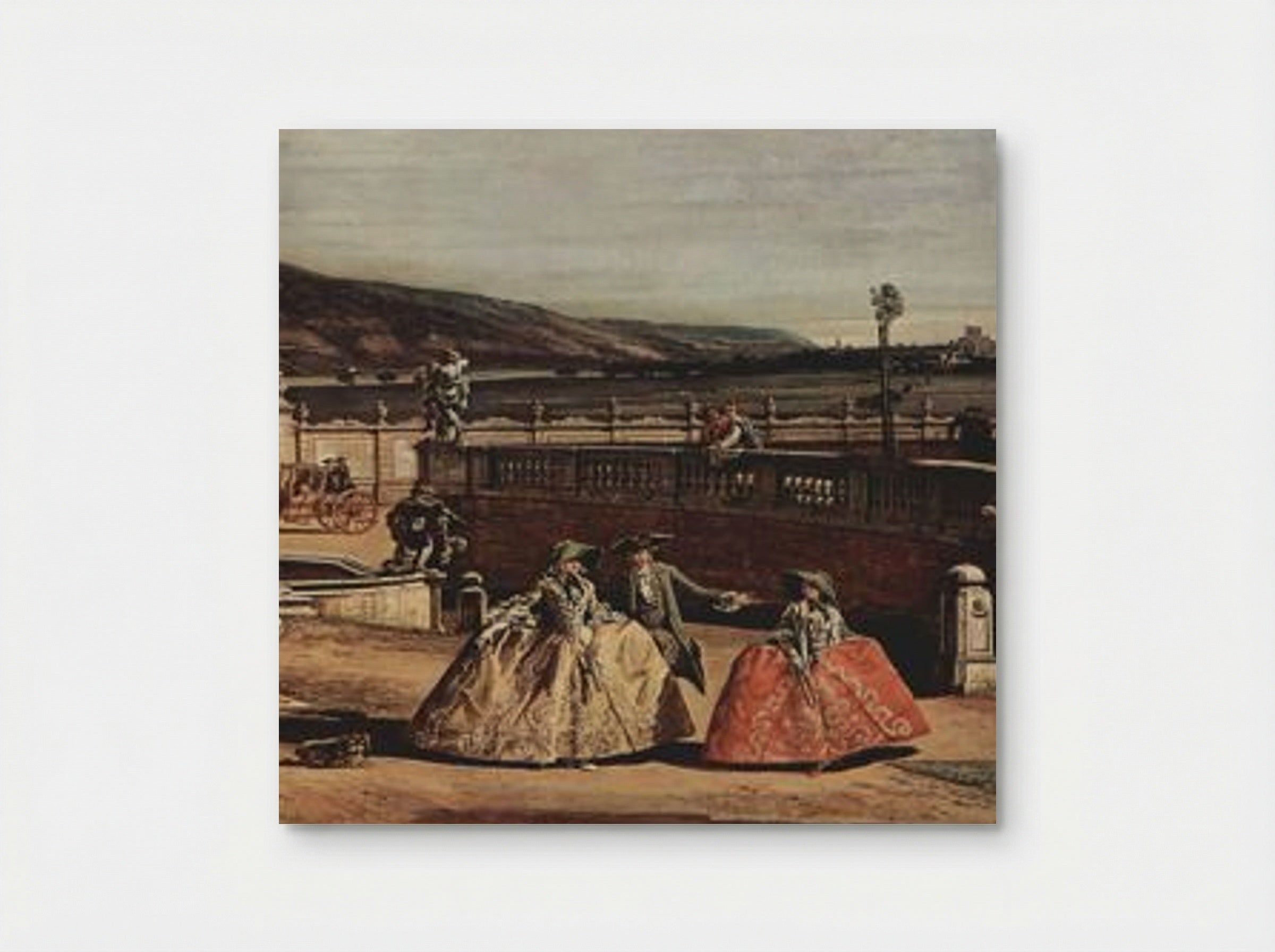 Kejserliga sommarresidenset, Gården - Bernardo Bellotto
Print
Ordinarie pris Från £37.00 GBPReapris Från £37.00 GBP Ordinarie pris -
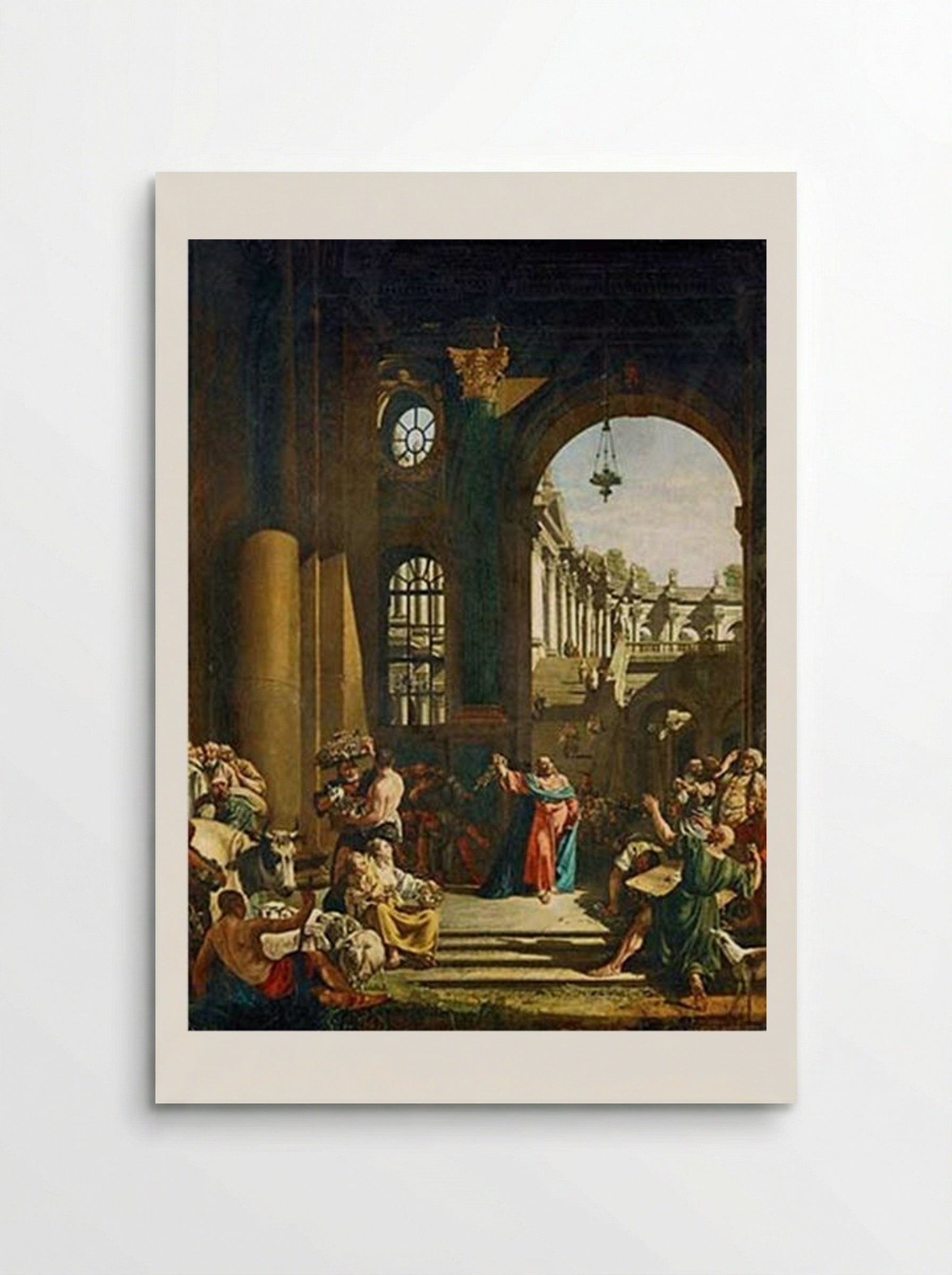 Jesus renar templet - Bernardo Bellotto
Print
Ordinarie pris Från £28.00 GBPReapris Från £28.00 GBP Ordinarie pris -
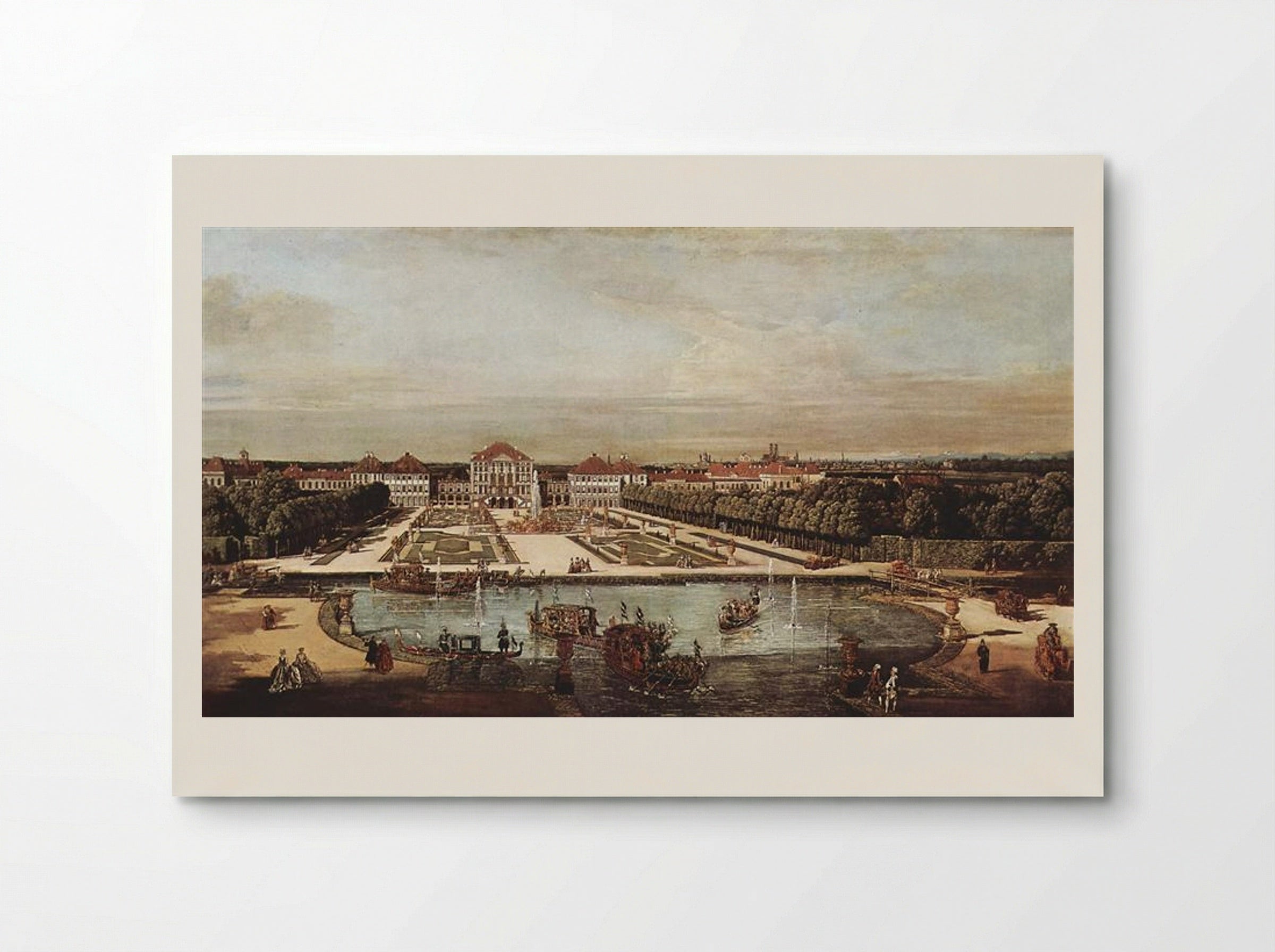 Nymphenburgs slott - Bernardo Bellotto
Print
Ordinarie pris Från £28.00 GBPReapris Från £28.00 GBP Ordinarie pris -
 Utsikt över Krakówförstaden mot Slottsplatsen – Bernardo Bellotto
Print
Ordinarie pris Från £37.00 GBPReapris Från £37.00 GBP Ordinarie pris -
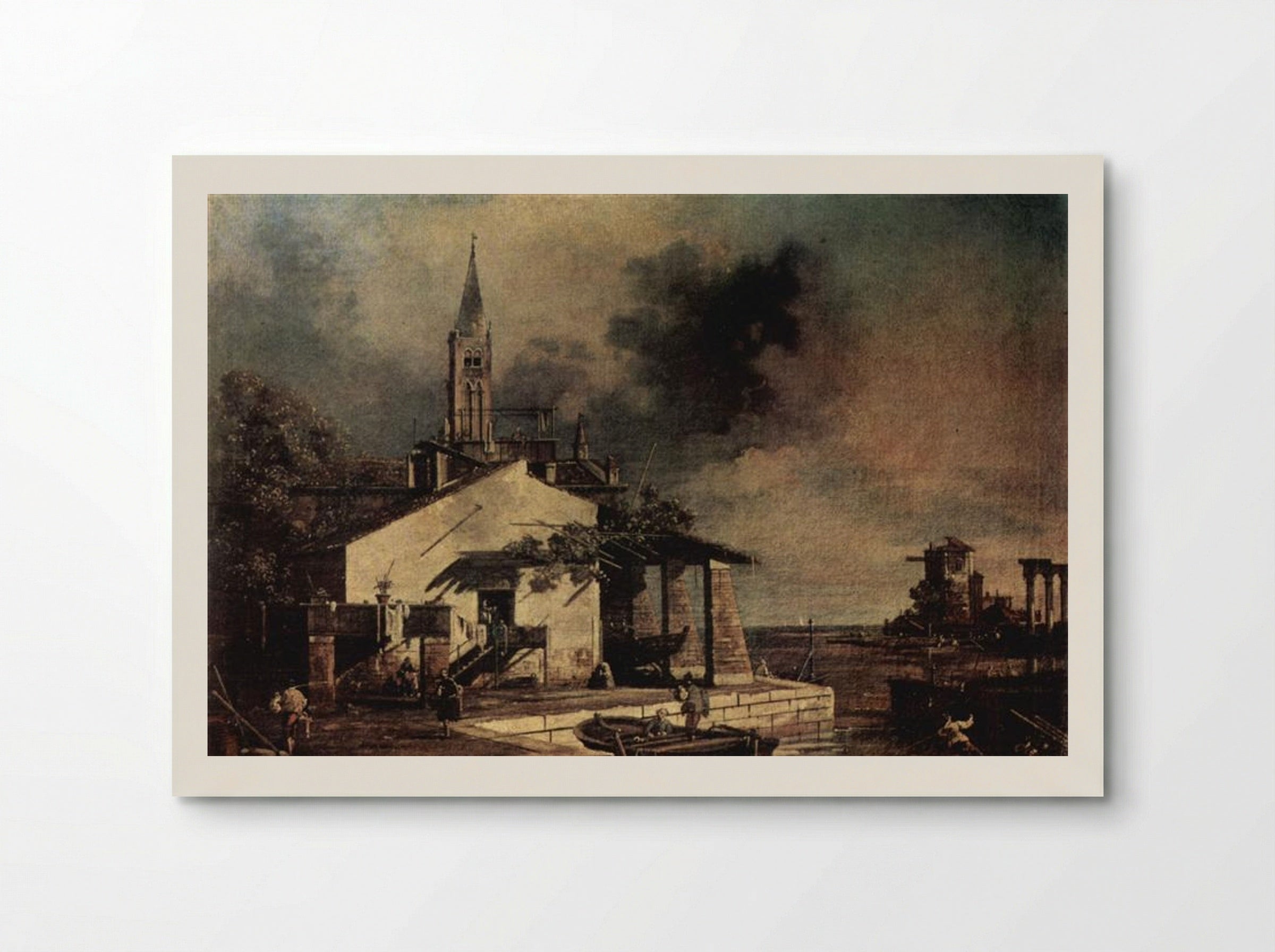 Lagunlandskap – Bernardo Bellotto
Print
Ordinarie pris Från £28.00 GBPReapris Från £28.00 GBP Ordinarie pris -
 Konstantinbågen - Bernardo Bellotto
Print
Ordinarie pris Från £28.00 GBPReapris Från £28.00 GBP Ordinarie pris -
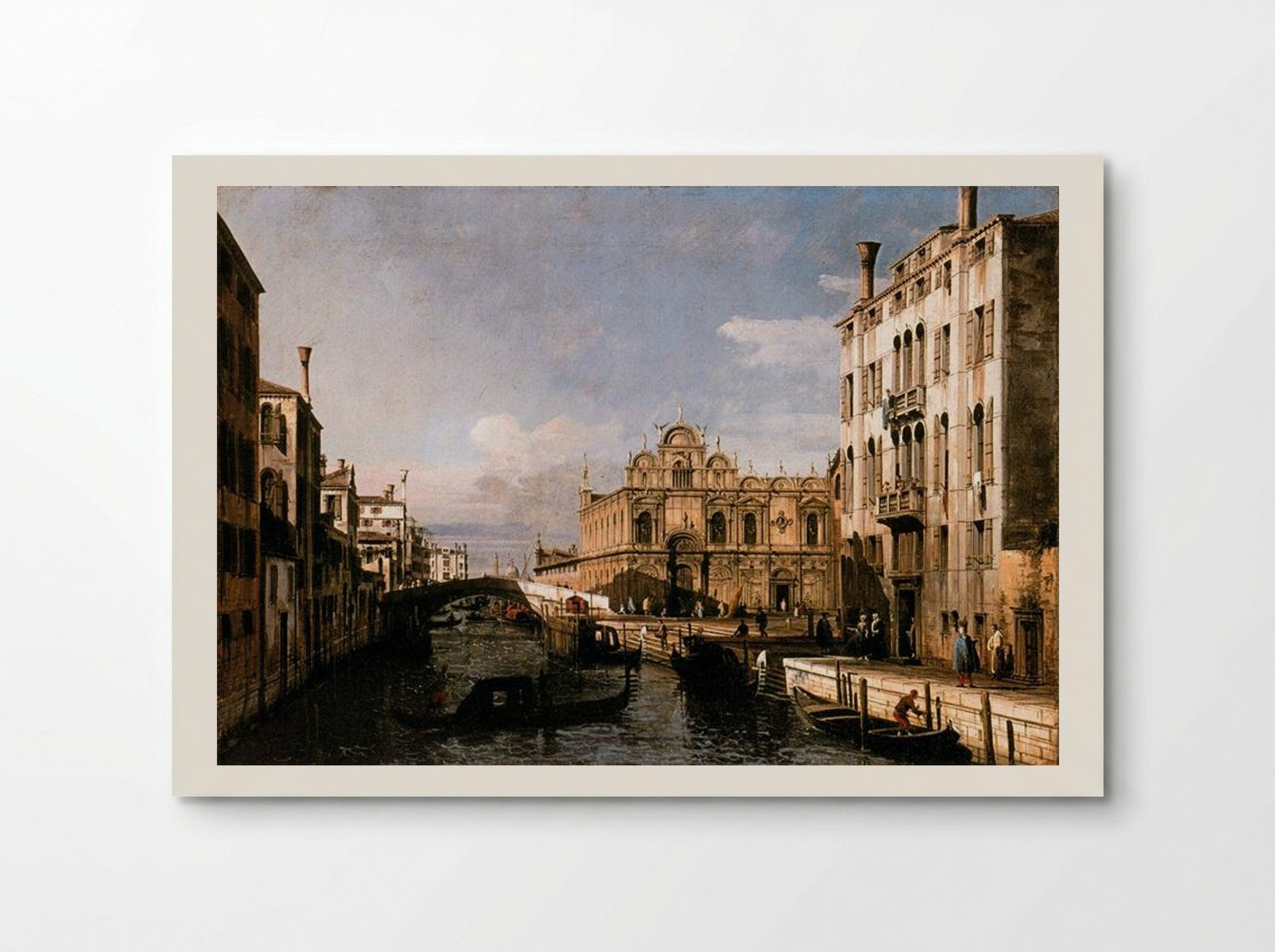 Rio dei Mendicanti och Scuola di San Marco – Bernardo Bellotto
Print
Ordinarie pris Från £28.00 GBPReapris Från £28.00 GBP Ordinarie pris -
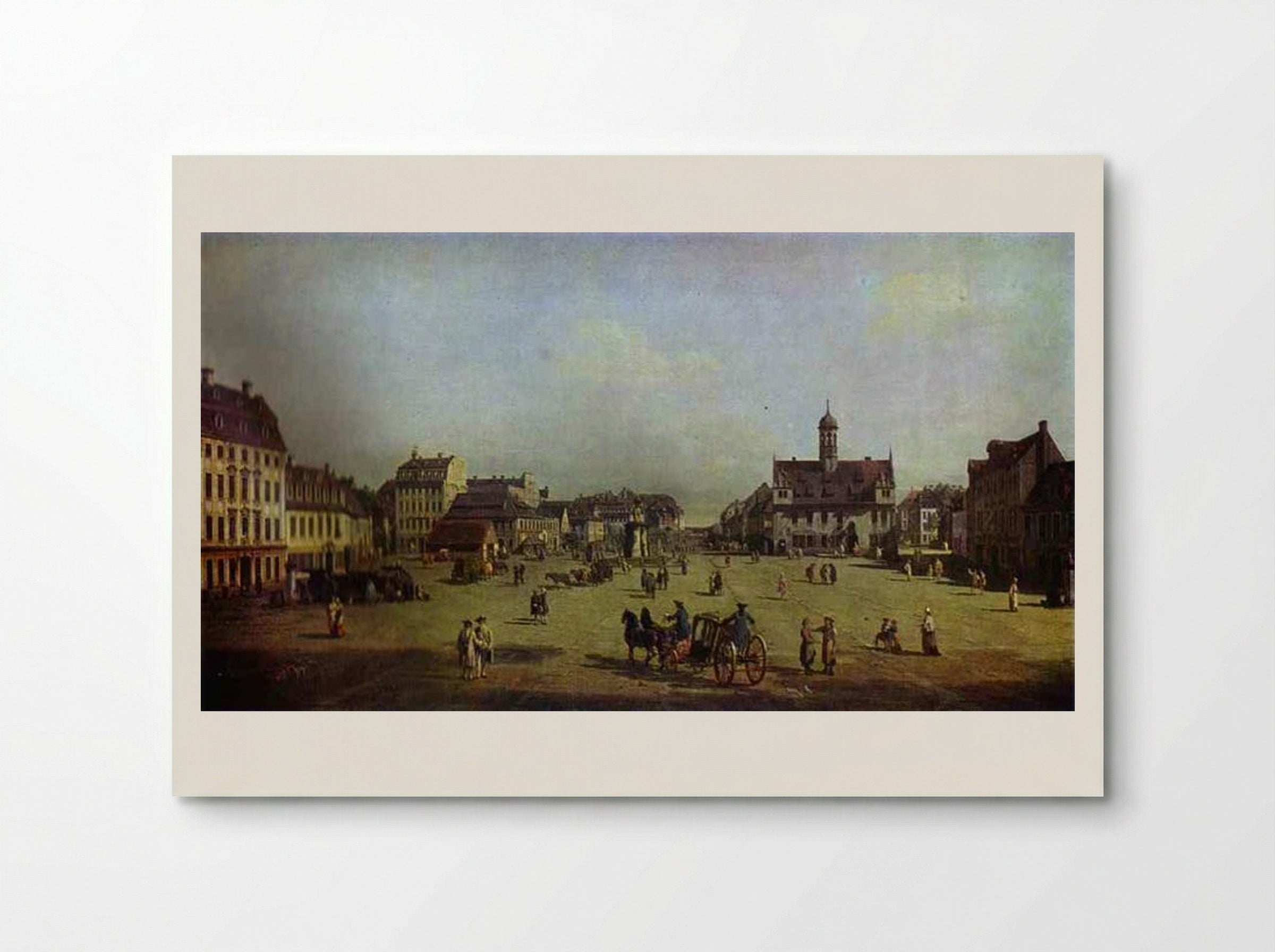 Nya torget i Dresden - Bernardo Bellotto
Print
Ordinarie pris Från £28.00 GBPReapris Från £28.00 GBP Ordinarie pris -
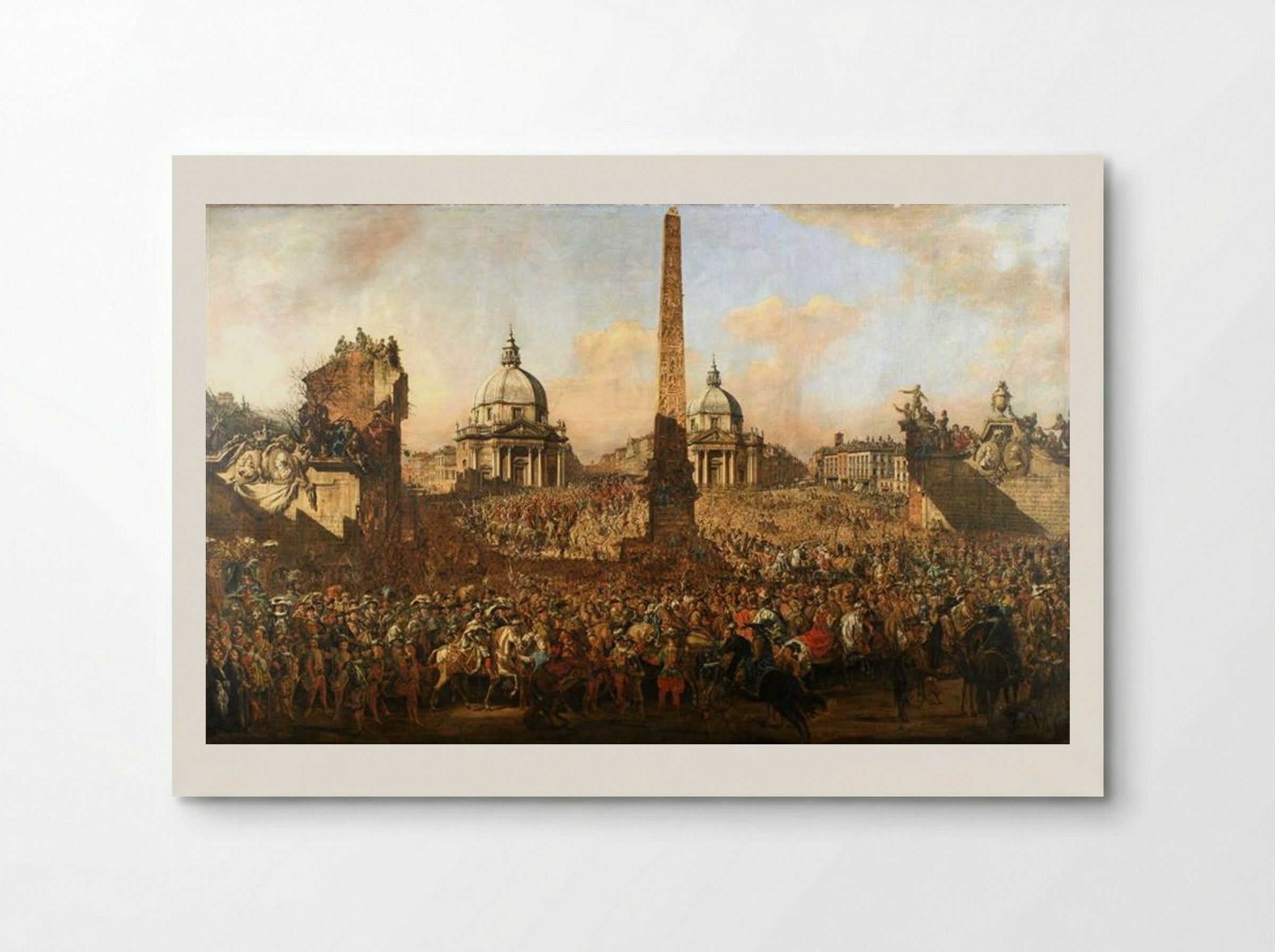 Jerzy Ossolinskis intåg i Rom som sändebud för Vladislav IV av Polen till påven Urban VIII - Bernardo Bellotto
Print
Ordinarie pris Från £28.00 GBPReapris Från £28.00 GBP Ordinarie pris -
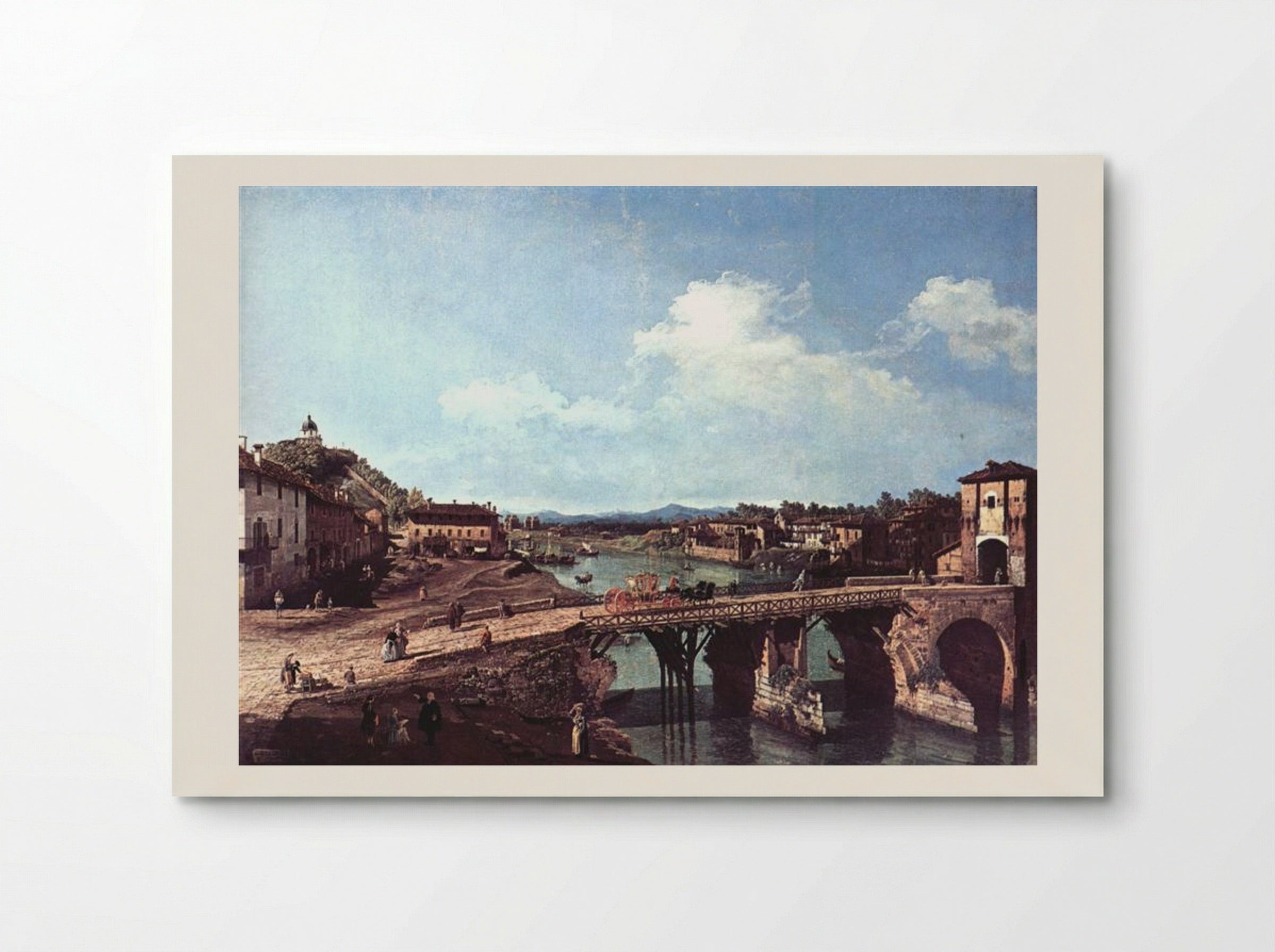 Vy över en gammal bro över floden Po, Turin - Bernardo Bellotto
Print
Ordinarie pris Från £28.00 GBPReapris Från £28.00 GBP Ordinarie pris


Artist Biography
Bernardo Bellotto
When Soviet forces withdrew from Warsaw in 1945, leaving behind a city reduced almost entirely to rubble, Polish rebuilding committees used eighteenth-century paintings as architectural blueprints. The paintings were by Bernardo Bellotto, a Venetian court artist who had died sixty-five years earlier; his Warsaw views were precise enough to guide the reconstruction of street facades, arcades, and building heights. No other vedutista has earned an afterlife like it.
Born in Venice in 1721, Bellotto was the nephew of Giovanni Antonio Canal on his mother's side and trained in his uncle's studio from early adolescence. By his mid-teens he was a registered member of the Venetian painters' guild. His early work so closely followed Canaletto's manner that he occasionally signed canvases "Canaletto" himself, a habit that has tangled attribution ever since. He left Venice in 1746 for a long Italian tour before heading north; in 1747, aged twenty-six, he accepted an invitation to Dresden from Frederick-Augustus II, Elector of Saxony, who paid him twenty thalers a year as court painter.
The Dresden commissions produced some of his finest work: The Moat of the Zwinger (1749-53, 133 x 235 cm, Gemaldegalerie) and a series of Neumarkt views including the Frauenkirche, in which extreme diagonal compositions amplify the spatial depth of the city's Baroque squares. Empress Maria Theresa summoned him to Vienna in 1758, where he painted View from the Belvedere (1759-60, Kunsthistorisches Museum); in 1767 he moved to Warsaw, entering the service of Stanislaw II of Poland and beginning the topographical documentation that would outlast the city itself.
His palette runs consistently cooler and crisper than Canaletto's; he paid more attention to cloud formations, deep shadows, and foliage, and packed his views with more figure groups. Where Canaletto often revisited the same standpoints, Bellotto almost always sought new vantage points. Scholars read his documentary precision as a function of his market: not Venice's tourist trade but the royal courts of Europe, patrons who wanted their capitals recorded with near-surveyor exactitude.
Born in Venice in 1721, Bellotto was the nephew of Giovanni Antonio Canal on his mother's side and trained in his uncle's studio from early adolescence. By his mid-teens he was a registered member of the Venetian painters' guild. His early work so closely followed Canaletto's manner that he occasionally signed canvases "Canaletto" himself, a habit that has tangled attribution ever since. He left Venice in 1746 for a long Italian tour before heading north; in 1747, aged twenty-six, he accepted an invitation to Dresden from Frederick-Augustus II, Elector of Saxony, who paid him twenty thalers a year as court painter.
The Dresden commissions produced some of his finest work: The Moat of the Zwinger (1749-53, 133 x 235 cm, Gemaldegalerie) and a series of Neumarkt views including the Frauenkirche, in which extreme diagonal compositions amplify the spatial depth of the city's Baroque squares. Empress Maria Theresa summoned him to Vienna in 1758, where he painted View from the Belvedere (1759-60, Kunsthistorisches Museum); in 1767 he moved to Warsaw, entering the service of Stanislaw II of Poland and beginning the topographical documentation that would outlast the city itself.
His palette runs consistently cooler and crisper than Canaletto's; he paid more attention to cloud formations, deep shadows, and foliage, and packed his views with more figure groups. Where Canaletto often revisited the same standpoints, Bellotto almost always sought new vantage points. Scholars read his documentary precision as a function of his market: not Venice's tourist trade but the royal courts of Europe, patrons who wanted their capitals recorded with near-surveyor exactitude.
Varför välja oss?