

Collezione
Eugene Delacroix
Esplora stampe d'arte selezionate per case distintive e interni ricercati.
-
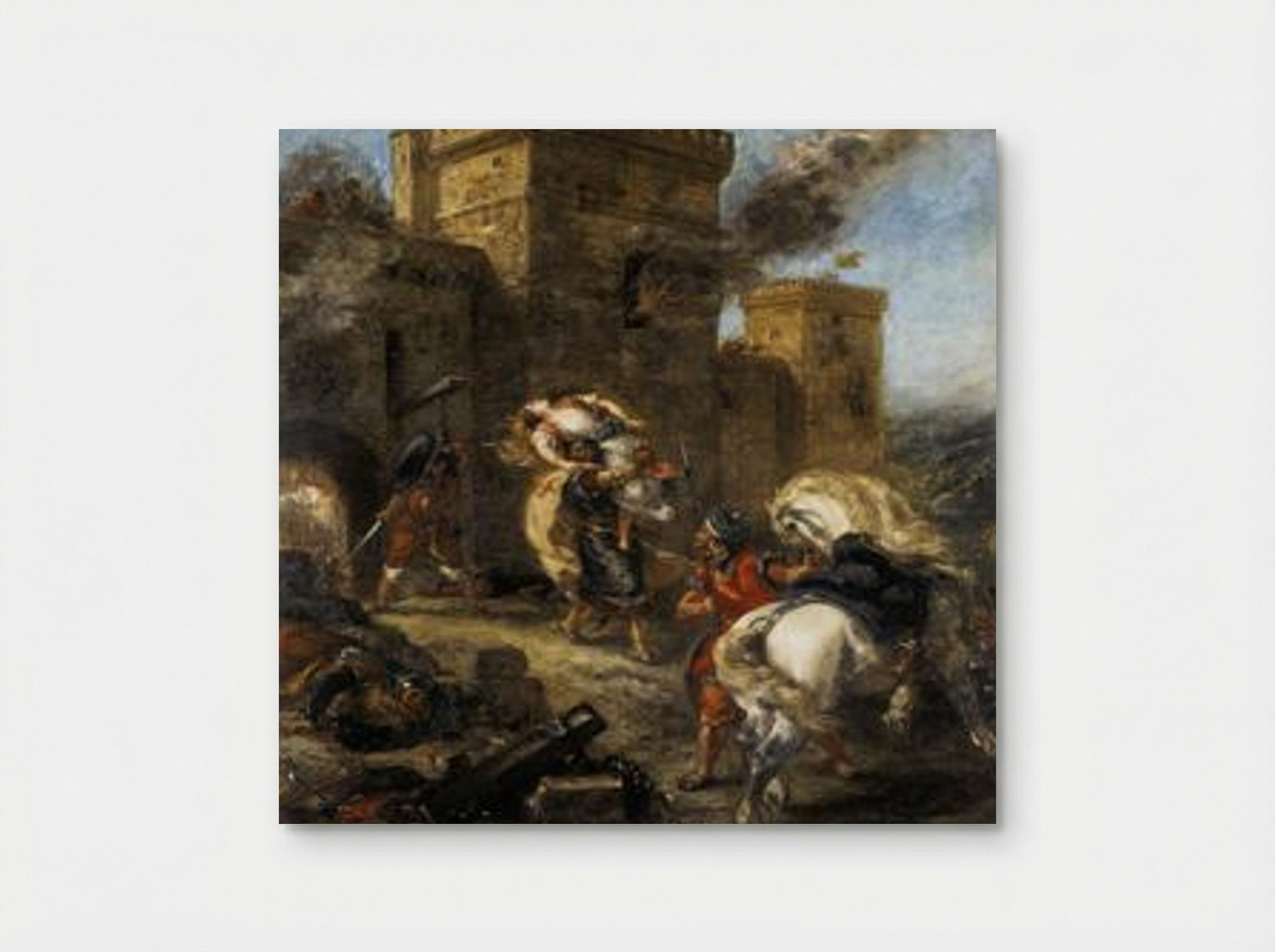 Rebecca rapita dal Templare, Sir Brian de Bois-Guilbert - Eugène Delacroix
Print
Prezzo originale Da £37.00 GBPPrezzo scontato Da £37.00 GBP Prezzo originale -
 Fanatici di Tangeri - Eugène Delacroix
Print
Prezzo originale Da £28.00 GBPPrezzo scontato Da £28.00 GBP Prezzo originale -
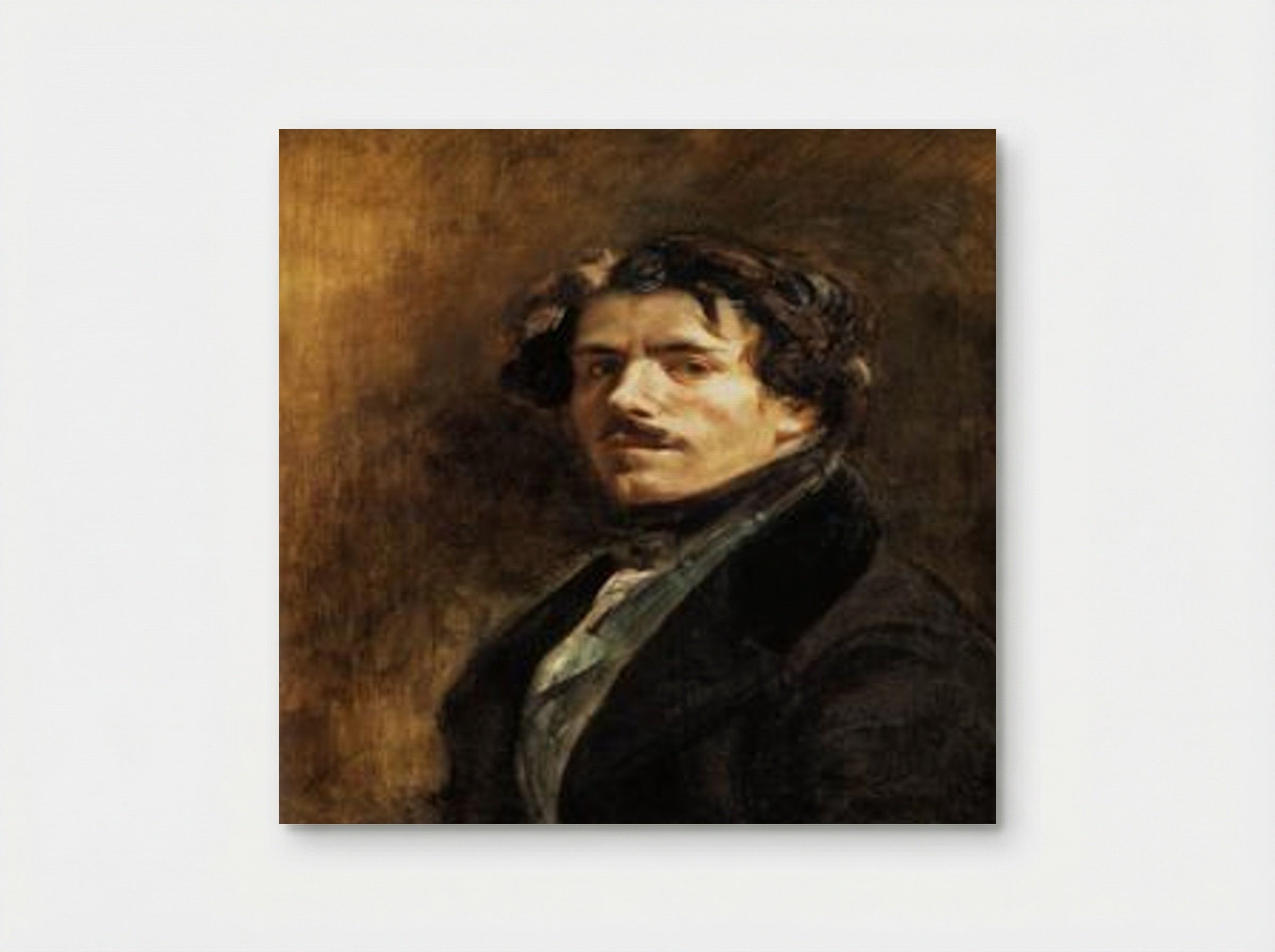 Autoritratto - Eugène Delacroix
Print
Prezzo originale Da £37.00 GBPPrezzo scontato Da £37.00 GBP Prezzo originale -
 Cavallo attaccato da una leonessa - Eugène Delacroix
Print
Prezzo originale Da £37.00 GBPPrezzo scontato Da £37.00 GBP Prezzo originale -

 Donna ebrea di Algeri - Eugène Delacroix
Print
Prezzo originale Da £28.00 GBPPrezzo scontato Da £28.00 GBP Prezzo originale -
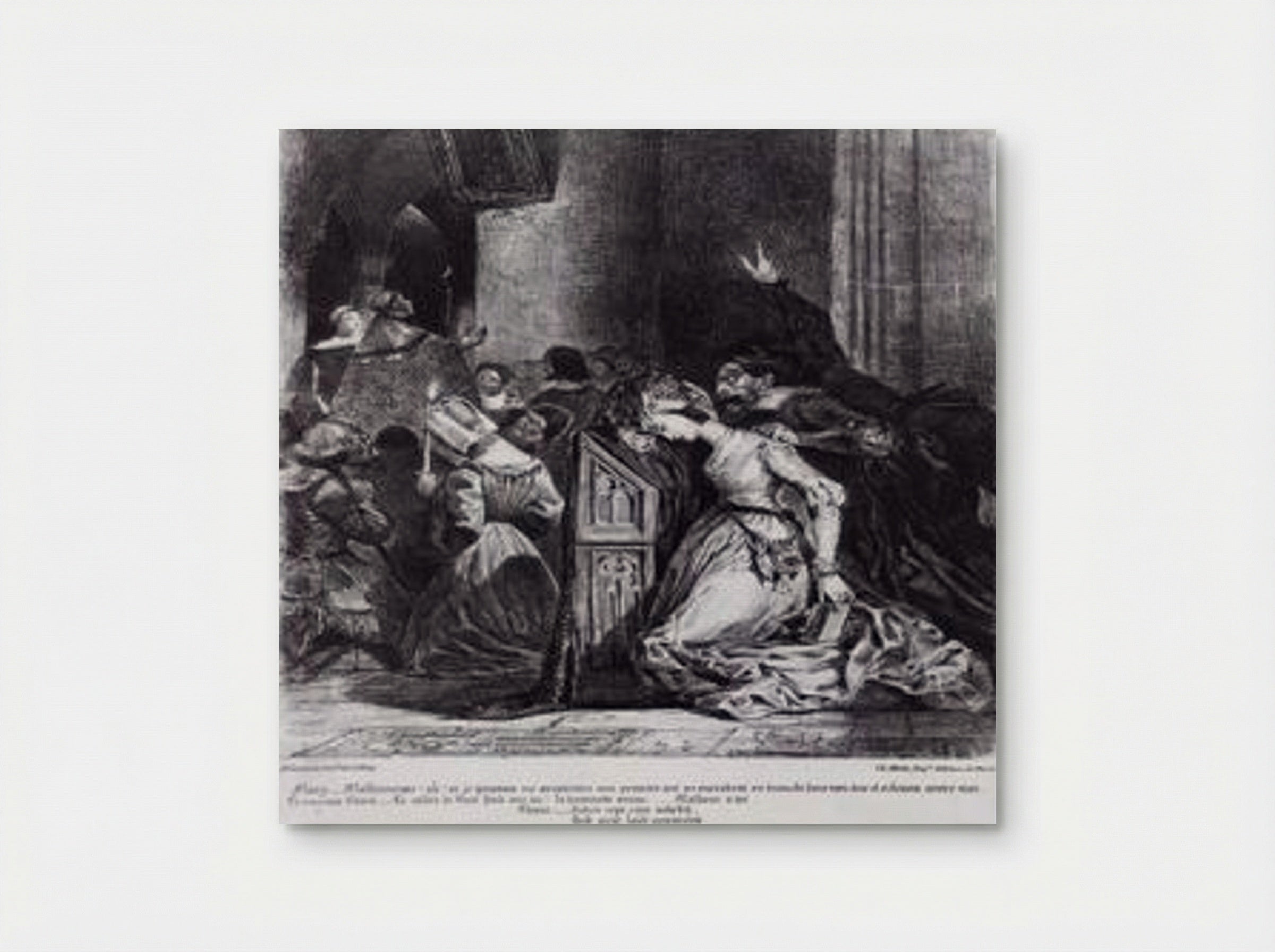 Margherita nella chiesa con gli spiriti maligni - Eugène Delacroix
Print
Prezzo originale Da £37.00 GBPPrezzo scontato Da £37.00 GBP Prezzo originale -
 Leone che divora un cavallo arabo - Eugène Delacroix
Print
Prezzo originale Da £28.00 GBPPrezzo scontato Da £28.00 GBP Prezzo originale -
 Scontro tra arabi sulle montagne - Eugène Delacroix
Print
Prezzo originale Da £28.00 GBPPrezzo scontato Da £28.00 GBP Prezzo originale -
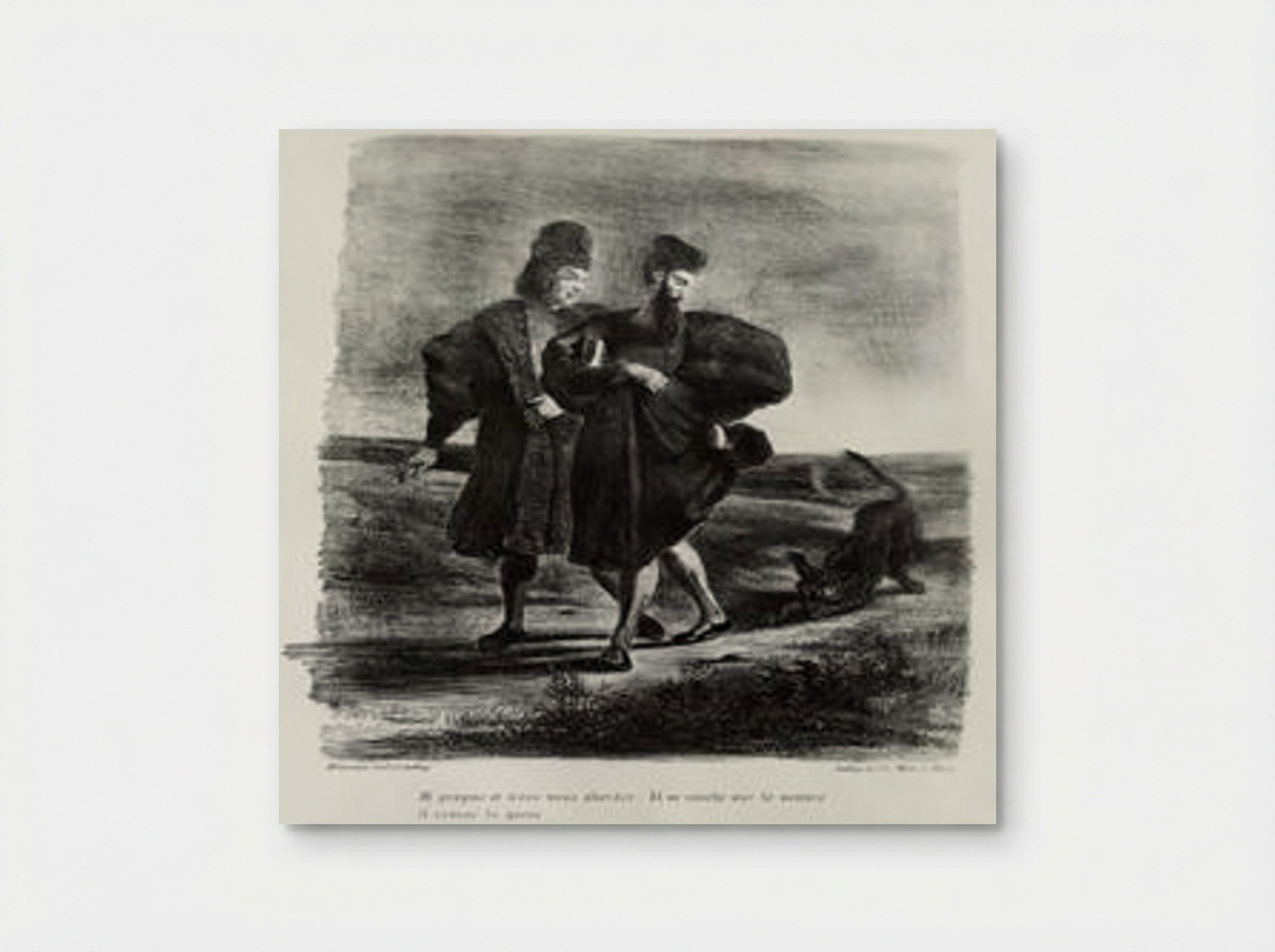 Faust e Mefistofele - Eugène Delacroix
Print
Prezzo originale Da £37.00 GBPPrezzo scontato Da £37.00 GBP Prezzo originale -
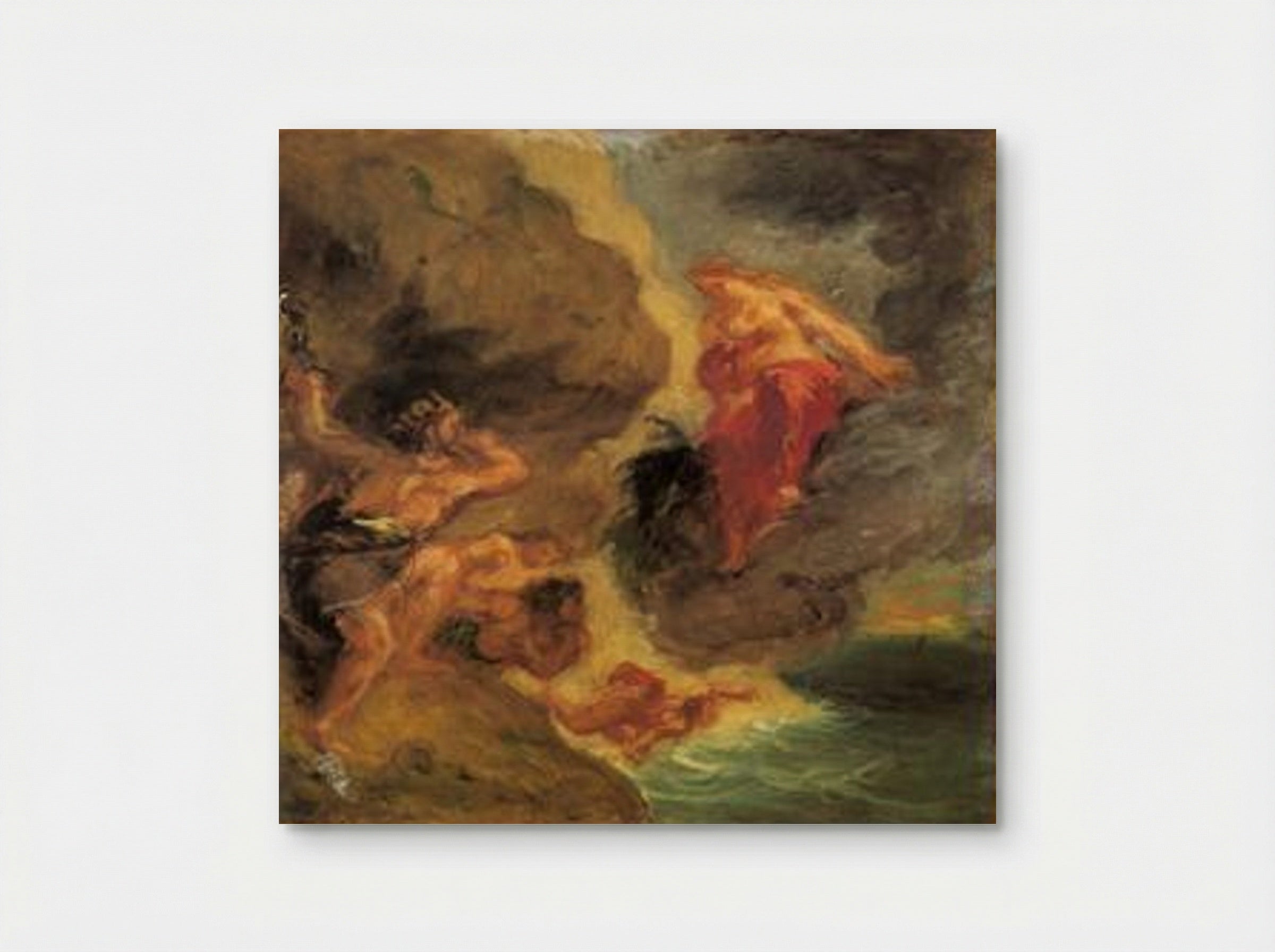 Giunone ed Eolo - Eugène Delacroix
Print
Prezzo originale Da £37.00 GBPPrezzo scontato Da £37.00 GBP Prezzo originale -
 Carlo VI e Odette de Champdivers - Eugène Delacroix
Print
Prezzo originale Da £28.00 GBPPrezzo scontato Da £28.00 GBP Prezzo originale -
 Un angolo dello studio - Eugène Delacroix
Print
Prezzo originale Da £28.00 GBPPrezzo scontato Da £28.00 GBP Prezzo originale -
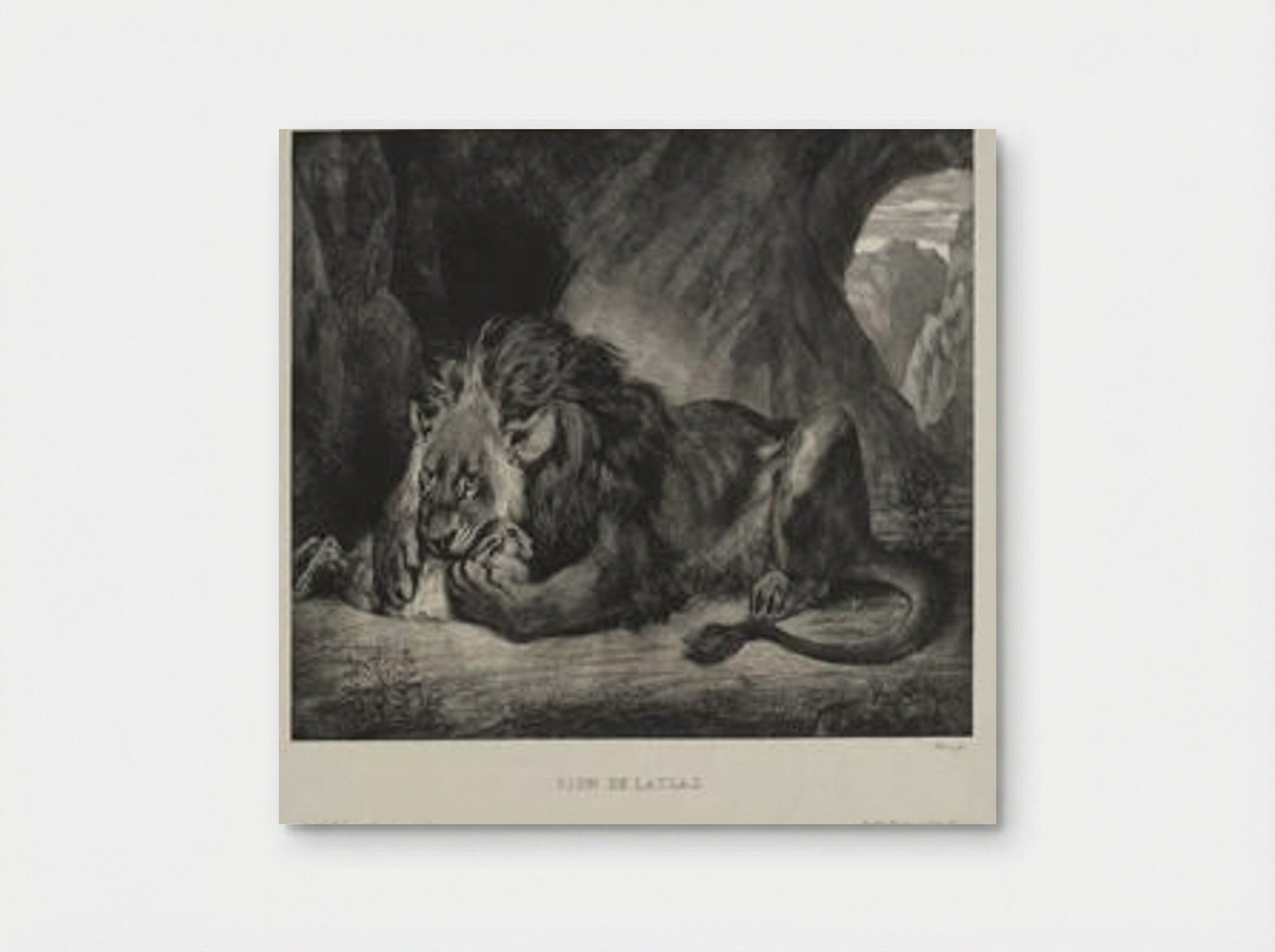 Leone dell'Atlante - Eugène Delacroix
Print
Prezzo originale Da £37.00 GBPPrezzo scontato Da £37.00 GBP Prezzo originale -

 Arabo davanti alla porta della sua abitazione - Eugène Delacroix
Print · Framed
Prezzo originale Da £28.00 GBPPrezzo scontato Da £28.00 GBP Prezzo originale


Artist Biography
Eugene Delacroix
Delacroix painted Liberty leading the people over a barricade of corpses and gave Romanticism its defining image. Liberty Leading the People (1830) shows a bare-breasted woman holding the tricolour, striding over the dead, accompanied by a boy with pistols. It commemorates the July Revolution. Delacroix included himself in the painting, wearing a top hat and carrying a rifle. Whether he actually fought on the barricades is unlikely but characteristic.
He was born in Charenton-Saint-Maurice, near Paris. His legal father was a diplomat. His biological father may have been Talleyrand, the foreign minister, which would explain several things about his career including his early access to government commissions. He studied at the Ecole des Beaux-Arts under Pierre-Narcisse Guerin and was influenced by Gericault's The Raft of the Medusa, which showed him that contemporary events could be painted at the scale previously reserved for mythology.
His brushwork was loose and fast by the standards of the Academy. He preferred colour to line, which put him in direct opposition to Ingres, the master of precise contour. The rivalry between Delacroix and Ingres, colour versus drawing, became the central argument of French painting in the mid-nineteenth century. Delacroix won in the long run: the Impressionists claimed him, the Fauves revered him, and Cezanne called him the starting point of modern painting.
He travelled to Morocco in 1832 and came back with notebooks full of colour studies that influenced the rest of his career. The North African light loosened his palette permanently. He died in 1863, at sixty-five, and left a journal that is one of the most intelligent accounts of painting ever written.


Perché Scegliere Noi?